
Is your dog scratching at your bedroom door again tonight? You lie there listening to that thump-thump-thump of a paw against fur, wondering what’s actually going on under all that hair.
Hot spots, ear infections, and skin allergies hit a huge number of dogs, and they make life miserable for everyone in the house.
Here’s the good part.
I’m going to walk you through the exact signs to watch for, the treatments that actually work, and simple prevention steps that keep your pup comfortable. Grab a cup of coffee, and let’s get into it together.
Key Takeaways
- Red, inflamed skin signals allergies. Your dog’s immune system may be reacting to food, pollen, fleas, bacteria, or yeast, and it needs a vet’s diagnosis.
- Hot spots grow fast. The scratch-and-moisture cycle can turn a minor irritation into a painful, oozing sore within hours.
- Ear infections come from bacteria, yeast, or parasites that love warm, moist ear canals, especially in dogs with drop ears or thick coats.
- Weekly baths with allergy shampoo, regular grooming, and year-round flea prevention cut down on allergens and infection risk.
- Medicated ear drops, oral medications, home care with an Elizabethan collar, and diet changes all work best alongside your vet’s guidance.
A volunteer group in Blythewood, SC, tried a simple six-week home routine during spring pollen season to see what would happen. Blythewood sits in the Midlands region of South Carolina, right in the middle of prime pollen territory each spring.
Twelve adult dogs took part, using allergy shampoo weekly and monthly flea treatment. By week six, nine of the twelve owners saw less redness, and eight noticed fewer head shakes and ear rubs compared to where they started. Several owners noticed less pollen-related itching within just two weeks.
This small trial shows how a few simple habits can ease symptoms during heavy pollen season. Results still depend on your dog’s own sensitivities, so don’t expect a miracle cure.
What are the common symptoms of dog skin allergies?
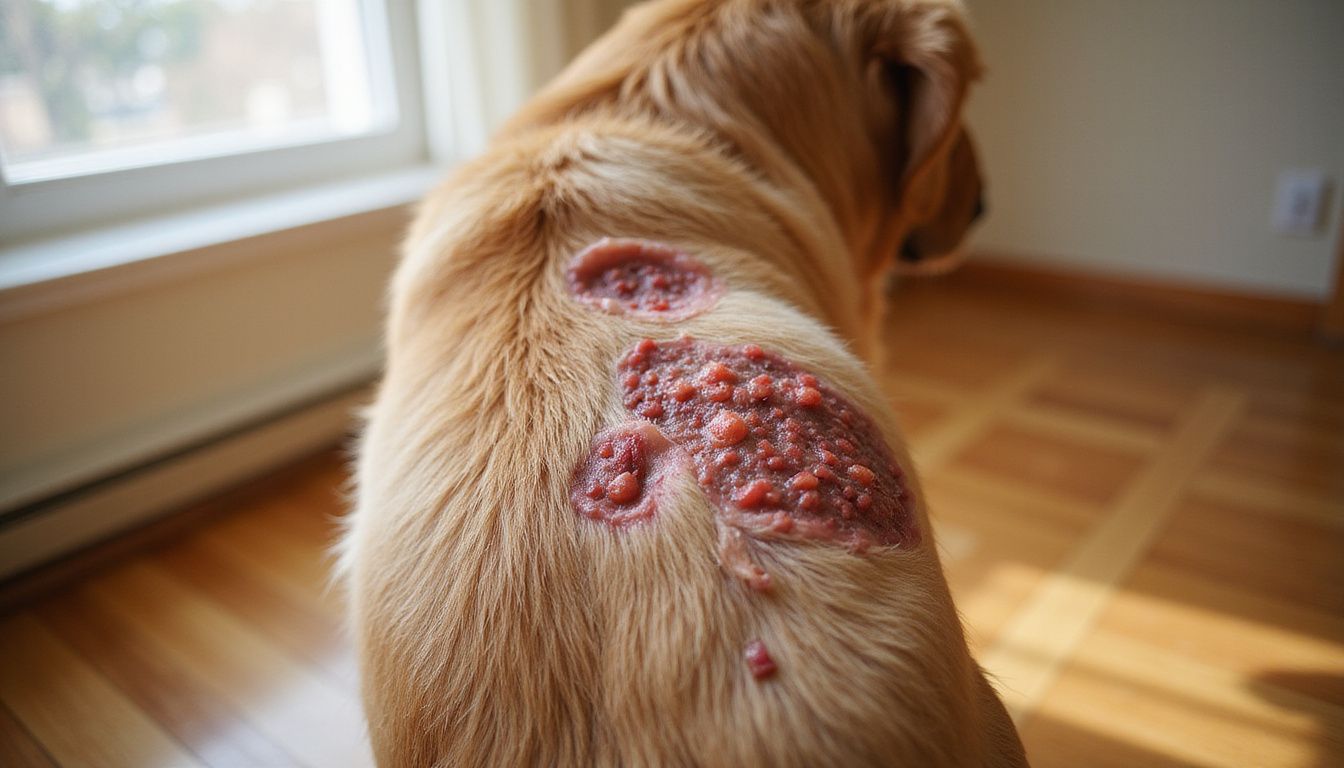
Your dog scratches constantly, and you spot red, inflamed skin under that thick coat. These signs tell you allergies are causing real trouble for your furry friend.
Why is my dog’s skin red and inflamed?
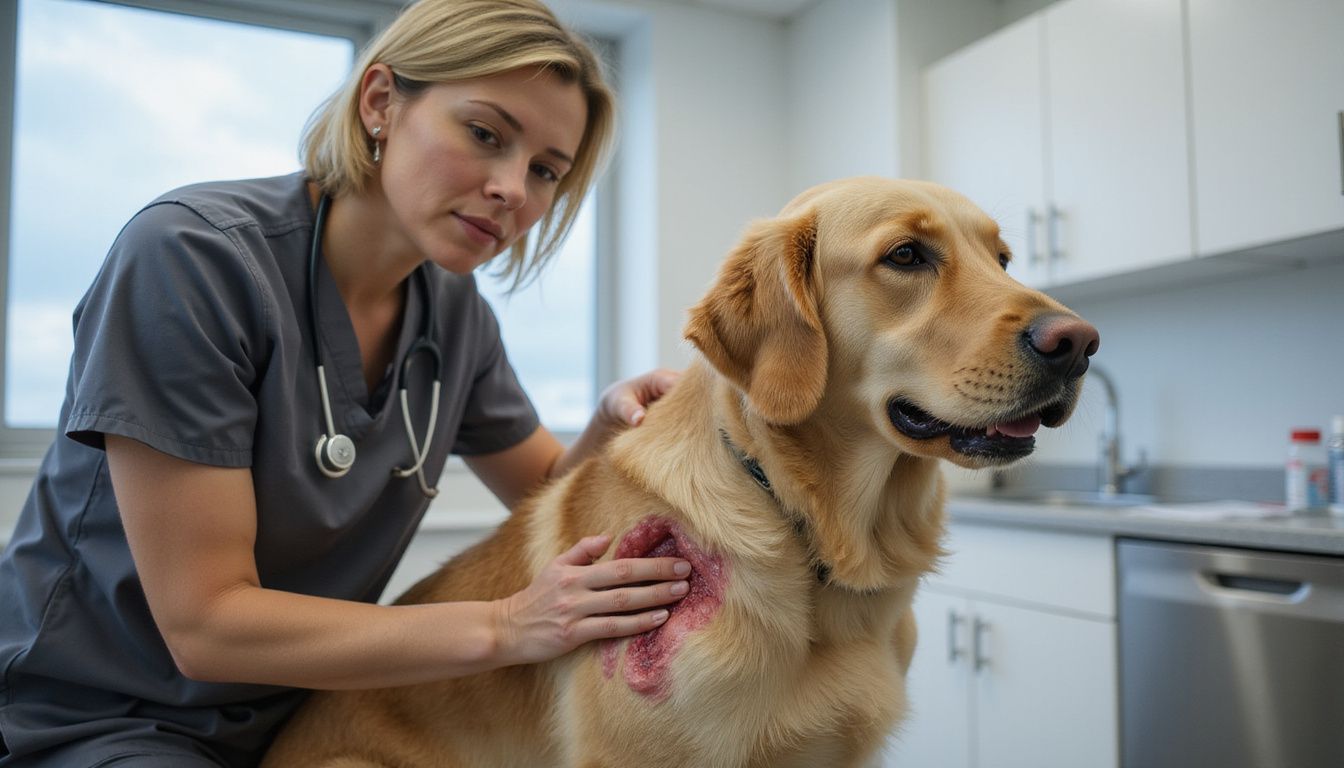
Red, inflamed skin means your dog’s body is fighting off something it sees as a threat. Allergies cause the skin to swell and turn red as the immune system reacts to irritants.
Food allergies, environmental allergens like pollen, or a flea bite allergy can all spark this response. Bacteria and yeast often settle into inflamed areas too, making things worse.
If redness spreads or the skin feels hot, a secondary bacterial infection could be building. Dr. William Miller and other veterinary dermatology experts at Cornell University College of Veterinary Medicine explain that this happens because your dog’s body treats harmless substances like real threats.
Scratching makes everything worse, and the cycle feeds itself. Your dog itches, scratches harder, and breaks down the skin barrier even more. That damage opens the door for bacteria and yeast to move in.
Based on 2026 claim data from Nationwide Pet Insurance, skin allergies ranked as the number one medical claim for dogs for the 15th year in a row. The average cost hit $265 in just the first 30 days after diagnosis. That’s a good reason to jump on redness fast, before it turns into a bigger vet bill and a more uncomfortable dog.
Redness and swelling are common signs of both skin and ear allergy reactions, and catching them early makes all the difference in your dog’s comfort.
The skin can become thickened, crusty, or weepy depending on how far things go. Flea prevention matters here too, since even one flea bite can trigger a strong reaction in a sensitive dog.
A visit to the vet for an ear cytology test or culture and sensitivity test helps pin down exactly what’s causing the inflammation. Once you know the cause, treating it gets a lot simpler, and your pup gets relief faster.
What causes excessive itching or scratching in dogs?
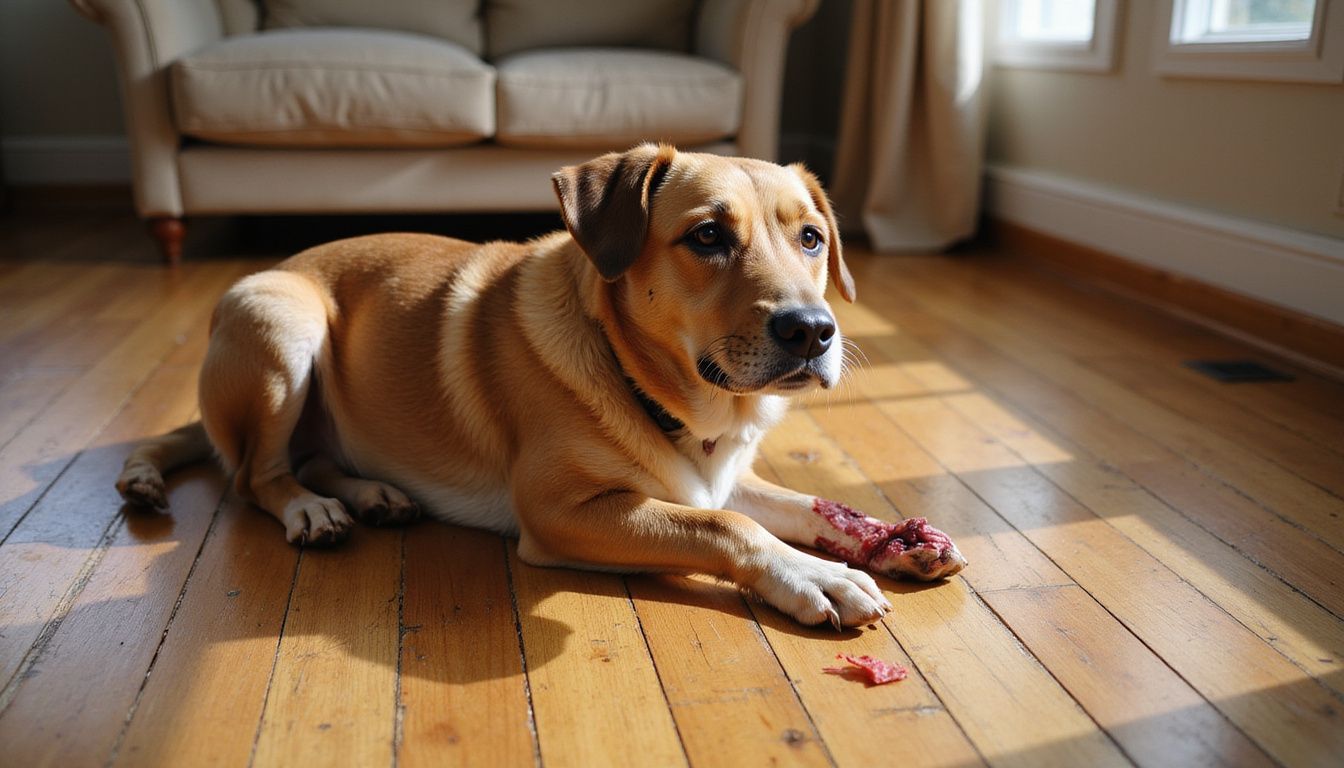
According to a June 2026 survey by Merck Animal Health, roughly one-third of all dogs seen by vets come in specifically for itchy skin or allergic skin disease. That number alone shows this isn’t some rare problem. It’s one of the most common reasons dogs end up in the exam room.
Your dog’s constant scratching usually points to one of a few common culprits:
- Flea bites, the single leading cause of itching in dogs
- Environmental allergens like pollen, dust, and mold
- Anal sac disease, which causes licking and chewing near the tail
- Ear inflammation from bacteria or yeast, leading to head scratching
Itching is a primary symptom of pet allergies, often leading to scratching, licking, or chewing that damages the skin further.
Pet allergies build up slowly, so your dog might start by scratching their ears, which then escalates into hot spots caused by bacteria from the skin surface. Hot spots can form fast, developing from excessive scratching, chewing, or licking in just a few hours.
Your dog’s saliva mixed with bacteria already on the skin creates the perfect storm for infection. Moist dermatitis, also called pyotraumatic dermatitis or acute moist dermatitis, forms when your pup obsesses over one spot until it becomes raw.
The cycle turns vicious fast. Itching causes scratching, scratching causes wounds, and wounds become infected, which causes more itching. Therapeutic diets and supplements can help manage the underlying allergies that fuel all that scratching in the first place.
Understanding these triggers helps you catch problems early, before things spiral. Now that you know what causes the scratching, let’s look at how to spot ear infections in your dog.
Why does my dog have hair loss and flaky skin?
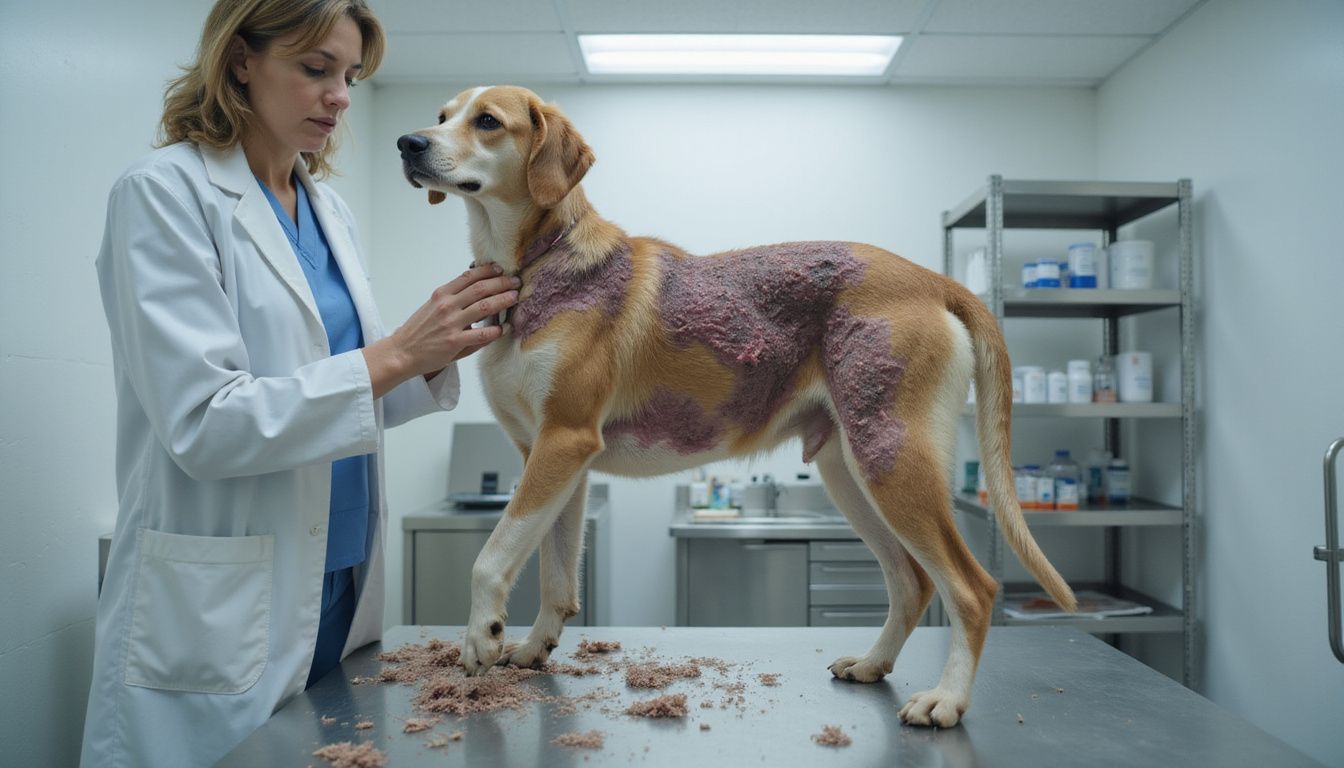
Hair loss and flaky skin come from repeated scratching, licking, and chewing caused by allergies. When your pup scratches nonstop, the skin’s protective barrier breaks down over time.
This damage lets bacteria and yeast thrive in the affected areas. The result is flakiness, thinning hair, and skin irritation that can spread across your dog’s body.
Matted fur traps moisture right against the skin, creating a perfect breeding ground for infection.
Matted areas in your dog’s coat hold moisture against the skin, which sets the stage for infections and sores that lead to hair loss. Hot spots, or moist dermatitis, develop from this same cycle of inflammation and sores, causing patchy hair loss.
Chronic irritation from allergies sets off a chain reaction that’s tough to stop without proper allergy management. Flaky skin appears as the outer layer breaks down from constant friction and moisture buildup, and hair thins as the follicles get inflamed.
Talking with professionals at the Virginia-Maryland College of Veterinary Medicine or your own local vet helps you figure out whether environmental allergens, food sensitivities, or fleas are behind your dog’s skin condition. Fixing the root cause stops the scratching cycle and lets your dog’s coat get back its shine.
Understanding Hot Spots
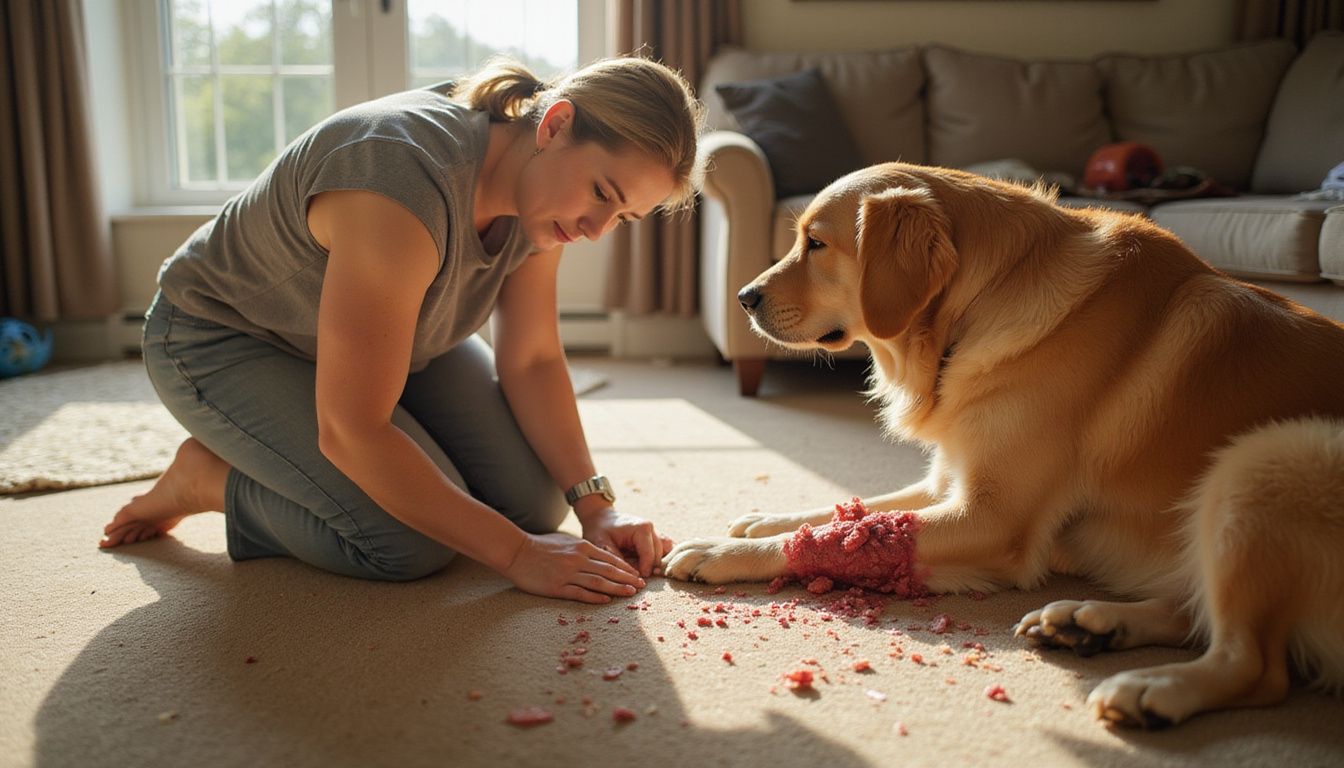
Hot spots show up fast and hit hard. Your dog’s skin can turn raw, wet, and painful in just hours, turning a small scratch into a real problem fast.
What exactly are hot spots on dogs?
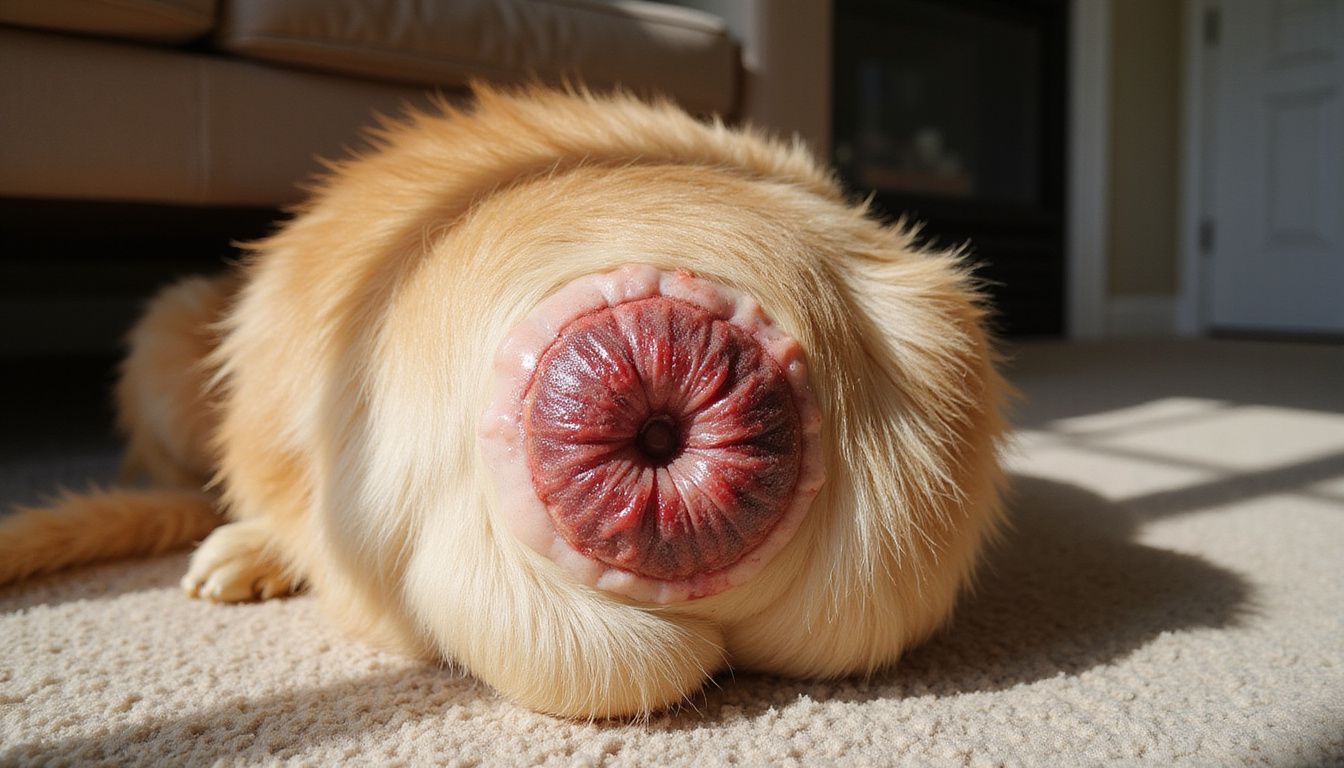
Hot spots, or moist dermatitis, are painful skin lesions that show up as red, oozing sores. These round lesions grow fast and often ooze pus, making them itchy and uncomfortable for your pet.
You might notice hair loss around the spot, a sign your dog is dealing with more than simple surface irritation. A mild irritation can turn into a severe, oozing sore in just hours or days.
Your dog develops hot spots through a chain reaction of scratching, chewing, or licking set off by allergens and irritants. A dog with an ear infection might scratch its ears nonstop, which then creates a hot spot on the cheek thanks to bacteria from the skin surface. Excess moisture and bacteria multiply fast, turning a small problem into a painful wound.
Hot spots can develop from a single itch into a serious problem within hours, so vigilance is your best defense.
These lesions get mistaken for minor skin issues often, but they need real attention from your vet, whether that’s Doko Animal Hospital or your local clinic. Your dog’s discomfort grows as the condition worsens, so catching hot spots early makes a real difference in recovery time.
One caregiver shared how fast a hot spot formed on a medium-haired mixed-breed dog after wet play in damp grass. Within twelve hours, a 2.5 cm damp, oozing lesion appeared on the dog’s side.
The owner clipped the hair around it, cleaned the spot twice a day, applied topical 1% hydrocortisone, and fitted the dog with an Elizabethan collar to stop the licking. At 72 hours, the lesion had dried completely and formed a healthy scab. Catching the sore early and keeping it clean stopped the cycle and skipped a vet visit in this case, though more severe lesions always call for professional care.
Home care matters here too. Keep the area clean and dry, use an Elizabethan collar to stop further licking, and watch for signs of infection. Regular grooming and managing environmental allergens as part of your preventive care and wellness routine cuts down your dog’s risk of these painful lesions in the first place.
What triggers hot spots like allergies and moisture?
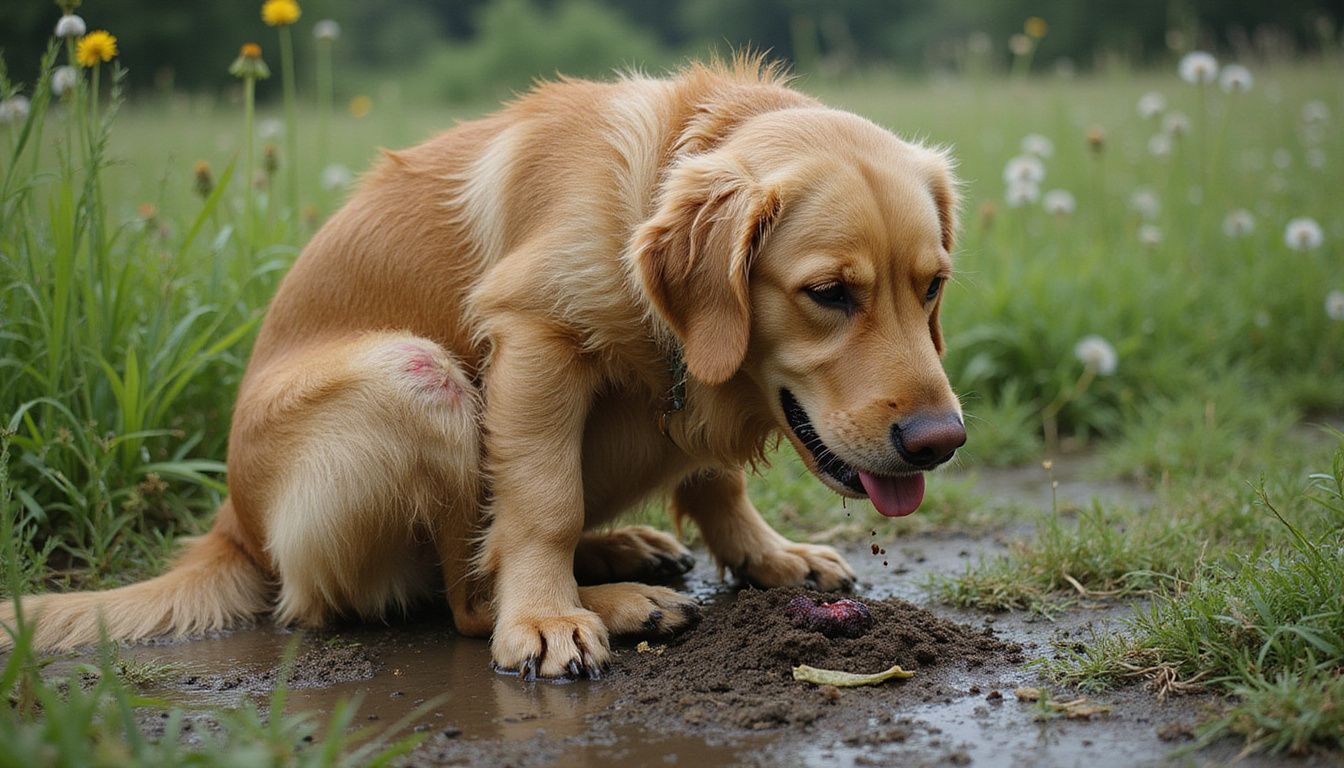
Now that you know what hot spots are, let’s look at what actually causes them. A few triggers usually work together to create the perfect storm for these painful sores:
- Environmental allergies during spring and summer, when grass pollen fills the air and mold spores pop up after rain
- Fleas and flea bite allergies, which thrive in warm weather
- Anal sac disease, which causes licking and chewing that can spread into hot spots
- Trapped moisture, especially in humid climates like South Carolina
Dogs with drop ears that swim or spend time in wet conditions face a real risk here. Water gets trapped inside the ear canal and creates a perfect breeding ground for bacteria and yeast.
Matted areas in the coat act like little sponges, holding moisture right against the skin and speeding up infection. Your dog’s inability to dry fully after swimming or playing in wet grass makes the problem worse.
Put environmental allergens, parasites, and trapped moisture together, and hot spots flourish fast. Grooming and managing your dog’s environment are your best tools for keeping these sores from forming in the first place.
How can I recognize ear infections in my dog?

Your dog’s ears tell you a lot about their health. Red, swollen ear flaps, bad smells, and constant head shaking signal that something’s wrong inside those ear canals.
What are the signs of ear infections in dogs?

Ear infections sneak up on dogs fast, and catching them early makes treatment much easier. Here’s what to watch for:
- Frequent head shaking, a sign your dog’s ears hurt or feel off
- Intense scratching or pawing at the ears throughout the day
- Redness or swelling around the ear canal, making tissue look puffy
- An unpleasant odor coming from the ear
- Dark discharge, ranging from brown to black
- Pain when you touch the ear, causing your dog to pull away or yelp
Thickened wax can trap moisture and set up perfect conditions for infection to grow. Weekly ear checks help you spot redness, smells, or discharge before symptoms get worse, and symptoms tend to move fast when an underlying allergy is driving the infection.
Groomers at a regional clinic tracked ear findings during routine trims for 30 dogs over a two-month period in a humid season. Twenty of the 30 dogs showed at least one early warning sign, such as extra wax, mild redness, or frequent head shaking.
Of those twenty, six had dark discharge that pointed to infection, and those dogs got referred to a vet for a closer look. Regular ear checks during grooming caught subtle changes before dogs showed obvious pain, which is exactly why weekly inspections matter so much.
What causes ear infections, such as bacteria, yeast, or parasites?
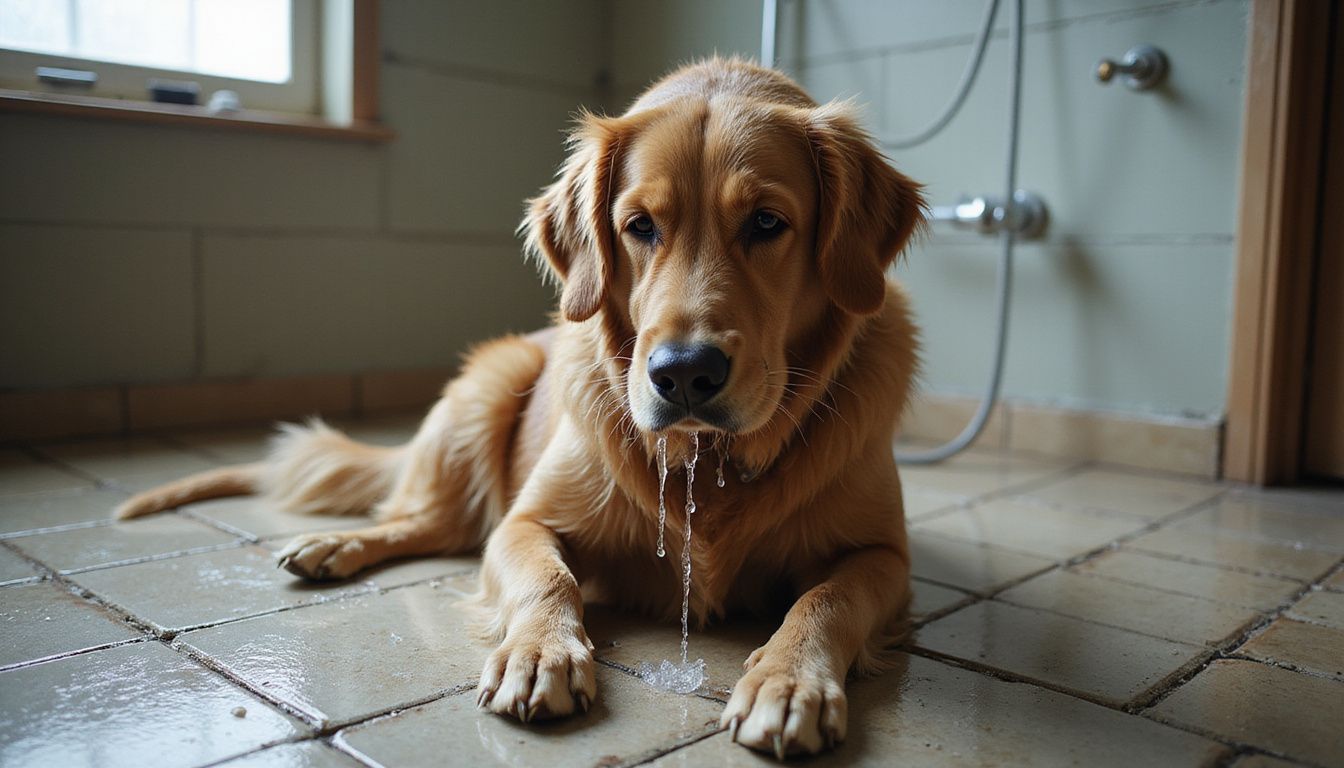
Your dog’s ears create the perfect storm for bacterial and yeast growth. Moisture sits in the ear canal, especially if your pup loves swimming or has drop ears that trap dampness. A landmark 2021 study by the Royal Veterinary College found that dogs with floppy, pendulous ears face much higher infection risk, since the ear flap acts like a lid that blocks airflow. Basset Hounds, Labradoodles, and Cocker Spaniels ranked among the highest-risk breeds in that research.
If you own one of these breeds, drying your dog’s ears fully after every bath or swim matters even more than usual. Bacteria and yeast thrive in a warm, moist ear canal the same way plants thrive in a greenhouse.
Allergies make things worse by thickening the ear lining and boosting wax production, which feeds these troublemakers. Your veterinarian can use an otoscope to spot infections early, before they spiral out of control. Addressing infections quickly protects the eardrum, so don’t put off a vet visit once you spot signs.
Parasites like fleas and mites spark ear trouble too. These external parasites cause irritation that leads to infection, and mites are a specific area of interest for veterinary dermatology experts like Ivan Ravera, who studies canine skin and ear conditions and treatments.
Dogs with thick coats that don’t dry properly after water exposure face higher risk, since moisture lingers in their fur. Anal gland disease can make things worse too, since licking and chewing introduces more bacteria into already sensitive ears. Environmental allergens like pollen and mold spores trigger the inflammation that opens the door for infection.
Understanding these causes helps you spot problems early. Your vet, along with resources like the Cornell Richard P. Riney Canine Health Center or MyVCA, can help you find the right solution and treat ear infections before they turn into serious complications.
What are the treatment options for these conditions?
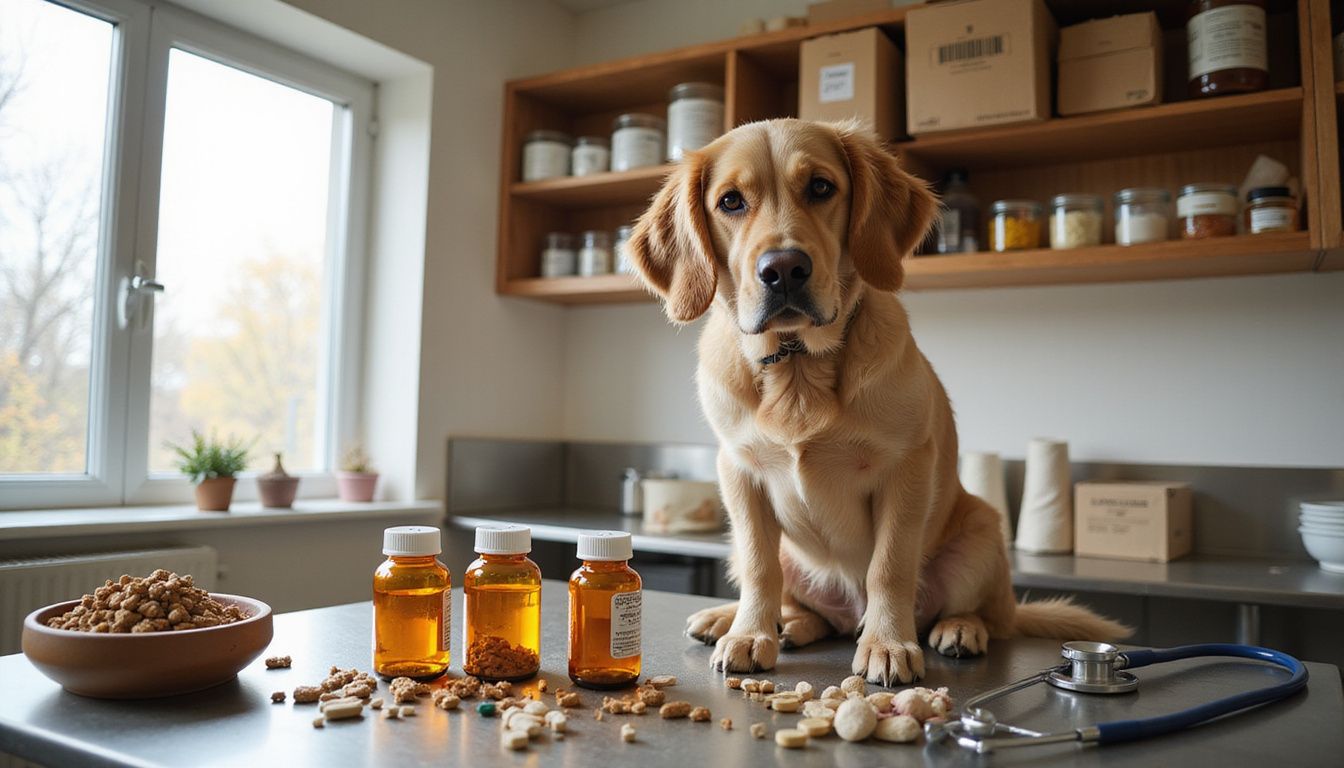
Your vet has several tools to fight these skin battles. Medications, dietary changes, and home care work together to get your dog feeling better fast.
How can allergies be treated with medications or diet changes?
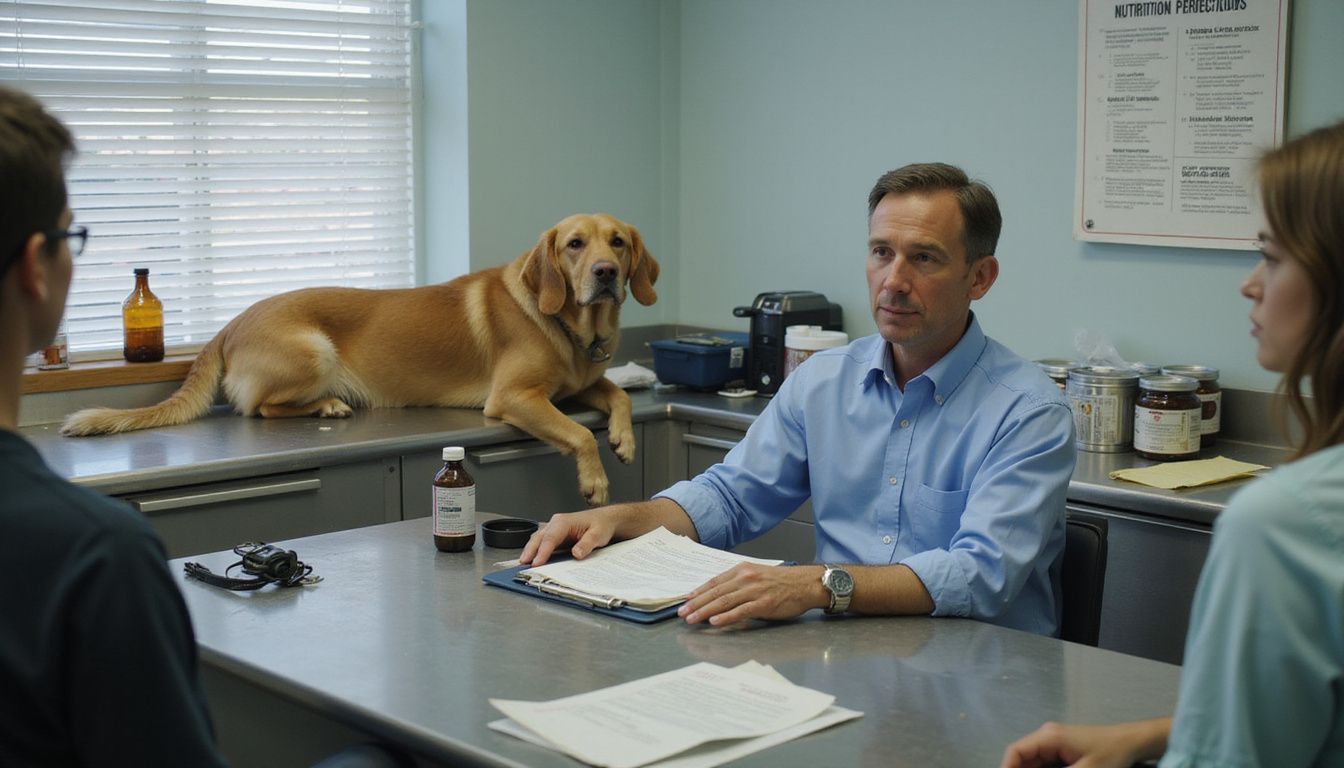
Your vet can help you tackle allergies through medication and diet shifts. These work best when you also track what triggers your dog’s symptoms.
- Allergy testing identifies the specific substances behind the reaction, making treatment far more targeted than guessing.
- Prescription steroids and antihistamines calm inflammation and stop the itch cycle fast.
- A dietary elimination trial pinpoints food triggers by removing suspicious ingredients one at a time. Veterinary dermatologists, including the American College of Veterinary Dermatology, note this is the only validated way to test for food allergies. Plan for a strict 8 to 12 weeks, since over-the-counter blood and hair tests are notoriously unreliable and can send you chasing the wrong culprit.
- Flea prevention forms a critical part of managing allergic reactions, since fleas amplify many skin issues.
- Long-term allergy management needs veterinary supervision, especially when symptoms keep returning despite early treatment.
Treating a secondary infection alone misses the root cause. Addressing the underlying allergy prevents future flare-ups and saves you money down the road, since regular monitoring lets you and your vet fine-tune medications or diet with more precision.
How should I care for my dog’s hot spots at home?
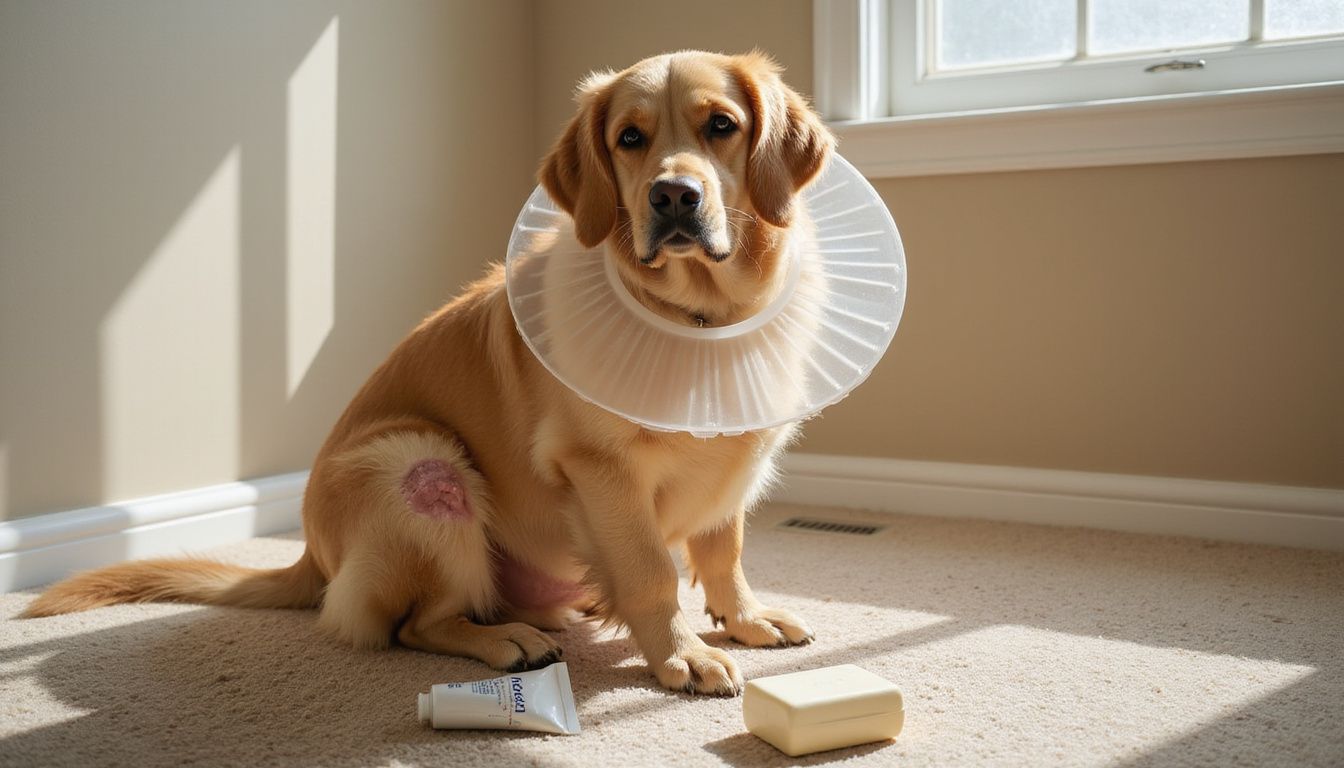
Hot spots can make your dog miserable, but home care works well when you catch them early. Acting fast stops the sore from getting worse and gets your pup comfortable sooner.
Before you start home treatment, run through this quick checklist:
- The lesion measures under 3 cm
- Your dog shows no fever
- Your dog tolerates touch around the area
- You see improvement within 24 hours of home care
If any of these fail, book a vet visit instead. A community clinic used this exact checklist on 25 cases and correctly flagged seven for immediate veterinary care, which helped owners make safer calls about treating at home versus seeing a professional.
| Treatment Type | Best For | Who Should Use It |
|---|---|---|
| Topical antimicrobial wash (2-4% chlorhexidine) | Superficial, mild hot spots | You, at home, with vet guidance |
| Oral antibiotics | Deep or severe infections | Prescribed by your vet only |
According to updated 2025 guidelines from the International Society for Companion Animal Infectious Diseases (ISCAID), topical treatment is now the go-to choice for superficial hot spots. Oral antibiotics should stay reserved for deeper infections, mainly to prevent antibiotic resistance from building up over time.
- Clean the area gently with mild soap, like Dove, Aveeno bar, Cetaphil, or Castile soap, to clear dirt and bacteria.
- Apply a first-aid cream like Neosporin or generic 1% hydrocortisone three to four times a day for pain relief.
- Clip hair around the hot spot so moisture and ooze don’t get trapped underneath.
- Use an Elizabethan collar or soft donut collar, which Dr. William Miller strongly recommends, to stop licking and scratching.
- If your dog can’t tolerate steroids, products with pramoxine give temporary pain relief without extra side effects.
- Stop treatment once redness fades and a healthy scab forms. Leave that scab alone so it doesn’t slow down healing.
Watch the sore closely for the first 24 hours. If it still looks bad after that, infection has likely set in, and a vet visit becomes necessary for proper canine hot spots treatment. Always be gentle during cleaning, since pain can trigger aggression even in a normally calm dog.
What are the best treatments for ear infections prescribed by vets?
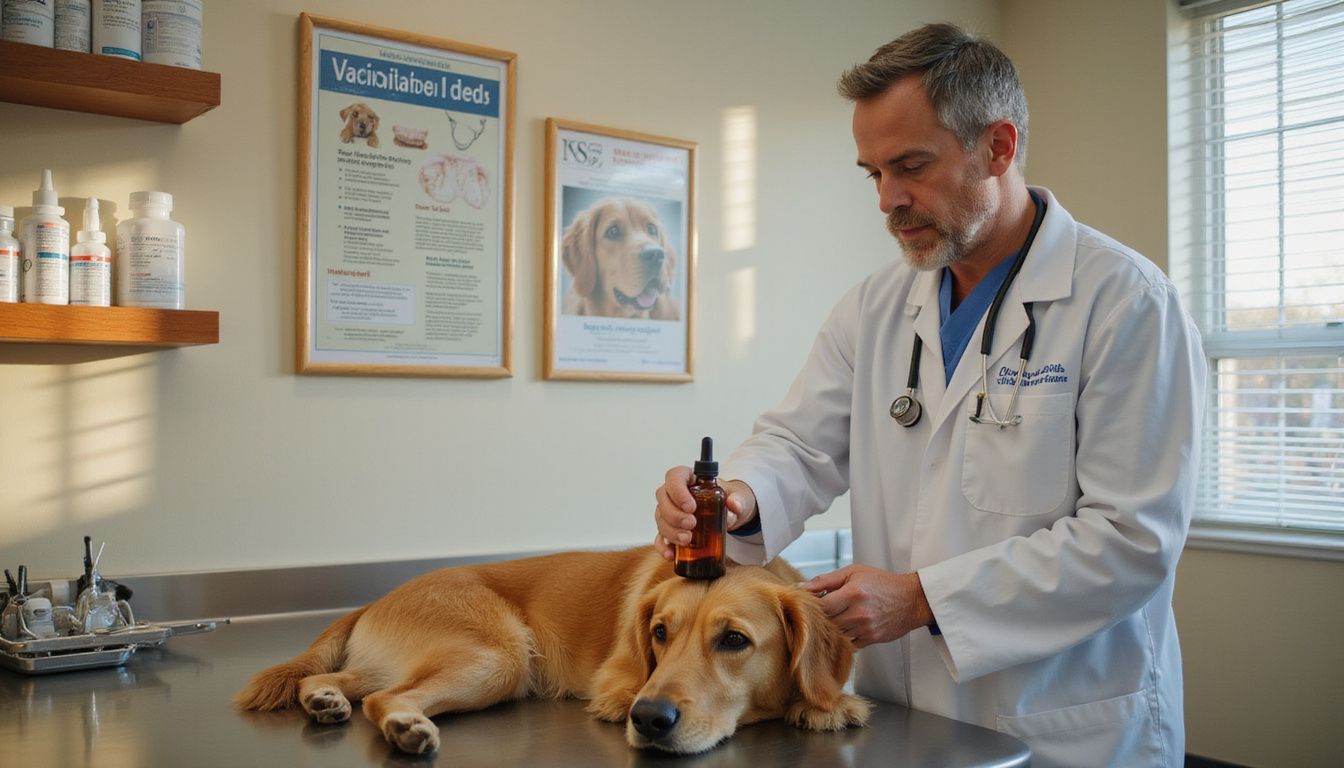
Your vet will likely prescribe medicated ear drops as the first line of defense against ear infections. These drops carry active ingredients that fight the bacteria, yeast, or parasites causing the problem.
Your vet will also do a thorough cleaning of the ear canal to clear out debris and discharge. This combo of cleaning plus medication tackles the infection at its source, and severe or persistent cases may need oral medication that works from the inside out.
- Finish the entire course of medication, even if symptoms clear up early
- Skip cotton swabs deep in the ear canal, since they can cause injury
- Use a vet-recommended, pet-safe ear cleaning solution for weekly checks
- Call your vet fast if you see pain, swelling, or rapid worsening
Stopping treatment early lets the infection bounce back stronger than before. Pet health resources from veterinary clinics in Blythewood, SC, and elsewhere stress the importance of follow-up care and consistent monitoring.
Signs of pain, swelling, or fast-growing infection call for immediate care from professionals like Dr. Jo Myers or through services like Vetster. Persistent or recurring infections may point to an underlying environmental allergy that needs its own management plan, so your vet may build a custom approach for chronic cases.
How can I prevent skin allergies, hot spots, and ear infections?
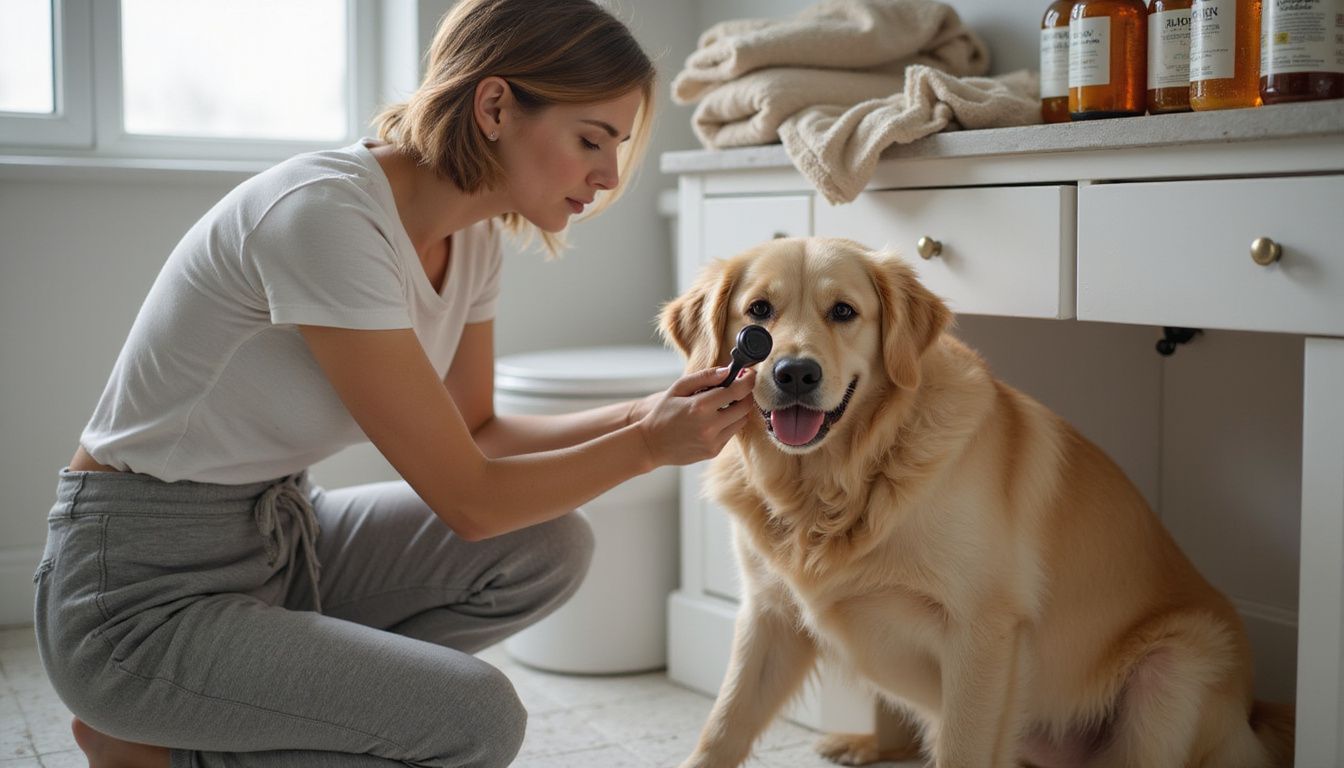
You can stop many skin problems before they start. Here are the practical steps that protect your dog’s health.
Why is regular grooming and cleaning important?
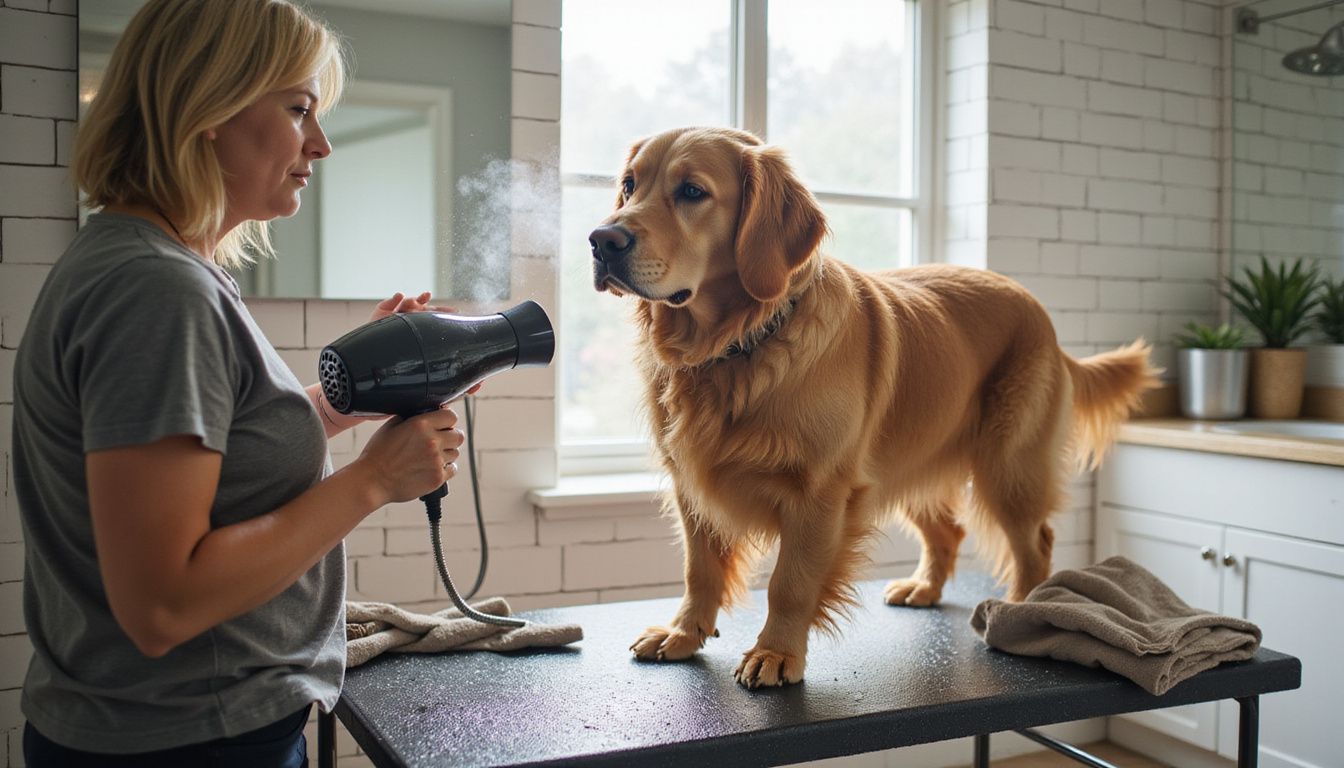
Regular grooming and cleaning form the backbone of your dog’s skin health. Brushing clears dirt, debris, and dead hair that trap moisture against the skin, and using a blow dryer on dogs with long or double coats stops hot spots before they even start.
A solid grooming routine gives you these benefits:
- Removes mats that trap moisture against the skin
- Catches fleas or ticks early, before infestations spread
- Spots ear redness, moisture, or discharge fast during daily checks
- Flags anal gland issues when you lift the tail to check
- Reveals hair loss, redness, or sores before they turn serious
Clean and dry coats cut the risk of hot spots and secondary bacterial or yeast infections that can spiral out of control. Rinsing your dog off with clean water after swimming also cuts down on the allergen and bacteria exposure that leads to infection, keeping your dog comfortable and ready for the next adventure.
How can I manage environmental allergens for my dog?
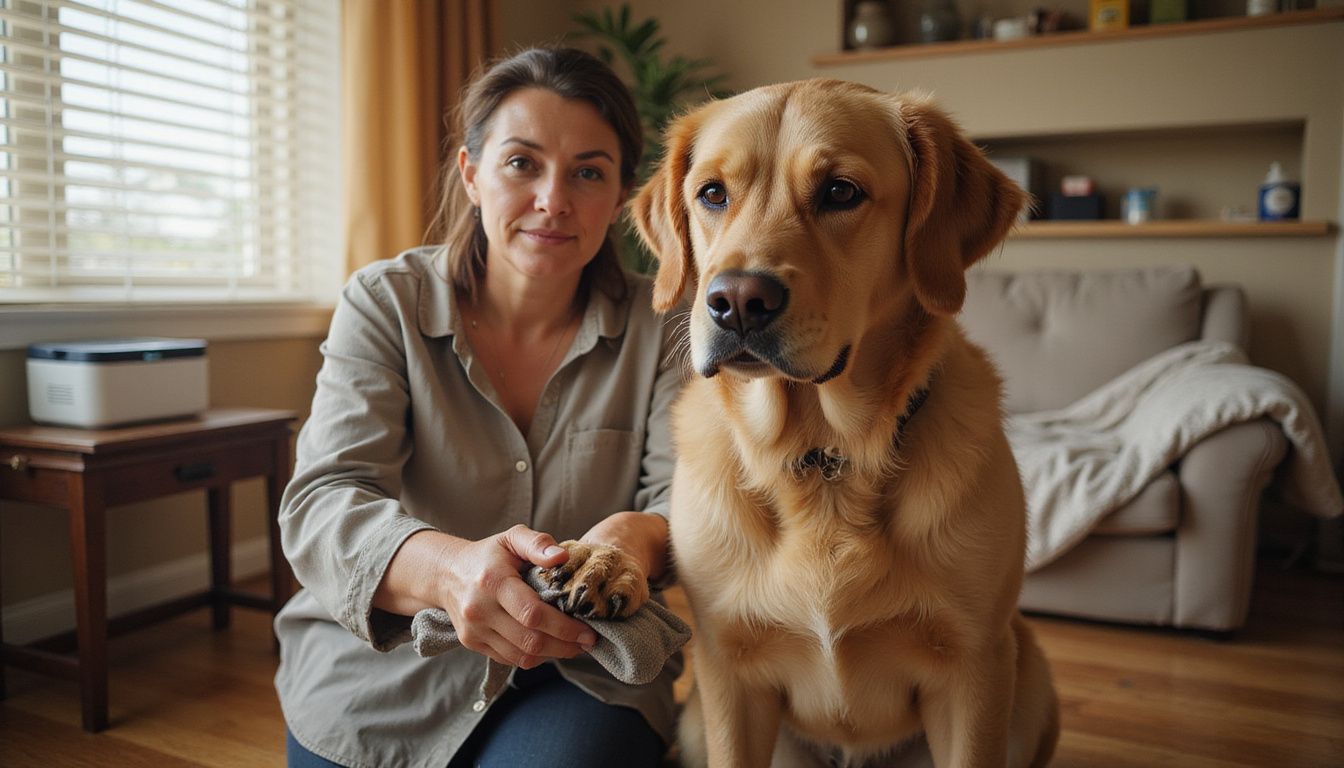
Managing environmental allergens keeps your dog comfortable year-round. A few simple habits go a long way toward cutting down what triggers your dog’s allergies:
- Bathe your dog weekly with allergy-friendly shampoo to wash away pollen, mold spores, and other irritants.
- Wash bedding every seven days in hot water to clear dust mites and allergen buildup.
- Run an air purifier and keep windows closed during peak spring and summer pollen.
- Keep flea prevention going year-round, especially in warm climates where fleas never fully die off.
- Limit outdoor time on high pollen days, and wipe paws and face with a damp cloth after outdoor play.
Talk to your vet about vaccines and dental health alongside allergy management, since your dog’s overall health supports a stronger immune system and healthier skin.
Conclusion
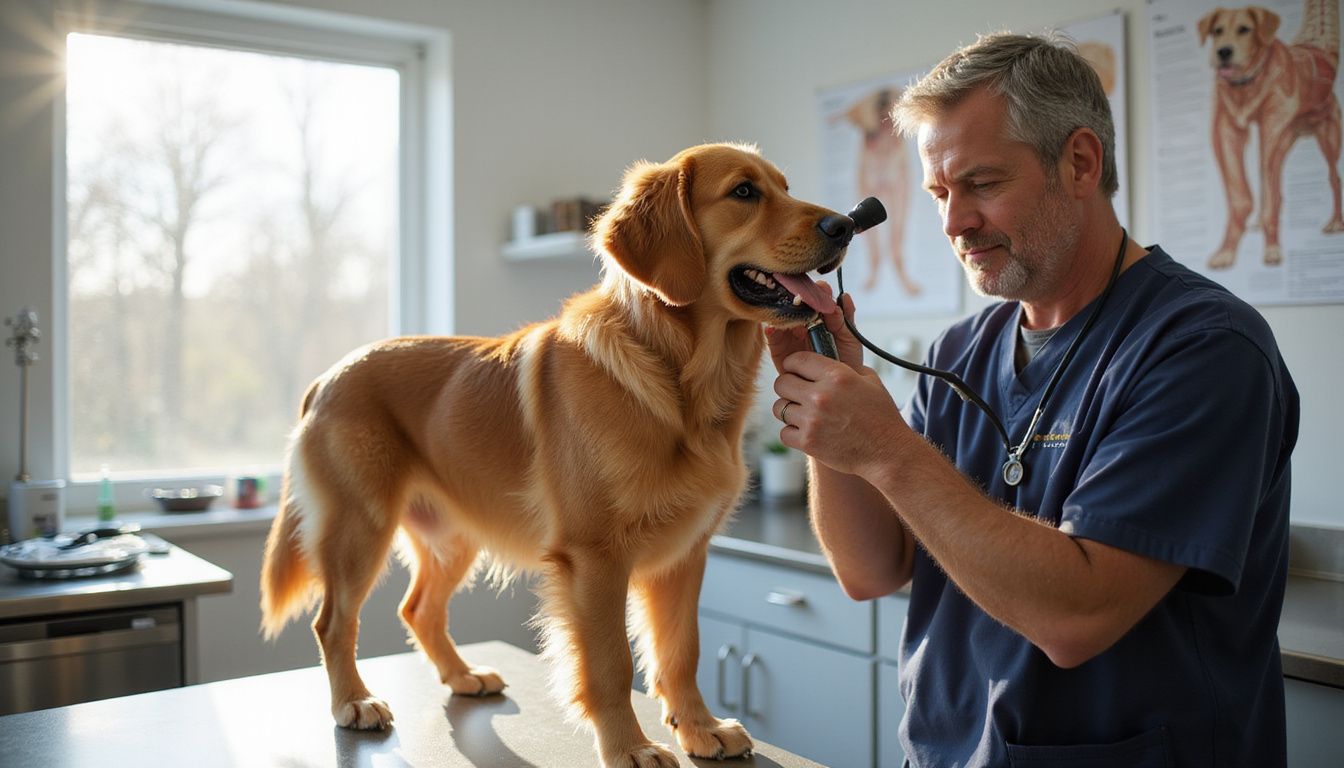
Your dog’s skin health matters more than you might think. Spotting problems early makes all the difference.
Red, inflamed skin, nonstop scratching, hair loss, and flaky patches all tell you something needs attention right away. Hot spots grow fast from moisture and bacteria, so catching them early stops the pain before it spreads.
Ear infections bring head shaking, odor, and dark discharge that signal your pup needs a vet’s help.
Treating these conditions takes medication, diet changes, home care, and professional support built around what your dog needs. Prevention through regular grooming, cleaning, and allergen management keeps your furry friend comfortable all year long.
Start today. Schedule a vet visit if you spot any of these symptoms, because your dog counts on you to keep them feeling their best.
FAQs
1. What causes hot spots on dogs?
Hot spots pop up when a dog scratches or licks one spot too much, creating a raw, infected area that can appear within just a few hours. Allergies, fleas, or moisture trapped under the coat during humid Midlands summers are common triggers.
2. How do I know if my dog has a skin allergy?
Look for constant scratching, red skin, or bald patches on the paws and belly. About 10% of dogs in the US will develop skin allergies at some point in their lives. Unlike cats, dogs show allergy symptoms through itchy skin rather than sneezing.
3. Can ear infections be linked to skin allergies?
Yes, they go hand in hand. Allergies inflame the ear canal, creating a warm, moist spot where yeast or bacteria thrive.
4. How can I treat my dog’s skin allergies at home?
Start with a vet-approved hypoallergenic shampoo like Douxo S3 for allergic skin. If itching continues beyond a week, schedule a vet visit for proper allergy testing.