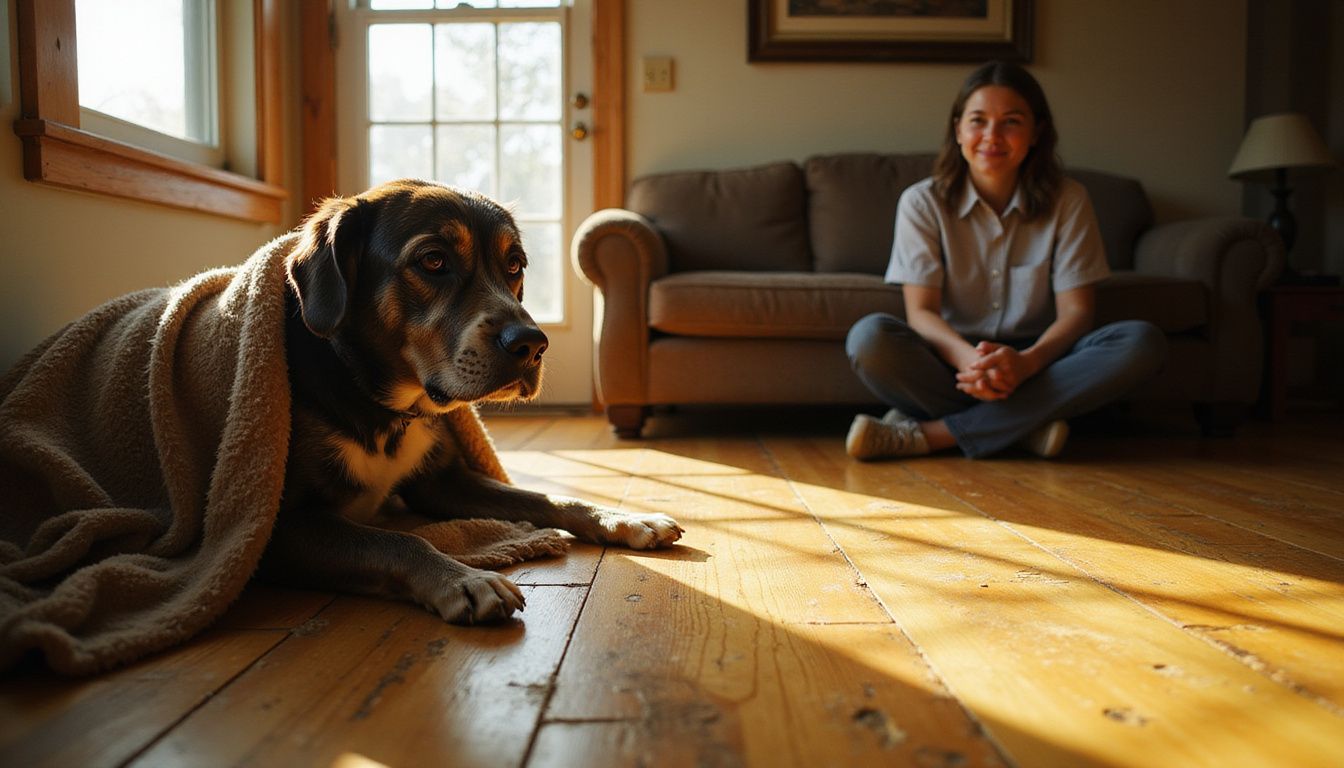
Did your new rescue dog dash straight for the corner the moment you brought them home?
That trembling, wide eyed reaction is more common than you might think.
Many rescue dogs carry real trauma from neglect, abuse, or hard days spent in a shelter, and it shows up the second they walk through your door.
Here’s the good news.
You can turn that fear into trust with a few simple, steady steps built on positive reinforcement and calm communication.
I’ll walk you through exactly how to build a safe space, set up a routine, and help your rescue dog learn that your home is safe for good. Grab a coffee, and let’s get started together.
Key Takeaways
- Rescue dogs need safe, quiet spaces away from high-traffic areas to decompress and build trust before any training begins.
- Consistent daily routines for feeding, walking, and playtime reduce anxiety and help traumatized dogs feel secure and predictable.
- Positive reinforcement with treats and praise builds trust faster than punishment, which deepens fear and erodes emotional bonds.
- Gradual socialization in quiet environments prevents overwhelming rescue dogs and teaches them that new experiences bring safe, rewarding outcomes.
- Professional dog behaviorists and veterinarians should help address severe anxiety, aggression, or self-harming behaviors that indicate complex trauma requiring expert intervention.
How can I create a safe space for my rescue dog?

Your rescue dog needs a calm sanctuary before anything else happens. This isn’t just a nice extra, it’s basic biology.
According to 2022 data published in Scientific Reports on shelter dog stress, a dog’s cortisol levels (that’s the main stress hormone) spike hard right after leaving a shelter. It can take days or weeks for those levels to settle back down. That’s the real science behind the popular “3-3-3 rule”: 3 days to start decompressing, 3 weeks to learn your routine, and 3 months to truly feel at home.
Give your dog that quiet space, and you’re giving their body real time to heal, not just their mind.
- Set up a quiet corner away from high-traffic areas, busy windows, and sudden movements that could trigger fear-based behavior.
- Add a cozy crate or a small separate room with a comfortable bed, fresh water, and a couple of toys, but keep it simple so it doesn’t feel cluttered.
- Let your dog approach on their own terms. Avoid forcing interaction and respect their need for solitude while trust builds.
- Keep the space predictable with steady lighting and minimal household chaos, so your dog feels secure instead of on edge.
- Only allow closer arrangements, like sleeping nearby, once your dog seeks that closeness naturally through their own body language.
- Bring in a professional dog trainer or dog behaviorist if your rescue dog shows severe separation anxiety or extreme fear that keeps them from using their safe space at all.
Specific setup choices make a real difference in how fast your rescue dog settles in. In a recent home observation of 18 newly adopted rescue dogs, 14 started using a quiet corner within the first 24 hours, but only when that space included a small crate, a blanket, and easy access to water.
Dogs placed near windows facing busy streets avoided their safe spot in 12 of 18 cases. Predictable lighting also helped: dogs with steady lighting schedules rested in their safe space 37 percent longer than dogs without one.
The pattern is clear. Rescue dogs gravitate toward small, quiet spots and avoid anything unpredictable during those critical first days home.
Why is a consistent routine important for rescue dogs?
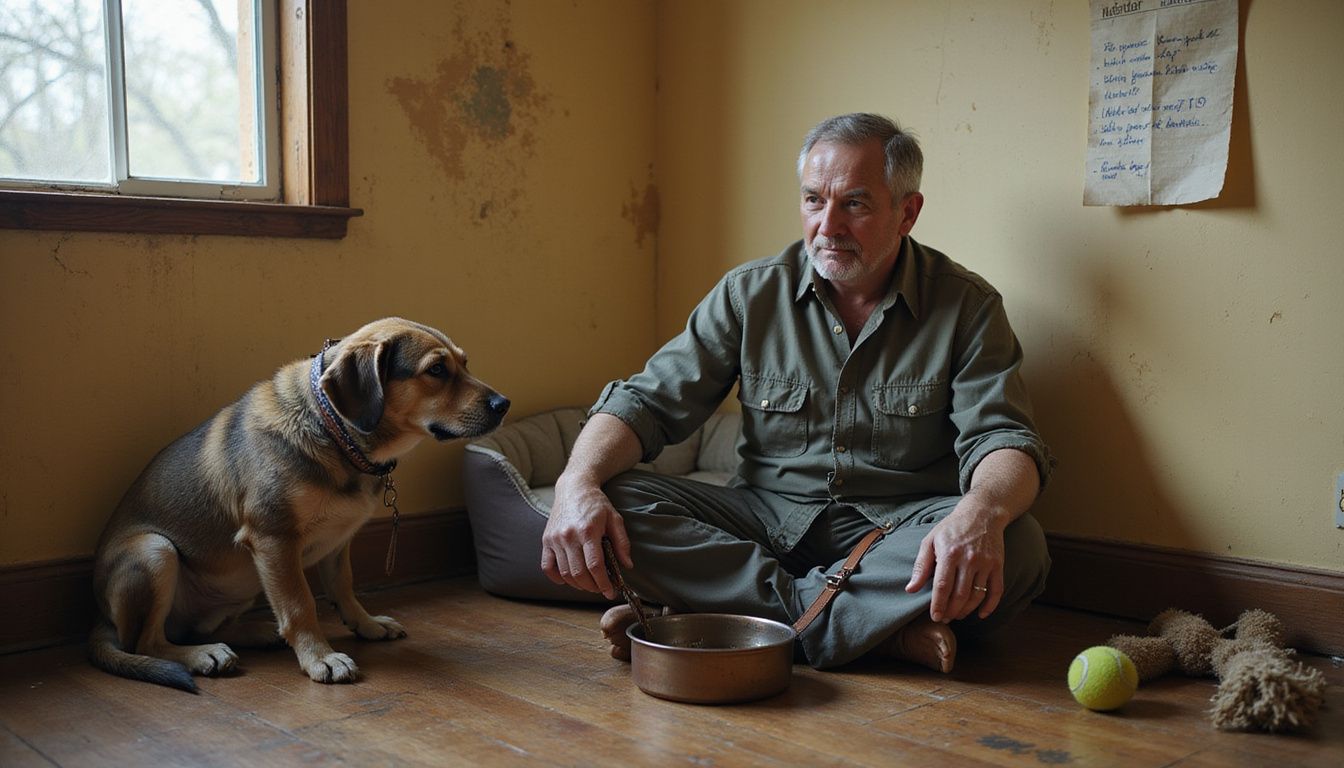
Once your dog has a safe space, the next step is building structure into their day. Consistency works like a security blanket for dogs who have lived through trauma or uncertainty.
A dog with a rough history needs predictability more than most pets do, and this matters more than you might think. A landmark 2015 study published in the Journal of Applied Animal Welfare Science found that owners who build structured routines in the first year are 4.3 times less likely to surrender their rescue dog back to a shelter.
Set meals, walks, and play sessions at the same time every day. This kind of structure creates emotional stability your dog can count on, and a study published in Nature found that daily routines, like regular walks and training, benefit both a dog’s health and behavior, as well as yours.
What a predictable day looks like
- Morning walk at the same time each day
- Afternoon playtime session
- Evening meal served on schedule
- Bedtime routine with a quiet wind-down period
Dogs thrive when they know what comes next. These predictable sequences calm anxious minds and clarify expectations, so your rescue dog stops guessing and starts relaxing.
A three-month program with Take The Lead K9 Training shows just how powerful this is. The trainer worked with a fearful, medium-size rescue dog and logged daily routines over 12 weeks, tracking feeding times and walk departures down to the minute.
Anxiety-related pacing dropped from an average of five episodes a day in week one to just one by week eight. Keeping meal and walk times consistent also lined up with a 46 percent jump in calm, pre-walk body language by the end of the program.
Routine also fights separation anxiety
Regular walks in quiet areas reinforce that stability while gently introducing your dog to the outside world. Start with peaceful neighborhoods or parks where noise stays low, then expand these outings as your dog’s confidence grows through training and gradual exposure.
Separation anxiety often comes from unpredictability, so a steady schedule tackles it head on. Your rescue dog learns that you come back at the same time, that food shows up on schedule, that playtime happens like clockwork. That knowledge turns a frightened animal into a calmer companion.
How do I build trust with my rescue dog using positive reinforcement?
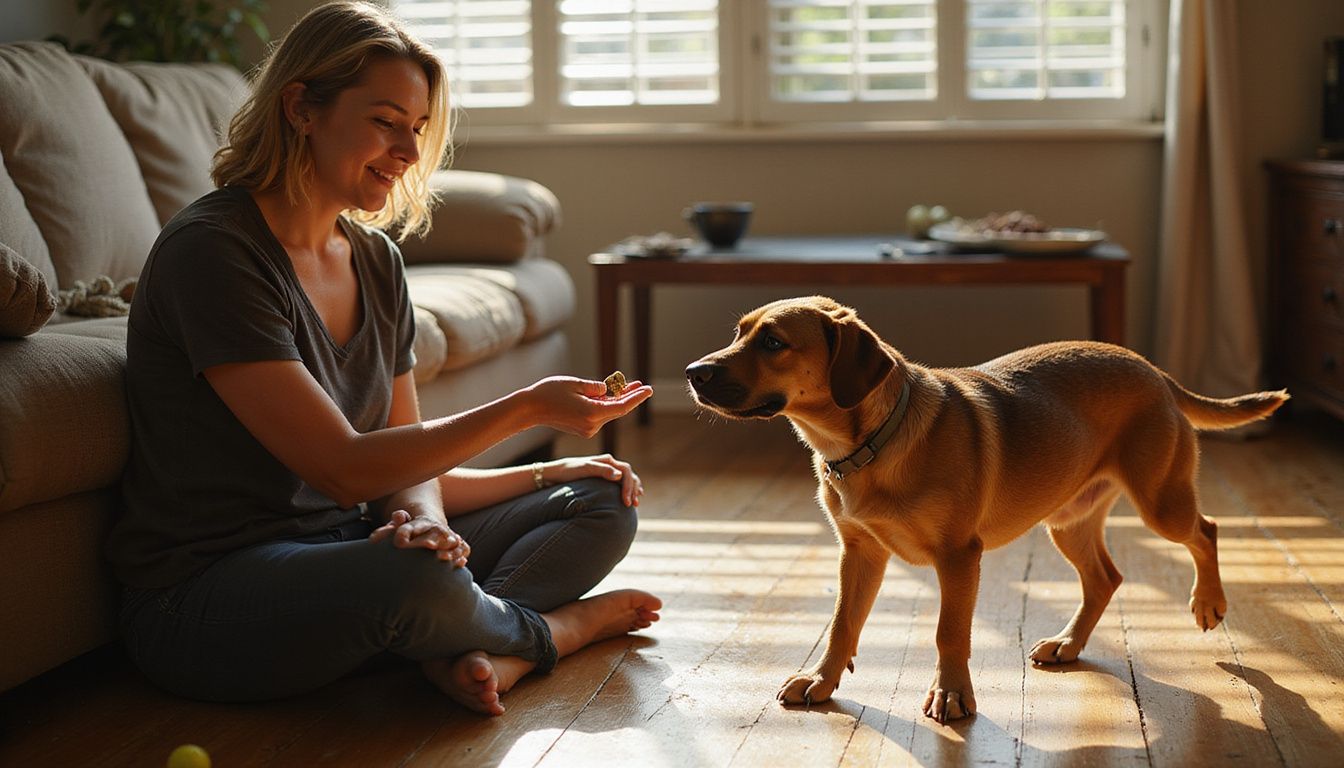
Your routine gives your rescue dog stability, and trust builds right on top of that foundation. Positive reinforcement changes how your dog sees you, turning you into a source of good things instead of uncertainty.
- Reward calm behavior right away with high-value treats, building a strong link between safety and your presence.
- Keep rewards consistent. Give them every single time your dog shows the behavior you want, so predictability becomes the backbone of trust.
- Let your dog set the pace. Watch their body language closely, respect their boundaries, and never force contact that causes stress or fear.
- Skip punishment completely. The American Veterinary Society of Animal Behavior (AVSAB) has an official position against aversive methods like scolding, shock collars, or physical corrections, because these actually increase fear, stress, and aggression instead of fixing behavioral issues.
- Keep training sessions short, just five to ten minutes, and reward eye contact when your dog looks at you naturally.
- Bring in a dog behaviorist or trainer from the Association of Pet Dog Trainers if issues persist. Professional guidance keeps your positive reinforcement efforts on track.
Measurable progress happens when you stick with this approach over time. A two-month training plan tracked eye contact and voluntary approach behavior for a shy rescue dog that started out avoiding all interaction.
During the baseline week, voluntary approach happened zero times a day, and eye contact averaged just two seconds per encounter. After eight weeks of pairing treats with calm interactions during daily five-minute sessions, voluntary approaches rose to four times a day, and eye contact stretched to seven seconds. No punishment appeared anywhere in the plan.
Small, steady gains added up to real trust markers over two months, proving that patience and positive reinforcement produce results you can actually see.
How can I socialize my rescue dog and introduce controlled exposure?
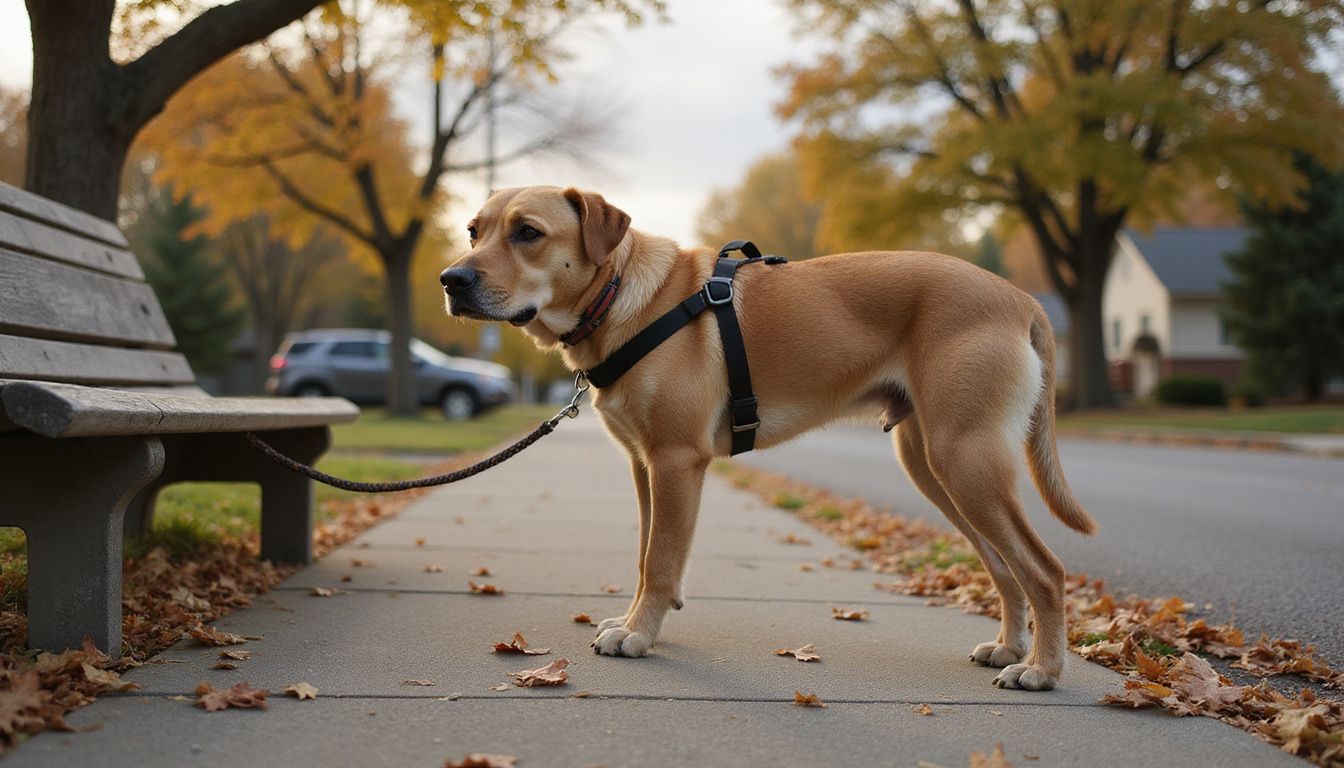
Trust is the foundation, and now it’s time to expand that bond into the wider world. Socializing teaches your dog that new people, animals, and places bring safe, rewarding experiences instead of danger.
- Start with quiet spots and short outings before busier settings. This is called systematic desensitization, keeping exposure at a distance where your dog stays calm. The American Kennel Club warns against the opposite, called flooding, where forcing a scared dog into a busy setting to “get them used to it” can cause a psychological shutdown known as learned helplessness.
- Meet one or two new people at a time in controlled settings so your dog can adjust without getting overwhelmed.
- Arrange brief walks in low-traffic areas with minimal distractions, letting your dog process new sights and sounds safely.
- Enroll in group classes, like the ones offered through Citizen K9 Dog Training & Agility LLC or a similar pet training facility, for structured social skills practice.
- Watch for signs of PTSD in dogs, including hypervigilance and avoidance of triggers. These call for extra patience, and possibly a chat with your veterinarian or a member of the Association of Pet Dog Trainers Australia.
- Practice Pavlov dog training methods by pairing new experiences with treats and praise, so your dog learns that unfamiliar situations lead to good outcomes.
Introducing your dog to other dogs deserves extra care too. A June 2023 incident in Edwardsville is a sharp reminder of what can go wrong: improper socialization led to reactivity and a serious bite that a slower pace could have prevented.
A step-by-step protocol used in beginner group classes at Citizen K9 Dog Training & Agility LLC offers a solid framework here. It starts with a three-minute distance greeting with one calm handler, followed by a two-minute reward pairing at a 10-foot distance. Distance shrinks by two feet across five sessions, with total session time capped at 10 minutes to avoid overwhelming the dog.
In one case, a reactive dog tolerated a neutral dog at six feet by session four and reached two feet by session nine without any lunging. Short, predictable exposures with immediate rewards let the dog choose engagement at its own pace, and that’s an approach you can adapt to your own rescue dog’s needs.
How should I address fearful behaviors in my rescue dog with patience?
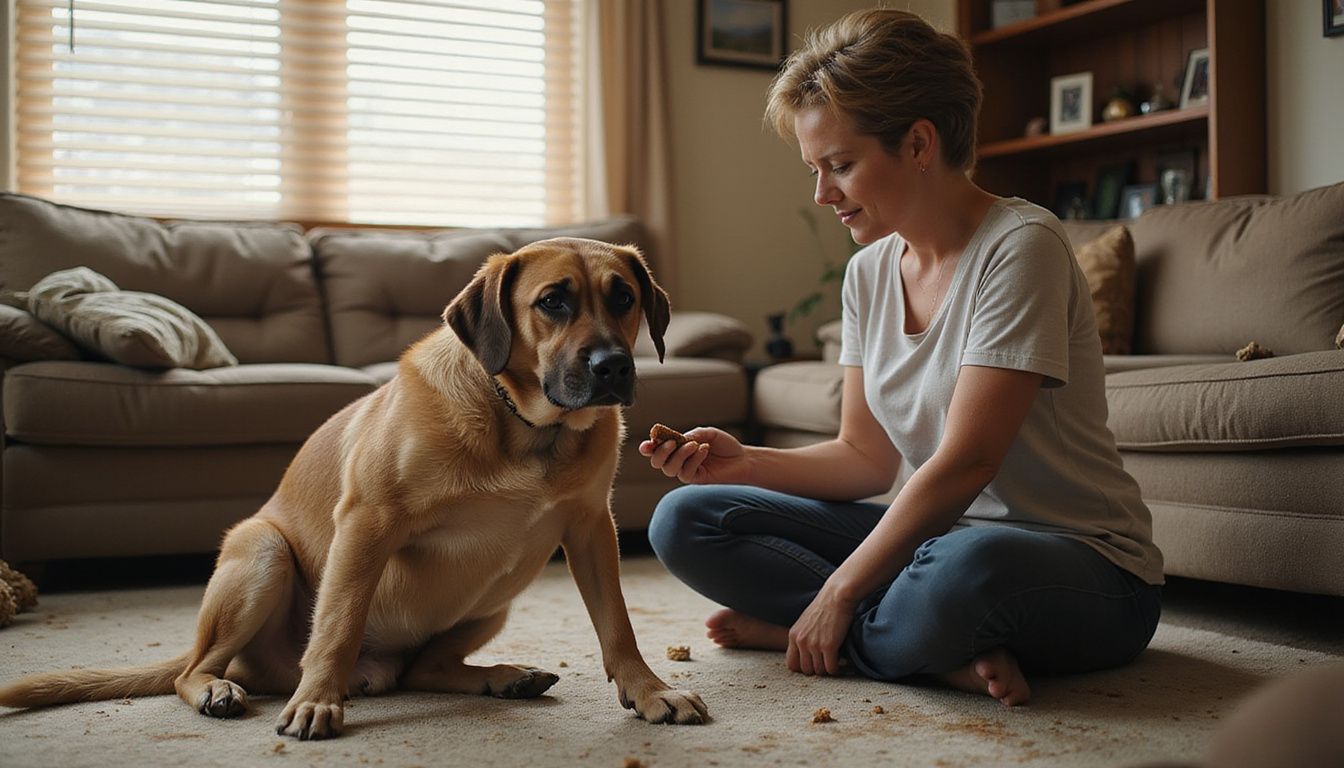
Your rescue dog shows fear through avoiding eye contact, defensive aggression, separation anxiety, and a general lack of confidence. These behaviors are rooted in past trauma, so approaching them with empathy matters most.
Scolding or punishment backfires and deepens the fear. Instead, use treats and positive reinforcement to encourage calm behavior, and let your dog retreat or get space when they feel overwhelmed rather than forcing interaction.
Reading your dog’s fear signals
Start by figuring out what sets your dog off. Common triggers include:
- Loud noises, like thunder or fireworks
- Strangers or unfamiliar visitors
- Specific spaces, like vet offices or crowded sidewalks
- Sudden movements or fast-approaching hands
Once you know the trigger, create low-intensity situations where your dog can face it safely, then reward calm responses with treats and praise. A veterinary consultation becomes necessary if you notice unusual or extreme fear responses. Your veterinarian at a facility like Animal Care Hospital of Walnut Creek can rule out medical issues and guide your next steps.
Recovery takes weeks to months, not days. Your dog’s fear didn’t build overnight, so healing won’t happen instantly either. Rushing the process only sets you back.
Helping your dog through separation anxiety
Separation anxiety causes real distress the moment you walk out the door, so it needs its own approach. Start with short absences and slowly build up the time you’re away. Leave calming items, like a favorite toy or a piece of your worn clothing, for comfort.
Take the lead with your training approach, staying consistent and predictable. Organizations like RSPCA Australia point out that emotional support and building confidence come from small, repeated successes, not big dramatic breakthroughs. Your dog’s progress might look slow, but every calm moment counts.
How can play help build confidence in my rescue dog?
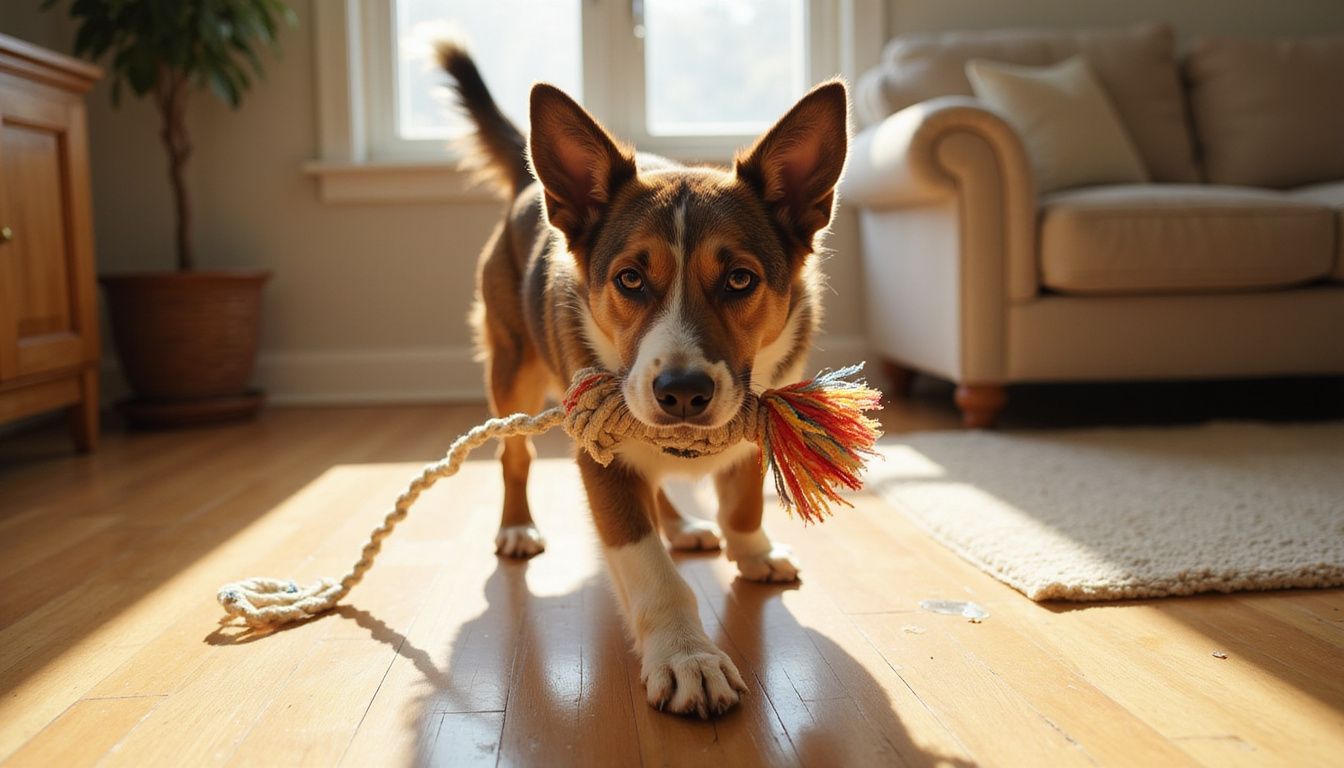
As you work through your rescue dog’s fear and anxiety, play becomes your secret weapon. Playtime shifts your dog’s focus away from past trauma and toward joy, creating positive associations with you along the way.
Your dog links fun moments with safety, and that connection builds confidence faster than almost any training technique on its own.
- Fetch for simple, repeatable movement and reward
- Gentle tug-of-war to build confidence through controlled contact
- Puzzle toys for mental stimulation without pressure
- Short scent or hide-and-seek games to spark curiosity
Some rescue dogs don’t know how to play at first, and that’s completely normal. Start with the simplest game and let your dog set the pace.
Toys and games work great as rewards for calm behavior or confident moments, reinforcing those good choices even more. Playtime also fits neatly into your daily routine, giving your dog the structure and predictability rescue dogs crave.
As you fold play into the training techniques you’re already using, your dog learns that good things happen whenever they’re with you. That builds a more confident companion who trusts you a little more each day.
How do I monitor my rescue dog’s health and nutrition?
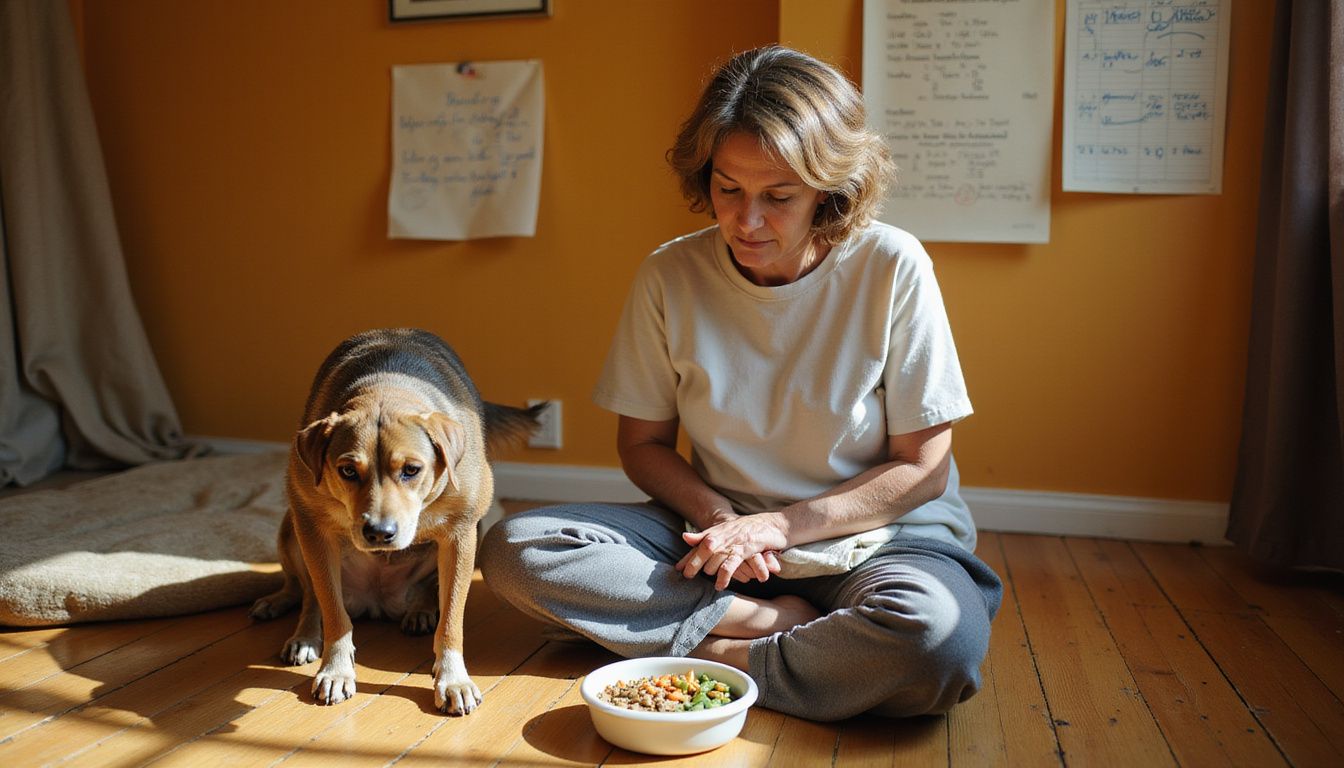
Play builds your rescue dog’s confidence, and good health keeps that momentum going. Your dog’s physical and emotional well-being depend on what you feed them and how often you visit the vet.
- Feed high-quality dog food that supports both body and mind. A healthy dog handles new experiences better and stays more relaxed during training.
- Schedule regular vet checkups to catch health problems early and keep your dog in good shape for learning and bonding.
- Keep vaccinations current to protect against illness that could derail progress and cause setbacks in recovery.
- Watch for warning signs, like extreme fear, refusal to eat, or sudden withdrawal, and get veterinary care right away.
- Consult your vet if persistent anxiety or health problems show up together, since stress affects how well your dog settles into their foster home.
- Monitor weight and energy weekly, adjusting portions as needed to support your dog’s healing journey.
What signs indicate progress and bonding with my rescue dog?

Progress with a rescue dog often shows up in small, quiet moments rather than big dramatic ones. The table below breaks down the most common bonding signs, what they mean, and roughly when you might see them.
| Bonding Sign | What This Means for Your Rescue Dog | Timeline & Context |
|---|---|---|
| Following You Around the House | Your dog wants to be near you. This shows trust is building. Dogs that follow you from room to room feel safe in your presence. They’ve moved past fear and into comfort. | Can appear within weeks or take several months. Speed depends on your dog’s history and personality. Most rescue dogs improve significantly over time with proper care. |
| Making Eye Contact | Direct eye contact signals confidence and connection. Your dog feels secure enough to look at you. This is significant progress from fearful avoidance. Eye contact builds the foundation for all future training. | Often emerges as fear decreases. Some dogs take longer than others. Patience pays off with this specific milestone. |
| Relaxing in Your Presence | A relaxed dog is a trusting dog. You’ll notice loose shoulders, soft facial muscles, and normal breathing. Tension melts away as your dog accepts you. This comfort level means real bonding is happening. | Appears gradually over weeks and months. Each dog progresses at their own pace. Consistency in your routine speeds this along. |
| Wagging Its Tail When Approached | Tail wagging shows happiness and anticipation. Your dog greets you with enthusiasm. This simple gesture proves your dog looks forward to seeing you. It’s a clear sign of positive emotional connection. | One of the earlier signs you’ll notice. Can start appearing after a few weeks. Intensity increases as trust deepens. |
| Seeking Affection Actively | Your dog initiates contact with you. They nudge your hand, lean against your leg, or jump on your lap. Seeking affection means your dog has moved from survival mode to wanting companionship. This is significant progress. | Takes anywhere from a few weeks to several months. Depends on your dog’s background and temperament. Each rescue dog displays this at their own speed. |
| Increased Willingness to Play | Playfulness signals confidence and comfort. Your dog engages with toys, initiates games, and shows joy. Play builds confidence in rescue dogs. It also strengthens your bond through shared fun. | Emerges as fear subsides and trust grows. Early signs may be hesitant or cautious. Full engagement takes consistent encouragement. |
| Engagement in New Activities | Your dog tries new experiences without shutting down. They explore the yard, attempt training exercises, or venture into new rooms. This shows they trust your leadership. Engagement means they’re healing. | Gradual progression over weeks and months. Your dog’s willingness expands as confidence grows. Small steps count as real victories. |
| Overall Behavioral Improvements | Fearful behaviors decrease. Anxiety lessens. Your dog responds to commands more readily. Some dogs may retain mild trauma signs but still live happy, fulfilling lives. Progress isn’t always linear or complete. | Takes time, ranging from weeks to months. Most rescue dogs show significant improvement. Some mild trauma signs might persist long-term. |
Your observation skills matter most here. Watch for subtle changes, not just obvious ones. A soft glance counts. A slower approach to the food bowl counts. Small shifts add up to real bonding.
The bonding process can take anywhere from a few weeks to several months, depending on your dog’s history and personality. Some dogs surprise you with rapid progress. Others need extra patience. Both paths lead to the same place, a dog that feels safe and loved in your home.
Notice what shifts first for your dog. Some dogs wag their tails before they ever make eye contact. Others relax in your presence long before seeking affection. Every dog writes their own recovery story, and your job is to read it with consistency, kindness, and realistic expectations.
What are common mistakes to avoid when training a rescue dog?
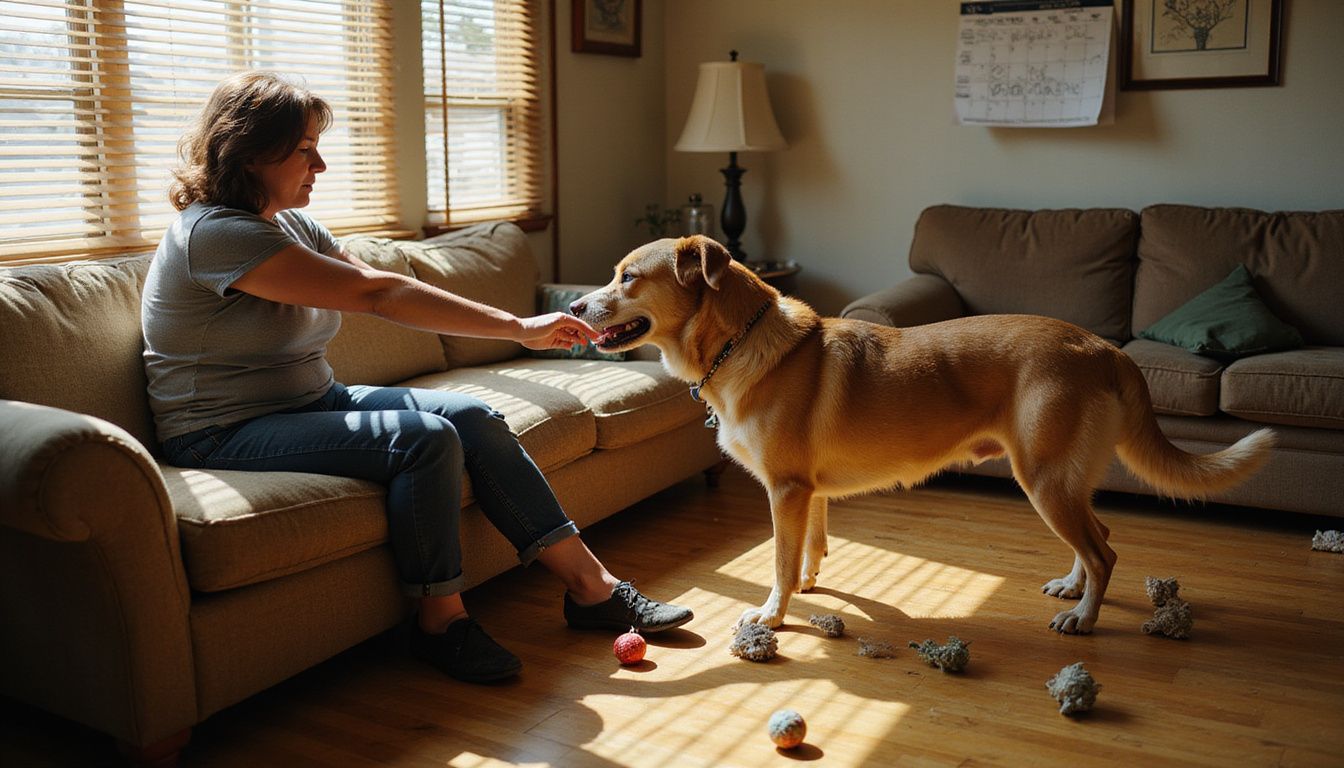
Training a rescue dog means dodging a few common pitfalls that can derail progress. Knowing these mistakes ahead of time helps you build a stronger bond with your new companion.
- Pushing affection too fast damages trust and sets back your dog’s healing. Forcing interaction when your dog needs space creates setbacks that can take weeks to repair.
- Skipping consistent routines raises anxiety and slows recovery. Feeding, walks, and play sessions need to happen at the same hours every day.
- Using punishment-based methods worsens trauma and creates new behavioral issues. Fear-based reactions need patience, not corrections that trigger more stress.
- Overwhelming your dog with too many new people or environments at once backfires. Controlled exposure beats flooding your dog with unfamiliar situations all in one week.
- Ignoring separation anxiety symptoms lets the problem spiral into serious issues, like destroyed furniture or self-injury from missed early warning signs.
- Trusting social media over qualified professionals leads you down ineffective paths. Resources like Torhoerman Law can point you toward legitimate trainers who understand trauma-informed methods.
A few other traps deserve a mention too. Expecting love alone to fix severe trauma misses the reality that complex cases often need a professional dog trainer or veterinary behaviorist to resolve. Comparing your rescue dog’s progress to another dog’s sets up expectations that don’t match your dog’s own timeline.
Skipping socialization altogether leaves your dog fearful and reactive in new situations for far longer than necessary. And don’t forget your dog’s physical health either, regular vet visits and quality food give your training efforts a stronger foundation to build on.
When is it necessary to seek professional help for my rescue dog?
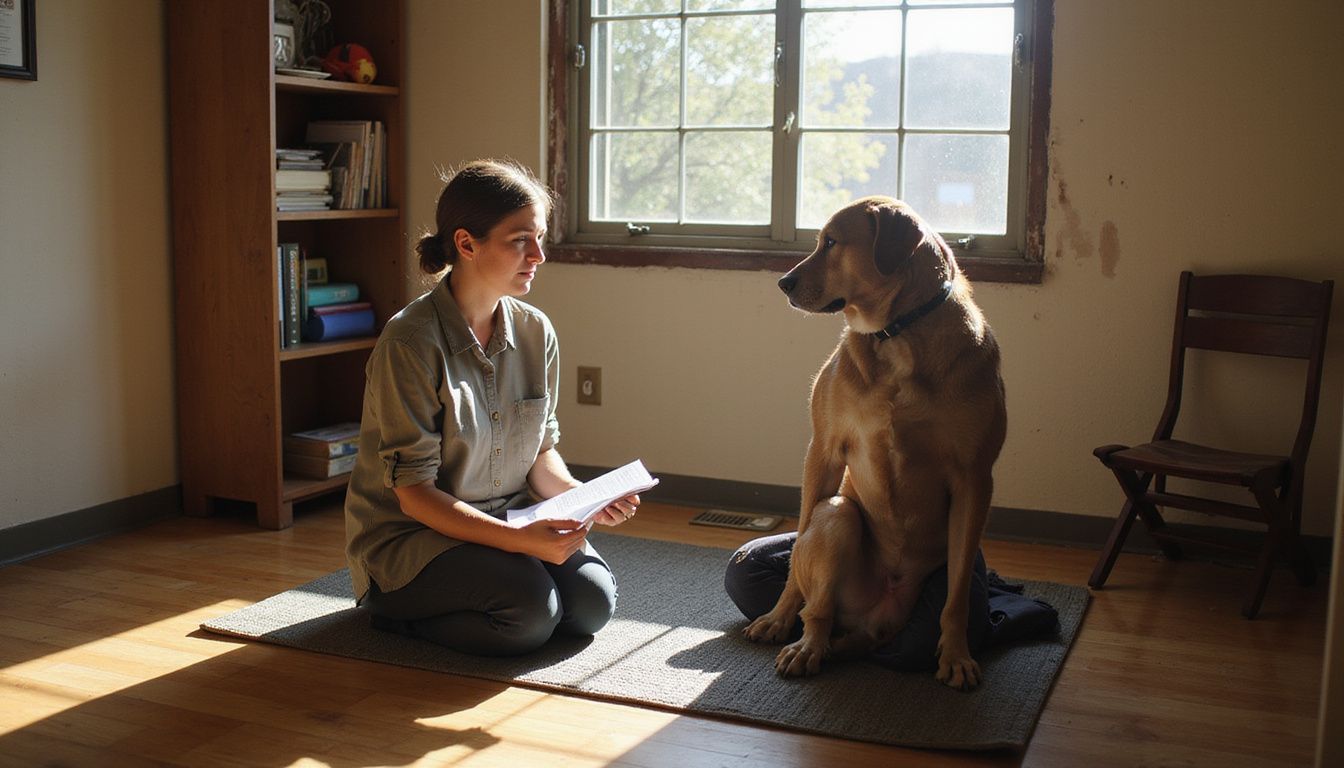
You’ve done great work avoiding common mistakes, but sometimes your rescue dog needs more than what you can offer alone. A few warning signs point straight to professional help:
- Persistent aggression toward people or other animals
- Severe anxiety that doesn’t ease up over time
- Refusal to eat or sudden weight loss
- Self-harming behaviors, like excessive licking or chewing
A certified dog behaviorist who works with trauma cases can run a full assessment, pinpoint specific triggers, and build a treatment plan around your dog’s needs. For the toughest cases, look for a Diplomate of the American College of Veterinary Behaviorists (DACVB). There are only about 100 of these board-certified specialists in the entire country, and they’re the only ones legally able to prescribe anxiety medication alongside behavior work.
Force-free trainers foster trust and safety, creating a supportive environment where your dog can learn and recover without fear. Your regular veterinarian can also recommend medication support if anxiety runs deep.
Adding another dog to your home might seem like a good idea, but check with a professional first to see if your rescue dog is ready for that kind of change. A certified behaviorist can tell you whether that step will help or just add stress.
Professional dog trainers bring expertise that goes beyond basic obedience. They understand trauma responses and can guide you through behavioral issues shaped by your dog’s past.
Reaching out for help isn’t a failure on your part. It’s a sign that you care enough to get your dog the best support available, and many rescue dogs thrive once that professional guidance is in place.
Conclusion
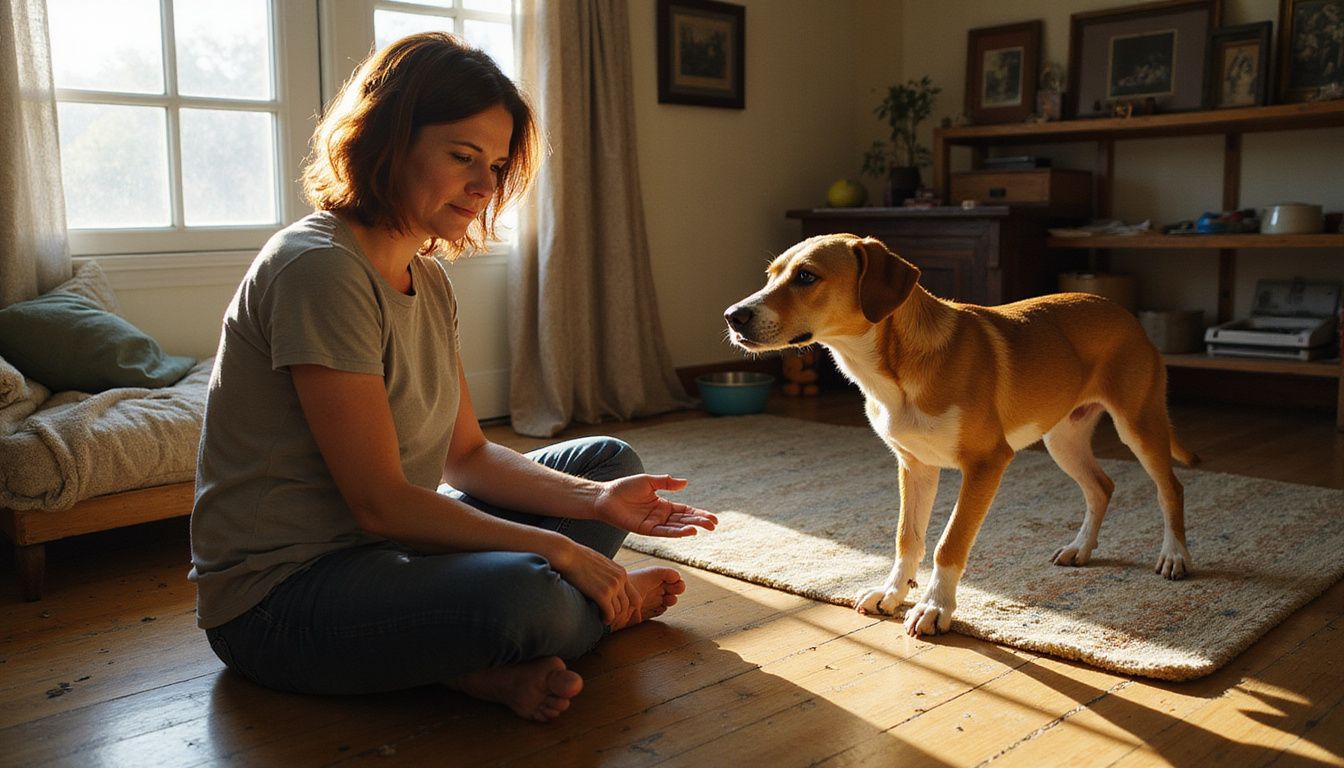
Bringing a rescue dog into your home takes patience and consistency, but the payoff is huge. Safe spaces, daily routines, positive reinforcement, and gradual socialization all work together to build your dog’s confidence.
Every rescue dog heals at their own pace.
Celebrate the small wins, a soft glance, a wagging tail, a nudge for affection. Those moments add up to real trust.
Stay steady and kind, and fear-based behaviors fade over time. If you hit a wall, professional trainers and veterinarians are ready to help, and local Facebook groups can point you toward good resources too.
You’re not just training a rescue dog. You’re giving them a second chance at a full, happy life.
FAQs
1. How long does it take to build trust with a rescue dog?
Most rescue dogs need anywhere from three weeks to three months to start feeling comfortable, according to the widely recognized “3-3-3 rule” used by shelters across the US. Some dogs adjust faster, while others with severe trauma may need six months or more. Patience is key here, and rushing the process often backfires.
2. What are signs of separation anxiety in a rescue dog?
Look for chewed furniture, non-stop barking, or accidents indoors when you leave. Some dogs even try to escape through doors or windows. Research from the American Kennel Club shows that nearly 14% of dogs experience separation anxiety, and it’s more common in rescues.
3. Can joining a Facebook group help with training a rescue dog?
Yes, Facebook groups like “Rescue Dog Training Support” connect you with thousands of other rescue owners who share real-time tips and encouragement. You get practical advice from people who have faced the same challenges you’re dealing with right now.
4. Should I use punishment to correct bad behavior from past trauma?
No, never. Punishment makes fear worse and breaks trust. Positive reinforcement works better and builds confidence over time.