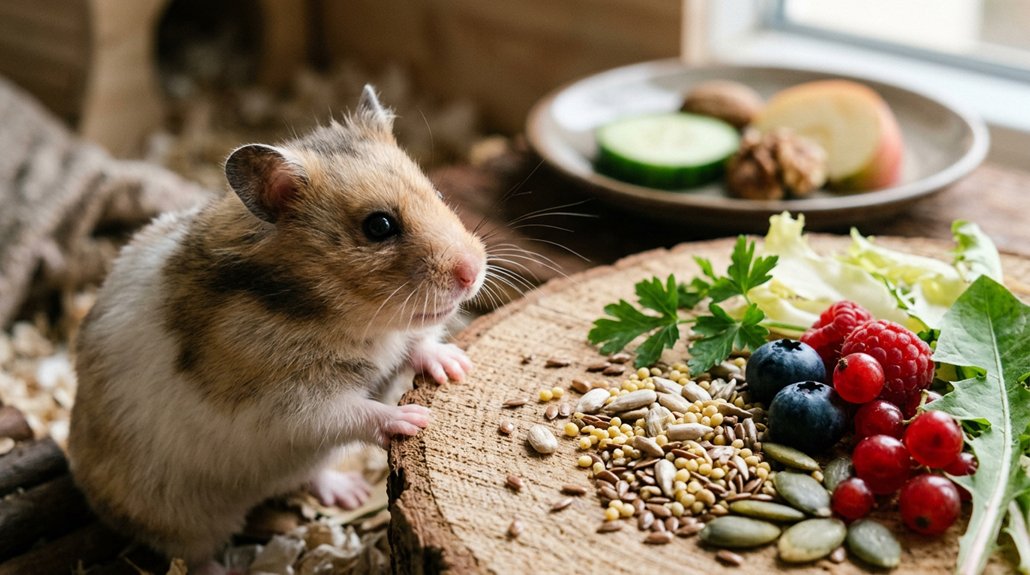
You should never feed hamsters citrus fruits, onions, or garlic due to their toxicity risks. Avoid high-fat snacks and processed treats, as they lead to obesity and health issues. Steer clear of toxic nuts like bitter almonds and macadamia nuts. Sticky treats, such as peanut butter, pose a risk of infection. Harmful additives, including high salt and sugar content, are detrimental. Understanding these dietary hazards will guarantee a healthier life for your pet. Explore further knowledge to enhance their diet and care.
Key Takeaways
- Avoid citrus fruits like lemons and limes due to their high acidity, which irritates and harms hamsters.
- Do not feed onions and garlic as they introduce compounds causing respiratory distress and anemia in hamsters.
- Bitter almonds and apple seeds contain amygdalin, releasing toxic cyanide when consumed by hamsters.
- High-fat snacks and processed meats lead to obesity and contain harmful additives unsuitable for hamsters.
- Sticky treats like peanut butter and honey clog cheek pouches, raising infection and health complication risks.
Toxic Foods Hamsters Must Avoid
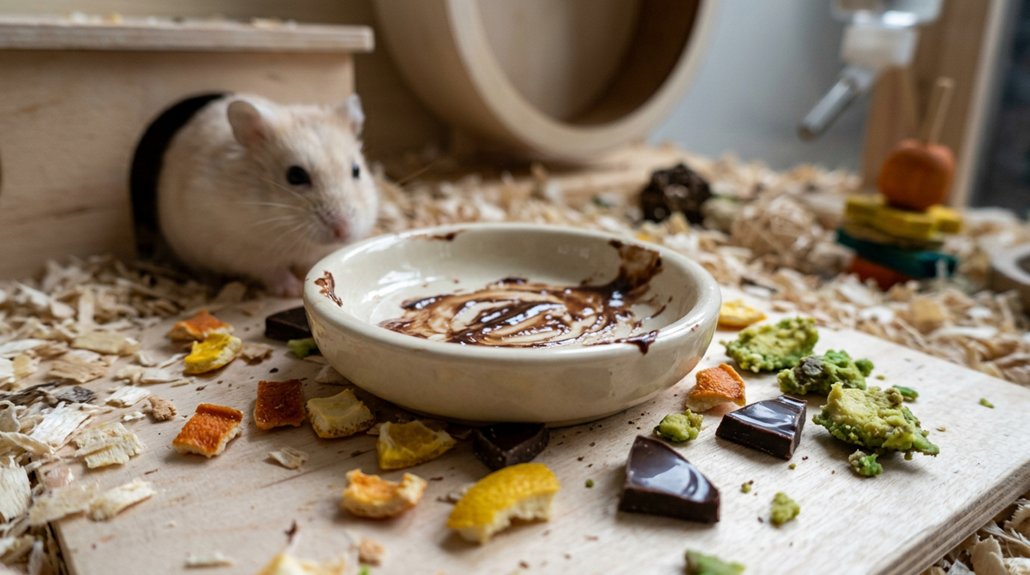
Although hamsters are beloved as low-maintenance pets, it’s crucial to understand the dietary dangers that could compromise their health. Citrus fruits like lemons and limes are significantly hazardous due to their high acidity. Consumption can irritate a hamster’s pouches, potentially causing serious health issues. In addition, the risk extends with onion toxicity, where onions introduce compounds that can lead to hemolytic anemia and respiratory distress. These effects arise from the breakdown of red blood cells and impaired oxygen delivery. Garlic shares similar properties and should also be strictly omitted from their diet. By understanding these toxic elements, you safeguard your pet’s well-being and longevity. Always prioritize feeding nutritionally safe and palatable foods suitable for hamsters’ delicate digestive systems.
Unhealthy High-Fat and Processed Treats
Guaranteeing a hamster’s diet excludes unhealthy, high-fat, and processed treats is essential for maintaining their overall health and well-being. High-fat snacks, such as certain dairy products like strong or blue cheeses, should be avoided as they can overwhelm a hamster’s digestive system. Processed meats, commonly laden with unhealthy additives and excessive salt, pose a significant risk. These can lead to obesity and related health complications, affecting a hamster’s longevity and quality of life. Additionally, avoid human junk food, notorious for high salt, sugar, and unhealthy fats, offering no nutritional benefit and presenting substantial health hazards. Prioritize a diet featuring low-fat, nutritionally beneficial foods to support peak health and guarantee your hamster thrives in a safe dietary environment.
Unsafe Nuts and Seeds to Watch Out For
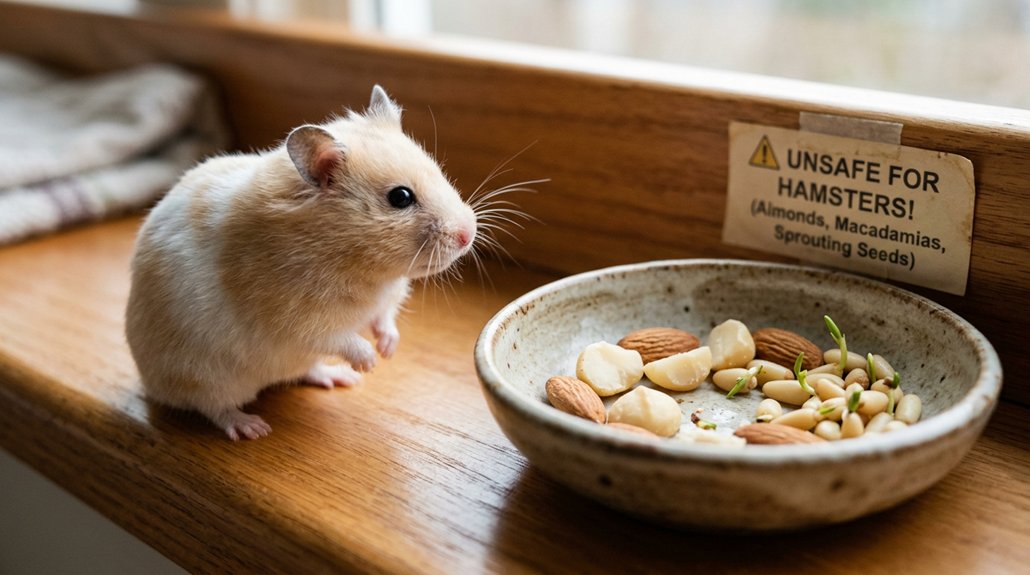
Moving from unhealthy treats, it’s imperative to contemplate the specific nuts and seeds that could pose a danger to your hamster’s health. Ensuring the exclusion of hazardous items, you’ll maintain their well-being.
Consider specific nuts and seeds that endanger hamster health to maintain their well-being.
- Bitter Almonds: Contain amygdalin, which breaks down into hydrocyanic acid, toxic to hamsters. Substitute with safe seed options like flaxseeds.
- Apple Seeds: Also possess amygdalin, leading to cyanide exposure. As unsafe peanut alternatives, steer clear of whole peanuts due to potential toxic mold.
- Macadamia Nuts: Known for high toxicity levels, they’re lethal and should never be offered.
Sunflower seeds should be limited to prevent obesity, reinforcing a balanced diet strategy. By identifying these risky items, you’re prioritizing the health and safety of your small companion.
The Issue With Sticky Treats
Sticky treats, despite their apparent appeal, pose significant threats to hamster health due to their tendency to lodge in cheek pouches—potentially leading to infections and serious complications. Foods like peanut butter and sticky porridge are challenging for hamsters to process. These sticky treats can obstruct the cheek pouch and impair a hamster’s ability to clean them effectively. Entrapped food elevates infection risk, fostering unfavorable conditions for bacteria. For hamsters, eliminating such sticky treats from their diet is essential to mitigate health risks.
Here’s a quick breakdown:
| Sticky Treat | Impact on Hamster |
|---|---|
| Peanut Butter | Clogs cheek pouches, infections |
| Sticky Porridge | Digestive distress, health issues |
| Jam | Obstructs pouch cleaning |
| Molasses | Increased risk of pouch infection |
| Honey | Obstruction, bacterial growth |
Choosing non-sticky treats guarantees cheek pouch health.
Avoiding Harmful Additives
- Preservatives: Many contain artificial substances detrimental to your pet.
- High salt, sugar, or fat content: These contribute to obesity and metabolic disorders.
- Hidden human food additives: Such as excess sodium and flavoring chemicals.
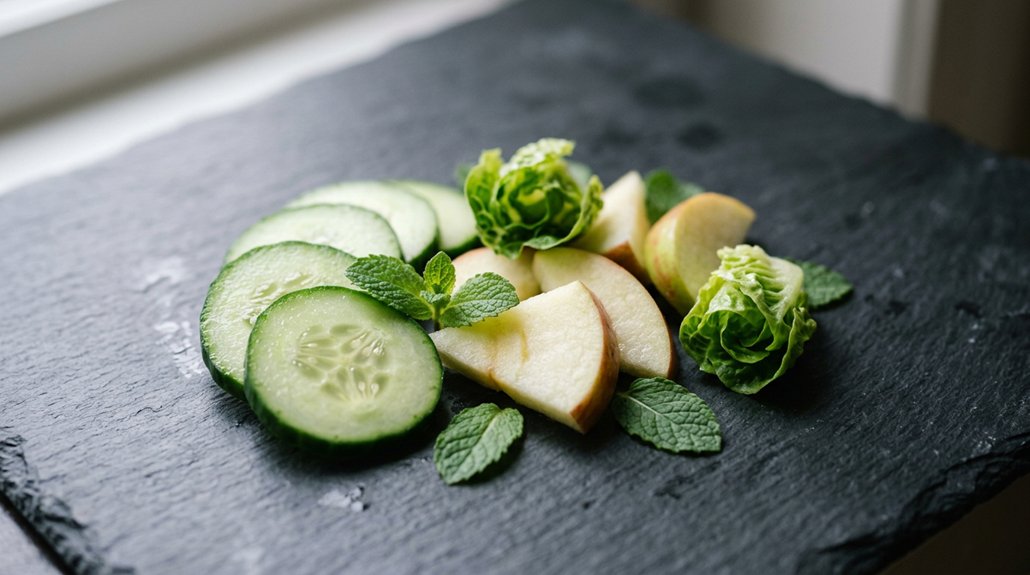
Opt for safe additives when necessary, and prefer natural fruits to processed snacks. By ensuring a diet free from harmful additives, you enhance your hamster’s overall health and longevity.
Frequently Asked Questions
What Is the Most Toxic Food for Hamsters?
Chocolate tops the list of harmful foods for your hamster, due to theobromine and caffeine. These can cause severe toxicity. While other toxic vegetables and harmful fruits exist, chocolate poses an immediate and deadly risk with ingestion.
Do Hamsters Recognize Their Name?
Yes, hamsters can exhibit name recognition through consistent use and positive reinforcement. Studies show hamster behavior involves cognitive abilities allowing familiar sound recognition, enhancing name response. Personality and socialization greatly impact individual recognition capabilities.
What Not to Feed My Hamster?
Have you considered the impact of acidic, toxic, or sticky foods on hamster diets? Prioritize food safety by avoiding citrus fruits, garlic, onion, apple seeds, and anything sugary or processed to prevent health complications in your hamster.
How Do You Say Goodbye to a Hamster?
Create a soothing setting and speak calmly to your hamster. Consider a hamster memorial, like a small ceremony or tribute. Utilize grief support resources to process emotions, acknowledging the special bond and significance of your shared experiences.
Conclusion
In safeguarding your hamster’s health, vigilance about their diet is vital. Have you considered the impact seemingly harmless foods can have? Toxic items, high-fat treats, certain nuts and seeds, sticky foods, and additives pose risks that can’t be ignored. By understanding these dangers, you become a proactive guardian of your pet’s well-being. Stay informed, make wise choices, and make sure your hamster thrives without unintended harm. Proper nutrition isn’t just beneficial—it’s essential for their long-term health.