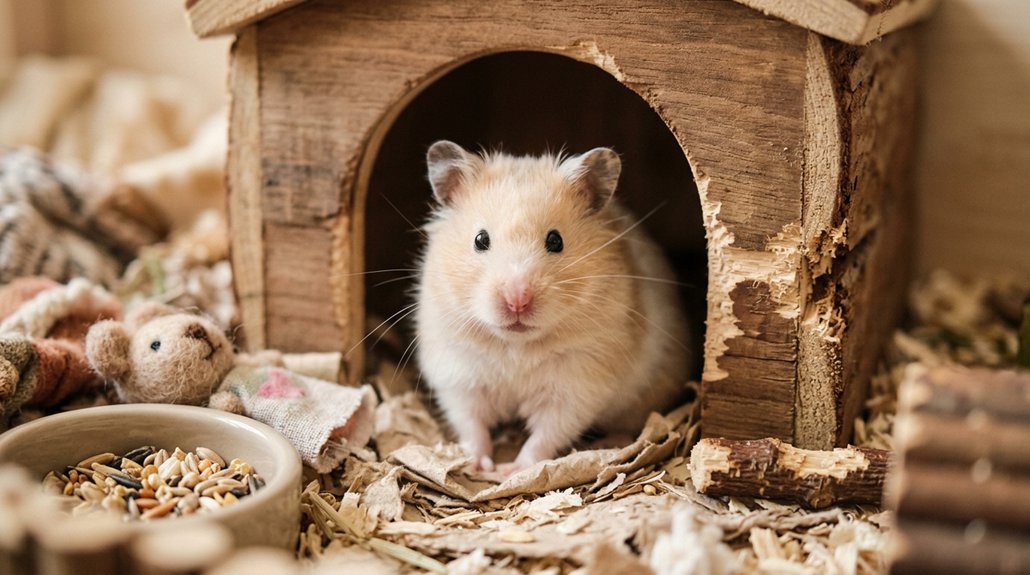
Hamsters can be great pets if you understand their unique needs. They’re affordable, small, and provide engaging companionship, especially in the evening. However, their nocturnal nature and potential for skittishness may not suit every household, particularly those with young children. Handling stress can lead to health issues like wet tail, and short lifespans may pose emotional challenges. Consider these factors carefully. Understanding how hamsters compare to alternatives could help you make an informed decision.
Key Takeaways
- Hamsters are low-maintenance pets but require regular care routines, including feeding and cage cleaning, to ensure their well-being.
- Their small size makes them suitable for limited spaces, a practical choice for those with limited living areas.
- Nocturnal behavior means they’re active at night, which may not align with children’s schedules.
- Hamsters have a short lifespan of 2-3 years, teaching responsibility but potentially causing emotional challenges.
- Handling them gently is important as they can become stressed and bite when frightened, making patient ownership essential.
Is a Hamster the Right Pet for Your Household?
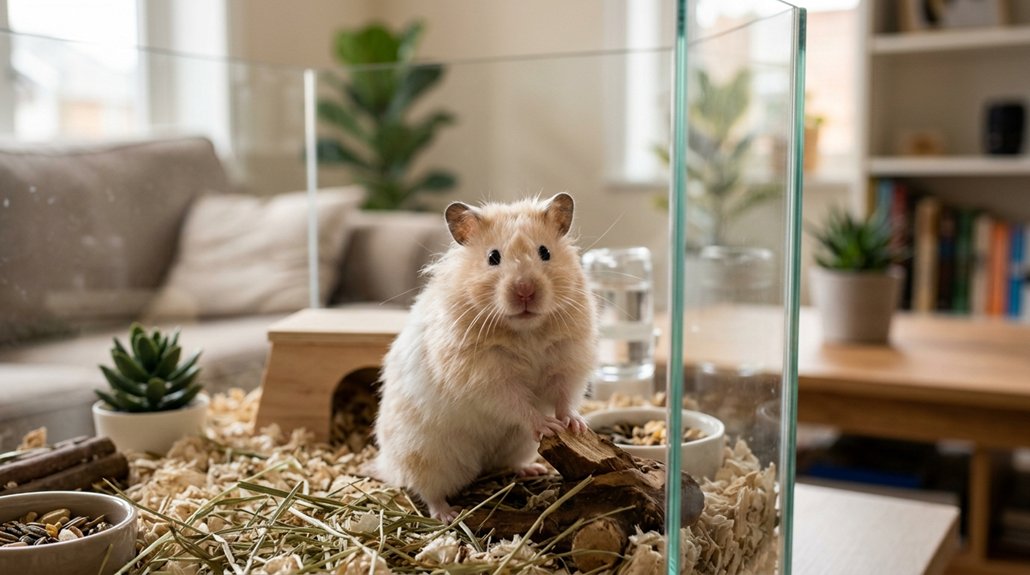
Are you wondering if a hamster is the right pet for your household? Understanding hamster behavior is vital. They’re nocturnal, meaning they’re most active at night, which might surprise children enthusiastic for daytime play. These small creatures can be manageable, especially for kids aged 6-8 and older, but only if handled gently. Skittishness is common, leading some to be shy and even bite if frightened, so patience and gentle handling are key.
In terms of pet preparations, verify you’re ready for daily care, which includes providing fresh food, clean water, and maintaining a tidy habitat. Despite their reputation for being “low maintenance,” their care routine is essential. Engaging your children in discussions about these responsibilities can foster informed, shared ownership.
Why Hamsters Make Great Pets
When evaluating pet options for your household, consider the distinct advantages of hamsters as companions. They’re small and manageable, fitting perfectly into a busy lifestyle without demanding large space. Ideal for children aged six and up, hamsters offer a learning platform for responsible ownership through their short, two-year lifespan. Nocturnal by nature, these pets engage in lively evening activities, providing rich opportunities for hamster interactions.
| Advantage | Detail |
|---|---|
| Manageable Size | Suits limited spaces, minimal demands |
| Cost-effective | Affordable upkeep with low food, bedding costs |
| Educational Value | Fosters empathy, teaches care through interaction |
Your child can learn empathy by observing hamster behavior and participating in gentle handling. These experiences foster an appreciation for animal care’s complexities, building a foundation for future pet ownership responsibilities.
Common Challenges With Hamster Pets
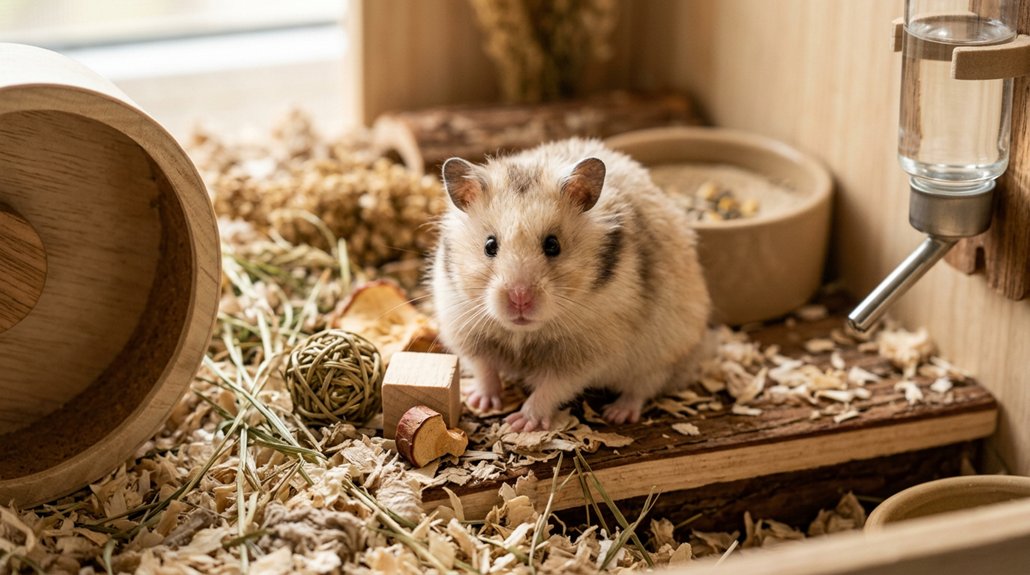
Though hamsters make endearing pets, potential owners should be aware of several challenges associated with their care. Hamsters can experience handling stress, which might lead to serious health issues such as “wet tail,” especially if interactions aren’t gentle and consistent. Handling them during their nocturnal hours poses a risk of bites. Their natural nocturnal habits mean they’re most active at night, possibly clashing with a child’s schedule, thereby limiting daytime interaction.
Additionally, their escape artist tendencies can cause concern. They can chew through cages or squeeze through small openings, escaping into potentially hazardous environments. Finally, the short lifespan of 2-3 years could pose emotional challenges, especially for children, as they experience loss and grief when their beloved pet passes away.
When to Consider Alternatives to Hamsters
When considering pets for young children, you might find gerbils to be more suitable than hamsters due to their hardiness and typical lifespan of two to four years. Unlike hamsters’ nocturnal nature, gerbils align with children’s schedules as they’re active during the day. If interaction and ease of handling are priorities, gerbils’ sociable demeanor can provide a more positive pet experience.
Gerbils as Kid-Friendly Pets
Exploring the domain of small pets for children often leads to contemplating gerbils as a robust alternative to hamsters. Gerbils, known for their resilience and lower susceptibility to illness, present a durable choice for youngsters. With regard to gerbil care, they require a comfortable habitat encouraging their natural behaviors, such as burrowing. Their active daytime patterns align seamlessly with children’s schedules, facilitating meaningful interactions. Observing gerbil behavior in small groups reveals their unique social dynamics, enhancing educational value. Unlike their nocturnal and often solitary hamster counterparts, gerbils exhibit a gentler demeanor, reducing the risk of bites and ensuring safer handling experiences. Overall, gerbils can be an engaging, interactive pet choice, enriching a child’s understanding of animal socialization and care.
Comparing Lifespan and Activity
While gerbils and hamsters both belong to the domain of small pets, significant differences in their lifespans and activity patterns might influence your decision. Hamster lifespans range from 18 to 24 months, distinctly shorter compared to gerbils’ 2 to 4 years. This longevity disparity means you should prepare for a shorter commitment with hamsters. Hamsters’ nocturnal activity levels contrast sharply with gerbils, who are diurnal. This trait means hamsters are primarily active at night, limiting interaction opportunities during children’s daytime hours. Additionally, handling hamsters during these nocturnal hours can lead to stress and potential health issues, like “wet tail.” If longevity and daytime activity are priorities, examining gerbils or other pets may better suit a family’s requirements and schedules.
Comparing Popular Hamster Breeds
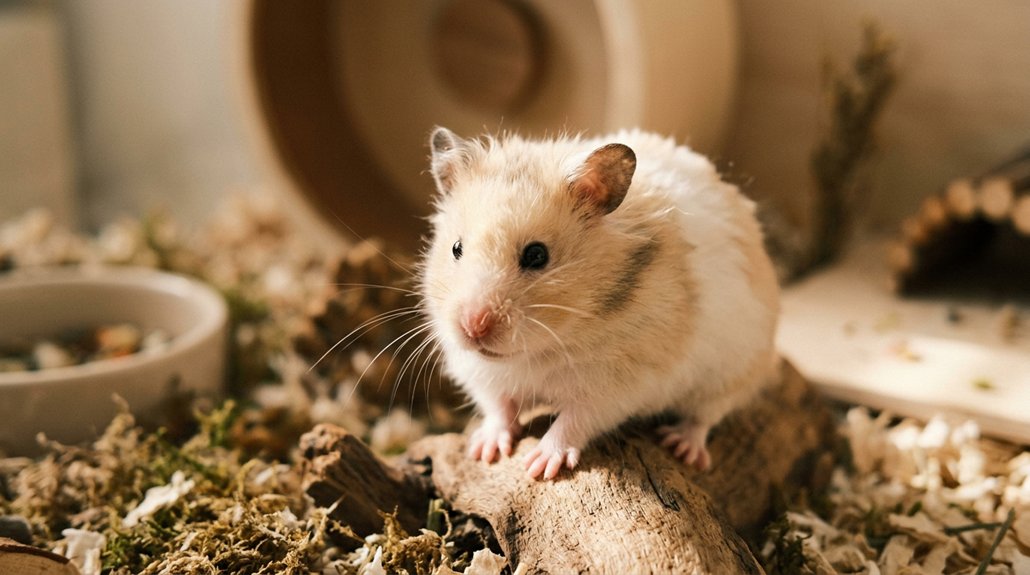
In the diverse world of pet hamsters, selecting the right breed to match your lifestyle and experience level is essential. Each breed has distinct breed characteristics and temperament differences. The Syrian hamster, also known as the golden hamster, is prized for its docile nature, ideal for first-time owners. In contrast, Chinese hamsters are smaller and more agile, with a social disposition allowing them to be kept in pairs. Campbell’s Russian dwarf hamsters thrive in groups but need experienced handling due to their skittishness. Winter white dwarfs, slightly more docile, offer visual interest with seasonal fur color changes. Roborovski’s dwarf hamsters, the smallest breed, require seasoned owners due to their high energy and fast movements, making handling a challenge.
Key Care Tips for Keeping Your Hamster Content
Guaranteeing ideal living conditions is essential for maintaining your hamster’s well-being. Providing a spacious hamster habitat is vital; it should include suitable bedding and be cleaned regularly to uphold a hygienic environment. The feeding guidelines emphasize a balanced diet—use high-quality hamster food, complemented by fresh fruits and vegetables. Limit seed intake to prevent obesity. Fresh water must be accessible in a clean container, with daily replacements to secure hydration.
Additionally, your hamster requires physical and mental stimulation; offer toys, tunnels, and supervised play outside its cage to encourage exercise and well-being. Handle your hamster gently and regularly, approaching slowly to build trust, making sure each session is brief to reduce stress. By following these protocols, you’ll support a content and healthy hamster.
Frequently Asked Questions
What Are the Cons of Getting a Hamster?
Hamsters require diligent care, including regular cage cleaning. They’re nocturnal, so interaction times may vary. Their short lifespan teaches emotional lessons. Handling them can lead to bites. Unexpected costs arise with vet visits and habitat maintenance.
Do Hamsters Make Your Room Smell?
One in four pet owners notice increased odors from hamsters due to insufficient cage maintenance. Regular cleaning, spot checks, and proper ventilation greatly reduce hamster odor. Keep your hamster’s environment clean to prevent your room from smelling.
Do Hamsters Like to Be Held?
Hamsters can enjoy being held if properly socialized. Focus on gentle hamster handling techniques, looking for comfort signs like relaxed posture or calm nibbling. Remember, sudden movements can startle them, so maintain a slow, deliberate approach.
Do Hamsters Bite When You First Get Them?
Yes, hamsters might bite initially due to insecurity and unfamiliarity. Understanding hamster behavior is essential for pet safety. To minimize biting, gently handle them, avoid sudden movements, and give them time to acclimate to their new environment.
Conclusion
In deciding if a hamster’s the right pet for you, weigh the joys and challenges carefully. Tiny paws, big responsibilities—do you hear the soft scuffle in the night as a pleasing lullaby or a nuisance? Hamsters offer companionship but require diligent care. If commitment’s a question, perhaps consider alternatives. Ultimately, a well-cared-for hamster can be a delightful companion. Remember, the choice of a pet is not just a decision but an embrace of responsibility and joy.