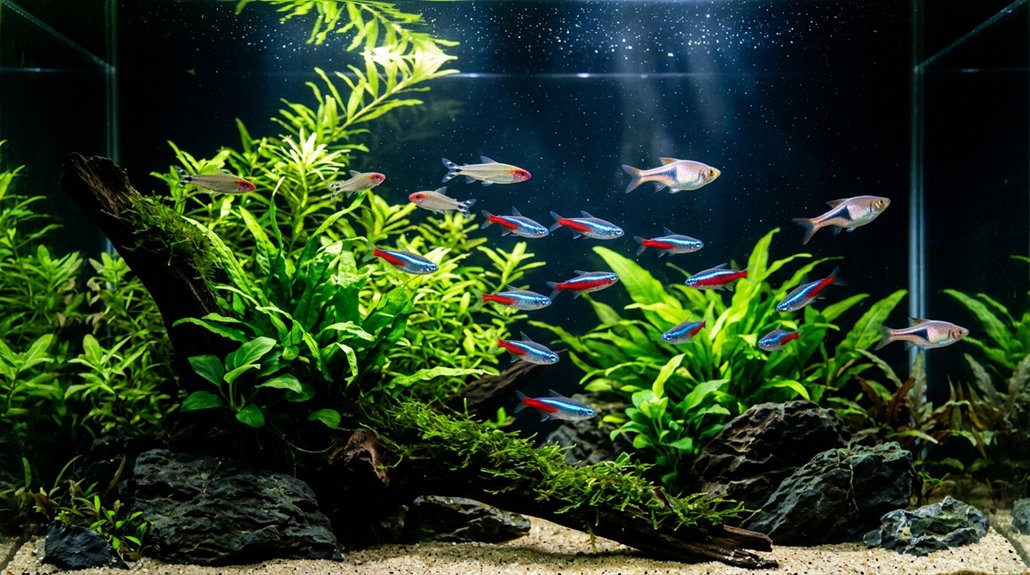
Aquarium lighting affects your fish and plants by controlling photosynthesis, circadian rhythms, and algae growth. You should use a full-spectrum LED, often around 5000–6500K for freshwater tanks, with…
Aquarium Setup & Equipment
Lighting Mistakes That Can Harm Your Aquarium
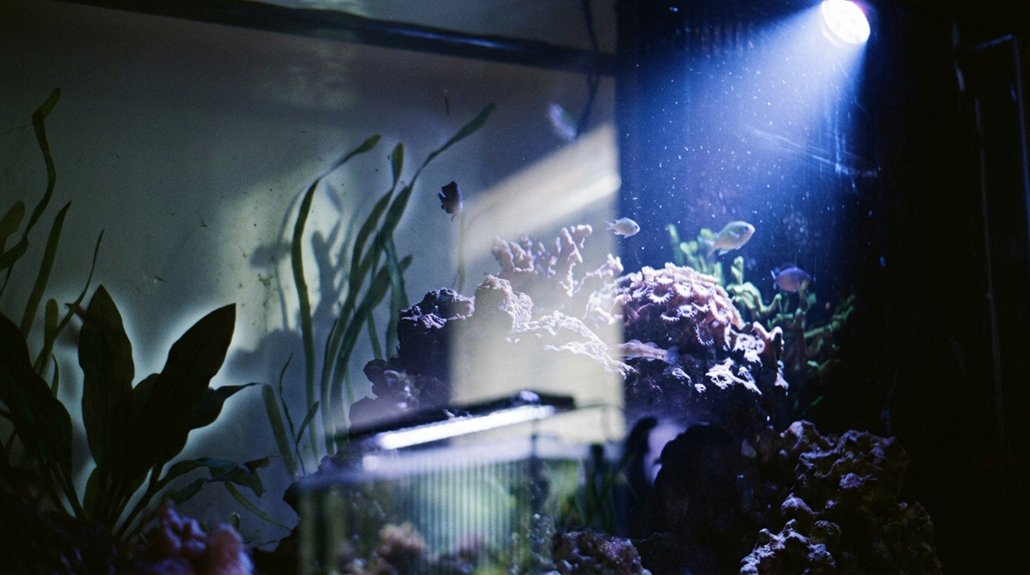
The biggest lighting mistakes are running lights too long, using the wrong spectrum, or pairing too much intensity with the wrong tank type. For most freshwater tanks, keep…
Aquarium Setup & Equipment
Do Fish Need Light at Night?
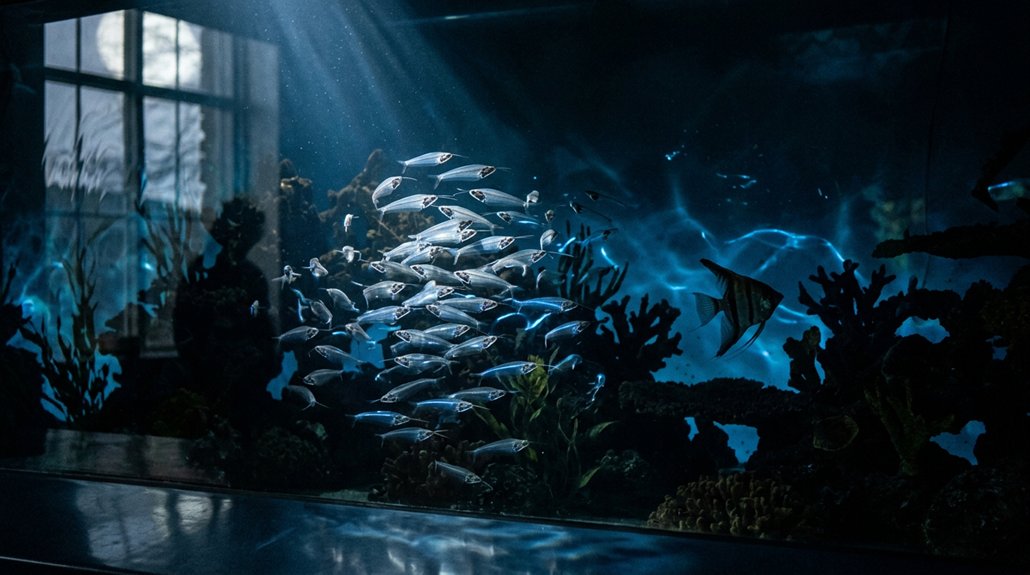
No, you do not need to keep aquarium lights on at night. Fish need a dark period to rest, maintain circadian rhythms, and support normal feeding, hormone release,…
Aquarium Setup & Equipment
How to Choose the Right Aquarium Lighting
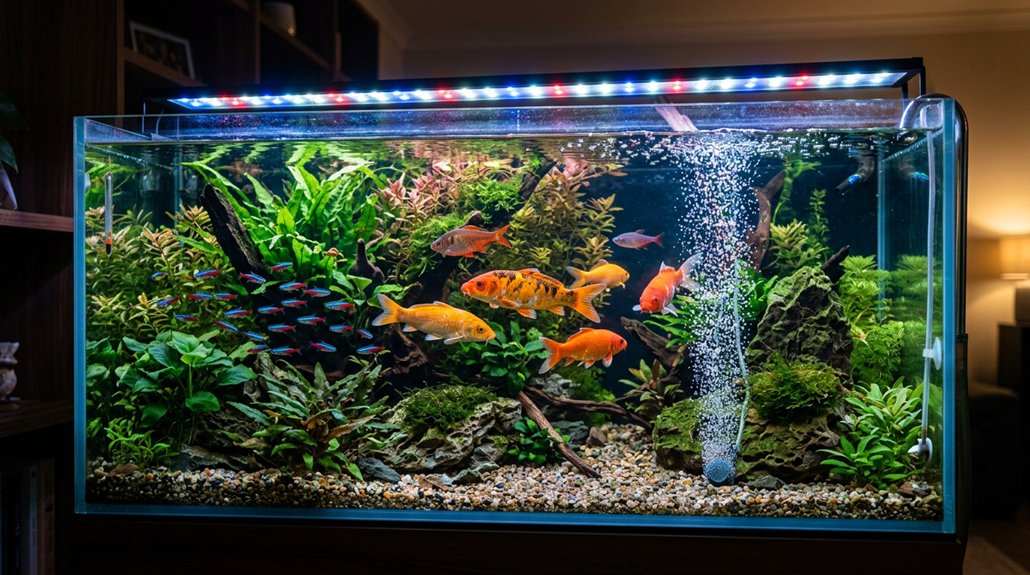
Choose aquarium lighting by matching PAR, spectrum, and coverage to your tank and plants. Low-light species need about 10–20 PAR at the substrate, while demanding stems and carpets…

Aquarium Setup & Equipment
Best Lighting for Aquariums (Beginner Guide)
For a beginner aquarium, you should match the light to tank size, plant type, and depth. Small tanks under 15 gallons usually do well with a full-spectrum LED…
Aquarium Setup & Equipment
How to Prevent Heater Problems in Fish Tanks
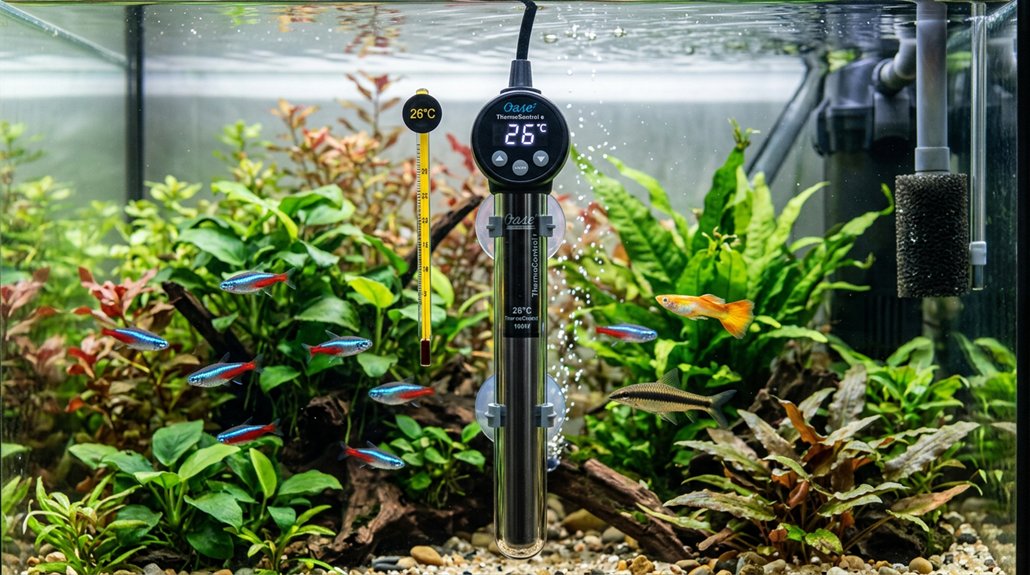
To prevent heater problems in fish tanks, place the heater in strong circulation near the filter outlet, not in a corner or dead spot, and keep it fully…
Aquarium Setup & Equipment
What Temperature Should Your Aquarium Be?
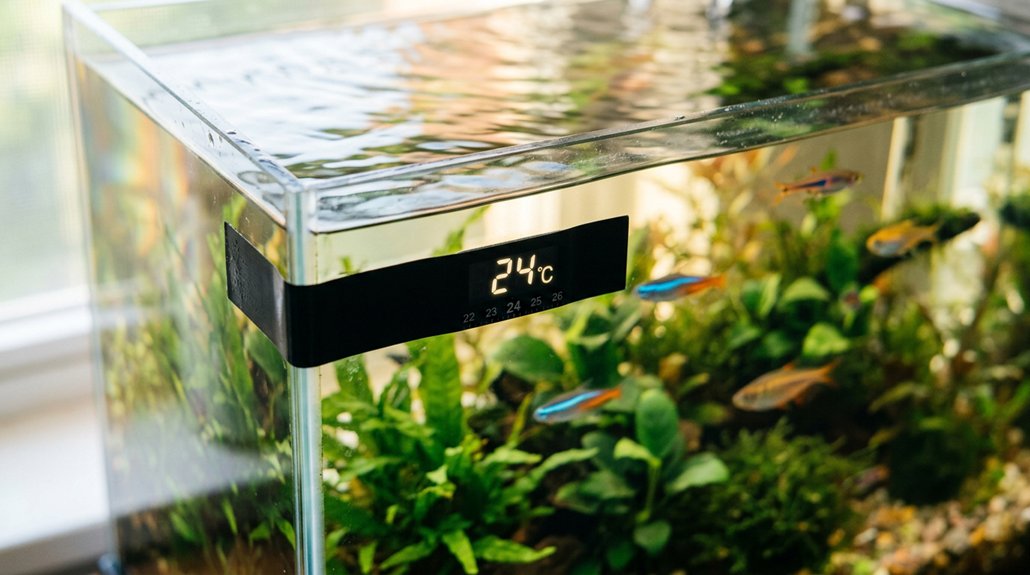
Your aquarium should be kept at the temperature your fish need, not a generic setting. Most tropical freshwater fish do best at 75–80°F (24–27°C), while cold-water species such…
Aquarium Setup & Equipment
How to Choose the Right Aquarium Heater
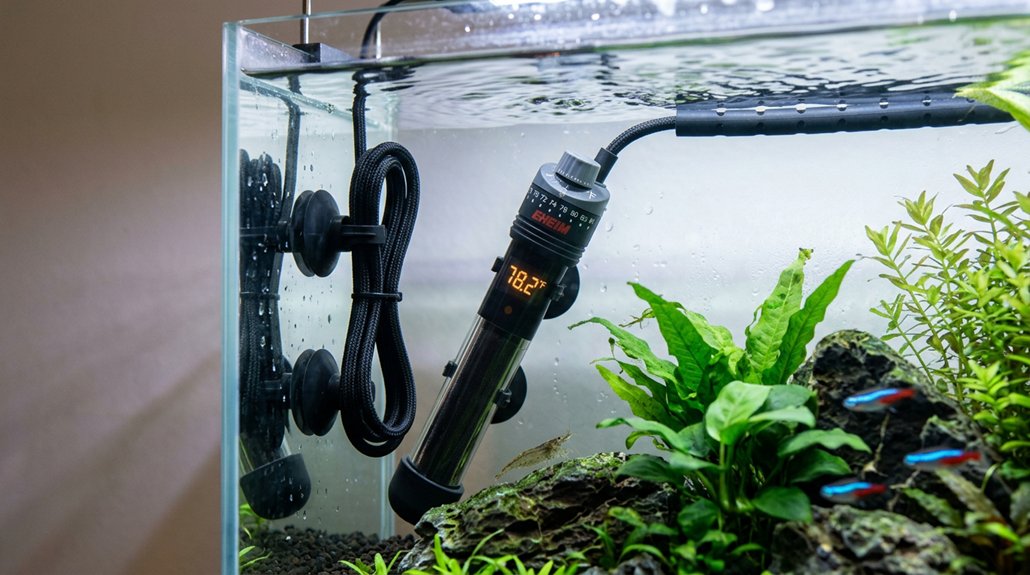
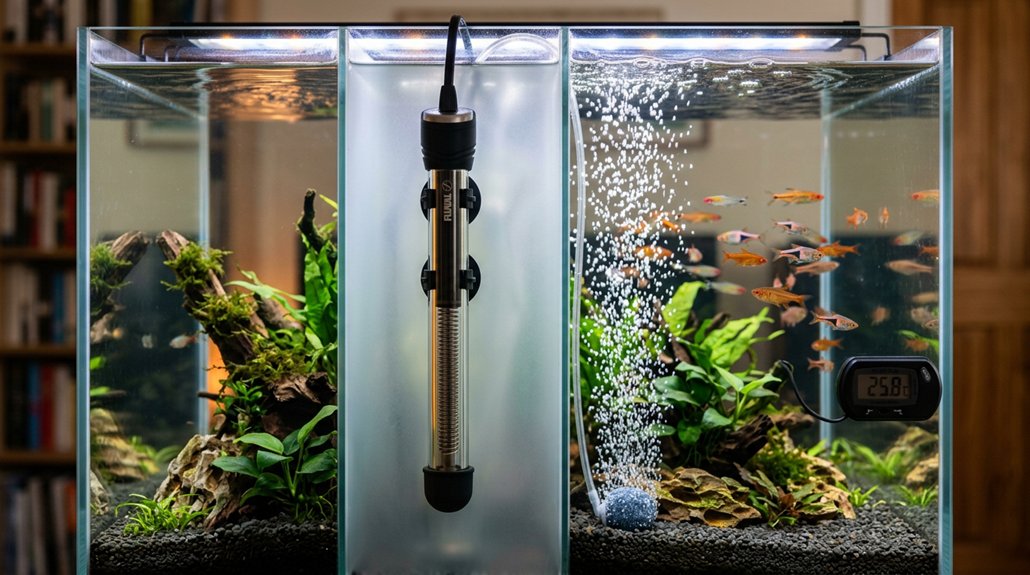
Choose a heater by matching wattage to your tank and room. A good rule is about 5 watts per gallon for a roughly 10°F rise, or closer to…
Aquarium Setup & Equipment
Do You Need a Heater for Your Fish Tank?
You need a heater if you keep tropical fish like bettas, tetras, guppies, gouramis, or discus, because they usually need stable water near 75–82°F. You may not need…
Aquarium Setup & Equipment
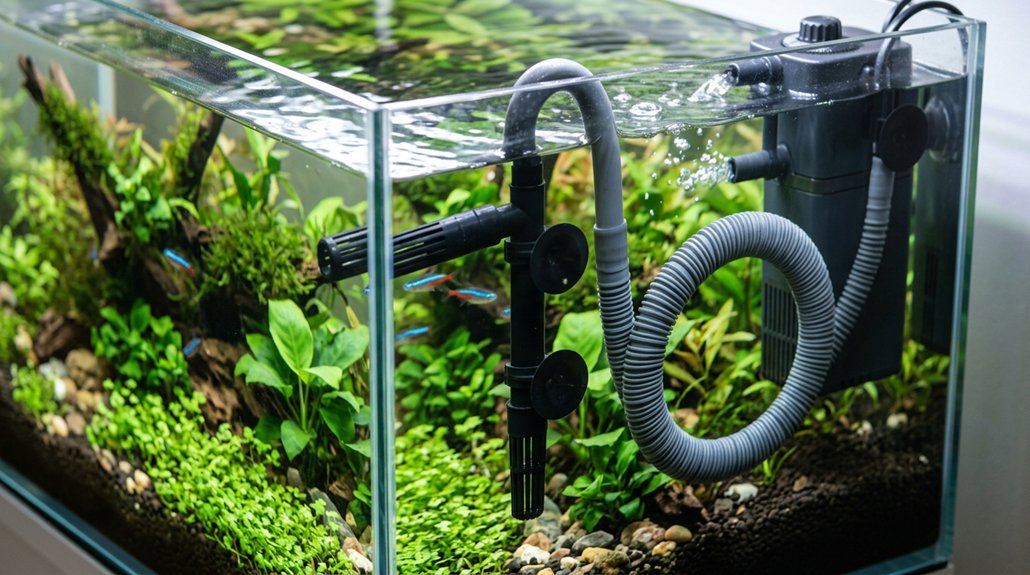
Common Aquarium Filter Mistakes to Avoid
Common aquarium filter mistakes to avoid include choosing a filter by tank size alone, underestimating fish biomass, and running too little turnover for the bioload. You should size…
Aquarium Setup & Equipment
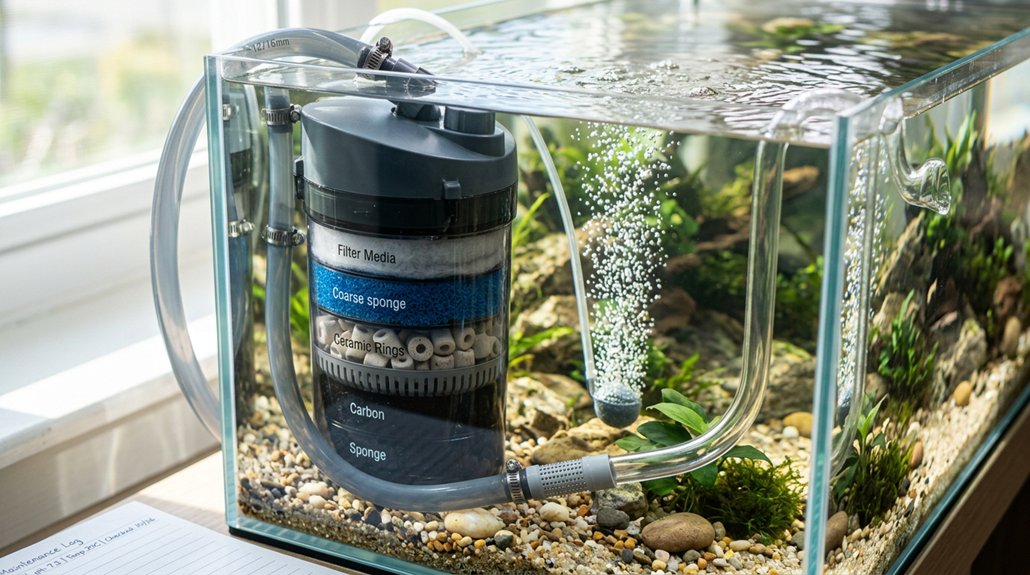
How to Maintain an Aquarium Filter Properly
To maintain your aquarium filter properly, turn it off and unplug it before service, then rinse sponges, ceramic media, and bio-media in a bucket of tank water, not…
Aquarium Setup & Equipment
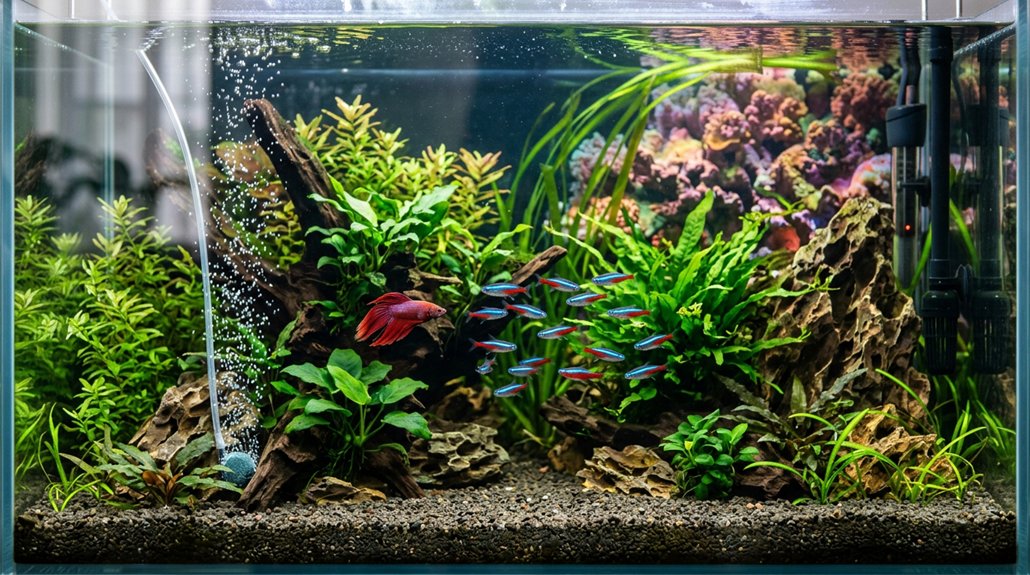
Do You Need a Filter for Your Aquarium?
Yes, you usually need a filter for your aquarium because it provides the surface area and water flow that beneficial bacteria use to convert toxic ammonia into nitrite…
Aquarium Setup & Equipment
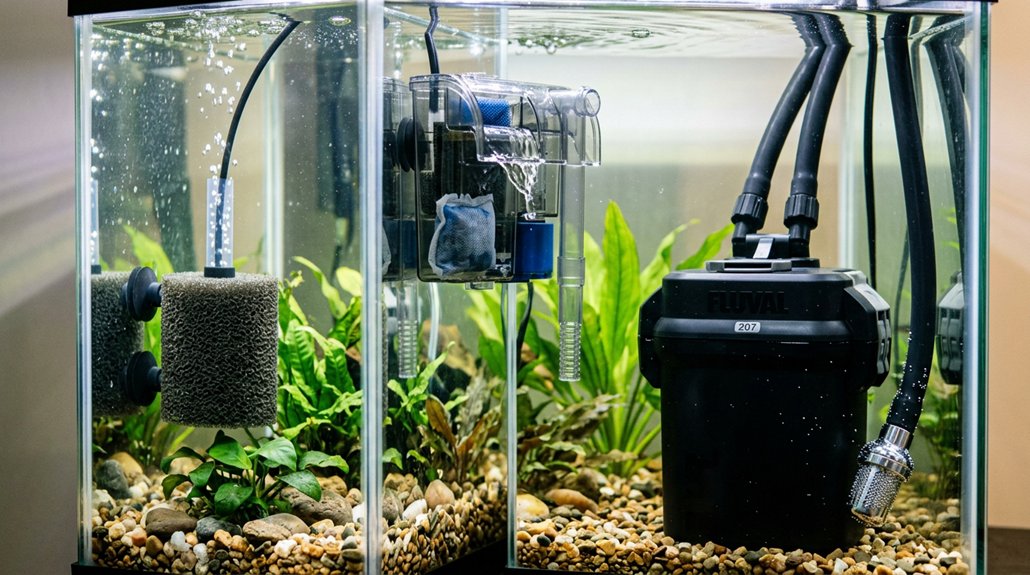
Types of Fish Tank Filters Explained (Which Is Best?)
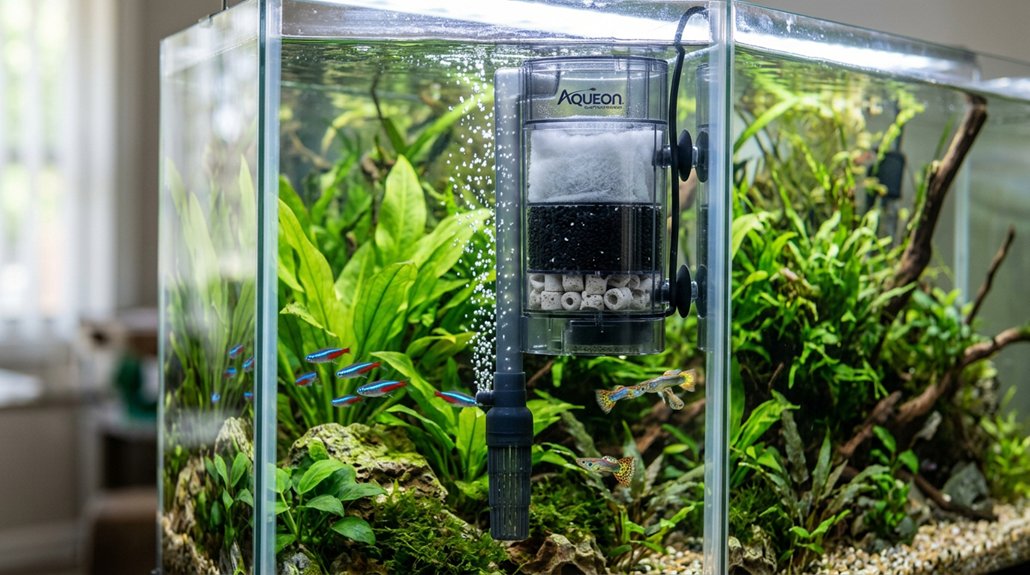
Your tank filter keeps water moving, boosts oxygen exchange, and supports beneficial bacteria that convert ammonia to nitrite and nitrate. Sponge filters are best for fry, shrimp, or…
Aquarium Setup & Equipment
Best Aquarium Filters and How to Choose One
The best aquarium filter for your tank matches your fish, tank size, and layout while delivering mechanical, biological, and, when needed, chemical filtration. Aim for about 4–6× tank…
Aquarium Setup & Equipment
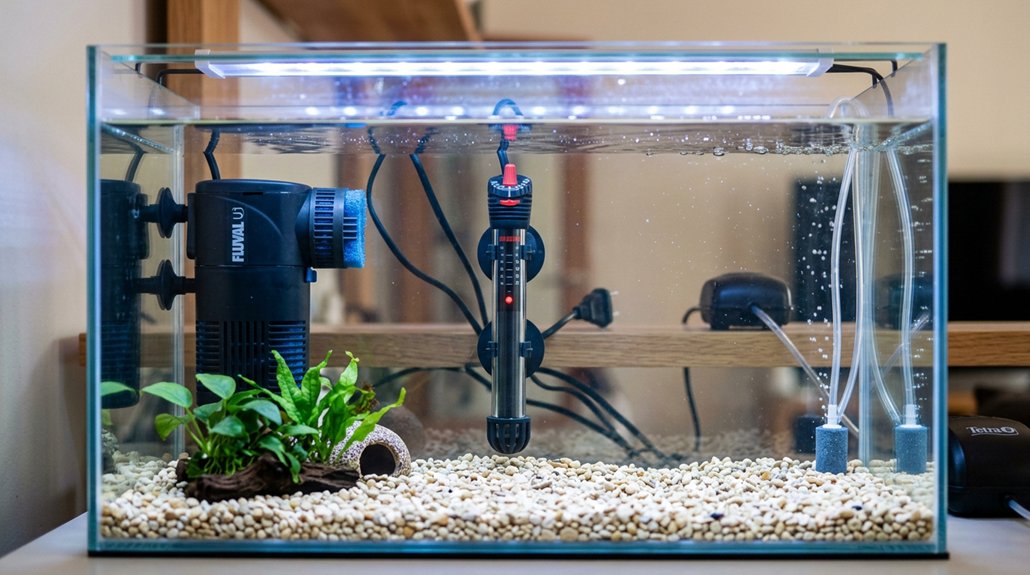
Beginner Guide to Choosing Aquarium Equipment
Start with a tank and stand that can handle the load; a 55-gallon setup can weigh about 550 pounds, so choose a sturdy stand and keep it away…