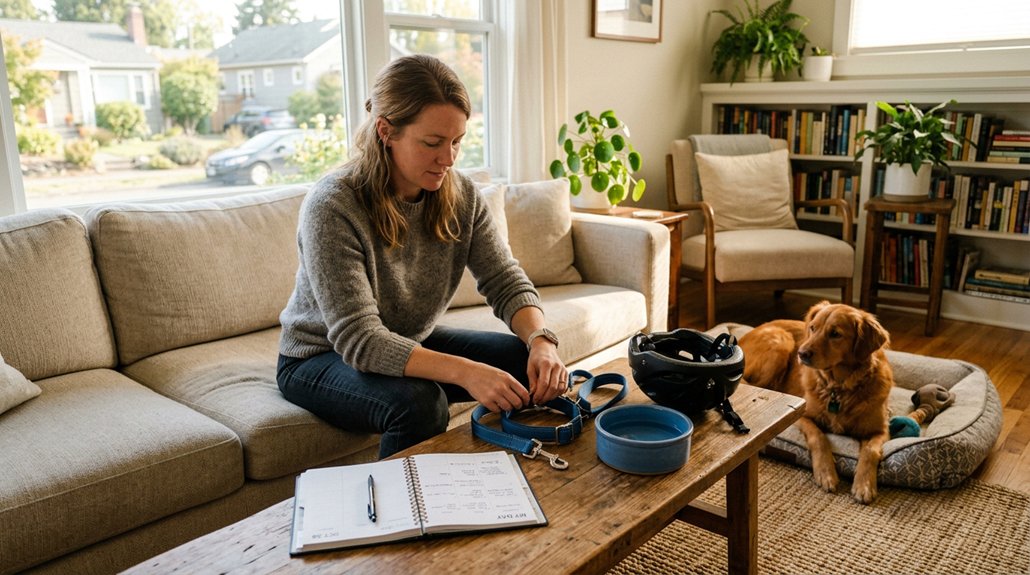
When picking a dog that fits your daily routine, consider matching energy levels to your activity, your living space’s suitability, and grooming needs. Evaluate how a breed aligns with your family’s dynamics and your training commitment. Think of active breeds like Labradors for jogging or French Bulldogs for short walks. Adapt grooming to your lifestyle, from minimal needs to daily care. A careful choice guarantees a happy life together, and there’s more insight into making the perfect match.
Key Takeaways
- Evaluate your living space to choose a breed that can comfortably thrive, considering size and exercise needs.
- Match the dog’s energy level with your daily activity schedule to ensure adequate exercise and engagement.
- Consider grooming requirements, balancing your availability for maintenance with the breed’s coat care demands.
- Assess your family’s lifestyle and compatibility with a breed’s temperament, especially regarding children or other pets.
- Determine the time and effort you can dedicate to training and choose a breed that fits your schedule.
Choose the Right Breed for Your Energy Level
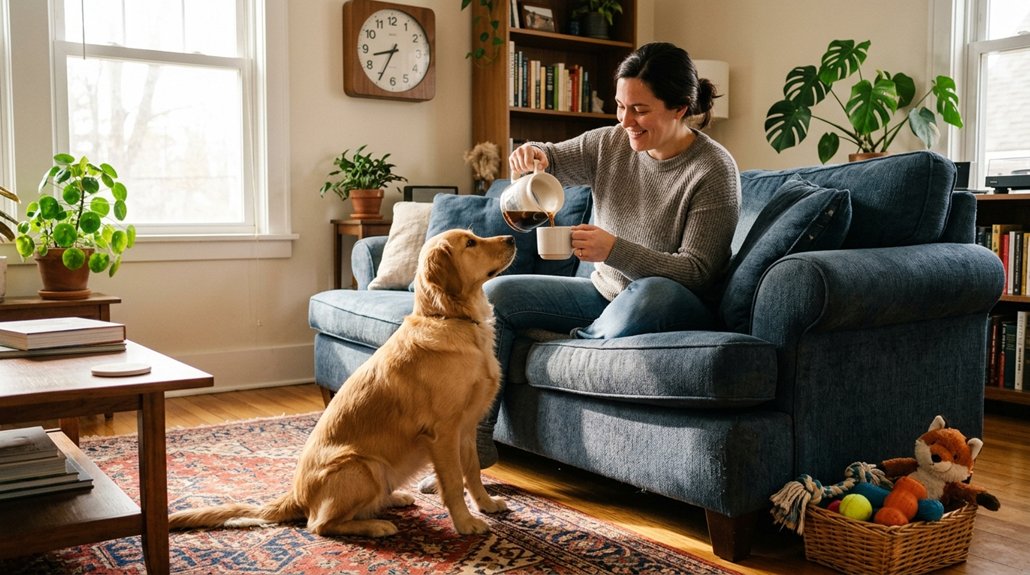
Choosing the right breed for your energy level is an essential step in finding a dog that complements your lifestyle. If you love jogging or taking long runs, breeds like the Labrador Retriever or Australian Shepherd are a perfect fit. Their high energy levels align with your active routine, fulfilling their exercise needs and helping avoid frustration for both of you. In contrast, if you prefer a more relaxed pace, consider breeds such as the French Bulldog or Basset Hound. These dogs thrive on shorter walks and have a calmer breed temperament. It’s important to evaluate how much time you can devote to your dog’s exercise requirements. Matching their energy levels with yours guarantees a harmonious relationship and a healthier pet.
Consider How Your Living Space Affects Breed Choice
After aligning your energy levels with a suitable breed, it’s important to also consider your living space when making a decision. Living space considerations can greatly influence breed adaptability. If you’re in an apartment, a small to medium-sized dog like a French Bulldog might be a perfect fit, as they adapt well to confined spaces. For those with houses and yards, larger breeds like Labrador Retrievers can thrive with room to roam. Breeds like Basset Hounds, needing less exercise, suit smaller homes, while energetic breeds such as German Shorthaired Pointers require nearby parks for physical and mental stimulation. Consider if your space allows safe play, ensuring your chosen breed can comfortably coexist with your lifestyle and physical environment.
Weigh Grooming and Maintenance Against Your Schedule

When it comes to grooming and maintenance, aligning a dog’s needs with your schedule is essential for a harmonious pet-owner relationship. Different dogs have varied grooming frequency needs based on their coat type. It’s crucial to assess your time constraints and decide accordingly. For those with less time, breeds like Beagles or French Bulldogs require minimal upkeep. If longer grooming sessions are feasible, a Cavalier King Charles Spaniel could be a delightful companion.
| Breed | Grooming Frequency |
|---|---|
| Labrador Retriever | Low |
| Shih Tzu | High (Daily) |
| French Bulldog | Minimal |
Consider your lifestyle and the grooming demands each breed entails. A mismatch in expectations can lead to frustration, so choose wisely for both of you to thrive.
Think About Your Family and How a Dog Will Fit
Buying a dog means more than just selecting a breed that fits your lifestyle; it’s about guaranteeing the newest family member complements your household’s dynamics. Consider each family member’s needs and daily habits to guarantee smooth integration with your new pet. Here are essential points to ponder:
- Energy Levels: Match the breed’s energy to your family’s dog friendly activities.
- Child Compatibility: Choose breeds known for patience and gentleness with kids.
- Pet Harmony: Guarantee compatibility with existing animals, especially if they have different temperaments.
- Grooming Needs: Decide if your family can manage high-maintenance grooming routines.
- Time at Home: Some breeds crave companionship; guarantee someone’s often home to reduce separation anxiety.
Match Training With Your Lifestyle

As you aim to integrate a dog into your household smoothly, it’s equally important to assure their training aligns with your lifestyle. Effective training requires determining how much time you can dedicate to it. High-energy breeds like Labrador Retrievers and Australian Shepherds thrive on training consistency and may require extended periods of daily engagement, perhaps more than an hour each day. On the other hand, if your schedule is tight, consider breeds requiring less attention.
Success in training also hinges on using appropriate reward techniques. Incorporating positive reinforcement and socialization consistently fosters good behavior. Remember, some dogs demand more commitment to training than others. Assess your ability to keep up with these obligations to assure both you and your dog enjoy a rewarding companionship.
Frequently Asked Questions
What Is the 3-3-3 Rule With Dogs?
The 3-3-3 rule guides the adoption process by outlining behavioral signs during a dog’s first three days, three weeks, and three months. Initially, they might show stress, but gradually bond and establish trust over time.
What Is the 10-10-10 Rule for Dogs?
The 10-10-10 rule for dogs isn’t just a guideline; it’s a game-changer! It lets you enhance your dog’s breed characteristics and temperament through focused training, exercise, and socialization, ensuring your furry friend is healthy and happy.
How to Choose the Right Dog for Your Lifestyle?
Consider how active you are and match it with the dog’s energy level. Assess grooming needs, trainability levels, size suitability, and family compatibility to find a breed that harmonizes with your lifestyle and daily routine.
How Do You Say “I Love You” in Dog Speak?
Did you know that 65% of dog owners recognize love through actions? In dog speak, wagging tails, gentle eye contact, and leaning on you exemplify canine affection. Understanding dog body language helps deepen your emotional connection with them.
Conclusion
Choosing a dog that complements your lifestyle is essential for a harmonious relationship. Did you know that nearly 68% of dog owners say they underestimated the time commitment a pet requires? By considering your energy levels, living space, grooming needs, and family dynamics, you’ll make a more informed decision. Remember, your furry friend isn’t just a pet; they’re a lifelong companion. Prioritize training that suits your lifestyle to foster a rewarding and happy partnership.