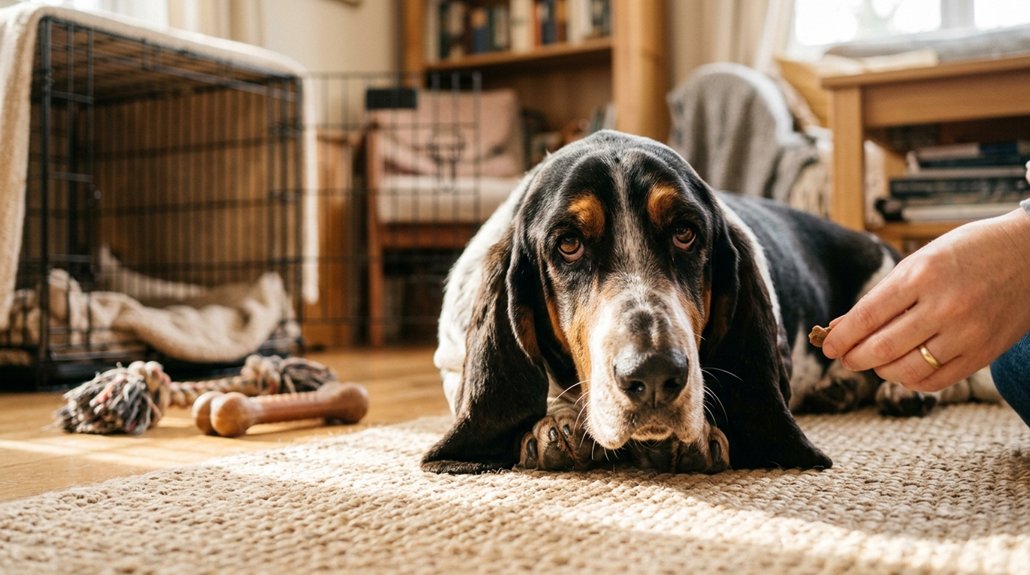
Basset Hounds embody a blend of geniality and stubbornness, ideal for family environments. Maintain daily care with structured walks, bi-weekly grooming, and ear maintenance to guarantee health. Training requires patience; use short sessions and reward-based techniques. Before bringing a puppy home, verify a safe environment and have necessary supplies ready. Proper diet and exercise are essential; feed high-quality protein and engage in scent games to prevent obesity. Learn more to optimize your Basset Hound’s well-being.
Key Takeaways
- Basset Hounds are friendly yet stubborn, requiring patient and consistent reward-based training for effective obedience.
- Ensure daily exercise and regular grooming to support their health and prevent infections.
- Socialize puppies early for confidence, using varied environments and encouraging interactions.
- Before bringing a puppy home, secure the environment and establish a routine potty area.
- Provide a balanced diet with controlled portions and consist of high-quality proteins and grains.
Basset Hound Temperament and Personality
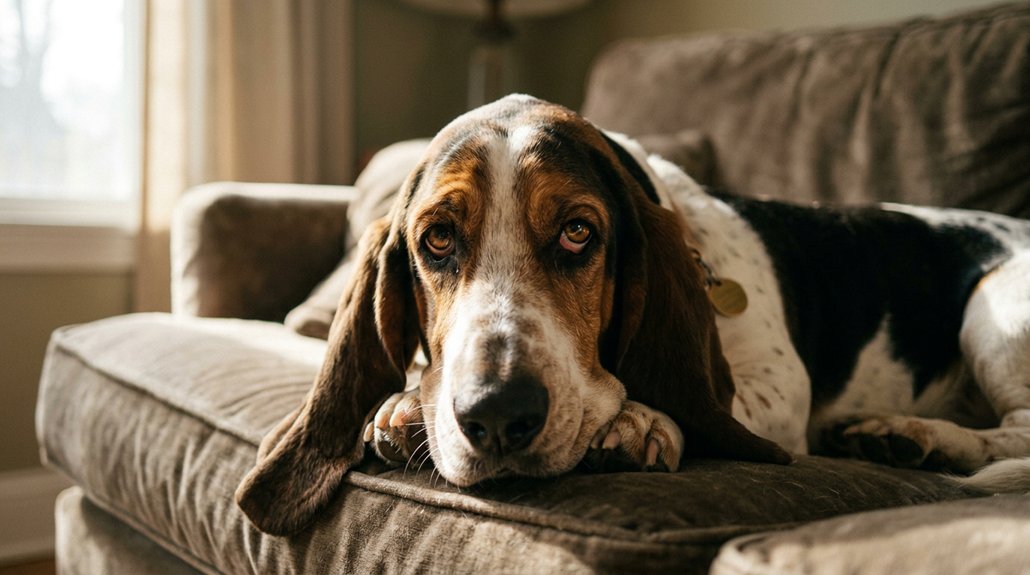
When considering the temperament and personality of a Basset Hound, it’s important to recognize their innate balance of friendliness and stubbornness. Basset personality traits include a congenial disposition, ideal for families. Their social behavior dynamics highlight their ability to coexist with other pets, though effective socialization is essential to mitigating any undesirable interactions. Strikingly, these hounds demonstrate non-aggressive tendencies, fostering an atmosphere of harmony within multi-pet environments.
However, temperament challenges arise from their stubbornness, necessitating a patient training approach that reconciles their independence with obedience. Vocalization forms a key part of their communication, characterized by frequent barking and howling to alert their families, perhaps requiring the implementation of behavioral modifications. Importantly, they exhibit deep loyalty, forging strong familial bonds.
Essential Daily Routines for Basset Hound Care
Ensuring ideal health for your Basset Hound involves integrating structured daily routines that emphasize exercise and grooming. A minimum of one strategically timed walk per day, lasting 30 to 60 minutes, is essential for maintaining their cardiovascular fitness and preventing obesity. In addition, regular grooming protocols, including bi-weekly brushing sessions and vigilant ear inspections, are critical to managing coat health and minimizing the risk of auricular infections.
Daily Exercise Requirements
Basset hounds require consistent physical activity to maintain ideal health, with 30-60 minutes of exercise daily being essential to prevent obesity and support well-being. Regular walks, segmented into two 20-30 minute intervals, are efficacious in fulfilling their moderate exercise requirements. To heighten engagement, incorporate scent tracking exercises, which exploit their olfactory propensity by introducing challenges where they follow scent trails. Additionally, playtime activities with canine peers serve dual purposes: strengthening social bonds and furnishing requisite mental stimulation. Despite their inclination towards lower energy output due to an inherently independent demeanor, individualized motivational strategies are imperative to sustain activity levels. Carefully calibrated regimens, integrating diverse charge-specific activities, manifest superior cardiovascular benefits and sustain overall physiological homeostasis.
Grooming and Health Practices
Grooming and health practices form the cornerstone of maintaining a basset hound’s well-being. Regular grooming techniques, such as weekly brushing, are imperative to preserve the basset hound’s short, smooth coat and prevent unwanted matting. Equally important is diligent ear cleaning using veterinarian-approved solutions, mitigating the risk of infections inherent to their droopy ears. Integrated health monitoring requires daily dental care, utilizing dog-specific toothpaste to attenuate tartar accumulation and enhance oral health. Vigilant weight management is essential, employing portion control to avert obesity-related complications impacting their skeletal integrity. Moreover, routine veterinary check-ups are indispensable for early detection of health issues including hip dysplasia and luxating patella, thereby substantially supporting your basset hound’s longevity and quality of life.
Tips for Successful Basset Hound Training
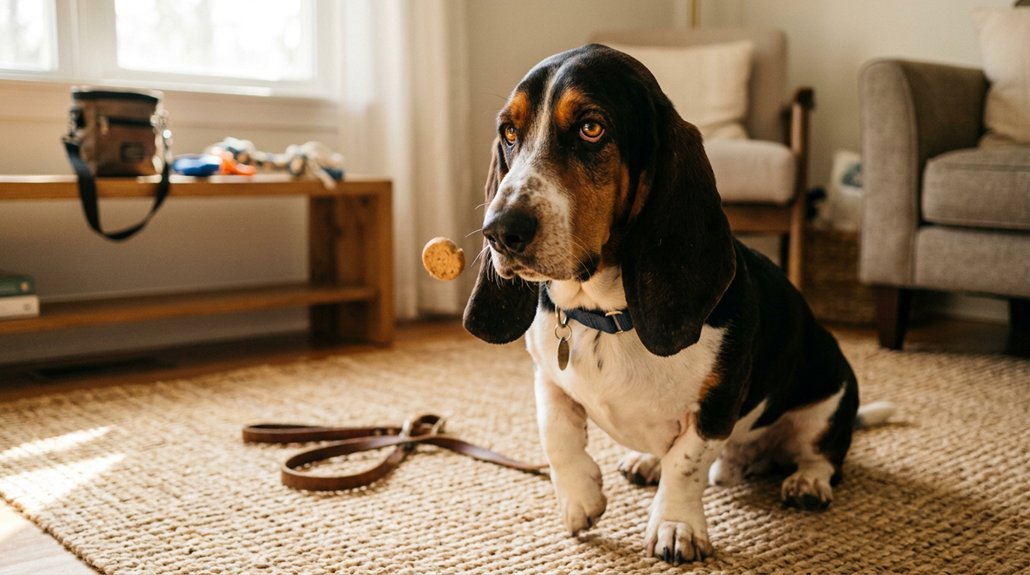
When training your Basset Hound, consistency and patience are essential for overcoming their inherent stubbornness and autonomous tendencies. Implement reward-based techniques, as positive reinforcement, such as treat-based rewards, effectively motivates this breed, enhancing compliance with desired behaviors. Engaging their natural tracking instincts with scent activities during training sessions can sustain interest while encouraging desired conduct.
Consistency and Patience
Patience is key when it comes to maneuvering the intricacies of training a Basset Hound. Their inherent stubbornness can pose training challenges that necessitate consistent approaches. By integrating behavior reinforcement strategies, you’ll effectively address their independent nature. To assist you in steering this process, consider the following structured guidelines:
- Keep sessions short: Limit training to around 5 minutes to maintain focus and engagement, reducing frustration for both parties.
- Utilize positive reinforcement: Employ treats and verbal praise to enhance behavior reinforcement, promoting a rewarding relationship.
- Continuous socialization: Between 8 to 16 weeks, expose them to diverse environments to build a confident pup.
- Reinforce commands regularly: Stop and await their cooperation for actions like leash pulling to foster reliable compliance.
Consistency guarantees successful behavior modification.
Reward-Based Techniques
In maintaining consistency and patience, reward-based techniques stand as essential components in the effective training of Basset Hounds. Their independent nature necessitates the strategic use of training rewards, specifically high-value treats, to motivate and maintain engagement. Employing scent games, where treats are strategically hidden, leverages their innate tracking instincts to reinforce positive behaviors effectively. Training sessions should be concise, ideally not exceeding 5 minutes, preventing cognitive disengagement or frustration. Socialization, particularly between 8-16 weeks, plays a pivotal role. Exposure to diverse environments during this critical period fosters adaptability and confidence, enhancing the receptiveness to training. By methodically integrating rewards and scent games, you’ll increase compliance with commands, specifically in recall and obedience exercises, in these oftentimes stubborn companions.
Preparing for Your New Basset Hound
Although welcoming a basset hound into your home is an exciting journey, meticulous preparation guarantees a smooth change. Effective puppy proofing strategies are vital as basset hound puppies are inherently curious and may chew or dig. Remove potential hazards to secure a safe environment. Implementing potty training tips is significant. Designate a specific area for breaks and establish a routine, noting that these puppies might take up to nine months to be fully trained. Equip yourself with essential supplies to cater to their unique needs.
Preparation Checklist:
- Remove hazards and puppy-proof areas.
- Designate and maintain a consistent potty break area.
- Acquire supplies: dishes, bedding, chew toys, grooming tools.
- Facilitate gradual acclimatization to new surroundings and routines.
Managing Health Concerns in Basset Hounds
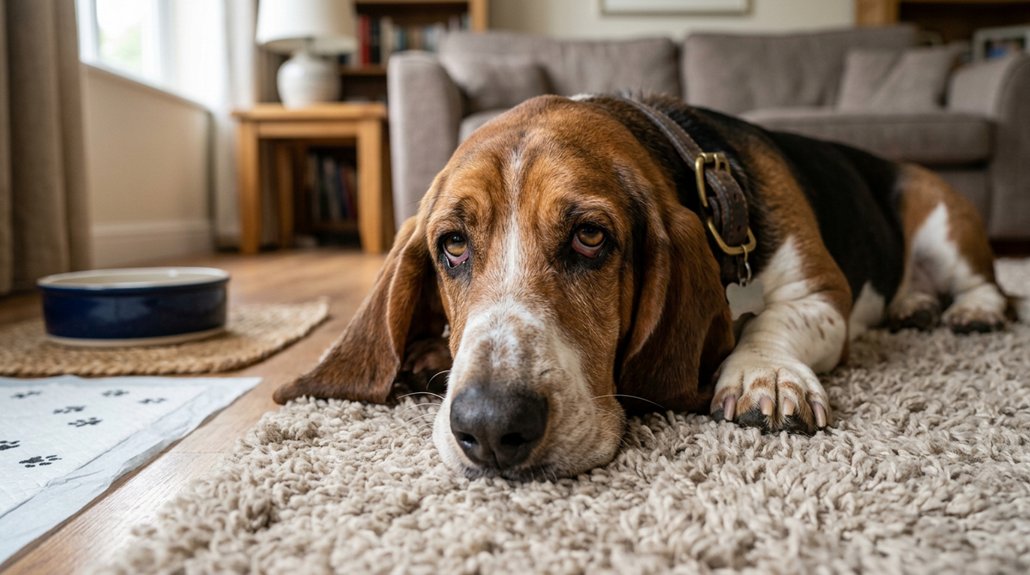
Alongside the preparations for your new basset hound, managing their health concerns is a key responsibility. Prioritize regular veterinary check-ups to monitor common health issues like hip and elbow dysplasia, and luxating patella, which basset hounds are predisposed to. Implement preventative care strategies, such as weekly ear cleaning, to reduce the risk of infections from moisture or debris in their long, floppy ears. Maintaining an ideal weight is critical; these dogs require daily exercise, ideally 30-60 minutes of moderate activity, to combat obesity-related conditions. Routine grooming, brushing 2-3 times weekly, aids in early detection of skin anomalies and promotes coat health. Ensuring these practices will help mitigate prevalent health risks and support your basset hound’s well-being.
Feeding and Nutrition Tips for Basset Hounds
While managing a basset hound’s nutritional needs, it’s pivotal to provide a diet that guarantees a balanced intake of high-quality proteins, healthy fats, and carbohydrates, essential for sustaining their energy and health. To maintain peak health and prevent obesity, adhere to the following guidelines:
- Portion Control: Serve 1 to 1.5 cups of dry food daily, divided into two meals, to avoid overfeeding.
- Enhanced Nutrition: Opt for dog food low in fillers, including whole meats and grains.
- Homemade Meals: Confirm compositions match their dietary restrictions, with balanced macronutrients.
- Hydration: Facilitate constant access to fresh water, particularly if your basset hound is active.
Avoid table scraps to avert unhealthy weight gain and establish consistent feeding schedules to promote good habits.
Encouraging Positive Socialization and Behavior
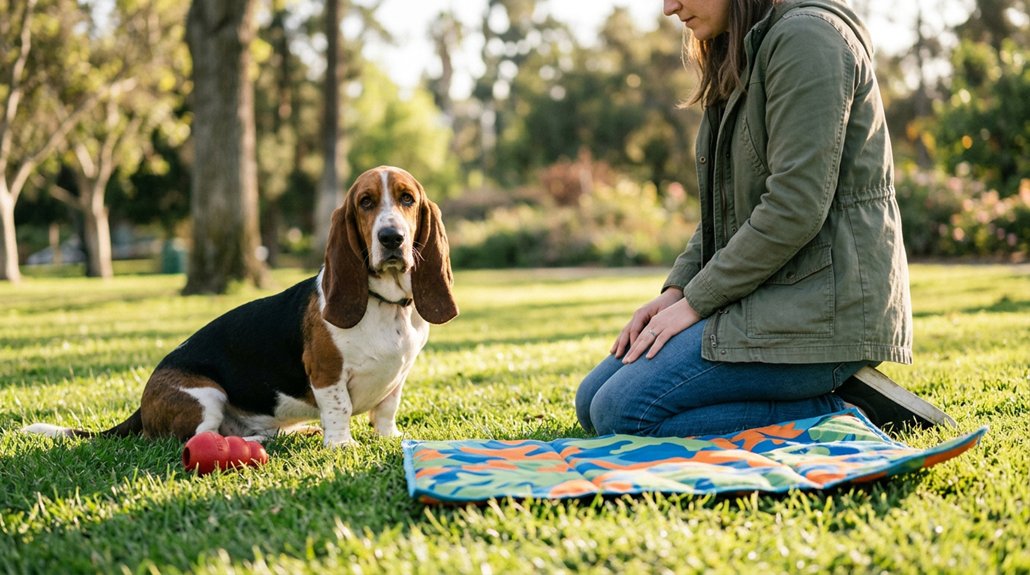
| Week | Activity | Purpose |
|---|---|---|
| 8-10 | Puppy Playdates | Boost confidence |
| 11-13 | Scent Exploration | Mental stimulation |
| 14-16 | Varied Environments | Adaptability and well-mannered |
Evaluating Basset Hound Family Compatibility
How can families determine if a Basset Hound is the right addition to their household? Evaluating these conditions will guide family integration:
- Temperament Evaluation: Basset Hounds are inherently friendly, making them ideal for families with children. They exhibit loyalty and protectiveness, essential traits for family environments.
- Household Dynamics: If your household is busy, the Basset’s calm demeanor fits well. They adapt to dynamic settings, contributing positively to household harmony.
- Multi Pet Households: Basset Hounds generally coexist peacefully with other pets. Early socialization remains pivotal for ensuring balanced interactions.
- Exercise Regimen: Their moderate energy levels necessitate manageable exercise, aligning with typical family routines. Implement two daily walks of 20-30 minutes each to maintain their health.
Consider these factors when evaluating Basset Hound compatibility with your family.
Enhancing Your Basset Hound’s Daily Life
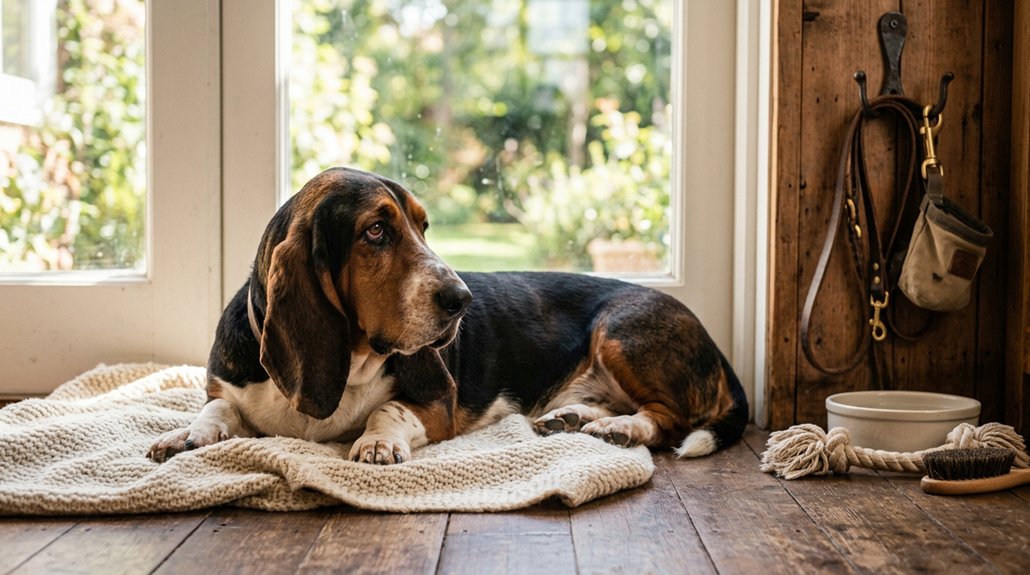
To optimize your Basset Hound’s daily life, consider integrating specific activities and routines that cater to their unique needs and attributes. Regular exercise is critical; aim for a daily long walk to maintain their energy levels and prevent obesity. Implement scent games and tracking activities to harness their powerful olfactory capabilities, ensuring they remain mentally engaged.
Consistent grooming, specifically weekly brushing along with routine ear cleanings, is essential for health maintenance and coat condition. An established schedule for feeding and exercise will provide structural stability, potentially reducing their innate stubbornness.
Here’s a structured approach:
| Activity | Benefit |
|---|---|
| Long Walks | Energy maintenance |
| Scent Games | Mental stimulation |
| Tracking Activities | Engage the sense of smell |
| Grooming Routine | Health maintenance |
| Structured Schedule | Behavioral control |
Frequently Asked Questions
How Can I Minimize My Basset Hound’s Shedding?
To minimize shedding, increase grooming frequency to several times weekly. Employ specialized shedding solutions, like de-shedding shampoos and brushes. Clinical studies suggest these methods effectively reduce loose hair, maintaining a controlled shedding environment for your dog.
What Are Some Common Grooming Tips for Basset Hounds?
Envision a gleaming coat and healthy nails. For Basset grooming, regularly brush their short, dense coat to control shedding. Make certain nail trimming every 3-4 weeks to prevent overgrowth, promoting ideal paw health and comfortable movement.
How Do Basset Hounds Handle Being Left Alone?
Basset Hounds often experience separation anxiety when left alone for extended periods. They’re social breeds requiring companionship. Mitigating alone time effects involves gradual desensitization, interactive toys, and consistent routines to foster comfort during your absence.
Are Basset Hounds Suitable for Apartment Living?
By Jove, you’re pondering if basset hounds suit apartment living. They display adaptable behavior but require consistent exercise to prevent lethargy. Without proper activity, expect potential behavioral issues. Their apartment adaptation hinges on adequate mental and physical stimulation.
What Types of Toys Do Basset Hounds Prefer?
Basset Hounds prefer interactive toys, which stimulate their tracking instincts, alongside durable chew toys to satisfy their strong jaw and dental needs. Guarantee toys are BPA-free and sized appropriately to prevent accidental ingestion, optimizing safety and engagement.
Conclusion
Steering through life with a Basset Hound is like conducting a symphony, where each aspect of care and training harmonizes perfectly. By understanding their unique temperament and providing structured routines, you’re setting the stage for a healthy, content companion. With keen attention to their health needs and nutritional balance, you’ll guarantee longevity and vibrancy. In fostering positive social behaviors, you’ve crafted a loving member of your family orchestra, resonating joy and companionship through every note of your shared journey.