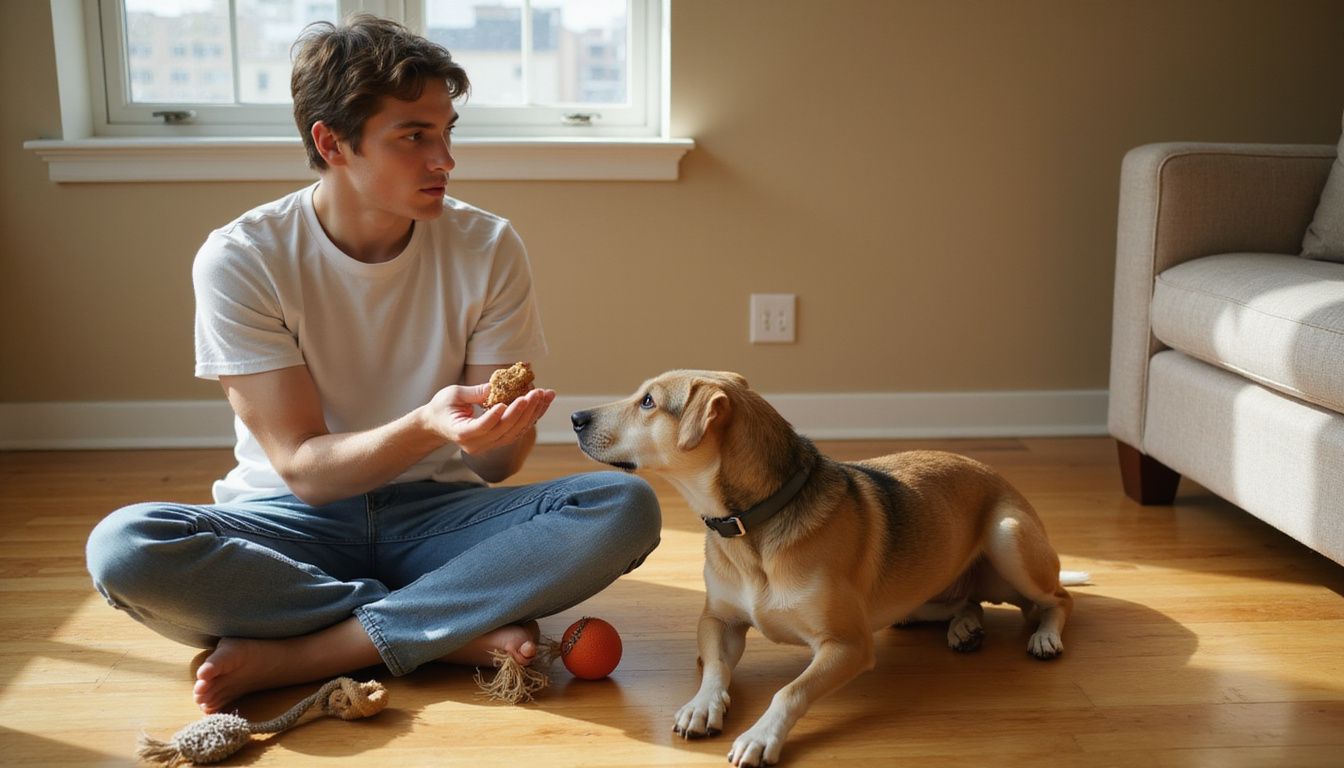
Is your dog barking at everything lately, the mail carrier, the neighbor’s cat, even a random noise from the TV? You’ve probably tried a few things already, and nothing seems to stick.
Here’s some good news. Barking isn’t a sign your dog is broken or stubborn.
Dogs bark to tell you something. They might be excited, frustrated, scared, or just plain anxious.
I want to share a training approach that works with your dog’s instincts, not against them. It’s called positive reinforcement, and it’s the same method professional trainers use to turn chronic barkers into calm, happy pups.
I’ll walk you through the exact steps, from spotting your dog’s triggers to building simple habits that replace barking with quiet behavior. Grab a treat pouch, and let’s get started.
Key Takeaways
- Dogs bark to communicate feelings like excitement, frustration, anxiety, or fear, so understanding triggers helps reduce excessive barking effectively.
- Reward calm behavior immediately within one or two seconds using treats, keeping training sessions short at 30 to 90 seconds throughout the day.
- Provide at least 90 minutes of daily exercise and mental stimulation through puzzle toys and games to prevent boredom-induced barking.
- Create a designated calm space called a “Hot Zone” where your dog retreats during stressful situations like doorbell rings or visitor arrivals.
- Teach foundation skills like the Search Game, Relaxation Protocol, and recall command to build impulse control and replace barking with quiet behavior.
A small training group of 12 mixed-breed dogs shows what consistent, short sessions can actually do. Before training started, the group averaged 22 barking episodes a day in a simulated apartment setting.
After four weeks of positive reinforcement, rewarding calm behavior within one to two seconds during 30 to 90 second sessions, that number dropped to just 9 barking episodes a day. Nine of the 12 dogs cut their barking by at least half.
Timing and brevity matter more than marathon training sessions. Catching calm within seconds changed how these dogs responded to triggers in as little as three weeks.
Why Do Dogs Bark and How Can I Identify Their Triggers?
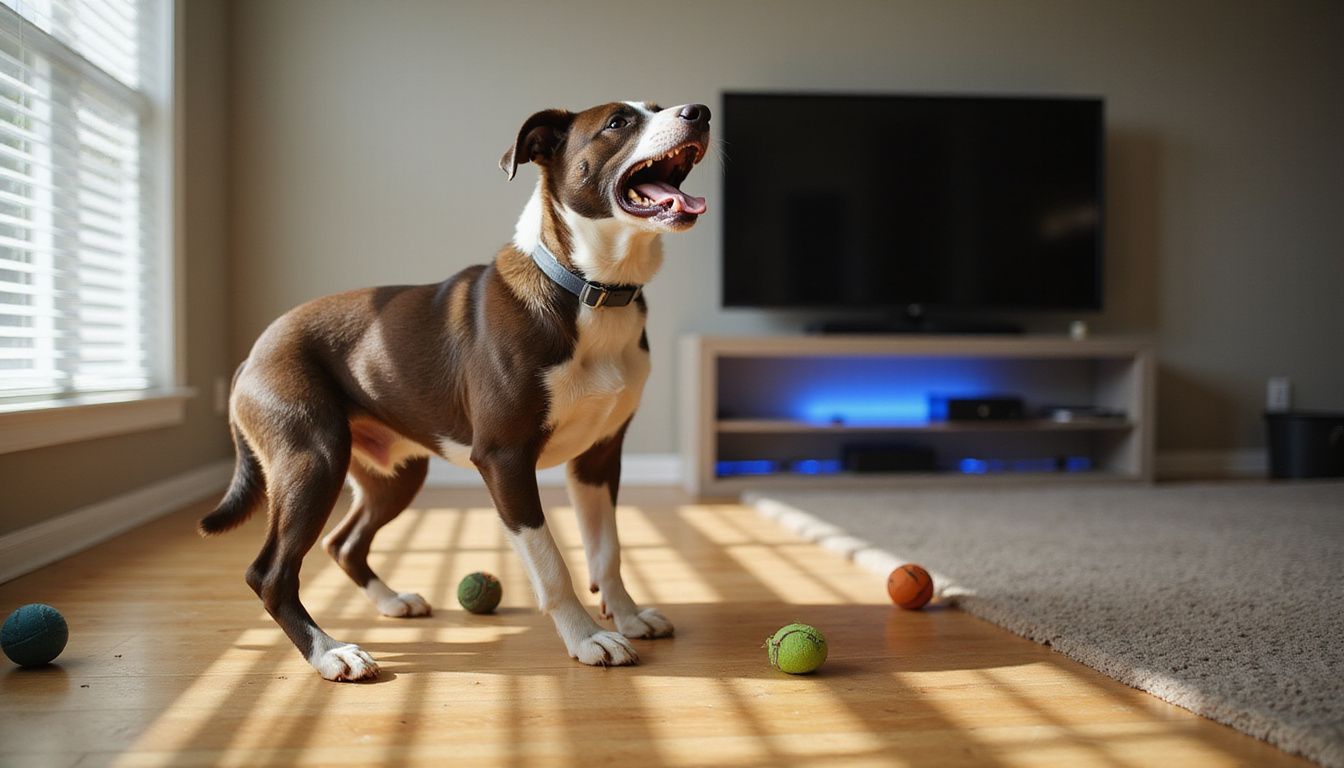
Dogs bark for a lot of reasons, and understanding those reasons helps you stop excessive dog barking before it turns into a real problem. Your dog communicates through barking, so the behavior itself is not a sign that your pup is broken or stubborn.
According to a May 2026 study by Texas A&M University that analyzed data from over 43,000 dogs, more than 84 percent of US dogs show signs of fear or anxiety in everyday situations. That’s a huge number.
It tells you that anxiety-driven barking is common, not a rare problem unique to your pup. So if your dog barks out of nervousness, you’re dealing with something most dog owners face too.
Barking stems from emotional expressions like excitement, frustration, anxiety, fear, or feeling overwhelmed. Sometimes it happens because your dog learned that making noise gets results.
Maybe barking brought attention in the past, or it led to something your dog wanted. Other times, barking comes from reactivity issues tied to anxiety, arousal, fear, or irritation.
Punishment doesn’t fix these underlying problems. It can actually hide what your dog is trying to tell you.
Barking is a form of communication, not a sign that dogs are broken or stubborn.
Figuring out your dog’s barking triggers takes some observation, but it’s doable. Watch what your dog gains from barking. Does your pup get attention, access to something, or relief from stress? Notice where the barking happens most in your home.
Reader Lyn Kiley’s dog barks at all kinds of sounds, including TV noise, which shows how much environmental triggers shape canine behavior. Reader Catherine moved from a rural area to a city and noticed her dog started barking at hallway noises, a good example of how new environments create new triggers.
- Does your pup bark when the doorbell rings or when visitors show up?
- Does barking spike at certain times of day?
- Does it happen more near windows or doors?
Start a mental log of what happens right before your dog barks. Track these patterns, and you’ll spot the real triggers driving the behavior.
Essential Principles of Positive Training for Dog Barking
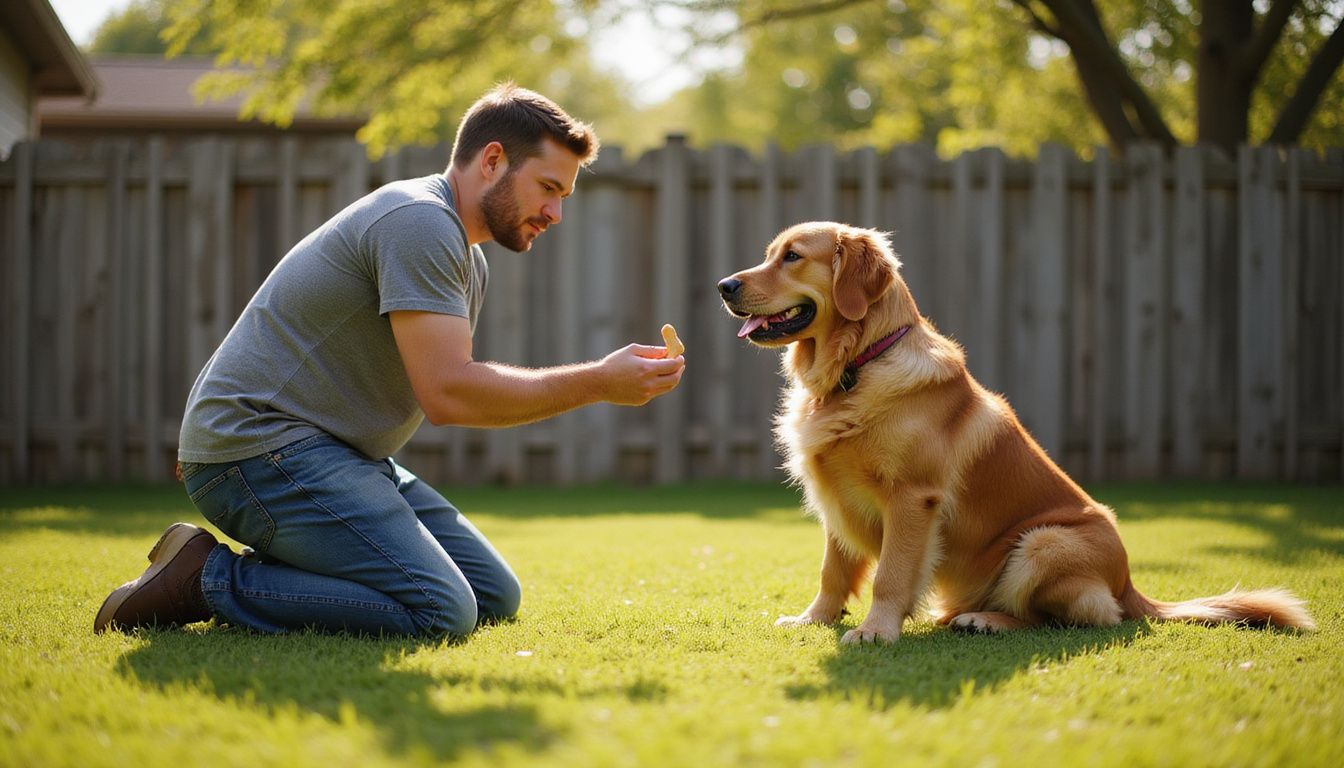
Positive reinforcement works because you reward the behavior you want to see more of. This makes your dog eager to repeat it.
This approach builds trust between you and your dog. It turns training into a game you both enjoy instead of a battle of wills.
How Can I Reward Calm Behavior Effectively?

Timing matters most when you reward calm behavior. You need to catch your dog succeeding in the exact moment they settle down, sit quietly, or lie peacefully on their mat.
Treats work well for this. Grab small, breakable rewards like Pupvard treats, made from real chicken and sold at PetSmart, so you can extend calm moments without overfeeding your pup.
Praise and toys work too, but food rewards tend to build good habits faster. The key is offering that treat immediately, within one or two seconds of noticing quiet behavior.
Behavioral scientists studying operant conditioning point out that dogs take a mental snapshot of their exact action the moment a reward shows up. If you wait even a few seconds too long, your dog might connect the treat with the wrong action, like standing up or looking around, instead of the calm behavior you actually wanted to reward.
This is why that one-to-two second window isn’t just a nice suggestion. It’s how your dog’s brain actually files away the lesson.
Short training sessions, lasting just 30 to 90 seconds and spread throughout the day, help your dog learn without getting tired or frustrated. Each mini-session teaches them that relaxation brings good things, which slowly replaces the urge to bark.
A Simple Starter Kit for Daily Training
A modest starter kit makes daily reinforcement practical and affordable. Here’s what I’d suggest picking up:
| Item | Approximate Cost |
|---|---|
| 200 small soft treats | $8 |
| 2-inch training mat | $12 |
| Treat pouch with belt clip | $10 |
| Set of three puzzle toys | $25 |
That’s about 55 dollars total, and it supports daily mini-sessions for three months in a typical small dog household. A one-time kit like this makes it easy to carry high-value rewards and stay consistent, so there’s no excuse that positive reinforcement costs too much or takes fancy gear.
Increasing the rate of treats during calm moments strengthens the behavior fast. Your dog learns that staying quiet pays off better than making noise ever did.
That’s operant conditioning at work. Your dog’s brain connects silence with rewards and starts choosing quiet on its own.
Toss a treat as a release cue to signal your dog can move from their calm position, then start a fresh reward cycle. This technique, catching your dog succeeding, builds confidence in both of you.
You’ll notice your dog becoming more willing to settle and more responsive to your guidance. The Relaxation Protocol reinforces this pattern even further, teaching your dog that doing nothing earns everything they want.
What Are Good Ways to Redirect My Dog’s Attention?

Your dog’s barking often comes from boredom or extra energy. Redirecting that focus stops the behavior before it even starts.
- Toss high-value treats or toys to shift focus away from the trigger, building a positive association during distracting moments like guest arrivals.
- Guide your dog to a designated “Hot Zone” or resting place when barking begins, swapping excitement for settling through behavior swapping.
- Try search games that channel your dog’s natural instincts into a productive activity, keeping their mind busy during trigger moments.
- Use Crate Games to build positive feelings about confined spaces, so the crate becomes a refuge instead of a punishment.
- Practice the Collar Grab Game or similar activities that bond you together while adding mental stimulation through play.
- Call your dog’s name or change direction on walks to interrupt barking before it escalates.
These redirection strategies work best when paired with foundation skills training and consistent practice.
Steps to Reduce Excessive Dog Barking

You’ll tackle excessive barking by meeting your dog’s physical needs, teaching quiet skills, and keeping training sessions short. These steps work together to reshape your dog’s behavior in ways that actually stick.
How Can I Meet My Dog’s Physical and Mental Needs?
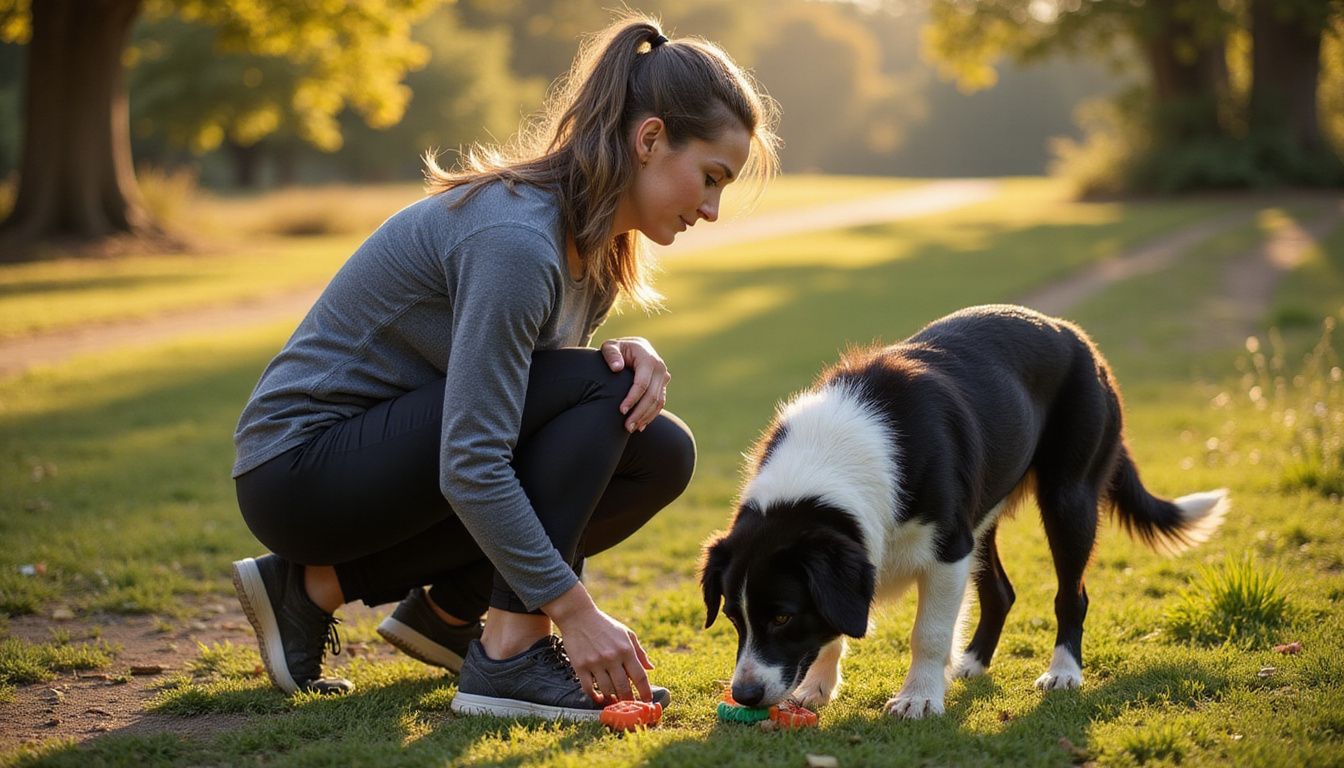
Your dog’s barking often comes from pent-up energy and boredom. Exercise becomes your first line of defense against excessive noise.
Aim for at least one hour of daily activity, ideally stretching to 90 minutes, to tire out your pup’s body and mind. Based on a 2024 survey by the Association for Pet Obesity Prevention, 59 percent of dogs in the US are overweight or obese, which limits their mobility and their ability to burn off frustration-driven energy.
That’s a big deal. If your dog can’t physically release that pent-up energy, barking often becomes the outlet instead.
Mary Hargrove discovered this with her active dog, who barked at neighbors until she added more exercise along with calm corrections, kennel time, and treats. Marion Moore’s Papillon showed a similar pattern, barking non-stop during playtime until better play outlets were set up.
Michle Fitzpatrick noticed her border collie barked during agility runs, a clear sign of frustration pointing to a need for more mental stimulation.
A tired dog is a quiet dog, and a mentally satisfied dog is a happy dog.
Mental stimulation matters just as much as physical exercise in any behavior training plan. Puzzle toys, scent games, and short training sessions keep your dog’s mind on tasks other than barking at every sound.
Small tweaks to your walk and feeding schedule can help too, cutting down on anticipation barking while keeping the routines your dog relies on. Address this by mixing up your routes, trying new environments, and rotating toys to keep things fresh.
Positive force-free methods work best here because they build trust, making training feel like play instead of punishment. This lines up with guidance from the American Veterinary Society of Animal Behaviorists, which backs science-based training over aversive methods like shock collars or prong collars.
What Foundation Skills Should I Train to Encourage Quiet?
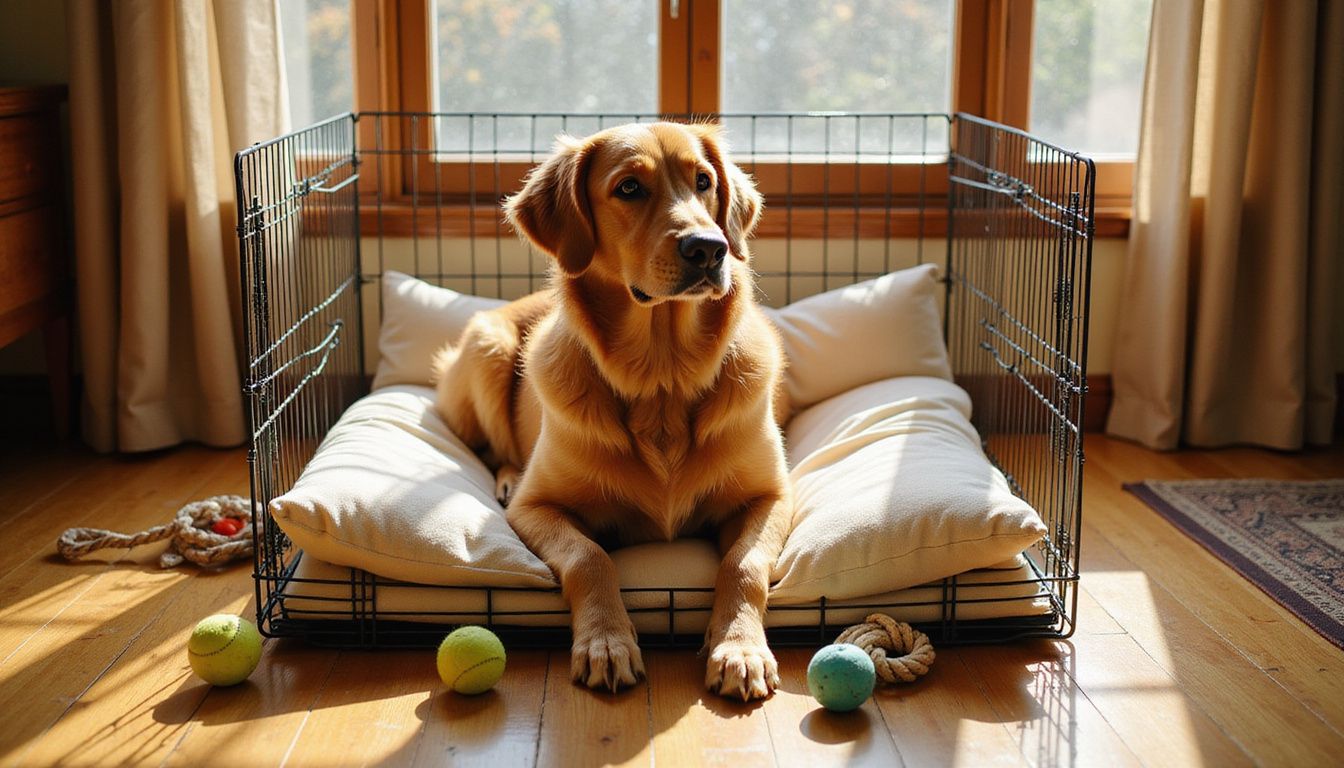
Teaching your dog foundation skills builds a strong base for reducing barking. These skills give your dog better impulse control and calmer responses to triggers.
- Master the Search Game to channel your dog’s energy into a focused, quiet activity that pushes barking to the back seat.
- Practice ItsYerChoice to build impulse control, since dogs with strong impulse control bark less at distractions.
- Use the Collar Grab Game to build positive feelings around gentle handling. This interrupts arousal before barking even starts.
- Play Crate Games to make the crate a calm, safe space your dog associates with good things.
- Teach the Relaxation Protocol so your dog can relax on command around known triggers.
- Train the Hot Zone behavior so your dog has a resting spot during doorbell rings or visitor arrivals.
- Practice Bring Me or retrieve games to give your dog a job that replaces noisy behavior.
- Build a solid recall command so you can redirect your dog before barking escalates.
- Establish sit and stay commands to give your dog clear expectations during triggering moments.
- Train leave it to help your dog ignore things that spark barking.
Here’s a real example that shows exactly how the Hot Zone skill can transform reactive barking. A terrier mix used to bark at every hallway noise until a clear routine was put in place.
A 12-Day Hot Zone Case Study
- Day 1: Window views were blocked, and a mat was placed in a quiet corner.
- Day 2: The mat was introduced with tiny treats scattered on it four times a day.
- Day 5: A release cue paired with a treat toss was added to signal when the dog could leave the mat.
- Day 12: The dog went to the mat on its own during simulated hallway knocks in 15 of 20 trials.
A clear, repeatable routine made the Hot Zone predictable, and the dog started choosing it during real triggers within two weeks. Small changes, like curtain placement, mat choice, and a three-step reward routine, created a protocol you can copy in any small apartment.
Why Are Short, Consistent Training Sessions Important?
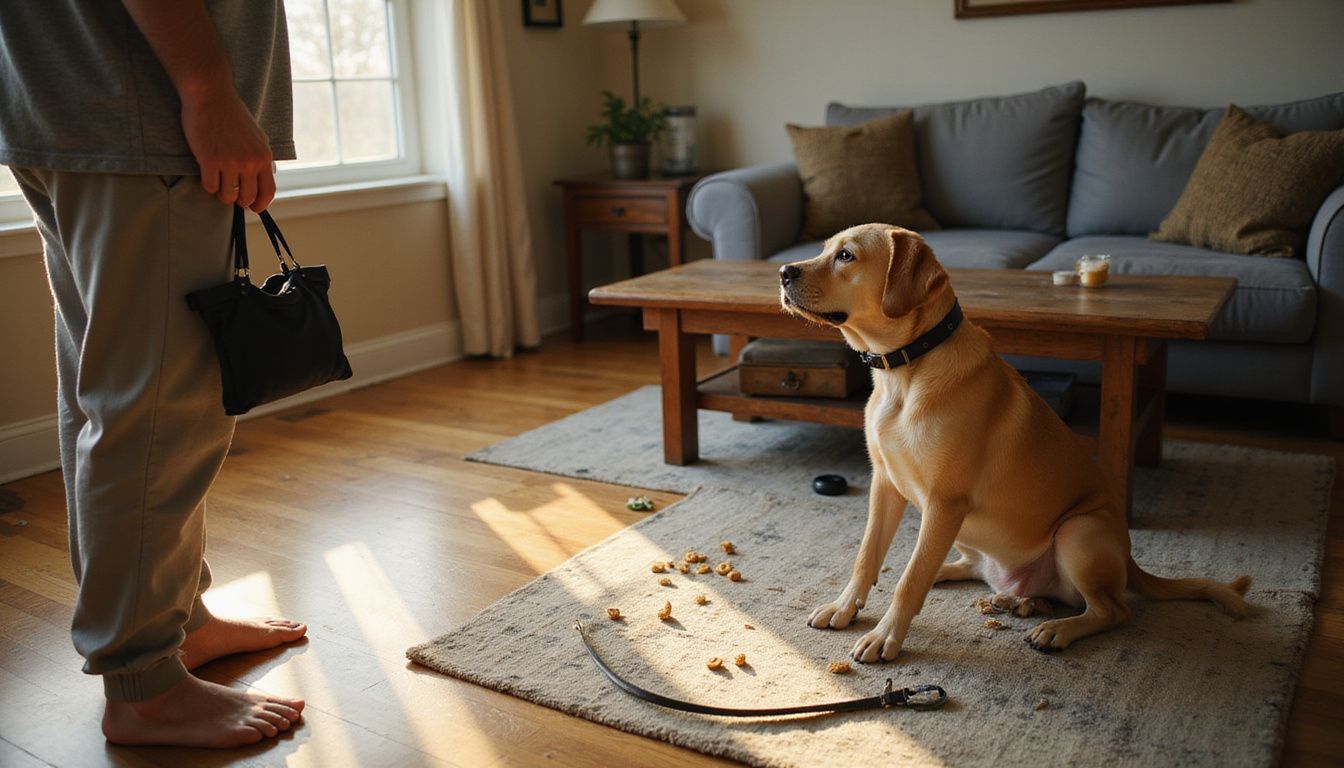
Your dog’s brain works best in short bursts. Training sessions of 30 to 90 seconds, sprinkled throughout your day, create powerful learning moments that stick.
This approach is nothing like long, exhausting sessions that wear out both you and your pup. Your dog learns faster when things stay fresh and exciting.
Consistency matters more than length. Carrying treats in your pocket lets you reinforce calm behavior the moment it happens.
Dogs don’t automatically apply learned behaviors to new places, so your pup needs practice in different situations to truly master a skill. Short, frequent sessions build the kind of learning that transfers across new places, people, and excitement levels.
Your patience shapes everything here. Ingrained habits can take months or even years to change, so rushing only frustrates you both.
Vary your training with different people, times, and excitement levels to improve how well the skill transfers. Start simple, and build up as your dog’s skills grow.
Relying on treats forever isn’t necessary, but they can boost motivation and speed up results in the early stages. Each short session plants a seed that grows into lasting change, shaped by dog behavior principles that actually work.
Managing the Environment to Prevent Barking
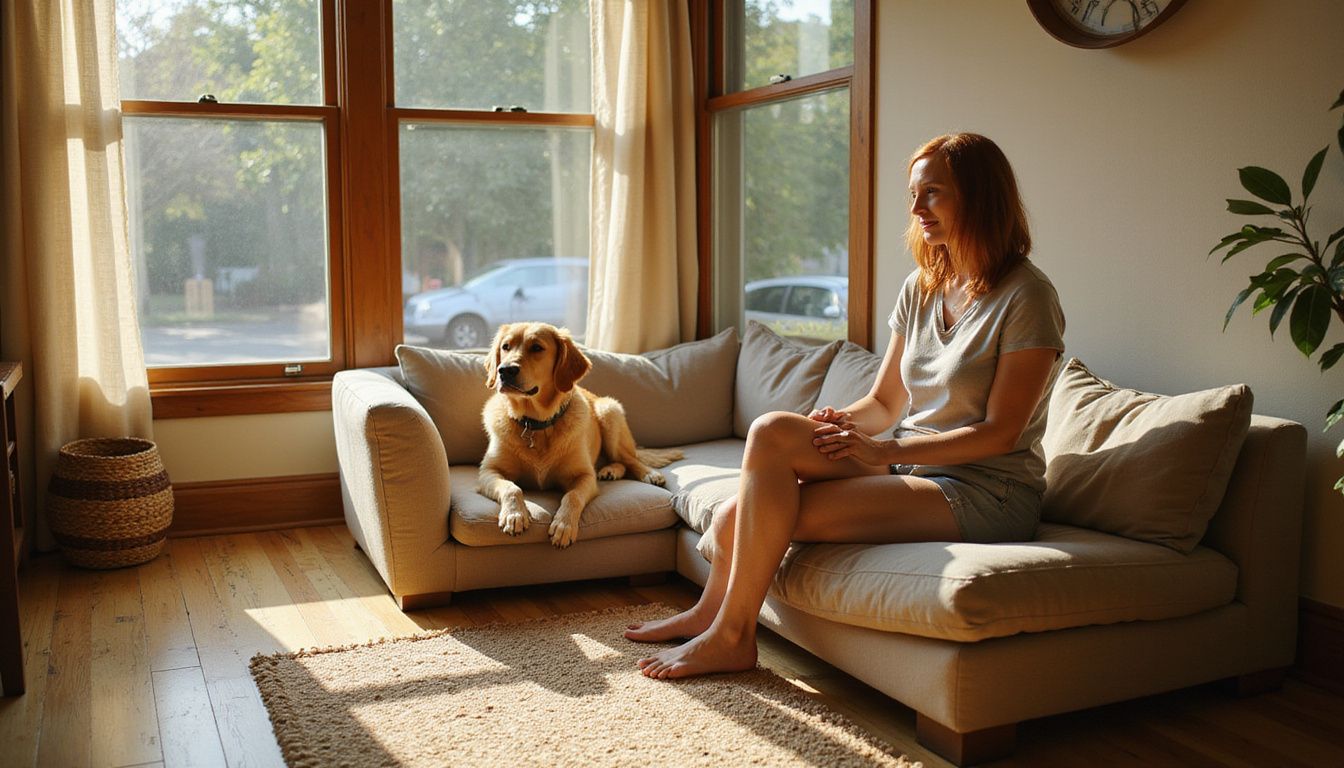
You can shape your dog’s world by removing the things that set off barking. This smart approach stops problems before they start, and here’s exactly how to build that calm space.
How Can I Block Visual and Auditory Triggers for Barking?

Your dog’s barking often comes from what they see and hear around the home. Blocking these triggers turns your living space into a calm zone where your pup can actually relax.
- Hang blinds or curtains over windows to stop your dog from spotting neighbors, passersby, and other visual triggers.
- Rearrange furniture to limit access to windows and doors where barking usually happens.
- Close doors to rooms where your dog watches outside activity, so the barking habit never gets rehearsed.
- Lower the volume on your TV and background noise, since dogs react strongly to sudden sounds from hallways or media.
- Place your dog in a kennel with high-value treats when left alone, cutting down on triggers from unfamiliar sounds.
A landmark study by Colorado State University, published in the Journal of Veterinary Behavior, found that playing classical music noticeably cuts down on nervous shaking and barking in kenneled dogs. It worked better than heavy metal or plain silence at helping dogs rest.
That’s a simple, low-cost trick worth trying. A little classical music playing in the background can mask hallway noise or street sounds that would otherwise set your dog off.
Start desensitization work by playing a doorbell sound at low volume, then slowly raise the intensity as your pup adjusts. If your dog barks or reacts, step back to a lower volume until they stay calm again.
Offer premium rewards for quiet behavior around previously triggering sounds, and you’ll reinforce calm responses through positive training.
What Creates a Calm and Safe Space for My Dog?

A calm and safe space starts with a designated “Hot Zone” where your dog can retreat when life gets loud or stressful. This area, whether a crate, bed, or quiet corner, becomes your dog’s personal sanctuary.
Make the space inviting by tossing tiny treats onto the bed to encourage exploring and settling. Crate Games and the Relaxation Protocol help establish this zone as a genuinely calming spot.
Reward calmness with treats and praise whenever your dog chooses to rest there. Reader Mary Hargrove places her dog in a kennel with treats to cut down on barking when she leaves, giving her dog exactly this kind of soothing refuge.
Using a release cue makes the space even more powerful. This cue tells your dog when they can leave the calm area, building good associations with both staying put and moving on.
Toys or high-value treats can sit in the safe space to redirect attention during stressful events like thunderstorms or fireworks. Your dog learns that good things happen in this spot, making it a place of comfort rather than confinement.
Addressing Specific Barking Scenarios
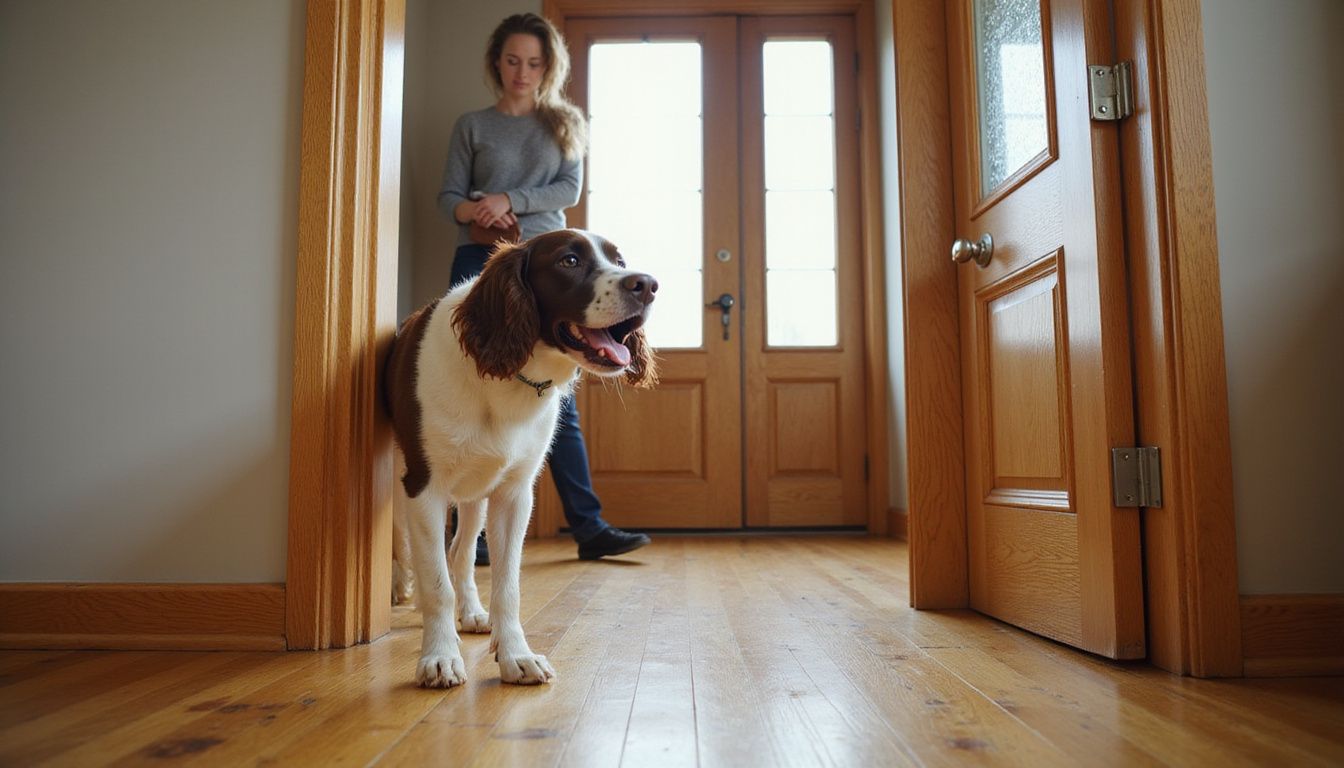
Real-life situations like doorbell dog barking and separation anxiety call for specific methods that work with your dog’s emotions instead of against them.
How Do I Train My Dog to Stop Barking at the Doorbell or Visitors?
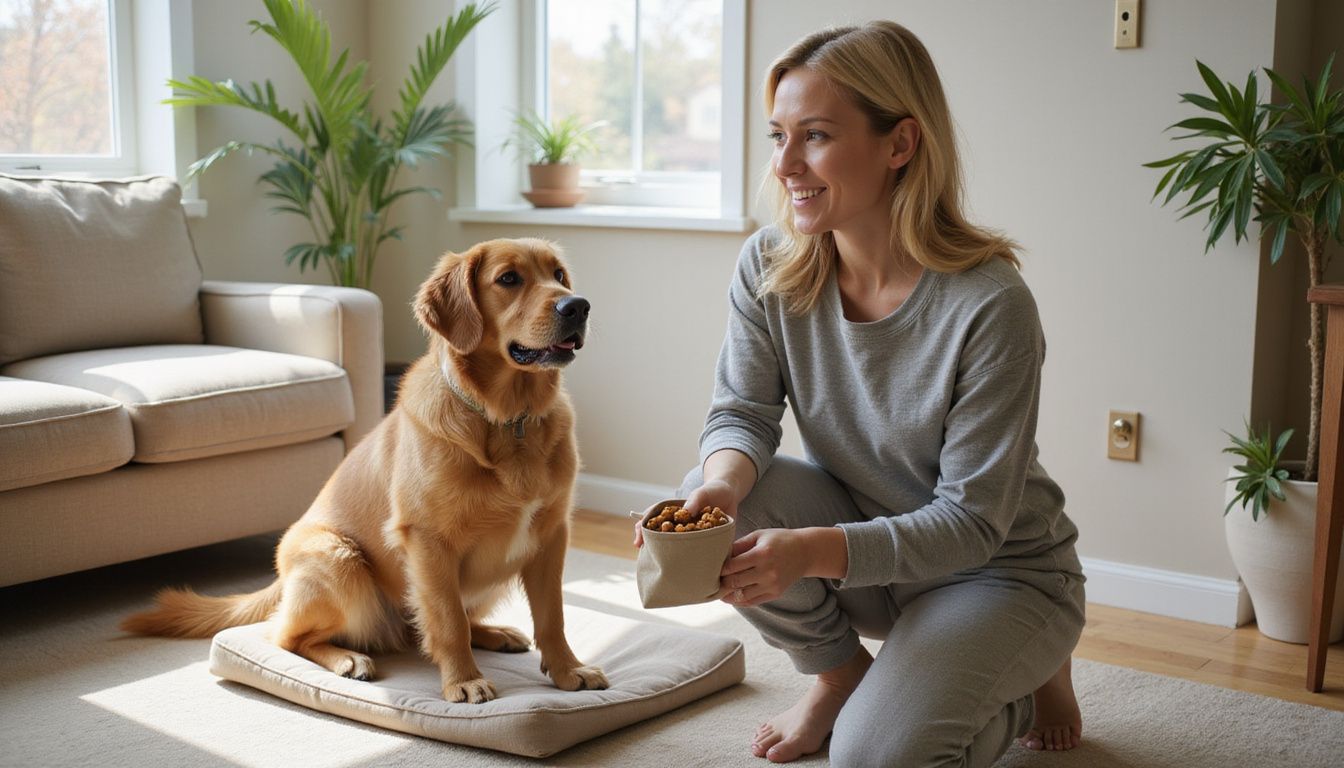
Your dog barks at the doorbell because it signals something exciting or uncertain. You can teach calm behavior through positive reinforcement and steady practice.
- Create a designated Hot Zone where your dog learns to relax when visitors arrive, away from the door itself.
- Introduce a neutral sound that matches the doorbell tone, then guide your dog to the Hot Zone and reward calm behavior right away.
- Practice this sequence many times without real visitors, so your dog connects the sound with the reward.
- Gradually raise the doorbell volume once your dog handles the quieter version well.
- Start at a distance that keeps your dog relaxed, then move closer as their comfort grows.
Use a leash and high-value treats during real visitor arrivals to manage your dog’s initial excitement and prevent jumping or barking. A 2022 pilot study on classical counterconditioning, published in the journal Animals, found that simply having visitors casually toss treats to a confined dog, no matter how the dog reacts at first, changes the dog’s emotional state and cuts down on barking over time.
That’s good news if your dog gets worked up at the door. It means the treats themselves are doing real work, not just distracting your dog for a moment.
- Keep your dog in a separate room until guests settle down if they get overly excited, so you don’t accidentally reward the barking with attention.
- Bring your dog out on a leash for a controlled introduction only after guests have been inside for several minutes.
- Reward quiet moments near visitors with treats and praise, shaping your dog toward calm greetings instead of loud ones.
Progress at your dog’s pace. If barking returns, lower the volume or increase the distance from the doorbell to rebuild confidence.
What Are Effective Methods to Handle Barking from Separation Anxiety?
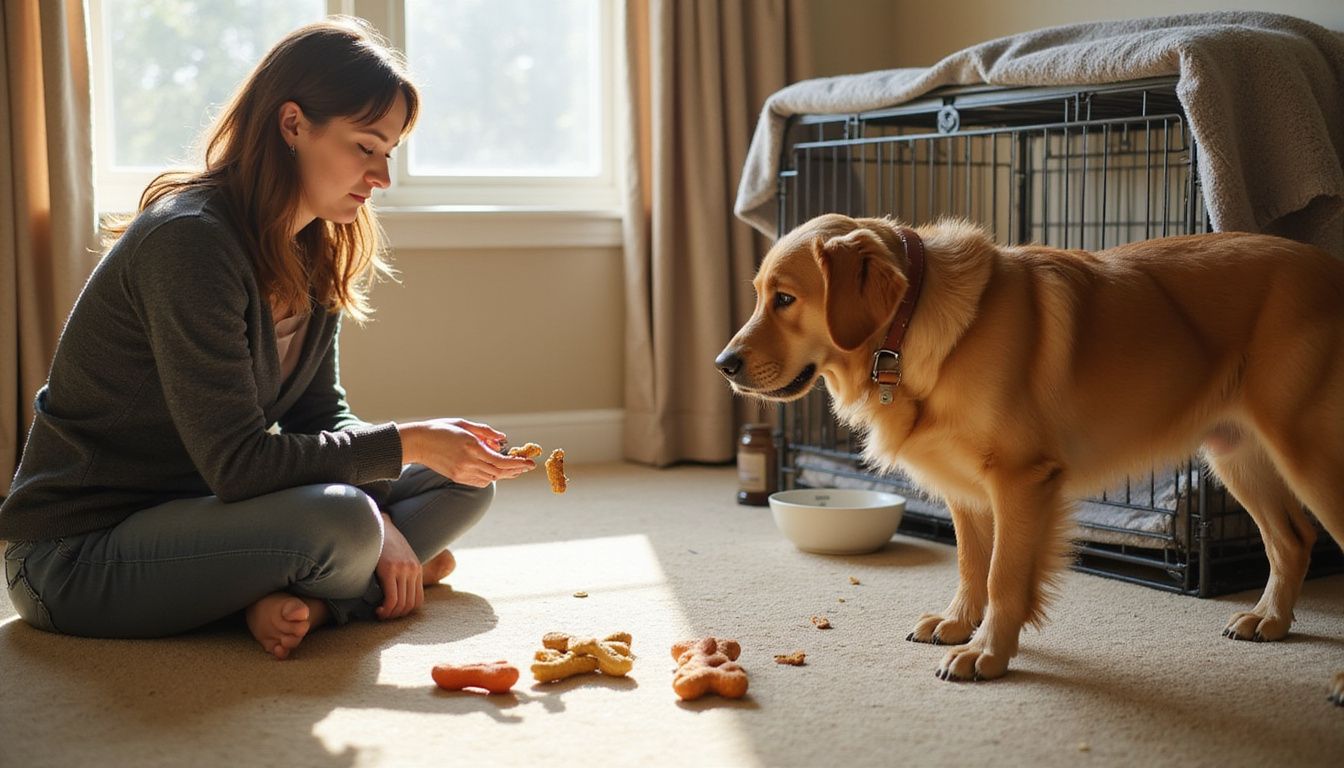
Separation anxiety makes your dog bark when you leave, and this barking comes from real emotional stress, not a desire to misbehave. Before you tackle the barking itself, rule out any physical pain or medical issues with a veterinary behaviorist first.
The barking you hear often signals that your dog feels panicked or distressed about being alone. According to 2026 data published by the Dog Aging Project and Texas A&M University, separation and attachment issues are the most widely reported behavioral problem in US dogs, affecting nearly 86 percent of the dog population.
So if your dog struggles with being alone, you’re far from the only one dealing with this. It’s actually one of the most common issues dog owners face.
Build foundation skills like Hot Zone and Crate Games before leaving your dog alone for long stretches. These skills teach your dog to feel safe in confined spaces, which cuts down on anxiety-driven barking.
Mary Hargrove uses kennel time with treats to reduce barking when her dog is left alone, and it works because treats build positive feelings around alone time.
Success means shorter barking episodes and quicker recovery times, not complete silence when your dog is left alone.
Gradually increase how long your dog spends alone, and reward calm behavior when you return. Skip bark collars or any anti-barking device that relies on punishment, since these tools tend to make anxiety worse and can trigger panic in some dogs.
Instead, tweak the timing of feeding and walks slightly to cut down on anticipation barking, while keeping the core routines that keep your dog grounded. If barking comes with signs of panic, distress, or self-injury, get help from a veterinary behaviorist right away.
Redirect your dog’s attention to toys or activities before anxiety peaks, which stops barking before it starts. This takes patience, but it deals with the real cause of separation anxiety instead of just masking the symptom.
Conclusion
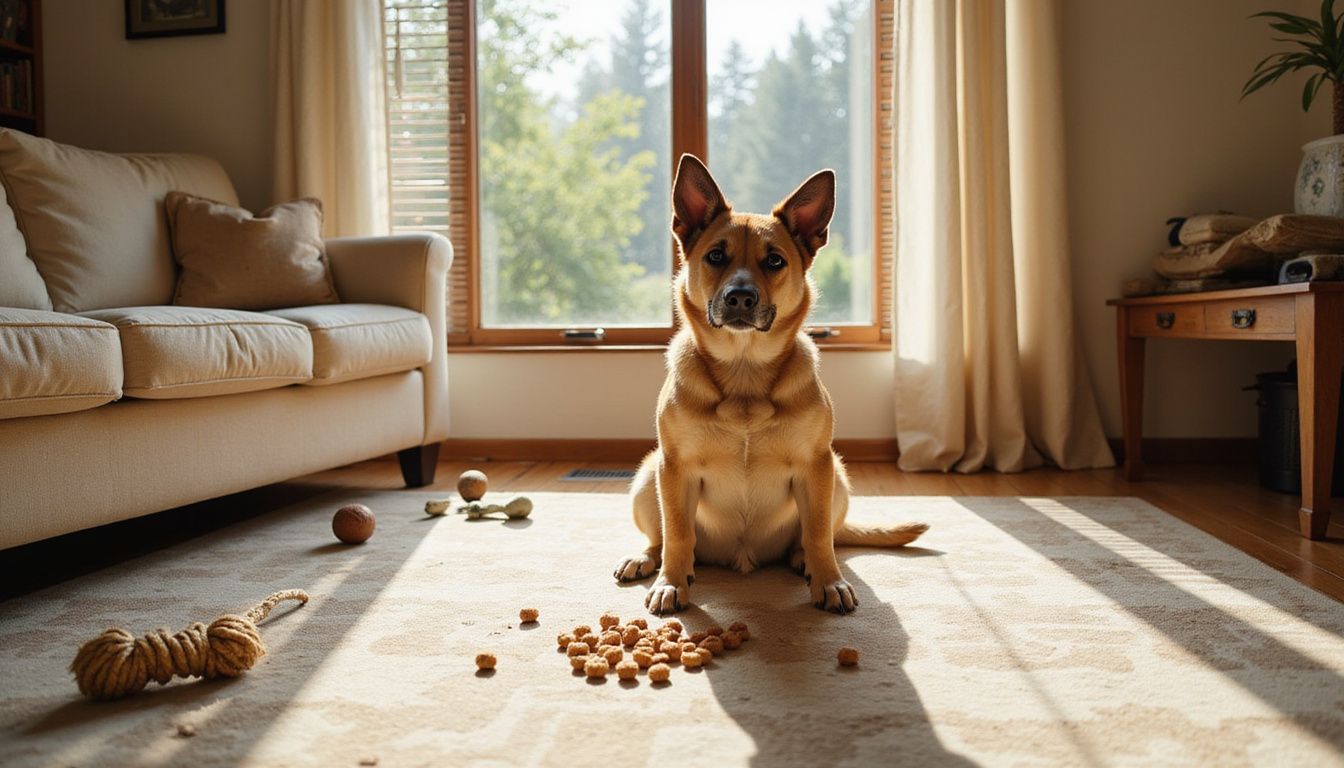
You now have the tools to turn your dog’s barking from a frustrating problem into a chance to communicate better. Positive reinforcement works because you reward calm behavior, redirect attention, and teach foundation skills like the Search Game and Relaxation Protocol instead of punishing your pup.
Your dog needs at least 90 minutes of daily exercise, short training sessions of 30 to 90 seconds spread through the day, and a safe space where barking triggers stay blocked from view and sound.
Meeting these needs, combined with behavior swapping and consistent rewards from your pocket, creates real change at home. Success looks like shorter barking episodes and quicker recovery time, not perfect silence, so celebrate the small wins along the way.
Start today with one foundation skill. Keep your sessions brief, and watch your dog become the calm, positive-reinforcement trained companion you’ve always wanted.
FAQs
1. What is backchaining, and how does it help with dog training?
Backchaining means teaching the last step of a behavior first, then working backward to the beginning. Dog trainer Susan Garrett uses this technique to build confidence before adding distractions like barking triggers.
2. Can an anti-barking device work without causing stress to my dog?
Most ultrasonic anti-barking devices rely on aversive sounds that can increase anxiety instead of solving the root cause. Positive reinforcement rewards calm behavior and builds trust rather than fear.
3. My chihuahua barks nonstop at strangers. Will positive reinforcement actually work?
Yes, it works well for small breeds like chihuahuas who often bark from anxiety rather than aggression. Reward calm behavior consistently with treats or praise, and the barking will decrease over time.
4. I tried an online video on dog training, but the page showed a client-side exception in the browser console. Is there another way to learn these methods?
That sounds like a website error, not a training issue. Try looking for written guides from certified trainers or check the Karen Pryor Academy website for reliable step-by-step instructions.