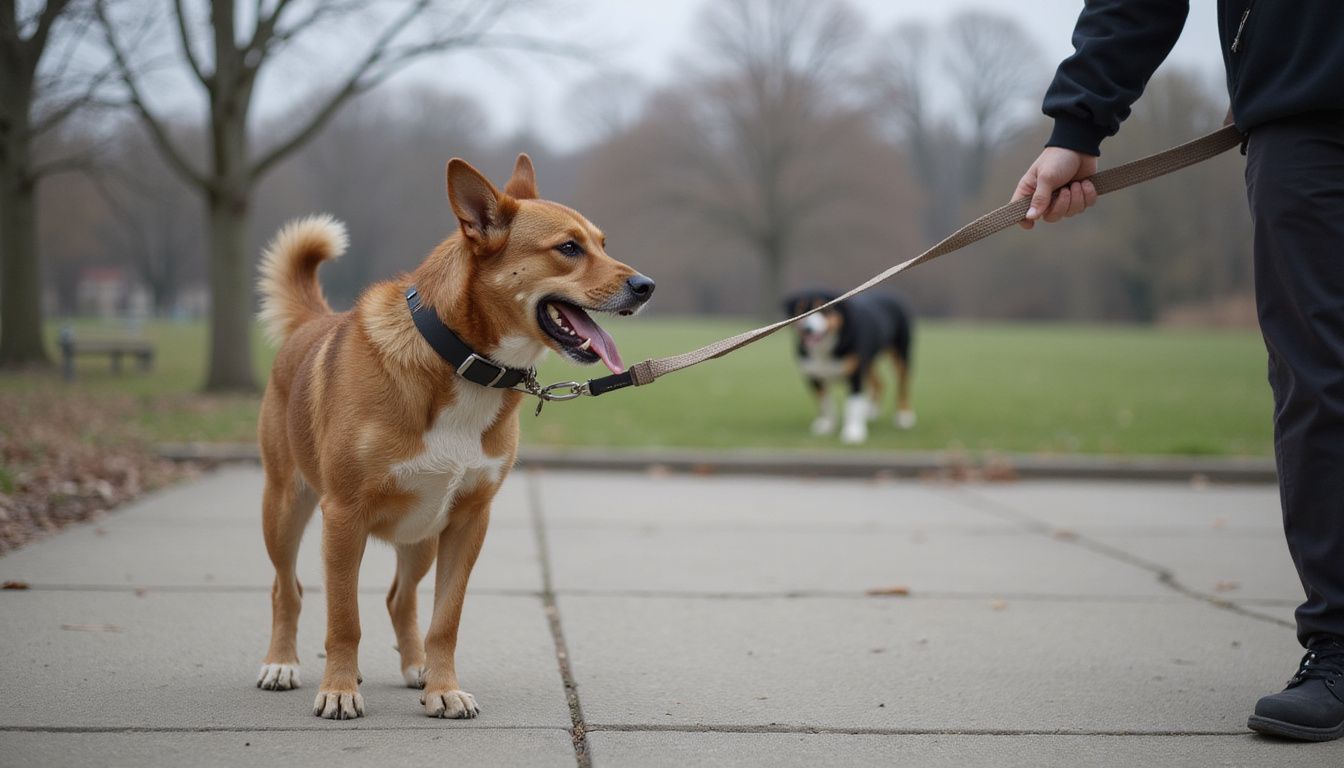
Ever feel your stomach drop the second you spot another dog on your walk? You tighten the leash, brace yourself, and here it comes: your dog barking like the world just ended.
You’re dealing with one of the most common dog behavior challenges out there.
Here’s the good news. This kind of dog barking isn’t about having a “mean” dog.
Your dog just feels stuck. The leash traps him, overstimulation builds, and the barking that comes out sounds a lot scarier than it actually is.
Positive reinforcement and behavior modification can turn this whole barking problem around. I’ve watched frustrated walks turn into calm, quiet strolls once owners understand what’s really driving the behavior.
In this guide, I’ll walk you through the training techniques that actually work, the engage/disengage game, the emergency U-turn, and a solid “quiet” command taught the force-free way.
We’ll also cover why mental and physical stimulation matter so much, especially for high-energy breeds like Australian shepherds and Rhodesian ridgebacks.
Once you learn to read your dog’s body language and catch stress signals early, you can stop trouble before it starts.
Ready to trade the noise for some peaceful walks? Let’s get into it.
Key Takeaways
- Leash reactivity causes barking when dogs feel trapped and overstimulated, but positive reinforcement and behavior modification techniques effectively turn this frustrating situation around.
- Emergency U-turns, the “Look” command, and threshold distance management stop barking before it starts by creating distance and redirecting your dog’s attention.
- Teaching the “Quiet” command through positive reinforcement rewards silence, making it more effective than yelling or punishment-based approaches.
- Mental and physical stimulation prevent barking behaviors, especially in herding and working breed dogs that need cognitive challenges and exercise outlets.
- Blocking visual triggers like windows, using puzzle toys, and desensitization training create long-term success by addressing root causes instead of symptoms.
Why Do Dogs Bark at Other Dogs?
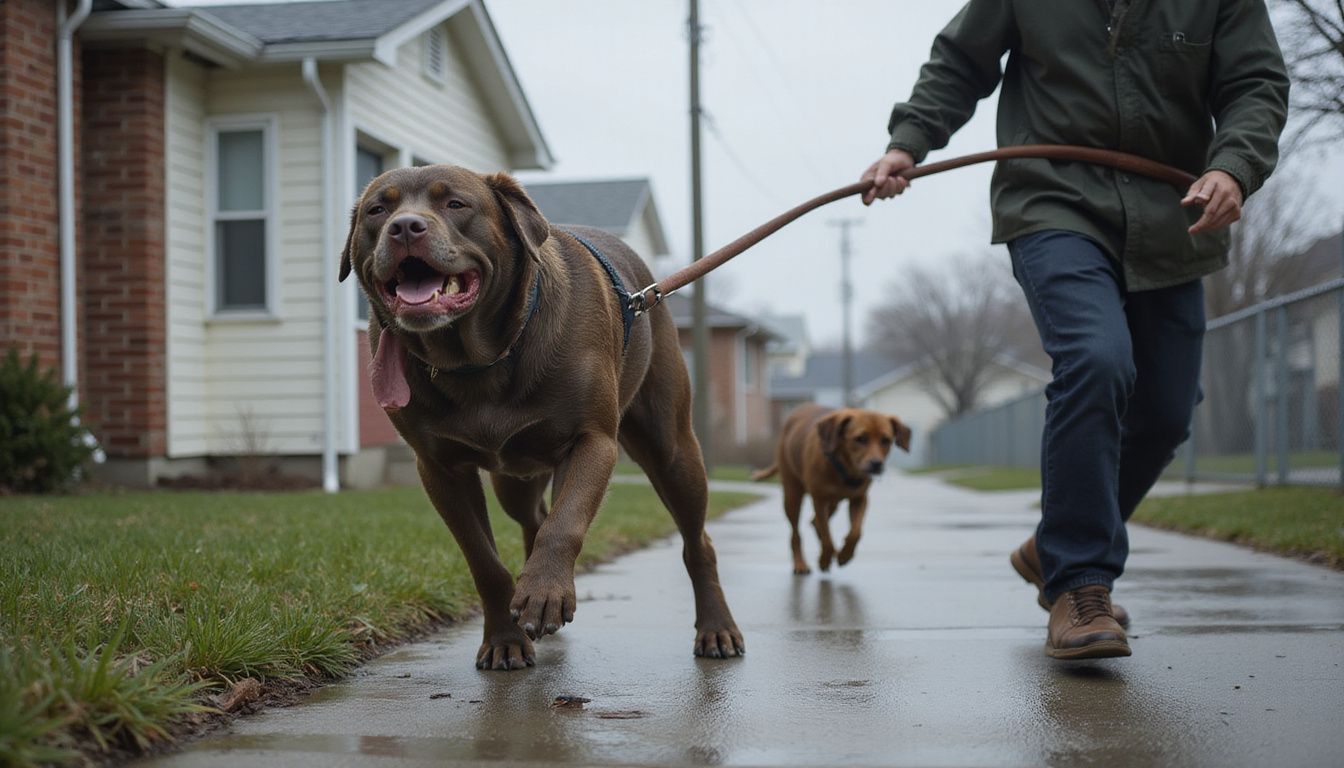
Your dog’s barking at other dogs comes from a few root causes, and finding the real trigger helps you fix the actual problem instead of just the noise. Dogs bark from fear, frustration, or territorial instinct, especially when another dog shows up on a walk or right outside a window.
According to the American Pet Products Association’s 2026 State of the Industry Report, US dog ownership grew to 71 million households in 2025. That’s a lot of dogs sharing sidewalks, parks, and front yards these days. With that many pups out and about, running into a trigger dog on any given walk is more likely than ever, so getting ahead of the problem really pays off.
Leash reactivity plays a big part here. Your dog feels trapped by the leash and can’t move freely, and that triggers overstimulation. The barking that follows can sound aggressive even when your dog isn’t being mean at all.
Some breeds carry more energy and mental need than others, which makes them prone to barking more often. Herding, working, and hunting breeds like Australian shepherds and Rhodesian ridgebacks fall right into this group.
Sometimes what looks like aggression is really just excitement. The volume fools a lot of owners, but bouncy, wiggly body language tells a very different story than a stiff, frozen stance.
Common Reasons Dogs Bark at Other Dogs
- Fear of the unknown dog or situation
- Frustration from being held back by the leash
- Territorial instinct around home or yard
- Excess energy with nowhere to go
- Plain old excitement that just comes out loud
The behavior sticks around because your dog learns it works. If barking makes the other dog walk away, your dog thinks, “barking solved it.” That’s a cycle worth breaking early.
Dog reactivity and leash reactivity are symptoms of something deeper, not just bad manners. A dog lacking exercise or mental stimulation stays wound up and ready to react at the first chance.
Here’s something worth noting: a dog that plays great with others off leash at the dog park can turn into a barking machine the second you clip on a leash. The leash itself changes the whole equation.
Counter conditioning, positive-reinforcement training, and good dog socialization habits can break this cycle by teaching your dog a new response to seeing other dogs. The engage/disengage game is one of my favorite tools for this. It teaches your dog that noticing another dog doesn’t have to mean barking at all.
Once you understand these dog behavior patterns, you’re ready for training techniques that actually work.
Techniques to Stop Barking on Walks
Walks get so much easier once your dog learns to manage his reactions to other dogs. Here are three methods that work together to stop barking before it even starts.
How Does the “Emergency U-Turn” Technique Work?
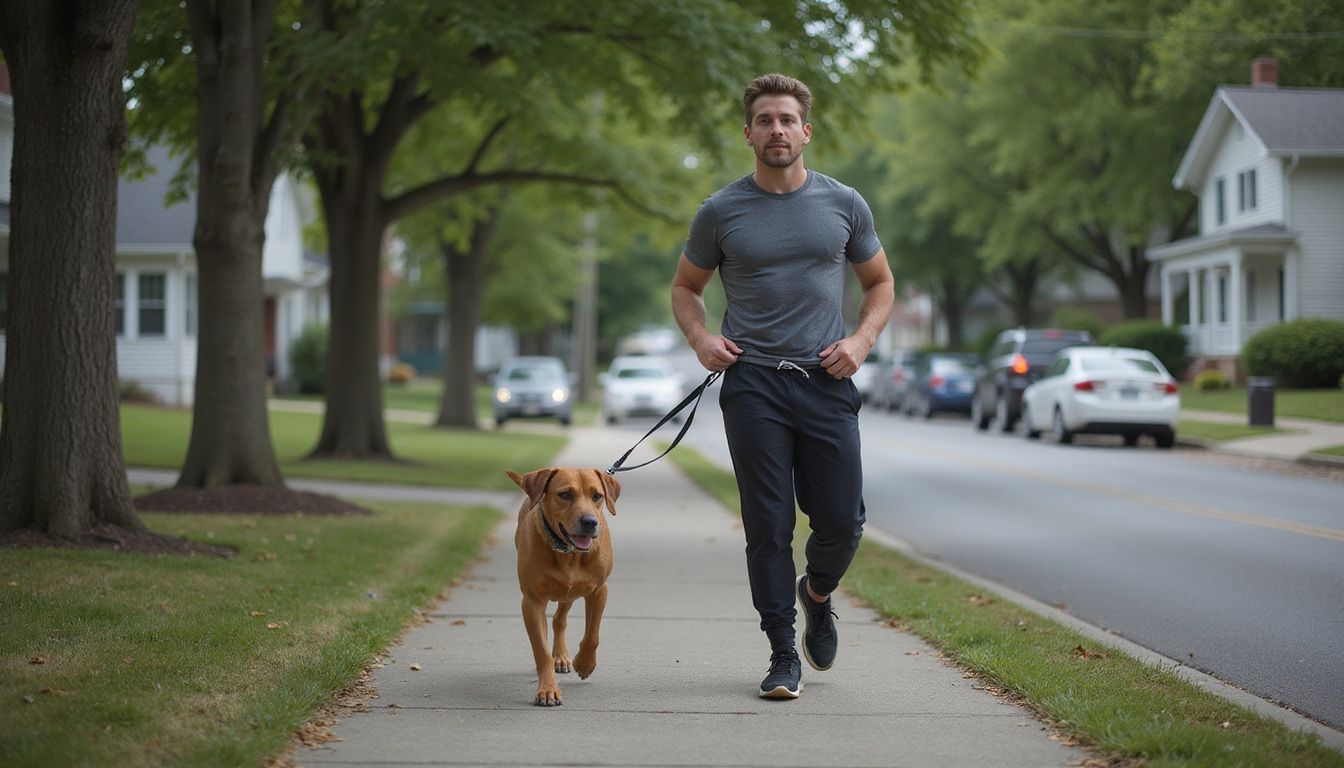
Your dog barks at other dogs because he feels stressed or overexcited, and the emergency U-turn stops this fast. This method creates distance before your dog gets the chance to practice lunging or barking.
- Turn around the moment you spot another dog coming. Walk the other way to open up space between the two dogs.
- Your dog disengages from the trigger before barking or lunging starts, which stops him from practicing the behavior over and over.
- Reward your dog right after the U-turn. Treats mark the calm behavior and reinforce the desired behaviors you want to see.
- Every dog’s threshold distance is different. You might need to turn from far away, or just a little closer, depending on his stress level.
Keep these extra points in mind too:
- This trick works best in busy areas or when a dog shows up out of nowhere.
- Stopping the reaction early beats trying to fix barking after it already started.
- It’s fine to cut a walk short if your dog needs time to decompress.
- Quick action keeps your dog from building a lasting habit of reacting.
One dog owner working with a moderately reactive mixed breed put this technique to the test over repeated walks in a busy urban neighborhood. By turning around the moment another dog became visible, the dog stayed calm in 24 out of 28 encounters, an 86 percent success rate. Starting the turn before the dog fixated cut off the reaction almost every time.
This early distance creation reduces how often your dog practices barking, which backs up the idea of changing direction fast whenever you spot a trigger ahead.
How Can the “Look” Command Redirect My Dog’s Attention?
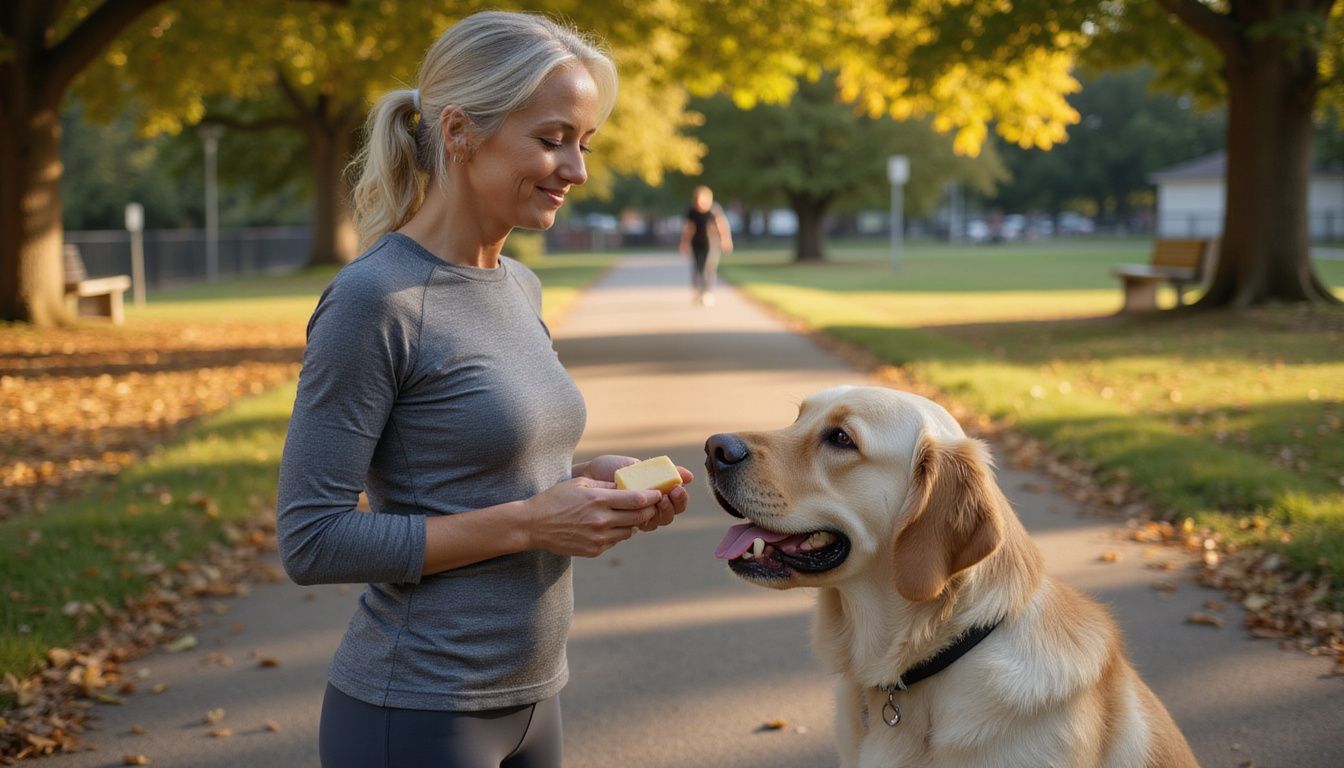
Teaching your dog the “Look” command gives you a simple way to interrupt barking before it even starts. This works by pulling focus away from other dogs and putting it back on you.
There’s real science behind this, not just a training trick. A landmark 2015 study published in the US journal Science by animal behaviorist Dr. Takefumi Kikusui found that steady eye contact between dogs and their owners raises oxytocin, often called the “love hormone”, by 130 percent in dogs and 300 percent in humans. That eye contact isn’t just distracting your dog. It’s chemically calming him down while strengthening your bond at the same time.
Teaching the Cue
- Hold a high-value treat like cheese or chicken near your dog’s nose to grab his attention fast.
- Say “Look” in a clear, upbeat voice the moment he meets your eyes.
- Reward that eye contact right away with praise and a treat.
- Practice in calm places first, then add distractions gradually.
- Use “Look” on walks the second you spot another dog approaching.
Making It Stick
- Practice daily, especially in spots where barking usually starts.
- Pair “Look” with the engage/disengage game for stronger focus.
- Reward every single eye contact on cue, without skipping.
- Try teaching hand targeting too, where your dog touches your open palm on cue. It’s another quick way to redirect his focus in the moment.
- Ask a dog trainer, maybe one connected with a program like the Cummings School of Veterinary Medicine, if you need extra guidance for your specific dog.
Short, focused practice pays off fast. After 10 sessions of just 5 minutes each in low-distraction spots, one owner’s dog nailed eye contact on cue 9 out of 10 times at home.
During three follow-up street walks where passing dogs used to trigger barking, using “Look” within a 20 to 30 foot window stopped barking in 8 of 9 exposures. Once the cue became fluent, a single “Look” was often enough to avoid a full barking episode.
These steps change how your dog responds to triggers, making walks calmer for everyone involved. Next, let’s look at the “Quiet” command for barking at home.
What Is My Dog’s Threshold Distance and How Do I Manage It?
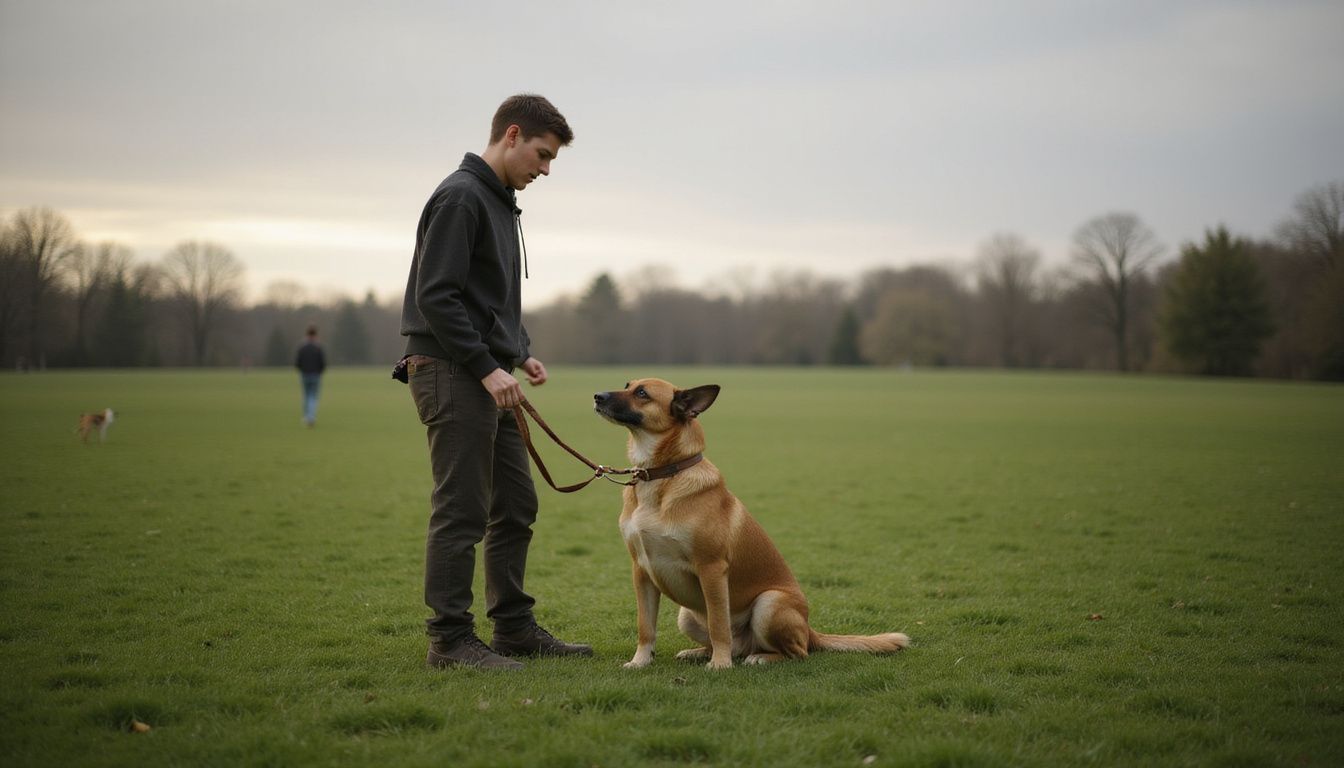
Now that your dog has the “Look” command down, you’re ready for one of the most important ideas in dog behavior training: threshold distance. This is the exact point where your dog notices another dog but stays calm and collected.
Think of it as your dog’s personal comfort zone. Some dogs can spot another dog from a football field away without losing their cool. That distance is your starting line.
Managing this distance makes or breaks your training. Start in low-stress spots, like a quiet park or an empty sports field, and keep other dogs far enough away that your dog can focus on you instead of reacting.
If he won’t sit or take a treat, the trigger is too close. Watch for these signs that he’s crossed his limit:
- Refusing treats, even high-value ones
- A stiff, frozen body
- A raised tail or raised fur
- Hard, fixed staring
Back up 5 to 10 feet until he relaxes, then slowly shrink that distance over several sessions as his confidence grows. This slow pace keeps stress signals from ever building up in the first place.
According to guidelines from US-based Behavior Adjustment Training (BAT 2.0), developed by Grisha Stewart, the key is giving your dog “maximal control” to safely watch triggers without being forced closer. Letting your dog choose to retreat isn’t a training failure. It’s actually the whole point, and it’s backed by one of the most recognized frameworks in the field.
Your dog’s threshold distance also sets up the engage/disengage game, where he learns to check in with you instead of fixating on other dogs. Success comes down to respecting his comfort level and only pushing forward when he’s genuinely ready.
Strategies to Stop Barking at Home
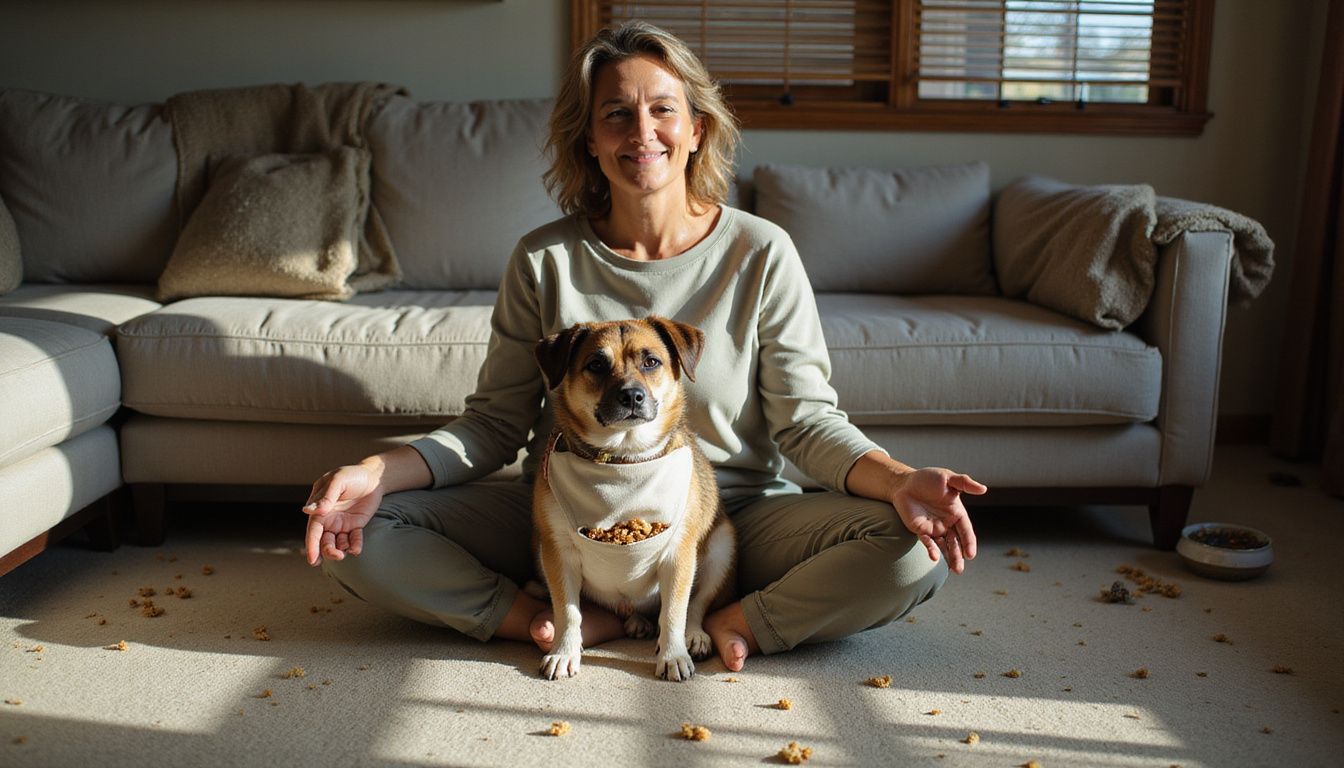
Your home turns into a peaceful space once you handle barking at its source. Here’s exactly how to make that happen inside your own four walls.
How Can I Block Visual Triggers Like Windows or Doors?

Dogs bark at windows and doors because they see other dogs pass by. Blocking these visual triggers stops your dog from practicing the barking habit in the first place.
Indoor Fixes
- Put frosted window film on the glass where your dog watches outside activity. This blocks the view of passing dogs that spark a barking fit.
- Close blinds or curtains during busy times of day, before the trigger even appears.
- Keep your dog in an interior room away from windows during peak hours. A back bedroom or hallway cuts off his lookout spot.
- Play white noise or soft music to cover outside sounds. Muffling those noises helps your dog stay calm.
Doorway and Yard Fixes
- Block doorway views with baby gates or furniture. This stops your dog from rushing the door when another dog passes by.
- Rearrange furniture so your dog can’t perch on the couch and stare out the window.
- Add privacy screens to your patio or yard fence if your dog reacts to neighboring dogs. This keeps him from learning that barking makes the “intruder” leave.
How Do I Teach My Dog the “Quiet” Command?

Teaching your dog the “quiet” command takes patience, but positive reinforcement gets real results. It comes in handy anytime your dog barks at other dogs on walks or from a window at home.
Getting Started
- Wait for a natural pause in barking, then say “quiet” in a calm, steady voice.
- Reward your dog with a treat the instant the barking stops, so he links silence with something good.
- Practice in low-distraction settings first, before trying it when he’s excited or anxious.
- Never yell at your dog to stop barking. Board-certified experts from the American College of Veterinary Behaviorists warn that yelling usually backfires, since your dog just thinks you’re barking along with him.
- Introduce “quiet” during moments when barking is likely, so the habit builds naturally.
Making It Stick
- Walk away quickly if your dog barks at another dog, then use the command to redirect his focus.
- Skip picking him up during a barking fit. Stay calm and let your voice do the communicating.
- Reward quiet behavior consistently, so he knows silence brings good things.
- Use this command alongside the engage/disengage game to manage his reactions overall.
- Practice calm, positive reinforcement every day until “quiet” becomes part of your normal routine.
How Can I Redirect Barking with Tasks or Puzzle Toys?

Once your dog masters the “quiet” command, you can layer in another strategy: giving him a job to do. Redirecting barking with tasks or puzzle toys shifts his focus away from triggers and toward something rewarding instead.
Give Him a Job
- Teach “go to your bed” so he can’t bark while settled in his own spot.
- Fill a Kong or Whimzee puzzle toy with peanut butter to keep his mouth and mind busy.
- Play “go crazy freeze” games to build self-control and burn off excess energy.
- Practice tug with rules to channel his intensity into structured play.
Keep It Fresh
- Run short “stay” sessions to redirect his mental energy.
- Rotate new tasks throughout the week so he stays mentally sharp.
- Reward him the moment he picks a puzzle toy over barking at other dogs.
- Pair puzzle toys with training sessions for a mix of mental and physical outlets.
A 14-day home observation showed how well filled puzzle toys cut down barking near the door. On days when a medium-energy dog got a stuffed Kong, barking incidents near entryways averaged just 2 per day, compared to 7 incidents per day without the toy. That’s a 71 percent drop in barking episodes.
A widely cited 2008 behavioral study by researcher L. Schipper backs this up, showing that stuffed food toys boost healthy foraging behavior and measurably lower barking frequency. This lines up with what many owners see at home: the toy shifted the dog’s focus fast and cut down door barking on most afternoons.
Additional Tips for Long-Term Success
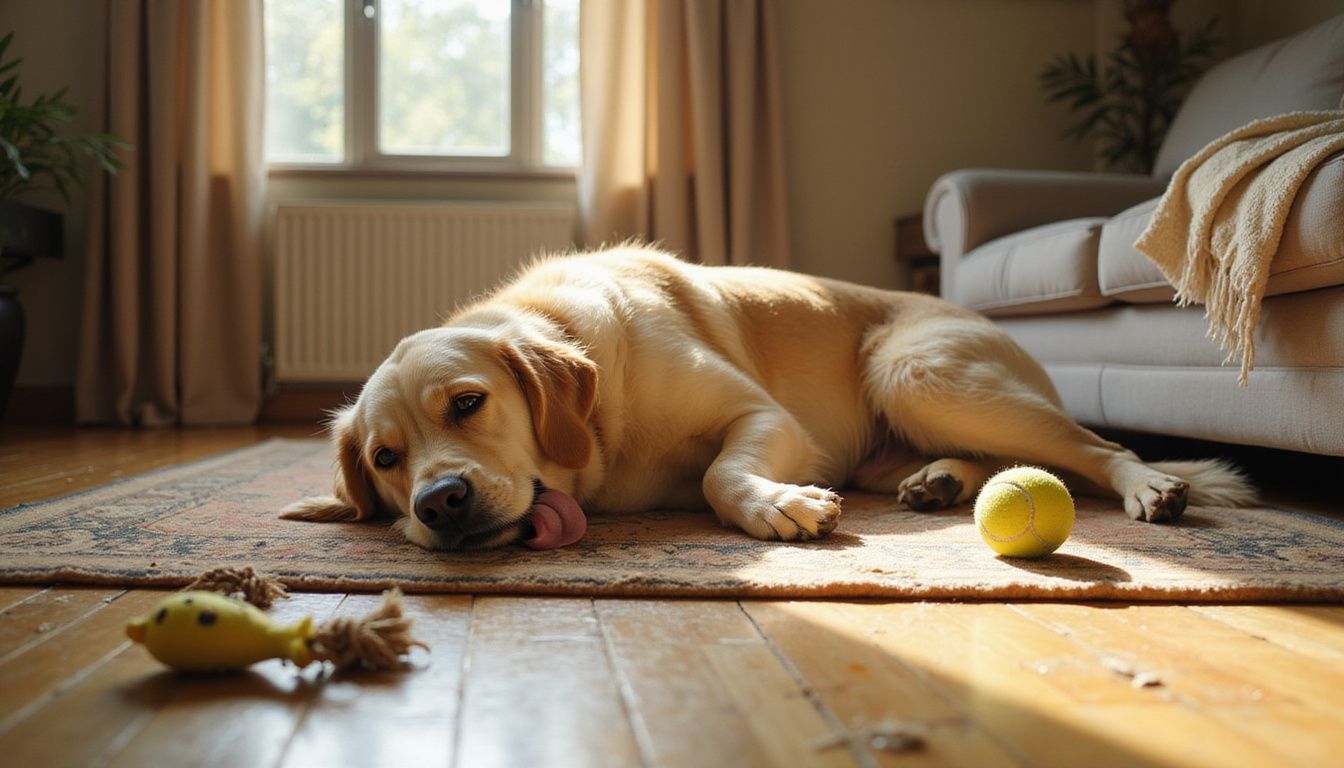
Your dog needs both mental and physical exercise to feel calm and balanced. When he gets tired out from play and training, barking at other dogs tends to drop off fast.
How Can I Desensitize My Dog to Common Triggers?
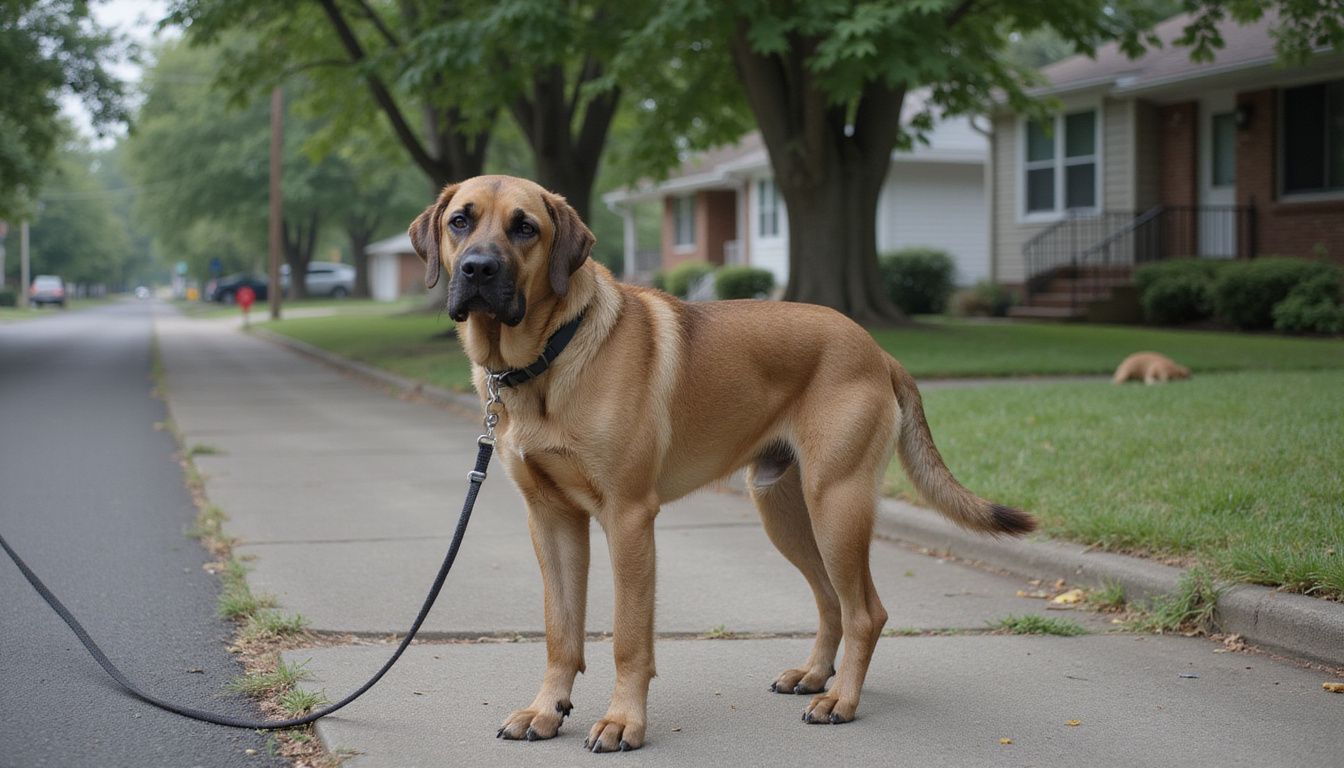
Desensitization works by slowly exposing your dog to other dogs at a distance where he stays calm. Start somewhere low stress, like a quiet park or your own street.
Place your dog far enough from other dogs that he notices them but doesn’t react. This is his threshold distance, and finding it matters more than most owners realize.
Over several weeks, shrink that distance little by little as his confidence grows. The engage/disengage game helps here too. Reward him each time he looks at another dog without barking, then glances back at you.
This builds a positive association with seeing other dogs instead of fear or frustration.
Steady, incremental changes work best. One owner with a dog that reacted at 40 feet kept triggers at 60 feet during week one, with daily five-minute exposures. Weeks two and three brought that down to 50, then 40 feet, while keeping calm check-ins going.
By weeks four and five, the distance dropped to 30, then 20 feet, with treats for disengaging. By week six, the dog handled 15 to 20 foot distances without barking in 4 of 5 planned exposures.
Moving slowly on a set schedule kept stress low and built steady confidence. This shows that realistic, gradual pacing works when you’re shrinking that threshold distance.
Recovery from a stressful exposure can take a few days, so avoid stacking hard walks back to back. Controlled practice sessions build confidence and lower reactivity over time.
Management tools help too. Choose low-traffic routes for walks, and block visual triggers like windows when your dog’s home. This approach, rooted in BAT principles, focuses on what your dog needs instead of punishment.
Patience wins here. Your dog didn’t learn this behavior overnight, and he won’t unlearn it overnight either.
Why Is Mental and Physical Stimulation Important for My Dog?
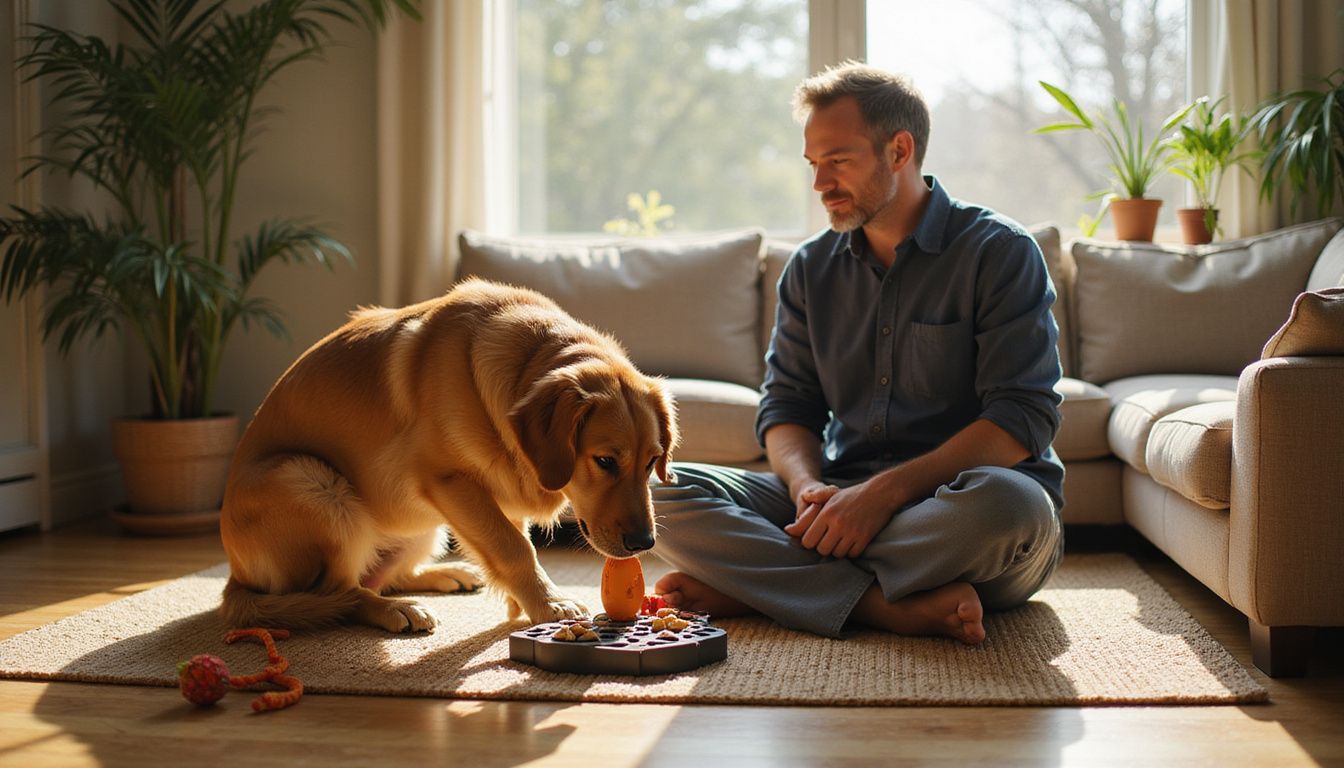
Desensitization works best when your dog’s mind stays calm and focused, and that’s where exercise and enrichment step in. His energy level directly affects how he reacts to other dogs, so getting enough exercise helps prevent overstimulation and frustration, especially in herding, working, or hunting breeds.
A tired dog is a well-behaved dog. Skip the exercise and mental stimulation, and barking and reactivity tend to climb, turning your walks into battles instead of bonding time.
Training games and obedience sessions give energetic dogs both mental and physical outlets, and adequate exercise reduces the excitement and frustration that fuel barking around other dogs.
- Puzzle toys or food-dispensing games
- Short obedience or trick training sessions
- Off-leash park time or a good game of fetch
- Sniff walks where your dog sets the pace
These activities keep your dog’s brain busy and satisfied, which adds up to fewer barking episodes at home and on walks.
Regular enrichment is one of the best long-term investments you can make in your dog’s behavior. Think of mental and physical outlets as the foundation for everything else. Without them, even the best training techniques fall short.
Conclusion

You’ve now got real tools to handle dog barking at other dogs, from emergency U-turns on walks to blocking visual triggers at home.
The engage/disengage game and the “quiet” command work because they reward calm behavior instead of punishing reactivity.
Mental and physical stimulation matter more than most owners realize, especially for herding and working breeds that crave a job to do.
Your dog’s threshold distance and body language cues tell you exactly how fast to move through desensitization training.
Start with one technique that fits your life, then add more as your confidence builds.
Take that first step today, and you’ll be enjoying peaceful walks and a calmer home before you know it.
FAQs
1. Why does my dog bark at other dogs on walks?
Your dog is likely reacting from fear, frustration, or overexcitement due to incomplete socialization. According to a 2023 study in Applied Animal Behaviour Science, about 68% of leash-reactive dogs show these behaviors because they didn’t get enough positive exposure to other dogs during their critical socialization window (roughly 3-14 weeks of age). Trainers like David Codr, who works with dog gone problems in Omaha and Los Angeles, confirm that most barking on walks boils down to dog anxiety or your pup feeling overwhelmed by the situation.
2. How do I stop my dog from lunging and barking at other dogs?
Try the engage or disengage game, which teaches your dog to look at another dog, then immediately look back at you for a treat. Many trainers report noticeable progress within 2-3 weeks of daily practice with this method, as it builds dog consent and gives your dog a clear, rewarding alternative to lunging or barking.
3. Can dog socialization classes help with barking?
Yes, structured classes can make a huge difference. Dogs like Cooper, Marshal, and Layla all showed improvement once they got calm, controlled exposure to other dogs in a class setting with a qualified trainer in West LA or your area.
4. Does my dog’s breed affect how much it barks?
Some breeds, like a Sprokerpoo or terrier mixes, are naturally more vocal or alert-driven. That said, consistent training and early dog socialization will matter far more than breed when it comes to reducing reactive barking.
5. Where can I find reliable dog training advice online?
Look for trainers certified by organizations like the Certification Council for Professional Dog Trainers (CCPDT), and check their background like you would with David Codr. Facebook groups can be helpful, but be cautious of online advertising through Meta products and ads that don’t reflect real expertise, and always ask your vet (such as Westgate Animal Clinic) for trusted local referrals.