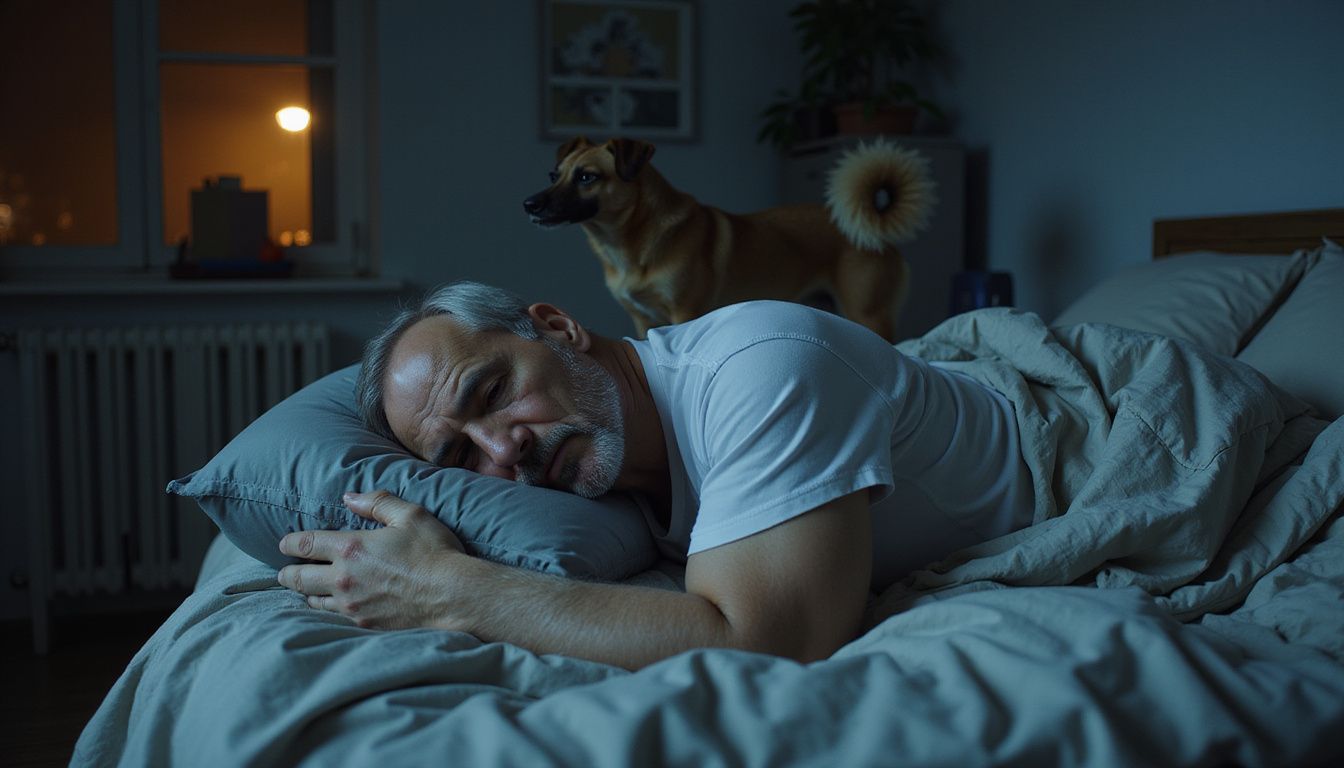
Ever lie awake at 2 a.m., staring at the ceiling while your dog barks at something you can’t see or hear?
That exhaustion is real, and it wears you down fast.
Here’s a fact that changed how I look at the problem: a dog’s hearing is about four times stronger than yours. That means your pup picks up on things you’d never notice, like a car three blocks over or a raccoon rustling through the yard.
This guide walks you through why your dog barks at night and gives you real fixes for nighttime barking that actually work.
Grab a cup of coffee, and let’s go through it together. I’ll show you exactly what to try first.
Key Takeaways
- Your dog’s ears are four times stronger than yours, so distant sounds can trigger fear, boredom, stress, or separation anxiety barking at night.
- A sudden jump in barking calls for a vet visit. Arthritis, joint pain, and age-related conditions like dog dementia often cause nighttime noise.
- White noise, calming music, and aromatherapy mask outside triggers and lower cortisol levels, helping your dog sleep through the night.
- Positive reinforcement rewards quiet behavior with treats and praise right away, teaching your dog that silence beats barking every time.
- Shock collars and anti-bark devices backfire. They create confusion and anxiety instead of fixing the real cause of the barking.
Why Does My Dog Bark at Night?
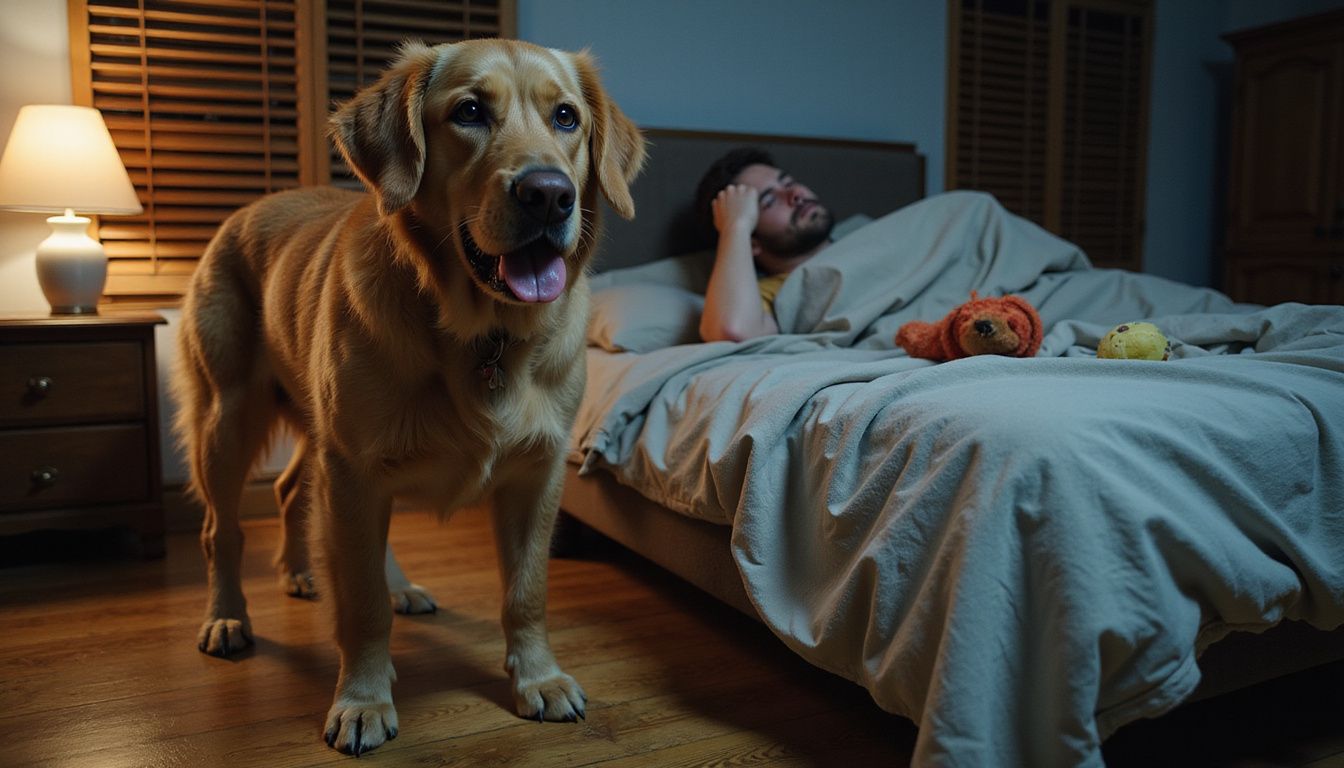
Your dog barks at night for real reasons. Figuring out what’s going on in their head is the first step to fixing it, and understanding dog behavior makes that job a lot easier.
Fear, boredom, stress, separation anxiety, and physical discomfort all trigger those late-night noise sessions that keep you up.
What Are Common Triggers Like Fear, Boredom, or Stress?

Dogs bark at night for all kinds of reasons, and figuring out the trigger is your first step toward quiet evenings. Different emotions look different on your dog, so learning their body language helps you spot what’s really going on.
Here are the most common barking triggers you’ll run into:
- Fear or alarm barking: Outside noises startle your dog, or an unfamiliar sound sets off a defensive reaction.
- Frustration-induced barking: A closed door or baby gate blocks your dog from reaching something they want, and the barking sounds urgent and demanding.
- Attention-seeking barking: Bored dogs bark to grab your focus because they need more mental stimulation during the day.
- Separation-anxiety barking: Your dog feels distressed about being alone, one of the most common causes of nighttime barking.
- Territorial barking: Your dog spots or hears something outside and switches into protective mode.
- Greeting or socially facilitated barking: Excitement over sounds, movement, or other dogs barking nearby can set off a chain reaction.
Dogs also learn fast. If barking gets them a response, even a scolding, they’ll repeat it. That’s how occasional barking turns into excessive barking, sometimes even compulsive barking that sticks around long after the original trigger fades.
Physical discomfort can look a lot like behavioral barking too, so don’t rule out a health issue before assuming it’s pure behavior. A little early behavior modification, paired with consistent behavioral training, goes a long way toward fixing this before it becomes a bigger problem.
Could Medical Issues or Pain Cause Nighttime Barking?

Fear, boredom, and stress explain a lot of nighttime barking, but your dog’s health might be the real culprit. Pain and medical issues often hide beneath the surface, and they show up the moment the house goes quiet.
Your dog might be trying to tell you something. A sudden jump in barking is one of the clearest signs you need a vet visit, since joint pain and arthritis often show up this way.
Dogs in pain get more sensitive to sound, and some even start linking barking with getting relief, which creates a repeating cycle. Older dogs face extra challenges too, since reduced mobility leads to more anxiety and more nighttime vocalizing.
Age plays a bigger role here than most owners realize. According to 2026 veterinary data highlighted by dvm360 and the Morris Animal Foundation, Canine Cognitive Dysfunction (basically dog dementia) affects between 14% and 35% of dogs over age 8, and that number jumps to nearly 68% in dogs aged 15 to 16. Nighttime pacing, confusion, and barking are some of the earliest signs.
Before you assume this is pure behavior, watch for a few red flags:
- Barking that started suddenly with no clear trigger
- Stiffness, limping, or trouble getting comfortable
- Increased confusion or disorientation, especially in older dogs
- Barking paired with pacing or restlessness at night
If you notice any of these signs, book a vet appointment. Veterinarians can run tests to check for arthritis, joint pain, or cognitive decline, and getting professional veterinary advice early protects your dog’s long-term pet wellness.
How Can I Create a Calm Environment for My Dog?
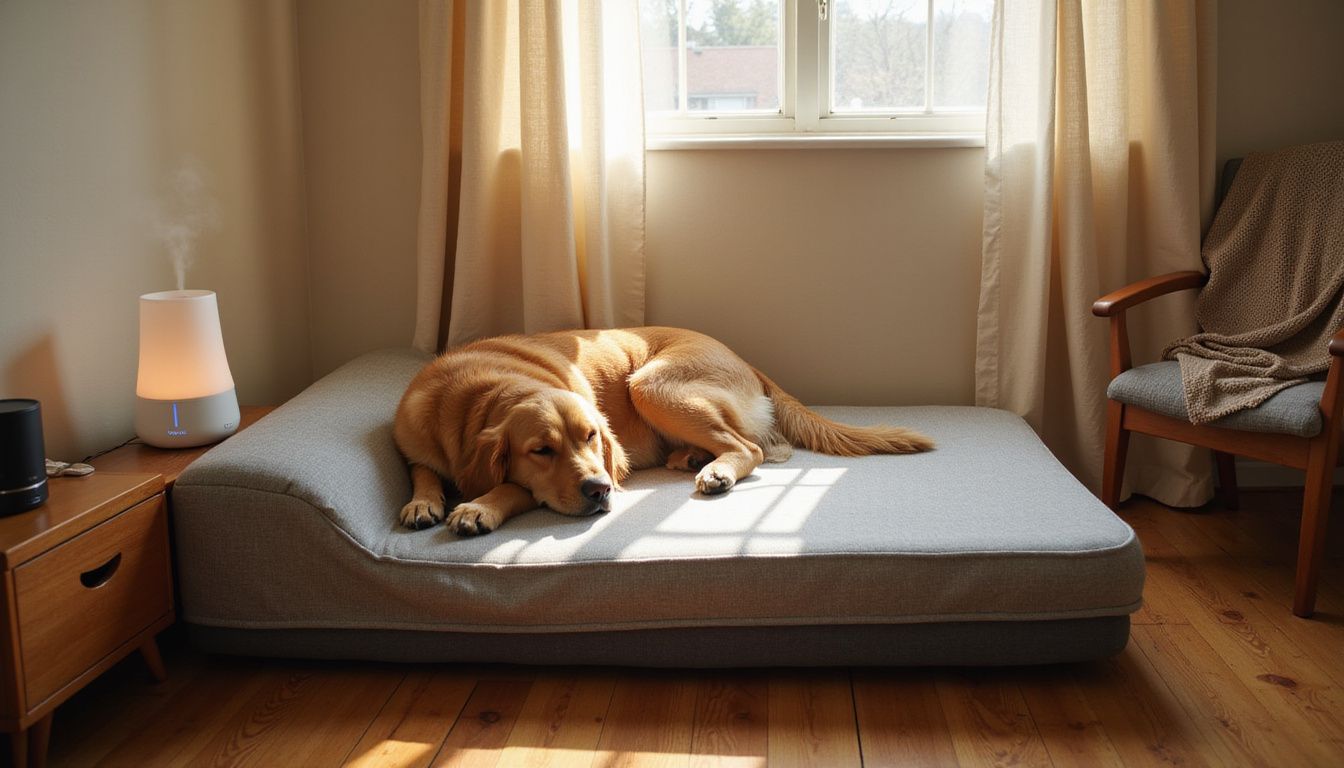
Your dog needs a peaceful space to get real sleep. You can build one with simple tools like white noise machines, calming music, and soothing scents.
A relaxed dog barks less, so a calm environment tackles night barking right at the source.
Can White Noise or Calming Music Help Reduce Barking?
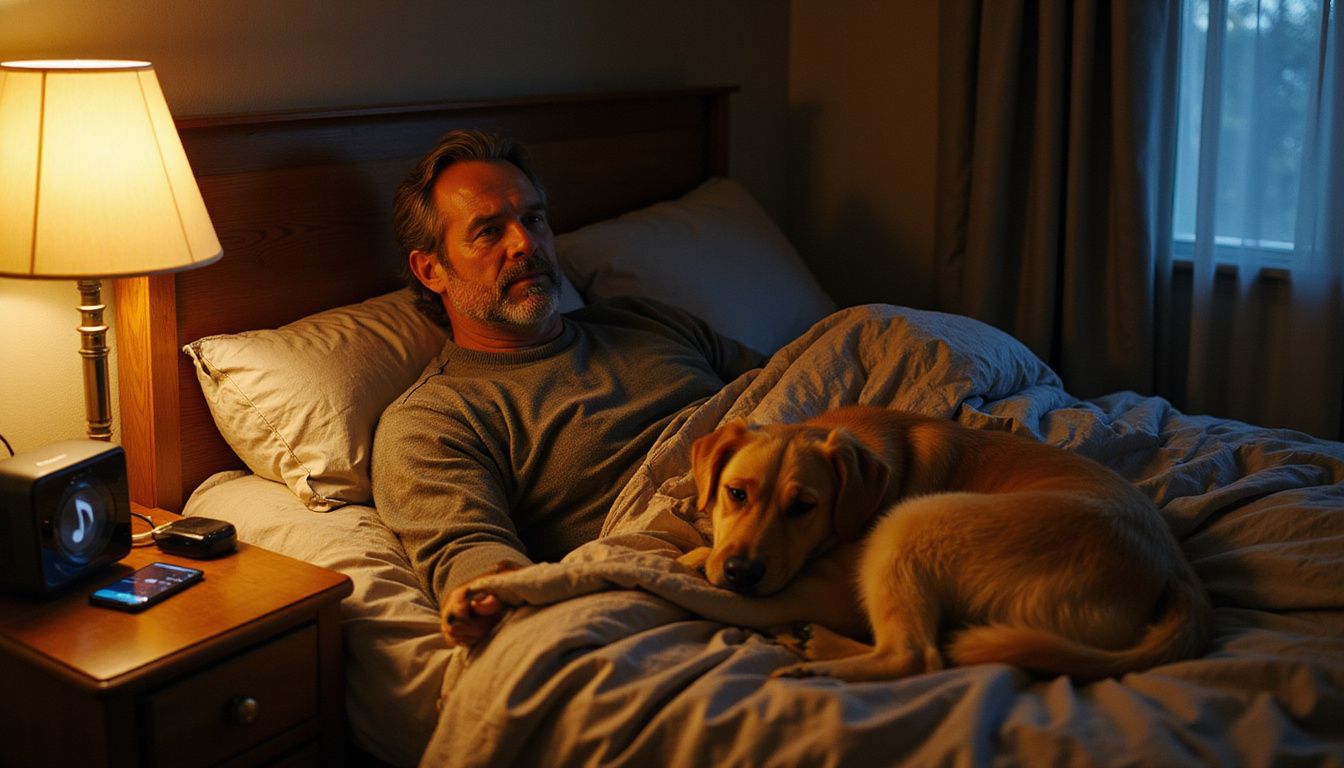
Classical music and white noise work like a charm for calming anxious dogs at night. Here’s a fact worth keeping in mind: your dog’s ears pick up sounds from four times farther away than yours can, which is why outside noises trigger barking instincts so easily.
Playing soft music or steady background noise masks those distant disturbances and lowers cortisol levels in your dog’s body. According to a frequently cited study by researchers at the University of Glasgow, soft rock and reggae actually beat classical music at lowering a dog’s heart rate and easing stress. So if Beethoven isn’t cutting it, try some reggae instead.
Many dog owners find a white noise machine or a calming playlist becomes their secret weapon against nighttime barking. Just watch the volume.
According to 2026 auditory guidelines for canine safety, dogs can hear frequencies up to 65,000 Hz, so blasting noise to drown out the outside world can backfire. Cap your machine at 50 to 55 decibels, about the volume of a quiet conversation, to keep things soothing instead of stressful.
A calm dog sleeps soundly, and a sleeping dog doesn’t bark.
Pairing calming treats or calming vitamins with soothing audio builds a stronger dog anxiety management routine, one more tool for your barking solutions toolkit. Start this technique about a week before you need it, so your dog adjusts gradually instead of getting thrown off by a sudden change.
One owner tracked bark episodes for two weeks to see if this combo actually works. Here’s what happened:
| Two-Week Test | Average Barks Per Night |
|---|---|
| Week 1 (no changes) | 18 barks |
| Week 2 (white noise at 55 dB plus a 20-minute play session before bed) | 5 barks (a 72% drop) |
“After a week of the white noise and a good play session, our nights were far quieter,” the owner said. “The dog still barked sometimes, but not nearly as often.” That’s the kind of realistic result you can expect: less noise, not instant silence.
Is Aromatherapy Effective for Dog Relaxation?

Aromatherapy can help your dog relax, but it works best as part of a bigger plan, not a fix on its own. Calming treats and aromatherapy aids, like vet-approved CBD products made for dogs, offer a soothing effect that plenty of pet owners find helpful.
Your dog might love these tools, or barely notice them. Sensitivities vary from one pup to another, so the key is pairing aromatherapy with solid dog training techniques and smart environment management.
Before you try any new supplement or scent, talk to your veterinarian first. This matters because aromatherapy should never mask an underlying medical problem that needs real treatment.
A few ways owners use aromatherapy the right way:
- Add a calming scent to your dog’s bed area, not directly on their skin or fur
- Combine it with positive reinforcement and crate training to reduce barking and whining
- Ask your vet which products fit your dog’s size, age, and health history
Used this way, aromatherapy fits neatly into a broader dog care routine. Now that you know where it fits, let’s look at the best training methods for cutting down on barking.
How Do I Establish a Consistent Nighttime Routine?
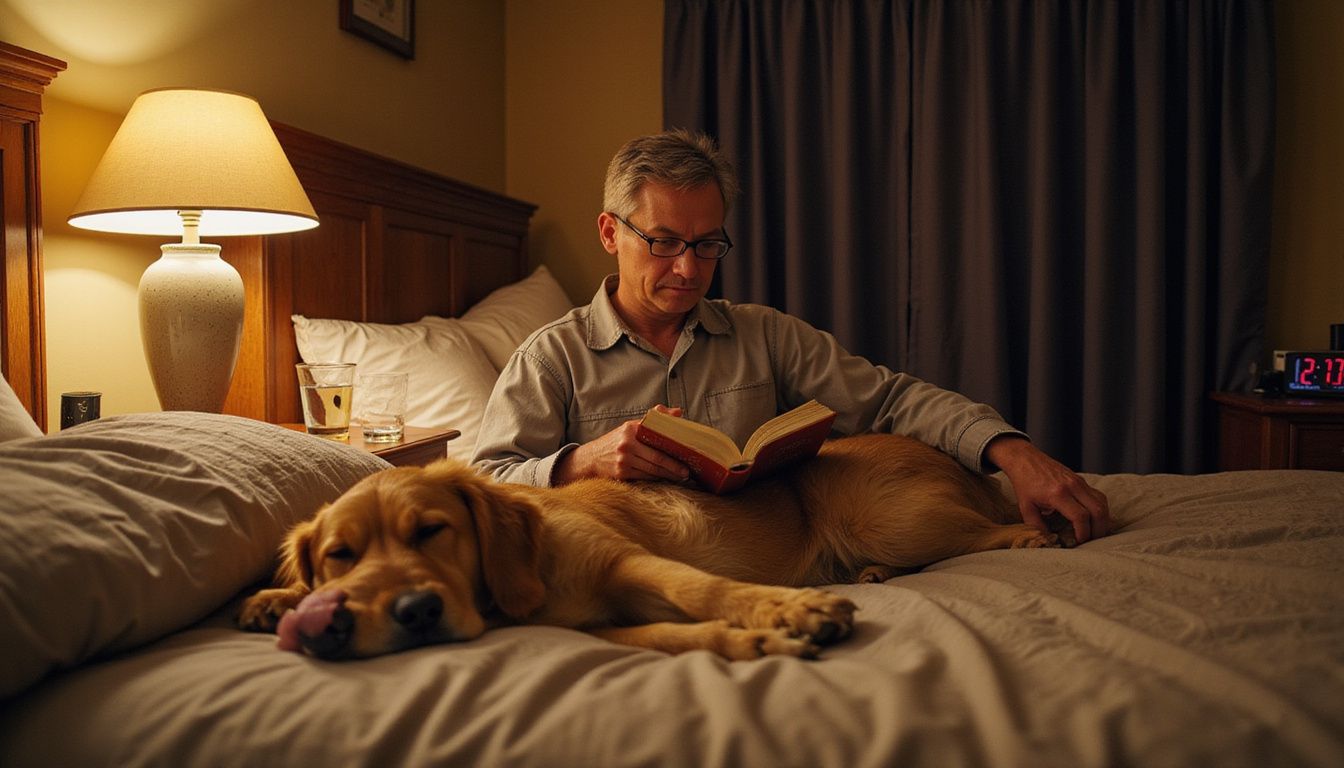
Your dog needs a solid nighttime routine to sleep well and bark less. Mix exercise, comfort, and structure into your evenings, and the routine builds itself.
Why Are Evening Walks or Playtime Important?

Evening walks and playtime burn off the extra energy your dog carries into the night. Dogs with pent-up energy often bark, howl, or whine once darkness falls.
A tired pup settles down much more easily at bedtime.
Here’s something most guides skip: timing matters as much as the exercise itself. According to canine sleep guidelines from organizations like FitBark, adult dogs need 12 to 14 hours of sleep a day, broken into several short bursts rather than one long stretch. To help that sleep actually stick at night, finish any vigorous exercise at least an hour before bedtime. That buffer gives your dog’s nervous system time to settle instead of staying wound up.
Physical activity during the evening also cuts down on boredom, a common cause of nighttime barking. This simple habit reduces unwanted noise and separation anxiety barking that keeps you up.
Mental stimulation before bed works just as hard as physical exercise. A few easy options:
- A short training session practicing “sit” or “down”
- A puzzle toy filled with treats
- Ten minutes of tug or fetch in the yard
Dogs left alone all day without enough mental and physical stimulation tend to develop frustration-related barking. Give your dog’s body and brain both a workout, and quiet nights follow naturally.
How Do I Create a Cozy and Comfortable Sleeping Space?
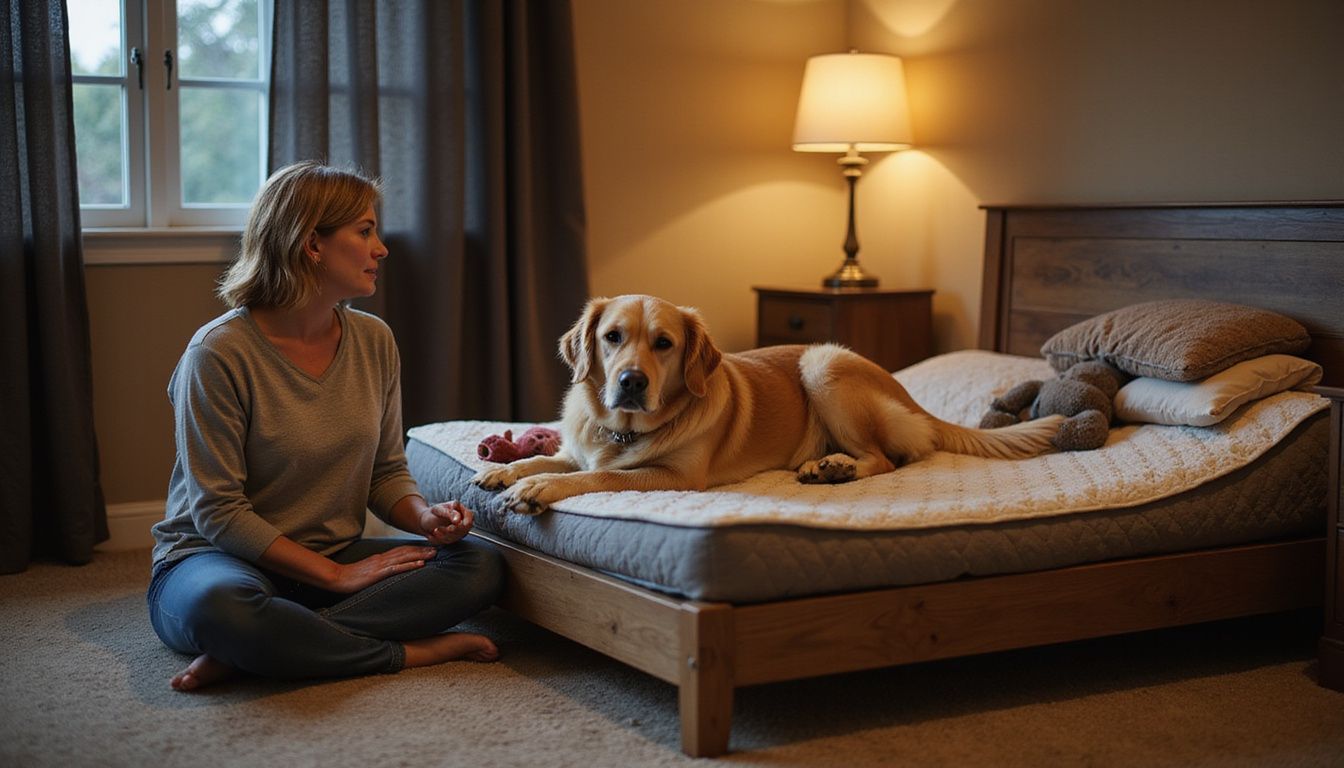
After tiring your dog out with evening walks and play, shift your focus to where they actually rest. A comfortable sleeping space makes a real difference in stopping nighttime barking.
Start with the basics:
- Upgrade to a supportive, cushioned bed. A quality mattress reduces the physical discomfort that triggers barking during sleep.
- Let your dog sleep in your bedroom if space allows. Being close to you reassures them and cuts down on separation-anxiety barking.
- Add familiar bedding and a companion item to the sleeping area for extra comfort and security.
- Block windows and glass doors with curtains or blinds to remove visual triggers that spark reactionary barking.
Once those essentials are in place, fine-tune the space with these extra steps:
- Keep furniture and familiar objects in the same spots, especially important for older dogs who get anxious over changes.
- Set up a puppy pen or room divider in open-plan homes to create a quiet, restful zone away from foot traffic.
- Use a larger crate during travel or rest periods to limit painful movement and reduce discomfort-driven barking.
- Supervise outdoor play and reward calmness the moment your dog settles down.
Setting up a calm sleeping zone takes some upfront investment, but the cost stays manageable if you focus on essentials first:
| Item | Estimated Cost |
|---|---|
| Orthopedic dog bed | $55 |
| Blackout curtain panels | $35 |
| White noise machine | $40 |
| Companion blanket | $12 |
| Baseline total | $142 |
| 3 interactive puzzle toys (optional) | $30 |
| Two 30-minute private training sessions (optional) | $80 |
| Full setup range | $142 to $222 |
One owner who spent about $150 on this setup put it simply: “Spending around $150 got us a quieter night because the dog had a comfy bed and fewer visual triggers. A couple of training sessions made the new routine stick.” If money is tight, start with the bed and blackout curtains, then add the white noise machine and training sessions when you can.
What Are the Best Training Methods to Reduce Barking?

You can teach your dog a different response instead of barking, using rewards and praise when they stay calm. Dogs learn fast when treats, toys, or kind words show up the moment they go quiet.
How Do I Teach Alternative Behaviors with Positive Reinforcement?

Teaching your dog calm behaviors works better than fighting barking head-on. Positive reinforcement creates lasting change because dogs repeat actions that bring rewards.
Start with these foundational steps:
- Teach “sit” or “down” during quiet daytime hours, rewarding with treats or praise the moment your dog responds.
- Introduce a “go to bed” command by guiding your dog to their sleeping space and rewarding calm behavior with high-value treats.
- Distract with a toy or game before barking even starts, shifting focus away from triggers.
- Use a radio or white noise to mask outdoor sounds, then reward your dog for staying calm during the noise.
Once those basics click, build on them with these:
- Catch your dog being quiet and offer praise or treats within seconds. This reinforces that silence brings good things.
- Practice these behaviors during evening walks or playtime to build confidence and mental tiredness before bed.
- Reward calm behavior consistently, every single time you notice it, so quiet becomes more rewarding than barking ever was.
- Watch your dog’s body language during training. If they seem stressed or tense, dial back and slow down.
Keep your routine predictable. Once your dog learns which behaviors earn rewards, that predictability lowers anxiety and barking on its own.
How Should I Reward Calm and Quiet Behavior?

Once your dog starts learning new behaviors, rewarding quiet moments becomes your most powerful tool. Consistently praising calm behavior helps dogs learn to self-soothe and cuts down on nighttime barking.
Focus on these core habits first:
- Praise your dog immediately when they rest quietly without following you around, using an upbeat but calm voice.
- Offer high-value treats, like small bits of chicken or cheese, within seconds of catching your dog being silent.
- Pet your dog gently during calm moments. Physical touch reinforces relaxation better than words alone.
- Use a clicker to mark the exact second your dog stops barking, then follow with a treat right away.
Once those habits stick, add these for tougher situations:
- Reward calm behavior during car rides, starting with a parked car at home before working up to short drives.
- Encourage your dog to use a safe space when visitors arrive, then reward calm behavior there.
- Stay calm yourself during visitor interactions. Dogs mirror your energy and respond with similar quiet behavior.
- Ignore following behavior after a reward, letting your dog practice independence and self-soothing on their own.
Mix up your rewards between treats, praise, and playtime so your dog stays motivated and engaged with the whole process.
What Common Mistakes Should I Avoid When Addressing Barking?
Your reaction to barking matters more than you’d think. Staying calm and patient makes all the difference in your dog’s progress.
Many owners jump straight to bark collars or punishment-based methods, but these approaches backfire and often make barking worse.
Why Should I Resist Responding Immediately to Barking?

Ignoring barking on its own won’t fix the problem, so it helps to understand what happens when you jump into action too fast. The moment your dog barks and you rush over to comfort, scold, or even just acknowledge the noise, you accidentally reward the behavior.
Attention, even negative attention, teaches your dog that barking gets results. That creates a cycle where your dog barks louder and more often because the strategy keeps working for them.
You’re basically teaching your dog that nighttime noise is a ticket to getting what they want, whether that’s comfort, play, or just your presence. A few signs you might be accidentally rewarding the barking:
- You go check on your dog every time they bark, even briefly
- You talk to or scold your dog through the door
- You let your dog out of the crate the moment barking starts
Resisting the urge to respond takes real discipline, but it breaks this pattern. It also keeps you from relying on barking collars or anti-bark devices as your only fix.
Barking for attention often ties back to separation anxiety, especially if your dog has grown used to extra time with you lately. Praising calm behavior when they rest without you, and ignoring the following-around habit, teaches them that quiet time earns your approval instead.
This approach takes patience. Your dog won’t change overnight, but it works far better than punishment-based training methods that create fear and confusion. Staying calm yourself sets the tone for the rest of your dog behavior and training tips journey.
Why Avoid Punishment-Based Training Methods?

Punishment-based training methods backfire with dogs. According to a February 2026 study published in Frontiers in Veterinary Science, and guidelines from the American College of Veterinary Behaviorists, aversive tools like shock collars raise stress hormones, trigger a more pessimistic mindset in dogs, and increase the risk of fear-based aggression. The organization strongly opposes their use, noting they cause serious long-term harm without working any better than reward-based methods.
Anti-bark collars, shock collars, and similar tools create more problems than they solve. Shock collars can even burn your dog’s neck.
Here’s why these devices tend to fail:
- Your dog links the pain to the collar, not to the barking itself, so they don’t learn what you actually want
- Timing is nearly impossible to get right, so the correction often punishes the wrong behavior entirely
- Some dogs respond to the confusion with more aggression instead of less barking
- The root cause, whether fear, boredom, or stress, stays completely untouched
Imagine this scenario: your dog barks at a squirrel, but the collar fires a second too late. Now your dog thinks the squirrel caused the pain, not their own barking. Anxiety skyrockets, and your dog becomes frustrated, scared, and unpredictable.
Positive reinforcement works far better than punishment ever will. Your dog’s nighttime barking comes from real emotions, fear, boredom, or stress, and shock collars only mask the symptoms instead of fixing the cause.
Instead of reaching for a quick fix, consider contacting a behaviour support line or a clinic like Borash Veterinary Clinic for professional guidance. Reward calm and quiet behavior with treats, praise, and affection instead. Show your dog that silence brings good things, and trust builds naturally from there.
The barking decreases naturally as your dog feels safer and more content at night.
Conclusion

You now have real tools to turn those sleepless nights into peaceful rest, for both you and your dog.
Understanding why your dog barks at night, building a calm sleeping space, sticking to a solid bedtime routine, and using positive reinforcement all work together to solve this frustrating problem.
These strategies are simple to start, cost little, and show real results within weeks of steady practice.
Your veterinarian, local dog trainers, and pet behavior specialists can offer extra support if nighttime barking sticks around despite your best efforts.
Start tonight by keeping a bark log to track patterns.
Patience, paired with these proven methods, will quiet that nighttime howling and give you back the restful sleep you deserve.
FAQs
1. Why does my dog bark at night?
Dogs bark at night for many reasons, like a squirrel outside, a strange noise, or just boredom. According to the American Kennel Club, separation anxiety is actually one of the leading causes of nighttime dog barking in US homes. Some dogs also bark or howl because they hear other dogs doing it, a habit called socially facilitated barking.
2. What is socially facilitated barking?
This happens when one dog starts barking or howling, and others join in, like a yawn spreading through a room. Veterinary behaviorists at UC Davis found this response is especially strong between dogs in neighborhoods where they can hear each other clearly at night.
3. Can other dogs in the neighborhood make my dog bark more?
Yes, they can. If a dog nearby starts howling, yours might join the chorus, especially since dogs can hear barking from up to a quarter-mile away in quiet nighttime conditions.
4. Where can I find more tips on stopping night barking?
Many pet experts share advice on social media pages, including Facebook groups for dog owners. You can also check local resources like the Peabody animal shelter, which offers free behavior consultations to help with training and support.