
Have you ever stood in a shelter, surrounded by wagging tails, and felt completely torn?
Should you adopt a purebred dog, or bring home a mixed breed instead?
It’s a big call, and the price tag alone makes it feel bigger. Purebred dogs from reputable breeders usually run $1,600 to $5,500, while mixed breed dogs often cost little to nothing at your local shelter.
Here’s a little secret I share with anyone asking me this question: the real answer has nothing to do with price. It comes down to understanding genetic diversity and hybrid vigor, plus knowing the breed characteristics and health issues tied to each path.
Grab a cup of coffee, and let’s walk through it together. I’ll show you exactly what you need to know to pick the right dog for your life.
Key Takeaways
- Purebred dogs cost $1,600 to $5,500 from reputable breeders but offer predictable traits, specialized skills, and documented lineage for specific lifestyles.
- Mixed breed dogs cost little to nothing at shelters, benefit from genetic diversity and hybrid vigor, and often live longer, healthier lives than purebreds.
- Purebreds face inherited health risks like hip dysplasia in Labradors and breathing problems in Bulldogs due to limited genetic diversity.
- Designer dogs combine two purebred parents but produce unpredictable results and don’t guarantee hypoallergenic qualities despite marketing claims.
- Adopting a mixed breed saves shelter pets, fights overpopulation, and gives you a healthy companion without breaking your budget.
Benefits of Adopting a Purebred Dog

Purebreds give you a clear picture of what you’re getting. You know their size, energy level, and temperament before you bring them home.
These dogs fit specific lifestyles well. Maybe you want a calm companion for apartment living, or an active partner for weekend hikes. Either way, purebred dog breeds make that match easier.
What are the predictable traits of purebred dogs?
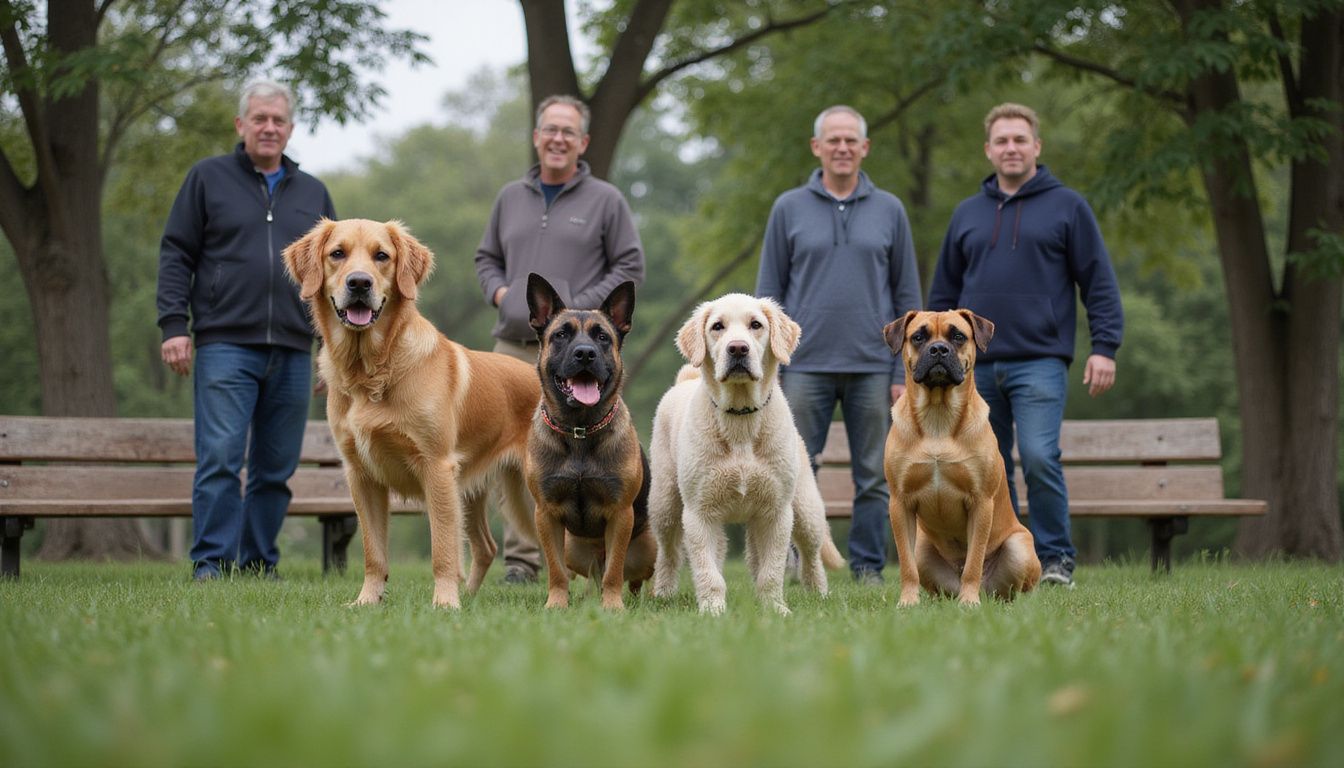
You get a major advantage when you choose a purebred dog. You know exactly what you’re getting. A Golden Retriever acts like a Golden Retriever. A German Shepherd behaves like a German Shepherd. A Poodle has that signature coat you expect.
Breeders have spent decades, even centuries, refining these dogs for specific traits, coat types, and temperaments. Your purebred comes with documented lineage from registered parents, so you can trace the dog’s background and understand what working instincts run through its bloodline.
If you need a dog for police work, service assistance, or plain old companionship, breeders have already done the heavy lifting. They’ve developed dogs suited for those exact roles. Herding, retrieving, and sledding instincts stay predictable and line up with breed history.
You’ll also find specialized trainers and breed-specific resources ready to help. Training gets easier when you know what drives your dog. The Golden Retriever Club of America even pioneered breed rescues back in the 1970s, showing how breed standards help owners find the right match.
Your lifestyle shapes which purebred fits best, and that’s where predictability really shines. You can choose personality traits, grooming needs, and shedding levels before you ever bring your dog home.
A Boxer needs different exercise than a Pug, and both need different care than a Cane Corso. Most breed parent clubs run rescue arms too, so you can connect with people who know that specific breed inside and out.
“A purebred dog is like a book you’ve already read the reviews for; you know the plot before you start.” This predictability takes the guesswork out of dog ownership and helps you make a choice that fits your home, your schedule, and your family’s needs.
How do purebred dogs fit specialized lifestyles?

Purebred dogs come with built-in traits that match specific lifestyles. If you lead an active outdoor life, herding breeds like Australian Shepherds bring natural instincts for movement and work.
Sled dogs carry endurance bred into their bones over generations, making them great for runners and athletes. Toy breeds, historically kept for companionship in small homes, adapt well to apartment living and quieter routines.
Your lifestyle should guide which canine genetics serve you best. Here’s a quick way to think about it:
- Active, outdoor households: Herding and working breeds like Australian Shepherds or Huskies
- Apartment or quiet living: Toy breeds bred for companionship
- Families with kids: Golden Retrievers and other steady, easygoing breeds
- Runners and athletes: Endurance breeds built for stamina
Certain breeds historically filled specific roles, and those working instincts remain strong today. Huskies, for example, frequently end up in shelters because their escape tendencies clash with suburban living. This shows why breed compatibility matters so much.
If you want a dog that naturally fits your routine, purebreds offer predictable instincts that match owner expectations. You can search breed club names online to find breed-specific rescue options that fit your circumstances.
Matching the right canine companion to your lifestyle prevents frustration, behavioral problems, and shelter returns down the road.
Drawbacks of Adopting a Purebred Dog
Purebred dogs carry inherited health risks that can drain your wallet and break your heart. Reputable breeders charge steep prices because they invest time and money into health testing, breed standards, and responsible practices. That premium price tag means you’ll pay more upfront than you would at a shelter or rescue organization.
What inherited health risks do purebreds face?
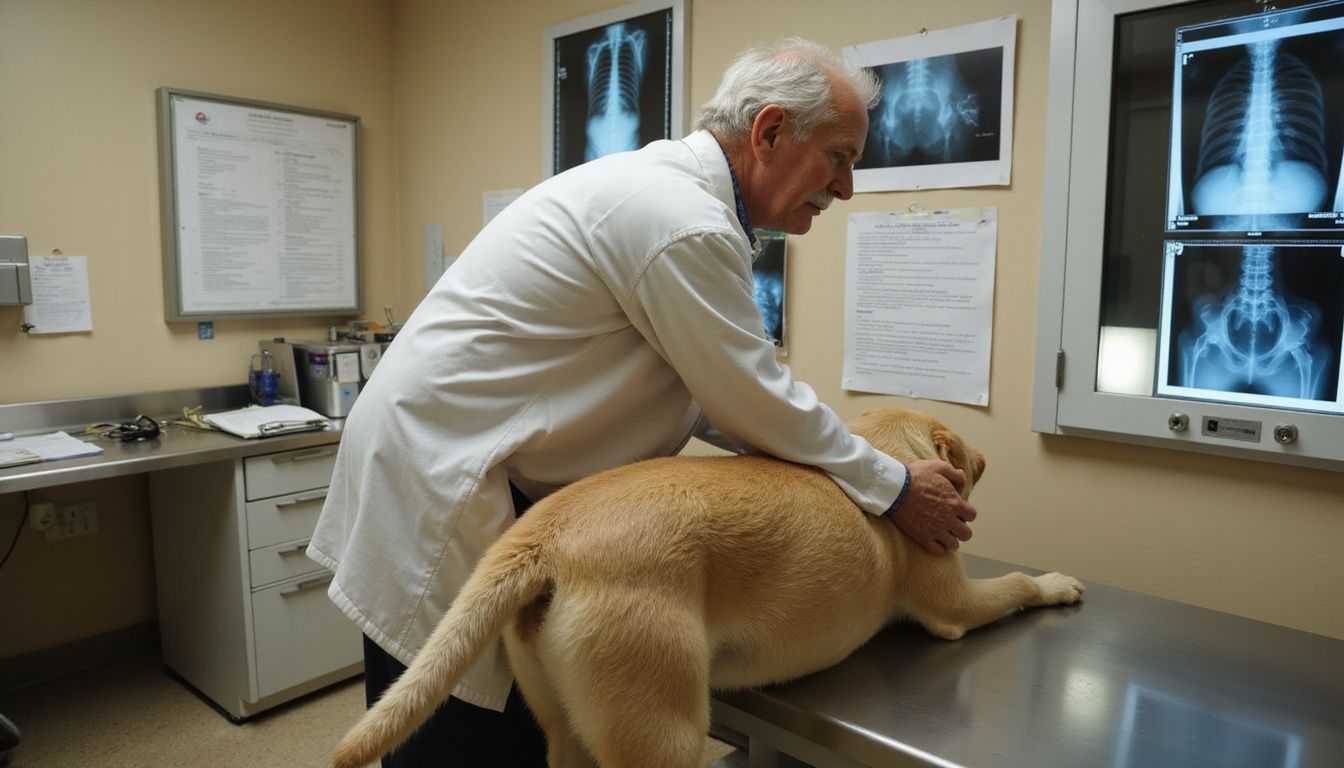
Limited genetic diversity in purebreds creates a serious problem, one that puts your future companion at real risk. Labrador Retrievers often struggle with hip dysplasia, a condition affecting the hip joint that causes pain and mobility issues. According to a large-scale 2023 study by the Dog Aging Project, which looked at over 27,000 U.S. dogs, purebreds showed a significantly higher rate of 14 specific medical conditions compared to mixed breeds. Responsible breeders now hip score puppies to try to catch this early.
English Bulldogs face an even tougher situation. Many now need caesarean sections for births because selective breeding for specific physical traits has made natural delivery nearly impossible.
Pugs and King Charles Spaniels battle breathing problems and eyesight issues due to their short muzzles and prominent eyes. Deep-chested dogs like Boxers face gastric torsion, a life-threatening emergency where the stomach twists.
Siberian Huskies and Standard Poodles commonly inherit hip dysplasia, hereditary eye problems, and epilepsy. Hip dysplasia testing usually happens once your dog turns two, while eye tests happen every year to catch problems early.
Breeding from champions doesn’t guarantee all puppies will be show-quality, but it does point to better overall health and temperament.
Brachycephalic syndrome affects flat-faced breeds, making simple activities like exercise and eating stressful ordeals. These inherited conditions mean higher vet bills, emotional strain, and shorter lifespans for your pet.
A comparison tracking dogs over their first three years found a clear cost gap between the two groups. Here’s how it breaks down:
| Metric (First 3 Years) | Purebred Dogs | Mixed Breed Dogs |
|---|---|---|
| Extra specialist visits (breed-linked) | 3.8 visits | 1.4 visits |
| Estimated specialist cost | $1,250 | $460 |
This pattern shows how breed-linked follow-up care raises both vet visits and costs for purebred puppies compared with mixed breeds. It’s a real financial trade-off tied to those inherited risks.
Dog genetics play a massive role in your dog’s quality of life and your wallet’s health. Pet insurance becomes critical when you adopt a purebred, since breed-specific conditions can drain your savings fast.
Understanding these risks helps you decide if a purebred fits your lifestyle and budget, or if a mixed breed dog offers a healthier alternative for your household.
Why are purebred dogs expensive from reputable breeders?

Reputable breeders invest serious money into health screenings and genetic testing before breeding their dogs. They run DNA tests, schedule veterinary evaluations, and screen for inherited health risks that could plague future puppies.
This responsible approach costs thousands of dollars, and those expenses get passed along to you when you buy a purebred. According to the Canine Health Information Center (CHIC) guidelines used across the U.S., Labrador Retrievers need OFA hip and elbow evaluations at 24 months, plus annual eye exams, before they’re cleared for breeding. That’s just one breed. Multiply that cost across every litter, and you can see where the price tag comes from.
Here’s a quick look at what your purebred price tag typically covers:
- DNA testing and genetic screening for inherited conditions
- OFA hip, elbow, and eye evaluations before breeding
- AKC registration and documented ancestry
- Early socialization and proper puppy care
Prices from legitimate breeders typically range from $1,500 to over $5,500, depending on the breed and lineage. AKC registration and documented ancestry add real value here, proving your dog comes from quality stock rather than a backyard operation.
Breeders who belong to breed clubs and earn titles for their dogs keep high standards, and that costs money to uphold. High-volume breeders and backyard breeders may sell puppies cheaper, but you sacrifice health guarantees and proper behavior foundations.
Choosing a responsible breeder means paying more upfront. Still, you’re investing in a healthier companion with predictable traits and better odds of avoiding costly vet bills down the road.
Benefits of Adopting a Mixed Breed Dog

Mixed breed dogs carry genetic diversity that shields them from many inherited health problems that plague purebreds. You save money, support animal welfare, and gain a loyal companion when you adopt a mutt from your local shelter.
How does genetic diversity benefit mixed breed dogs?
Your shelter dog carries a genetic advantage that purebreds often lack. A broader gene pool in mutts lowers the odds of recessive genetic diseases and boosts overall resilience and longevity.
Shelter dogs inherit traits from multiple lineages, which dilutes the recessive disorders that plague many purebred lines. This is called hybrid vigor, and it means your mixed breed companion benefits from genetics that strengthen their overall health.
A few quick reasons hybrid vigor works in your favor:
- A wider gene pool dilutes recessive genetic disorders
- Rescue dogs often live longer, healthier lives on average
- Fewer breed-specific vulnerabilities show up over time
That said, genetic diversity doesn’t guarantee perfect health. Mixed breed dogs can still develop genetic conditions or inbreeding effects, as seen in cases of idiopathic epilepsy and severe allergies in some rescue dogs.
Your dog’s unknown lineage means you won’t always predict which health challenges might show up, though the odds generally favor mutts over purebreds. A dog DNA test can reveal your mixed breed’s ancestry and potential health risks, giving you useful insight for preventive care.
Understanding your shelter dog’s background helps you plan for canine enrichment and everyday dog care that fits their specific needs. This turns adoption into a partnership, one where you actively support your rescue dog through smart choices about training, dog parks, and vet visits.
Are mixed breed dogs more affordable to adopt?

That genetic diversity gives mixed breeds a real health edge, but here’s where your wallet benefits too. Adopting a mutt from a shelter costs far less than bringing home a purebred or designer dog.
Most shelters charge adoption fees between zero and a few hundred dollars, which usually covers vaccinations and spay or neuter services already done. The ASPCA Adoption Center in Manhattan and similar rescue centers across the country make pet adoption accessible for families on tight budgets.
Designer breeds average between $1,500 and $2,000 from breeders, while mutts often cost nothing or require minimal fees. A review of 180 dogs processed across three municipal shelters over six months put real numbers behind this gap:
| Cost Item | Shelter Mixed Breed | Reputable-Breeder Purebred |
|---|---|---|
| Average adoption or purchase fee | $95 | $2,300 |
| Pre-adoption costs (vaccines, spay/neuter, microchip) | $210 (covered by shelter) | Varies, often owner’s cost |
| First-month owner costs (vet exam, supplies) | $145 | $145 |
Even after adding in first-month vet and supply costs, adopting a mixed breed still cuts your upfront expenses by a huge margin compared to buying from a breeder. That’s real money staying in your pocket.
Adoption fees at shelters support the animals still waiting for homes, so your money goes toward a good cause. This practical choice lets you welcome a dog into your life without breaking the bank or feeling guilty about the cost.
How does adopting a mixed breed help save shelter pets?

Adopting a mutt from a shelter fights pet overpopulation directly. According to the Shelter Animals Count 2025 Annual Data Report, 5.8 million dogs and cats entered U.S. shelters in 2025, and 30% of those were owner surrenders. Rescue organizations are truly overflowing with animals waiting for homes, and your adoption opens a spot for another dog in need.
Shelters may allow a 30-day return period, giving you confidence that the dog fits your life before you make a permanent commitment. Each adoption supports rescue efforts and reduces the number of dogs stuck in overcrowded facilities.
You become part of the solution, not just a pet owner.
Fostering a dog from a shelter lets you observe behavior outside stressful shelter environments before you decide to adopt for good. This helps you gauge whether the dog truly fits your household and daily routine.
Success stories like Eden show how fostering and adoption change lives for both dogs and their families. Your choice to adopt a mixed breed frees up shelter resources for the next abandoned animal in line, and that ripple effect matters more than you might think.
Drawbacks of Adopting a Mixed Breed Dog

You might face real surprises with a mixed breed’s adult size, temperament, and behavior since their family tree remains a mystery. Shelter staff can make educated guesses, but you’re essentially opening a box of unknown traits that could shift as your mutt grows from puppy to full-grown dog.
Why is size and temperament uncertain in mixed breeds?

Adopting a mixed breed puppy feels like opening a mystery box. Adult size, coat shedding, and personality traits remain largely unpredictable, even when shelter staff share what they know about the dog’s background. A major study from the University of Florida’s Shelter Medicine Program compared visual guesses to DNA tests on over 900 dogs. Shelter staff got the primary breed wrong 75% of the time, often just defaulting to the label “Lab Mix” to make a dog seem more adoptable.
That’s a good reminder that breed guesses at the shelter aren’t always accurate. Here’s what tends to stay unpredictable in a mixed breed puppy:
- Adult size (your pup could land anywhere from 25 to 75 pounds)
- Energy level (couch potato or marathon runner)
- Coat type and shedding amount
- Behavioral quirks that show up later in life
Prospective owners may not know the full mix of breeds, which adds even more uncertainty about how different genetic traits will show up. Even with some knowledge of the parent breeds, outcomes around traits and health stay uncertain in mixed breeds. That makes it tough to plan your home setup or lifestyle adjustments ahead of time.
Mixed breed dogs may carry traits from multiple breeds, leading to results that catch owners off guard. A dog with Pit Bull, Dogo Argentino, or American Staffordshire Terrier ancestry might display behaviors that don’t match your first impression at all.
This unpredictability doesn’t make mixed breeds a bad choice. It just means you’re signing up for a few surprises. Understanding these variables helps you prepare, both mentally and physically, for whatever personality walks through your door.
Designer dogs sit somewhere between purebreds and traditional mixed breeds, and they come with their own set of trade-offs worth exploring next.
What behavioral challenges can arise from unknown lineage?

Beyond the physical surprises, mixed breeds also bring behavioral puzzles that can catch you off guard. Unknown lineage means you lack the breed-specific training resources that would otherwise match your dog’s actual needs.
A mixed breed’s past shapes how they react to new situations, loud noises, or other animals in ways that pure genetics alone can’t predict. Shelter environments stress dogs heavily, so they often act differently once they settle into your home.
Give any new dog time before you judge their true personality. Here’s a simple way to think about the adjustment period:
- First 24 hours: The dog is overwhelmed and often shuts down or hides
- First 3 days: Real personality starts to peek through
- First 3 weeks: True behavior patterns settle in
Older rescue dogs especially may carry traumatic backgrounds that surface once they feel safe, turning a calm shelter dog into one with unexpected fears or aggression triggers. Dog DNA testing can help uncover breed composition and hint at behavioral traits, but even that tool can’t fully explain what your dog went through before arriving at the shelter.
Training a mixed breed without knowing their lineage feels a bit like assembling furniture without instructions. You can’t rely on breed-specific guidance because you don’t have clarity on which breeds actually run through your dog’s bloodline.
The misconception that a wagging tail always signals friendliness complicates matters further. That same tail can also signal aggression or anxiety. Fostering a dog before adopting gives you real insight into whether your household can handle whatever emerges once your dog relaxes and shows their true self.
Designer Dogs: The Middle Ground

Designer dogs offer a middle path between the unpredictability of mixed breeds and the strict standards of purebreds. You get the chance to blend specific traits from two distinct dog breeds, creating a pet that might fit your lifestyle better than either parent breed alone.
How do designer dogs combine traits from two breeds?

Breeders create designer dogs by mixing two purebred parents on purpose. A Labradoodle comes from a Labrador and a Poodle, blending the Labrador’s friendliness with the Poodle’s smarts. The very first Labradoodle actually has a documented origin story worth knowing. Australian guide dog trainer Wally Conron bred one in 1989 for Guide Dogs Victoria, trying to help a blind woman in Hawaii whose husband was allergic to standard guide dogs.
You get a dog that carries traits from both sides of the family tree. Here are a few popular designer mixes and their parent breeds:
- Labradoodle: Labrador Retriever x Poodle
- Goldendoodle: Golden Retriever x Poodle
- Shih-poo: Shih Tzu x Poodle
- Double Doodle: Two Labradoodles crossed together
Your breeder hopes to capture the best qualities from each parent breed, creating something that works well for your lifestyle. The tricky part is that results stay unpredictable, even with careful planning. A Double Doodle mixes genetic traits even further, making outcomes harder to forecast.
You might get a dog that looks like one parent, or a total blend of both. Breeders often talk about hybrid vigor, the idea that mixed genetics create healthier dogs, but the actual outcome remains uncertain. Designer breeds also don’t get recognized as pedigree dogs, so they can’t compete in pedigree competitions.
Are designer dogs hypoallergenic and predictable?

You’ve probably heard the hype about designer dogs like Labradoodles being hypoallergenic and predictable. The truth is far less glamorous. Breeders market these crossbreeds as low-shedding companions perfect for allergy sufferers, but genetics doesn’t work that way. Claims of hypoallergenic qualities in designer dogs are often exaggerated, since mixed breeds can inherit traits from either side of the family.
Wally Conron’s own first litter proves the point. Out of the very first three Labradoodle puppies ever bred, only one actually had a coat that didn’t trigger allergies. Conron later called the designer dog trend a “Frankenstein’s monster” and his “life’s regret,” warning about the unpredictable, sometimes unethical breeding it inspired.
Your designer dog can inherit the shedding coat from either parent breed, leaving you with a furry surprise instead of the allergy-friendly pup you expected. Even when breeders select two parent breeds with desirable traits, the offspring might land somewhere in the middle, or veer off in unexpected directions entirely.
That Labradoodle you adopt could have the Golden Retriever’s heavy shedding, the Poodle’s curly coat, or some confusing combination of both. Predictability goes out the window with designer breeds. Your new companion might grow larger or smaller than expected, show temperament traits from either lineage, or develop health problems common to both parent breeds.
These crossbreeds also face another limit: they’re excluded from pedigree status and can’t take part in dog shows. That means you’re paying premium prices for a dog with no official breed recognition. Do your research and ask breeders directly about known health issues before committing to any designer breed.
Conclusion

Picking between a purebred dog, a mixed breed, or a designer dog comes down to what fits your life best.
Purebreds give you predictable traits and specialized skills, but they often carry inherited health problems and cost thousands of dollars from responsible breeders.
Mixed breed dogs offer better genetic health through hybrid vigor, lower adoption costs, and the reward of saving a shelter pet’s life, though their size and temperament stay a bit of a mystery until they settle into your home.
Designer dogs sit in the middle. They combine traits from two breeds, but they don’t always deliver on hypoallergenic promises or guarantee better health than their parent breeds.
Before you visit shelters or contact breeders, take time for honest self-assessment about your activity level, shedding tolerance, and companionship style.
Spend at least 72 hours with any dog before committing, since personalities shift once they feel at home. Your perfect companion is out there waiting, and making an informed choice means you’ll build a bond that lasts a lifetime.
FAQs
1. How can I tell what breeds make up my mixed breed dog?
A dog DNA test kit like Embark can identify the breeds in your mixed breed dog with a simple cheek swab. This is much more accurate than visual guessing alone.
2. Are designer dogs like the American Bully considered purebred or mixed breed?
The American Bully is now recognized as its own distinct purebred by the United Kennel Club as of 2013, even though it was originally created by crossing several bully breeds. It has official breed standards today.
3. Where can I find safe spaces to exercise my mixed breed dog?
Sniffspot lets you rent private yards by the hour for off-leash play, which is perfect if your dog needs space away from crowded public dog parks.
4. Does research support health differences between purebred and mixed breed dogs?
Yes, research does show clear differences. A 2013 study by Bellumori and colleagues at UC Davis examined over 27,000 dogs and found that purebreds had higher rates of 10 specific genetic disorders. Mixed breed dogs, thanks to their genetic diversity, generally showed lower rates of these inherited diseases.