Ever stood in a pet store, or scrolled through adoption photos late at night, wondering if your apartment is really big enough for a dog?
You’re picturing a wagging tail bumping into your coffee table, or a bark echoing through thin walls. That worry is real, and it’s smart to think it through before you fall for a face.
Here’s the good news. The American Kennel Club tracks over 200 dog breeds, and a surprising number of them are built for small spaces, not big yards.
Size matters, sure. But it’s not the whole story.
Small dog breeds and toy dog breeds slide easily into apartment life, but so do some large breeds. Greyhounds, for example, can live happily in a one-bedroom because their activity levels are lower than you’d expect from a dog built for racing.
Before you get attached to a specific breed, check your building’s pet policies. Many properties set breed restrictions and weight limits, and some ban dogs entirely from certain breed groups like guard-type dogs (think Cane Corso, Dogo Argentino, or American Bully). Reading the fine print now saves you heartbreak later.
Energy level and adaptability matter just as much as size. A high-energy dog cooped up in 800 square feet gets bored fast, and bored dogs chew, bark, and pace. Dogs with calm dispositions and moderate exercise needs settle into apartment life without a fight.
Trainability rounds out the picture. Well-trained dogs bark less and adjust faster to tight quarters, though every dog, regardless of size, needs regular walks and playtime to stay healthy indoors.
One more tip from experience: mixed breeds and rescue dogs often make wonderful apartment pets. They tend to land in that sweet spot of moderate size and easygoing personality that apartment living rewards.
So here’s what I want to do. I’ll walk you through exactly which breeds fit apartment life best, what traits to look for, and how to set your new dog up for success from day one. Grab a coffee, and let’s get into it.
Important Traits for Dogs in Apartments
Your apartment dog needs to fit your space and your lifestyle. Look for a pup with these four traits:
- Calm indoors: Doesn’t treat your living room like a racetrack
- Low barking tendency: Keeps noise complaints off your record
- Fast learner: Picks up house rules and commands quickly
- Adaptable: Rolls with schedule changes and new environments
How Does Size Affect Apartment Dog Suitability?
Size matters in apartments, but it’s not the whole story. Small breeds like Chihuahuas and Yorkshire Terriers fit easily into tight spaces, making them practical picks for renters with strict building codes.
Medium breeds offer a nice middle ground. You get real companionship without a dog that takes over your living room.
Large dogs can thrive too, as long as their energy needs get met through regular exercise. Greyhounds weighing up to 150 pounds prove this point every day, and English Bulldogs tip the scales at 50 pounds yet stay low-energy homebodies.
Many apartment buildings enforce size restrictions that favor small to medium breeds, so check your lease before bringing home a new friend. Mixed breeds with moderate sizes often prove to be solid apartment companions too.
Large dogs face unique challenges in high-rise apartments. Joint issues are a real concern, especially for breeds like Great Danes that need elevator access to avoid straining their joints on stairs.
Here’s a pro tip: personality and energy level often matter more than size alone when picking an apartment dog. A calm, smaller breed might create more peace in your home than an active, larger one.
“The best apartment dog isn’t always the smallest one; it’s the one that fits your lifestyle and your space.”
Small breeds need less food and less exercise space, which reduces wear and tear on your apartment. Medium breeds balance size with personality, making them a solid option for most living situations.
Large breeds demand more commitment to meet their physical needs. But with the right owner, they can thrive in apartments just as well as their smaller counterparts.
What Energy Levels Are Best for Apartment Dogs?
Your apartment dog needs low to moderate energy to really thrive in a smaller space. Breeds like Pugs and Shih Tzus prefer napping to running, which makes them a great match for limited square footage.
These dogs are content with short walks and indoor playtime. They don’t demand constant exercise.
Greyhounds surprise a lot of people here. Despite their athletic build, they carry medium energy and go lazy indoors, so they adapt surprisingly well to apartment life. French Bulldogs and Cavalier King Charles Spaniels fit this same mold, staying calm and composed throughout the day.
High-energy breeds tell a different story. Miniature Australian Shepherds, Australian Terriers, and Toy Fox Terriers need more exercise and mental stimulation, which can create real problems in confined spaces.
Your dog’s exercise needs directly shape their behavior at home. Meeting those needs prevents the destructive habits that come from boredom and frustration.
Here’s a quick breakdown of energy levels among apartment-friendly breeds:
- Low energy: Pugs, Shih Tzus, French Bulldogs, Cavalier King Charles Spaniels
- Medium energy: Boston Terriers, Havanese, Dachshunds, Bichon Frise
- Higher energy (needs extra planning): Miniature Australian Shepherds, Australian Terriers, Toy Fox Terriers
Daily walks and indoor games form the foundation of a healthy routine for any breed you choose. Matching your lifestyle to your dog’s energy level is what makes apartment living work for both of you.
How Can Barking Impact Apartment Living?

Excessive barking creates real problems in apartment complexes, and your neighbors will notice fast. According to a recent PetScreening multifamily housing survey of almost 23,000 residents, non-pet owners ranked excessive barking as their number one pet-related complaint.
That’s not a small thing. Noise complaints pile up quickly when dogs bark throughout the day or night, straining relationships with the people who live nearby. Your building management may issue warnings, fine you, or even ask you to rehome your dog if the noise becomes unbearable.
High-barking breeds like Dachshunds and Welsh Corgis need serious training and socialization to manage their vocal tendencies. A review of 42 noise complaints across six urban mid-rise buildings found that 14 complaints specifically named persistent barking by Dachshunds.
The complaints peaked between 9:00 and 11:00 a.m. and again between 7:00 and 9:00 p.m. on weekdays. That pattern lines up with typical owner schedules, and it suggests separation anxiety and routine transitions drive a lot of barking episodes in apartments.
Some dogs develop separation anxiety when left alone, which triggers constant barking that disturbs everyone around you. A stable, consistent daily routine helps minimize this kind of anxiety-related noise.
Quieter breeds offer a practical shortcut. Boston Terriers and the Basenji, known as the “barkless dog,” produce far less noise than most breeds.
A few tips that actually help with barking:
- Build a consistent daily schedule so your dog knows what to expect
- Train your dog gradually to spend short periods alone before working up to longer ones
- Use white noise machines to reduce reactions to hallway and elevator sounds
- Reward quiet behavior instead of only correcting barking
Understanding your breed’s vocal nature helps you make a smart choice about dog care before you bring a pet into shared housing. These barking patterns directly shape which breeds suit apartment life best.
Why Is Trainability and Adaptability Important for Apartment Dogs?
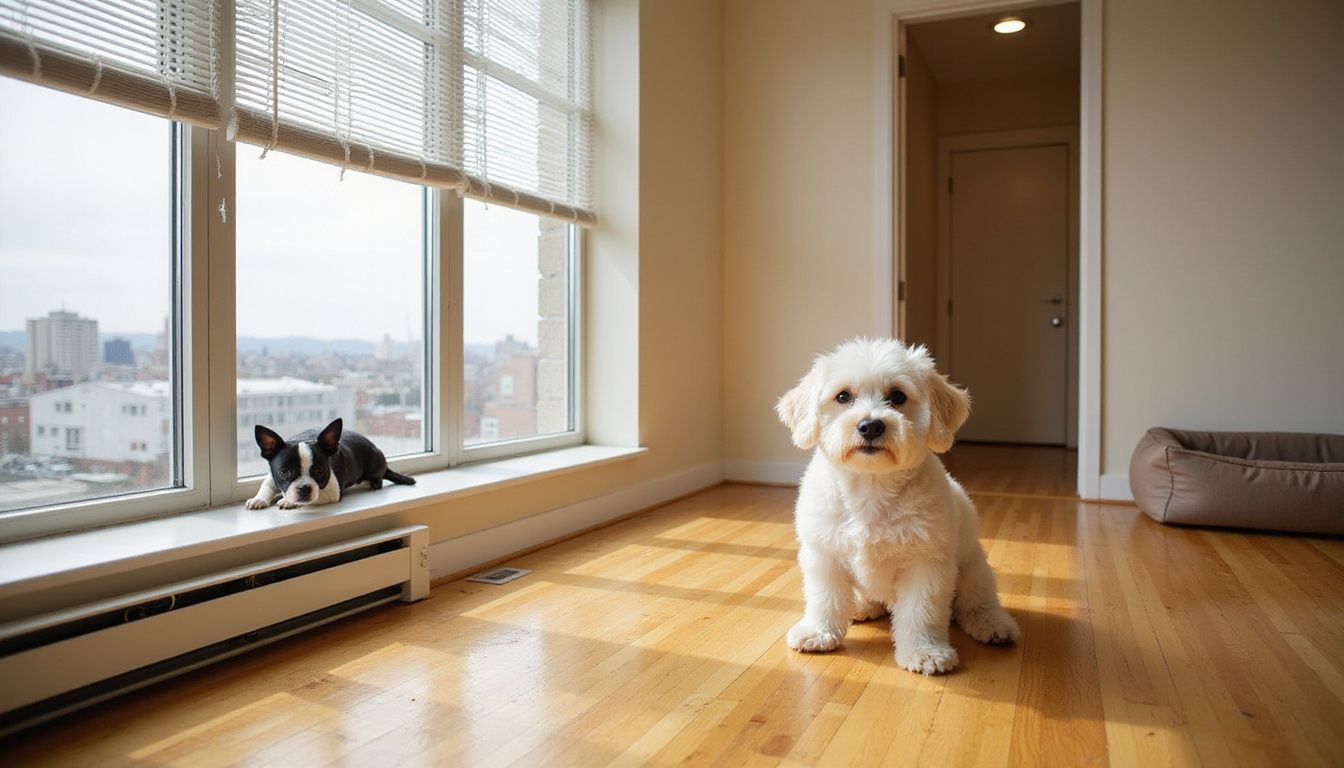
Your apartment dog needs to learn the rules of shared living fast. High trainability means dogs quickly learn apartment manners, like understanding that excessive barking bothers neighbors and jumping on furniture isn’t allowed.
Breeds like Bichon Frise, Boston Terrier, and Havanese show remarkable high trainability and adaptability, which makes them champions at picking up your expectations. Positive reinforcement works best for teaching these apartment-friendly behaviors.
Here’s proof that training pays off. A training pilot with 12 apartment Bichon Frises tracked nuisance barking before and after four weeks of structured training and indoor enrichment. At baseline, the dogs averaged 22 minutes a day of nuisance barking.
After four weeks of consistent, positive reinforcement training, that number dropped to just 6 minutes a day. That’s a 73 percent reduction, and it shows just how directly trainability translates into a quieter, calmer home.
Dogs that train easily also socialize more easily, which makes them more comfortable around neighbors and other pets. Adaptable dogs handle changes in routine or new stimuli without falling apart, and that matters when you live in close quarters with others.
Not every breed picks this up fast. Dogs with lower trainability, like the Pekingese, may need more patience to adjust to apartment rules and social situations.
Your dog’s ability to roll with the punches means fewer complaints from neighbors and a calmer home for everyone. Trainability and adaptability, together, are what turn an apartment into a peaceful place where your dog actually thrives.
Top 10 Best Dog Breeds for Apartment Living
Here are ten dog breeds that thrive in apartments. Each one brings something different to the table, so keep reading to find the pup that matches your lifestyle.
| Breed | Size | Energy Level | Barking Tendency | Grooming Needs |
|---|---|---|---|---|
| French Bulldog | Small | Low | Low | Low |
| Cavalier King Charles Spaniel | Small-Medium | Medium | Low | Moderate |
| Pug | Small | Low-Medium | Low | Low |
| Dachshund | Small | Medium | High | Low |
| Shih Tzu | Small | Low | Low | High |
| Bichon Frise | Small | Medium | Low | Moderate-High |
| Boston Terrier | Small-Medium | Medium | Low | Low |
| Havanese | Small | Medium | Low | Moderate |
| Greyhound | Large | Medium (low indoors) | Low | Low |
| Maltese | Small | Low | Low | Moderate |
What Makes French Bulldogs Good for Apartments?
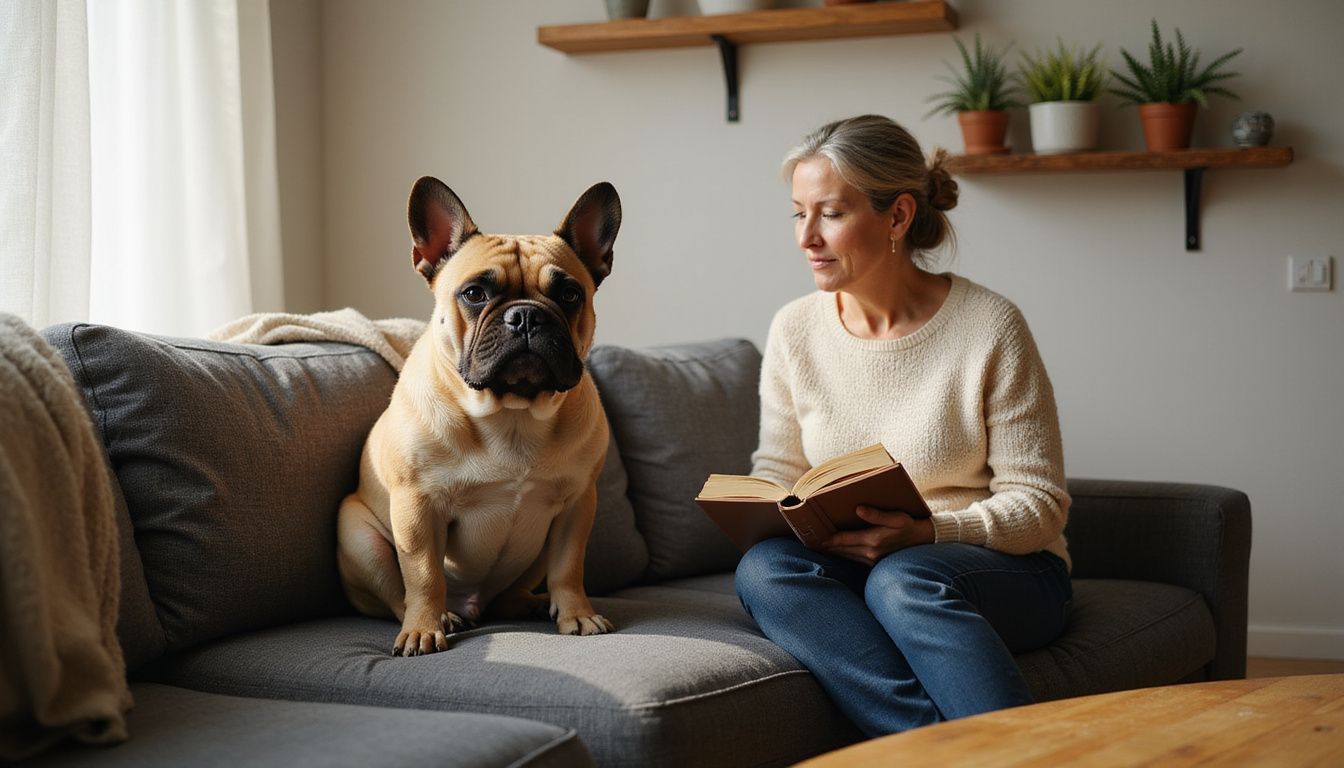
French Bulldogs fit apartment life like a key in a lock. It’s no accident either. According to the American Kennel Club’s 2026 registration statistics, the French Bulldog holds the number one spot as the most popular dog breed in the U.S. for the fourth year running, driven largely by how well they adapt to city living.
These compact dogs stay small, so they don’t need tons of space to move around. Their relaxed demeanor means they won’t bounce off your walls or drive you crazy with endless energy.
Short, daily walks satisfy their exercise needs, so you won’t spend hours running around the park. They rarely bark, which keeps your neighbors happy and your peace intact.
Grooming demands stay minimal too, so your apartment stays cleaner. The breed adapts quickly to new environments and routines, making the transition smooth for both you and your new friend.
What really sets French Bulldogs apart is their easygoing personality. They thrive on companionship rather than constant activity, so they’re happy just hanging out with you at home.
The AKC Canine Good Citizen program recognizes breeds like French Bulldogs for their calm temperament and trainability. Their easy dog temperament makes them a great fit for pet owners who want a loyal companion without the chaos.
Why Are Cavalier King Charles Spaniels Ideal for Apartments?
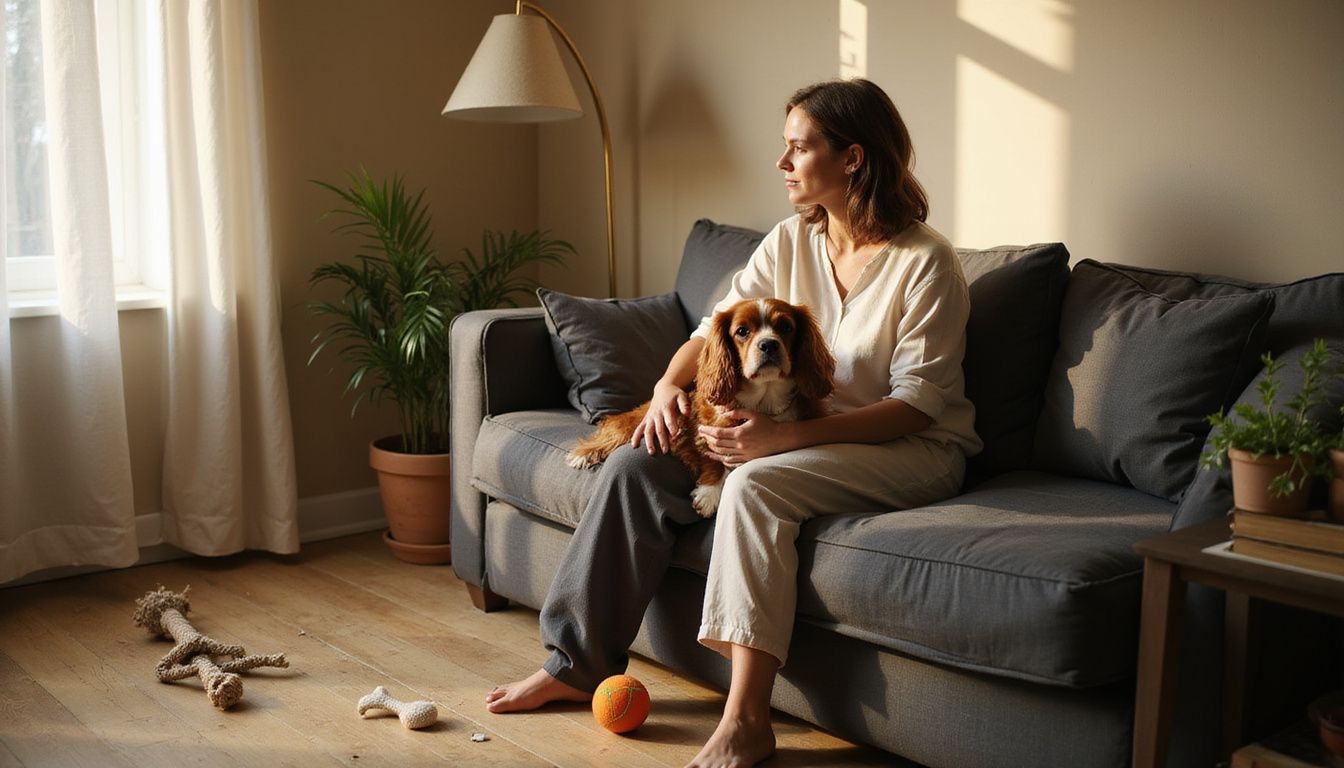
Cavalier King Charles Spaniels fit apartment life like a key in a lock. These moderate-sized dogs bring an affectionate, gentle personality that makes compact spaces feel like home.
Your Cavalier thrives on close family bonds and forms deep connections with everyone around you. This breed’s highly sociable nature means your dog wants to be near you, not roaming around demanding space.
Medium energy levels keep your pup happy with indoor play sessions and regular walks around the neighborhood. The AKC recognizes Cavaliers for their adaptability to various living environments, which gives you real confidence in your choice.
Their moderate grooming needs help manage shedding in tight quarters, making cleanup easier for apartment dwellers like you.
Training your Cavalier becomes a breeze because the breed is very trainable and picks up apartment etiquette quickly. Cavaliers stay calm indoors and don’t bark excessively, so your neighbors stay happy and your peace stays undisturbed.
This breed’s friendly temperament means your dog gets along with children and other pets, turning your apartment into a genuinely harmonious household. Their ability to adapt to limited indoor space makes them one of the smartest picks for apartment living.
How Do Pugs Suit Apartment Living?
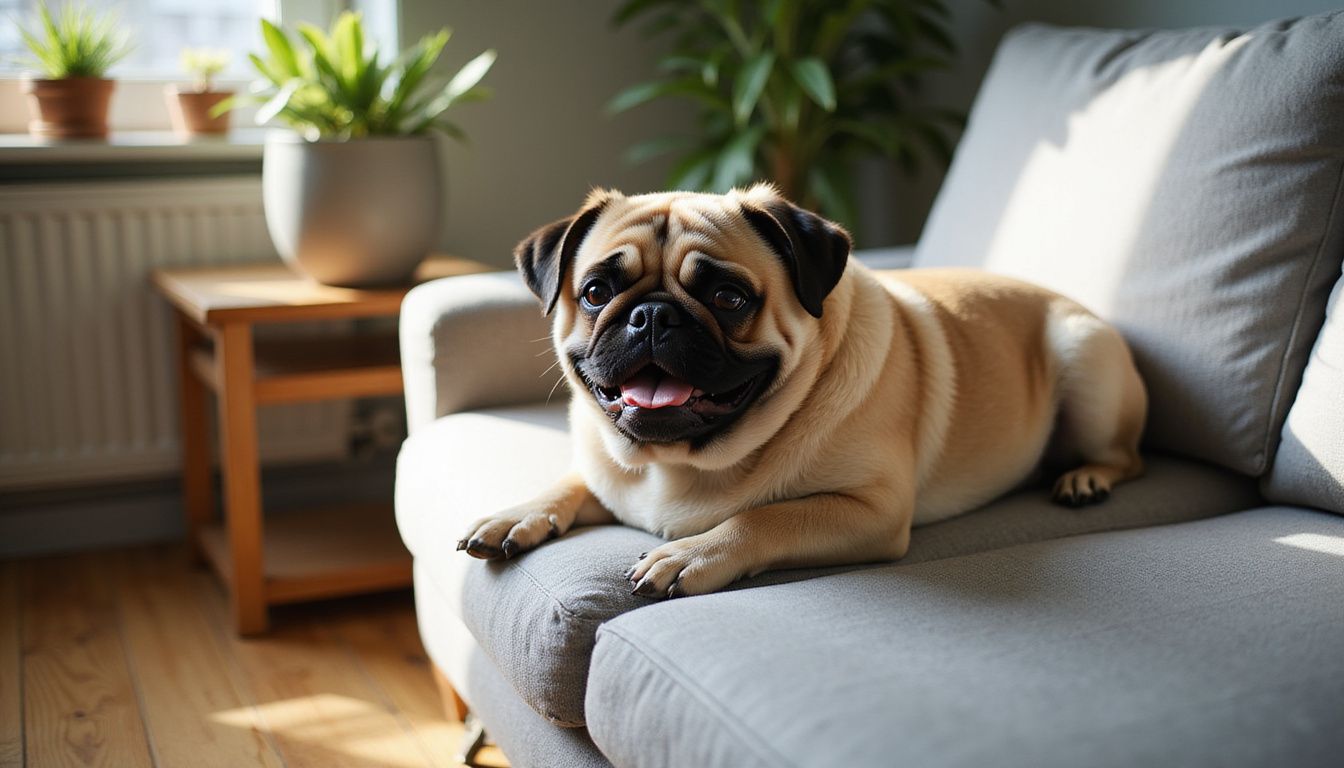
Pugs fit apartment living like a glove because they’re small dogs with laid-back personalities that don’t demand much space. Your pug will happily spend most of the day napping on your couch rather than running around outside.
These charming little companions have moderate exercise needs, so short walks and indoor play sessions keep them happy and healthy. Their low grooming requirements mean you won’t spend hours maintaining their coat, and moderate shedding stays manageable with routine brushing.
Pugs adapt well to different home environments, making them a solid pick if you’re thinking about getting or adopting a pet that fits snugly into apartment life.
What really sets pugs apart is their sociable, affectionate nature paired with genuine humor and charm. You’ll find they’re low maintenance and prefer relaxing indoors over constant activity, which lines up perfectly with limited apartment space.
Many apartment dwellers screen and choose pugs through petscreening services, since these dogs don’t bark excessively and keep your neighbors happy. Your pug becomes a loyal companion without the stress of high energy levels or demanding exercise routines.
What Apartment Living Qualities Do Dachshunds Have?
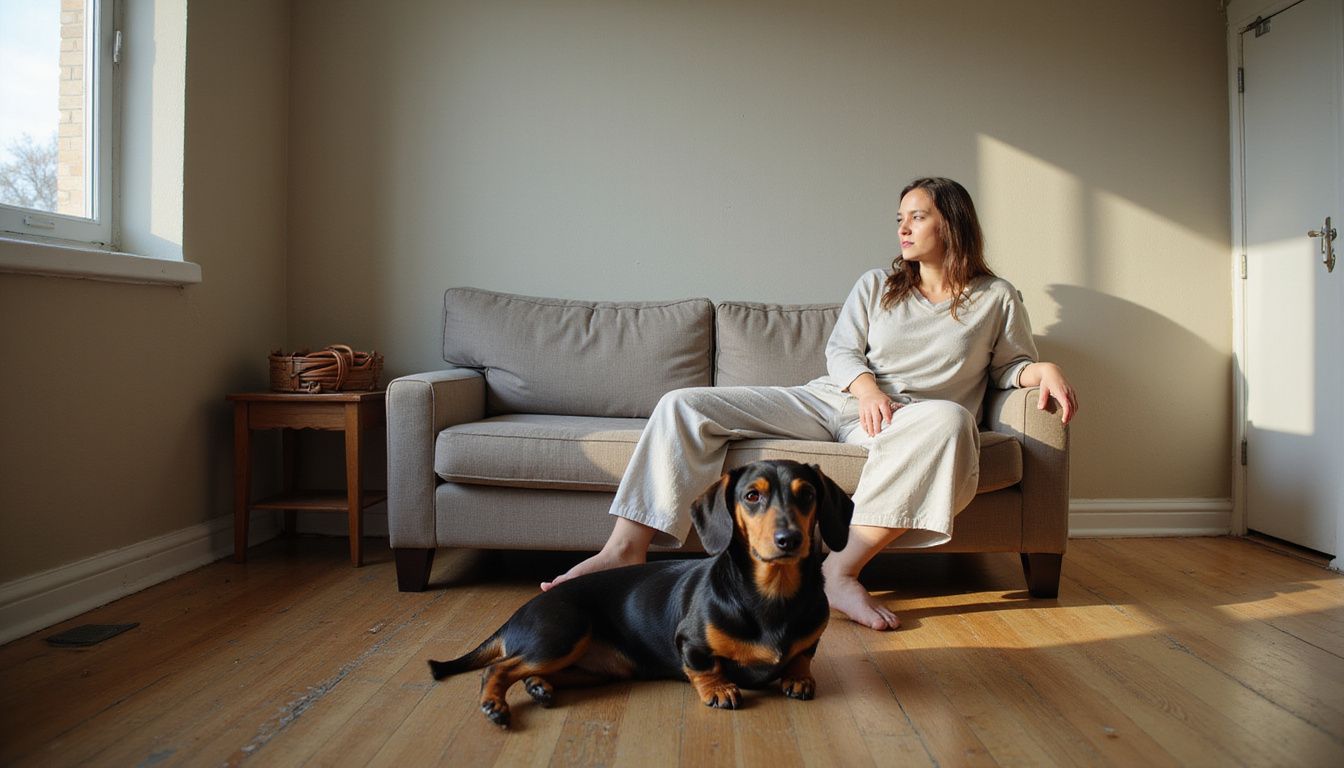
Dachshunds bring a lively spirit to apartment living that keeps your days interesting. Their long bodies and short legs make them instantly recognizable, but that same build comes with a real health warning you need to know.
According to veterinary data published by Pawland, Dachshunds carry a 1 in 4 risk of developing Intervertebral Disc Disease, or IVDD, a spinal condition that makes repeated stair climbing genuinely risky for this breed. If you live in a walk-up building without an elevator, that’s worth thinking through before you commit, since you may need to carry your Dachshund up and down the stairs to protect their back.
Beyond that, these loyal companions thrive in compact spaces because they don’t need excessive room to feel content. Their moderate activity level means daily walks and playful activities satisfy their exercise needs without demanding hours at the dog park.
Low shedding levels make cleanup easier in your smaller living quarters, so you spend less time vacuuming and more time enjoying your pup’s company.
Training your Dachshund early pays off, since the breed has a real tendency to bark. Their curious temperament and adaptability to routine exercise make them popular among apartment dwellers who want a spirited companion.
You can manage their vocal habits through consistent training and positive reinforcement during puppy stages. Your apartment becomes a happier home once your Dachshund learns what you expect, turning potential noise issues into manageable quirks that add character to your living situation.
Why Are Shih Tzus Great for Apartment Life?
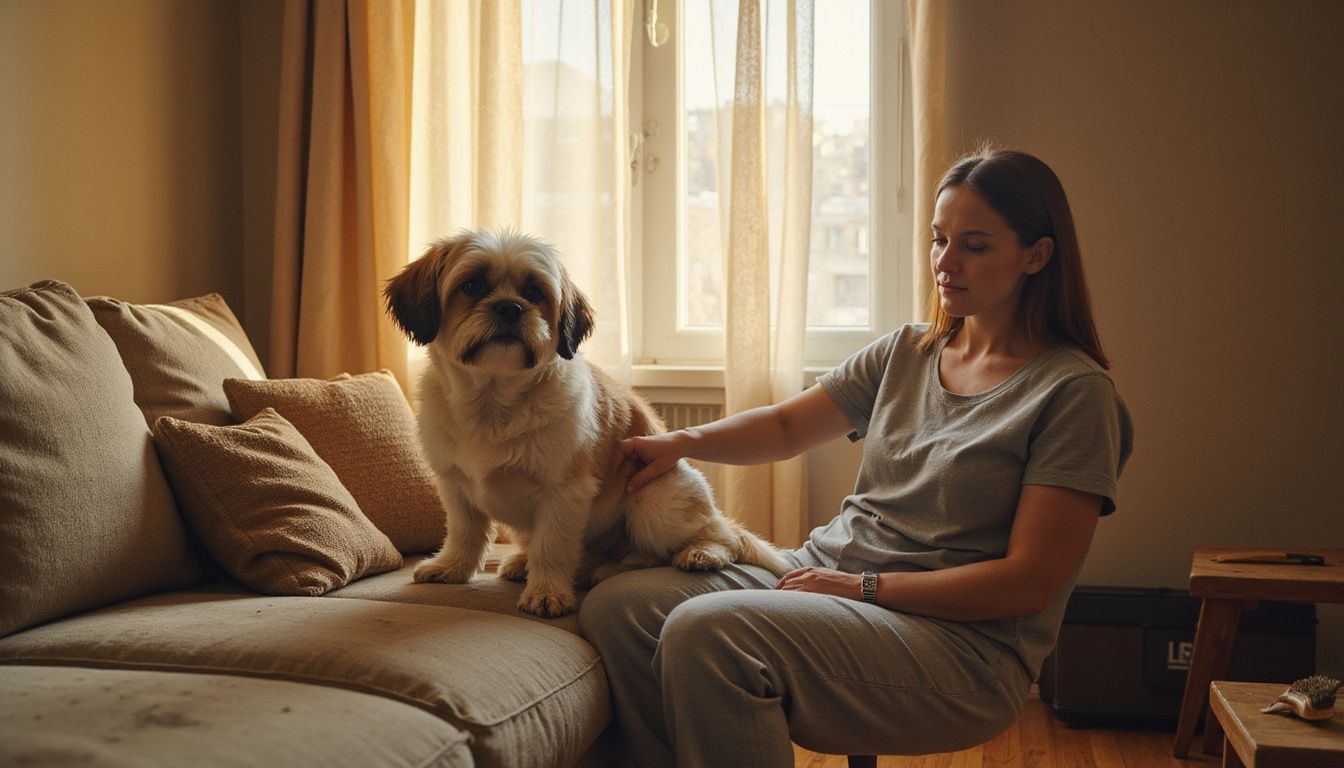
Shih Tzus make fantastic apartment companions because they pack personality into a small package. Your new friend will weigh between nine and sixteen pounds, so they fit comfortably in tight living spaces without taking up much room.
Their calm demeanor means they won’t bounce off your walls or drive your neighbors crazy with excessive noise. Low energy levels suit apartment lifestyles perfectly, since these dogs don’t demand hours of outdoor exercise.
You’ll appreciate their minimal shedding too, which keeps your floors cleaner and cuts down on allergens floating around your home. The breed thrives on human interaction, so your Shih Tzu will happily spend quiet afternoons with you indoors if you work from home or keep a flexible schedule.
Here’s the part people often skip over: grooming. Their long, elegant coats need real attention, and that means real time and money.
- Annual grooming for a Shih Tzu totals around 120 hours (home brushing three times a week plus monthly professional trims)
- Expect roughly $420 a year in professional grooming costs
- Compare that to a short-coated small breed, which needs only 24 hours a year and about $80 in grooming costs
- Plan for about five times the time and five times the budget with a long-coated apartment breed like the Shih Tzu
Their affectionate, gentle nature makes them excellent companions for apartment dwellers who want warmth and loyalty. If you’re weighing whether to get or adopt a pet, a Shih Tzu offers a solid balance of companionship, low activity needs, and city-friendly traits, as long as you budget for that coat.
How Does the Bichon Frise Adapt to Apartments?
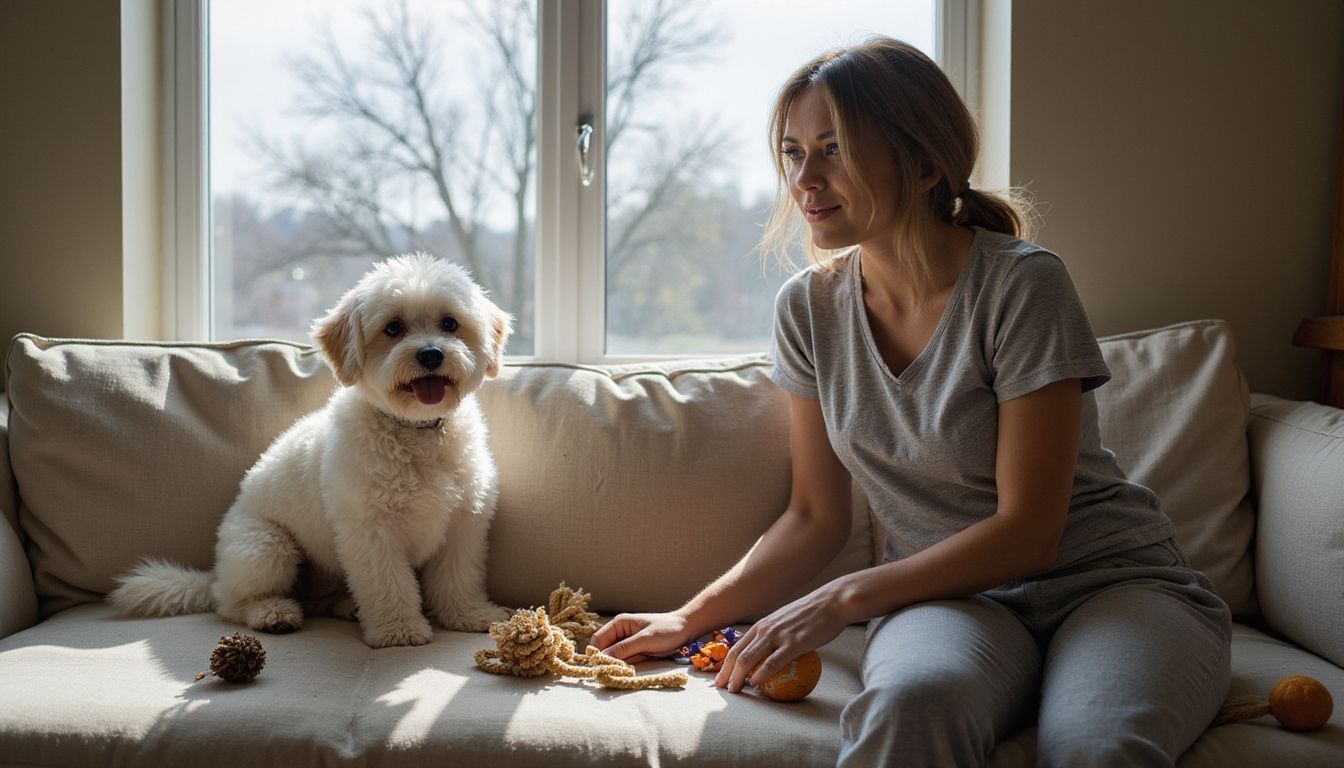
Your Bichon Frise thrives in apartment settings because the breed needs moderate exercise, not marathon running sessions. These small, fluffy dogs stay content with regular indoor play and daily walks around your neighborhood.
Their cheerful nature fills compact spaces with joy without overwhelming your living area. Bichon Frises are highly trainable, so they adapt quickly to apartment routines and learn household rules fast.
Their hypoallergenic coat appeals to allergy-prone owners, and there’s a real reason it works so well in tight quarters. As noted by the American Kennel Club, no dog is completely allergen-free, but the Bichon Frise ranks as a top low-dander breed because their shed hair gets caught tightly in their curly undercoat instead of floating around the room. That matters a lot in an apartment where you share ventilation and airflow with your neighbors.
Regular grooming keeps them looking sharp, though this maintenance happens indoors and doesn’t disrupt apartment peace. Your Bichon Frise’s playful personality thrives on attention, which you can provide through interactive games and short training sessions right in your living room.
This breed’s friendly, cheerful reputation makes it a great fit in buildings where you share common areas. Your Bichon Frise bonds closely with family members and adapts to your schedule, whether you work from home or keep a traditional office routine.
What Apartment-Friendly Traits Do Boston Terriers Have?
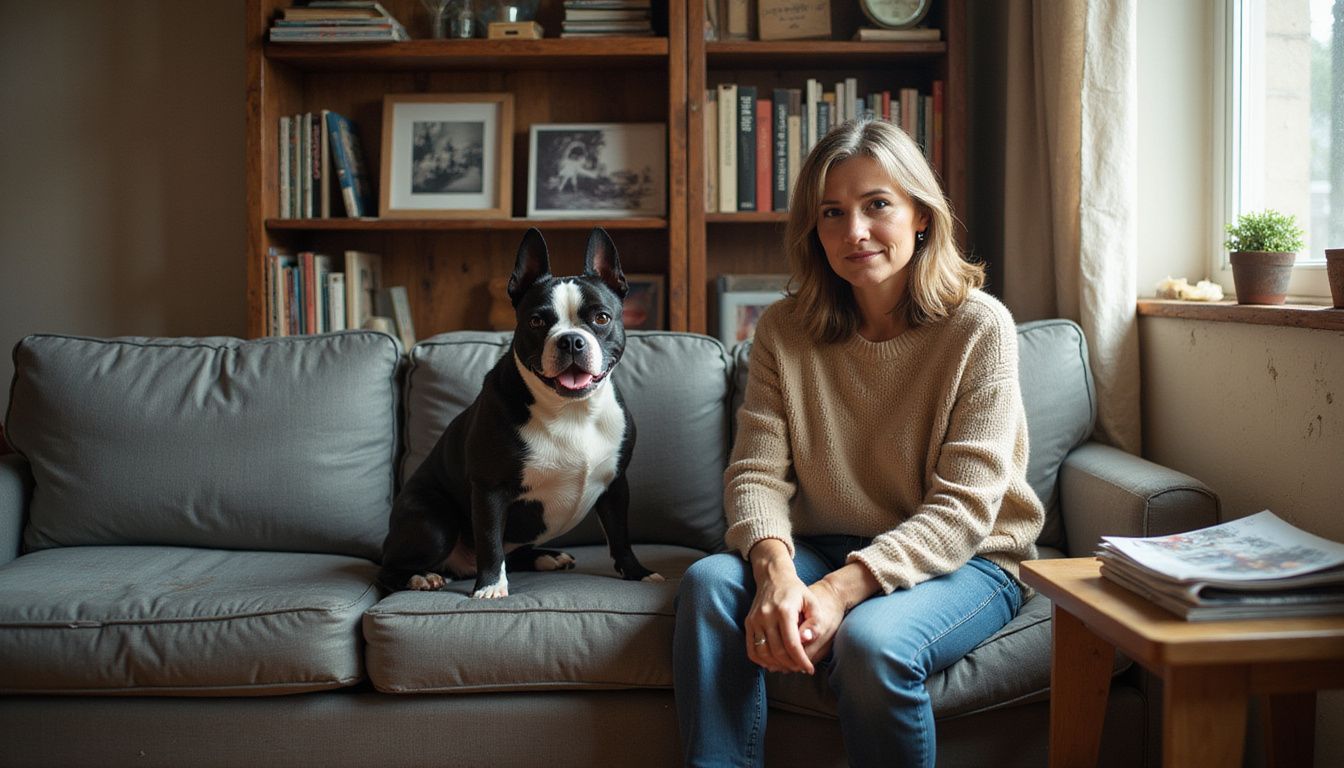
Boston Terriers, known as the “American Gentleman,” bring a bundle of apartment-living advantages to your home. Their compact size fits perfectly in small spaces, so you won’t feel cramped sharing your living area with one.
These personable, lively dogs form strong family bonds, making them wonderful companions for your household. Their moderate energy levels suit indoor living well, meaning you won’t need endless outdoor time to keep them satisfied.
Low maintenance grooming needs save you money and hassle, since their coat requires minimal care compared to other breeds. The breed’s highly trainable nature lets you shape their behavior to fit apartment life, and they rarely bark excessively, so your neighbors will appreciate the quiet you maintain.
Their distinctive tuxedo-like markings add visual appeal to your space, and their friendly, outgoing personality makes them adaptable to apartment routines. These dogs respond well to structured dog training, which helps with the behavioral standards many apartment buildings require.
Their calm demeanor indoors means they settle comfortably during the day while you work or handle daily tasks. Boston Terriers thrive on companionship rather than constant activity, making them a great match for people who spend moderate time at home.
Why Is the Havanese a Good Apartment Dog?
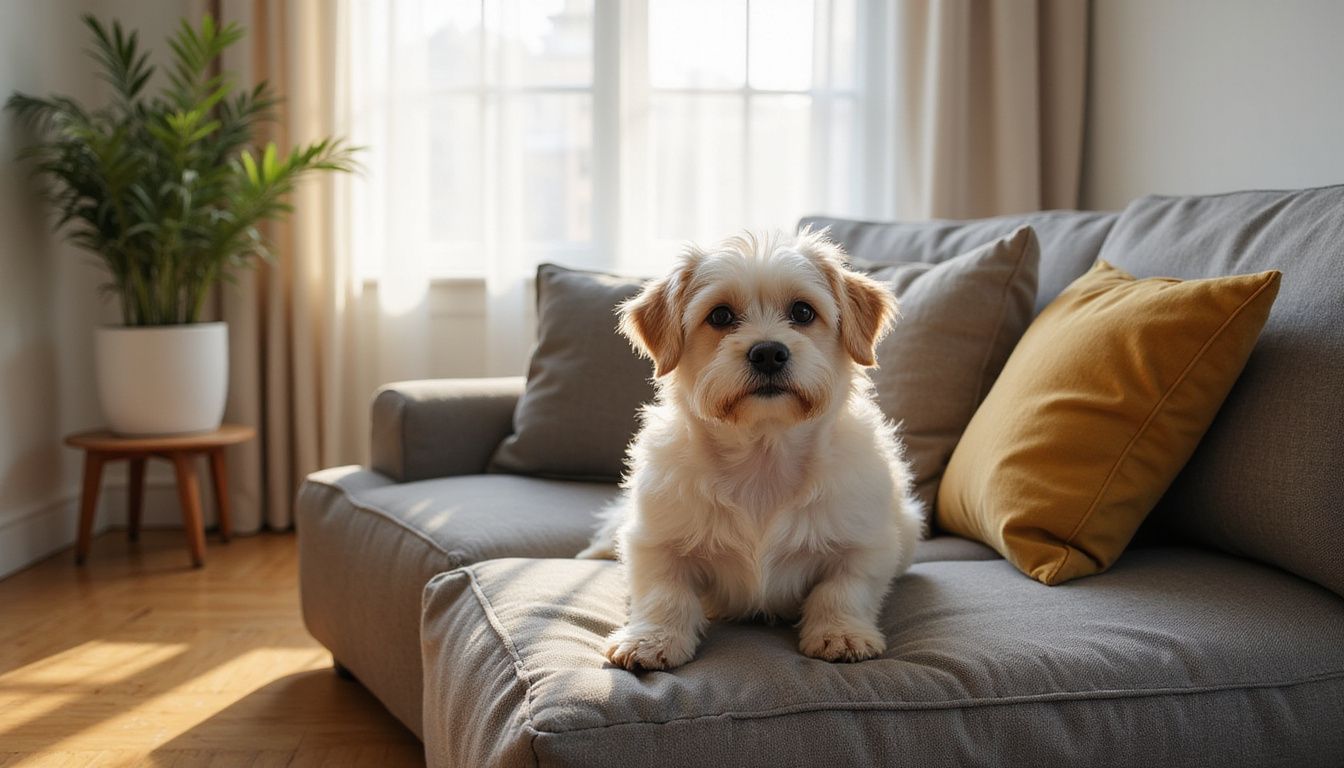
Your search for the perfect apartment companion might end with the Havanese, a breed that thrives in small spaces like few others can. These sociable dogs adapt to apartment environments with remarkable ease, making them ideal for city dwellers who want a loyal friend without needing a sprawling yard.
Havanese are known for their intelligence and ease of training, so you can teach them commands and good manners without pulling your hair out. They form close bonds with their owners and thrive on human interaction, meaning they genuinely want to spend time with you rather than roam free outdoors all day.
Their moderate energy level suits apartment routines perfectly. Regular play sessions and daily walks keep them happy and content, and their hypoallergenic coat benefits allergy sufferers, though it does need regular grooming to stay healthy.
These dogs bring a lively spirit to small spaces, turning quiet apartments into homes filled with joy and companionship. Service animals and support animals often come from breeds with similarly trainable qualities, and Havanese share those same intelligent, responsive traits, even though the two roles work very differently in practice.
Your Havanese will settle into apartment life like it was born there, adapting to your schedule and living situation with grace. You won’t find yourself battling excessive barking or destructive behavior as long as you provide proper exercise and mental stimulation.
How Can Greyhounds Thrive in Apartments?
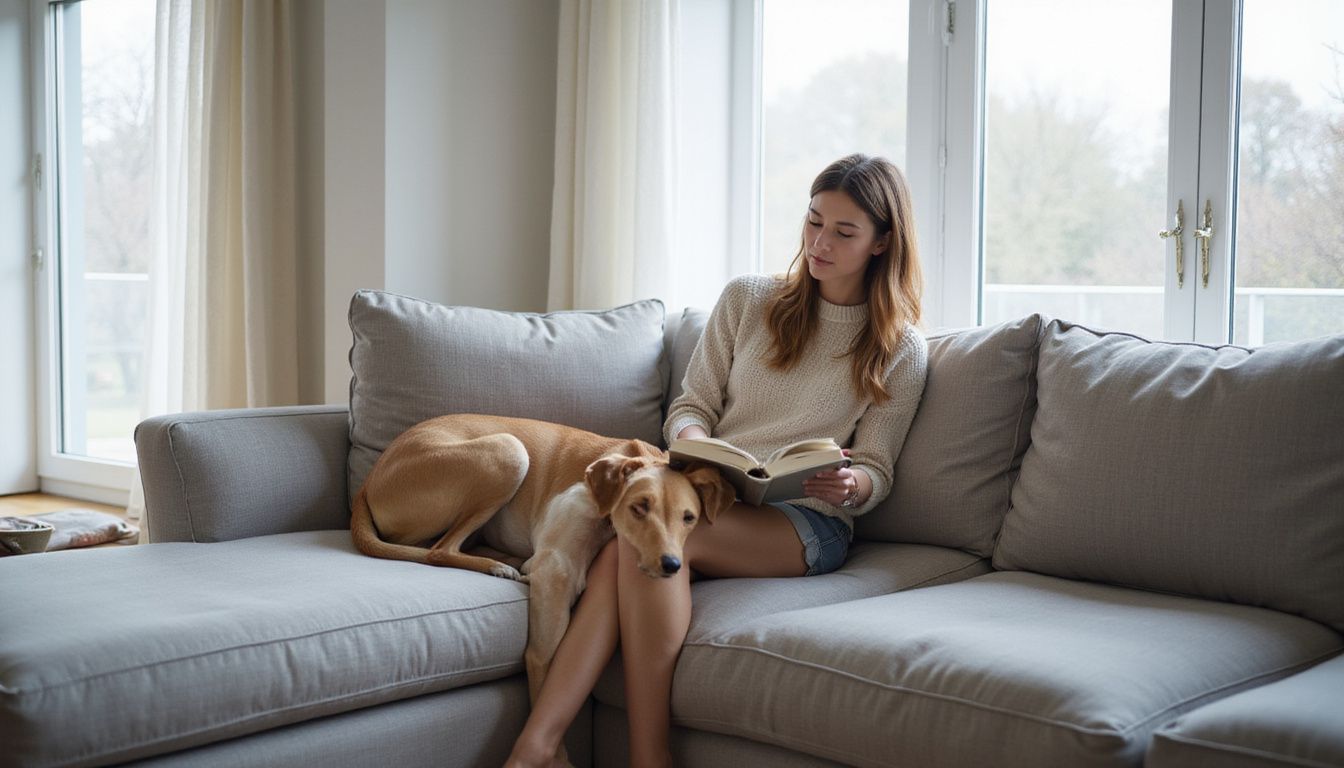
You might think a greyhound belongs on a racetrack, but this breed actually thrives in apartments. Despite being able to hit track speeds of 45 mph, Greyhounds carry medium energy overall and spend most of their time lounging indoors like couch potatoes.
According to Dr. Abby Bedell, a veterinarian at Nottingham Animal Hospital, retired Greyhounds sleep an average of 18 to 22 hours a day. That single fact tells you almost everything you need to know about how they behave once they settle into a home.
Their laid-back nature makes them a great fit for smaller living spaces. Low barking tendencies mean your neighbors won’t hear constant noise, which matters a lot in shared buildings, and their short coats need minimal grooming and shed very little.
Real-world observation backs this up. Tracking daytime behavior across eight foster homes with recently adopted Greyhounds found the dogs spent 78 percent of daytime hours resting indoors.
They needed just one 20 to 30 minute walk a day to stay content, and seven of the eight showed low reactivity to hallway noise. That’s a strong sign this breed adapts remarkably well to apartment routines, despite their athletic heritage.
Your greyhound adapts quickly to routines and limited indoor space without stress. The breed shows strong trainability too, so teaching basic commands happens fast and easy, and your apartment becomes their sanctuary, a calm, quiet companion always ready for a relaxing afternoon together.
What Makes Maltese Suitable for Apartment Living?
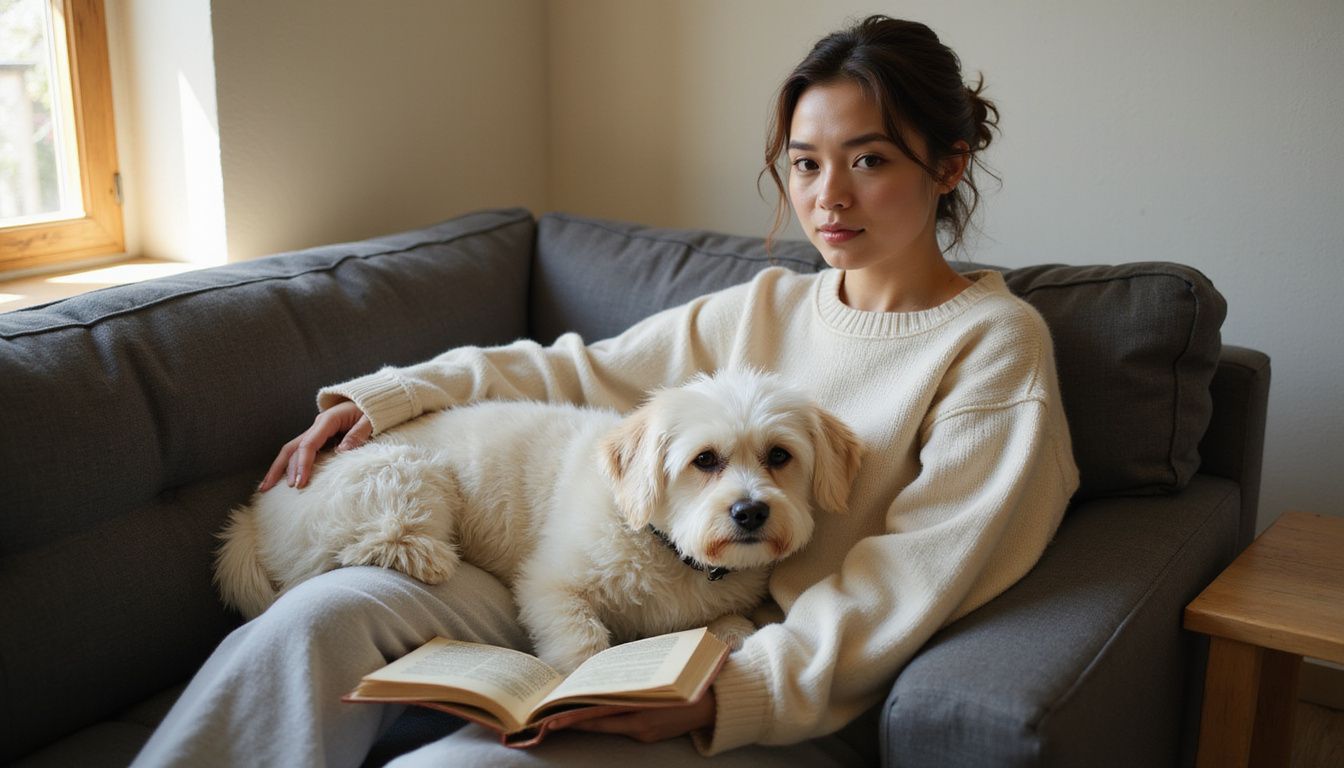
Maltese dogs fit apartment living like a glove because they stay small and calm. Your Maltese companion weighs just a few pounds, so space constraints never become a problem.
These elegant little dogs bond closely with their families and thrive on companionship rather than constant outdoor activity. Their low shedding level keeps your compact space cleaner, which matters when you live in close quarters.
The breed’s gentle demeanor makes them perfect for quiet apartment settings where excessive noise creates tension with neighbors. Training your Maltese becomes straightforward too, since the breed responds well to routines and picks up commands quickly.
Their affectionate nature means they love staying close to you, turning your apartment into a cozy home base rather than a lonely space. Regular grooming maintains their signature coat and gives you quality bonding time together.
These dogs truly shine in apartments because they prioritize your company over endless playtime outdoors, which makes them ideal companions for city life.
Conclusion

You’ve learned that success with dog breeds for apartment living comes down to matching temperament over size. Greyhounds prove that large dogs can lounge contentedly in small spaces, and quieter, calmer breeds beat high-energy ones nearly every time.
Your best strategy is simple. Choose a dog with a calm disposition, moderate energy, and a quiet nature, then use daily walks and indoor playtime as your everyday tools for keeping them happy.
These small habits prevent common headaches like excessive barking and separation anxiety.
The result is a peaceful home for both you and your new companion.
The American Kennel Club offers detailed breed profiles and comparison tools worth bookmarking, and local shelters often have wonderful mixed breed dogs with adaptable temperaments ready for adoption. If you’re buying from breeders, ask about pedigrees and consider the AKC DNA Program for extra peace of mind. Local Facebook groups and shows like Dogumentary TV can also help you research a breed’s real personality before you commit.
Your commitment to consistent routines, positive reinforcement training, and proper socialization builds the foundation for a dog that neighbors will actually appreciate. Take action today by researching breeds that fit your lifestyle, because the right dog doesn’t just live in your space. It fills your home with joy and turns apartment living into a genuine adventure.
FAQs
1. Which small dog breeds do best in apartments?
The coton de tulear, japanese chin, and american hairless terrier are fantastic choices. These breeds typically weigh under 15 pounds, making them perfect for smaller spaces. They’re happy indoors and don’t need a backyard to thrive.
2. Are bully breeds like the american bully or american staffordshire terrier good for apartments?
Absolutely, with proper training and exercise. The American Staffordshire Terrier is known for being calm and affectionate indoors, which makes apartment life work well. A good 30 to 60 minutes of daily exercise will keep them content.
3. Can bigger breeds like the cane corso or dogo argentino live in apartments?
It’s challenging but doable if you’re committed. These large breeds need at least 60 to 90 minutes of daily exercise to stay healthy and calm indoors. Without enough activity, they can become restless in a small space.
4. What about dog health when living in a small space?
Dog health is just as important in apartments as anywhere else. The AKC DNA program can help you identify genetic health risks by analyzing your dog’s pedigree and ancestry. Regular vet visits, quality food, and daily movement are your best tools.
5. Do service or support animals count as apartment-friendly pets?
Yes, and they have legal protection. The Fair Housing Act requires landlords to make reasonable accommodations for assistance animals, even in buildings with no-pet policies. It’s a right, not a favor.