Picking the right apartment dog takes some thought. You need to match your space, your schedule, and your allergies with a breed that actually fits your life.
What size and space needs suit apartment dogs?
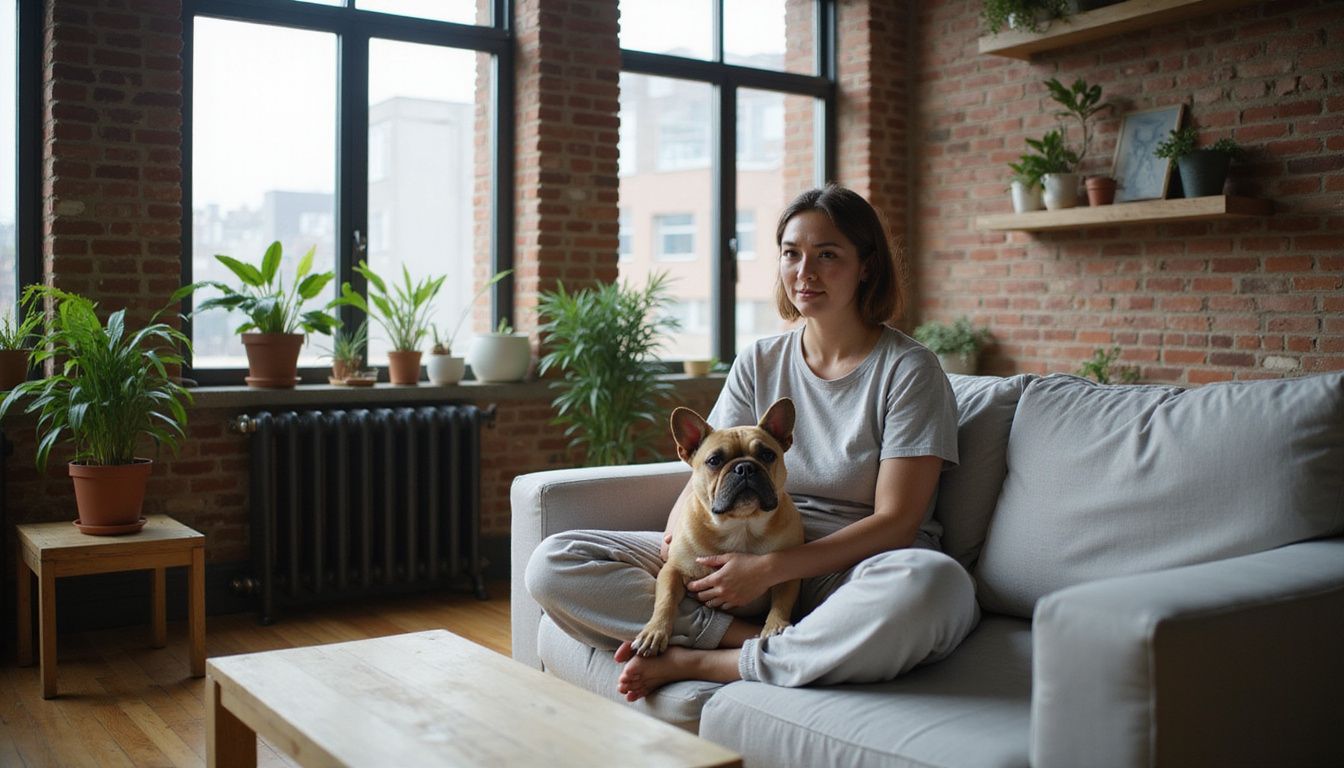
Small dog breeds fit apartment living like a key fits a lock. Toy breeds, miniature varieties, and small dogs under twenty pounds thrive in compact spaces because they need less room to feel comfortable.
That size matters more than you might think for one big reason: your lease. According to a 2024 report by the Michelson Found Animals Foundation, half of all pet-friendly rentals in the US cap weight limits at an average of 45 pounds. Some leases also name specific breeds, like Pit Bulls, Rottweilers, or wolf dogs, as restricted regardless of size, so read your lease’s breed clause carefully before you fall for a dog.
French Bulldogs, Bichon Frises, Toy Poodles, Maltese dogs, Shih Tzus, and Yorkshire Terriers all settle nicely into studios and one-bedroom apartments without feeling cramped. Your actual square footage matters less than you’d think. A pied-a-terre in Manhattan works just as well as a condo in Los Angeles for these little companions.
Here’s a fun twist: bigger doesn’t always mean worse for apartment living.
- Great Danes adapt surprisingly well to small spaces thanks to their calm demeanor and low exercise needs.
- Greyhounds need only short bursts of activity, then spend most of the day lounging in your living room.
- Italian Greyhounds, the smallest sighthounds, fit right into indoor life with a bit of supervision and care.
Dogs bred for less physically demanding roles usually carry lower energy levels, which suits apartment living beautifully. Layout matters too. A floor plan with good flow helps your dog move around freely without getting overstimulated by tight corners and narrow hallways.
The best apartment dog isn’t always the smallest one; it’s the calmest one.
How much maintenance do apartment dogs require?
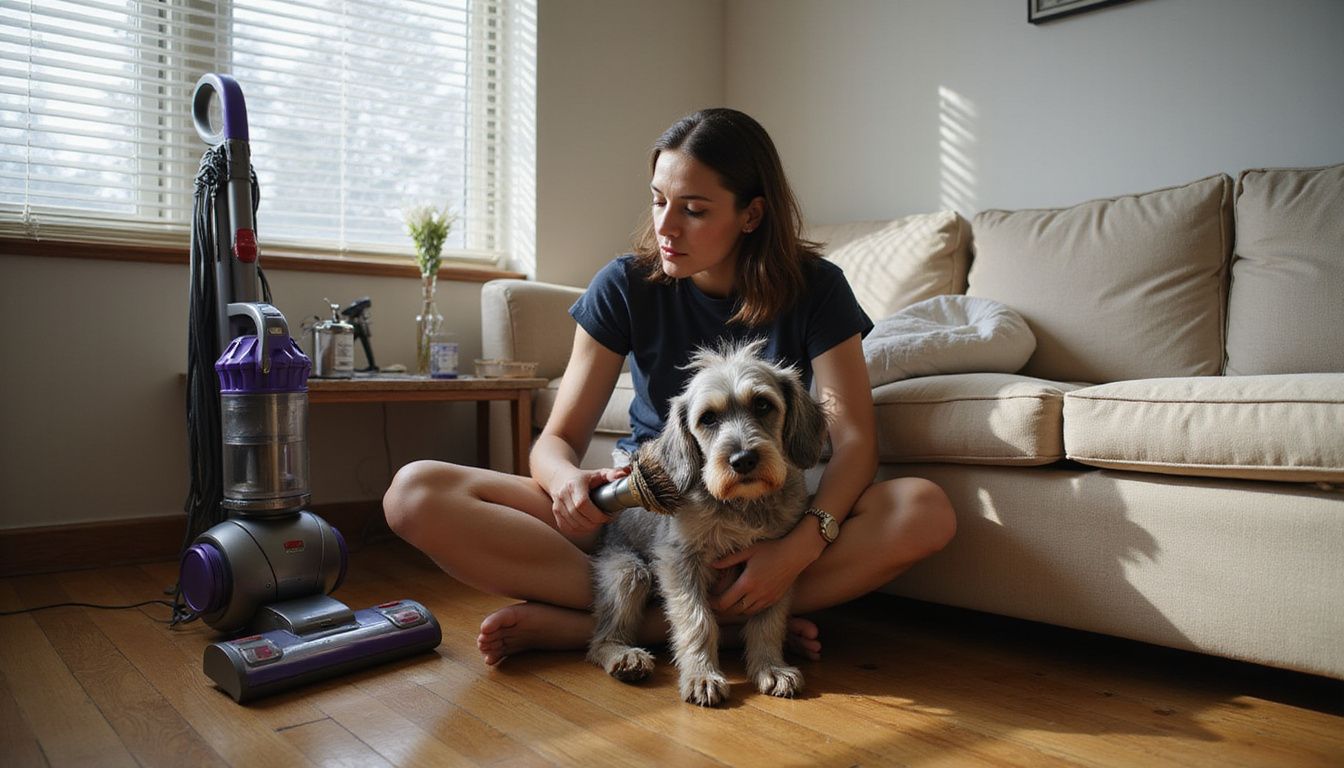
Now that you know what size works best, maintenance level matters just as much. Low-shedding breeds keep your space cleaner and cut down on allergens that might bother you or your guests.
Grooming needs and shedding levels decide how much daily work lands on your plate. Here’s how some popular low-maintenance breeds stack up:
- Miniature Schnauzers need professional grooming every six to eight weeks to keep that signature beard and eyebrows tidy.
- Cavalier King Charles Spaniels rarely bark, but they still need daily outdoor time and consistent training.
- French Bulldogs and English Bulldogs bring low exercise needs and a generally quiet temperament to apartment life.
- Boxers have a short coat that needs almost no upkeep, plus a quiet nature when they get enough exercise.
- Miniature Dachshunds do best in one-level apartments without stairs, and they need regular exercise to avoid boredom.
None of these breeds will shed your furniture into oblivion, so cleanup stays simple. Brushing your dog a few times a week prevents matting and cuts down on loose hair floating around your home.
A good vacuum built for pet hair becomes your best friend fast. Mental stimulation matters too. Toys like the Chuckit! ball launcher and Chuckit! amphibious dog toy kit keep your dog engaged indoors without needing your constant attention, and dogs that stay busy cause fewer problems overall.
Which dog breeds are truly hypoallergenic?
Maintenance matters, but so does understanding what hypoallergenic really means for your situation. Hypoallergenic dogs are bred to produce fewer allergens, making them a better fit for allergy sufferers like you.
Here’s the catch, though: allergens come from skin, saliva, and urine, not just fur, so no dog is completely allergen-free. According to the American College of Allergy, Asthma, and Immunology, over 90% of human dog allergies trace back to a specific protein called Can f 1, found in a dog’s dander and saliva. Low-shedding breeds simply reduce how much of that protein floats around your apartment.
Beyond the popular picks, several other breeds deserve a spot on your list:
- Poodles (Standard, Miniature, Toy) are intelligent, low-shedding dogs that need regular grooming to prevent matting.
- Bichon Frises are small, playful, and covered in a curly hypoallergenic coat that responds well to positive reinforcement training.
- Portuguese Water Dogs bring a medium-sized, thick curly coat that sheds minimally, plus a genuine love of water.
- Chinese Crested dogs come hairless or powderpuff, both hypoallergenic and unmistakably striking.
- Lagotto Romagnolos were bred as water retrievers and make good family dogs that adapt well to kids and other pets.
- Xoloitzcuintlis (Mexican Hairless Dogs) come in toy, miniature, and standard sizes, hairless or short-coated, and both are hypoallergenic.
Bolognese dogs round out the list as another solid, low-shedding option for apartment dwellers. You might also come across Affenpinschers, Barbets, and Irish Water Spaniels on hypoallergenic lists, though they’re less common companions in US apartments.
The key is matching your lifestyle with a breed that fits your space, your grooming commitment, and your specific allergy concerns.
Best Low-Maintenance and Hypoallergenic Dog Breeds
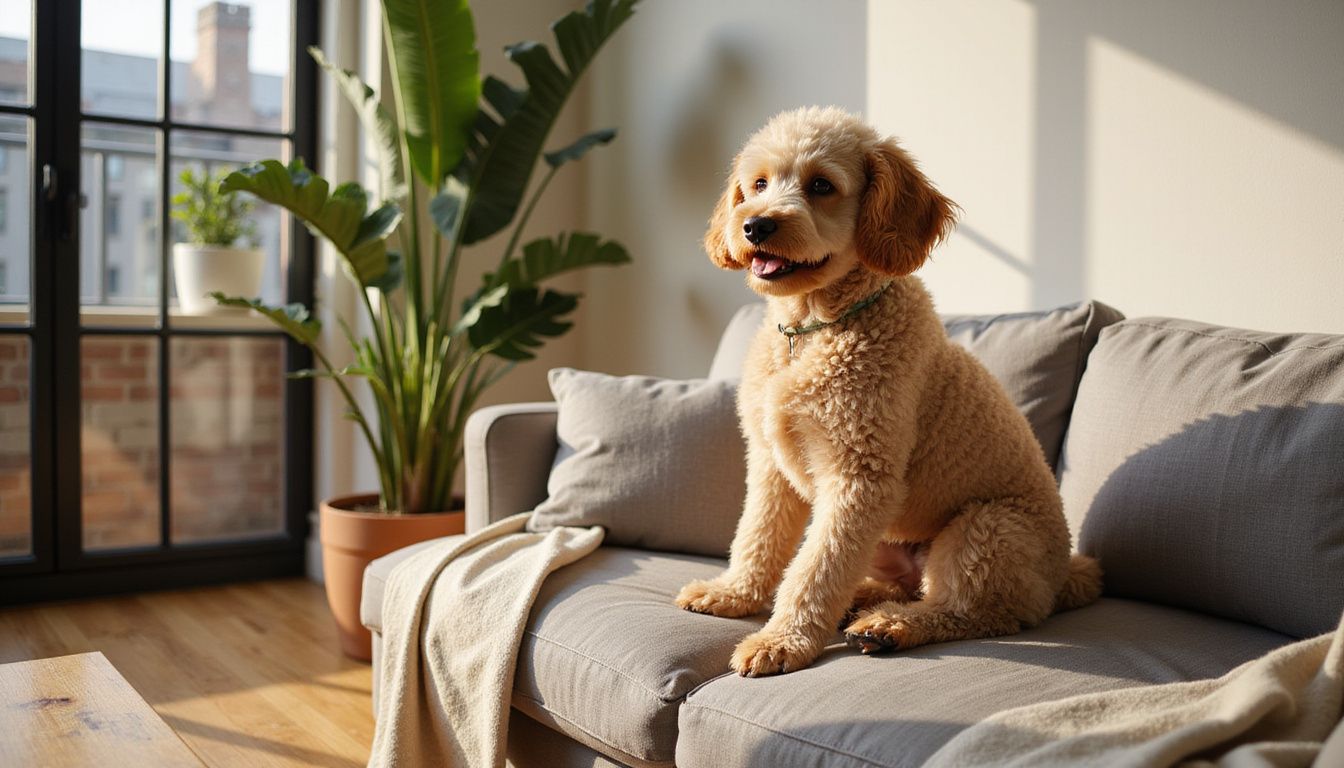
Several dog breeds stand out as apartment champions, offering low-shedding coats and calm temperaments that won’t drive your neighbors up the wall. These breeds range from tiny lap dogs to medium-sized companions, and they all share one thing in common: they thrive in smaller spaces without demanding constant attention or endless grooming marathons.
Why is the French Bulldog ideal for apartments?
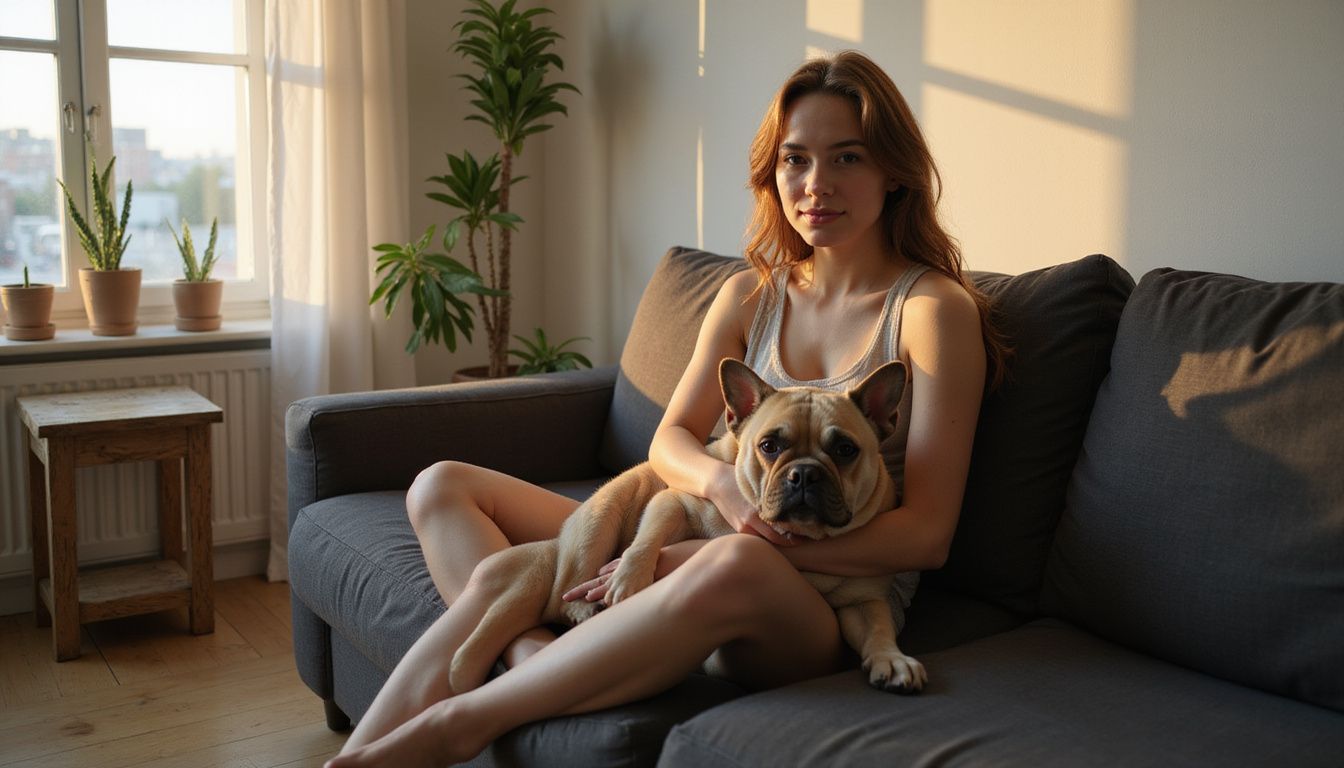
The French Bulldog packs everything you need into a compact, low-maintenance package, and it’s not just apartment dwellers who think so. According to 2025 registration data from the American Kennel Club, French Bulldogs ranked as the most popular dog breed in the United States for the fourth year running. These brachycephalic breeds sport a sturdy build and relaxed temperament that makes apartment living feel natural.
They rank among the top 15 breeds recommended for apartment living, and it’s easy to see why. Short walks satisfy their activity needs completely, so you won’t be dragging them around the block three times a day.
- Playful and affectionate without being easily agitated, so your neighbors won’t hear constant barking.
- Minimal grooming needs, which means more time enjoying your dog and less time brushing.
- Low energy demands that suit small spaces where running room is limited.
A French Bulldog doesn’t need much space to be happy; it just needs you.
French Bulldogs thrive as companions in cities, and apartment dwellers keep choosing this breed for good reason. Their quiet nature means they enjoy time with you without creating disturbances, and pet policies often favor this breed since it causes fewer noise complaints than larger, more active dogs.
Training comes easier with their cooperative attitude, so teaching apartment etiquette takes less effort. Pet dander concerns matter less here compared to heavy-shedding breeds, which keeps your apartment cleaner, your allergies calmer, and your dog content in its cozy home.
What makes the Bichon Frise low-maintenance and hypoallergenic?
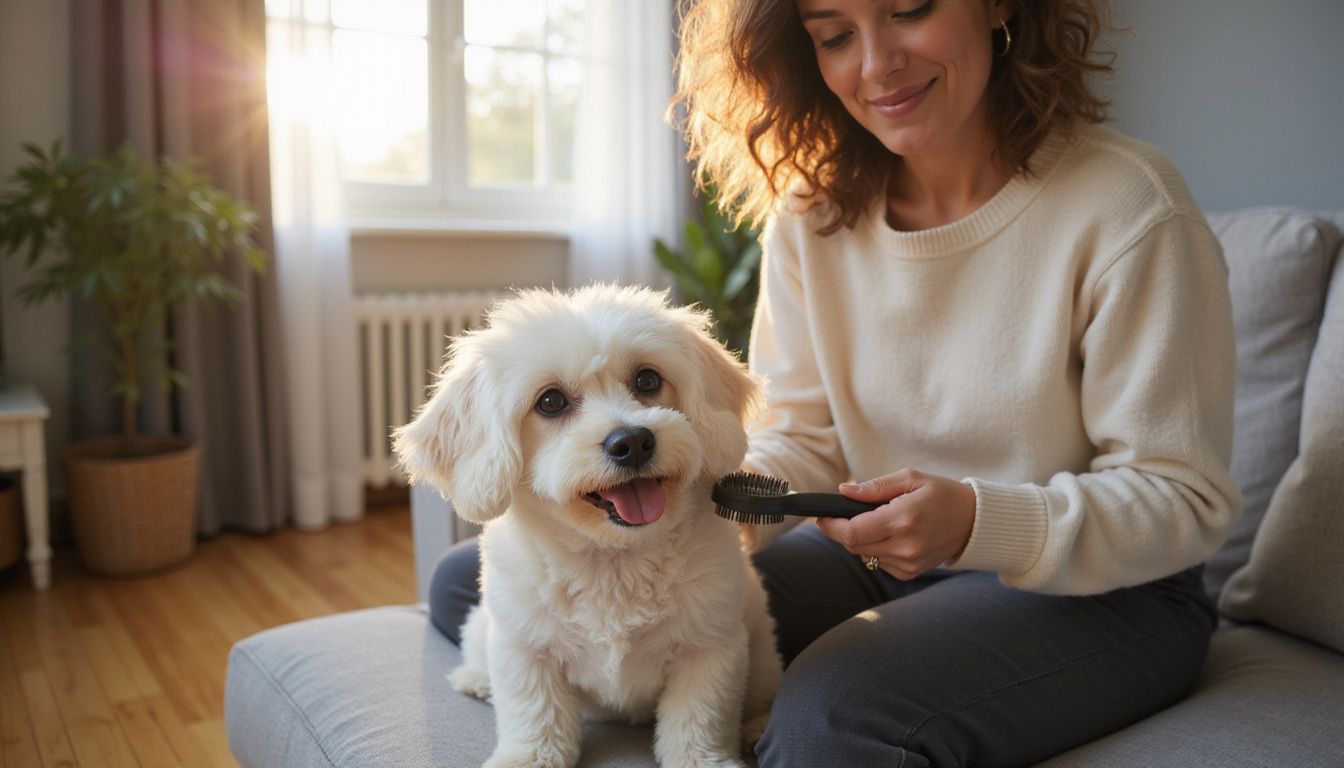
Your Bichon Frise comes with a hypoallergenic curly coat that sets this breed apart from other low-shedding dogs. This special coat produces minimal dander, so you won’t find fur tumbleweeds rolling across your apartment floors.
The breed sheds far less than standard schnauzers or beagles, making it a solid pick if allergies plague your household. Their small size means less surface area for allergens to spread throughout your living space, and according to American Kennel Club breed standards, a healthy adult Bichon Frise weighs just 12 to 18 pounds, well under most landlord weight caps.
The curly texture traps loose hair close to the skin instead of releasing it into the air, which benefits everyone sharing your home. You’ll breathe easier, and your apartment stays cleaner with a Bichon by your side.
A steady grooming routine keeps that hypoallergenic advantage working for you:
- Brush regularly to prevent matting and reduce the dander that triggers allergic reactions.
- Schedule professional grooming every four to six weeks to keep their fluffy coat intact.
- Use positive reinforcement and treats, since Bichons respond beautifully to reward-based training.
Their cheerful disposition makes them highly trainable and sociable companions. They adapt well to apartment living because they’re playful without demanding the exercise that larger breeds need.
Your Bichon Frise brings joy and energy to small spaces without overwhelming your quiet neighborhood or disturbing neighbors with constant barking.
How do Poodles (Toy, Miniature, Standard) fit apartment living?
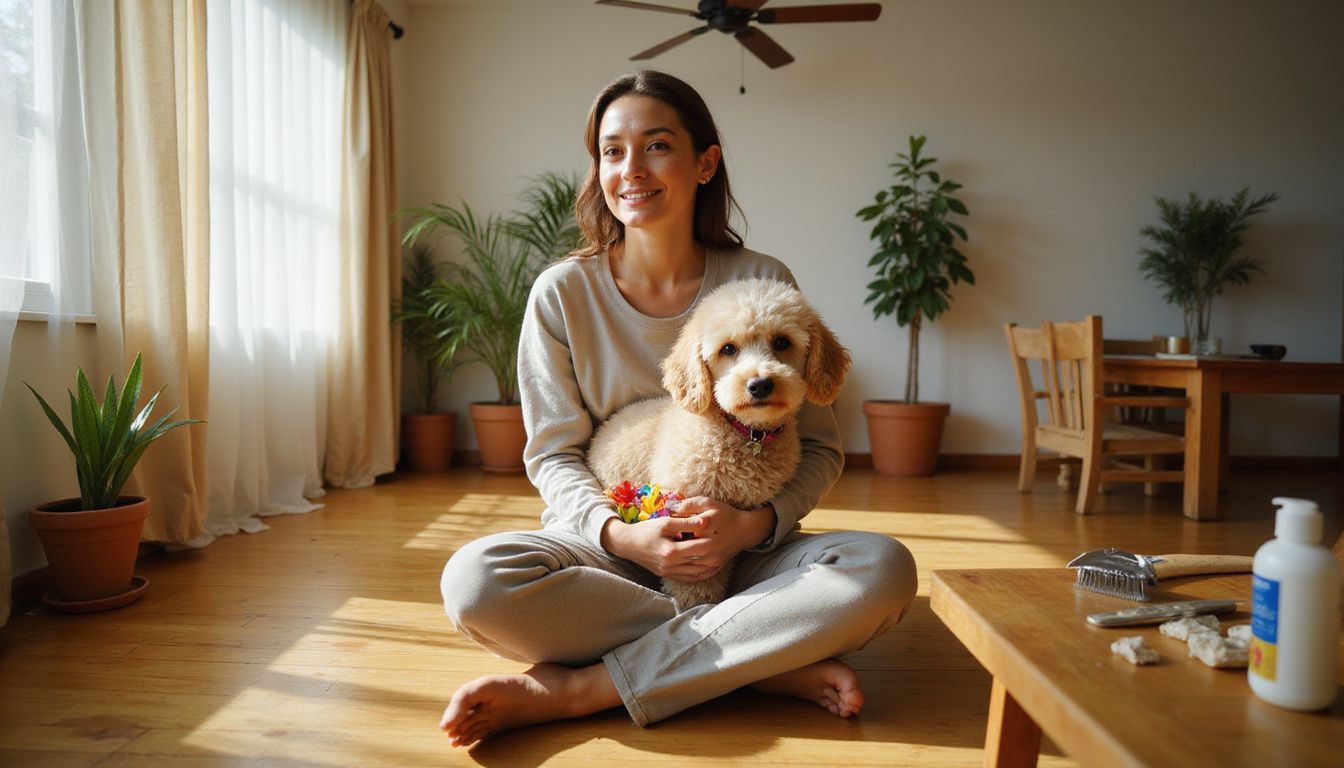
Poodles come in three distinct sizes, so you’ll find the perfect fit for your apartment, whether you’re working with a cozy studio or a spacious one-bedroom.
| Poodle Size Category | Ideal Apartment Type | Key Apartment Living Benefits | Grooming & Maintenance Needs |
|---|---|---|---|
| Toy Poodle (Under 10 lbs) |
Studio apartments, micro-apartments, compact living spaces | Minimal space requirements; moderate energy levels; low-shedding coat reduces allergens throughout your home; highly trainable for apartment routines | Regular grooming every 6-8 weeks to prevent matting; daily brushing recommended; professional grooming maintains coat health |
| Miniature Poodle (10-15 lbs) |
One-bedroom apartments, smaller two-bedroom units, modest floor plans | Balanced size for limited square footage; thrives with indoor mental stimulation; forms strong bonds with owners in close quarters; low-shedding coat minimizes allergens; excellent for allergy sufferers | Professional grooming every 4-6 weeks; consistent brushing prevents matting and tangles; coat maintenance is essential for health |
| Standard Poodle (45-70 lbs) |
Larger apartments, lofts, two-bedroom+ units with adequate space | Intelligent breed adapts well to apartment living with proper exercise; low-shedding coat works for allergy sufferers; highly trainable for apartment behavior; moderate energy levels suit indoor environments | Professional grooming every 4-6 weeks essential; regular brushing prevents coat issues; grooming maintains overall health and appearance |
| All Poodle Sizes (General) |
Any apartment with access to outdoor spaces for bathroom breaks and brief walks | Hypoallergenic coats reduce allergen buildup; all sizes enjoy mental stimulation through training and puzzle toys; form strong bonds with owners; trainable for quiet, apartment-appropriate behavior | All sizes require regular grooming to prevent matting; daily brushing maintains coat quality; professional grooming every 4-8 weeks depending on size |
Toy Poodles pack big personality into a tiny frame, perfect for a studio apartment that might otherwise feel cramped. Miniature Poodles strike a nice balance between size and presence, fitting comfortably into one-bedroom units. Standard Poodles surprise a lot of apartment dwellers with how well they adapt to larger apartments, as long as you keep up with their exercise needs.
All three sizes share the same low-shedding, hypoallergenic coat that keeps allergens from spreading through your space. Intelligence runs deep in Poodle bloodlines too, which makes them highly trainable for apartment life. Training them to stay quiet and calm indoors takes some dedication, but their eagerness to please makes the process smoother than you’d expect.
Grooming stays fairly consistent across sizes, though the time investment shifts a bit. Toy Poodles need grooming every six to eight weeks, while Miniature and Standard Poodles usually need appointments every four to six weeks. Daily brushing between visits prevents mats from forming, since Poodle coats tangle fast.
Here’s how to keep a Poodle content without a backyard:
- Take short daily walks around the neighborhood to meet their physical needs.
- Rotate puzzle toys and short training sessions for mental enrichment.
- Keep play sessions consistent, since Poodles thrive on routine.
- Watch your apartment’s climate control, since their coat responds to temperature swings.
What are the benefits of Miniature Schnauzers in small spaces?
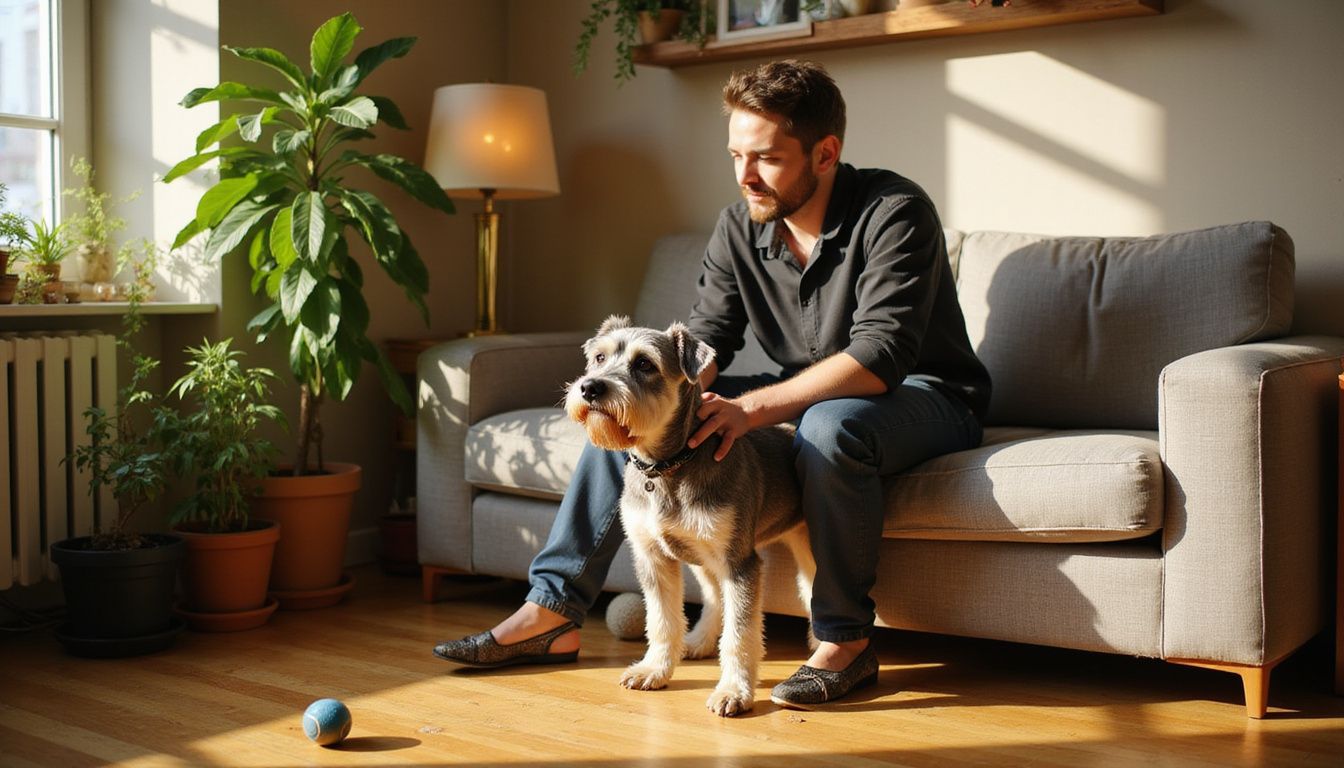
Miniature Schnauzers pack a lot of personality into a small package, making them a great fit for apartment living.
- Height: Up to 14 inches tall
- Weight: 10 to 20 pounds
- Daily exercise: At least one hour, through walks or play
- Coat: Hypoallergenic, sheds minimally
Their hypoallergenic coat sheds minimally, so you’ll spend less time cleaning up fur and more time enjoying your furry friend. If dog allergies have kept you from getting a pet, this breed offers real relief, and your apartment (and your nose) stays happier for it.
Your Miniature Schnauzer brings lively energy and intelligence to small homes without demanding excessive space. These dogs train easily, adapting well to apartment routines and responding quickly to dog training commands. Their spunky nature adds life to your living situation, and their love of social interaction means they thrive on your company.
Regular dog grooming keeps their signature beard and eyebrows looking sharp, and it doubles as quality bonding time between you and your pet. Small spaces don’t mean small joy, not with a Miniature Schnauzer around.
Why is the Maltese good for apartment life?
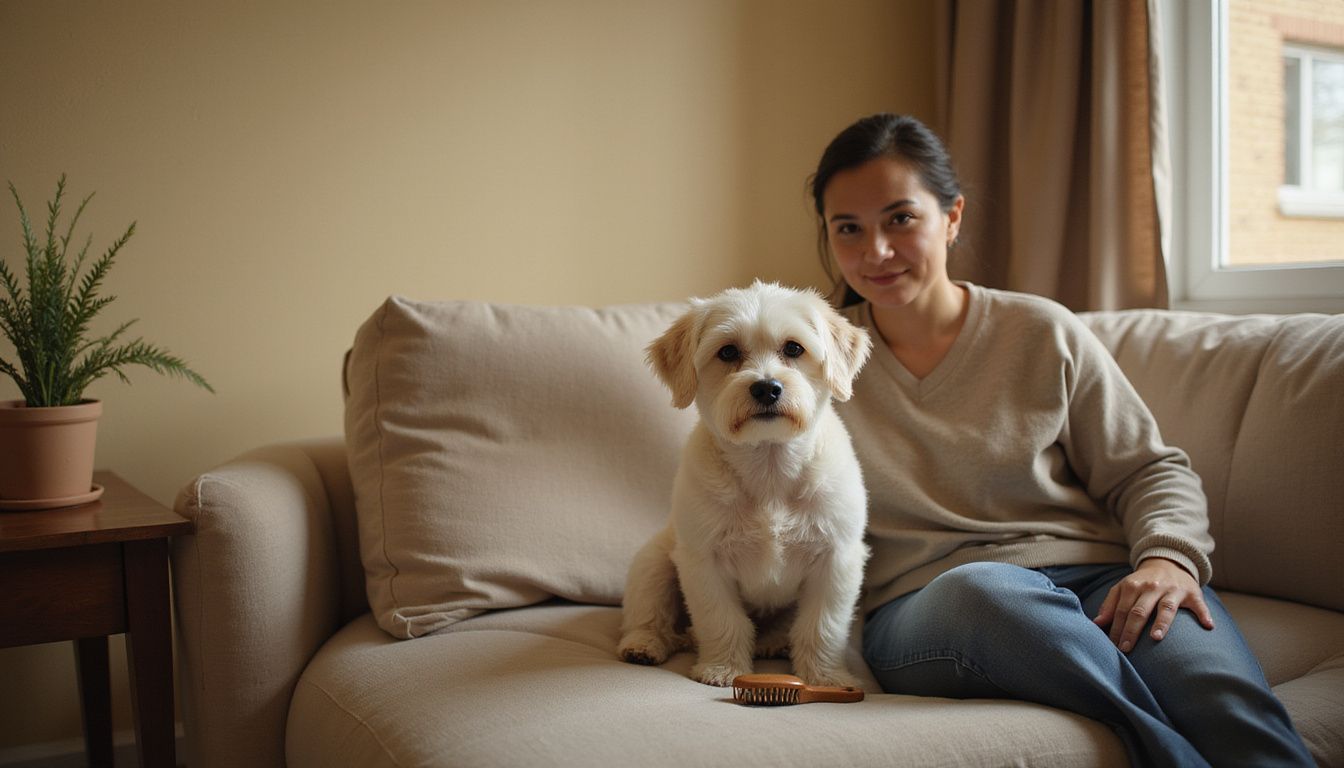
If you’ve admired the Miniature Schnauzer’s adaptability, the Maltese takes apartment living to another level entirely. This small dog breed thrives in tight quarters thanks to its compact size and calm demeanor.
Maltese dogs make ideal family pets whether you live in Rochester, MN or any other urban setting where square footage runs short. Their luxurious white coat and affectionate nature make them wonderful companions, and they don’t demand sprawling yards or constant outdoor access.
A Maltese doesn’t need a yard. It needs a lap and a little sunshine through the window.
These lively, playful dogs adapt well to nearly any living situation, from studio apartments to modest homes. Their delicate look hides a spirited personality that flourishes indoors, and the breed produces less dander than many others, making it a solid hypoallergenic option for anyone sharing apartment walls with neighbors.
Grooming becomes your main task with a Maltese, and that actually works in your favor. A short puppy cut keeps their coat manageable and cuts down on shedding, so you won’t need the kind of specialized pet policy accommodations that large breeds like German Shepherds or Giant Schnauzers often require.
These small companions bring warmth to any apartment without the chaos that comes with high-energy breeds. Your Maltese bonds deeply with your family, thriving on the close quarters apartments naturally provide, turning your space into their perfect sanctuary rather than a compromise.
How does the Havanese adapt to apartment living?
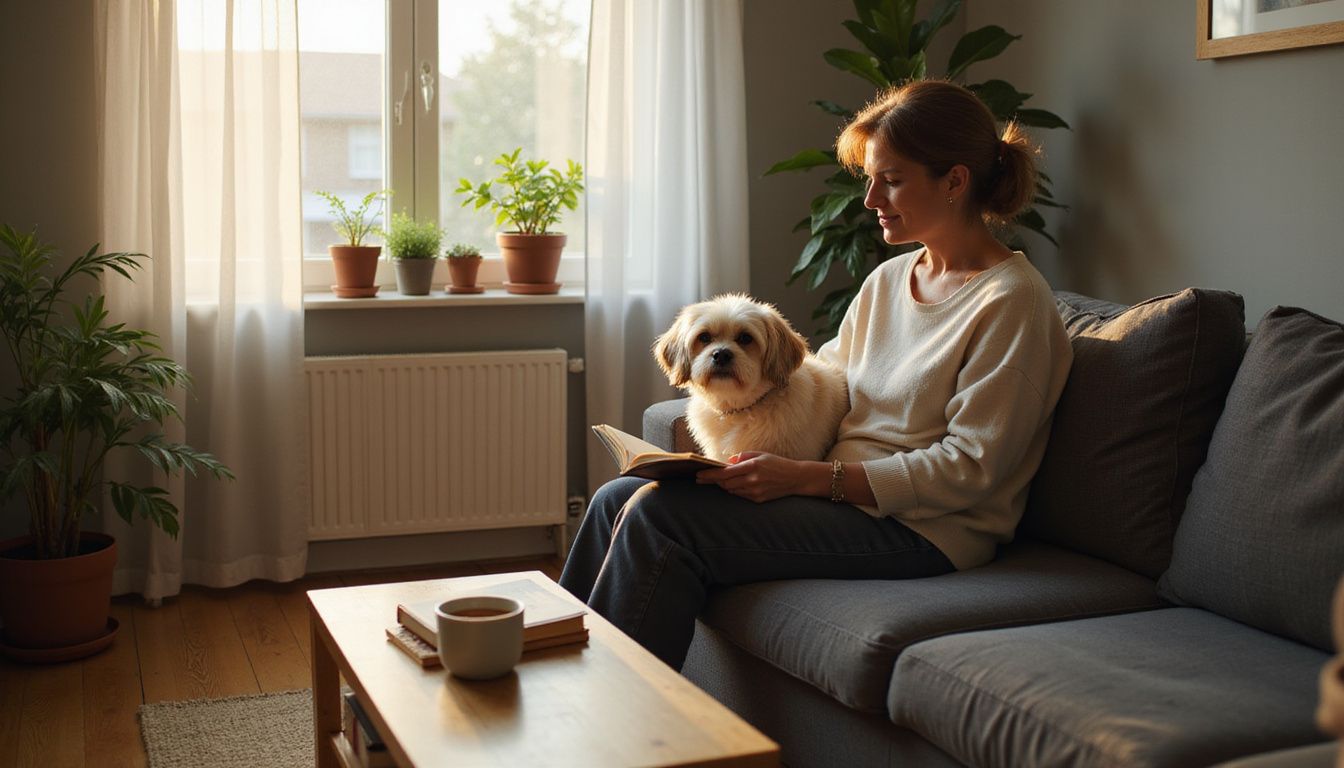
Your Havanese thrives in apartment settings because this breed was practically born for small spaces. These delightful companions originated in Cuba, where they lived alongside families in compact homes.
Their small size means they don’t need sprawling yards or endless room to roam. Havanese form strong bonds with their families and actually prefer staying close to you rather than wandering off on their own, which makes them a natural fit for apartment life.
Here’s what makes this breed such an easy apartment companion:
- Cheerful and affectionate, bringing warmth to any studio or one-bedroom unit.
- Intelligent and eager to please, so teaching apartment manners comes easily.
- Playful without being destructive, channeling energy into games and cuddle sessions instead.
- Sociable around neighbors and other pets, rarely becoming anxious or overly vocal.
Their hypoallergenic coat needs regular grooming, but that routine actually strengthens your bond during brushing sessions. Havanese adapt to your schedule too, whether you work from home or spend hours away during the day, and they don’t demand the constant outdoor exercise that larger breeds need.
Havanese rank among the top breeds recommended for apartment living, and it’s easy to see why. These adaptable dogs bring companionship without the chaos, making them a great match for families and single owners alike.
What makes the Basenji a quiet apartment dog?
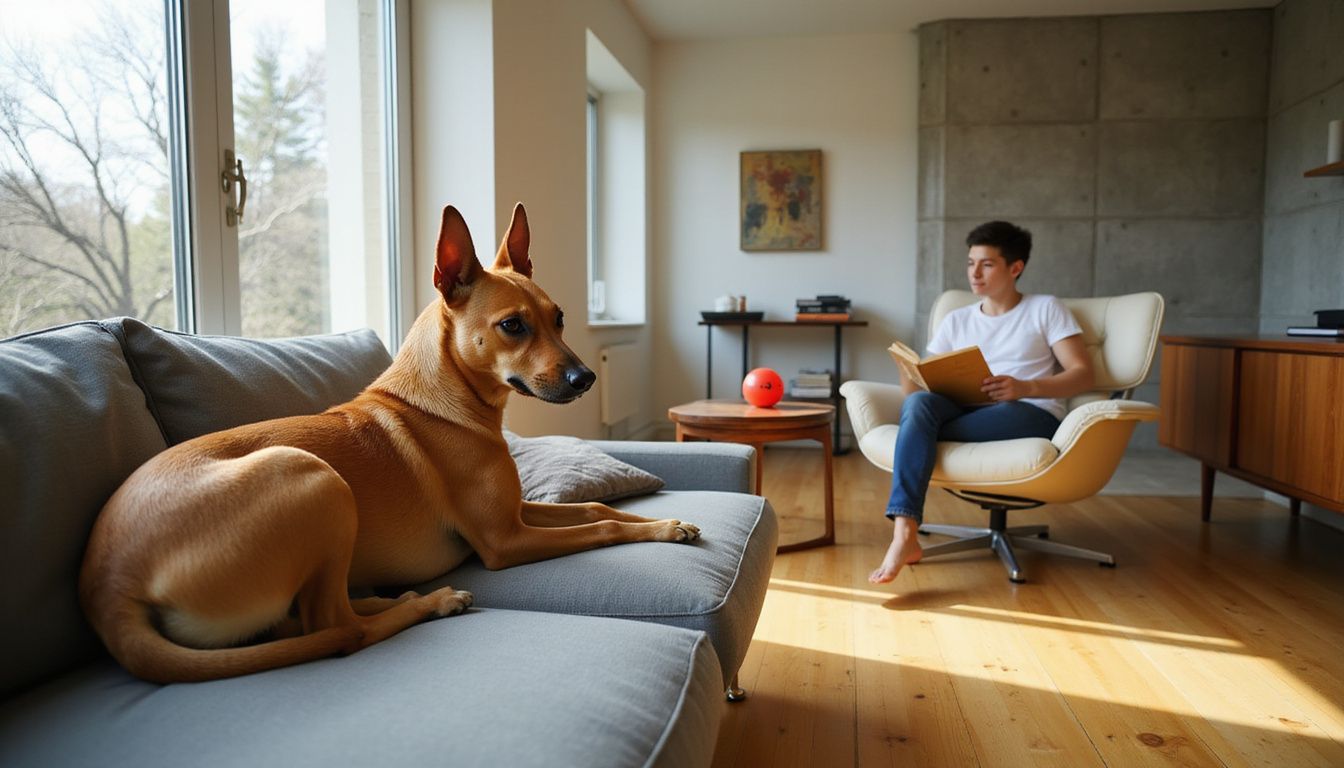
Basenjis stand apart from other breeds because they rarely bark, earning them the nickname “barkless” dogs. This trait makes them exceptional for apartment living, where noise concerns often top the worry list.
Your neighbors will appreciate the quiet, and you’ll enjoy a calm household without constant yapping. The breed’s independent nature keeps disturbances low in shared living spaces, letting you coexist easily with the people around you.
Unlike more vocal breeds like Pugs or Boston Terriers, Basenjis keep their vocalizing to a minimum, producing only the occasional yodel-like sound called a “baroo” when they get truly excited or alarmed. Give them enough enrichment, and even those events get rare.
One apartment owner tracked exactly how much daily play changed things. Here’s what three weeks of consistent enrichment looked like:
| Metric | Week 1 (Before Enrichment) | Week 3 (After Daily Play) |
|---|---|---|
| Yodel-like “baroo” events | 9 in 7 days | 2 in 7 days |
| Average sound level | 62 dB | 49 dB |
| Neighbor noise comments | Present | None |
After the owner added daily 20-minute play sessions and puzzle toys, the Basenji stayed largely quiet, turning occasional yodels into rare events manageable through routine play.
Independence defines the Basenji’s personality, making them content in smaller spaces where other dogs might feel restless. They still need regular activity and mental stimulation to stay healthy, so a tool like the Chuckit! ball launcher during playtime keeps their mind sharp.
Their calm presence is rare and valuable for apartment living, and their moderate energy level adapts well to your daily routine. Basenjis also have minimal grooming needs, freeing you from the constant upkeep that drains time and energy elsewhere.
Tips for Living with Hypoallergenic Dogs in Apartments
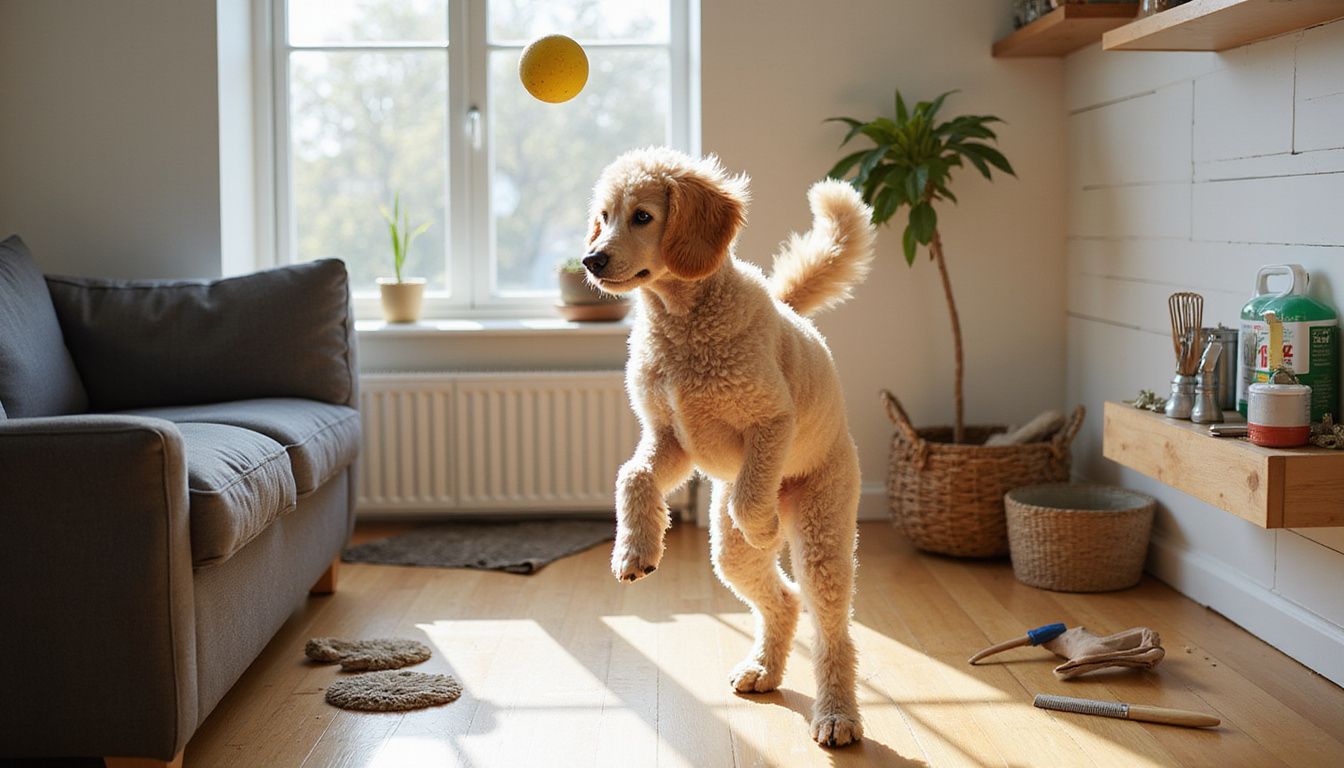
You’ll want to master grooming routines and cleaning strategies that keep your apartment fresh and your dog’s coat healthy. Your hypoallergenic companion needs mental games and physical activity to stay happy in a smaller space, so interactive toys like the Chuckit! ball launcher and Chuckit! amphibious dog toy kit become your best friends for daily playtime.
How often should you groom a hypoallergenic dog?
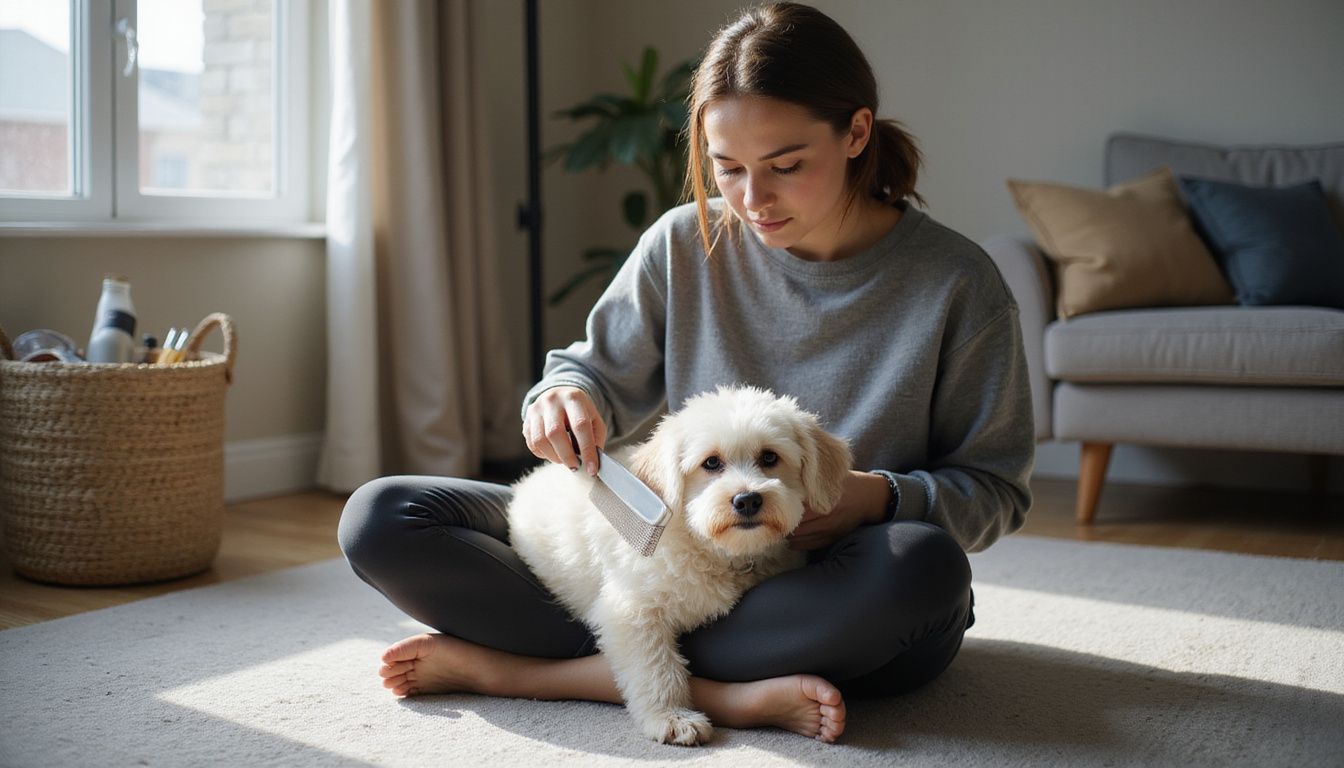
Grooming your hypoallergenic dog keeps allergens down and your apartment fresh. A solid routine makes all the difference for both of you.
- Brush your dog’s coat weekly to prevent matting and cut down on shedding around your apartment.
- Bathe your dog every four to six weeks using a specialized shampoo, such as Allerpet Dog Dander Remover, to cut allergens significantly.
- Give curly coats extra attention. Poodles, Bichon Frises, and Maltese dogs need frequent brushing between baths to stop tangles before they start.
- Book professional grooming appointments regularly for long-haired or dense-coated breeds. According to 2026 US pet industry pricing data, a full-service groom for a small dog typically runs $40 to $62, so budget accordingly.
- Breeds like Miniature Schnauzers, Labradoodles, and Aussiedoodles need a trim every six to eight weeks, depending on the coat they inherited from their parent breeds.
- Stick with consistent coat care. It keeps your dog healthy while reducing the dander that triggers allergies indoors, where air circulates less freely.
What are the best ways to keep your apartment clean with a dog?
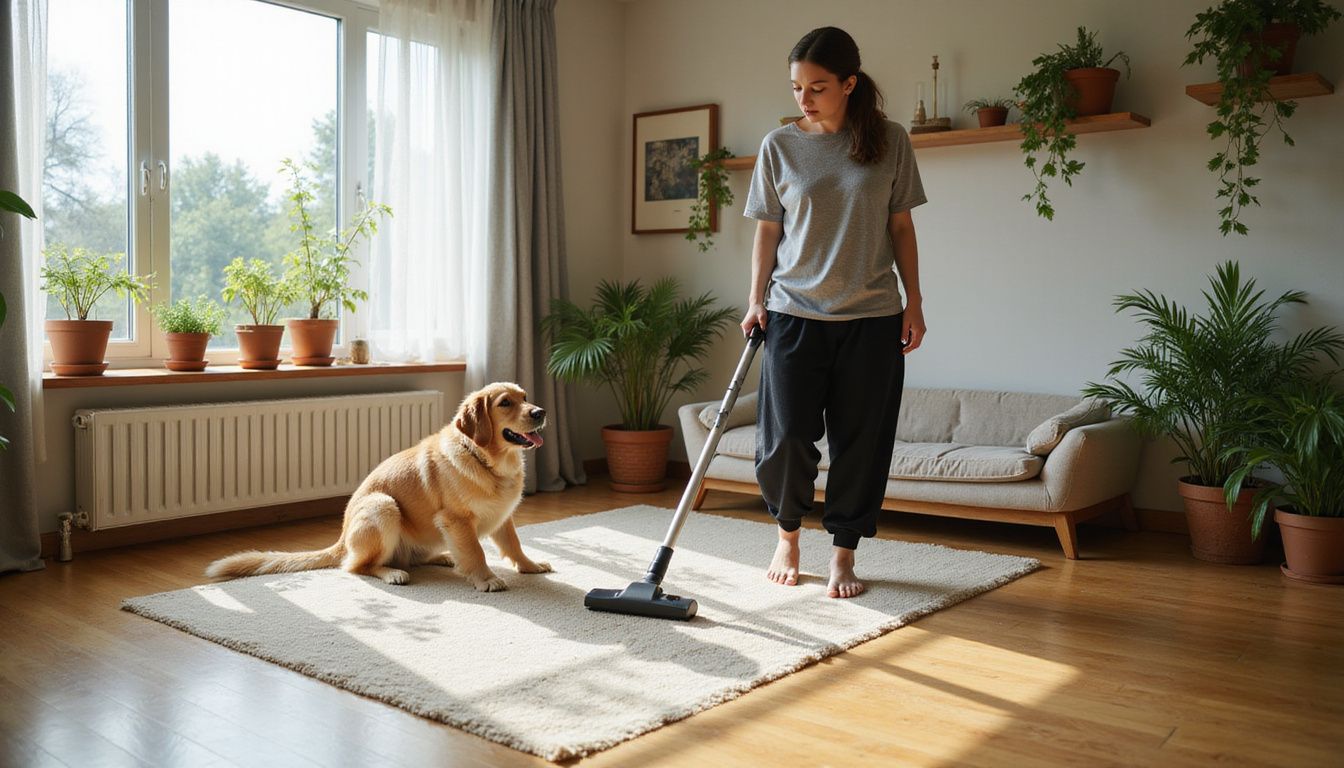
Keeping your apartment clean with a dog takes planning and a steady routine. Consistent effort makes apartment living with a dog far more manageable.
- Vacuum your floors twice a week to catch pet hair before it settles into carpets and furniture. Low-shedding breeds like the Bichon Frise or Poodle shed less, but regular vacuuming still matters.
- Wash your dog’s bedding weekly in hot water to cut down on allergens and odor. This one habit stops dander from spreading through your small space.
- Install a True HEPA H13 air purifier in your main living area. Pet dander can measure as small as 0.3 microns, and based on 2026 indoor air quality standards, only a True HEPA H13 filter captures 99.97% of particles that small, so skip the “HEPA-type” filters that let dander slip through.
- Wipe surfaces, shelves, and baseboards weekly with a damp cloth instead of dry dusting, which just stirs allergens back into the air.
- Use biodegradable waste bags for outdoor bathroom breaks, and clean up right away to keep your building entrance tidy and hygienic.
- Mop hard floors every ten days with an eco-friendly, pet-safe cleaner to remove hair, dander, and tracked-in dirt.
Pair this with a steady grooming schedule for breeds like Schnauzers or Maltese dogs, and consider adding a few dog-safe, air-purifying plants, such as spider plants, to your decor for a little extra filtering.
One apartment owner followed a strict routine with a Bichon Frise over six weeks: fifteen minutes of brushing weekly, one professional groom at the four-week mark, and vacuuming common areas twice a week while washing the dog’s bedding every week.
Visible hair on the hardwood floors dropped from around 12 small clumps a day in week one to just 2 clumps a day by week six. Mild sneezing episodes fell from 4 a week to 1 a week. The routine cut visible hair by roughly 80% and made daily living noticeably easier, even though the dog still needed professional grooming.
How can you provide mental and physical stimulation for apartment dogs?
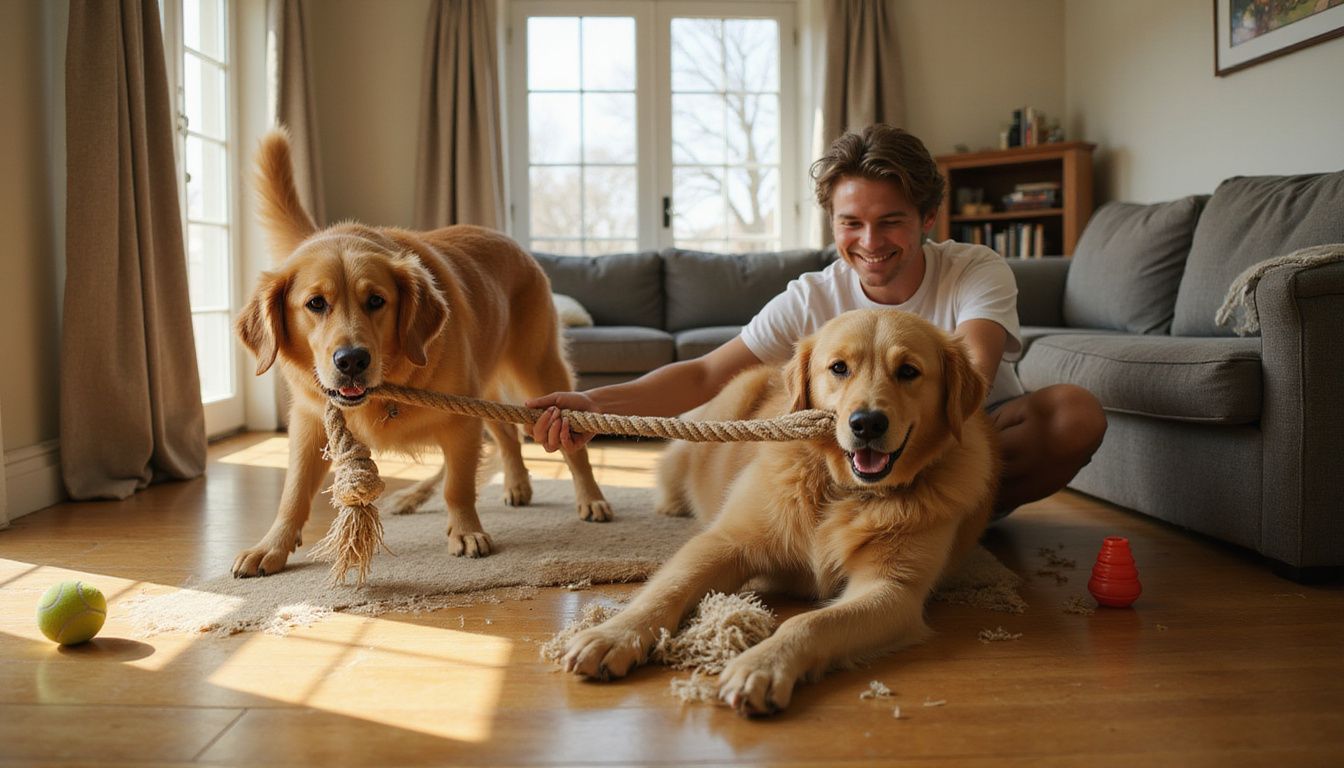
Now that your apartment stays clean and tidy, your dog needs activities to stay happy and sharp. Mental and physical stimulation keeps apartment dogs from acting out of boredom.
- Take short daily walks, even on a busy street or in a small space, to meet your dog’s exercise needs and tire them out naturally.
- Rotate puzzle toys to challenge your dog’s brain and head off destructive habits before they start.
- Play fetch or tug-of-war indoors to release pent-up energy without needing a yard or open field.
- Introduce your dog to new people and places regularly. Socialization builds confidence and helps your dog settle into apartment life.
- Stick to a steady routine for walks and feeding times, since dogs do best when they know what to expect each day.
- Practice short periods alone and reward calm behavior with positive reinforcement. This eases separation anxiety and reinforces good training in tight quarters.
Conclusion
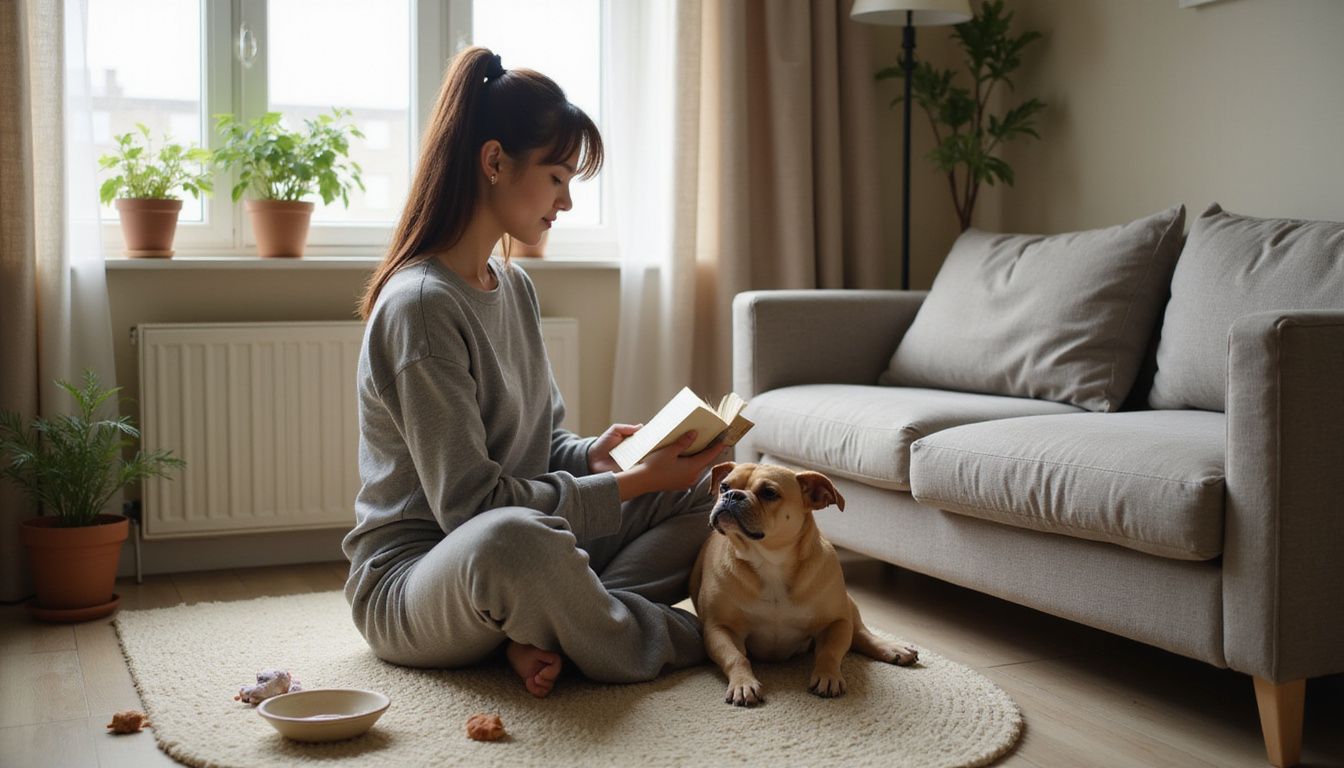
Picking the right apartment dog comes down to matching your lifestyle with a breed that fits your space and energy level.
French Bulldogs, Bichon Frises, Poodles, Miniature Schnauzers, Maltese dogs, Havanese, and Basenjis all bring low-maintenance coats and calm temperaments that work well in smaller homes. These hypoallergenic dog breeds prove that apartment living and pet ownership can go together just fine.
Your grooming routine, cleaning habits, and commitment to mental stimulation make the difference between a thriving pet and a frustrated household.
Start by taking an honest look at your schedule, your allergies, and your noise tolerance. Then reach out to breed rescues or shelters to meet dogs that match what you need.
Take action today, and you could welcome a quiet, affectionate companion into your apartment within weeks, turning your space into a warm home filled with real companionship.
FAQs
1. Are Shih Tzus good for apartment living?
Yes, Shih Tzus are perfect for apartments. They typically weigh only 9 to 16 pounds and have a calm, sweet temperament that works great in smaller spaces. A quick 20-minute walk each day is usually all they need to stay happy.
2. What dog breeds should I avoid in an apartment?
Big, high-energy breeds like German Shepherds, Pit Bulls, and Rottweilers need about 60 to 90 minutes of vigorous exercise daily, which can be really tough in most apartments. Wolf dogs also need tons of space to roam and aren’t suited for quiet apartment living.
3. Is the Affenpinscher hypoallergenic?
Yes, the Affenpinscher sheds very little and works well for allergy sufferers. This little guy stands about 9 to 12 inches tall and has a bold, fun personality that’s way bigger than his size.
4. Do Irish Water Spaniels and Barbets bark a lot?
Both breeds are pretty quiet indoors, which is great for apartment life. Irish Water Spaniels are smart and easy to train, while Barbets have a calm, friendly nature that fits perfectly in shared living spaces like those near the gates of Rochester.