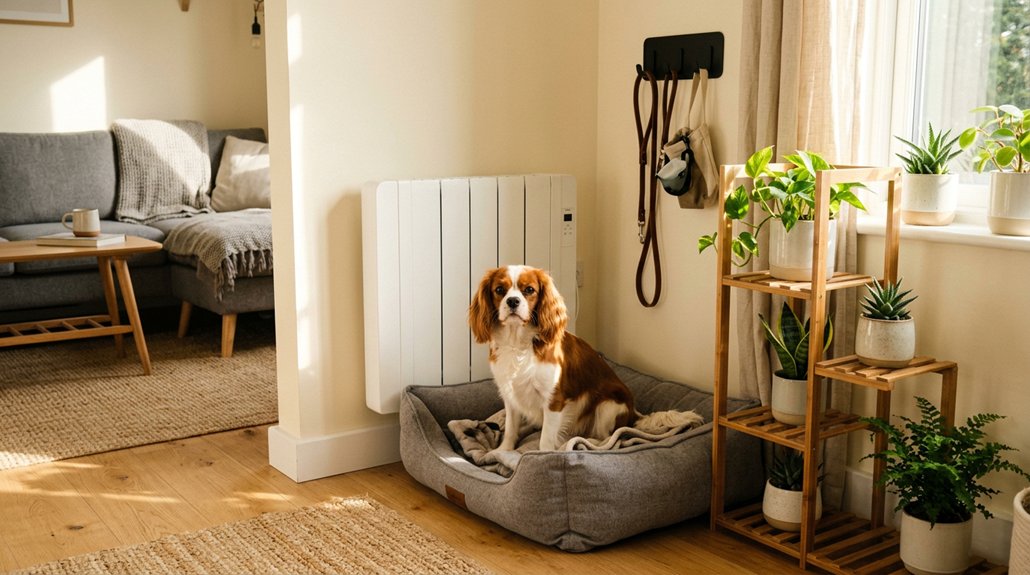
Choosing the best dogs for small homes and condos involves focusing on calm demeanor, compact size, and manageable energy levels. Breeds like Bichon Frise and French Bulldog fit well due to their moderate activity needs and quiet nature. Basenjis are nearly barkless, reducing noise disturbances. Mixed breeds often adapt well, boasting hybrid vigor and promoting strong human-animal bonds. Effective training and sound management strategies are essential for harmonious living. Discover more about selecting the ideal breed for your confined space.
Key Takeaways
- Choose calm, small to medium breeds like Bichon Frise or French Bulldog for confined spaces.
- Quiet breeds like Pugs and Basenjis minimize noise disturbances in tight living areas.
- Low-shedding breeds such as French Bulldogs require minimal grooming, maintaining cleanliness.
- Mixed breeds offer adaptability, due to diverse genetics, enhancing condo living compatibility.
- Moderate-energy breeds align with relaxed lifestyles, ensuring proper indoor and outdoor energy management.
Identify Ideal Traits for Condo Dogs
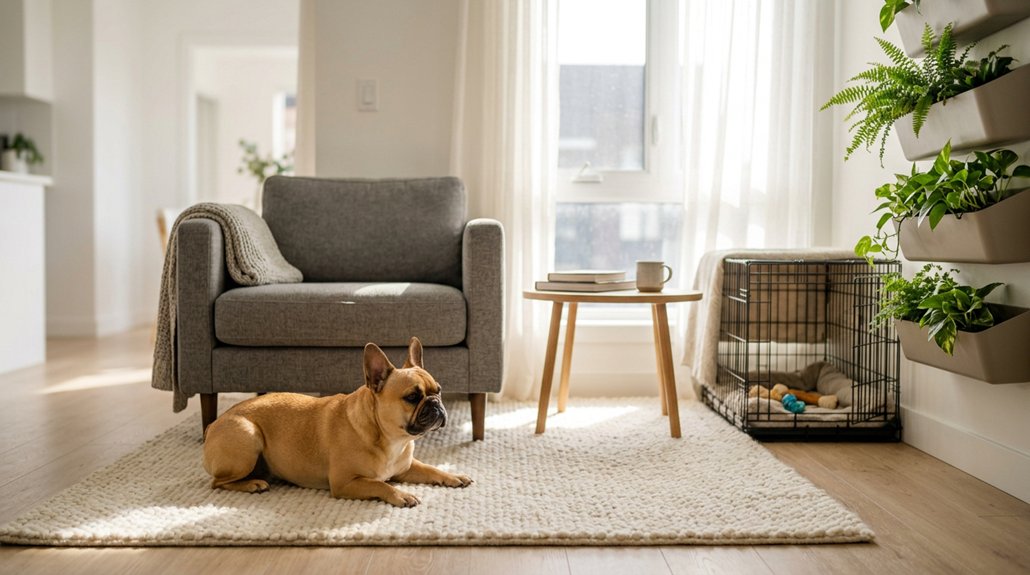
When selecting a dog for condo living, it’s imperative to prioritize specific traits to guarantee both the dog’s well-being and harmonious coexistence with neighbors. Ideal traits include a calm, quiet demeanor—critical for low-barking incidents—ensuring a serene environment. Socialization strategies play an essential role in this context; regular positive interactions with varied stimuli help your dog adapt to dynamic condo settings. Emphasizing behavior management, choose breeds that exhibit moderate energy levels, easily managed by brief walks and indoor play. Small to medium sizes, between 7 to 30 pounds, enable comfortable living in confined spaces. Opt for breeds with low shedding and grooming needs to simplify cleanliness maintenance. Sociable, adaptable dogs foster collaborative relations with neighbors, enhancing community dynamics.
Matching Dog Energy Levels to Lifestyles
Choosing the right dog for your lifestyle, especially within the constraints of a small home or condo, necessitates understanding the match between your activity level and your dog’s energy requirements. For instance, dogs like the Bichon Frise and French Bulldog exhibit moderate activity levels, making them ideal companions that adapt well to limited space. Their needs align with a more relaxed lifestyle, requiring less exercise while maintaining lifestyle compatibility. Conversely, high-energy breeds such as Chihuahuas and Yorkshire Terriers demand regular walks and interactive play to prevent behavioral issues, suitable for owners with more active lifestyles. A daily regimen of exercise and mental stimulation is essential, regardless of breed, ensuring your dog thrives and mitigating potential anxiety in confined environments.
Quiet Breeds: Maintaining Neighborly Peace
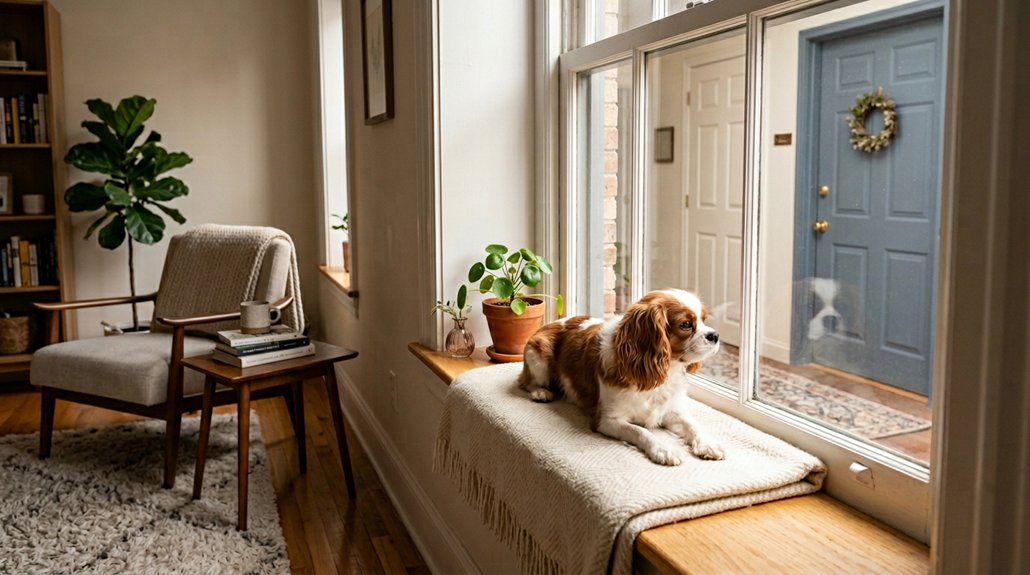
Although the noise levels in small homes can quickly become a concern, selecting the right breed guarantees harmony with your surroundings. Quiet dog breeds like the Bichon Frise, Pug, and French Bulldog exhibit low barking tendencies, making them excellent choices for maintaining a peaceful environment. The Cavalier King Charles Spaniel, while slightly more vocal, still manages to foster neighborly goodwill with its moderate noise emissions. Unique breeds such as the Basenji come with a near “barkless” nature, ensuring minimal disruption. Similarly, small breeds like the Havanese and Yorkshire Terrier keep noise at bay, simplifying upkeep and sound management. For ideal results, integrate sound proofing tips such as rugs and heavy curtains, which further absorb sound and ease potential disturbances.
Choose From These Ideal Small Breeds
Quiet breeds are just one aspect of selecting the perfect dog for a compact living space. When considering ideal small breeds, it’s essential to evaluate both size and breed personality. Breeds like the Bichon Frise and Chihuahua, weighing under 30 pounds, are physically suited for tight quarters. In addition, many of these breeds have low to medium exercise requirements, making brief walks and indoor play sufficient for their well-being. The Cavalier King Charles Spaniel and Havanese stand out with their friendly and sociable personalities, ensuring they provide exceptional companionship. For those concerned with maintenance, low-shedding breeds such as the Maltese and Miniature Poodle simplify grooming routines. These adaptable breeds thrive in confined urban environments, making them excellent choices for small homes.
Medium Breeds for Apartment Living
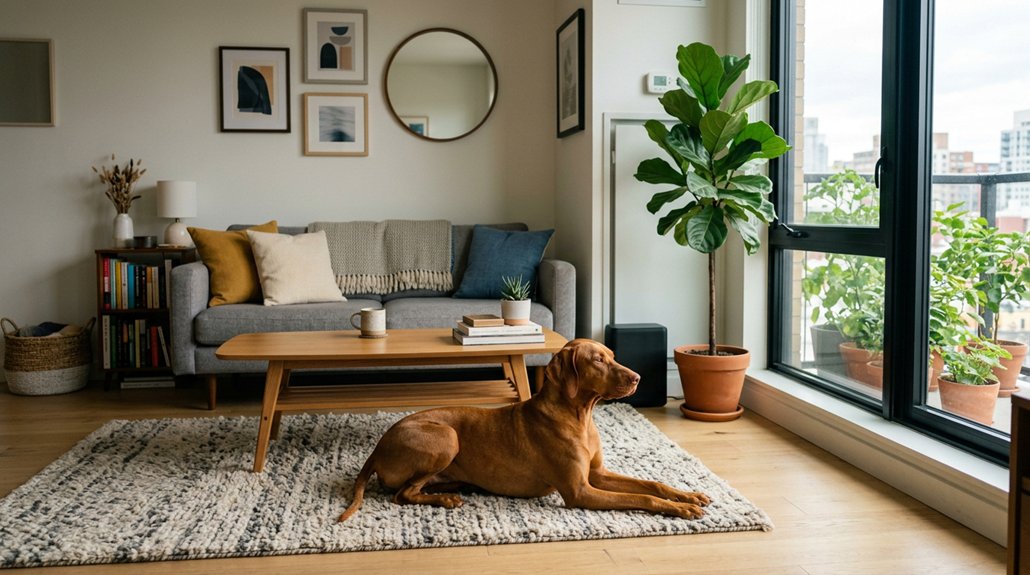
When it comes to selecting the perfect dog for apartment living, medium-sized breeds strike an ideal balance between companionship and practicality. Weighing between 30 and 60 lbs, they thrive in smaller homes. Notable choices include the Barbet and French Bulldog, which exhibit calm temperaments and adaptability essential for confined spaces. Their lifestyle compatibility is evident, as these breeds require moderate exercise and enjoy social interaction alongside downtime, fostering a harmonious environment.
| Breed | Key Characteristics |
|---|---|
| Barbet | Calm, adaptable, moderate exercise |
| French Bulldog | Calm, adaptable, minimal exercise |
| Compact Size | Active space balance for medium breeds |
| Low Shedding | Easier upkeep in compact settings |
Medium breed considerations include selecting dogs comfortable with both activity and relaxation, ensuring they integrate seamlessly into apartment life.
Breeds With Minimal Grooming Needs
When considering canines with minimal grooming needs, low-shedding breeds are especially advantageous for maintaining a clean and manageable environment in small homes. Breeds like the French Bulldog and Bichon Frise exhibit low shedding levels, reducing time spent on grooming while ensuring an allergen-friendly space. Additionally, toy breeds such as Chihuahuas and Yorkshire Terriers require infrequent grooming sessions, typically only necessitating monthly maintenance to retain their low-care coats.
Low Shedding Breeds
If you’re seeking a canine companion for your compact living space, focusing on low shedding breeds can offer numerous benefits. Opting for breeds such as the Bichon Frise, Maltese, and French Bulldog can greatly reduce allergens in your environment. These breeds are considered allergy friendly, as they produce minimal dander, making them suitable for those susceptible to allergies. Additionally, breeds like the Miniature Poodle and Havanese are notable for their double benefit of low shedding and reduced grooming requirements. The Yorkshire Terrier also presents a viable option, being a toy breed with minimal hair production, ideal for limited spaces. Furthermore, low shedding dogs typically exhibit sociable natures, enhancing the living experience in small homes by minimizing cleaning duties.
Easy Care Coats
Small home dwellers may find solace in breeds boasting easy care coats, reducing the burden of grooming tasks. French Bulldogs and Cavalier King Charles Spaniels are exemplary, with coat types that shed minimally, perfectly complementing compact living arrangements. For those with hectic lifestyles, the Bichon Frise’s low-shedding coat requires minimal grooming routines, making it a favorable choice. Toy breeds like the Maltese and Havanese also demand less grooming, effortlessly adapting to urban environments. Although the Shih Tzu needs regular grooming, its low-shedding coat considerably mitigates allergen accumulation. Even larger breeds like Greyhounds and Basenjis are appropriate for tight spaces due to their uncomplicated grooming requirements and amiable nature. These breeds collectively offer a reprieve from arduous grooming tasks while thriving in smaller abodes.
Why Mixed Breeds Make Great Condo Companions
When considering a canine companion for condo living, mixed breed dogs present a unique combination of genetic traits that foster adaptability and flexible temperaments. Their diverse lineage not only equips them with resilience against breed-specific disorders but also tailors them for various spatial constraints, comfortably fitting into smaller environments. By choosing to adopt a mixed breed, you enhance the likelihood of a profound human-animal bond, as their moderate exercise requirements and instinctual companionship align seamlessly with a condo lifestyle.
Unique and Diverse Traits
One of the many advantages of adopting mixed-breed dogs as condo companions lies in their unique and diverse traits that often result from a blend of their parentage. Mixed breed characteristics combine various genetic attributes, yielding unique personality traits that facilitate harmonious adaptation to smaller living spaces. These dogs frequently exhibit moderate energy levels, an essential factor when managing activity in environments with spatial constraints. Their hybrid vigor reduces the incidence of hereditary disorders, promising better health profiles. The heterogeneity in size among mixed breeds offers flexibility, allowing prospective adopters to select a dog that matches exact spatial dimensions. Choosing a mixed breed aligns with animal welfare contributions, as you’re offering shelter to a pet needing a home while gaining an affectionate, lively companion.
Adaptability in Small Spaces
While mixed-breed dogs bring a richness of diverse traits to a home, their adaptability in small spaces truly makes them exceptional condo companions. These dogs exemplify space efficiency due to their moderate energy levels. You’ll find they flourish in environments with limited exercise areas, as shorter walks and indoor play suffice for their physical needs. A strong genetic diversity often results in robust health, reducing vet visits and enhancing your dog’s compatibility with apartment life.
Further contributing to their adaptability is their varied temperament, allowing them to sync with the dynamic pace of condo living. Unlike some more vocal purebred counterparts, mixed breeds tend to have unpredictable yet often quieter barking tendencies, ensuring peaceful cohabitation in closely-knit residential settings.
Bonding and Companionship Benefits
Companionship is a potent force, especially in smaller living spaces where interactions are more intimate and constant. Mixed-breed dogs can provide exceptional canine companionship in a condo setting due to their unique personalities and temperaments. Their moderate energy levels are well-suited for limited exercise areas, promoting social interactions through constructive indoor activities and brief outdoor excursions. Moreover, their diverse genetic backgrounds often result in lower shedding and grooming needs, ensuring a cleaner, more pleasant environment for you. By fostering strong emotional bonds, these dogs greatly enhance your quality of life, offering indispensable emotional support. Adopting mixed breeds also aligns with humane practices, offering a variety of behavioral characteristics that contribute to harmonious living experiences in constrained spaces.
Apartment-Friendly Dog Training Tips
Whether you’re living in an apartment or a small home, tailoring your dog’s training to suit this environment is vital for fostering a harmonious living experience. Establish a structured routine encompassing feeding, walks, and playtime, providing predictability for your canine companion. Utilize positive reinforcement strategies—like treats and praise—to promote desired behaviors, fostering an enjoyable learning experience. Designate a distraction-free area within your home for training purposes, enhancing concentration and efficacy. Implement short sessions—lasting 5 to 10 minutes—to align with the cognitive limitations of breeds such as Chihuahuas and Yorkshire Terriers. Socialization, involving exposure to various environments and individuals, further augments adaptability, essential for interactive breeds like the Cavalier King Charles Spaniel. This multifaceted approach guarantees thorough, apartment-friendly training.
Helping Your Dog Adjust to Apartment Sounds
As you establish effective training strategies in your small home, it’s also important to address environmental factors affecting your dog’s comfort. Noise exposure in apartments can be unsettling for dogs. Gradually introducing these sounds—elevators, doorbells, traffic—via controlled exposure is essential. Employ calming techniques like pheromone diffusers or soft music to create a soothing environment. Utilize sound desensitization; play recordings of common noises softly, increasing volume as your dog adjusts.
Routine is important. Structure walks and playtime to expend energy and reduce anxiety. Positive reinforcement builds confidence when your dog reacts calmly to unexpected sounds. Here’s a quick overview of techniques:
| Technique | Purpose | Benefit |
|---|---|---|
| Controlled Exposure | Acclimation | Decrease anxiety |
| Calming Techniques | Soothe environment | Mitigate stress |
| Sound Desensitization | Familiarization | Increase comfort |
| Positive Reinforcement | Reward calm behavior | Build confidence |
| Routine Establishment | Stability | Energy expenditure |
Eco-Save Condo Care Tactics
When managing a condo environment with a pet, there’s considerable value in adopting eco-friendly strategies. Implementing biodegradable waste bags during your dog walks greatly reduces plastic pollution. This simple switch fosters a sustainable community without compromising convenience. Next, make a commitment to eco-friendly food by opting for high-quality, locally sourced pet nutrition. This supports sustainable agriculture and guarantees peak health for your canine companion. Consider integrating air-purifying plants like spider plants or peace lilies to enhance indoor air quality.
Here’s a concise list of eco-save strategies:
- Biodegradable Waste Bags – Reduce environmental impact.
- Eco Friendly Food – Support sustainable agriculture.
- Air-Purifying Plants – Enhance air quality safely.
Employing these tactics promotes efficient, environmentally aware condo care.
Frequently Asked Questions
What Is the Best Dog Breed for a Condo?
You’ll find the best breed for a condo is a small dog like a French Bulldog. They’re apartment-friendly due to their low energy levels, calm temperament, and minimal grooming requirements, exhibiting ideal characteristics for limited living spaces.
What Is the Calmest Low Maintenance Dog?
You’ll find that calm breeds like the Bichon Frise and Maltese, both low energy dogs, offer peaceful companionship. These breeds exhibit minimal shedding, require moderate grooming, and adapt smoothly to domestic environments due to their serene demeanor.
What Words Do Dogs Hear Best?
Dogs hear best short, simple commands in high-pitched tones due to their sound sensitivity. In their communication, words like “sit” and “stay” are effective, as they’re more responsive to repetition and consistent tone for understanding.
What Type of Dog Can Be Left Alone for 8 Hours?
Independent breeds like French Bulldogs and Cavalier King Charles Spaniels thrive alone for 8 hours with proper training. Bichon Frise and Shih Tzu, despite seeking companionship, can endure solitude if engaged before and after departure.
Conclusion
Choosing the right dog for your small home or condo is like finding the perfect puzzle piece; they need to fit smoothly with your lifestyle and space. By understanding breeds’ energy levels, quietness, and adaptability, you guarantee harmony with your neighbors. Whether opting for pure or mixed breeds, prioritize training and sensory adjustment for urban living. Remember, proactive eco-friendly care can maintain a serene environment, making your compact dwelling a haven for both you and your canine companion.