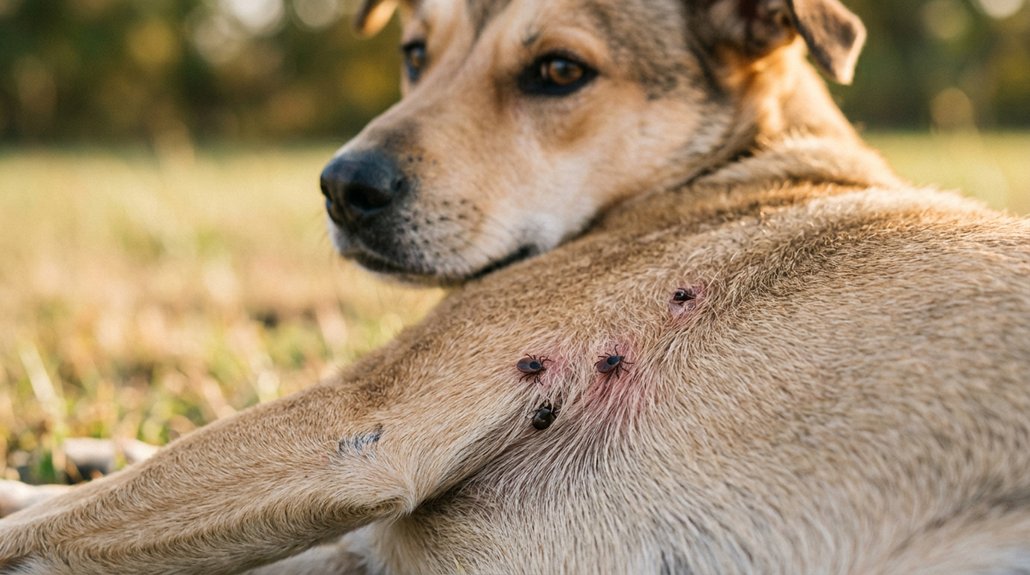
Tick bites on dogs can transmit severe diseases such as Lyme disease and Rocky Mountain Spotted Fever. It’s essential to inspect your dog regularly, especially during seasons of high tick activity. Look in high-risk areas like the groin, armpits, and between the toes. Use veterinarian-recommended products for prevention, and remove ticks carefully with fine-tipped tweezers. Monitor for symptoms like fever or lethargy and consult your vet if needed. There’s much more to uncover about protecting your pet.
Key Takeaways
- Tick bites can transmit diseases like Lyme disease and Rocky Mountain Spotted Fever in dogs.
- Remove ticks promptly with tweezers to lower infection risk and clean the area with antiseptic.
- Common symptoms of tick-borne diseases include fever, lethargy, and behavioral changes in dogs.
- Ticks are most active during spring, early summer, and early autumn, increasing exposure risk for dogs.
- Regular veterinary check-ups and annual screenings are crucial for early detection of tick-borne illnesses.
Risks Associated With Tick Bites on Dogs
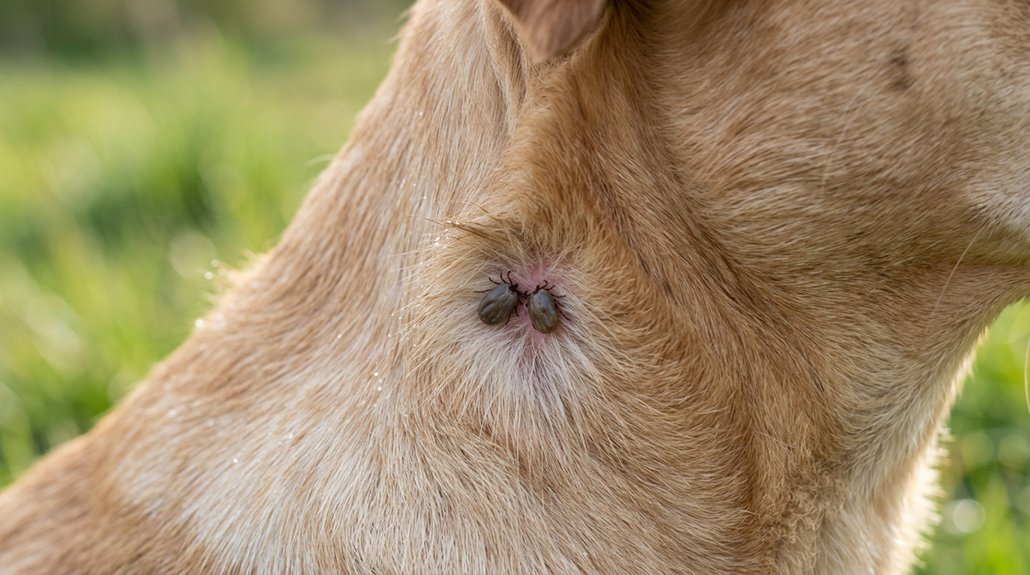
Although the sight of a tick on your dog might cause immediate concern, understanding the risks associated with tick bites is essential for protecting your pet’s health. Tick bite transmission is a significant factor, especially since the chances of your dog contracting diseases like Lyme disease or Rocky Mountain Spotted Fever increase if a tick stays attached for more than 24-48 hours. This duration allows pathogens to transfer to your dog’s bloodstream. Additionally, disease incubation varies, with symptoms often taking weeks or even months to appear. This latent period can lead to undiagnosed infections, highlighting the importance of annual screenings. Keep in mind that monitoring your dog’s health closely after a tick bite is necessary to prevent potential complications.
Symptoms of Tick Bites to Monitor
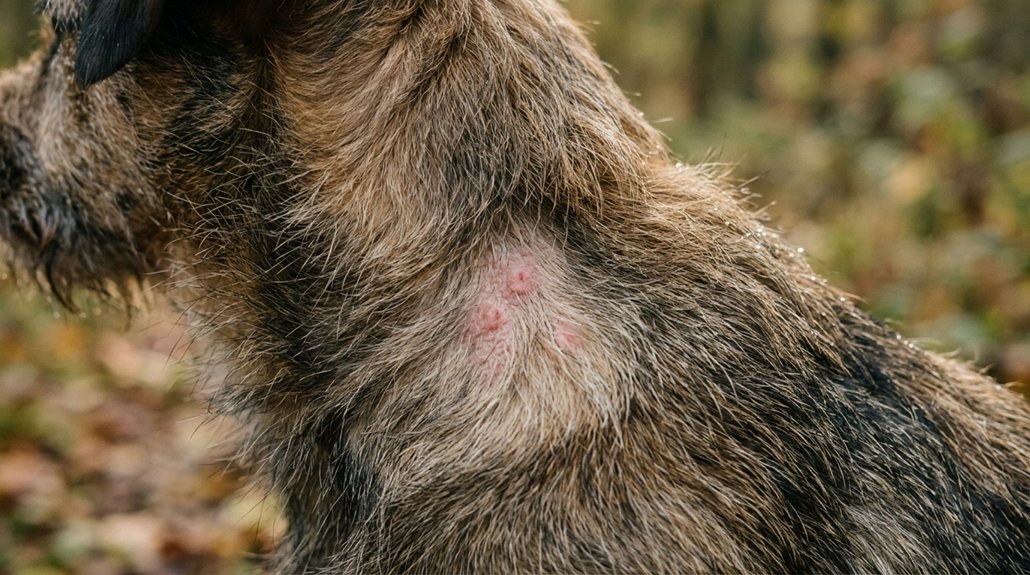
When monitoring your dog for symptoms of tick bites, it’s essential to be vigilant for both localized and systemic signs. At the bite site, you might notice redness or swelling, often accompanied by increased scratching, biting, or licking—indicating discomfort. Beyond these, keep an eye out for systemic symptoms like fever, loss of appetite, or lethargy, which can signal tick-borne diseases such as Lyme disease. These can seriously affect your dog’s health and may not present immediately. Monitoring for unusual behaviors is important; limping or decreased activity could hint at underlying issues. Early detection is key, as some symptoms can appear weeks later. Prompt veterinary care can help mitigate potential complications from these serious health threats.
Seasonal Patterns: Understanding Tick Activity
Understanding the seasonal patterns of tick activity is essential for properly protecting your dog. Ticks are most active during spring and early summer, with another peak in early autumn due to their reproductive cycles. It’s important to heighten your vigilance during these periods when ticks are actively seeking hosts. However, climate impact has changed traditional patterns. With global temperatures rising, ticks may remain active beyond these seasons, posing a year-round risk, especially in warmer regions.
Immature ticks, or nymphs, retaining infections into adulthood, further the spread of tick-borne diseases. Awareness of seasonal tick population surges is significant, particularly in humid areas with dense vegetation. Such conditions enhance tick habitats, increasing your pet’s exposure risk. Regular checks and preventive measures are key.
How Ticks Attach to Dogs and Where to Check
Ticks latch onto your dog through questing, a behavior where they wait on vegetation to attach as your pet passes by. Focus your tick checks on high-risk areas like the feet, groin, armpits, and under the collar, where these parasites are likely to hide. To enhance detection, use your fingers to brush through your dog’s fur, applying slight pressure to identify any tiny bumps that could indicate a lurking tick.
Questing Behaviors and Habitats
Many ticks engage in a behavior known as questing, where they position themselves on low-lying branches and leaves, waiting to latch onto an unsuspecting host like a dog. These questing ticks are prevalent in habitats such as woodlands, meadows, and areas of dense vegetation. As your dog brushes against infested vegetation, ticks seize the opportunity to attach themselves and feed. To safeguard your pet from tick exposure, it’s essential to check hidden areas like between toes, under collars, and within ear folds, as ticks often settle in these inconspicuous spots. Regular inspections, particularly during peak tick seasons such as spring and early summer, help in early detection and removal, ensuring your dog’s health and comfort are maintained.
High-Risk Areas to Check
While ticks are adept at waiting in vegetation to latch onto unsuspecting hosts, knowing where they attach on your dog is essential for effective prevention. Prevention education emphasizes checking high-risk areas like the groin, armpits, ears, and between the toes, where ticks easily go unnoticed. Ticks thrive in wooded, grassy, or marshy environments, making these spots particularly vulnerable. Due to their small size and dark colors, ticks blend in, especially on dogs with long or thick fur.
Implement inspection techniques that involve regular checks during peak tick seasons—spring, early summer, and autumn—when ticks are most active. Consistent vigilance in examining these key regions can prevent ticks from remaining undetected, thereby reducing the risk of disease transmission from tick-borne pathogens.
Effective Tick Detection Techniques
Effective tick detection on dogs requires a systematic approach, as these pests use specialized mouthparts to latch onto the skin and remain attached for long periods while feeding. Regular visual inspection of high-risk areas is essential, especially since ticks often embed themselves in spots not easily visible.
- Groin, armpits, and around the collar: These are prime regions where ticks nest.
- Feet and between the toes: Ticks often attach here as dogs brush past vegetation.
- Areas with long or dense fur: Ticks hide well in such areas, making inspection vital.
- Use touch as well as sight: Feel for bumps that are often missed by sight alone.
Timely tick detection facilitates quick tick removal, preventing potential health issues. Always perform thorough checks after walks in wooded or grassy areas.
Diseases Spread by Ticks: Essential Knowledge for Dog Owners
When your dog becomes host to ticks, understanding the diseases they can transmit is essential for their health. Ticks are notorious for spreading serious illnesses such as Lyme disease, Canine Ehrlichiosis, Canine Anaplasmosis, Rocky Mountain Spotted Fever, and Canine Babesiosis. These diseases present unique symptoms ranging from swollen joints to severe anemia, and can emerge months after infection. The tick life cycle plays a crucial role in disease transmission, making preventive vaccinations important. Lyme disease may cause joint swelling and lethargy, while Canine Ehrlichiosis can lead to fever and swollen limbs if neglected. Early diagnosis is critical as most tick-borne diseases respond well to antibiotics. Regular vet check-ups and awareness are key in maintaining your dog’s health amidst tick threats.
Tick Prevention Strategies
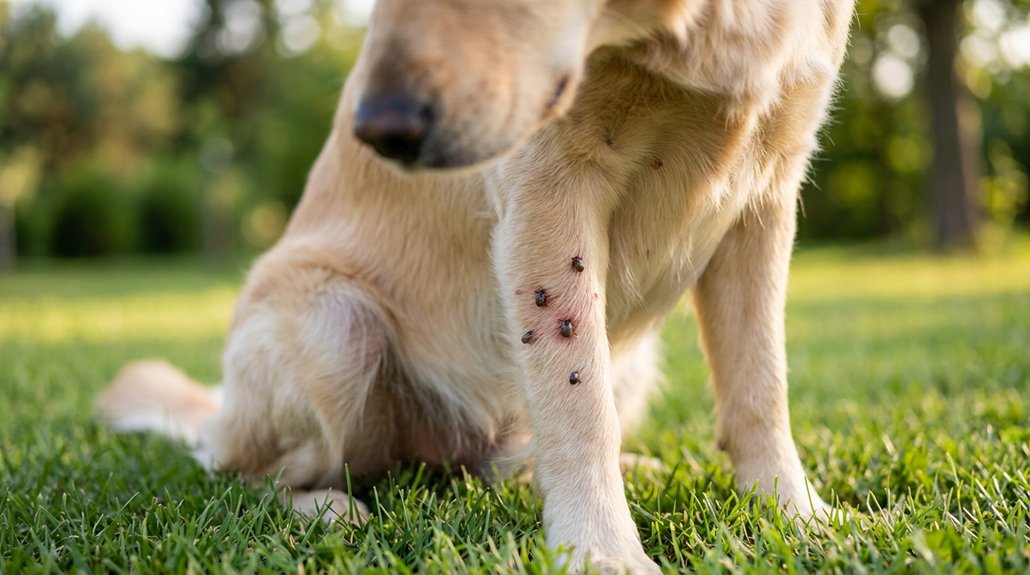
Regularly checking your dog for ticks is vital, especially after outdoor excursions, as early detection can prevent tick-borne diseases. Employ veterinarian-recommended tick control products, such as topical solutions or oral medications, to effectively minimize tick risks. Additionally, maintaining a tick-free environment through professional yard management and staying informed about local tick-borne threats are essential components of a thorough prevention strategy.
Effective Tick Control Methods
Implementing a multi-faceted approach can drastically enhance your dog’s protection against ticks. Start with the regular application of veterinarian-recommended tick prevention products like topical treatments or chewables, considerably reducing tick infestations. Additionally, integrate natural repellents to avoid harsh chemicals, ensuring they’re pet-safe and effective. Yard maintenance is essential; keep your lawn mowed and bushes trimmed to minimize tick habitats and risks to your pets. Complement your strategy with practical solutions like:
- Dry ice tick traps to lower local tick populations.
- Annual screenings for tick-borne diseases, identifying infections that may not show symptoms immediately.
- Daily tick checks post-outdoor activities during peak seasons, preventing tick-borne illnesses.
- Rely on expert advice for thorough care in safeguarding your furry companion.
Importance of Regular Checks
Building on effective tick control methods with professional advice, recognizing the significance of regular checks can be your strongest ally in tick prevention strategies. Conducting daily tick checks, particularly during tick season, guarantees early detection and prevention of tick-borne diseases. It’s crucial to focus on tick hotspots such as the groin, armpits, ears, and between the toes, as these are common areas for tick attachment. By maintaining a check frequency that accommodates your dog’s outdoor activities, you reduce the risk of long-term infestations. Wearing light-colored clothing when inspecting your pet helps in identifying ticks more easily against their fur. Integrating these checks into your routine, along with vet-recommended tick control products, elevates your prevention strategy considerably.
Safely Removing a Tick From Your Dog
To safely remove a tick from your dog, it’s vital to grasp it as close to the skin as possible using fine-tipped tweezers or a tick removal tool. Twist gently and pull upward without squeezing the tick’s body, making certain the mouthparts are removed to prevent infection. Post-removal care is important; clean the bite area with antiseptic and monitor for any signs of inflammation or adverse reactions.
Grasp the tick close to the skin, twist gently, pull upward, and ensure complete removal to avoid infection.
- Use the tick removal tools to avoid leaving parts behind.
- Cleanse and monitor the site to prevent infection.
- Regularly inspect areas like under the collar and between the toes.
- Store the tick in a sealed container for identification.
Should follow-up care be needed, consulting your veterinarian is advised to guarantee peak health for your dog.
When Should You Call the Vet About a Tick Bite?
When you find a tick on your dog, it’s important to consult your veterinarian to secure proper removal and to assess your dog’s health for any signs of infection or disease transmission. Understanding the correct tick removal techniques prevents complications and guarantees your pet’s safety. After removal, vigilantly monitor your dog for symptoms like fever, loss of appetite, lethargy, or joint stiffness, which could signify a tick-borne disease. Immediate veterinary follow-up is vital if you notice any unusual behavior or health changes in the weeks following a bite. In cases of severe symptoms, such as vomiting, diarrhea, or seizures, reach out to your vet right away. Regular veterinary check-ups can facilitate early detection and treatment of potential tick-related illnesses.
Long-Term Health Monitoring Post-Tick Exposure
Although your dog might appear healthy in the immediate aftermath of a tick bite, long-term health monitoring is essential to guarantee any potential tick-borne diseases are fully eradicated and to prevent rebound infections. Regular blood work, known as post exposure testing, is vital to detect diseases that might not show symptoms immediately. Keep an eye on your dog’s appetite and look for any behavioral changes, as these could signal a return of illness. Remember, symptoms can manifest weeks to months later.
- Conduct regular blood tests to catch hidden infections.
- Monitor for subtle changes in behavior or appetite.
- Schedule follow-up vet visits to confirm full recovery.
- Stay informed about local tick-borne diseases to anticipate potential health issues.
Vigilance is key for your dog’s long-term health.
Frequently Asked Questions
When to Worry About a Tick Bite for Dogs?
You should worry about a tick bite when symptoms like fever, lethargy, or joint stiffness appear. Prioritize tick bite prevention and guarantee proper tick removal techniques. Consult a vet if your dog shows unusual symptoms or behaviors.
What Does a Concerning Tick Bite Look Like on a Dog?
Like spotting Achilles’ heel, a concerning tick bite on your dog shows red, swollen areas, signaling trouble. Look for tick bite symptoms like bumps or fever. Prevention measures include regular checks and promptly consulting a vet if needed.
How Soon After a Tick Bite Does a Dog Get Sick?
After a tick bite, your dog might show tick bite symptoms within 7 to 21 days. Tick disease prevention is key, as some diseases manifest months later. Guarantee prompt tick removal to minimize infection risks.
Do I Need to Take My Dog to the Vet After a Tick Bite?
Yes, you should visit the vet post-bite. Imagine catching potential issues early. Proper tick removal and prevention tips are essential to avoid complications. Regular check-ups guarantee your furry friend’s health isn’t compromised down the line.
Conclusion
Understanding the risks and management of tick bites on dogs is essential for your pet’s health. Did you know that over 75% of Lyme disease cases in dogs occur during tick season? This alarming statistic underscores the importance of vigilance in checking for ticks, especially after outdoor adventures. By employing preventive measures and knowing when to consult your vet, you can safeguard your dog’s well-being and enjoy the outdoors worry-free. Stay informed and proactive for your furry friend’s sake.