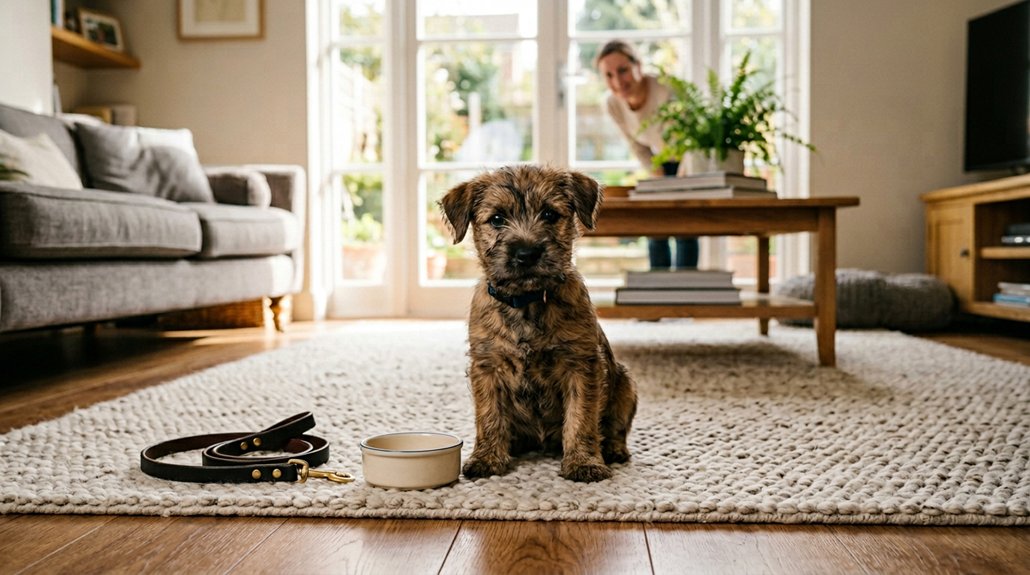
As a first-time dog owner, guarantee your chosen breed aligns with your lifestyle’s energy levels and living space. Recognize the long-term commitment of pet ownership, considering emotional readiness and financial impact. Your home should be dog-proofed and equipped with essentials like bowls and a bed. Establish daily routines for feeding, exercise, and grooming to promote your dog’s well-being. Evaluating these factors will help provide a harmonious life for you and your pet. Discover more essential insights next.
Key Takeaways
- Assess the dog’s energy, exercise, and social needs to ensure compatibility with your lifestyle.
- Commit to a long-term relationship, recognizing the 10-16 year responsibility of dog ownership.
- Ensure your living environment is suitable, providing space for exercise and a safe habitat.
- Prepare for financial responsibilities, with annual costs ranging from $1,500 to $9,900.
- Establish a daily routine, including feeding, exercise, training, and grooming tailored to the dog’s needs.
Choosing the Right Dog for Your Lifestyle
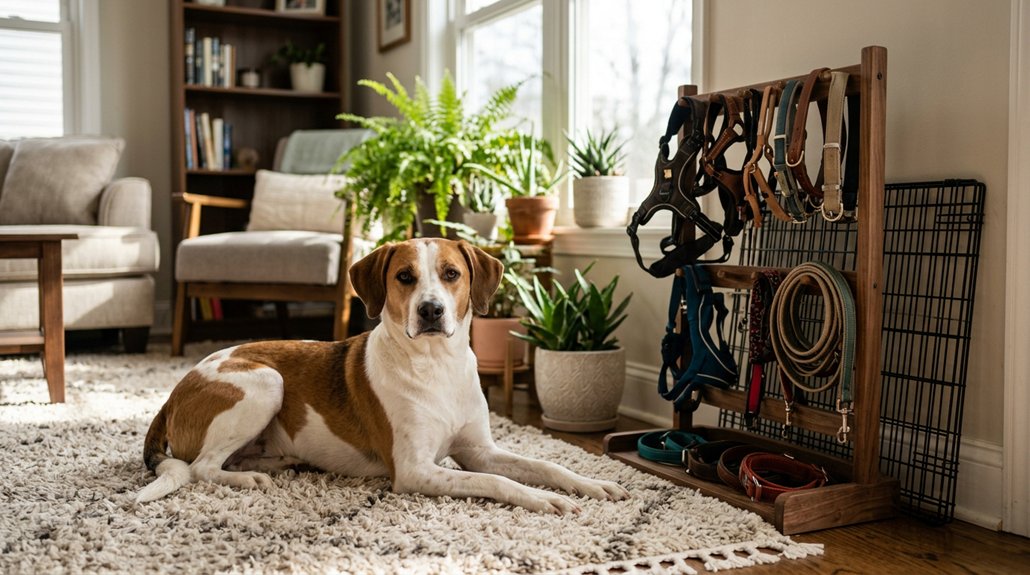
How do you determine the perfect dog to match your lifestyle? Start with a thorough dog breed comparison, focusing on energy levels. Your lifestyle and daily routine should guide your choice, as breeds require different amounts of exercise and social interaction. For instance, high-energy breeds like Border Collies need ample physical activity and mental stimulation, whereas a quieter breed, such as a Bulldog, prefers less exertion. Consider your living space; larger breeds often need room to roam, while smaller dogs can adapt well to apartment living. Evaluate compatibility with family dynamics—friendly breeds like Golden Retrievers or Beagles are great for kids. Assess grooming needs; some demand extensive care. A practical choice guarantees a harmonious relationship, prioritizing animal welfare and your capabilities.
Ready to Fully Commit to a Dog?
When considering the significant responsibilities of dog ownership, are you fully prepared for this long-term commitment? Emotional readiness and lifestyle changes are essential factors in evaluating your ability to care for a dog over their 10-16 year lifespan. Assess your daily schedule to verify you can allocate enough time for your dog’s training, exercise, and socialization—critical aspects of their development and well-being.
Consider if you’re truly ready for dog ownership, balancing emotional readiness and lifestyle changes for the next 10-16 years.
- Financial Preparedness: Annual costs can range from $1,500 to $9,900 for food, vet care, and supplies.
- Household Consensus: Confirm all household members agree on the decision and understand their roles.
- Tolerance for Mess: Expect mishaps; puppies are known for accidents and chewing.
Evaluating these areas verifies you’re truly prepared for the responsibilities of dog ownership.
Understanding Your Dog’s Living Space and Environment
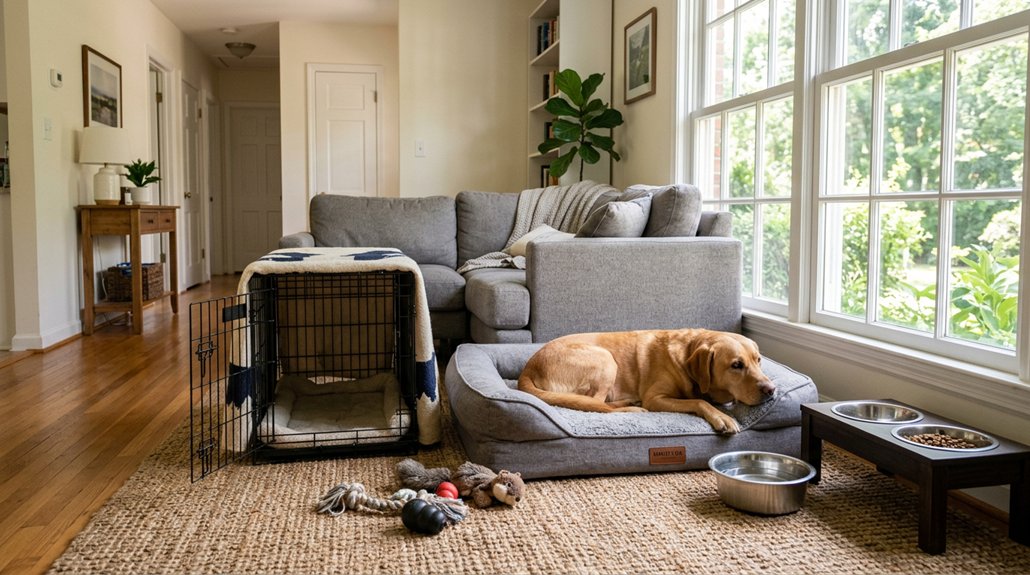
As you begin the journey of dog ownership, it’s crucial to tailor your living environment to suit your pet’s specific needs. Assess your available living space to guarantee it’s suitable for your dog’s size and energy levels. Larger breeds may require more room and an enclosed outdoor area for exercise and play, while smaller spaces could suffice for less active dogs. Create designated safe spaces within your home where your dog can feel secure and at ease, complete with a cozy bed. Dog proofing essentials involve removing toxic plants, securing loose electrical cords, and eliminating small items that could be swallowed. Consider the climate’s impact on your chosen breed, as some dogs thrive better in certain weather conditions.
Preparing Your Home for Your Dog’s Arrival
Preparing your home for a dog’s arrival is a significant step that demands attention to both safety and comfort. Start by implementing effective dog proofing strategies to create a secure environment. Remove harmful items, secure electrical cords, and eliminate toxic houseplants. It’s essential to provide a designated safe area for your dog.
Ensuring a safe, comfortable environment is crucial when preparing for a dog’s arrival.
Investing in essential supplies will guarantee your dog feels at home. Consider acquiring:
- Food and water bowls, and a comfortable bed.
- A crate for security, a sturdy collar, and a reliable leash.
- Various toys to stimulate play and prevent boredom.
Additionally, plan for regular exercise areas to meet your dog’s activity needs. Securing trash cans and removing chewable objects are smart dog proofing strategies that facilitate a smoother changeover for your new companion.
Creating Daily Routines for Your Dog’s Well-being
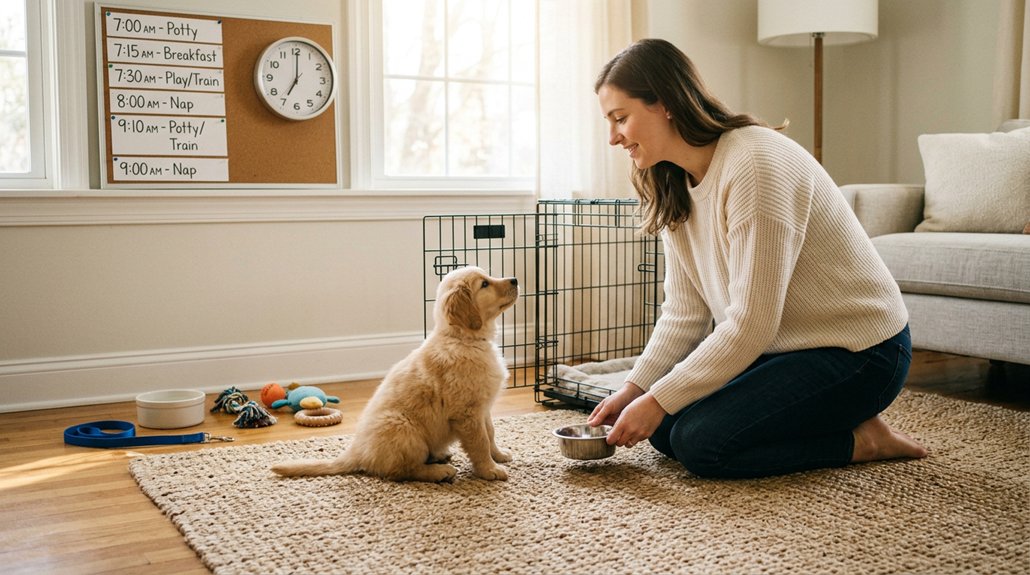
Establishing a daily routine for your dog isn’t just beneficial—it’s essential for their overall well-being. A consistent feeding schedule of two meals a day for adults, or three to four for puppies, provides them with the necessary nutrition and a sense of predictability. Incorporating a robust exercise routine, including one to two walks daily, is critical for their physical health, preventing boredom-related issues, and strengthening your bond. Carving out 5-10 minutes for training sessions enhances mental stimulation and reinforces good behavior. Finally, attending to grooming needs, which vary by breed, guarantees health and comfort, preventing matting and skin problems. A structured routine promotes your dog’s mental and physical health, enhancing their life quality and security.
Frequently Asked Questions
How Do I Find a Reliable Veterinarian for My Dog?
You might worry about finding the best vet, but consult friends for vet recommendations and check online reviews. Prioritize clinics offering evidence-based practices and 24/7 emergency care to guarantee your pup’s well-being is always supported.
What Are the Costs Involved in Regular Dog Grooming?
The costs for regular dog grooming include grooming supplies like brushes and shampoos and professional grooming fees. Frequency recommendations vary by breed; generally, expect monthly grooming visits. Proper grooming guarantees your dog’s ideal health and well-being.
How Can I Ensure My Dog Gets Proper Socialization With Other Pets?
You’ll guarantee your dog gets proper socialization by regularly visiting dog parks and arranging doggy playdates. Evidence shows these environments enhance social skills and well-being, reducing stress and anxiety, promoting overall animal welfare and positive behavioral development.
What Should I Include in a Doggy First Aid Kit?
In your doggy first aid kit, include essential supplies like bandages, antiseptic wipes, and tweezers. Don’t forget emergency contacts for your vet and nearby animal hospitals. Evidence shows these basics contribute greatly to effective emergency preparedness.
How Often Should My Dog Have a Health Check-Up?
You should schedule a health check-up for your dog annually, ensuring their dental care is assessed and puppy vaccinations are updated. Such visits are essential for monitoring health and preventing issues, aligning with evidence-based animal welfare standards.
Conclusion
Starting on dog ownership is both rewarding and demanding. While the joys of companionship and unconditional love are unmatched, they’re balanced by the responsibilities of care and commitment. It’s not just about fulfilling a desire; it’s about meeting an animal’s needs and ensuring their well-being. By choosing wisely, preparing thoroughly, and establishing routines, you’re setting the stage for a mutually beneficial relationship, where happiness and health coexist, elevating both human and canine lives through informed choices.