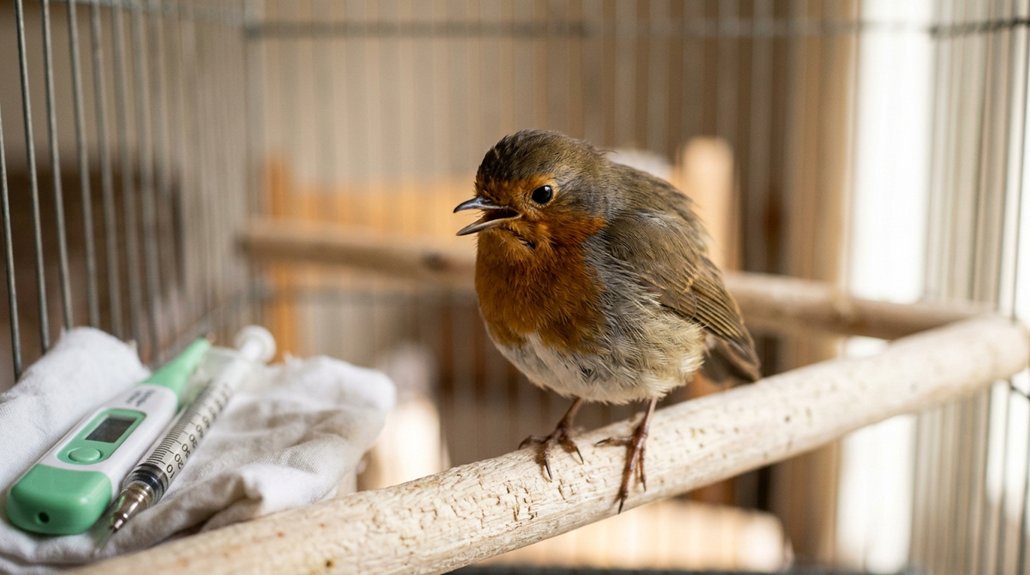
If your bird has respiratory problems, you may notice tail-bobbing, open-mouth breathing, wheezing, sneezing, nasal discharge, voice changes, puffing, or reduced appetite and perch use. This is an emergency if breathing is labored, the beak stays open, the gums look blue or gray, or several birds are affected. Causes include infection, Aspergillus, mites, and fumes. Vets diagnose with exam, imaging, PCR, and sampling, then treat with oxygen, antimicrobials, antifungals, or supportive care.
Key Takeaways
- Respiratory distress signs include tail-bobbing, open-mouth breathing, wheezing, sneezing, nasal discharge, and lethargy.
- Emergency signs are gasping, blue gums, collapse, severe distress, or sudden illness after smoke, fumes, or PTFE exposure.
- Common causes include vitamin A deficiency, bacterial or fungal infections, mites, and environmental irritants like smoke and ammonia.
- Diagnosis often uses a stress-free exam, imaging, PCR, and airway sampling to identify the exact cause.
- Treatment may include oxygen, warmth, fluids, targeted antibiotics or antifungals, antiparasitics, improved diet, and better air quality.
What Are the Signs of Bird Respiratory Problems?
Birds with respiratory disease often show increased breathing effort, including tail-bobbing, open-mouth breathing, rapid or labored respirations, and audible wheezes or high-pitched squeaks that suggest lower airway or tracheal involvement. You may also notice avian sneezing, nasal discharge, watery or crusted eyes, or voice changes when the syrinx or trachea’s involved. Feather puffing, reduced appetite, lethargy, failure to perch, and sudden weight loss are common nonspecific clues. In some birds, signs stay subtle, with only mild sneezing or decreased vocalization. You shouldn’t dismiss these findings, because chronic respiratory disease can progress quietly and worsen prognosis if diagnostics are delayed. Early evaluation with cytology, culture, radiographs, or endoscopy helps identify the cause and guide treatment before disease advances.
When Is Bird Breathing Trouble an Emergency?
Respiratory signs in birds can escalate quickly, and certain patterns need immediate veterinary care rather than watchful waiting. If you see open-mouth breathing, persistent tail-bobbing, audible wheeze, or your bird can’t perch normally, treat it as an emergency. Gasping, collapse, seizures, or sudden death after toxin exposure, including overheated PTFE fumes, can be fatal within minutes to hours. Any rapid rise in effort, blue or gray mucous membranes, or distress after smoke, aerosol sprays, or strong fumes needs urgent stabilization and immediate transport in warm, humidified oxygen. Progressive signs like discharge, sneezing, or voice change become urgent if they worsen, stop eating or drinking, or come with marked lethargy and weight loss. If multiple birds are affected, contact a veterinarian at once.
What Causes Bird Respiratory Disease?
Bird respiratory disease usually starts with one of five problems: poor nutrition, infection, parasites, toxins, or chronic environmental irritation. If you feed seed-only diets, vitamin A deficiency can damage the respiratory lining, especially in older Amazon parrots, and set up sinus and bacterial infections. Bacteria such as Mycoplasma and Chlamydia psittaci often affect budgerigars and cockatiels, sometimes without signs until disease advances. Aspergillus spores from moldy feed, bedding, or stale air can invade lungs and air sacs. Parasites including air sac mites, tracheal mites, and gapeworms trouble finches, canaries, poultry, and wild birds. Cigarette smoke, aerosols, ammonia, and overheated nonstick fumes can irritate or kill birds quickly. Some causes need supplementation, some need antiparasitic drugs, and some need ventilation and exposure control.
How Vets Diagnose Bird Respiratory Problems
When a bird comes in with labored breathing, a veterinarian starts with a careful history and a minimal-stress physical exam, looking for tail-bobbing, open-mouth breathing, nasal discharge, voice change, or poor exercise tolerance. You’ll usually see choanal or tracheal sampling first, with avian cytology and culture guiding bacterial, fungal, or parasitic suspicion. PCR can target Chlamydia psittaci or Aspergillus, while CBC and biochemistry check systemic spread.
| Test | What it shows |
|---|---|
| Radiographs | Lower airway, air sac, and lung pattern |
| Endoscopy | Tracheal plaques, granulomas, foreign bodies |
| Serology/biopsy | Definitive fungal or infiltrative disease |
| Cytology/PCR | Infectious organism identification |
In dyspneic birds, stabilization with oxygen, warmth, and humidification comes before invasive sampling. Airway endoscopy and imaging often combine to confirm diagnosis.
How Bird Respiratory Problems Are Treated
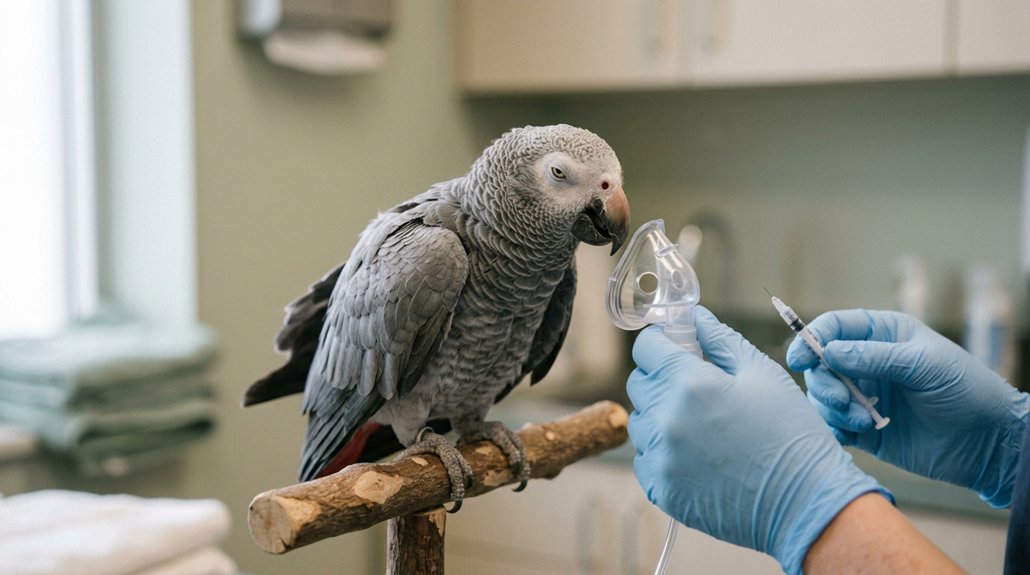
Once testing points to the cause, treatment can be targeted and birds with even mild upper-airway signs, such as sneezing or nasal discharge, generally do much better than those already showing tail-bobbing or marked dyspnea. Your bird’s care should start with early intervention: culture/PCR-guided antimicrobials, azoles for aspergillosis, or antiparasitics for mites and gapeworms.
Early, targeted treatment works best—birds with mild upper-airway signs usually fare far better than those with severe distress.
- Oxygen support
- Heated, humidified enclosure
- Warmed fluids
- Gavage feeding
- Airway stabilization if needed
If obstruction is severe, your vet may place an uncuffed endotracheal tube or perform air-sac cannulation. You should also correct hypovitaminosis A, remove moldy feed, eliminate PTFE exposure, and improve ventilation. These steps reduce recurrence, limit tissue damage, and improve prognosis in species such as psittacines, pigeons, and raptors.
Frequently Asked Questions
How to Help a Bird With Respiratory Problems at Home?
You can help only mild cases by moving your bird to clean, smoke-free air, using humidifier use, keeping it warm, and offering water, soft foods, and dietary supplements; don’t medicate, and call an avian vet.
How to Ease Respiratory Symptoms?
Increase humid therapy and warmth, keep you bird in fresh, irritant-free air, and support air saccules with easy fluids and nutrition. You should seek an avian veterinarian promptly for oxygen, nebulization, or targeted treatment.
How Long Can a Respiratory Infection Last?
A respiratory infection can last days to months; you’ll see mild bacterial pneumonia improve in 7–14 days, while avian influenza or aspergillosis may persist longer. Your bird’s species, diagnosis, and treatment timing shape recovery.
How Do You Know if Your Bird Has Respiratory Issues?
You’ll notice respiratory issues by behavioral changes, poor feather condition, open-mouth breathing, tail-bobbing, wheezing, sneezing, or voice loss; scent detection of fumes matters too. Finches and canaries may show high-pitched noises or collapse.
Conclusion
Your bird may seem bright yet breathe with effort, a troubling contrast that often signals early disease. If you notice tail bobbing, open-mouth breathing, nasal discharge, or wheezing, don’t wait. In parrots, finches, and canaries alike, respiratory distress can worsen quickly. Prompt veterinary care, targeted diagnostics, and species-specific treatment can be lifesaving. You can’t assume a mild sign is harmless; in birds, subtle changes often precede severe compromise.