
Your dog needs specific nutrients to stay healthy and strong. Age, breed, size, and how active your dog is all shape what your pup should eat each day.
What factors affect my dog’s dietary requirements?
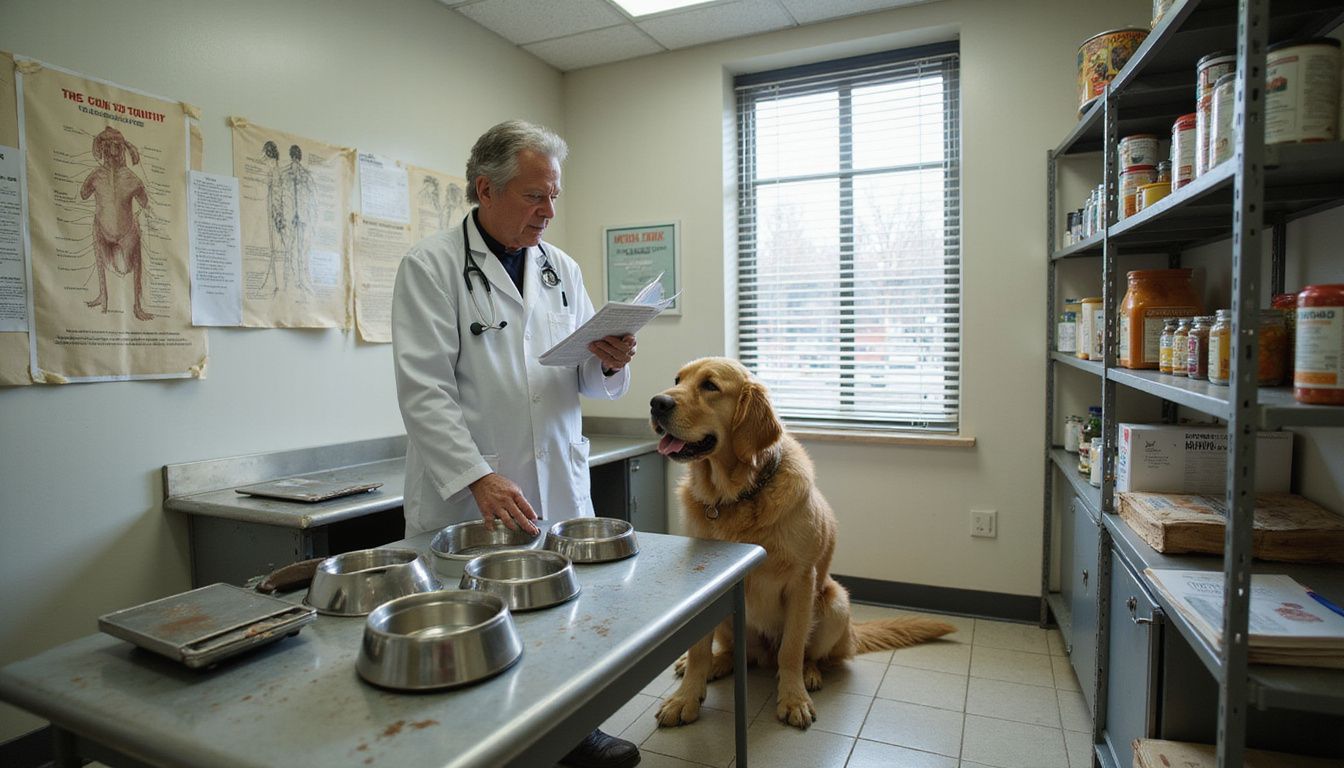
Several factors shape what your dog needs to eat each day. Age tops the list. Puppies need more calories to fuel their growth, while senior dogs need fewer calories but specific nutrients to support aging bodies.
- Activity level: Active and working breeds need higher-calorie diets than dogs who spend most of the day on the couch.
- Size and breed: A Great Dane burns calories very differently than a Chihuahua.
- Health status: Dogs with heart disease or diabetes need specialized diets built around their medical needs.
- Body weight: Extra pounds can lead to diabetes, pancreatitis, and arthritis, so weight management matters at every stage.
According to the 2025-2026 survey by the Association for Pet Obesity Prevention, 59 percent of dogs in the US are now overweight or obese. Here’s the part that surprised me: only 16 percent of owners actually weigh their dog’s food on a kitchen scale.
Most of us just eyeball a scoop of kibble, and that’s an easy way to overfeed without noticing. A cheap kitchen scale is one of the simplest tools you can add to your routine, and your vet can help you set the right target weight.
Food allergies and sensitivities add another layer to the mix. Dogs can react to common ingredients like beef, dairy, and wheat, and figuring out the cause usually takes veterinary testing and some diet adjustments.
Metabolism varies from dog to dog, meaning one pup’s perfect meal might not work for another. Talking with a veterinary nutritionist helps you sort through these differences, and checking for standards set by the Association of American Feed Control Officials helps you spot quality foods on the shelf.
The team at Small Door Veterinary and the Cornell Richard P. Riney Canine Health Center offer great resources for understanding a balanced diet. Dr. Joseph J. Wakshlag and other veterinary nutrition experts agree that essential nutrients, amino acids, vitamins and minerals, proteins, and dietary fiber all work together to keep your dog healthy.
“The best food for your dog is one that meets their individual needs, not just what works for another dog.”
How do age, breed, and activity level impact my dog’s nutrition?

Now that you understand what affects your dog’s overall diet, let’s look at three big factors that shape what goes in your dog’s bowl each day.
| Life Stage | Nutritional Demands | Key Considerations |
|---|---|---|
| Puppies | Higher calories, increased fat content, balanced vitamins and minerals for growth | Feed puppy-specific formulas until your pup reaches adult size. Small to medium breeds mature around 12 months. Large and giant breed puppies need 14 to 18 months on puppy food. Calcium-to-phosphorus ratios matter significantly for large and giant breeds to support bone development. Toy and small breed puppies need kibble designed for smaller mouths to prevent choking hazards. |
| Adult Dogs | Balanced calories matching activity level and body weight | Maintenance nutrition keeps adult dogs healthy. Portion sizes depend on your dog’s weight and metabolism. Regular body condition scoring helps you adjust amounts as needed. |
| Senior Dogs | Fewer calories, enhanced joint support, digestive aids | Aging dogs burn fewer calories than younger companions. Senior formulas contain added nutrients for aging joints and organs. Your veterinarian can recommend transition timing based on breed size. |
| Breed Size Categories | Caloric needs vary by body composition and metabolism | Toy breeds have faster metabolisms and need smaller kibble sizes. Small breeds process food differently than large breeds. Giant breeds face unique growth challenges requiring specialized nutrition. Medium-sized dogs fall between extremes in caloric requirements. |
| Activity Levels | Energy requirements drive caloric needs dramatically | Working dogs and active breeds need higher-calorie diets matched to their energy output. Couch potato companions need fewer calories to prevent weight gain. Moderate activity levels fall between these two extremes. Your dog’s lifestyle directly affects food portions and formula choice. |
Age shapes what nutrients your pup actually needs right now. A growing puppy demands more calories and fat than a relaxed adult dog lounging on the couch, since its body is building bones, muscles, and organs all at once.
Breed size affects metabolism in surprising ways. Toy breeds zoom through food faster than their giant cousins.
Large breed puppies face special risks if they grow too fast, so their food needs precise calcium and phosphorus balance to protect developing bones. Small breed puppies need kibble sized for their tiny mouths, since regular-sized kibble becomes a choking risk fast.
Activity level separates couch potatoes from adventure buddies. Working dogs and active companions burn through calories fast, so they need higher-calorie formulas to keep up their energy and muscle. Sedentary dogs need fewer calories, or they pack on unwanted pounds.
Your veterinarian helps match food portions and formulas to your dog’s specific lifestyle, building a feeding plan that actually works for your companion.
Types of Dog Food to Consider

You’ve got four main paths to feed your dog well: kibble, wet food, raw diets, and home-cooked meals. Each option brings different perks and challenges to your dog’s bowl.
What are the benefits and drawbacks of dry food (kibble)?

Even if you’re weighing whether to adopt a rabbit instead of a dog, the same core idea applies here. Quality pet food is quality pet food, no matter the species, and the label-reading habits you build now with dog kibble will carry over nicely if you ever compare rabbit pellets down the road.
| Benefits of Dry Food (Kibble) | Drawbacks of Dry Food (Kibble) |
|---|---|
| Long Shelf Life
Dry food has low moisture content. This extends how long kibble stays fresh. Store bags in cool, dry spaces without worry. Dental Health Benefits Kibble reduces plaque buildup on teeth. Your pet’s mouth stays healthier through chewing action. Less dental disease means fewer vet visits. Storage Convenience Kibble takes up minimal space in cabinets. Dispensing portions becomes quick and simple. No refrigeration required after opening bags. Cost Efficiency Dry food typically costs less than wet alternatives. Your budget stretches further each month. Larger bags offer better value per serving. Portion Control Measuring kibble helps maintain balanced nutrition. Part of the primary food can serve as treats. This keeps your pet’s diet consistent. |
Nutritional Gaps
Marketing tactics feature eye-catching ingredients lacking actual nutritional value. Read labels carefully to spot misleading claims. Veterinary nutritionists warn that manufacturers often use a labeling tactic called “ingredient splitting,” where a carb like peas gets broken into whole peas, pea flour, and pea protein so each one lands lower on the list. This can make meat look like the top ingredient by weight when carbs actually make up a bigger share. Limited Moisture Dogs need adequate water intake daily. Kibble alone doesn’t provide hydration. Your pet must drink extra water throughout the day. Digestibility Issues Some dogs struggle digesting dry kibble. Fillers can cause upset stomachs. Sensitive animals may need alternative options. Choking Hazards Small breed puppies face risks with standard kibble sizes. Kibble designed for small breeds prevents choking. Always match kibble size to your pet’s mouth. Processing Concerns High-heat processing destroys some nutrients. Natural enzymes may be lost during manufacturing. Supplementation sometimes becomes necessary. |
Picking a commercial diet certified as complete and balanced for your dog’s life stage is the foundation of good pet care. Dry kibble works wonderfully for many households, yet it isn’t perfect for every animal or situation.
Compare options side by side, then pick what matches your pet’s specific needs and your lifestyle best.
When should I choose wet food for my dog?

Dry kibble offers convenience and affordability, but wet food brings something different to your dog’s bowl. It’s a powerhouse for picky eaters who turn their noses up at crunchy kibble, and it delivers higher protein content than many dry alternatives.
Your dog absorbs more moisture from wet food, which helps if your pup needs extra hydration or struggles with dental issues that make chewing hard. Senior dogs often thrive on wet food because it takes so little effort to eat, and dogs recovering from illness benefit from a softer texture that won’t strain their jaws.
Wet food usually has more appealing aromas and flavors, which makes it perfect for coaxing a finicky eater to finish a meal. Brands like Merrick, Wellness Complete Health, and Spot and Tango offer quality wet options that support your dog’s health goals.
One important note: wet food has a shorter shelf life and needs refrigeration after opening, so plan to use opened cans within a few days. You should also check the label for an AAFCO statement, though wet food is less likely to display one compared to dry kibble. Resources like the Small Animal Clinical Nutrition Service or your own veterinarian can help you confirm nutritional completeness for your dog.
What is a raw diet and is it safe for dogs?
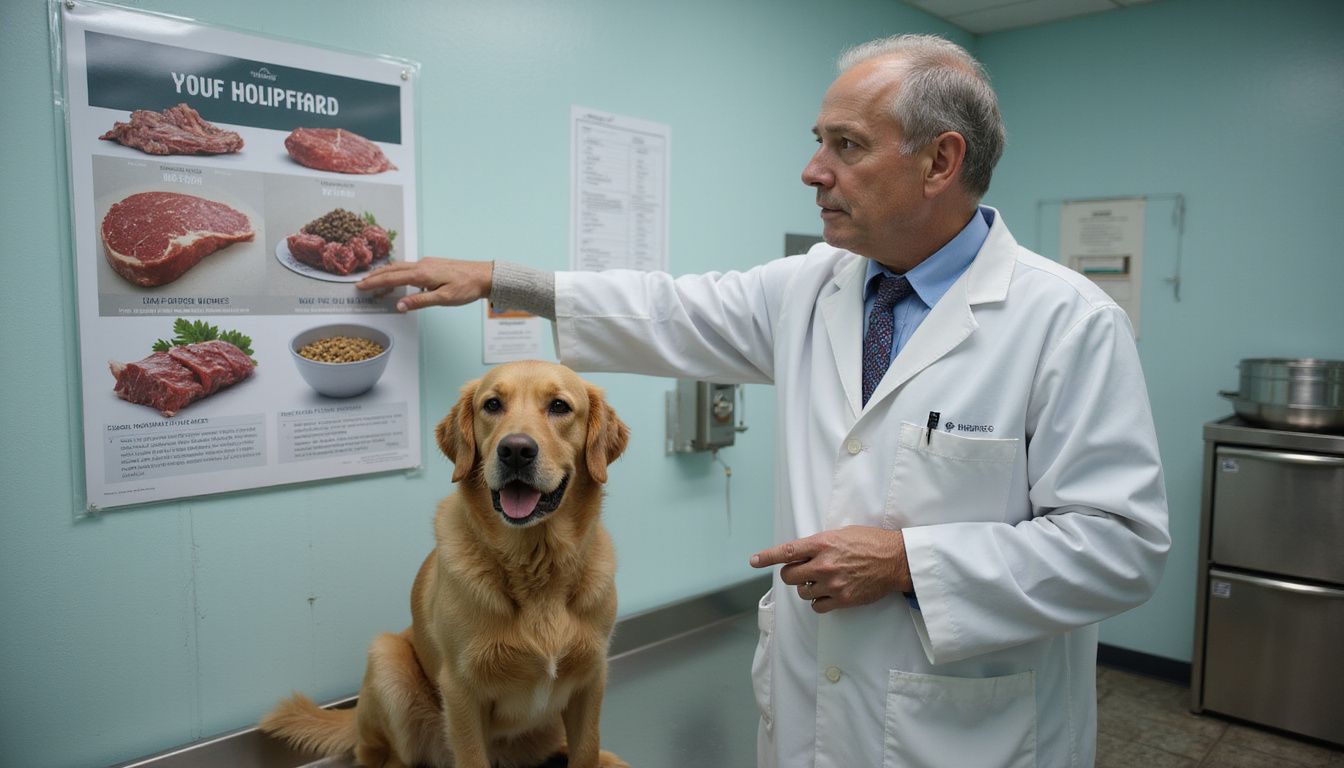
A raw meat-based diet feeds your dog uncooked meat, bones, fruits, and vegetables, mimicking what some owners believe their pets’ ancestors ate in the wild. This feeding approach has gained popularity among owners looking for what they see as a more natural option.
The idea sounds appealing on the surface. However, Cornell University researchers and veterinary experts have found no scientific studies supporting the health benefits of raw dog diets.
Your dog’s nutritional needs have shifted a lot over thousands of years of domestication, so modern dogs need different nutrients than their wild ancestors did. Feeding raw meat based on ancestral eating patterns lacks scientific evidence and can actually harm your pet’s health.
Raw diets carry serious safety concerns that affect both your dog and your family. The American Veterinary Medical Association (AVMA) officially discourages feeding raw diets, a stance backed by recent FDA warnings connecting severe human E. coli and Salmonella infections directly to raw pet food handling in the kitchen.
A controlled kitchen simulation showed just how real this risk is. Here’s what researchers found when testing kitchen surfaces after meal prep:
| Kitchen Task | Contamination Found (No Cleaning) | Contamination Found (After Wiping) |
|---|---|---|
| Raw meat meal prep | 8 out of 10 tests | 2 out of 10 tests |
| Commercial wet food prep | 1 out of 10 tests | 0 out of 10 tests |
Even with wiping, raw meat prep still left bacteria behind more often than wet food prep did with no cleaning at all. That pattern shows just how much preparing raw meat for a pet can raise contamination risk in a typical home kitchen.
Raw diets can also trigger diet-induced hyperthyroidism in dogs, a serious thyroid condition. Nutritional imbalances happen often because raw meals lack proper vitamin and mineral ratios, and veterinarians at facilities like Chimacum Valley Veterinary Hospital in Port Hadlock, WA consistently warn against raw feeding for these reasons.
Your dog deserves food that keeps them healthy and safe. Choosing commercially prepared options from trusted brands like Hill’s Pet Nutrition, Royal Canin, or Purina One gives you balanced nutrition without the contamination risks that raw meat-based diets carry.
How do I prepare balanced home-cooked meals for my dog?

If you’re thinking about adding any furry friend to your family, whether that’s a dog or a rabbit, understanding proper nutrition is the foundation of good pet care. Home-cooked meals give you full control over ingredients, but they take real knowledge to avoid nutritional gaps that could harm your dog.
- Start by consulting a veterinarian before preparing any home-cooked diet for your dog. Your vet can review recipes and catch missing nutrients like calcium, B12, and zinc that commonly disappear in homemade meals.
- Never rely solely on bland options like boiled chicken and rice for long-term feeding. These simple foods lack the nutritional balance your dog needs to thrive over months and years.
- Include a variety of protein sources such as lean meats, fish, and eggs in your dog’s meals. Rotating proteins prevents boredom and provides different amino acids your dog needs.
- Add vegetables and fruits to supply the vitamins, minerals, and fiber your dog’s body needs. Carrots, sweet potatoes, and green beans work well in most home-prepared diets.
- Calculate proper portions based on your dog’s weight, age, and activity level to keep a healthy body condition. An active dog needs more calories than a senior dog living indoors.
- Add calcium supplements or bone meal to meals, since deficiencies can show up quickly without them. Improperly formulated home-cooked diets often lack adequate calcium for bone health.
- Track what you feed your dog daily and watch for weight changes, energy levels, and coat quality. These signs tell you whether your home-cooked diet is working or needs a tweak.
- Avoid feeding meat-based diets exclusively without professional guidance from your veterinarian. Meat alone creates serious nutritional imbalances that damage your dog’s organs over time.
How Can I Evaluate Dog Food Labels Effectively?

Reading dog food labels takes practice, but it gets easier once you know what to look for. Your dog’s health depends on making smart choices, so let’s break down what actually matters.
What to check on the package
- Search for an AAFCO statement on the bag, which tells you the food is nutritionally balanced and complete. With new Association of American Feed Control Officials (AAFCO) guidelines rolling out through 2026, watch for a fresh “Pet Nutrition Facts” box on newer bags. It works a lot like the label on your own food, listing exact calorie counts, total carbohydrates, and dietary fiber for the first time.
- Look for named protein sources like chicken or beef at the top of the ingredient list, not vague terms like “meat meal” or “animal byproducts.”
- Check the expiration date printed on the package to confirm freshness and safety for your dog.
- Examine the fats listed on the label, since your dog needs quality fat sources for healthy skin and coat.
How to vet the brand behind the bag
- Look into whether the manufacturer owns its production facilities and what quality control steps they use to protect your pet.
- Verify that a full-time qualified animal nutritionist formulated the diet, since this shows real commitment to nutritional science.
- Research brands that publish studies in peer-reviewed journals and share detailed nutritional values beyond what’s on the label.
- Trust veterinarian-recommended brands like Hill’s Pet Nutrition, Pro Plan, Farmina Pet Foods, Acana, NomNomNow, Just Food For Dogs, and Sundays for proven quality.
- Skip overanalyzing confusing terms like “human-grade” or “meat byproducts” without veterinary input, since these descriptions can mislead pet owners.
Understanding an ingredient list means looking past the marketing language on the front of the bag. A review of 36 adult dry kibble products found that 22 listed a named protein such as chicken or salmon as the first ingredient, while 9 listed vague terms like “meat meal” or “animal byproducts” first, and 5 used blended phrases such as “chicken and turkey meal” with no single dominant source.
That means named proteins showed up first in about 61 percent of bags, but almost 40 percent used unclear wording that can confuse shoppers. That pattern shows why checking the ingredient list matters so much when you’re standing in the pet food aisle trying to pick the best option for your dog.
Special Dietary Considerations

Some dogs face real struggles with food allergies, sensitivities, and health conditions that demand a different approach to their meals. Your dog might need a bland diet, a grain free diet, or special nutrition to manage kidney disease or dilated cardiomyopathy, and the right food makes all the difference.
How can I identify and manage food allergies or sensitivities in dogs?
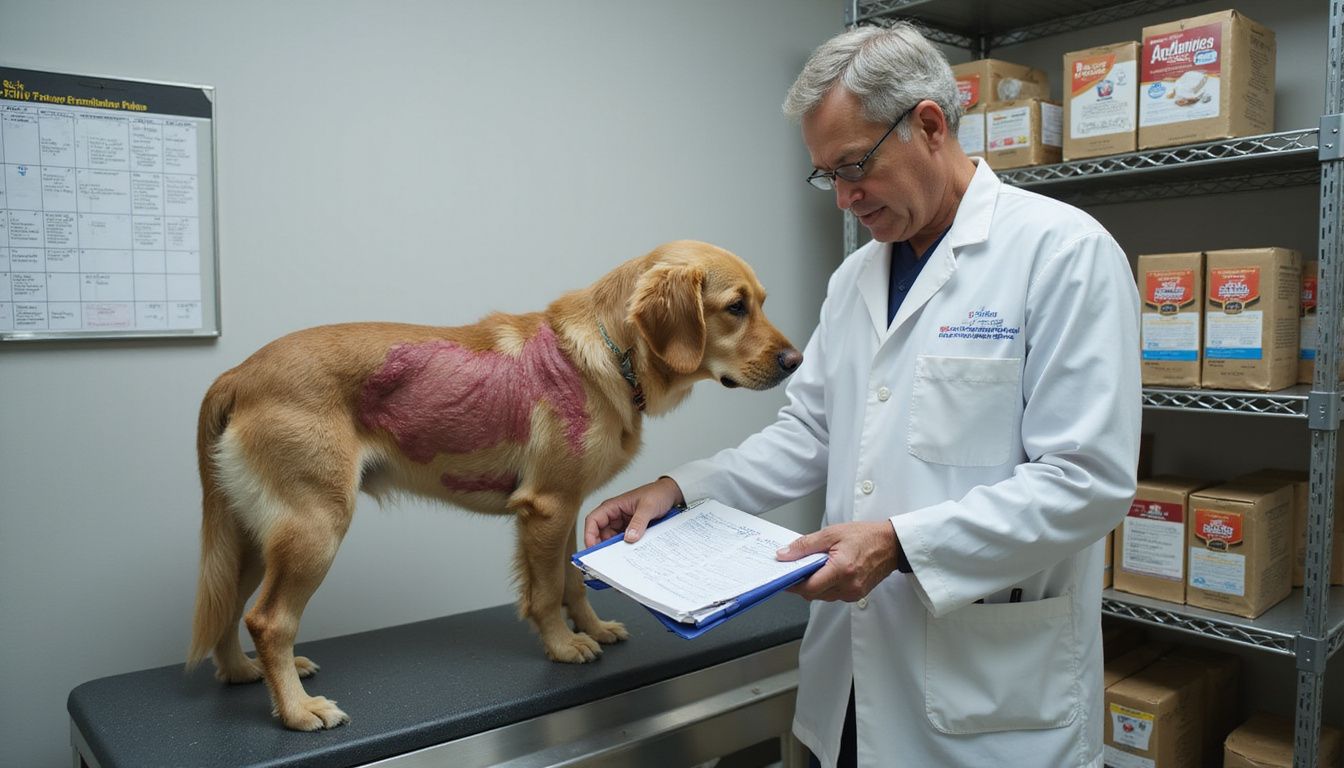
Identifying food allergies in your dog
Your dog scratches constantly, loses patches of fur, or develops skin irritation. These symptoms might signal a food allergy rather than an environmental issue, since dogs can react to common ingredients like beef, dairy, and wheat.
Food allergies trigger itching and hair loss, which show up differently than environmental allergies caused by pollen or dust. Your veterinarian needs to run testing to confirm whether your dog has a food allergy or sensitivity.
Don’t guess at the cause. Veterinary testing gives you the real answer, since symptoms in the skin and digestive system can be hard to sort out without professional help. Hill’s Pet Nutrition and Farmina Pet Foods offer hypoallergenic options, though your vet should recommend the right choice for your dog.
Managing your dog’s dietary needs
Introduce any new diet gradually to prevent digestive upset like diarrhea. Your veterinarian can guide you through diet changes so your dog tolerates the new food well.
Limited-ingredient diets work well for dogs with confirmed sensitivities, since they remove problematic ingredients and let your dog’s body heal. A bland diet may help during the transition period, and your vet might suggest a specific feeding plan suited to your dog’s condition.
Never switch foods abruptly. Take seven to ten days to mix in increasing amounts of the new food with the old, and follow your vet’s guidance closely, especially if your dog has kidney disease or another condition that needs special nutrition. Groups like the Pet Food Industry Association of Australia (PFIAA) also set quality standards that can give you extra confidence in your choices.
What diets are recommended for dogs with specific health conditions?

Your dog’s health condition shapes what goes into the food bowl. Medical issues call for specific nutrition plans, and your vet becomes your best partner in this process. Here’s how different health problems call for different dietary approaches.
| Health Condition | Dietary Recommendation | Key Points for Your Dog |
|---|---|---|
| Obesity | Lower-calorie diets with portion control | Obesity affects roughly 59% of US dogs. Weight management calls for consistent feeding schedules and measured portions. Your vet calculates exact calorie needs for your dog’s size and activity level. Treats count toward daily calories, so pick low-calorie options. Exercise combines with diet to tackle this widespread issue. |
| Diabetes | Consistent carbohydrate levels | Blood sugar control depends on steady carbohydrate intake. Your vet recommends specific carb percentages for your individual dog. Feeding times matter as much as food content. Monitor blood glucose closely when starting a new diet plan. Consistency prevents spikes and crashes in energy. |
| Kidney Disease | Lower protein and phosphorus content | Reduced protein protects remaining kidney function. Phosphorus restriction slows disease progression. Your vet may prescribe prescription kidney diets. Protein quality matters, not just quantity. Regular monitoring helps adjust nutrition as kidney function changes. |
| Pancreatitis Recovery | Lifelong low-fat diets | Fat triggers inflammation in the pancreas. Dogs recovering from pancreatitis need permanent dietary changes. Fat content should stay below 10% on a dry matter basis. Your vet prescribes specific brands formulated for this condition. A flare-up can happen again if fat intake rises. |
| Chronic Digestive Issues | Prescription limited-ingredient or hydrolyzed protein diets | Underlying causes include intestinal parasites, IBS, pancreatitis, or food intolerance. Your vet evaluates through testing before changing the diet. Digestive problems can signal deeper medical concerns that need professional diagnosis. Elimination diets help identify problem ingredients. Novel proteins or hydrolyzed options reduce digestive stress. |
| Food Allergies or Sensitivities | Limited-ingredient or hypoallergenic formulas | Common allergens include chicken, beef, wheat, and corn. Royal Canin Vegetarian and Purina ProPlan HA Vegetarian offer hypoallergenic options. Transition slowly to new foods over 7 to 10 days. Skin issues and ear infections often trace back to food reactions. Your vet may recommend an elimination diet to pinpoint triggers. |
Building the right meal plan takes partnership with your veterinarian, especially once a health condition enters the picture. Your dog’s diagnosis, age, weight, and activity level all shape what prescription or therapeutic diet works best.
Following recent FDA updates on Dilated Cardiomyopathy (DCM), veterinary cardiologists now note that the earlier grain-free scare wasn’t quite the full story. The FDA closed its investigation without proving that grain-free food itself causes DCM. Instead, the risk looks more tied to high amounts of “pulses” like peas, lentils, and chickpeas in a recipe, not simply the absence of grain.
That’s a good reason to talk with your vet before switching your dog to any grain-free, vegetarian, or vegan diet, since plant-based options need careful balancing for complete nutrition. Your dog’s recovery, or simply staying healthy, depends on sticking with the recommended diet consistently.
Conclusion

Picking the right dog food matters more than you might think, since it shapes your dog’s health for years to come.
You’ve learned that balanced dog nutrition includes proteins, fats, carbohydrates, and key vitamins and minerals. Puppies need different fuel than adult dogs, and grain-free diets carry real questions worth discussing with your vet.
Reading labels carefully, watching for that AAFCO statement, and talking with your vet about special health needs puts you in the driver’s seat of your dog’s wellness.
Switching foods gradually over seven to ten days, and keeping treats under 10 to 15 percent of daily calories, helps prevent digestive trouble and obesity, a problem that touches more than half of American dogs today.
Start with one small change this week. Maybe that’s swapping to a better kibble brand like Hill’s Pet Nutrition, weighing your dog’s food on a scale for the first time, or scheduling a chat with your veterinarian about what works best for your pup’s age and activity level.
FAQs
1. Are grain free diets good for every dog?
Not necessarily. While some dogs thrive on grain-free diets, veterinary researchers at Tufts University have linked certain grain-free formulas to heart issues in some breeds. Brands like Hill’s Pet Nutrition offer both grain-free and grain-inclusive options so you can choose what’s best for your pup.
2. Can dogs eat vegan and vegetarian diets?
Yes, but it takes careful planning with your vet to balance protein, vitamin B12, and essential amino acids like taurine. Without proper supplementation, your dog could develop deficiencies that affect muscle strength and coat health.
3. What role does PFIAA play in pet food safety?
AAFCO sets nutritional standards in the US that keep pet food safe and properly labeled. Companies like Moses & Son follow these guidelines so you can trust what’s in the bag.
4. Are Kong toys linked to feeding or just play?
Kong is best known for durable chew toys, but their products double as feeding tools. Stuffing a Kong Classic with food can stretch a meal from 2 minutes to 20, slowing down fast eaters and keeping your dog mentally engaged.