Did you just bring home a new puppy and now feel a little overwhelmed by all the vet talk about shots and schedules?
I get it. That mix of excitement and “wait, what do I do now” is real.
Here’s the good news: puppy vaccinations follow a pretty simple pattern once you know the basics. Your pup needs a series of shots and boosters to build strong immunity, with full protection typically landing between 16 and 18 weeks of age.
This guide walks you through everything, from core vaccines like DHPP (which protects against distemper, hepatitis, parvovirus, and parainfluenza) to lifestyle vaccines based on where you live and what your puppy gets up to.
Grab a coffee, and let’s go through the whole vaccination schedule together. I’ll show you exactly when to see your vet, what happens at each visit, and how to keep your new best friend safe and healthy.
Key Takeaways
- Puppies need DHPP and rabies vaccines starting at six to eight weeks, with full protection complete by sixteen to eighteen weeks of age.
- Core vaccines protect against distemper, hepatitis, parvovirus, and parainfluenza, while lifestyle vaccines depend on your puppy’s environment and activities.
- Booster shots maintain immunity through adulthood, with rabies typically required annually then every three years once the initial series wraps up.
- Common mild side effects include sleepiness, soreness, and reduced appetite lasting one to two days after the shot.
- Keep detailed vaccination records through vet apps, calendars, or written logs so you never miss an appointment.
Why is vaccinating my puppy important?
Vaccinations are the foundation of preventive care for your new puppy. Your veterinary team gives shots that train your puppy’s immune system to recognize and fight off dangerous bacteria and viruses before they cause serious illness.
Diseases like rabies, parvovirus, distemper, and leptospirosis can strike fast and hit hard. Vaccines stop them before they start.
Unvaccinated puppies face high risk for these preventable canine diseases, and treatment gets expensive fast. Here’s a quick look at why prevention beats treatment almost every time.
| Cost Comparison | Price Range |
|---|---|
| Parvovirus vaccine (per dose) | $30 to $75 |
| Parvovirus treatment (hospitalization) | $700 to $5,000+ (averaging around $2,600) |
According to 2025 and 2026 data from MetLife Pet Insurance and veterinary cost indexes, that gap between prevention and treatment is huge. A few vaccine visits cost far less than one emergency hospital stay, and they spare your puppy a lot of suffering.
Vaccines are the safest, most cost-effective way to protect against infectious diseases. Your puppy’s health depends on this simple, powerful defense system.
Some diseases your puppy might catch pose dangers beyond your pet. Leptospirosis and rabies can jump from dogs to humans, which makes vaccination a matter of public health too. Getting proper veterinary care protects your puppy, your family, and your whole community.
Skipping vaccines leaves your puppy open to conditions that drain your wallet and break your heart. A hospital locator tool can help you find a veterinary team near you who can map out the vaccination schedule that fits your puppy’s needs.
Starting early with puppy school and preventive care sets your pup up for a long, healthy life.
Vaccination is about protecting one puppy and building a healthier world for all dogs and people.
Core vs. Non-Core Vaccines
Your vet splits puppy shots into two groups: core vaccines every puppy needs, and non-core vaccines that depend on your puppy’s lifestyle and where you live. Think of core vaccines as the foundation of your puppy’s health shield. Non-core vaccines are the extra armor you add based on your specific situation.
What are core vaccines for puppies?
Core vaccines form the foundation of your puppy’s health protection. These shots guard against serious, life-threatening canine diseases that spread easily among dogs.
The DHPP vaccine is the main core vaccine your puppy needs. It combines protection against distemper, hepatitis, adenovirus, parvovirus, and parainfluenza into a single shot. Many vets now include leptospirosis too, creating what’s called DHLPP.
Rabies vaccination rounds out the core group, and it protects your family as well as your pup, since this disease can affect humans. Most states legally require it, so it’s non-negotiable for responsible dog ownership.
- DHPP covers distemper, hepatitis, adenovirus, parvovirus, and parainfluenza
- DHLPP adds leptospirosis protection
- Rabies protects your puppy and your household, and it’s legally required in most states
Following a recent update, the American Animal Hospital Association (AAHA) canine vaccination guidelines now classify leptospirosis as a core vaccine for every dog, not just those in high-risk areas. Vets nationwide saw a real jump in cases of this bacterial infection, and since it can spread from dogs to people, the AAHA decided every puppy should get it.
The combination vaccines make protection simple. One injection covers several diseases at once, and your puppy gets these core shots on a set schedule:
- Six to eight weeks: first dose
- Ten to twelve weeks: second dose
- Fourteen to sixteen weeks: third and final dose
Completing this full series means your puppy reaches full vaccination protection by sixteen to eighteen weeks of age. Parasite prevention and other non-core vaccines come next on your puppy’s health calendar.
Which vaccines are considered lifestyle or non-core?
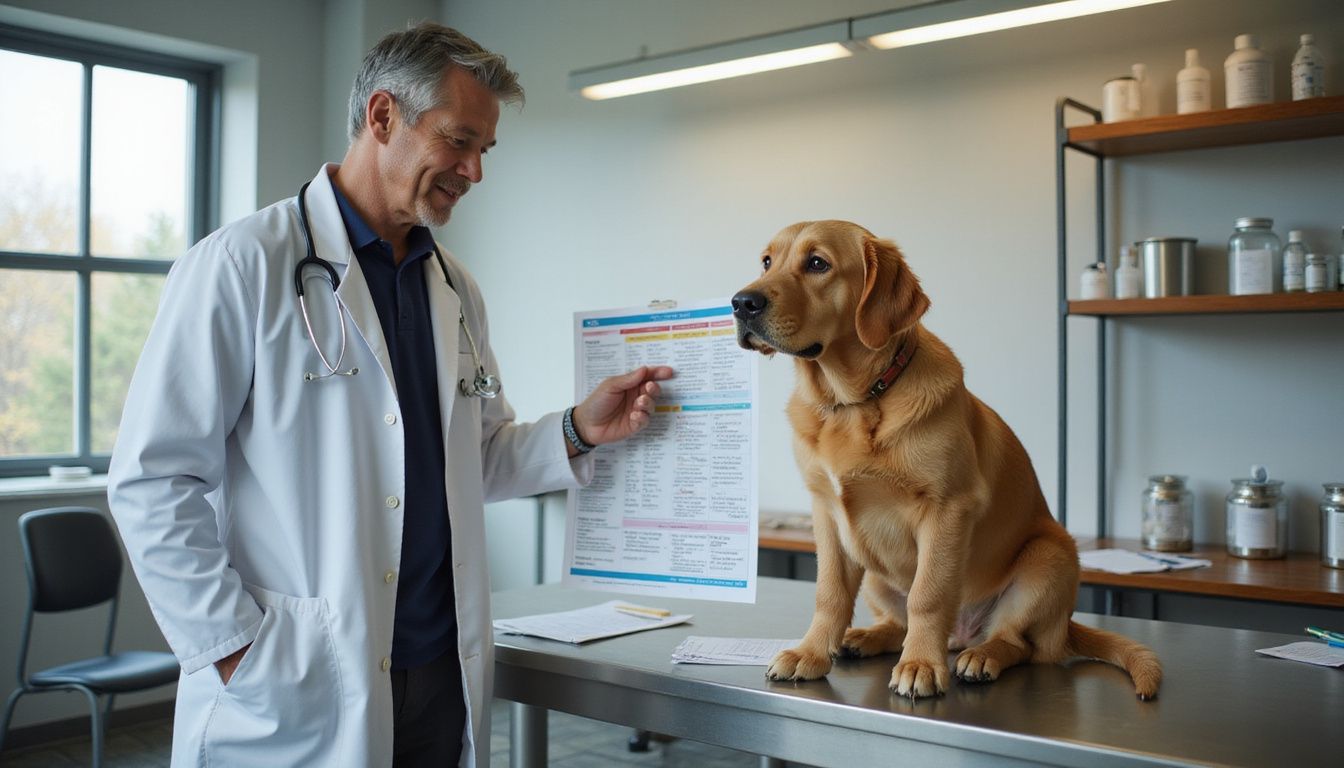
Lifestyle vaccines differ from core vaccines because your puppy’s need for them depends on their environment and daily activities. Your vet will recommend these optional vaccines based on your dog’s risk factors, location, and lifestyle.
- Bordetella (kennel cough): good for puppies using boarding, grooming, or daycare
- Lyme disease: good for puppies in or traveling to tick-heavy areas
- Canine influenza (H3N2/H3N8): good for dogs mixing with lots of other dogs
- Crotalus atrox (rattlesnake): good for puppies in snake-prone regions
Lyme disease vaccination makes sense for more puppies than you might think these days. According to the 2026 Pet Parasite Forecast from the Companion Animal Parasite Council (CAPC), Lyme disease risk is spreading south and west into regions once considered low-risk. Even if you don’t live in a classic tick hotspot, it’s worth asking your vet if this vaccine fits your area.
Your lifestyle choices and geographic location shape which vaccines your puppy actually needs.
Your puppy’s vaccination plan should match their real-world activities and surroundings, not just follow a one-size-fits-all approach.
Talk with your vet about your puppy’s lifestyle before deciding on non-core vaccines. They understand local disease risks and can guide you toward the right choices.
If you travel often, board your dog regularly, or live near wooded areas with ticks, certain lifestyle vaccines become more valuable. Your puppy’s immune system benefits most when you match their vaccine schedule to their actual life.
Clinics like Greencross Vets and MyVCA can walk you through these options during puppy care visits. Your dog’s specific situation, not general rules, should drive these decisions.
Puppy Vaccine Schedule
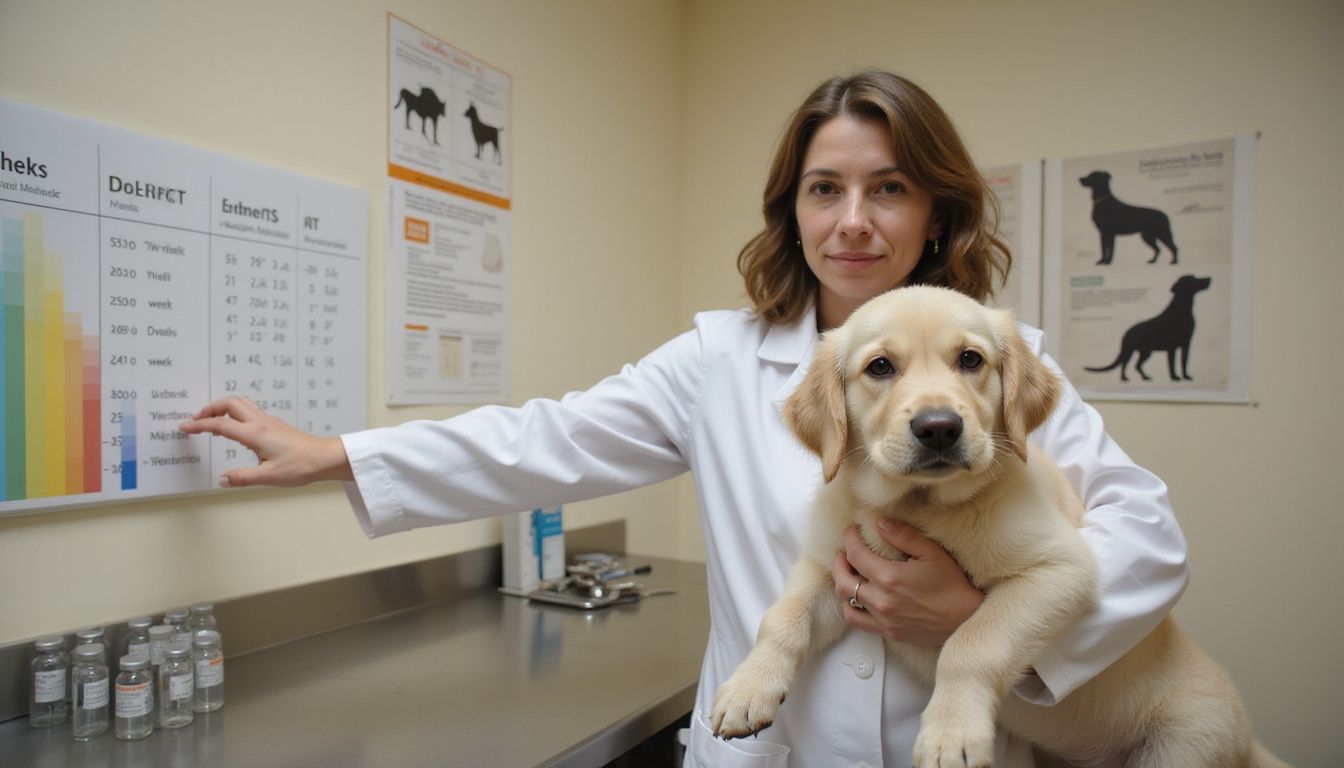
Your puppy needs shots at different ages to build a strong immune system and fight off serious diseases. Your vet will map out a clear timeline that starts when your pup is just a few weeks old and continues into adulthood.
What vaccines does my puppy need at 6 to 8 weeks?
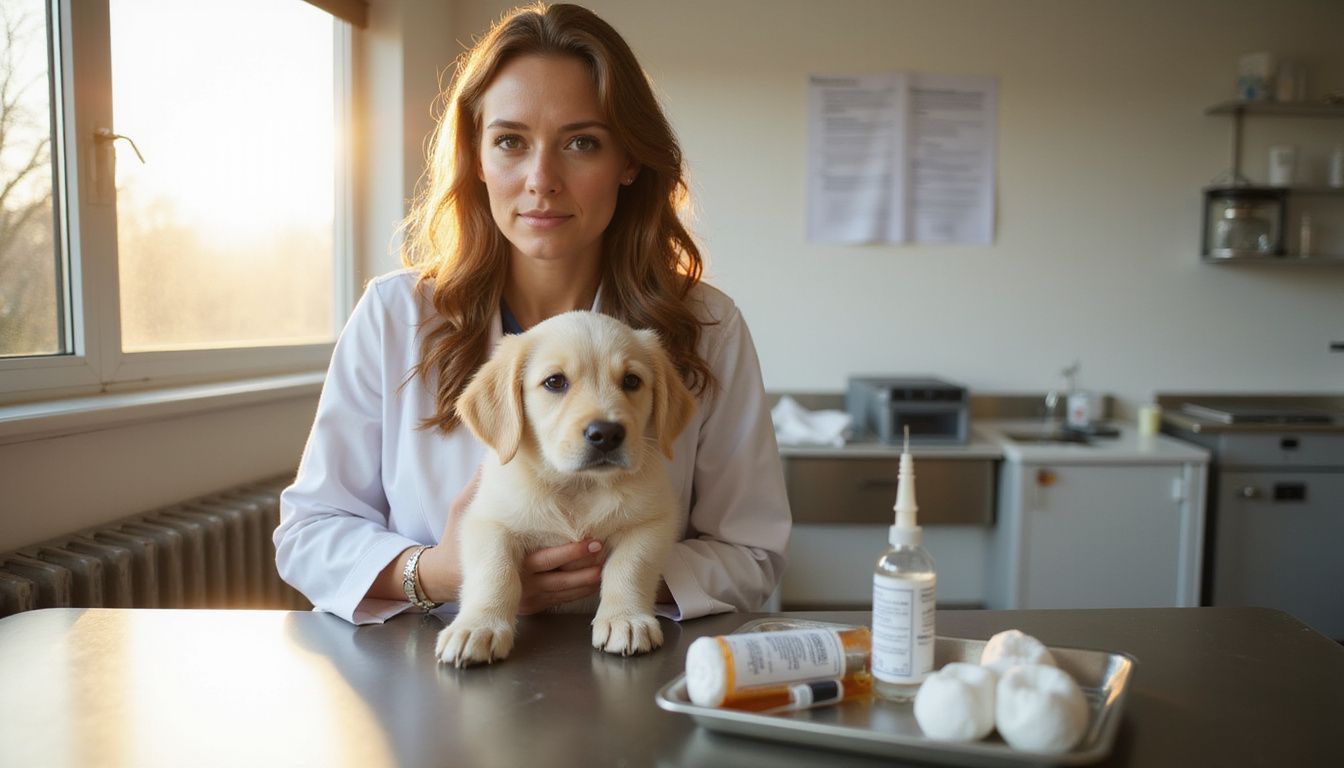
At six to eight weeks old, your puppy gets the DHPP vaccine, which kicks off early puppy care. This single shot protects against four serious diseases: distemper, hepatitis, parvovirus, and parainfluenza.
It’s your puppy’s first line of defense against illnesses that can make them very sick. Most vet clinics also give the Bordetella vaccine at this same visit, since parainfluenza protection works best alongside this extra layer.
- Gentle physical exam to confirm your puppy is healthy enough for shots
- First DHPP dose against distemper, hepatitis, parvovirus, and parainfluenza
- Possible Bordetella vaccine for kennel cough protection
- A chat with your vet about the rest of the schedule
These early vaccines are just the beginning, not the finish line. Your puppy can’t safely go outside or meet other dogs until the full vaccine series wraps up around sixteen to eighteen weeks.
So why doesn’t one shot at six to eight weeks do the whole job? According to guidelines from the World Small Animal Veterinary Association (WSAVA), maternal antibodies from mom’s milk block vaccines from working well during the first weeks of life. These antibodies fade at different rates in each puppy, so a single dose can’t guarantee protection. That’s why the series repeats until your puppy reaches at least sixteen weeks, once those antibodies have fully cleared.
Skipping appointments or delaying shots leaves your pup vulnerable to diseases that spread easily between animals. The vet staff offers comfort and reassurance during each visit, and this vaccination schedule builds the foundation for your puppy’s long-term health, even for future dog sports if that’s in your plans.
What vaccines are given at 10 to 12 weeks?
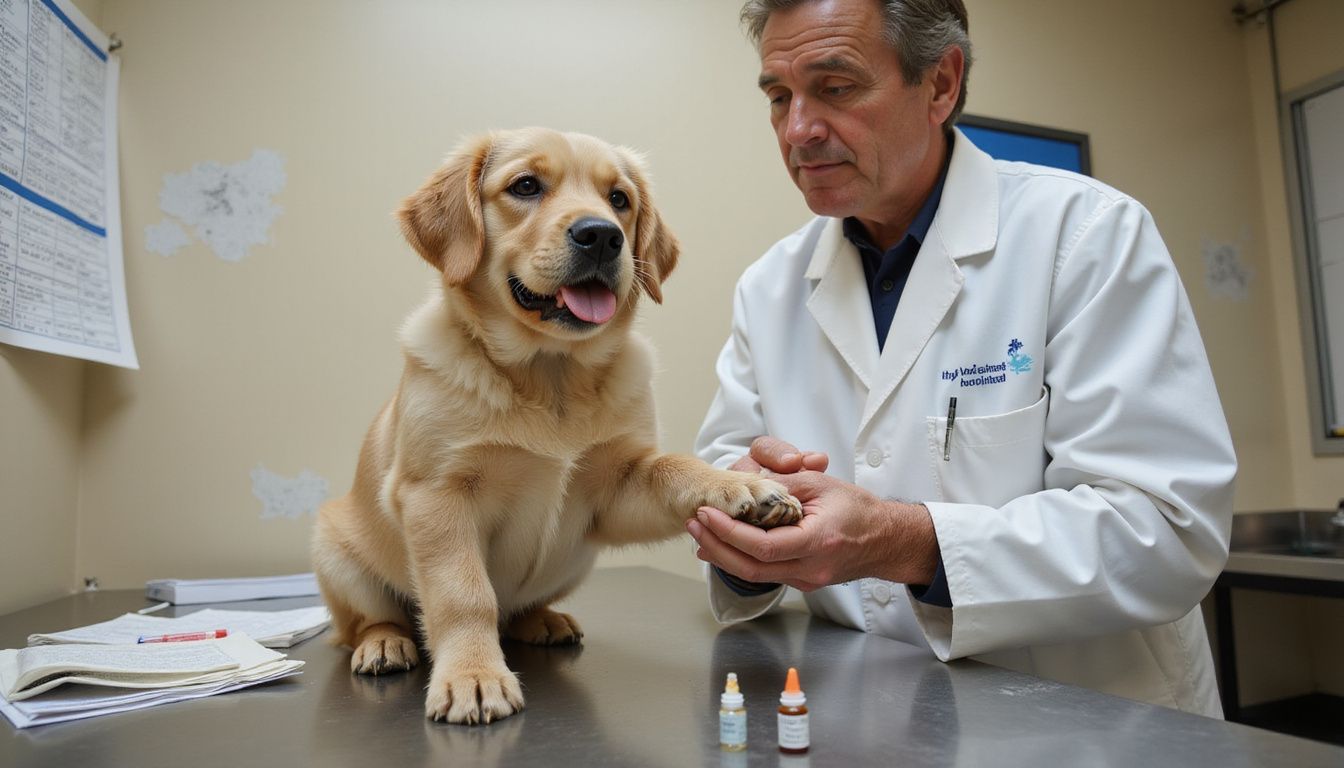
Your puppy’s second round of shots arrives at the ten to twelve week mark, building on what you started earlier. Your vet gives a second DHPP booster, which strengthens protection against distemper, hepatitis, parvovirus, and parainfluenza.
- Second DHPP booster (core)
- Possible leptospirosis vaccine, since young dogs face real risk from this bacteria
- Lyme disease vaccine, if you live in a tick-heavy area
- Canine influenza shots, if your pup mixes with lots of other dogs
Your vet builds a personalized plan based on your puppy’s lifestyle and health needs, and answers any questions you have about dog vaccinations along the way. Daycare facilities and grooming centers typically require proof of Bordetella vaccination, so ask whether this lifestyle vaccine fits your situation.
Your puppy can start controlled playdates with vaccinated dogs during this window. This supports healthy socialization without piling on unnecessary health risks, and the timing matters more than you’d think.
A position statement from the American Veterinary Society of Animal Behavior (AVSAB) points out that the risk of death from behavior problems caused by poor socialization is actually higher than the risk of catching an infectious disease during this age window. Waiting until your puppy is “fully” vaccinated to start socializing can backfire.
Controlled, smart exposure now (think vaccinated dogs, clean spaces, familiar people) helps your puppy grow into a confident, well-adjusted adult.
This visit is also a good time to talk with your vet about heartworm prevention and other medications your growing pup might need. Keep detailed records of every vaccine your puppy gets, including dates and types, since many facilities ask for this documentation before your dog can join group activities.
What vaccines should my puppy get at 14 to 16 weeks?
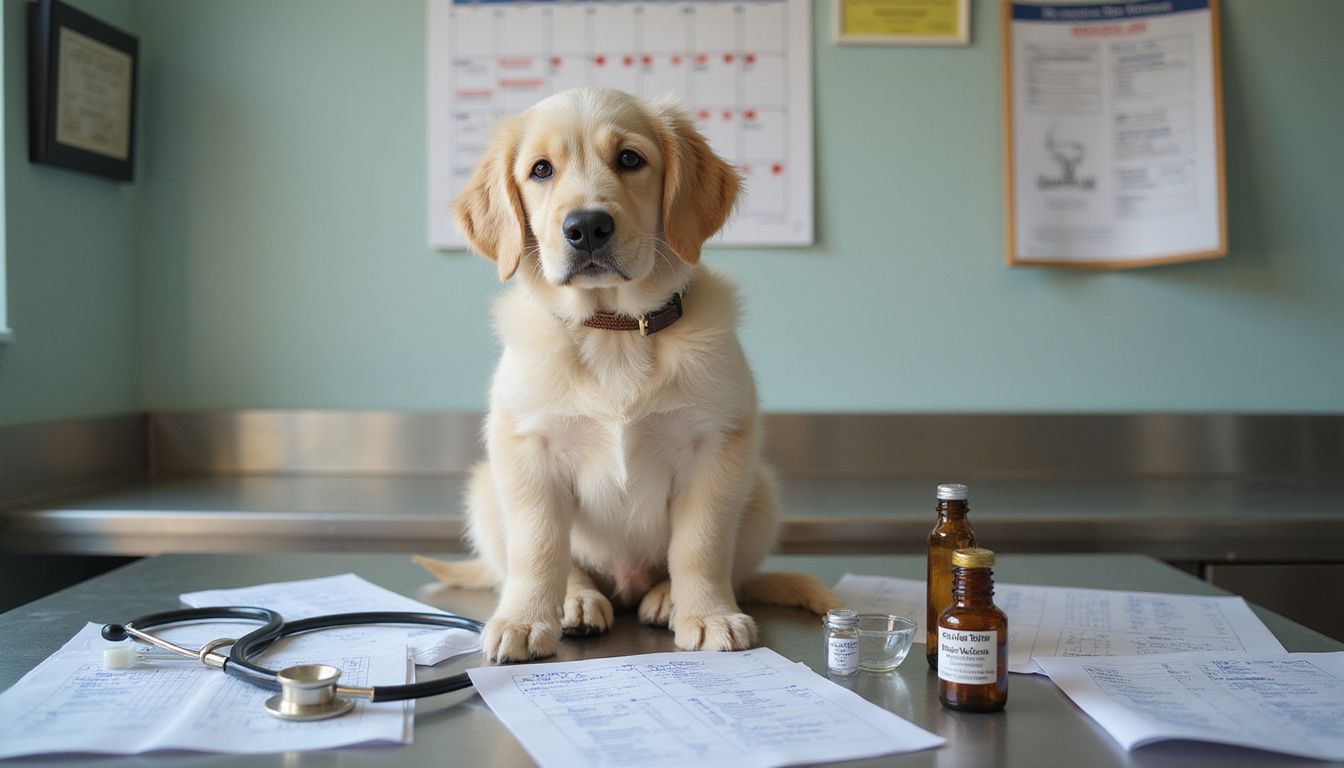
At 14 to 16 weeks, your puppy gets the final DHPP booster shot, wrapping up protection against distemper, hepatitis, parvovirus, and parainfluenza. The rabies vaccine is also given at this stage, though some areas require it earlier by law.
Leptospirosis and Lyme disease vaccines may be added based on your puppy’s risk level and environment. Once this full series of core vaccines is done, your puppy is fully vaccinated, typically by 16 to 18 weeks of age.
Most daycare and grooming facilities require proof of DHPP and rabies vaccination before your puppy can attend. This timing matters because it protects your puppy during critical developmental weeks.
- Final DHPP booster (core)
- Rabies vaccine (core, legally required in most states)
- Leptospirosis and Lyme boosters, if recommended for your area
Tracking these vaccination dates keeps your puppy safe and on schedule. Many veterinarians across Utah and the rest of the country provide vaccination records you can keep in a safe place, and some breeders also hand over initial vaccination paperwork.
After the first rabies booster, a three year rabies shot becomes available, depending on local laws and your puppy’s vaccination history.
Proper immune system development happens through this complete vaccination series. Dental care, house training, and socialization all work best once your puppy has full protection from these preventable diseases.
When are booster shots and adult vaccines necessary?
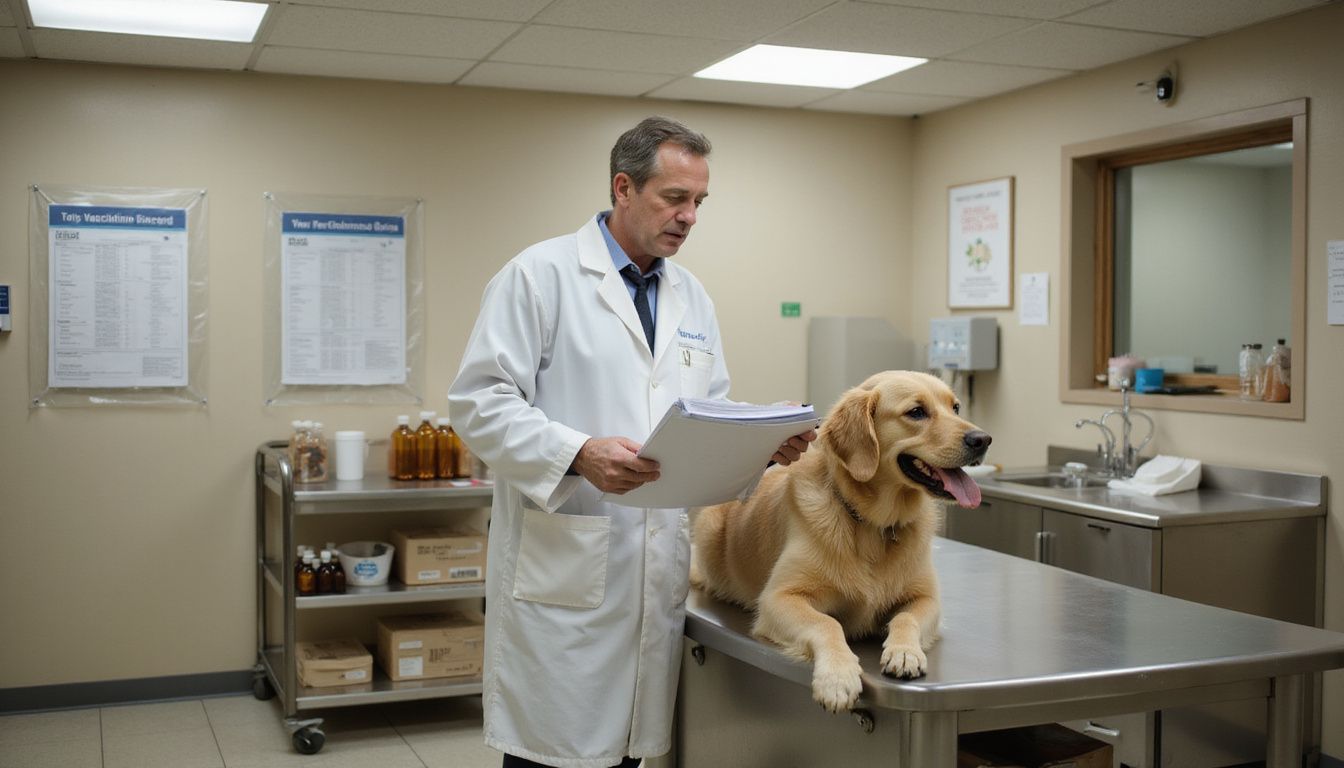
Your puppy’s vaccination journey doesn’t stop after those initial shots at sixteen weeks. Booster shots keep your dog’s immune system sharp and ready to fight off preventable diseases.
Your vet gives you a schedule that fits your dog’s age, lifestyle, and health status. Some vaccines need boosters every year, while others only need refreshing every three years.
| Vaccine | Booster Frequency |
|---|---|
| Rabies | Annual after first series, then every 3 years |
| DA2PP / DHPP | Every 3 years after initial series |
| Leptospirosis, Lyme, canine influenza, Bordetella | Annually |
Your dog’s specific needs depend on where you live, how active your pup is, and any health concerns that come up along the way.
Staying current with your dog’s vaccination costs is one of the smartest moves you can make for long-term puppy care. Your vet tracks which vaccines your dog got and when they’re due for refreshers.
Talk with your vet about building a vaccination plan that fits your dog’s situation, and mark those booster dates on your calendar so nothing slips through the cracks.
What are common side effects of puppy vaccines?

Your puppy’s immune system builds protection through vaccination, and mild reactions often follow. Most side effects fade quickly with rest and comfort at home.
Based on a large-scale study of over one million dogs conducted by Banfield Pet Hospital, vaccine-associated adverse events are rare, happening in fewer than 40 out of every 10,000 vaccinated dogs, less than 0.4 percent. Most of those rare reactions are mild too.
Mild side effects (totally normal)
- Increased sleepiness or lower energy for a day or two, as your puppy’s body works on building immunity
- Mild soreness or swelling where the needle went in
- A slight, temporary fever as the immune system activates
- Reduced appetite that usually clears up within 24 hours
Signs that need immediate vet care
- Vomiting, facial swelling, hives, labored breathing, or collapse, all of which need emergency attention right away
- Anaphylaxis, a severe allergic reaction that needs urgent medical help immediately
- Any symptom that lasts beyond 24 hours, which is worth a call to your vet
Let your vet know about any past reactions before future vaccinations, so they can adjust the plan if needed. That large Banfield study is genuinely reassuring news: the vast majority of puppies feel a little sleepy for a day, maybe a bit sore at the injection site, and bounce right back with zero extra care needed.
How can I keep track of my puppy’s vaccination schedule?

Keeping track of your puppy’s shots matters more than you might think. Good record-keeping prevents missed appointments and keeps your pup’s immune system on track.
Digital tools that make it easy
- Request vaccine records directly from your vet after each visit, and store them in a folder at home
- Use the Banfield app or online portal to track vaccine records in one place that syncs automatically
- Sign up for Optimum Wellness Plans, which send reminders for routine vaccines
- Take advantage of 24/7 Pet Chat access to ask vet professionals about your puppy’s schedule anytime
Simple habits that work just as well
- Choose an Early Care or Early Care Plus package with unlimited office visits and virtual follow-ups
- Mark vaccination dates on your phone calendar with alerts for boosters and adult vaccines
- Keep a written log of vaccine names, dates given, and the next appointment scheduled
- Reschedule missed appointments promptly to stay on your pup’s timeline
Conclusion

You’ve now got the full puppy vaccination roadmap, from those first shots at six to eight weeks all the way through booster requirements in adulthood.
Core vaccines like DHPP and rabies form your puppy’s immune system foundation. Lifestyle vaccines add protection against zoonotic diseases based on your dog’s activities and environment.
Tracking these appointments through apps or simple calendar reminders keeps your schedule organized and helps you avoid missed doses.
Services like Canyon View Cares offer early care packages with unlimited visits and 24/7 Pet Chat access, which makes puppy vaccination management pretty stress-free.
Your puppy’s health journey starts now. Contact your veterinarian today, stick with the timeline, and watch your new companion grow into a strong, protected adult dog ready for all the adventures ahead.
FAQs
1. When should my puppy get their first vaccines?
Most puppies get their first shots between six and eight weeks old. Your vet at Canyon View Cares in Orem will create a personalized schedule that typically starts with the DHPP vaccine, which protects against distemper, parvovirus, and other zoonotic diseases that can spread between pets and people.
2. Do puppies need protection from fleas and skin problems?
Yes, fleas can show up even on indoor puppies, so ask your vet about prevention options during your first visit. Good skin care early on means a happier, less itchy pup down the road.
3. When should I start socialization and training?
You can start socializing your puppy as soon as your vet gives the okay, usually after their first round of shots. Early exposure to other dogs, cats, and new people builds good behavior, and puppy classes working toward the AKC Canine Good Citizen title are a great way to build confidence and manners.
4. What about desexing and registration?
Most vets recommend spaying or neutering around six months of age. If you got your puppy from a breeder, registration through the AKC DNA Program and AKC Marketplace helps track pedigrees and health history.
5. Do puppies need supplements or special diets?
Some puppies benefit from joint supplements, especially large breeds prone to hip dysplasia and arthritis later in life. Always check with your vet before adding supplements or switching to therapeutic diets, particularly if your pup has a sensitive stomach or immune system concerns.