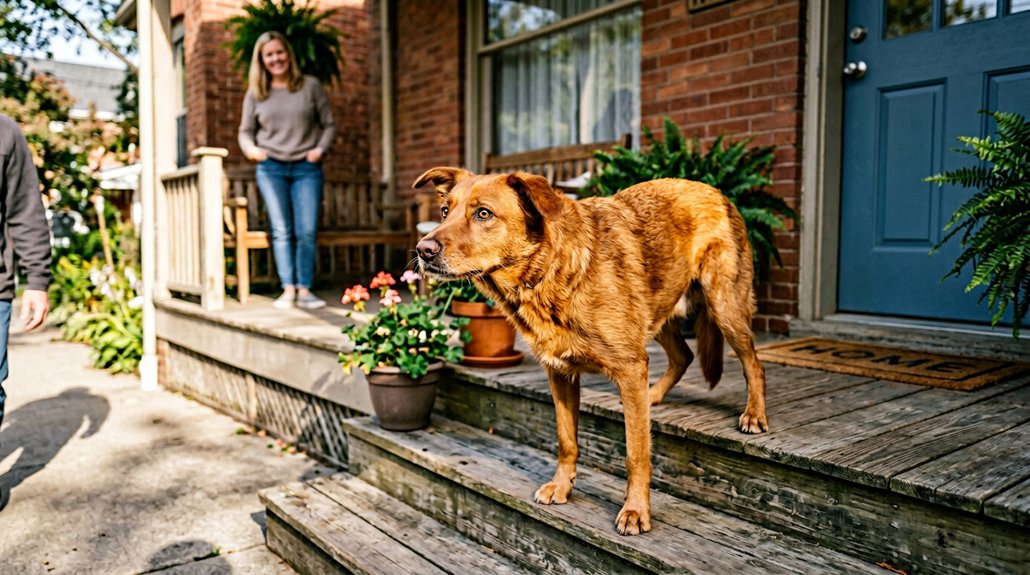
Your dog acts differently around strangers due to socialization gaps, past traumas, and genetic predispositions. Inadequate early exposure, coupled with traumatic experiences, can instill fear, anxiety, and defensive behaviors. Certain breeds may also have inherent wariness, amplifying their reactions. Recognizing these factors is essential for addressing your dog’s behavior effectively. Adjusting socialization techniques and employing positive reinforcement can ease their fears. Exploring these strategies will provide further insight into transforming their interactions with strangers.
Key Takeaways
- Inadequate socialization during critical stages results in anxiety around unfamiliar people.
- Past trauma can trigger lasting fear responses when encountering strangers.
- Certain breeds may naturally exhibit heightened wariness due to genetic traits.
- Lack of exposure to diverse individuals contributes to apprehensive behavior toward strangers.
- Positive reinforcement and gradual exposure can mitigate fear responses in dogs.
Recognizing Signs of Discomfort in Your Dog
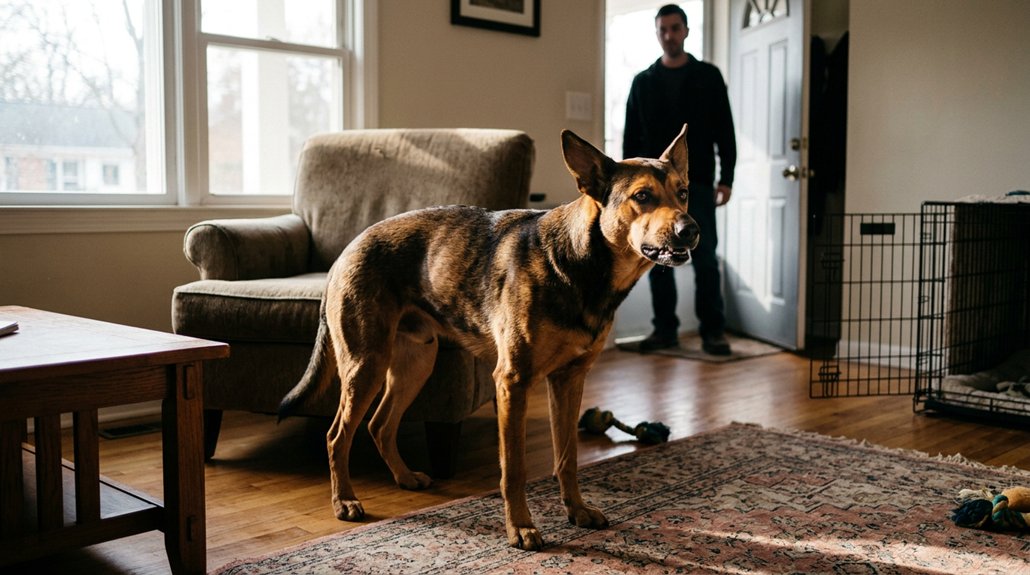
Many don’t realize the subtle cues their pets display when feeling uneasy around strangers. In dog behavior, recognizing these signs is crucial for safeguarding your pet’s emotional well-being. Your dog might tuck its tail or flatten its ears, revealing nervousness or fearfulness. A stiff body posture combined with direct staring not only highlights discomfort but also indicates readiness to defend itself if needed. Calming signals such as yawning or lip licking serve as subtle mechanisms to reduce stress. Meanwhile, vocalizations like growling or barking always warrant attention, reflecting a state of unease. By understanding these behaviors, you take a proactive approach in managing your dog’s interactions and ensuring their environment promotes safety and comfort, thereby enhancing their emotional health.
Unpacking Common Causes of Dog Fear Around Strangers
Understanding why your dog acts fearfully around strangers often involves analyzing multiple factors such as socialization gaps, past traumas, and breed-specific traits. Inadequate exposure during critical developmental stages can lead to anxiety in novel situations, while past negative interactions might reinforce nervous behaviors. Additionally, genetic predisposition and natural protective instincts in certain breeds can enhance their wariness, making it essential to recognize and address these influences for improved social behavior.
Causes of Stranger Fear
When examining the causes of fear toward strangers in dogs, it’s crucial to recognize how inadequate socialization during their critical developmental stages plays a notable role. Environmental factors greatly impact this, as puppies need regular exposure to diverse people and settings to build confidence. Without such experiences, dogs may become apprehensive around unfamiliar faces and situations. Additionally, breed differences contribute to stranger fear, with certain breeds genetically predisposed to heightened wariness or anxiety. Understanding these nuances helps in addressing their behaviors effectively. Observing your dog’s body language, like a tucked tail or stiff stance, offers insight into their comfort levels. Over time, consistent exposure to positive interactions with strangers can help mitigate fear, fostering an environment where dogs feel secure and relaxed.
Role of Past Trauma
While past trauma plays a significant role in shaping a dog’s fear response toward strangers, it’s essential to reflect on how these negative experiences inform their current behavior. Early trauma triggers, especially during critical socialization periods, can cause fear-based reactions that persist into adulthood. For some breeds inherently predisposed to fearfulness, genetics might amplify these responses. Abused or neglected dogs often develop defensive behaviors like growling or hiding, rooted in survival instincts. Understanding these behaviors requires an expert analysis of a dog’s history and environment. Through tailored behavioral modifications, you can help your dog gradually overcome their fear. Effective interventions might involve building positive associations with strangers, desensitization strategies, and consistent reinforcement to reshape their responses.
Influence of Socialization Gaps
Socialization gaps during a dog’s formative weeks, typically from 3 to 14 weeks of age, can greatly impact their reactions to strangers as adults. During this pivotal period, achieving socialization milestones with diverse individuals is essential. If your dog wasn’t exposed to various people during this time, they might develop fear-based responses. Without these fundamental interactions, dogs often fail to associate strangers with positive experiences, hampering fear reduction efforts and potentially resulting in anxiety or aggression. Compounded by genetic predispositions toward fearfulness or protective instincts, the absence of proper socialization can leave lasting impressions. However, consistent positive reinforcement and gradual, controlled exposure to new people are effective strategies to bridge these socialization gaps and foster healthier interactions with strangers.
How to Read Your Dog’s Body Language With Strangers
Understanding your dog’s body language around strangers is essential for interpreting their comfort level and emotional state. Pay attention to their tail position and ear orientation. A tucked tail with ears flattened against their head suggests nervousness or feeling overwhelmed. In contrast, a relaxed tail and perked ears indicate a curious, friendly demeanor. However, note that a wagging tail doesn’t always mean happiness; it can also signal excitement or anxiety. Additionally, watch for body stiffness and direct eye contact, as these can signal discomfort or even serve as a warning. Look for calming signals, like yawning or lip licking, which can indicate stress or tension. Always consider the context when interpreting these cues to better understand your dog’s reactions to strangers.
Build Your Dog’s Confidence: Techniques That Work
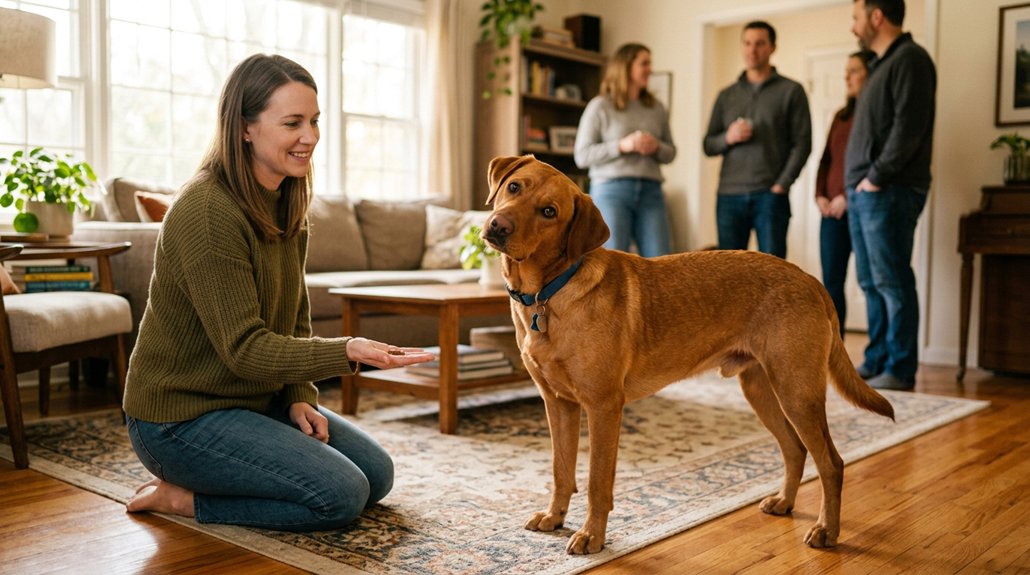
To build your dog’s confidence around strangers, start by gradually exposing them to unfamiliar people at a comfortable distance, using high-value treats to establish positive associations. Employ positive reinforcement by consistently rewarding calm behavior, which has been scientifically supported as an effective method to enhance your dog’s sense of security. Additionally, practicing desensitization through controlled environments can offer analytical insights into your dog’s behavioral adaptation, gradually reducing anxiety and fostering resilience.
Gradual Exposure Strategies
When you approach the task of building your dog’s confidence around strangers, leveraging gradual exposure strategies can effectively mitigate fear and foster positive associations. Employing exposure techniques entails starting interactions at a safe distance from unfamiliar individuals. Gradually, this distance is reduced as your dog’s comfort increases, contributing notably to confidence building. Desensitization techniques in controlled environments allow for safe encounters, lessening anxiety in public spaces. High-value treats play an essential role, reinforcing calm behavior and creating a positive link with strangers over time. Monitoring your dog’s progress guarantees adjustments are tailored to their comfort level, pinpointing the best socialization pace. This systematic approach not only builds your dog’s self-assurance but also smooths future encounters with strangers, enhancing their social interaction abilities.
Positive Reinforcement Techniques
Positive reinforcement, a cornerstone in modern canine training, leverages rewards to shape desirable behaviors effectively. By using treat timing and reward variety, you can help your dog associate strangers with positive experiences. Start by pairing high-value treats with a stranger’s presence, gradually decreasing the distance over successive sessions. This approach guarantees your dog remains calm and confident as they associate new faces with rewards.
Implementing commands like “watch me” redirects their focus, reinforcing their trust in you. Consistency is key; always reward desirable behaviors, such as sitting calmly or maintaining eye contact. Regular practice of socialization exercises using varied rewards fosters an adaptable and supportive environment, effectively building your dog’s confidence when interacting with unfamiliar people.
Make Meet-and-Greets Positive: Socialization Opportunities
Gradual exposure to unfamiliar individuals plays a critical role in shaping your dog’s response to new environments and people. By creating engaging environments for your dog during meet-and-greets, you effectively reduce fear responses and encourage friendly interactions. Pair strangers with high-value treats to help your dog associate unfamiliar faces with positive experiences. This method not only reinforces confidence but also guarantees calm behavior over time. It’s essential that they have the choice to opt-out if overwhelmed, maintaining comfort and control during these encounters. Consistent socialization with positive reinforcement further develops their ability to navigate public settings. Regular, controlled interactions gradually bolster your dog’s confidence, making each new meeting an opportunity for growth and reinforcement of positive associations.
Managing Stressful Interactions: Immediate Strategies
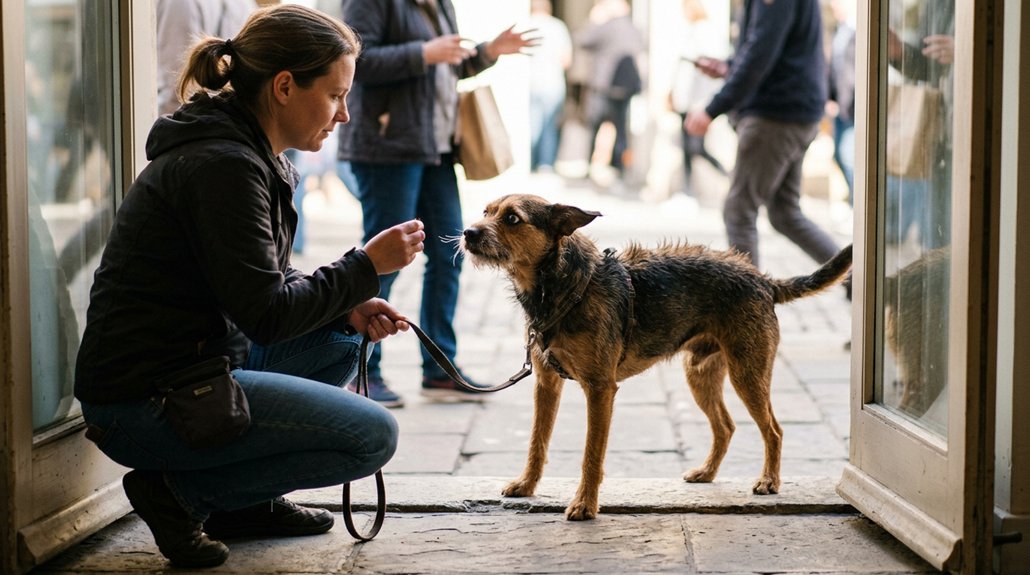
Effectively managing stressful interactions with strangers involves a keen understanding of your dog’s body language and quick adjustments to your approach. Leash control is vital; keep your dog leashed to guarantee you can guide them and provide a sense of security. Watch for stress signals like hiding or backing away—these indicate your dog might need to opt out of the encounter. Your calming presence is important; stress can amplify your dog’s anxiety, so maintain a steady demeanor. Communicate clearly with strangers, educating them on how to provide space and avoid pressuring your dog. This helps mitigate anxiety. Implement gradual exposure to unfamiliar people, ensuring your dog can retreat when needed, fostering confidence rather than fear during such interactions.
Use Rewards to Transform Behavior Towards Strangers
Although your dog’s apprehension around strangers might seem immutable, employing strategic reward-based techniques can transform their behavior markedly. Start by utilizing high-value treats to alter your dog’s emotional association with strangers. When your dog acknowledges a person, employ precise treat timing by using a verbal cue like “yes,” then immediately reward them. This action reinforces calm observation. Gradually reduce the distance between your dog and the stranger, consistently rewarding any relaxed demeanor. Such repeated exposure aids desensitization. Over time, they’ll associate strangers with positive experiences, minimizing fear and anxiety. Positive reinforcement fosters excitement and trust, boosting your dog’s confidence in unfamiliar situations. Mastering treat timing is essential in shifting emotional responses and nurturing calm behavior around new people.
When to Seek Professional Help for Persistent Issues
How do you know when it’s time to seek professional help for your dog’s behavior issues? When your dog shows sudden or significant changes, like increased fear or aggression toward strangers, it’s vital to reflect on professional intervention. If your dog’s behaviors escalate to growling, snarling, or snapping, a behavior expert can effectively address these issues with specialized support. Persistent fear or avoidance disrupting daily life indicates potential deeper issues requiring a behaviorist’s expertise. Additionally, if your dog exhibits signs of pain or discomfort during interactions with strangers, a veterinary consultation is essential to eliminate medical concerns. Engaging a professional trainer can offer tailored strategies to enhance your dog’s comfort, ultimately reducing anxious or reactive responses in social settings.
Frequently Asked Questions
Why Does My Dog Act Different Around Other People?
Your dog’s different behavior around others might stem from territorial instincts, insufficient socialization, or fear responses manifesting through body language. Using socialization strategies, such as gradual exposure, helps mitigate anxiety and encourage positive interactions.
How Do You Say “I Love You” in Dog Language?
To express “I love you” in dog language, monitor their body language for relaxed posture and soft eyes, indicating comfort. Vocal communication through gentle whining or playful barking can also reflect affection, revealing your dog’s emotional bond.
What Is the 3-3-3 Rule With Dogs?
The 3-3-3 rule outlines how dogs adjust: three days of anxiety, three weeks finding comfort, and three months feeling secure. Recognize dog behavior changes by using socialization techniques to support each adaptation phase. Be patient and consistent.
What Are the 4 Signs Your Dog Thinks of You as a Parent?
Studies show 65% of dogs display attachment styles similar to children. If your dog follows you, seeks comfort during stress, shows protective behavior, and cuddles affectionately, it’s clear your dog’s body language reflects parental admiration.
Conclusion
Guiding your dog’s interactions with strangers is like steering a ship through stormy seas. With a keen eye on their body language and a toolkit of strategies—from confidence-building exercises to positive socialization—you can transform these encounters from turbulent to calm. Consistently rewarding positive behavior and knowing when to seek professional guidance guarantees smooth sailing. By understanding and addressing their fears, you equip both yourself and your dog to maneuver social waters with confidence and ease.