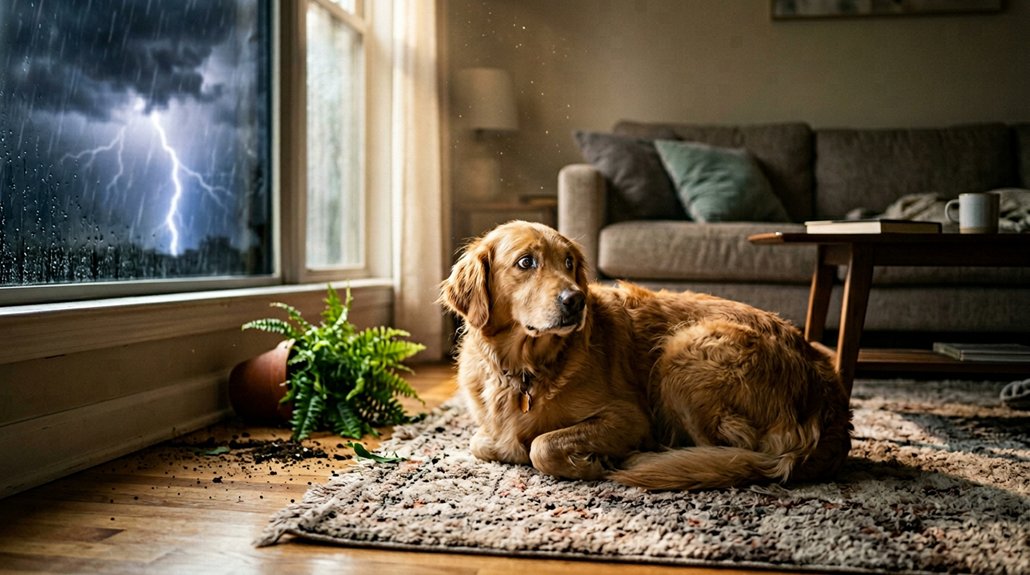
Your dog’s fear of loud noises often stems from their acute hearing, genetic predispositions, or previous negative experiences. Many dogs display panic, including trembling or hiding, when exposed to triggers like fireworks or thunderstorms. Early socialization and gradual exposure can help, while noting subtle signs such as pacing is essential. Understanding your dog’s unique needs can alleviate anxiety. Exploring further will reveal effective strategies to manage and reduce noise-related stress.
Key Takeaways
- Dogs have an acute sense of hearing, making them more sensitive to loud noises than humans.
- Genetic predispositions can lead to heightened sensitivity to noise in certain dog breeds.
- Early negative experiences can contribute to developing noise phobia in dogs.
- Mixed-breed backgrounds can increase susceptibility to noise sensitivity in dogs.
- Lack of early socialization during the critical 3 to 14 weeks phase can exacerbate noise fear.
Why Dogs Are Afraid of Loud Noises
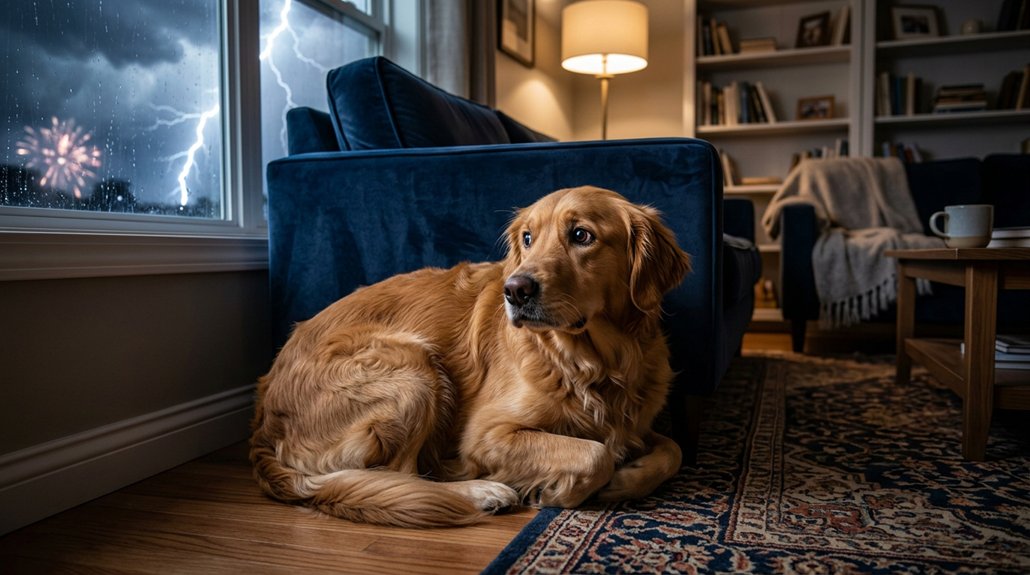
Despite the natural curiosity that dogs often display, many of them harbor a significant fear of loud noises. Nearly half of dog owners report observing this anxiety, which manifests through symptoms like trembling or hiding. Fear triggers such as fireworks or thunderstorms are particularly stressful due to the unpredictability and intensity of the sounds. Noise phobia goes beyond simple aversion, causing extreme panic disproportionate to any real threat. Genetic predispositions, early negative encounters, and mixed-breed backgrounds can heighten susceptibility to these fears. To combat them, noise prevention strategies are essential, such as early desensitization through gradual exposure and employing calming aids. Consulting a veterinarian can also guide you in tailoring behavior modification techniques, enhancing both your dog’s comfort and your shared bond.
Why Are Dogs Sensitive to Loud Noises?
Although it might seem bewildering, a dog’s sensitivity to loud noises is primarily due to their acute sense of hearing, which is far more sensitive than that of humans. Genetics contribute significantly, with certain breeds inherently predisposed to heightened noise sensitivity. This predisposition is coupled with their ability to detect higher frequency sounds that are often inaudible to us, potentially causing discomfort or fear. Early socialization during a puppy’s essential developmental window (3 to 14 weeks) can mitigate these responses, making exposure to various sounds vital during this stage. Furthermore, medical conditions can exacerbate a dog’s sensitivity, turning otherwise manageable sounds into sources of anxiety. Understanding these elements can help you better support your dog in noisy environments.
Common Noises That Trigger Fear in Dogs
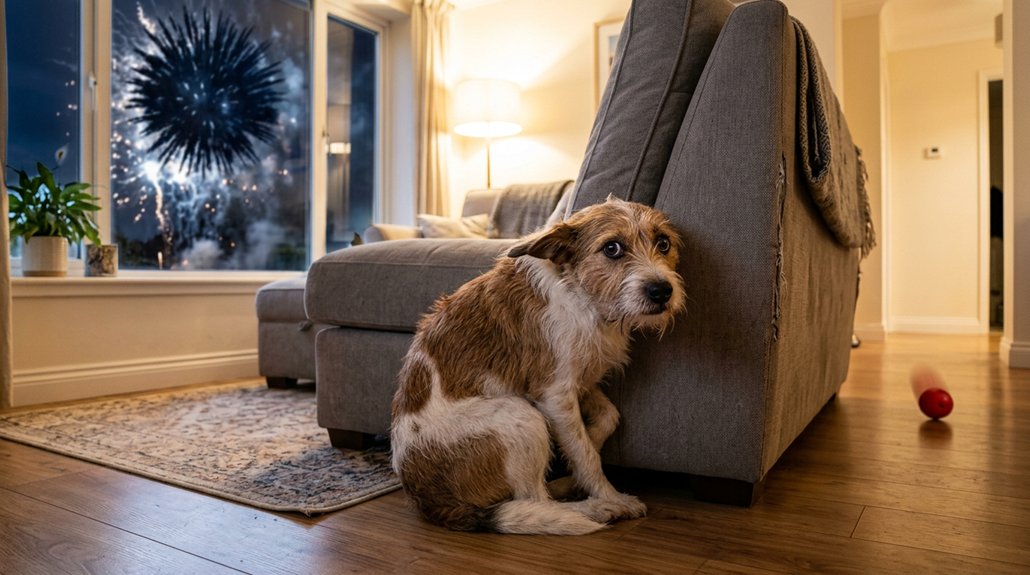
When you’re observing your dog, you might notice increased fear or anxiety when common loud noises like thunderstorms, fireworks, and vacuum cleaners occur. It’s essential to understand that about 50% of dogs experience such fear, with reactions varying from mild discomfort to severe panic. By identifying these key sound triggers and typical fear responses, you can take steps to manage your dog’s noise sensitivity effectively.
Key Sound Triggers
Thunderstorms rolling through the sky, bursting fireworks, rumbling vacuum cleaners, and wailing sirens represent just a few of the loud noises that can trigger fear in dogs. Understanding these key sound triggers is essential for managing your dog’s behavior. Sound conditioning can help dogs gradually acclimate to these disturbances, reducing their intense fear response. About 50% of dog owners note that their pets react fearfully to such noises, often displaying behaviors that hint at distress.
| Trigger | Common Dog Reaction |
|---|---|
| Thunderstorms | Trembling, hiding |
| Fireworks | Excessive panting |
| Vacuum Cleaners | Destructive behaviors |
| Sirens | Panic or anxiety |
Recognizing these specific sound triggers in your dog’s environment can help in addressing their reactions early. With proper techniques, you can improve their quality of life considerably.
Typical Fear Responses
Many dogs freak out when exposed to loud noises, displaying various fear responses that can range from mild to severe. Common fear triggers include fireworks, thunderstorms, gunshots, vacuum cleaners, and sirens. Nearly half of dog owners observe that their pets exhibit anxiety behaviors like trembling, hiding, or even destructive actions. It’s concerning how exposure to these sounds can worsen stress, causing broader anxiety responses if left unaddressed. You’ll notice subtle signs, such as your dog becoming clingy or pinning their ears back. For some, these sounds can prompt extreme reactions. Early socialization with loud noises and gradual desensitization can be crucial to prevent noise phobia from developing. Recognizing these triggers helps you empathize with your dog’s experience and seek appropriate strategies.
Managing Noise Sensitivity
Although it may seem alarming, managing noise sensitivity in dogs is essential to improving their quality of life. Common noises like thunderstorms, fireworks, or vacuum cleaners can trigger fear, leading up to 50% of dogs to react with anxiety. Recognizing subtle signs such as pacing or whining early can prevent escalation to panic, which harms the bond between you and your dog. Implementing noise desensitization techniques gradually exposes your dog to these sounds, helping them build tolerance. Meanwhile, environmental sound management involves creating safe spaces with reduced noise stimuli to ease their distress. Consider genetic predispositions and previous traumas as influential factors. About one-third of dogs experience significant noise aversion, emphasizing the need for thoughtful behavioral modification or professional intervention.
Signs Your Dog Might Have Noise Phobia
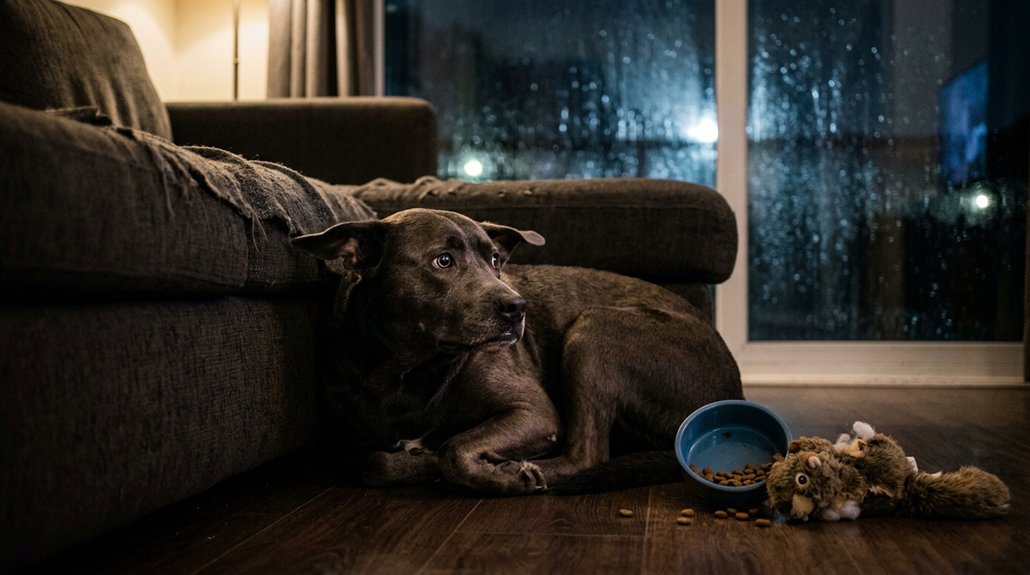
When your dog is exposed to loud noises, like fireworks or thunderstorms, you might notice some signs that indicate a noise phobia. Dog behavior changes in response to these anxiety triggers can be quite pronounced. Common reactions include trembling or shaking, excessive panting, and cowering in fear. These behaviors signify a heightened state of distress. You might also see your dog attempting escape behaviors, such as digging or scratching at doors, clearly indicating acute anxiety. Many dogs try to hide in enclosed spaces, like under the bed, seeking solace from the noise. Additionally, vocalizations such as barking, howling, or whining may occur, expressing their fear. Destructive tendencies like chewing furniture showcase their overwhelming fear in the face of deafening sounds.
Strategies to Prevent Noise Phobia in Puppies
Recognizing the signs of noise phobia in dogs underscores the importance of proactive strategies to prevent its onset in puppies. Effective socialization techniques during the critical period of 3 to 14 weeks can greatly reduce the risk of noise phobia. By gradually exposing your puppy to controlled, familiar sounds like vacuum cleaners and doorbells, you help them adapt without inducing fear. Incorporate sound therapy methods, introducing low-level, non-threatening noises to build comfort. Monitor your puppy for signs of anxiety, ensuring that experiences remain positive and stress-free. Use positive reinforcement, rewarding your puppy for remaining calm during these sessions. This approach will strengthen their confidence and result in a well-adjusted, noise-resilient adult dog.
How to Help Your Dog Feel Better About Noise
As you aim to help your dog feel better about noise, understanding their emotional and physical responses is essential. Implementing desensitization techniques can gradually reduce fear. Start by playing recordings of loud noises at a low volume and reward calmness with treats. Gradually increase the volume over time, ensuring your dog remains comfortable. Additionally, calming products like anxiety wraps and pheromone diffusers can aid your efforts. Maintaining a soothing demeanor yourself is vital, as your dog senses your emotions. Consulting with a veterinarian can offer insights into short-term medication options that complement behavioral strategies. Here’s a quick guide:
| Step | Action |
|---|---|
| Start Desensitization | Play noises at low volume |
| Reward Calmness | Give treats during calm behavior |
| Increase Volume | Gradually raise sound based on comfort |
Creating a Safe Space for Your Dog
Despite a dog’s innate resilience, loud noises can trigger significant distress, making it vital to craft a sanctuary where they feel secure. Designate a quiet, interior room as the safe space, free from external distractions and threats. Integrate safe space essentials—comfort items like soft blankets, favorite toys, and your dog’s bed—to encourage relaxation. Introduce this sanctuary before noisy events, allowing your dog to explore and acclimate to the environment. Use positive reinforcement, such as treats, to build positive associations, encouraging them to enter voluntarily. It’s important to regularly assess your dog’s comfort in this sanctuary, adjusting as needed to maintain a stress-free atmosphere. This proactive approach supports their well-being amidst inevitable loud disturbances.
Medications and Calming Products for Dog Anxiety
When it comes to managing your dog’s anxiety from loud noises, there are several options you might consider. Prescription medications like Clomicalm and Reconcile are effective for reducing anxiety levels, but they must be administered under a veterinarian’s guidance. Additionally, natural calming supplements, pheromone products, and other aids can offer alternative strategies to help ease your dog’s situational anxiety, though consulting with your vet is essential for finding the right solution.
Prescription Medication Options
If your dog is struggling with anxiety due to loud noises, there are prescription medication options that might provide relief. Clomicalm (Clomipramine HCl) and Reconcile (fluoxetine hydrochloride) are medications proven effective in reducing overall anxiety levels in dogs suffering from noise phobia. When used in conjunction with behavioral therapy, these medications can greatly enhance anxiety management. It’s important to remember that medication effectiveness varies, and what works for one dog might not work for another. In severe cases, veterinarians may prescribe anti-anxiety medications as a temporary measure while implementing a behavior modification plan. Always consult a veterinarian before introducing any medication to verify it’s appropriate for your dog’s unique health needs and to maximize its therapeutic benefits.
Natural Calming Supplements
For dog owners seeking alternative or supplementary ways to manage their pet’s anxiety due to loud noises, natural calming supplements offer promising options. Products like Zylkene, containing alpha-casozepine, deliver calming effects without sedative side effects, making them ideal for situational anxiety. Composure, enriched with L-theanine, is similarly effective, particularly during stressful events like thunderstorms or fireworks. These supplements complement behavioral training by enhancing your dog’s ability to cope with anxiety triggers, such as loud sounds. Integrating calming treats into your dog’s routine could bolster their comfort and reduce distress. However, always consult your vet before starting any new supplement to verify it’s suited for your dog’s specific health needs and conditions. Your care can make a significant difference in their well-being.
Effectiveness of Pheromone Products
Although managing a dog’s anxiety, especially related to loud noises, can be challenging, pheromone products offer a scientifically-backed solution. These products, like Adaptil, mimic natural dog-appeasing pheromones and are shown to notably reduce anxiety by decreasing stress-related behaviors in about 70% of dogs. Pheromone effectiveness is enhanced by multiple product options, including diffusers, sprays, and collars, which allow you to choose the best fit for your dog’s needs and environment.
Importantly, while pheromones are non-invasive and generally safe, they’re most effective when paired with behavioral modification techniques such as desensitization training. Always consult a veterinarian beforehand to tailor a thorough approach to your dog’s anxiety management, ensuring the chosen methods are suitable and beneficial for your pet.
When to Call a Professional for Noise Phobia
When your dog’s fear of loud noises escalates into extreme anxiety or phobic responses, it’s essential to seek professional assistance. Destructive behavior or escape attempts signal that a professional assessment is necessary for effective anxiety management. A veterinary consultation is first recommended to rule out any underlying medical issues, as pain can heighten fear responses. If trembling or hiding is observed during loud events, consulting an animal behaviorist for tailored behavior modification strategies becomes important. Persistent noise phobia that doesn’t improve with desensitization requires an evaluation for potential prescription medication or structured therapy. A certified canine behavior trainer can develop a thorough plan, including environmental adjustments, behavior modification, and medical interventions to tackle your dog’s deep-rooted noise phobia effectively.
Frequently Asked Questions
How Do I Get My Dog to Stop Being Scared of Loud Noises?
Start with desensitization techniques by gradually exposing your dog to low-volume noises while rewarding calm behavior. Incorporate calming products like anxiety wraps. Consult a vet for additional solutions and maintain a soothing environment to ease their stress.
How Do Dogs Say “I Love You”?
Dogs say “I love you” through body language like tail wagging and eye contact. Canine vocalizations such as soft whines and gentle growls also express affection, reinforcing their bond with you through communication and trust-building behaviors.
What Is the 3-3-3 Rule for Dog Anxiety?
Did you know 70% of dogs experience anxiety? The 3-3-3 rule helps owners recognize triggers for anxiety, interpreting canine body language during adjustment phases—three days, three weeks, and three months—promoting understanding and empathy in adjustments.
What Helps Dogs With Noise Anxiety?
Desensitization techniques help by gradually exposing your dog to noise at low levels, rewarding calmness. Combining this with calming supplements can alleviate anxiety. Consult your vet for personalized advice, ensuring a holistic approach to managing noise anxiety.
Conclusion
As you continue this journey with your furry friend, remember that understanding and addressing noise anxiety isn’t just about solving a problem—it’s about deepening your bond. Imagine a future where your dog, once trembling at the sound of thunder, rests calmly by your side. The tools are within your grasp: safe spaces, calming products, professional guidance. And soon, perhaps, the fear that once loomed large will be just a distant memory. Will you take the next step?