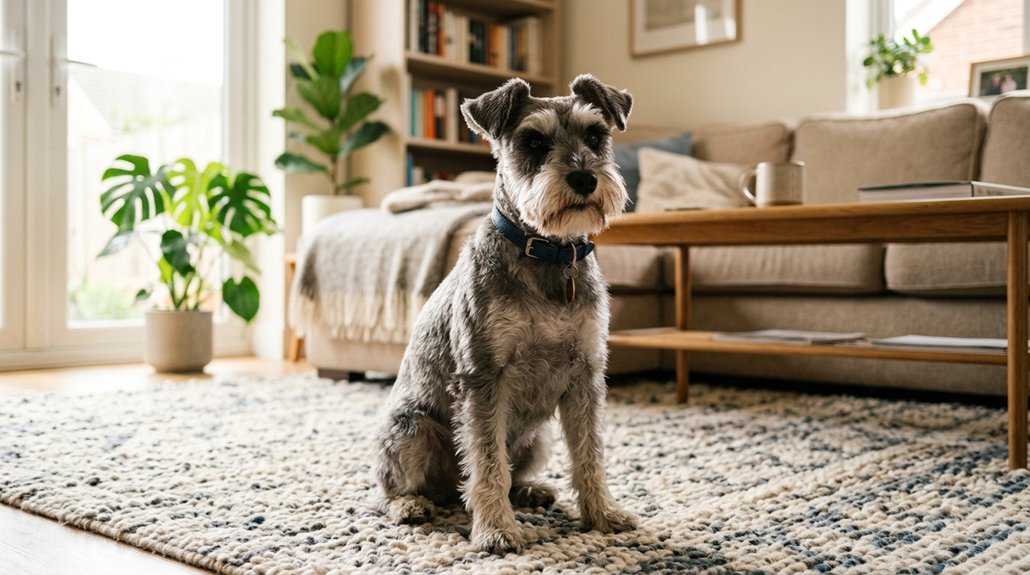
Miniature Schnauzers are spirited and intelligent, often displaying friendly yet stubborn traits. For care, prioritize regular grooming and dental hygiene to keep them healthy and comfortable. Training can be challenging due to their energy and independence, but use positive reinforcement for best results. Early socialization prevents territorial behavior and guarantees they’re well-adjusted. As energetic companions, they thrive on both physical and mental engagement. Explore how these guidelines can guarantee a well-rounded and happy Schnauzer.
Key Takeaways
- Miniature Schnauzers are intelligent, sociable, and have big personalities, ideal for family companionship.
- Regular grooming, including brushing and professional care, is essential for a healthy, mat-free coat.
- Positive reinforcement training is effective; consistent mental and physical stimulation are necessary.
- A balanced diet prioritizing high-quality protein supports optimal health and prevents weight issues.
- Frequent vet check-ups and dental care help detect health issues and maintain overall wellness.
Introduction to Miniature Schnauzers
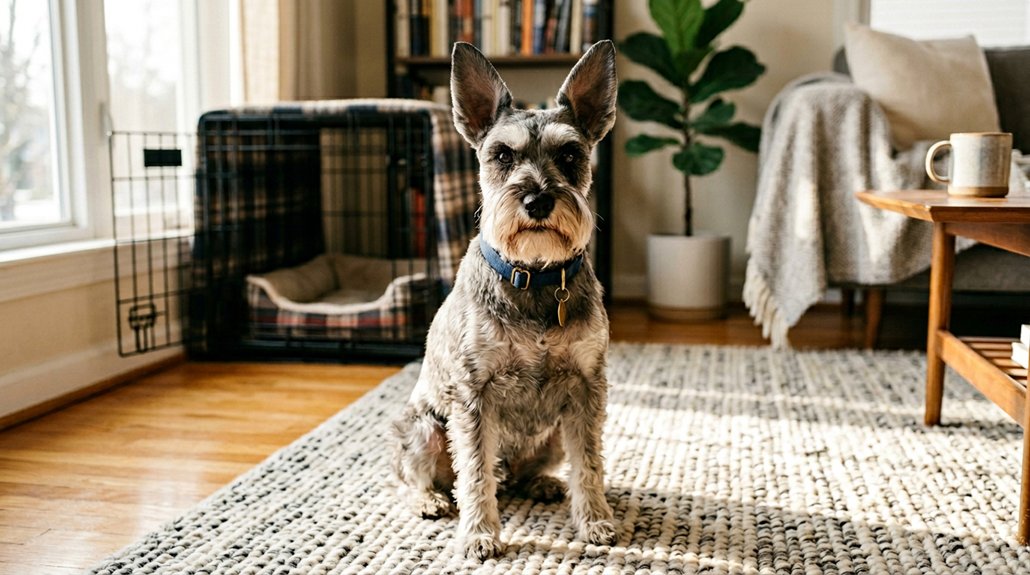
While Miniature Schnauzers may seem like a bundle of energy wrapped in a small package, don’t let their size fool you; these dogs are renowned for their big personalities and intelligence. Originating in 19th-century Germany, they were bred to hunt rodents and guard farms, exemplifying their adaptability and courage—traits still evident today. However, with intelligence comes distinct training challenges. You’ll find their high energy and quick wits demand consistent and firm training methods. Despite their remarkable trainability, they can be stubborn, requiring patience and creativity. Embrace positive reinforcement to channel their zest into productive behaviors. Given their origins, they thrive on tasks that stimulate both mind and body, so your efforts in training are well-rewarded with a content and well-adjusted companion.
Essential Care Tips for Your Miniature Schnauzer
When caring for your Miniature Schnauzer, you’ll need to prioritize regular grooming, which includes brushing a few times a week and professional grooming appointments every 5 to 8 weeks to keep their coat healthy. Providing a balanced diet focused on high-quality protein is vital, and remember to limit treats to less than 10% of their daily caloric intake to maintain ideal health. Regular vet check-ups are essential for early detection of common breed-specific issues like eye problems and pancreatitis, ensuring your Schnauzer’s well-being is consistently monitored and managed.
Grooming and Maintenance Essentials
A Miniature Schnauzer’s grooming regimen isn’t just about preserving their adorable appearance; it’s crucial for their overall health. Investing in quality grooming tools enhances not only the aesthetic appeal but also aids in efficient coat care. Brush their double-coated fur 2-3 times a week to prevent matting, maintaining their coat’s vibrancy. Regular professional grooming every 5 to 8 weeks, including techniques like hand stripping, guarantees they’re show-ready. Bathing every 4-6 weeks with suitable dog shampoos prevents skin irritation while keeping their beard and eyebrows neatly trimmed. Don’t overlook dental care; brush their teeth at least three times a week and provide dental chews to avoid common dental issues. Finally, trim their nails every 3-4 weeks to guarantee comfort and avoid injury.
Nutrition and Feeding Guide
Making sure your Miniature Schnauzer receives appropriate nutrition is crucial for their well-being and health. Providing a balanced diet with high-quality protein as the first ingredient is important. Avoid fillers such as corn, soy, or wheat in the top components. Puppies often need three to four smaller meals, while adults thrive on two meals daily. Utilize dietary modifications to tailor their intake, especially if prone to conditions like pancreatitis, requiring low-fat diets. Treats shouldn’t exceed 10% of daily calories to prevent obesity. Nutritional supplements can support health, although regular vet consultations make certain their specific requirements are met.
| Meal Type | Frequency |
|---|---|
| Puppies | 3-4 meals daily |
| Adult Schnauzers | 2 meals daily |
| Nutritional Focus | High-protein |
| Treat Limit | 10% of calories |
Vet Visits and Health
Although regular vet visits might seem like a hassle, they’re essential for maintaining your Miniature Schnauzer’s overall health and well-being. Annual check-ups allow for significant health monitoring, catching potential issues like cataracts or pancreatitis early on. Veterinary vaccinations, including rabies, distemper, and parvovirus, should be administered following a schedule tailored by your vet to guarantee immunity against common diseases. Alongside vaccinations, focus on dental care; brushing their teeth three times a week minimizes dental disease, important for long-term health. Weight management, too, is crucial—monitor their body condition and adjust diets based on professional guidance. These thorough care strategies guarantee that your Schnauzer not only stays healthy but thrives, enhancing their quality of life dramatically.
Miniature Schnauzer’s Temperament Explained
You’re in for a treat with the Miniature Schnauzer’s temperament, as their social and friendly nature makes them ideal family companions, keen to bond and interact. This breed’s lively spirit and energetic disposition guarantee they’re always ready for active playtime, keeping you on your toes. However, their enthusiasm can lead to boredom if not managed with regular exercise and engagement.
Social and Friendly Nature
With their charming and sociable temperament, Miniature Schnauzers possess a unique blend of friendliness and alertness that makes them well-suited companions in diverse social settings. They thrive on playful interactions, often engaging with family members and newcomers alike. Socialization experiences are crucial for nurturing their innate sociability and preventing any territorial tendencies. Their affectionate nature fosters strong bonds with human families, enhancing their reputation as loyal companions.
Despite their friendly demeanors, these dogs remain vigilant and aware of their surroundings. Regular supervision during introductions to other pets can mitigate their occasional territorial behaviors. Their intelligence and enthusiasm to please not only facilitate training but also guarantee they adapt to different environments effortlessly, solidifying their role as versatile and delightful companions.
Playful and Energetic Traits
Immerse yourself in the world of Miniature Schnauzers and you’ll find vibrant companions characterized by their playful and energetic nature. These spirited dogs are perfect for active families, displaying playful antics that can brighten any day. Their high intelligence demands mental stimulation, so consider agility or obedience training as effective energy outlets. Regular exercise is vital; without it, expect mischief from pent-up energy. Schnauzers fit well into social settings due to their extroverted nature, often enjoying interactions with both humans and other pets. Yet, they remain vigilant, capable of protective behaviors when needed. To foster their dynamic spirit and prevent boredom-induced behavior, integrate daily walks and playtime into their routine—it’s essential to meet their lively temperament head-on.
Training Tips for Your Energetic Schnauzer
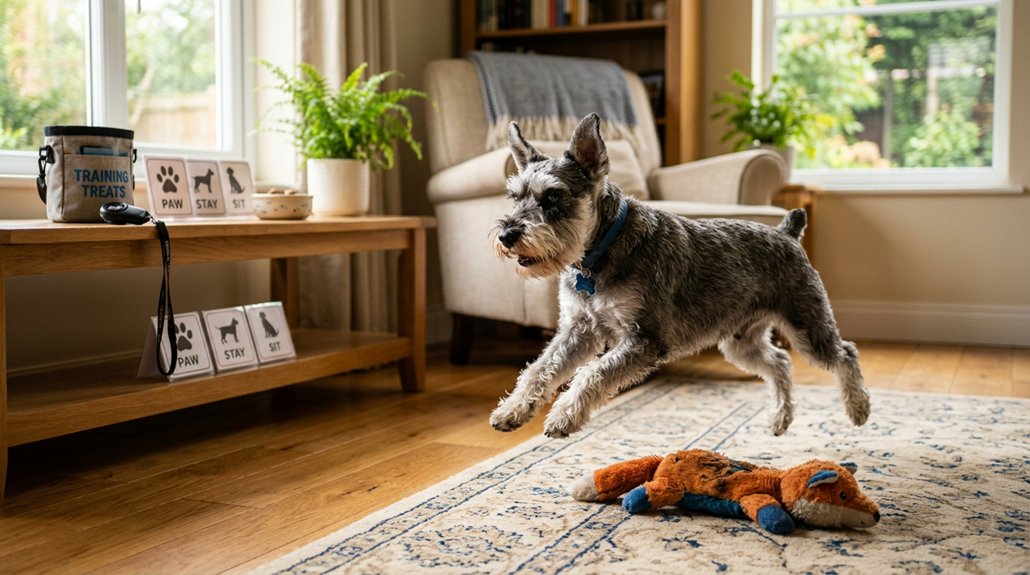
Although training an energetic Miniature Schnauzer can be both rewarding and challenging, understanding their distinctive traits can greatly assist in crafting effective strategies. Their intelligence and enthusiasm to please make behavioral training through positive reinforcement invaluable. Incorporate treats and praise to foster new command learning efficiently. However, their occasional stubbornness demands patience and consistency. Establishing structured routines supports good behavioral development. Early socialization cannot be overstated; exposing them to diverse interactions promotes a balanced temperament. Mitigating mischief requires mental stimulation, so opt for interactive toys and games to channel their exuberance constructively. Additionally, successful housebreaking relies on crate training and a regular potty schedule, ensuring frequent outdoor breaks. This structured approach encourages a well-adjusted and responsive Schnauzer.
How to Prepare for a Miniature Schnauzer Puppy
Ensuring a smooth shift for your new Miniature Schnauzer puppy begins with meticulous preparation. Immerse yourself in puppy proofing your home to safeguard against potential hazards, such as toxic plants and wires. Designate a special area for your puppy, emphasizing the importance of crate training basics; it’s essential for housebreaking and offering your Schnauzer a secure refuge. Stocking up on quality puppy food is vital, aligning with their specific dietary needs and frequent feeding schedule. Develop a routine with regular potty breaks—every two hours, and after meals or play, will bolster successful potty training. Create an engaging environment with interactive toys to cater to their intelligence and energy, staving off boredom. Preparing thoroughly will set the stage for a happy, healthy puppy adjustment.
Regular Grooming to Maintain Their Coat
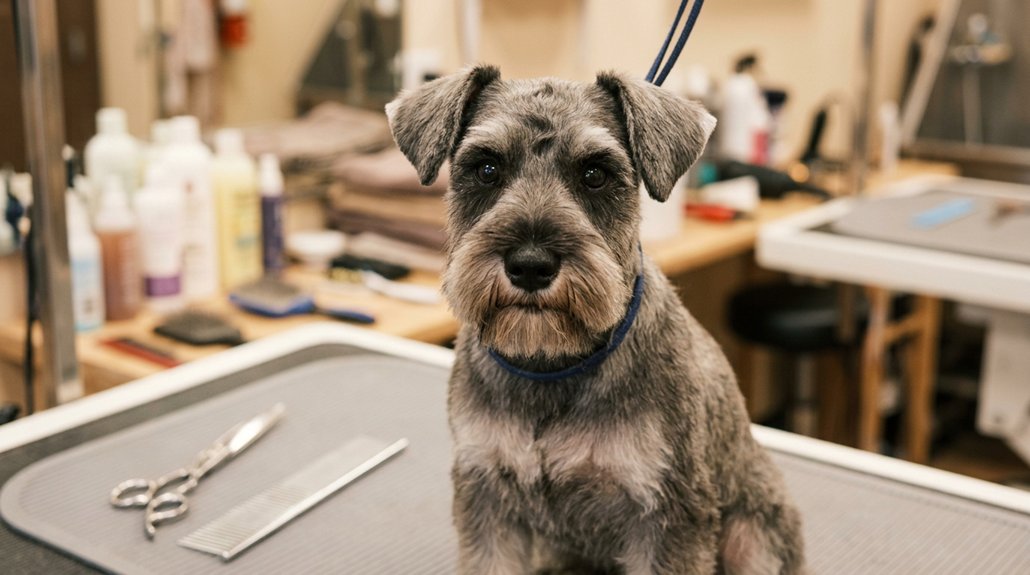
With your home prepared and a routine established for your Miniature Schnauzer puppy, attention now shifts to maintaining their distinctive double-layered coat. Consistent coat maintenance begins with brushing them 2-3 times weekly using appropriate grooming tools to prevent matting and guarantee health. Regular professional grooming, every 5 to 8 weeks, is vital, particularly if you envision them in show ring readiness. Don’t overlook trimming essential areas like the beard, eyebrows, and body, as it preserves their trademark appearance and prevents tangles. Opt for dog-specific shampoos during baths every 4-6 weeks to avoid skin irritation. Nail clipping every 3-4 weeks further complements your grooming routine, securing comfort and preventing health issues, keeping your schnauzer in prime condition.
How to Feed Your Miniature Schnauzer
Feeding your Miniature Schnauzer requires careful attention to nutritional quality, meal timing, and portion control. Choose a high-quality diet with real meat as the primary ingredient to guarantee they’re getting the essential nutrients without unnecessary fillers. By establishing a consistent feeding schedule that aligns with their age and activity level, and limiting treats to avoid unhealthy weight gain, you’ll help maintain their health and vigor.
Balanced Diet Essentials
Although your Miniature Schnauzer’s spirited nature demands a diet tailored to its specific nutritional needs, understanding these essentials assures your furry friend thrives with vigor and energy. Focus on a diet rich in high-quality protein, with real meat as the first ingredient, to support vitality. Consider dietary supplements cautiously as some may provoke feeding allergies—consult your vet before introducing them. Grain-free options can improve digestion and overall health, steering clear of corn, soy, and wheat. Regular hydration is non-negotiable; always provide fresh water to prevent urinary problems. Remember, treats should account for no more than 10% of daily calorie intake to avoid obesity.
- Real meat as the first ingredient
- Twice daily for adults, more for puppies
- Go grain-free for better digestion
- Limit treats to 10% of daily intake
- Maintain constant access to fresh water
Portion Control Strategies
A well-balanced diet is the cornerstone of your Miniature Schnauzer’s health, but understanding portion control is equally significant. Caloric balance is essential to avoid obesity, which can lead to serious health issues like pancreatitis and diabetes. Start by checking the feeding guidelines on your dog food packaging to determine the correct portion based on their weight and activity level. Incorporating feeding toys can make mealtime interactive and help manage portion sizes effectively, encouraging slower eating and preventing excessive intake. Regularly monitor their weight and adjust portions as necessary, accounting for any treats that shouldn’t exceed 10% of their total daily calories. Ultimately, a thoughtful approach to portion control guarantees your Miniature Schnauzer maintains ideal health and well-being.
Feeding Schedule Tips
Crafting an effective feeding schedule for your Miniature Schnauzer is vital for ensuring their health and well-being. Consider their stage of life; puppies need frequent meals for ideal puppy growth, while adults thrive on two meals daily. Meal timing is significant—regularity helps regulate digestion and supports potty training. High-quality food with real meat helps avoid health issues.
- Feed puppies 3-4 smaller meals daily to support rapid growth.
- Adults thrive on two meals a day for sustained energy.
- Choose food with real meat as the primary ingredient and avoid fillers.
- Ensure treats are less than 10% of the total daily calories.
- Monitor weight regularly to adjust portions based on activity and health.
Always provide fresh water with meals.
Preventative Health Care for Schnauzers
When ensuring the overall well-being of your Miniature Schnauzer, preventative health care becomes indispensable. Regular vet check-ups allow for genetic screenings to catch predispositions like diabetes or heart disease early. These screenings, combined with preventative treatments, are essential in maintaining your Schnauzer’s health. Alongside this, a balanced diet and maintaining a healthy weight are crucial to avoid conditions such as pancreatitis and hyperlipidemia. Routine dental care can’t be overlooked either; brushing your Schnauzer’s teeth with dog-specific toothpaste at least three times a week helps ward off dental disease. Finally, regular grooming, including ear cleanings and nail trimming, not only keeps your pet looking its best but also prevents infections, contributing to their overall well-being.
Top Activities to Keep Your Schnauzer Engaged
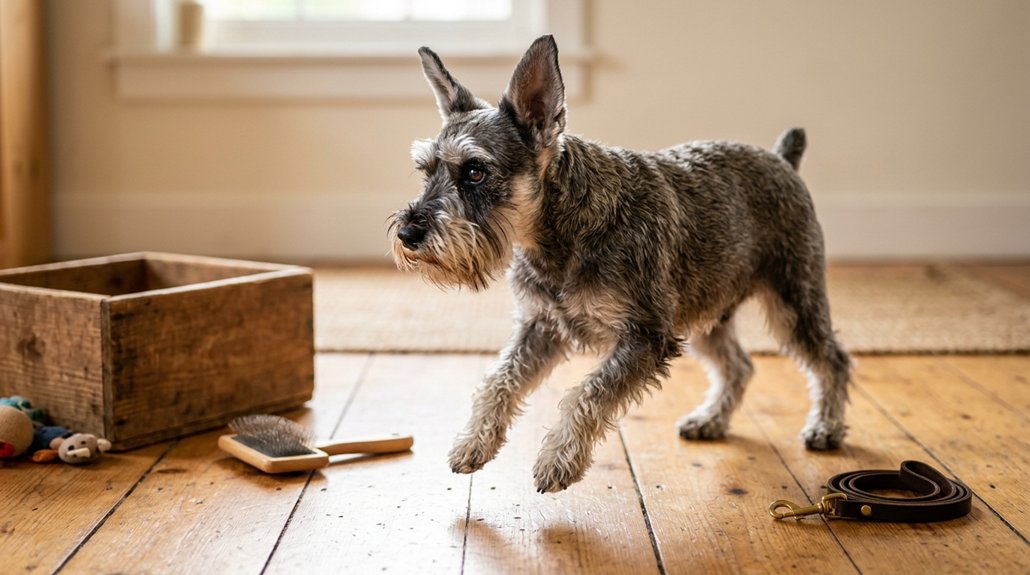
Few breeds match the lively nature and intelligence of a Miniature Schnauzer, making it essential to provide stimulating activities that cater to their active minds and bodies. Keeping your Schnauzer engaged isn’t just about burning energy; it’s about nurturing their intelligence and emotional well-being. Consider using puzzle toys that dispense treats to challenge their problem-solving skills. Routine excursions to dog parks not only offer exercise but encourage social growth in a safe setting. Regular walks or jogs provide mental enrichment, coupled with obedience drills for brain activity. Engaging with fetch or tug-of-war games helps strengthen your connection through shared enjoyment.
- Puzzle toys
- Dog parks
- Regular walks or jogs
- Obedience training
- Fetch and tug-of-war games
Finding a Reputable Breeder or Adoption Options
How do you guarantee you’re making the best choice when looking for a Miniature Schnauzer to join your family? Start with breeder evaluation—look for those affiliated with recognized kennel clubs, who conduct thorough health screenings for hereditary issues like cataracts and pancreatitis. Visiting facilities is essential; confirm cleanliness and assess if the puppies and their parents are well-socialized. Request proof of health testing to secure your future pet’s well-being.
Alternatively, consider the rescue benefits. Adopting from breed-specific rescues or shelters not only provides homes for dogs in need but connects you with experienced volunteers knowledgeable about Schnauzers. Always check references and reviews, and inquire about breeding or rescue practices to ensure you’re making an informed, responsible decision.
Frequently Asked Questions
What Are Common Behavioral Issues in Miniature Schnauzers?
Miniature Schnauzers often face separation anxiety and territorial aggression. You’ll need effective socialization techniques and stress management strategies to address these issues. Consistent training from a young age guarantees better adaptability and minimizes their behavioral challenges.
How Do Miniature Schnauzers React to Other Pets?
You’ll generally find that Miniature Schnauzers are friendly during social interactions, but their compatibility with other pets depends on training and exposure. They’re usually accepting if introduced properly, highlighting their adaptability and social versatility with consistent guidance.
Are Miniature Schnauzers Prone to Separation Anxiety?
Yes, they are. Miniature Schnauzers can experience separation anxiety, but you’ll find that establishing a routine and introducing coping strategies, like gradual departures and interactive toys, helps them adjust more comfortably to being alone.
What Is the History of the Miniature Schnauzer Breed?
Picture a time of industrious innovation and deep-rooted traditions. Schnauzer origins emanate from a resilient German heritage, bred to be tenacious yet adaptable, reflecting a history where form and function merged to create an untiring little guardian.
Do Miniature Schnauzers Typically Bark a Lot?
Yes, you’re likely to experience high noise levels. Miniature Schnauzers have barking habits rooted in their protective nature and can be quite vocal. You’ll need patience and training to manage their barking tendencies effectively.
Conclusion
In caring for your Miniature Schnauzer, understanding their unique blend of energy and intelligence is essential. Take Max, a vibrant Schnauzer whose owner invested time in engaging training and preventative health care, and watched him flourish both behaviorally and physically. By focusing on tailored activities and a balanced diet, you can mirror Max’s success, ensuring your Schnauzer thrives. Remember, it’s about creating a nurturing environment, fostering loyalty and companionship that lasts a lifetime.