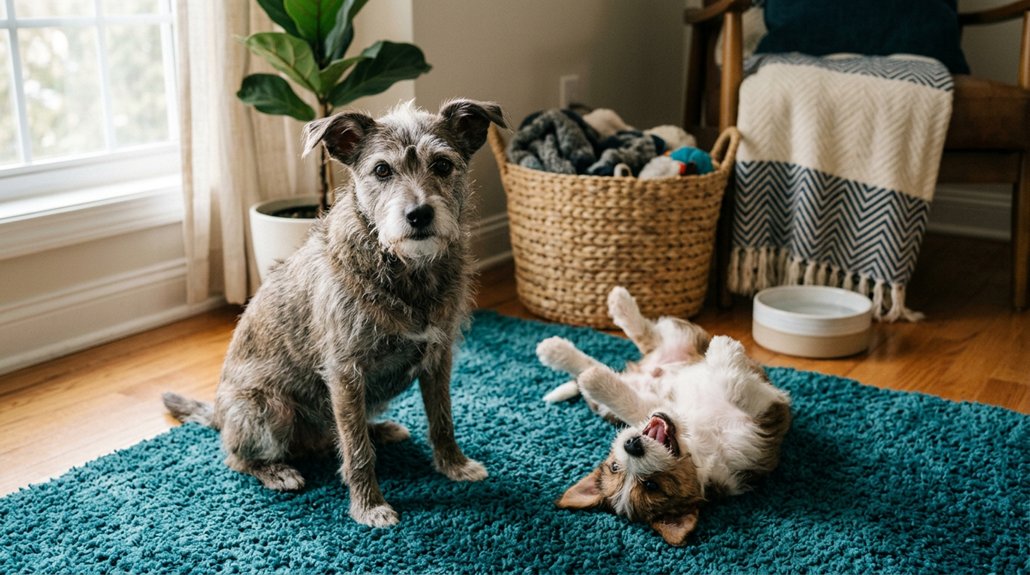
Choosing between a puppy and an older dog hinges on your lifestyle and commitments. Puppies require time-intensive training and socialization, ideal for active households seeking shared growth. Adult dogs offer established temperaments and generally easier care, perfect for those with limited time. Both need exercise, with puppies demanding frequent play, and adults needing moderate activity. Preparing your home properly can ease the adjustment for any choice. To understand these dynamics better, follow along for more insights.
Key Takeaways
- Puppies require significant training and time, while adult dogs often have established behaviors and are less demanding.
- Adult dogs often come house-trained, reducing initial training time and facilitating quicker bonding with new families.
- Puppies have high energy levels, needing frequent play, whereas adult dogs usually require moderate exercise and stable routines.
- Active lifestyles may match puppies’ energetic nature, while adult dogs suit a more relaxed household.
- Adult dogs help alleviate shelter overcrowding, offering a second chance and supporting responsible pet ownership.
Which Type of Dog Is Right for Your Lifestyle?
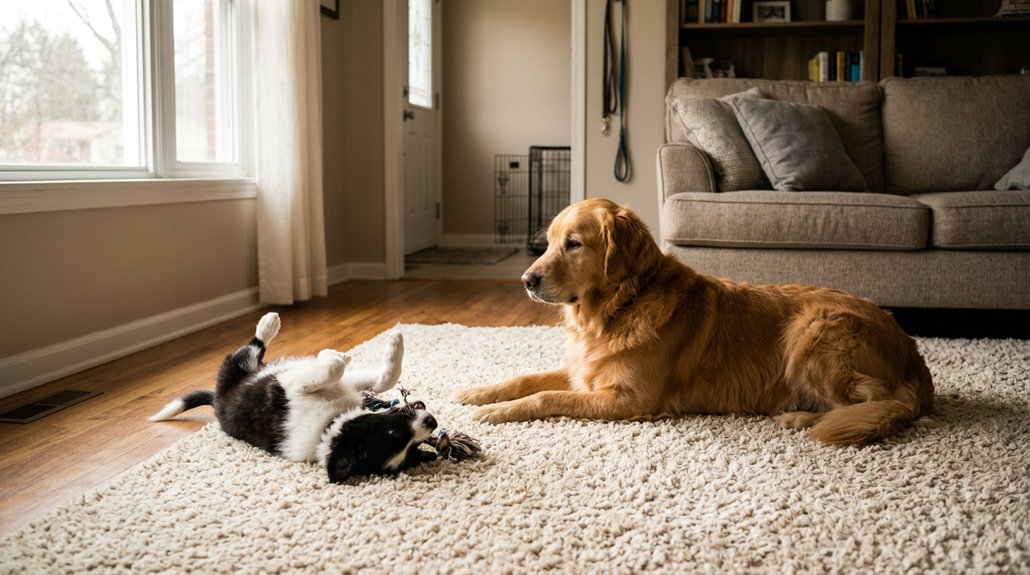
Choosing the right type of dog for your lifestyle is essential for creating a harmonious and fulfilling experience for both you and your new pet. Puppies are bundles of enthusiasm, brimming with energy, and require extensive training and socialization. This phase may shift your daily routines and expectations, demanding significant time and commitment. Conversely, adult dogs offer established temperaments, perfect for those seeking more straightforward adult companionship. They’re often less demanding regarding training, suiting first-time owners or those with busy schedules. Adult dogs need less exercise, presenting a more relaxed companionship ideal for a balanced lifestyle. Evaluating your availability for puppy care, including time for training and socialization, can guide you in choosing between an energetic puppy and a calm adult dog.
Key Differences: Puppies vs. Adult Dogs
When choosing between a puppy or an adult dog, it’s important to take into account their distinct training and socialization needs. Puppies require extensive training and high levels of attention to help develop the right behaviors, whereas adult dogs often benefit from prior socialization and may readily adjust to your home environment. Additionally, the demanding exercise requirements and unpredictable behavior of puppies contrast with the typically lower energy levels and more stable temperament of adult dogs.
Training and Socialization Needs
While deciding between a puppy and an older dog, understanding their distinct training and socialization needs is essential for fostering a successful bond. Puppy training demands dedication, as young dogs need consistent reinforcement to instill good behavior and adapt to various environments. Vital for puppies from 7-16 weeks, socialization can shape their interactions positively with people and other animals, impacting their long-term behavior.
In contrast, adult dogs often arrive with established skills and stable personalities, which makes adult socialization needs less intensive. Their training usually revolves around adapting to new routines, often requiring less effort than training a puppy. However, don’t overlook potential unique challenges; an adult dog’s prior experiences often mean they shift more smoothly into your home.
Energy and Exercise Requirements
Although both puppies and adult dogs need regular exercise to maintain their health, the intensity and frequency of activity required can differ significantly between the two. Puppies usually have higher energy levels, needing several play sessions daily to fulfill their puppy energy demands. In contrast, adult dogs typically show more stable energy, thriving on moderate walks and interaction. If you have an active lifestyle, a puppy might be ideal. However, if you’re seeking an easygoing routine, an adult’s relaxation and established habits may better suit your needs. Here’s a quick comparison:
| Factor | Puppies | Adult Dogs |
|---|---|---|
| Energy Level | High, requires frequent activity | Stable, moderate exercise suffices |
| Owner Demand | Time-intensive for play and care | Less active, more independent |
| Ideal For | Active individuals/families | Those with less time for exercise |
Emotional and Behavioral Characteristics
Considering the difference in energy levels, understanding emotional and behavioral traits is essential when deciding between a puppy and an older dog. Puppies are bundles of energy, requiring time-intensive training and socialization to navigate the bonding process and develop emotional maturity. This journey might test your patience due to inevitable chewing, accidents, and behavioral challenges. Conversely, adult dogs often come with established temperaments and emotional maturity, helping form a quick, robust bond due to their life experience. They might require adjustment time for any behavioral issues from past environments, but with care, they typically integrate well. For first-time owners, a stable adult dog can be less demanding, whereas puppies offer a fresh start with the possibility of shaping from scratch.
Is a Puppy Right for Your Busy Life?
When considering a new puppy, ask yourself: how will you balance their needs with your demanding lifestyle? A puppy commitment means mastering time management. Puppies need extensive training, housetraining reinforcement, and have high energy levels that require ample exercise. If your lifestyle involves long workdays or frequent absences, this could result in challenges meeting a puppy’s needs, potentially affecting their health and behavior.
| Challenge | Impact | Solution |
|---|---|---|
| Training and Socialization | Time-intensive | Schedule dedicated sessions |
| High Energy Levels | Health needs | Guarantee regular exercise |
| Long Absences | Supervision issues | Utilize professional pet care |
| Indoor Accidents | Stress and hygiene | Implement a housetraining plan |
Puppies thrive when their environment allows owners to prioritize care meaningfully.
Why Consider an Adult Dog for Easier Care?
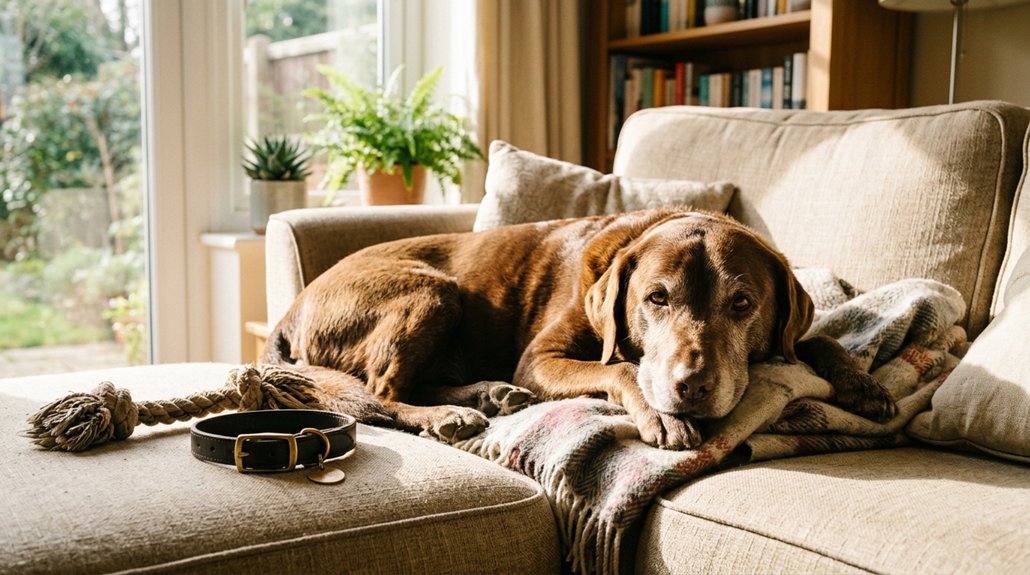
When you’re looking for a pet that fits seamlessly into your lifestyle, adult dogs offer a proven solution with their established house-training and stable temperaments. These mature companions typically require less exercise and attention than puppies, which is great for those with demanding schedules. Additionally, the quicker adjustment period and existing social skills of adult dogs can facilitate a smoother changeover into family life.
Established Training and Temperament
Although puppies often steal the spotlight with their irresistible cuteness, adult dogs offer a host of advantages for easier care, primarily due to their established training and temperament. With adult dogs, you benefit from training stability as many are already house-trained and possess essential social skills. This saves you considerable time and effort compared to puppies needing extensive training. You can also rely on temperament predictability, allowing for smoother integration into family life. Knowing their behavior helps guarantee compatibility with your lifestyle, reducing unexpected challenges. Adopting an adult dog not only meets your expectations more accurately by understanding their physical traits and personality but also gives a loving home to a deserving animal, helping ease shelter overcrowding.
Reduced Maintenance Needs
Adult dogs bring the added benefit of reduced maintenance needs, making them an attractive option for those seeking less demanding companionship. By avoiding the intensive training and socialization required by puppies, you’ll find cost implications are minimized. Existing house-training skills in many adult dogs save time investment that you’d otherwise spend managing accidents. Their stable personalities ease integration into your lifestyle, offering consistent behavior without the unpredictability of puppy antics. Physical demands are also reduced, with adult dogs needing less exercise, an ideal scenario if you have limited mobility or a busy schedule. As they often bond quickly, adult dogs provide immediate companionship without the early-stage challenges, ensuring emotional support comes with less time and resource commitment.
Quick Adjustment Period
Given the desire for a straightforward shift into pet ownership, considering an adult dog can be a rewarding choice. Adult dogs typically come with established temperaments, easing the adjustment factors as you learn to meet their needs. Because many are already house-trained, you’ll save considerable time and effort compared to a puppy. This immediate understanding of behavior and reduced training intensity suits busy or novice owners.
Adult dogs often have a shorter adjustment period since they can quickly bond with new families. Effective bonding strategies include consistent routines and gentle engagement, fostering confidence and integration into your home. Additionally, adopting an adult dog supports responsible pet ownership by potentially saving a life and alleviating shelter overpopulation, adding a layer of fulfillment to your decision.
How Household Dynamics Influence Dog Choice
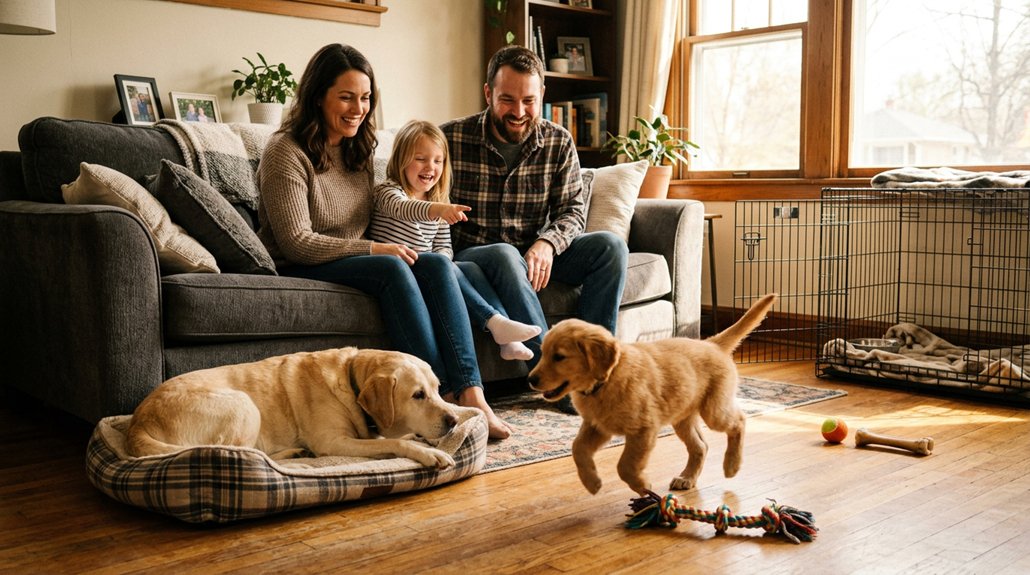
In the world of pet adoption, understanding how household dynamics influence the choice between a puppy or an older dog is vital. Your existing household routines play an important role in this decision. If your home is bustling with young children, a puppy might be more fitting, fostering shared growth and experiences through pet integration strategies. Puppies are often seen as less intimidating by existing pets, easing their acceptance. However, remember that puppies require substantial time for training and care, so make certain your lifestyle can accommodate this. Conversely, if you seek a calmer presence and have limited time, an older dog might align better. Ultimately, assess your household’s unique dynamics and preferences to decide which type of canine companion suits your family best.
Preparing for Your New Canine Companion
Bringing a new dog into your home is an exciting venture, but proper preparation is essential to guarantee a smooth changeover for both you and your canine companion. Assess your daily routine to accommodate a puppy’s needs and create a safe, comfortable space with a supply checklist—essentials like a bed, toys, and food. Establish a support network of friends and family to assist during the adjustment period. Communicate with your family about care responsibilities to ensure everyone is on board. Plan for managing absences to prevent accidents and stress.
Here’s a simple checklist to get you started:
| Item | Purpose |
|---|---|
| Bed and Toys | Comfort and stimulation |
| Puppy Food | Balanced nutrition |
| Training Supplies | Effective socialization |
Frequently Asked Questions
What Is the 3-3-3 Rule for Adopting Dogs?
The 3-3-3 rule for adopting dogs describes an adjustment period and adoption timeline: in 3 days, they settle; in 3 weeks, personalities emerge; in 3 months, they fully adapt, forming strong attachments and stable behavior patterns.
Is It Better to Adopt a Puppy or an Older Dog?
Choosing between a puppy and an older dog is like deciding between a blank canvas and a finished painting. Puppies offer new adventures and growth, while older dogs bring stability and experience. Consider your lifestyle for informed choices.
What Is the 10-10-10 Rule for Puppies?
The 10-10-10 rule for puppies encourages you to evaluate feelings after 10 days, 10 months, and 10 years. It highlights puppy training, socialization tips, and long-term care, supporting evidence-based decisions for lifelong canine well-being.
What Is the Naughtiest Age for a Dog?
A dog’s naughtiest age is typically during adolescence, from 6 to 18 months. Puppy behavior includes chewing and digging. Unlike older dogs, adolescents test boundaries more. To manage this, consistent training and socialization are essential. Stay patient!
Conclusion
Choosing between a puppy and an older dog ultimately hinges on your lifestyle and needs. Puppies offer boundless energy and the chance to mold behavior, but their care demands time. Older dogs bring established temperaments and often easier maintenance, fitting seamlessly into bustling households. Both can enrich your life, but understanding your capacity for training and care is essential. By considering your household dynamics and preparing properly, you guarantee a healthy, fulfilling relationship with your new canine companion.