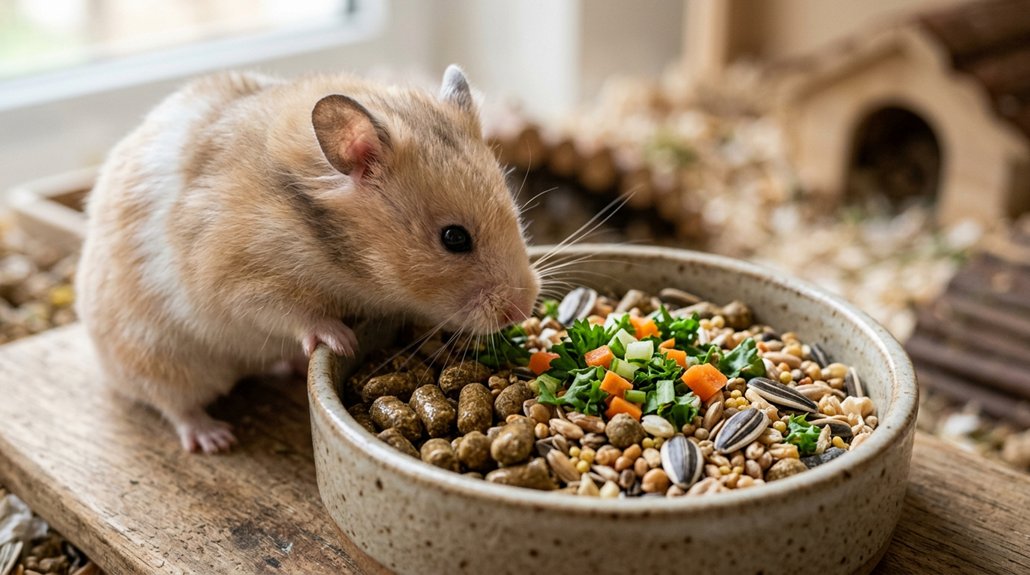
Make certain your hamster’s diet is nutritionally complete by focusing on pelleted food as the cornerstone, supplemented with seed mixes and fresh vegetables. Pellets provide essential nutrients; select species-specific formulations. Include fresh produce like broccoli and carrots for about 20% of the diet, introducing them gradually to prevent digestive issues. Offer small amounts of grains and proteins like mealworms weekly. Avoid toxic foods such as onions and chocolate. Explore further for tailored species-specific and life stage dietary needs.
Key Takeaways
- Pelleted food is the primary diet component, providing essential nutrients for hamsters.
- Fresh vegetables should make up about 20% of the diet for added nutrients.
- Avoid loose seed mixes to prevent selective feeding and obesity.
- Introduce fresh produce gradually; limit to 1/8 cup daily.
- Provide diverse protein sources like mealworms, eggs, and plain chicken.
What Makes a Balanced Hamster Diet?
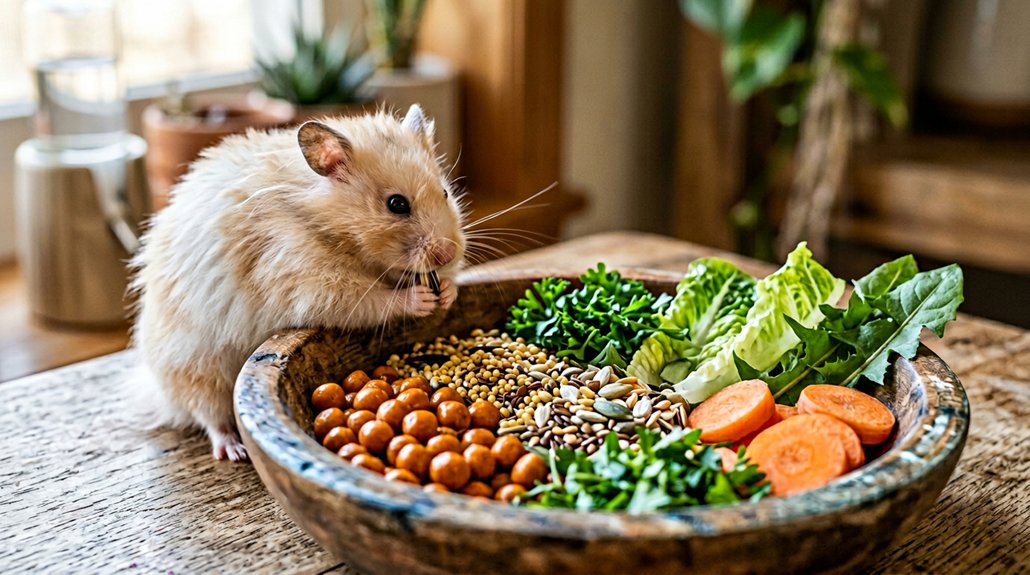
When establishing a balanced hamster diet, it is vital to focus on nutritional completeness to guarantee your hamster’s well-being. Achieving dietary balance involves ensuring nutrient variety through a combination of pelleted food, seed mix, and fresh vegetables. Pelleted food should form the cornerstone due to its thorough blend of proteins, vitamins, and minerals, which counteract selective eating behaviors. Complement your hamster’s diet with fresh produce, such as leafy greens, broccoli, and carrots, constituting 20% of their intake, while adhering to small, manageable servings. Effective portion control is significant; standardized guidelines suggest a maximum of 1/8-cup daily, adjusted for individual breed needs and activity levels. Introduce new foods slowly and promptly remove uneaten vegetables to prevent spoilage and maintain digestive health.
Pelleted Food: A Hamster Diet Essential
To guarantee your hamster receives a balanced diet, pelleted food plays a significant role in their nutrition. Pelleted food is engineered to provide extensive nutrients essential for hamster health, minimizing risks of selective feeding behaviors. Conduct a thorough pellet selection, considering species-specific formulations that cater to the unique dietary requirements of Syrian, Dwarf, and Chinese hamsters. High-quality pellets exclude unhealthy additives, ensuring optimal ingestion of vitamins and minerals. Establish a feeding schedule, offering a few tablespoons daily as a dietary cornerstone, and monitor consumption patterns closely. This regimen assures nutrient sufficiency while promoting consistent dietary habits. Complement the pelleted diet with consistent access to fresh water, facilitating hydration and sustaining overall physiological wellness. Adhering to these guidelines enhances your hamster’s dietary health.
Seeds and Grain Supplements: Safe Choices
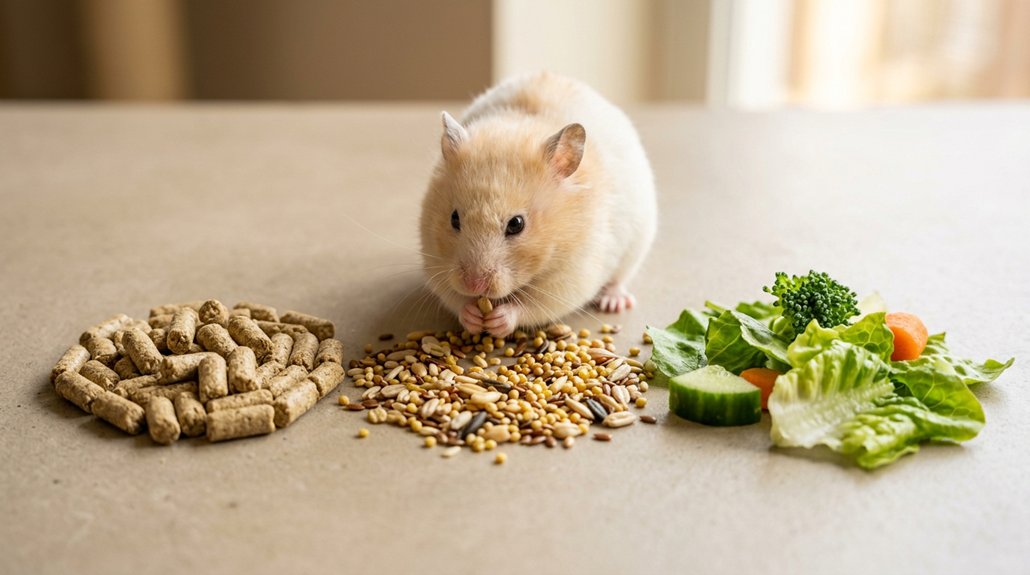
When selecting seeds and grains for your hamster’s diet, prioritize seed mixes tailored to hamsters and offering a diverse array, such as flaxseeds and pumpkin seeds, to emulate their natural foraging habits and discourage selective feeding. Whole grains like quinoa or oats can be introduced weekly in limited amounts, balancing energy needs without contributing to obesity. Nuts, when unsalted, add nutritional value but should remain an occasional treat to guarantee a thorough and balanced diet.
Hamster-Safe Seed Types
How can you make certain your hamster receives the right balance of seeds in their diet? Start with evidence-based choices: sunflower seeds and pumpkin seeds. These seeds provide essential fats and proteins that are vital for hamster health but must be given in moderation. Integrate them into your pet’s diet using the following guidelines:
- Nutrient-Rich Choices: Select seeds known for high nutritional content, such as flaxseeds, alongside sunflower and pumpkin seeds.
- Avoid Loose Mixes: Steer clear of imbalanced, nutrient-deficient loose seed mixes to prevent selective feeding habits.
- Daily Limit: Offer no more than 1/8-cup of seeds mixed with pelleted food and fresh vegetables.
- Quality Selection: Choose hamster-specific mixes, avoiding added sugars, preservatives, and artificial inputs for best health benefits.
Grain Variety Benefits
Imagine a well-balanced bowl of grains nestled amidst golden flecks, conveying both flavor and nourishment to your hamster. Grain exploration satisfies their natural foraging instincts and adds dietary enrichment. Small amounts of whole grains weekly offer essential nutrients. However, be mindful of your hamster’s species-specific needs. For example, Syrian hamsters can embrace a diverse grain exploration, while dwarf varieties need low carbohydrates to prevent diabetes.
| Seed Type | Nutritional Benefit | Serving Size |
|---|---|---|
| Sunflower Seeds | High in healthy fats | 1/8-cup daily |
| Millet | Rich in magnesium | Small pinches |
| Barley | Fiber support | Sparse sprinkling |
Avoid single-ingredient seed diets to prevent nutritional deficiencies. Opt for high-quality seed and grain supplements specifically designed for hamsters to meet their precise dietary requirements.
Incorporating Fresh Vegetables and Fruits
Fresh vegetables and fruits play an essential role in maintaining a balanced diet for hamsters, providing essential nutrients that pelleted foods might lack. For peak health, fresh food tips include incorporating a veggie variety. Confirm that vegetables compose about 20% of your hamster’s diet. Recommended options like kale, carrots, dandelion greens, and broccoli should be properly washed and chopped. Follow these guidelines:
- Introduce new foods gradually to avoid digestive upset and monitor for adverse reactions.
- Offer fruits such as apples and berries sparingly due to their sugar content.
- Remove uneaten food daily to prevent spoilage and odors.
- Utilize water-rich vegetables like cucumber and bell pepper for hydration without them dominating the diet.
Implementing these strategies guarantees a nutritionally thorough and safe diet.
Grains, Nuts, and Protein in Hamster Diets
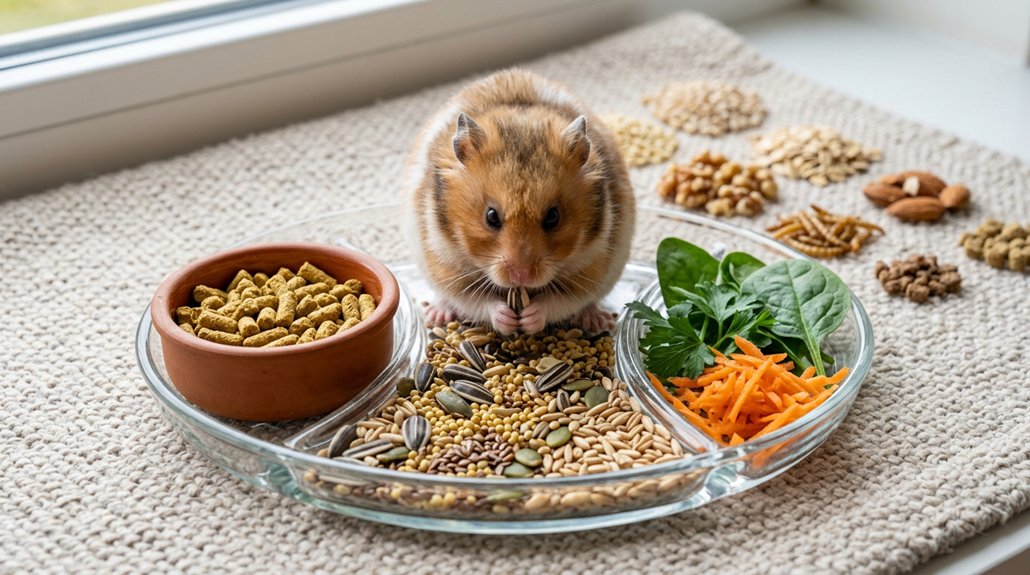
Incorporating diverse protein sources is important for meeting your hamster’s nutritional needs, with options like scrambled eggs and dried mealworms providing essential amino acids. When offering nuts, moderation is essential; limit them to once a week and always choose unsalted varieties to prevent any adverse health impacts. Such dietary practices not only align with your hamster’s natural foraging instincts but also guarantee balanced nutrition, minimizing the risk of digestive issues and promoting well-being.
Diverse Protein Sources
A balanced hamster diet necessitates the inclusion of diverse protein sources to maintain peak health. Confirming protein variety through different dietary sources supports physiological functions, from muscle development to metabolic regulation. Consider these options:
- Whole Grains: Offer small amounts weekly for essential carbohydrates and dietary fiber.
- Dried Mealworms: A rich protein source, promoting healthy growth.
- Scrambled Eggs: Sporadic servings offer crucial amino acids beneficial for tissue repair.
- Plain Chicken: Unseasoned pieces supply lean protein aiding muscle sustenance.
Integrating these diverse elements mimics natural foraging behavior and combats dietary monotony. Confirm nut incorporation stays controlled and prioritize unsalted variations to prevent adverse effects from excess sodium and fat. This methodical approach assures a well-rounded nutrient profile for your hamster.
Moderation in Nut Consumption
While designing a diet for hamsters, it’s critical to contemplate the moderation in nut consumption alongside grains and proteins. Nut health is central to maintaining a balanced diet; unsalted nuts should be offered sparingly—no more than once a week. This guarantees nut frequency aligns with the hamster’s physiological needs, reducing risks of obesity and digestive issues. Whole grains add fiber, but their intake should be limited to avoid carbohydrate excess. Protein sources, such as scrambled eggs or dried mealworms, supplement essential nutrients but require careful frequency management to prevent overfeeding. By maintaining a well-rounded dietary schema, you support the natural foraging behavior, promoting mental stimulation and preventing health complications. This balanced regime is essential for ideal hamster health.
Recognizing and Avoiding Toxic Foods
Given the delicate nature of a hamster’s digestive system, understanding which foods are toxic is vital for their well-being. Some foods can cause food allergies or more severe health issues due to their toxic properties. For example:
Understanding toxic foods for hamsters is crucial to prevent allergies and severe health issues.
- Citrus Fruits: Oranges and lemons can upset their digestive tract.
- Onions: Known for causing hemolytic anemia, onions are highly toxic.
- Chocolate: Though not extremely toxic in small amounts, it’s best avoided.
- High Sugary/Fatty Foods: Grapes, raisins, and processed treats risk obesity.
Preventing exposure to such foods involves consulting veterinary advice and reliable sources for evidence-based dietary plans. By doing so, you mitigate risks and guarantee your hamster’s long-term health. This vigilance is essential for recognizing and avoiding dietary toxicity.
Adjusting Hammies’ Diets for Life Stages
Dietary adjustments are essential for hamsters across their life stages, reflecting their biological and nutritional requirements. Pregnant or nursing hamsters demand increased nutritional intake, guaranteeing both maternal health and offspring development. Implement diet change tips by gradually increasing protein and nutrient-dense foods. Enhancing life stage nutrition for young hamsters, specifically those under 6 weeks, involves high protein diets supporting accelerated growth. Conversely, adult hamsters thrive on balanced diets with moderated protein. Senior hamsters benefit from softer, easily digestible foods due to potential dental issues and slowed metabolism. Regularly monitoring and adjusting portion sizes cater to each hamster’s weight and health status, facilitating ideal care. This dynamic approach guarantees your hamster remains healthy throughout its diverse life stages.
Tailor Diets to Your Hamster’s Species
Just as hamsters require dietary adjustments through their life stages, tailoring these diets to the specific species of the hamster remains equally important. Each hamster species, from Syrian to dwarf to Chinese, possesses unique dietary preferences and nutritional needs. Understanding these specific requirements strengthens your hamster’s metabolic health and prevents malnutrition. Here’s how you can customize their diet:
- Syrian hamsters can handle a diverse range of grains and vegetables.
- Dwarf hamsters need lower carbohydrate diets to mitigate risks like hyperglycemia.
- Fresh foods should account for ~20% of their diet, adjusting for species-specific preferences.
- Species-tailored protein sources, such as mealworms or scrambled eggs, support prime growth.
Recognizing these distinctions guarantees each hamster species achieves its ideal nutritional balance.
Design Your Hamster’s Feeding Routine
A well-structured feeding routine is essential for maintaining your hamster’s health and well-being. Establish a daily regimen involving scientifically-calibrated feeding frequency and stringent portion control. Offer a base of pelleted food—roughly 1 to 2 tablespoons—to guarantee balanced nutrition. Prevent selective eating habits and obesity by incorporating portion control. Supplement this with 1/8 cup of a seed mix daily, enhancing dietary variety and mimicking natural foraging. Vegetables like kale, carrots, and cucumbers should form 20% of their diet, maintaining freshness by removing leftovers. Monitor portion sizes and adjust according to your hamster’s weight and activity levels. Introduce new foods incrementally to monitor digestive health, guaranteeing peak physiological responses.
| Components | Daily Amount | Purpose |
|---|---|---|
| Pellets | 1-2 tbsp | Balanced Nutrition |
| Seed Mix | 1/8 cup | Variety and Foraging Behavior |
| Vegetables | 20% of diet | Nutrient Enrichment |
Frequently Asked Questions
How Often Should I Clean My Hamster’s Food Bowl?
You should clean your hamster’s food bowl every few days to guarantee food bowl hygiene. An evidence-based approach suggests aligning cleaning with the hamster’s feeding schedule, preventing bacteria growth and maintaining ideal sanitation conditions for healthy consumption.
Can My Hamster Eat Cooked Vegetables?
Imagine vitamins escaping like steam from a pot; overcooked veggies can lose their punch. You can offer your hamster specific cooked vegetable types in moderation, ensuring nutrient retention aligns with their dietary needs without risking health issues.
Are There Any Benefits to Homemade Hamster Treats?
Yes, homemade hamster treats can offer nutritional variety and control over treat ingredients. By selecting specific components, you guarantee balanced macronutrients and reduced preservatives, promoting ideal health based on evidence-based dietary needs. Customize according to scientific guidelines.
How Do I Transition My Hamster to a New Diet?
To change your hamster’s diet, introduce new foods gradually, ensuring diet adjustments cater to their food preferences. Each week, mix increasing amounts of new food with old, monitoring their health and behavioral changes meticulously.
What Signs Indicate That My Hamster Dislikes Its Food?
You’ll notice your hamster’s displeasure through altered feeding behavior: avoiding certain items, scattering unwanted food, or reduced intake. These signs indicate its food preferences aren’t met, requiring an evidence-backed analysis to adjust the diet accordingly.
Conclusion
In crafting a thorough hamster diet, guarantee you employ a precise balance of pelleted food, seeds, and succulent produce. Prioritize painstaking pellet preparation as the primary nutritional necessity, supplement with selective seeds, and synergize with fresh veggies and fruits. Guard against grains and nuts that could be harmful, and gradually adjust diets to match each life stage and species specifications. Design a disciplined feeding routine that dedicates attention to dietary diversity and dynamic digestion, guaranteeing your hamster’s health and happiness.