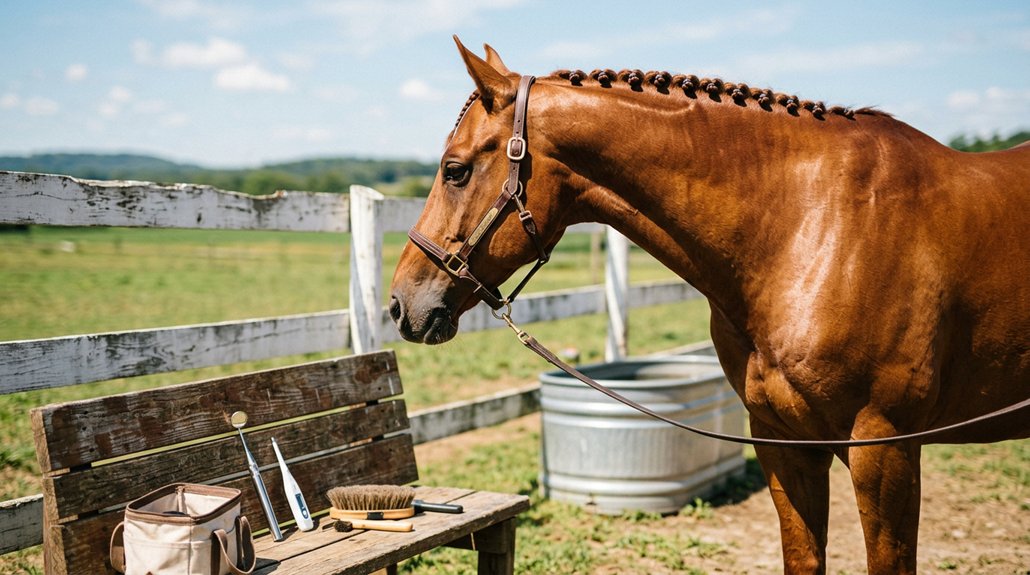
Guaranteeing your horse’s health involves regular wellness exams, structured exercise, vaccinations, and parasite management. Provide a balanced diet with 1-2% body weight in quality roughage, and guarantee access to clean water. Schedule annual dental care and work with a farrier every 6-8 weeks. Implement biosecurity practices like isolating new horses for 30 days. Precise vaccination records and targeted deworming are essential. There’s much more to discover about thorough equine health management.
Key Takeaways
- Schedule annual wellness exams to identify potential health issues early.
- Implement tailored deworming strategies with regular fecal egg counts for effective parasite management.
- Ensure a balanced diet with high-quality hay and clean water available at all times.
- Maintain regular dental exams and hoof care to prevent diseases and ensure horse comfort.
- Isolate new horses for at least 30 days to prevent disease transmission.
Why Preventive Care Is Critical for Your Horse’s Wellbeing
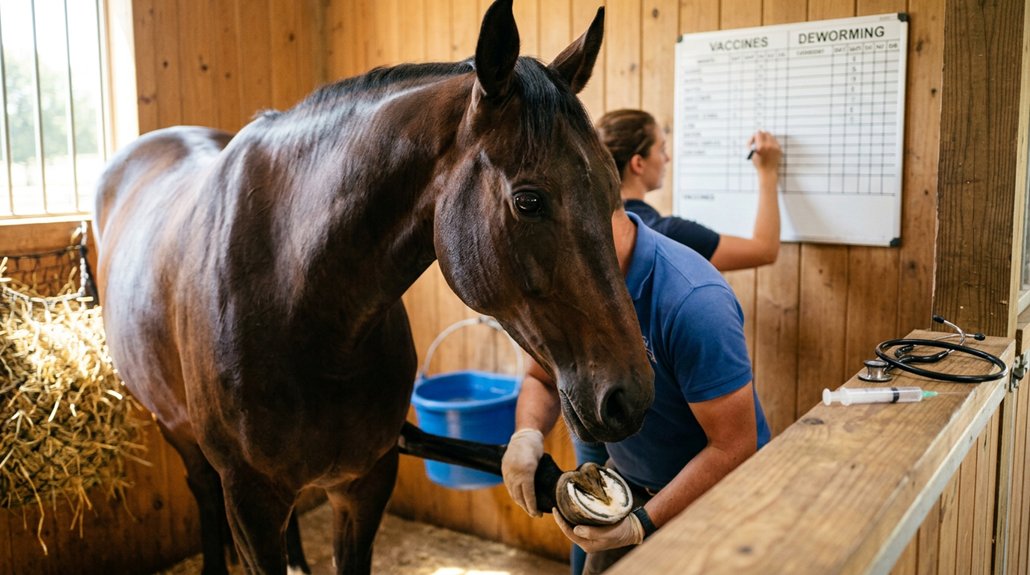
When it comes to maintaining your horse’s wellbeing, preventive care is paramount. Annual wellness exams are essential—they allow you to identify and address potential health issues early, ensuring better long-term outcomes. Implementing structured exercise routines is important for physical health, helping your horse maintain muscle tone and cardiovascular fitness. Equally significant is mental stimulation, which enhances cognitive function and reduces stress, ultimately optimizing behavioral health. Regular dental care, such as floating, further supports nutrition and overall condition, allowing your horse to absorb nutrients effectively. Fecal egg counts should guide your deworming plan to manage parasites safely and avoid drug resistance. Daily health checks to monitor key signs can detect issues promptly, safeguarding your horse’s welfare systematically and scientifically.
Safe and Effective Vaccinations for Your Horse
Although managing your horse’s health can seem challenging, understanding vaccinations’ role in disease prevention is vital. Core vaccine types protect against rabies, Eastern and Western equine encephalomyelitis, West Nile virus, and tetanus, requiring administration yearly for robust disease defense. Vaccination timing, however, can be adjusted for individual risk profiles. Horses engaged in competition settings might need influenza and Equine Herpes Virus vaccines biannually. Administering vaccines intramuscularly in the neck area effectively triggers the necessary immune response, safeguarding against infectious diseases.
It’s important to maintain precise records of vaccinations to guarantee timely updates and meet legal requirements. Additionally, annual Coggins testing is essential for identifying Equine Infectious Anemia, especially when traveling or participating in shows, maintaining stringent health standards.
Protecting Your Horse From Parasites
To protect your horse from parasites, implement an effective deworming strategy tailored to their specific needs by regularly monitoring fecal egg counts (FEC). Conduct fecal egg counts 1-2 times a year to determine the eggs per gram (EPG), adjusting deworming protocols accordingly with veterinary guidance. Stay vigilant against parasite resistance by including medications targeting encysted larvae, and remember that a negative fecal test doesn’t guarantee an absence of parasites.
Effective Deworming Strategies
An effective deworming strategy is essential for protecting your horse from parasites, and it begins with regular fecal egg count (FEC) testing, conducted one to two times a year. This scientific approach allows you to tailor deworming frequency precisely based on eggs per gram (EPG) counts, ensuring treatment is both efficient and strategic. Working with a veterinarian, assess low, moderate, and high parasite loads to mitigate resistance. Include targeted treatments for specific parasites like tapeworms, using dewormers containing praziquantel or double-dose pyrantel pamoate. Pay special attention to foals and elderly horses as they’re more vulnerable.
- Evaluate EPG counts for tailored deworming
- Consult a veterinarian to prevent resistance
- Target tapeworms with specific dewormers
- Focus on sensitive age groups, like foals and seniors
Monitoring Fecal Egg Counts
While ensuring your horse’s health, regular monitoring of fecal egg counts (FEC) becomes indispensable. Conducting fecal analysis 1-2 times annually aids in gauging your horse’s internal parasite load, allowing calibration of deworming protocols. An FEC above 200 eggs per gram (EPG) signifies a substantial parasite burden, warranting a precise deworming strategy to avert health disruptions. It’s essential to acknowledge that even a negative test result doesn’t guarantee parasite absence, as low parasite levels may still lead to reinfection via pasture reinfestation. Fecal analysis focuses on parasites such as strongyles and ascarids, known to adversely affect equine well-being. Tailoring deworming protocols based on FEC data and parasite life cycle promotes optimum health, ensuring your horse’s welfare and robustness.
Managing Parasite Resistance
Although parasite management is essential, developing resistance to dewormers poses a significant challenge in maintaining equine health. Implementing effective resistance management strategies is vital to protect your horse from evolving strains of internal parasites. Start with regular fecal egg count (FEC) monitoring to classify parasite burdens accurately, enabling targeted deworming:
- Low, Moderate, High Counts: Tailor deworming plans based on findings (under 200, 200-500, over 500).
- Strategic Deworming: Avoid blanket schedules; base deworming on specified fecal test results.
- Specific Treatments: Use praziquantel or double-dose pyrantel pamoate for tapeworms.
- Veterinary Consultation: Partner with veterinarians for personalized plans, especially for older horses and foals.
Optimal Nutrition Tips for Horses
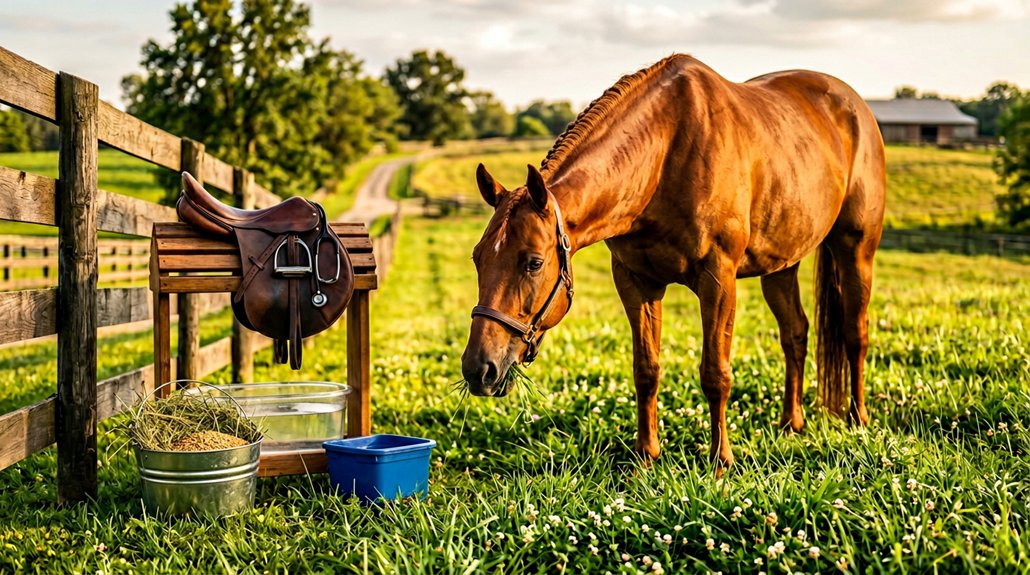
Ensuring your horse receives a balanced diet is essential, with roughage as their primary nutritional source; ideally, they should consume 1-2% of their body weight in high-quality hay or pasture daily. Provide constant access to fresh water and introduce vitamin and mineral supplements judiciously through pelleted ration balancers to maintain nutrient balance without risking selenium overload. Minimize grain intake and follow a regular feeding schedule, avoiding meals right before or after exercise to prevent digestive issues like colic.
Balanced Diet Importance
A balanced diet is essential for maintaining a horse’s health, as it primarily consists of roughage and requires careful attention to detail. Achieving nutrient balance is paramount for supporting your horse’s digestive health. Regularly monitor and adjust their diet based on individual needs. Here are a few critical considerations:
- Daily roughage intake: Feed 1-2% of your horse’s body weight in high-quality hay to guarantee proper digestive function.
- Hay testing: Analyze for digestible energy and nutrients to prevent deficiencies.
- Body condition score monitoring: Maintain a score between 4 to 6 to avoid metabolic disorders like laminitis.
- Careful supplementation: Use pelleted ration balancers for older horses or those with metabolic issues.
Always provide clean water to support hydration and physiological function, with an average intake of 8 gallons daily.
Roughage and Hay Needs
For ideal equine nutrition, precise management of roughage and hay intake is vital. Horses need 1-2% of their body weight in roughage daily. High-quality hay selection plays an important role in providing the necessary roughage benefits, integral for digestive health and preventing disorders like colic. Typically, an average-sized horse requires about 15-20 pounds of hay daily. To guarantee optimal nutrition, conduct tests on your hay for digestible energy and essential nutrients. Constant access to hay or pasture assures adequate fiber, promoting healthy digestion. Prioritize roughage-based diets and avoid overfeeding grain to reduce the risk of digestive issues and obesity. Properly managing these aspects of your horse’s diet guarantees they remain healthy and function at their best.
Proper Supplement Use
Although high-quality hay forms the cornerstone of an ideal equine diet, proper supplement use can enhance overall nutrition and health. Carefully timed supplementation with vitamins and minerals is vital for meeting your horse’s unique needs. Ingredient sourcing is just as important—choose supplements that guarantee high-quality, natural origins. Here’s what to take into account:
- Supplements over blocks: Opt for pelleted ration balancers to make certain your horse gets necessary selenium, often lacking in mineral blocks.
- Vitamin E for performance: Especially valuable for horses in regions with harsh winters, it supports muscle health.
- Grain feeding considerations: Use small, frequent feedings only if justified by age or metabolic conditions.
- Assess dietary needs: Regularly evaluate and adjust feeding routines to prevent nutritional deficiencies.
Keeping Your Horse’s Teeth and Hooves Healthy
Ensuring your horse’s overall health and performance hinges significantly on maintaining healthy teeth and hooves. Regular equine dentistry, including annual dental exams and floating, plays a pivotal role in preventing dental disease and enhancing feed intake by smoothening sharp edges. These meticulous interventions can remarkably improve nutrition and comfort levels. Equally important is hoof trimming. Engaging a qualified farrier every 6-8 weeks minimizes the risk of conditions like thrush, cracks, and laminitis that threaten mobility. Keep a vigilant eye on hoof health through regular inspections for signs of infection or irregularities, and maintain cleanliness to avert fungal growth. Early detection of issues in teeth and hooves assures effective management, guarding against more severe health problems later.
How to Keep Your Horse Safe With Biosecurity Practices
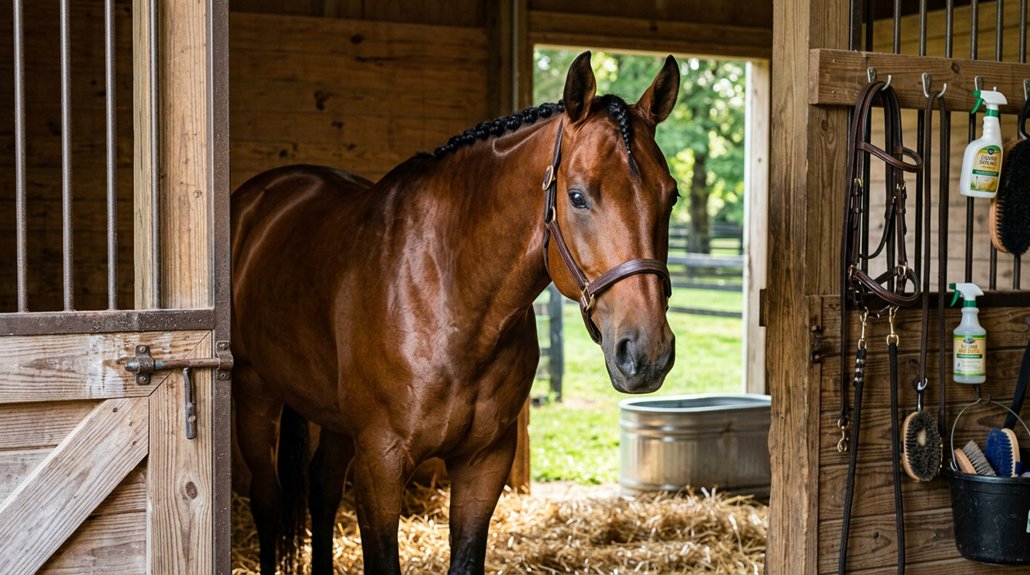
Implementing effective biosecurity practices is essential for safeguarding your horse’s well-being. Quarantine procedures play a critical role in pathogen prevention. Isolate new horses for at least 30 days to minimize disease transmission. Consistently cleaning and changing your clothing, gloves, and shoes after handling different horses helps prevent pathogens from spreading. Dedicate tools, including water buckets, solely to individual horses to maintain cleanliness and avoid exposure to communal areas during travel. Monitor your horse daily for any signs of illness and consult a veterinarian promptly, as early detection is crucial in infectious disease management. Here are key practices:
- Isolate new arrivals for 30 days
- Change gear and clothing between horse interactions
- Use dedicated tools and maintain cleanliness
- Monitor health daily and consult a vet promptly
Creating a Personalized Wellness Plan for Your Horse’s Needs
How do you create a wellness plan that precisely meets your horse’s unique needs? Tailor it by considering age considerations and breed specifics, as these impact health requirements considerably. Begin with annual wellness visits from a veterinarian to guarantee core elements like vaccinations, dental care, and parasite management are covered. Conduct fecal egg counts to customize deworming strategies, addressing your horse’s specific parasite load effectively.
Monitor crucial signs and body condition regularly, adjusting nutrition and care as needed to maintain ideal health. Your wellness plan should also prioritize balanced nutrition, suitable exercise, and an appropriate environment, guaranteeing consistent preventive care. By doing so, you’ll address breed-specific nuances and age-related health aspects, promoting your horse’s longevity and well-being.
Frequently Asked Questions
How Can I Help My Horse Cope With Seasonal Weather Changes?
To help your horse cope with seasonal weather changes, focus on seasonal grooming to adjust coat thickness and guarantee proper temperature management. Monitor blanket needs, provide adequate shelter, and maintain hydration to support physical resilience and comfort.
What Are Signs My Horse Might Be Stressed or Anxious?
In the domain of horse whisperers, recognize stress through pinned ears, tail swishing, or fidgety behavior. Identify stress triggers and environment factors. Employ calming techniques, like consistent routines, to soothe anxiety-driven body language, ensuring equine tranquility.
How Do I Choose the Right Bedding for My Horse’s Stall?
When selecting bedding, consider bedding types like straw, shavings, or pellets, focusing on absorbency and comfort. Maintain stalls by regularly cleaning, ensuring good drainage and ventilation to reduce respiratory issues and support your horse’s health.
Are There Natural Remedies for Minor Injuries in Horses?
When life’s journeys throw your horse a curveball, natural remedies like herbal poultices and soothing salves can be your guiding light. Use them for minor injuries to promote healing, reduce inflammation, and keep your companion comfortable.
What Exercises Can Improve My Horse’s Overall Fitness?
Incorporating cardio exercises like trotting and cantering boosts cardiovascular health, while strength training through hill work and pole exercises enhances muscle tone. Regular alternating between these activities guarantees thorough fitness, enhancing your horse’s endurance and strength.
Conclusion
Think of your horse’s health as a finely tuned symphony. Each element—vaccinations, parasite control, nutrition, dental and hoof care, biosecurity—is an essential note in this harmonious composition. By orchestrating these preventive strategies, you’re crafting a melody of wellness that resonates through your horse’s life. Like an attentive conductor, your role is critical. A personalized wellness plan transforms potential dissonance into a crescendo of health, ensuring your horse thrives, achieving the majestic potential nature intended.