
Choosing the right dog breed for your lifestyle impacts both your quality of life and your pet’s well-being. Focus on breed temperament, energy needs, and grooming requirements to guarantee compatibility with your living environment and family dynamics. Consider high-energy breeds if you’re active, or choose a more relaxed breed for calmer lives. With various grooming and health considerations, selecting the right breed is essential for long-term harmony. Discover more to make an informed decision.
Key Takeaways
- Evaluate your daily activity levels to match with a breed’s energy requirements and prevent frustration.
- Consider your living environment to ensure suitable space and conditions for the dog breed.
- Assess family dynamics and training needs for compatibility with children and other pets.
- Factor in grooming requirements and costs to maintain the dog’s health and appearance.
- Research breed-specific health issues for informed decisions regarding long-term care and happiness.
Why Choosing the Right Dog Breed Matters
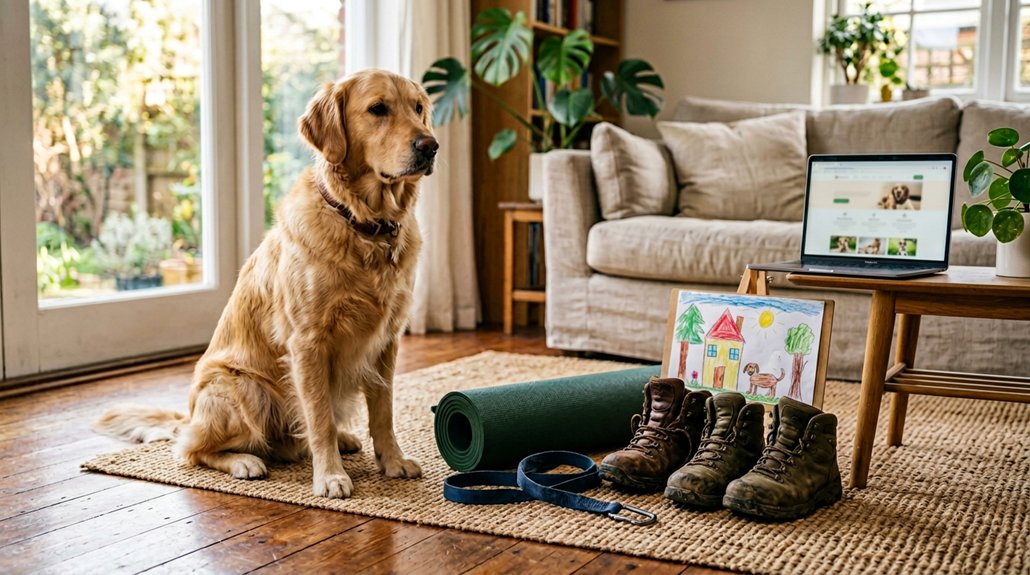
Selecting the appropriate dog breed is crucial because it directly influences both your quality of life and the well-being of the pet. Understanding breed temperament allows you to choose a dog that meshes seamlessly with your lifestyle. This compatibility minimizes stress and behavioral issues, preventing your pup from developing destructive habits. For example, an active breed in a confined home may become restless, leading to unwanted behaviors. Breed temperament affects family dynamics, especially if you have children or other pets. A compatible breed guarantees safety and harmony, fostering a peaceful coexistence. Additionally, recognizing a breed’s grooming, size, and health tendencies is imperative for planning long-term care. These elements are critical for responsible pet ownership and cultivating a lifelong, fulfilling bond.
Ready for Adventure or Couch Companion? Matching Energy Levels
While choosing a dog, aligning the breed’s energy level with your lifestyle is essential for a harmonious relationship and guaranteeing the health of both you and your pet. High energy breeds like Labrador Retrievers and Australian Shepherds need regular, vigorous exercise to stay healthy. On the other hand, low energy breeds such as French Bulldogs and Basset Hounds are perfect for those preferring a more relaxed pace. Consider these points:
- Evaluate daily activity: Your exercise habits should match your dog’s needs to avoid frustration.
- Prevent boredom: High energy breeds require structured activities to fend off destructive behaviors.
- Consider health implications: Exercise misalignment can lead to obesity or anxiety issues.
- Ascertain routine compatibility: Assess your routine to ascertain it accommodates your dog’s energy level.
Choosing wisely can lead to a gratifying camaraderie.
What Living Environment Best Suits Various Dog Breeds?
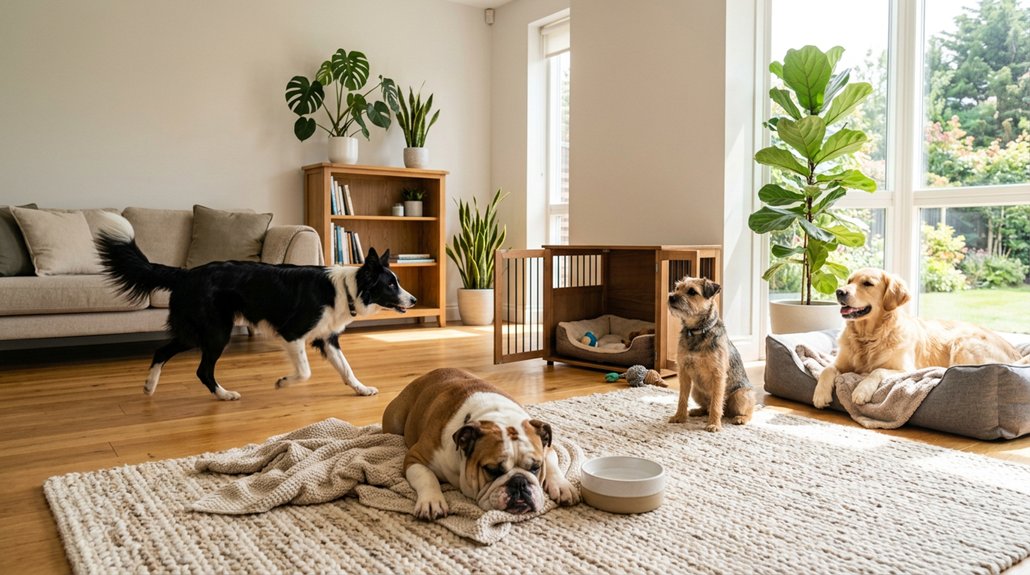
Understanding the ideal living environment for various dog breeds is pivotal to their overall well-being and health. For instance, if you reside in urban apartments, a breed like the French Bulldog or Shih Tzu, which thrives in smaller spaces with lower exercise needs, might be perfect. These breeds adjust well to apartment life and don’t demand extensive outdoor activities. On the other hand, if you’re in a rural landscape and enjoy outdoor adventures, consider breeds like Australian Shepherds, known for their exuberant energy and love for wide-open spaces. Larger homes with yards suit high-energy breeds such as Labrador Retrievers, providing the room they need to roam. Assess your living conditions carefully to guarantee the dog’s health and happiness.
Families, Kids, Pets: Finding the Perfect Dog Match
When finding the right dog breed, it’s important to take into account your family’s dynamics and living conditions to assure both pet and household harmony. Consider these expert tips:
- Dog Personality Traits: Labrador Retrievers and Cavalier King Charles Spaniels offer patience and a friendly demeanor, ideal for families with kids.
- Training Expectations: Understand the energy level and temperament needed for compatibility with lively children, avoiding behavioral issues.
- Space Considerations: Larger breeds, like Golden Retrievers, thrive in homes with ample outdoor areas, whereas smaller breeds, such as French Bulldogs, are perfect for apartment living.
- Multi-Pet Families: Choose breeds known for their gentle nature to assure compatibility with existing pets, fostering a tranquil household.
Researching breed health tendencies assures informed decisions and long-term happiness.
Grooming Care: Your Commitment to Dog Maintenance

Grooming your dog isn’t just about aesthetics; it’s a vital aspect of their health and well-being. Different breeds have unique grooming needs, making it important to understand brushing frequency and required grooming tools. High-maintenance breeds, like Shih Tzus, require daily brushing to prevent matting and maintain skin health, while low-maintenance breeds, such as Labrador Retrievers, may only need weekly brushing.
Be prepared to adapt your schedule to accommodate your dog’s grooming needs. Neglecting regular grooming can lead to issues like infections due to dirt or debris accumulation. Additionally, budgeting for grooming expenses, potentially ranging from $30 to over $100 per session, is important when considering a professional’s touch. Understanding these variables guarantees your chosen breed fits seamlessly into your lifestyle.
Understanding Health Dynamics: Common Breed Concerns
Though often overlooked, recognizing the predisposed health issues of different dog breeds is essential in making informed decisions. Certain dog breeds carry specific health concerns, which can greatly affect your ability to manage their well-being. Understanding breed predispositions aids in anticipating challenges you might face with health management. Here are some common concerns:
- Labradors and large breeds are susceptible to joint issues like hip dysplasia, demanding proactive measures for joint care.
- Bulldogs and Pugs, with short noses, struggle with brachycephalic airway syndrome, especially in heat, requiring careful exercise plans.
- Small breeds often face dental problems such as periodontal disease, highlighting the need for consistent dental checkups.
- Dachshunds may suffer from intervertebral disc disease, necessitating controlled activity levels to prevent injury.
Adoption vs. Breeders: Which Is Right for You?
Maneuvering the decision between adoption and purchasing from breeders can feel intimidating, but understanding the nuances can guide you effectively. Opting for adoption offers rescue benefits, such as saving lives and affordability. Rescues often assess temperament and may provide basic training, giving insight into how a dog might fit your lifestyle needs. On the other hand, breeder considerations are essential for those seeking specific purebred traits or guarantee of health. Predictability in behavior, size, or even addressing allergies can make a purebred from breeders appealing. Yet, remember that adopting a dog might require patience and additional commitment for adjustments, while breeder puppies necessitate more initial guidance and socialization to adapt to your household’s needs.
Frequently Asked Questions
What Is the 7 7 7 Rule for Dogs?
The 7-7-7 rule for dogs guides you in understanding your pet’s adaptation—seven days for settling, seven weeks for socialization, and seven months for bonding. Consider breed health and behavioral traits for lasting dog breed compatibility.
What’s the 90/10 Rule for Dogs?
The 90/10 rule for dogs dictates breed traits dominate behavior, with only 10% shaped by training. Tailor training tips to target health-focused habits, ensuring breed-specific needs sync seamlessly with your lifestyle for ultimate canine contentment.
How to Choose the Right Dog for Your Lifestyle?
To choose the right dog, assess active breeds for energy levels and size considerations suitable for your home. Consider family-friendly temperament traits, grooming needs, health issues, and training requirements to guarantee a healthy, compatible companion.
How Do You Say “I Love You” in Dog Speak?
In dog language, “I love you” means showing understanding of canine affection. Notice your dog’s wagging tail, gentle eye contact, and relaxed posture. Prioritize their breed-specific health needs to guarantee their expression of love remains vibrant.
Conclusion
Choosing the right dog breed is essential for ensuring a happy and healthy relationship. Did you know that mixed-breed dogs typically live 1.2 years longer than purebred ones, often facing fewer hereditary health issues? Prioritizing breed health can save you time, stress, and veterinary costs. Remember, your commitment to understanding and addressing specific breed needs, from daily exercise to grooming, is critical for your furry friend’s well-being. Whether adopting or buying, be informed and choose wisely.