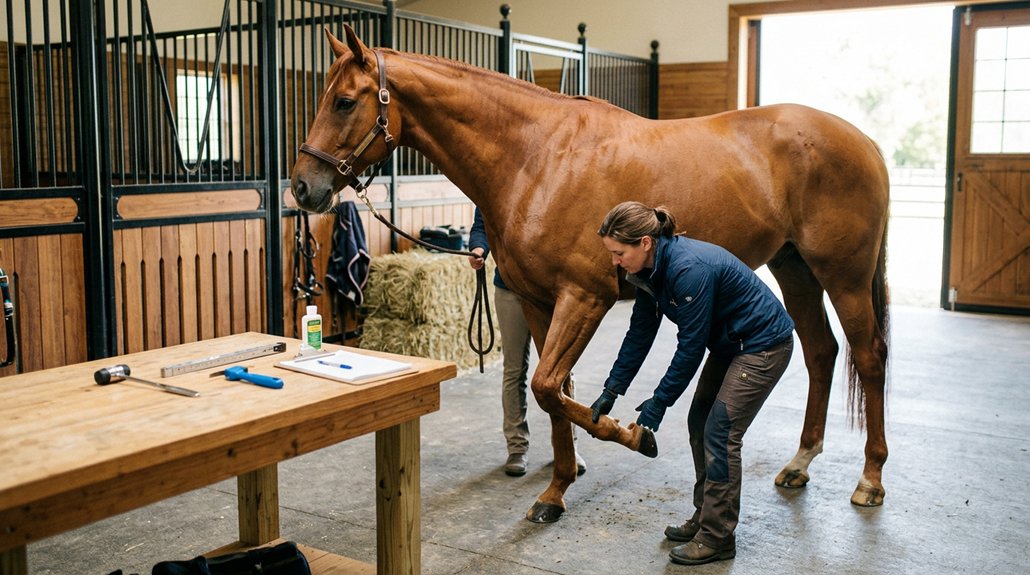
Recognizing equine lameness involves spotting abnormal gait, swelling, toe pointing, or head bobbing. Common causes include hoof abscesses, soft tissue injuries, and bone fractures. Treatment options range from rest and anti-inflammatories to surgical interventions. Regular monitoring and proper shoeing are vital for prevention. Use diagnostics like X-rays and ultrasounds to uncover deeper issues. A thorough understanding can enhance your horse’s mobility and wellness, offering more insights into effective management strategies.
Key Takeaways
- Hoof abscesses are the most common cause of severe horse lameness, requiring veterinary attention.
- Early detection of lameness through signs like swelling and limping is crucial for effective treatment.
- Treatment options include rest, anti-inflammatory medications, and in severe cases, surgical intervention.
- Regular hoof care and balanced nutrition can prevent many lameness issues in horses.
- Diagnostic techniques such as X-rays and MRIs help identify the specific cause of lameness.
Understanding Equine Lameness
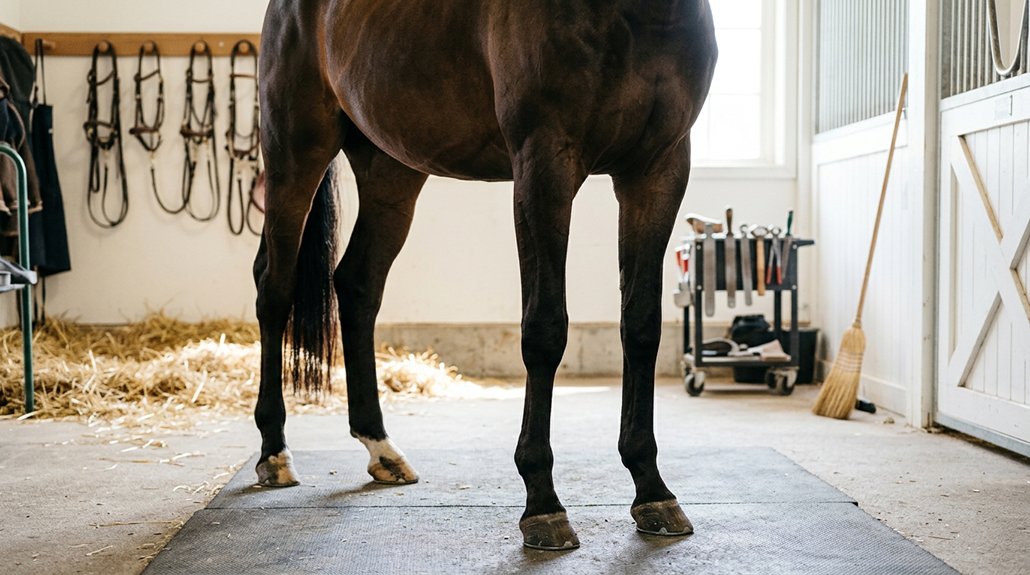
Understanding equine lameness is essential for ensuring the health and performance of horses, as it encompasses recognizing an abnormal gait or posture often linked to musculoskeletal pain. As you aim for lameness prevention, it’s important to regularly monitor your horse’s equine mobility. Pay close attention to any signs of discomfort such as swelling, toe pointing, or head bobbing, which may indicate underlying issues. Early detection plays a pivotal role; implementing routine checks and prompt veterinary assessments can greatly reduce long-term consequences. Incorporate preventive measures like proper shoeing and regular exercise to maintain peak musculoskeletal health. By understanding these elements, you’ll be equipped to effectively manage your horse’s well-being and preserve its mobility against potential disruptions from lameness.
Common Causes of Horse Lameness
Lameness in horses often arises from a combination of significant factors, with hoof abscesses being the most common culprit. These painful conditions demand effective hoof abscesses management for recovery. Soft tissue injuries, involving tendon and ligament strains or sprains, also frequently cause lameness, impacting both acute and chronic cases.
Here’s an overview:
| Causes | Impact | Management Tips |
|---|---|---|
| Hoof Abscesses | Severe discomfort | Regular hoof care |
| Soft Tissue Injuries | Acute & chronic lameness | Controlled exercise |
| Bone Fractures | Severe lameness | Immediate vet care |
| Infections | Inflammation, lameness | Prompt treatment |
Bone fractures and infections necessitate immediate veterinary attention. Some breeds, like racehorses, face higher risks due to specific physical demands. Overworking horses without proper conditioning exacerbates such issues, emphasizing the need for vigilant care.
How to Recognize Signs and Symptoms of Lameness?
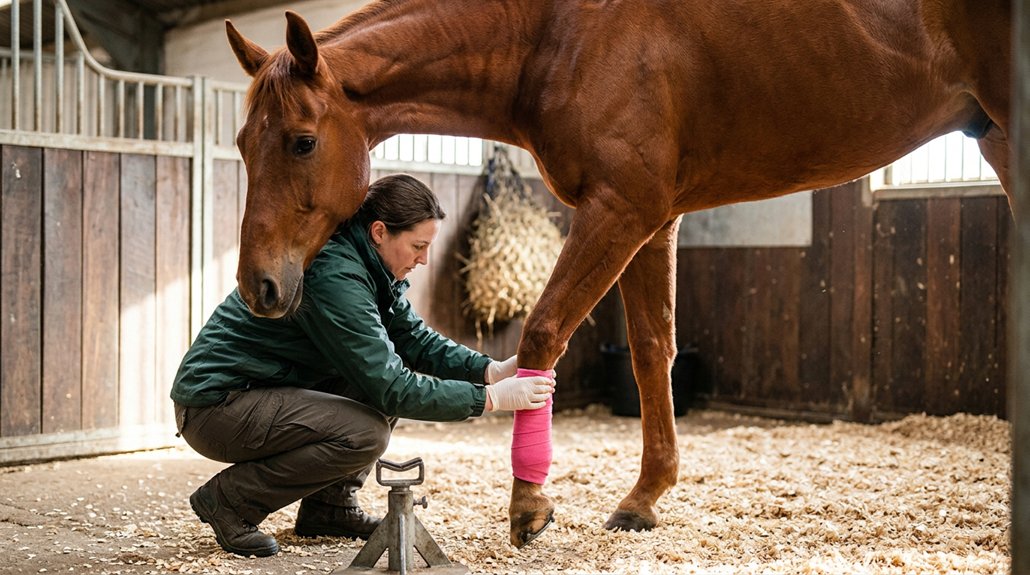
Anyone owning or caring for horses knows that early identification of lameness is essential for effective management of this common issue. Early detection relies heavily on recognizing specific symptoms. Look for inflammation or swelling in the limbs—these are signs of potential pain or injury. Behavioral indicators, such as reluctance to move and head bobbing during stride, are key. Also, pay attention to changes in gait, including reluctance or limping, uneven or shortened stride lengths, toe pointing, or dragging hooves. Regular monitoring is vital; abnormal gait or head movement can be significant indicators. Reporting these symptoms to a veterinarian promptly can lead to better treatment outcomes and prevent more severe complications. Your vigilance is imperative for maintaining your horse’s health.
Proactive Strategies to Prevent Horse Lameness
Preventing lameness in horses requires a multifaceted approach that involves several proactive strategies. Nutrition management is essential; confirm your horse’s diet is balanced, meeting its nutritional needs to avoid obesity and metabolic disorders, common contributors to lameness. Regular veterinary check-ups are important, providing early intervention when signs of lameness arise. Consistent hoof care can’t be overlooked—enlist a qualified farrier for regular trimming and shoeing to prevent hoof-related issues. Implement well-structured exercise routines, incorporating gradual workload increases to reduce injury risks from overwork or poor conditioning. Providing safe turnout environments is equally important—avoid muddy or slippery areas that could lead to injuries. Together, these strategies form an all-encompassing plan to maintain equine health and prevent lameness.
Ways to Diagnose Horse Lameness
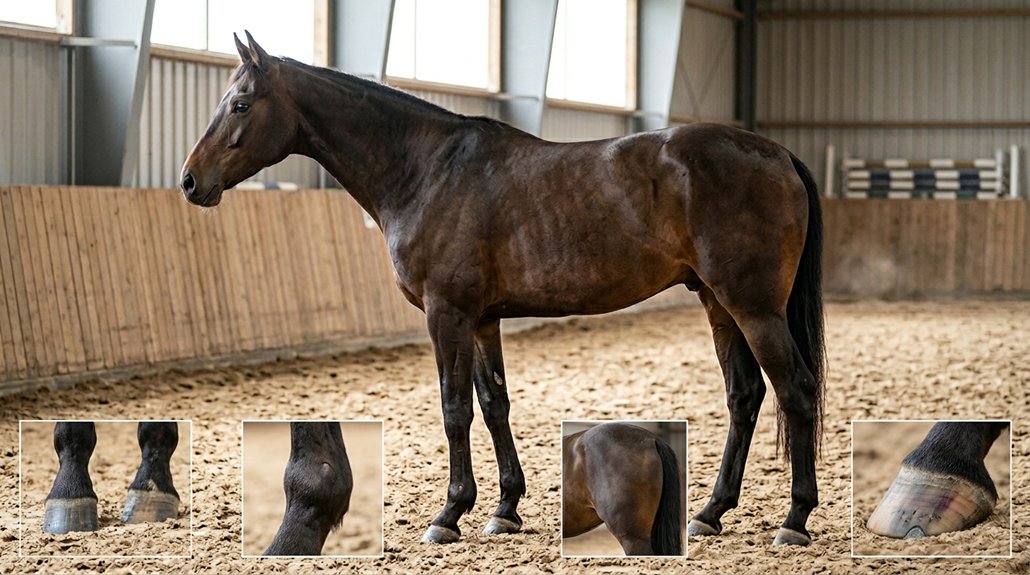
Identifying lameness in horses demands a systematic approach integrating both observation and advanced techniques. You start with a thorough history and physical examination to pinpoint pain or swelling. Observing the horse in motion, particularly at trot and canter, reveals lameness severity and type. Diagnostic techniques such as flexion tests help isolate specific limbs by evaluating pain responses post-joint flexion. Advanced imaging options, including X-rays, ultrasounds, and MRIs, provide a deeper understanding of underlying issues invisible to the naked eye. Additionally, hoof testers are essential in detecting hoof abscesses and related problems, offering critical insights into lameness causes. Each method plays a pivotal role, ensuring an accurate, detailed diagnosis that facilitates appropriate treatment decisions.
Effective Treatment Options for Horse Lameness
When addressing lameness in horses, an effective treatment plan revolves around an accurate diagnosis and a clear understanding of the underlying cause. Initial interventions often include rest and anti-inflammatory medications to reduce pain and swelling. Rehabilitation therapies are vital, encouraging gradual return to activity while improving flexibility and strength. Surgical options may be required for fractures or severe injuries when conservative methods fail.
For a thorough approach:
- Joint Injections: Alleviate pain, especially in arthritic conditions.
- PRP Therapy: Accelerates healing through regenerative techniques.
- Immediate Veterinary Assessment: Guarantees timely intervention and optimizes recovery.
- Regular Follow-Ups: Essential for adjustments in treatment and monitoring progress.
- Collaborative Care: Veterinarians and farriers provide tailored adjustments.
Effective management can greatly enhance recovery and prevent complications.
Frequently Asked Questions
Can Lameness Affect a Horse’s Long-Term Performance?
Lameness can seriously impact a horse’s long-term performance, compromising athletic abilities and natural movement. With timely intervention and effective treatment, performance recovery is possible, though results may vary depending on the severity and cause of the lameness.
Are Certain Horse Breeds More Prone to Lameness?
Yes, you’re right. Certain horse breeds can be more prone to lameness due to breed predisposition and genetic factors. High activity levels and improper hoof care can exacerbate this risk, affecting overall joint health and mobility.
How Does Age Impact a Horse’s Risk of Lameness?
Age affects lameness risk as juvenile development requires monitoring for musculoskeletal health, while older horses need senior care to address joint wear. Implementing preventive measures in each life stage is vital to maintain overall soundness.
What Role Does Diet Play in Preventing Lameness?
Diet is the foundation stone in preventing lameness. Nutritional deficiencies are like brittle threads weakening a tapestry, leading to poor resilience. Proper weight management guarantees your horse’s joints aren’t overloaded, greatly reducing the risk of lameness.
Can Environmental Factors Cause Temporary Lameness in Horses?
Yes, environmental factors can cause temporary lameness in horses. Hoof conditions often result from uneven ground surfaces. Weather effects like wet conditions can exacerbate issues. Effective stable management, appropriate exercise routines, and regular farrier care are essential.
Conclusion
Lameness in horses can seem overwhelming, but it’s manageable with the right approach. You might worry about the costs of diagnosis and treatment, but detecting issues early often reduces long-term expenses. By understanding causes, recognizing symptoms, and using proactive prevention and diagnostic methods, you’ll effectively address lameness. Treatments are varied and increasingly successful, so investing in your horse’s health guarantees their longevity and vigor. Prioritize these strategies to keep your equine partner performing their best.