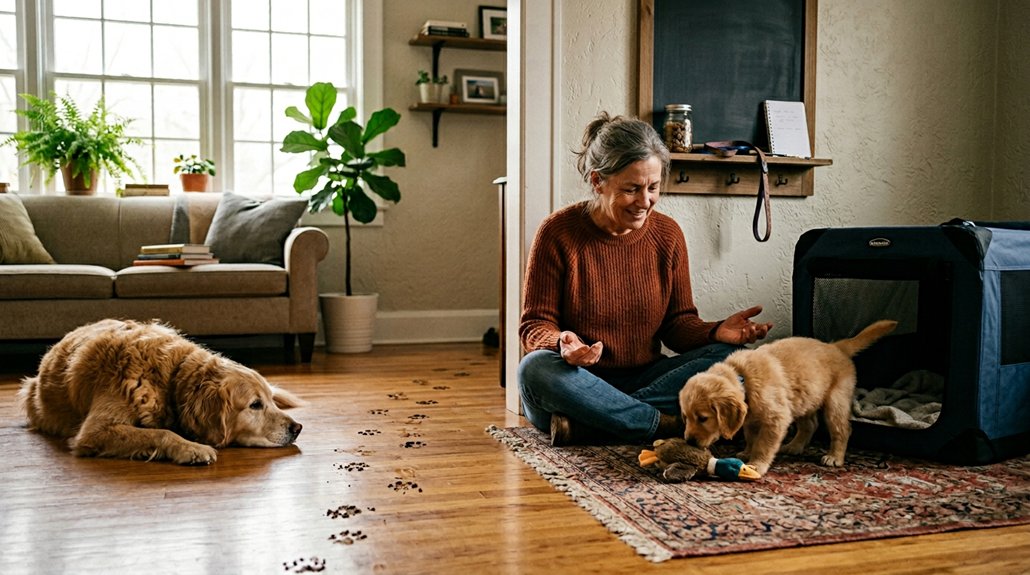
As a dog owner, you’ll discover the importance of building trust and understanding your pet’s signals. Balancing play and relaxation is key, especially as your dog ages and needs adapt. Embrace patience and accept imperfections in both yourself and your pet. Creating joyful adventures together strengthens your bond and enhances well-being. Over time, these lessons not only enrich your relationship but also offer deeper insights into fostering a mutually fulfilling companionship.
Key Takeaways
- Understanding and responding to a dog’s body language is crucial for effective communication and trust-building.
- Consistent routines and care instill a sense of security and responsibility for both dog and owner.
- Balancing play and relaxation is essential for a dog’s physical and mental well-being.
- Shared experiences and challenges enhance the bond and create learning opportunities for both dog and owner.
- Accepting imperfections fosters a relaxed atmosphere and strengthens mutual understanding.
Build Trust With Your Dog
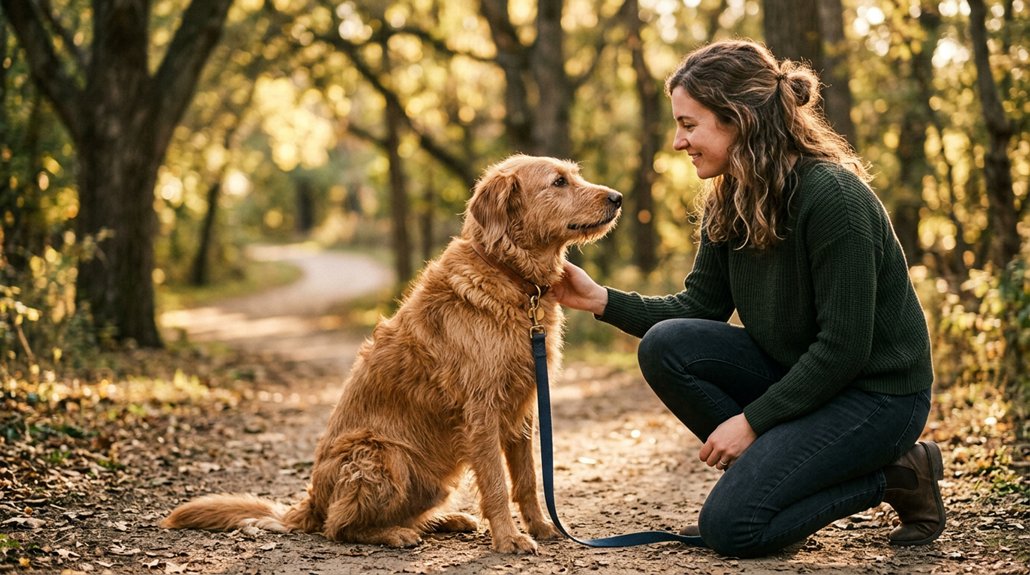
Building trust with your dog is essential for a harmonious relationship, and it starts with understanding how to communicate effectively. Trust exercises and communication techniques are the foundation of developing a genuine bond with your canine companion. Using consistent marker signals as a form of “contract” with your dog reinforces their understanding of cues and expectations. Daily trust exercises, like maintaining eye contact, using positive reinforcement during training sessions, and expressing affection, are crucial. These interactions strengthen your emotional connection and foster an environment where your dog feels safe to make choices confidently. By respecting and listening to your dog’s needs and preferences, you’ll cultivate a respectful, enriching relationship that enhances both your lives, rooted in mutual trust and understanding.
Recognize Canine Signals
Being attuned to your dog’s signals is key to fostering a strong bond and understanding your pet’s unique needs. Dogs communicate through body language, vocalizations, and changes in behavior. By closely observing these cues, you can better identify stress signals like panting, whining, or avoiding eye contact. Such signals differentiate between stubbornness and genuine distress, enabling you to address your dog’s discomfort with compassion. Understanding canine preferences also involves noticing reactions to various stimuli, which guides positive training experiences. Consistent markers and rewards during training reinforce desired behaviors, build trust, and enhance communication. This understanding respects your dog’s feelings, strengthening the relationship and ensuring you’re meeting their needs in a responsive, informed way.
Balance Play and Relaxation
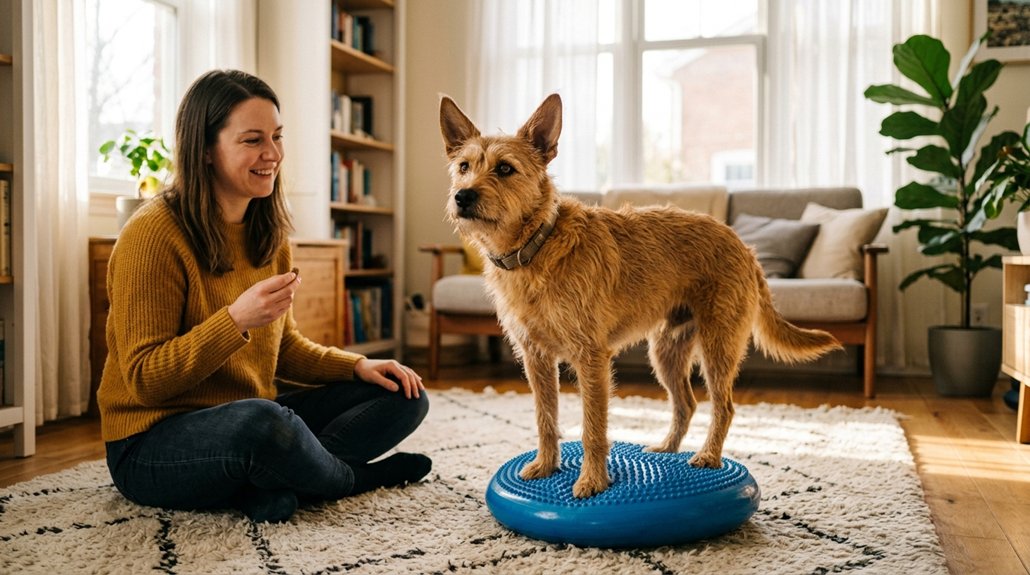
Some realize quickly that a harmonious balance between play and relaxation is crucial for a dog’s well-being. Dogs flourish with a playtime variety that stimulates their brain, releasing endorphins and oxytocin, which nurture a joyful and emotionally balanced state. Yet equally important are relaxation techniques that promote mindfulness, akin to humans savoring the present moment. Encourage your dog to pause, enhancing their enjoyment of daily life. Structured play sessions strengthen your bond and inspire creativity, boosting their cognitive development. But remember, recognizing the need for downtime is key. Observing your dog’s cues for rest guarantees they maintain peak performance in all activities. Embrace this balance and discover a more fulfilling and engaged life together, with contentment at its core.
Adapt to Aging With Your Dog
As your dog ages, adapting their daily routines becomes essential, with considerations like tailored diets and medications ensuring their well-being. It’s vital to modify activities to match their shifting energy levels, embracing shorter walks and more relaxation to mitigate any physical discomfort. Always remember the importance of creating a supportive environment, like eliminating stairs, to cater to their special care needs while cherishing the present moments together.
Adjust Daily Routines
Caring for an aging dog requires shifting your daily routines to better suit their evolving needs. Senior dog care involves significant routine adjustments like implementing shorter, more frequent walks to match their decreased energy levels and mobility. Modify living spaces by reducing stairs, so traversing their environment becomes safer and more comfortable. A special diet or medications suggested by your veterinarian can effectively address health issues. As your dog ages, focus activities on relaxation and enjoyment—consider leisurely sunbathing sessions or gentle playtime rather than high-energy exertions. Additionally, adapt communication methods, using gestures or sign language if they become hard of hearing. This guarantees you maintain a meaningful connection, reinforcing the loving bond you’ve shared through the years.
Special Care Needs
While adjusting your daily routines for an aging dog is a significant step, understanding their special care needs becomes vital. As your dog ages, consider these essential aspects:
- Dietary Adjustments: Tailor your pet’s diet to focus on joint health and weight management, which helps prevent obesity-related issues. Consult with your vet for specific recommendations.
- Veterinary Check-Ups: Regular check-ups are essential to monitor conditions like arthritis or dental disease, allowing for timely interventions. This proactive approach helps maintain your dog’s overall health.
- Living Modifications: Enhance safety by adding non-slip surfaces and ensuring easy access to resting areas. These adjustments reduce injury risks for senior dogs.
Incorporate energy management and alternative communication methods to accommodate your dog’s changing abilities, ensuring a loving, comfortable environment.
Embrace Changing Activities
When dogs age, it’s crucial to adjust their activities to fit their evolving needs and energy levels. You’ll notice that tailored exercises become increasingly important. Instead of lengthy outings, consider shorter, more frequent walks. These provide gentle stimulation without overexerting your dog’s aging body. Pay attention to their energy cues and adapt play sessions to be low-impact, such as easy games of fetch or slow-paced strolls.
Additionally, modifying your home environment, like creating cozy resting spots and rerouting away from steep stairs, helps accommodate mobility challenges. Regular vet visits become key for managing health changes, including dietary adjustments that support joint health. Embrace these changes with compassion and understanding, ensuring your beloved pet remains comfortable and bonded with you.
Embrace Patience and Acceptance
Understanding the significance of patience and acceptance is essential when it comes to nurturing a positive relationship with your dog. Delving into training techniques with patience allows your pet time for emotional growth, as clear communication and consistent repetition foster joyful interactions. Recognizing personality traits—whether stubborn or shy—is vital for embracing behavioral quirks through mindful communication.
Enhancing your bond involves:
Cultivate patience and acceptance, celebrate small victories, and cherish the imperfect journey with your canine companion.
- Observing your dog’s aging process, cultivating patience and acceptance as you witness their resilience despite physical limitations.
- Accepting imperfections in both your dog and yourself to relieve the pressure of perfection, ensuring a relaxed atmosphere.
- Utilizing positive reinforcement to celebrate small victories, turning bonding moments into cherished memories.
This compassionate approach enhances your companionship and enriches both of your lives.
Create Joyful Adventures Together
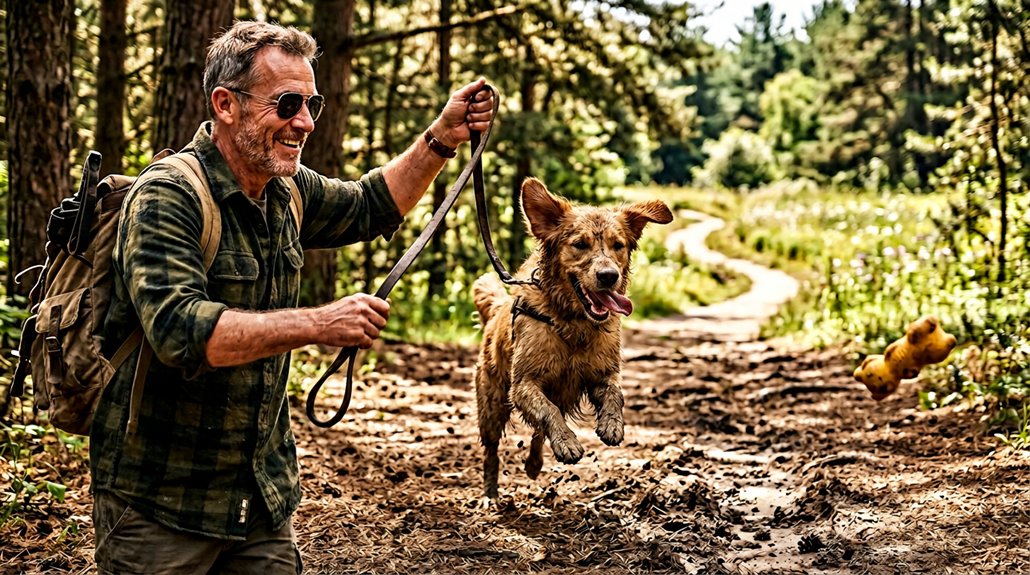
Setting out on joyful adventures with your dog not only strengthens the bond between you but also deeply enriches your shared lives. Exploring new trails or planning spontaneous outings taps into your dog’s natural curiosity, providing mental stimulation and joy. Choose diverse environments like dog-friendly beaches or nature trails, so your dog can socialize and encounter varied stimuli, enriching their sensory experiences.
Incorporating playtime during these outings uplifts spirits, transforming walks into fun learning experiences. Your dog associates joy with novel environments, reinforcing their behavior positively. Routine adventures foster trust and enhance communication in relaxed settings. By sharing these experiences, you’re creating lasting memories and a foundation of understanding, making each outing a journey of companionship and discovery for both owner and pet.
Frequently Asked Questions
What Is the 7 7 7 Rule for Dogs?
The 7 7 7 rule equates dog years to human years: first year equals 15, second to 24, then 7:1 thereafter. Understanding this affects dog behavior insights and canine training by addressing developmental and health needs accordingly.
What Is the 3-3-3 Rule With Dogs?
The 3-3-3 rule outlines a dog’s adjustment phase: initial days of puppy anxiety, increased comfort in three weeks, and established dog behavior by three months. Understanding this fosters patience and compassion during their change.
What Is “I Love You” in Dog Language?
“I love you” in dog language is shown through canine communication and emotional signals like wagging tails, soft eyes, and cuddles. When your dog leans into you or offers a toy, they’re saying they’re bonded and connected with you.
What Annoys Dogs the Most?
Dogs get annoyed by loud noises, playtime interruptions, and uncomfortable situations affecting their body. Understanding barking triggers, grooming stress, food preferences, leash behavior, and noise sensitivity helps prevent these irritations, ensuring a happier, more relaxed pet.
Conclusion
As a dog owner, you’ll discover profound lessons over time. Did you know that petting a dog can increase levels of the “love hormone,” oxytocin, by up to 300% in both humans and dogs? This powerful bond exemplifies the mutual trust and understanding that evolves between you and your canine companion. Embracing patience, adaptability, and shared adventures enriches your journey together. Remember, each moment you spend together isn’t just beneficial—it’s scientifically proven to enhance happiness and well-being.