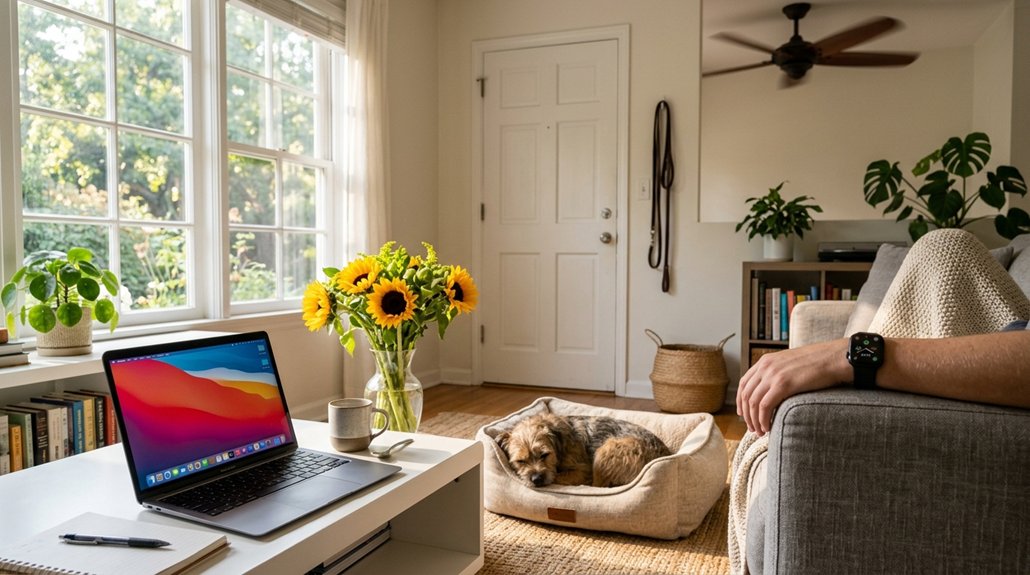
Owning a dog while working full-time is viable if you plan carefully. Guarantee quality bonding moments with a consistent routine, using morning walks and engaging evening activities. To minimize separation anxiety, introduce stimulating toys and gradually increase time alone. Also, consider daycare or a dog walker for socialization and exercise. Knowledge of breed-specific needs and time management is essential. Explore further strategies to maintain a balanced, fulfilling environment for your beloved pet.
Key Takeaways
- Utilize dog walkers or daycare services to ensure your dog’s needs are met during work hours.
- Establish a consistent routine for walks and playtime to strengthen bonds and manage energy levels.
- Offer engaging toys and puzzle games to keep dogs mentally stimulated when left alone.
- Gradually increase alone time to build the dog’s confidence and reduce separation anxiety.
- Evaluate local care options and create a nurturing environment at home for your dog’s well-being.
Challenges of Owning a Dog While Working Full-Time
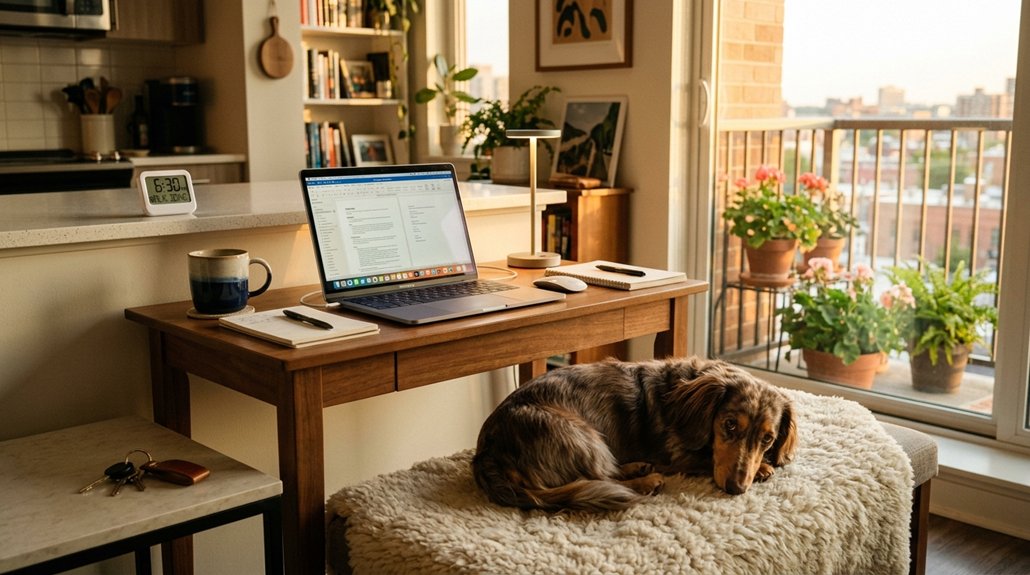
While it can be incredibly rewarding to have a canine companion, owning a dog when working full-time presents unique challenges that require careful consideration. Pet ownership demands that you balance time for exercise routines and social stimulation with work commitments. Addressing training challenges and conducting regular behavioral assessments becomes essential, particularly if your dog exhibits signs of anxiety or restlessness. Time management is key; consider alternative care options like dog walkers or daycare services to prevent destructive behaviors. Different breeds present distinct health considerations and exercise needs—understanding these breed differences helps tailor your dog’s care. Meeting their mental and emotional needs guarantees their well-being, fostering a harmonious coexistence, even when work hours are demanding. Your dedication can make this balance possible.
Time-Saving Tips for Spending Quality Time With Your Dog
Balancing a demanding work life with being a devoted dog owner is indeed challenging, but there are effective strategies to guarantee your furry friend gets the love and attention they deserve. Establishing a consistent morning routine is key. Begin with an early walk or playtime to set a positive tone for the day. Interactive toys can work wonders in keeping your dog mentally stimulated while you’re at work. These toys encourage independent play, assuring they remain engaged. In the evenings, prioritize time for training sessions or outdoor activities. This not only strengthens your bond but also reinforces good behavior. Don’t forget to plan extensive weekend outings or fun playdates. These strategies assure your dog feels fulfilled, happy, and valued.
Effective Strategies to Minimize Separation Anxiety
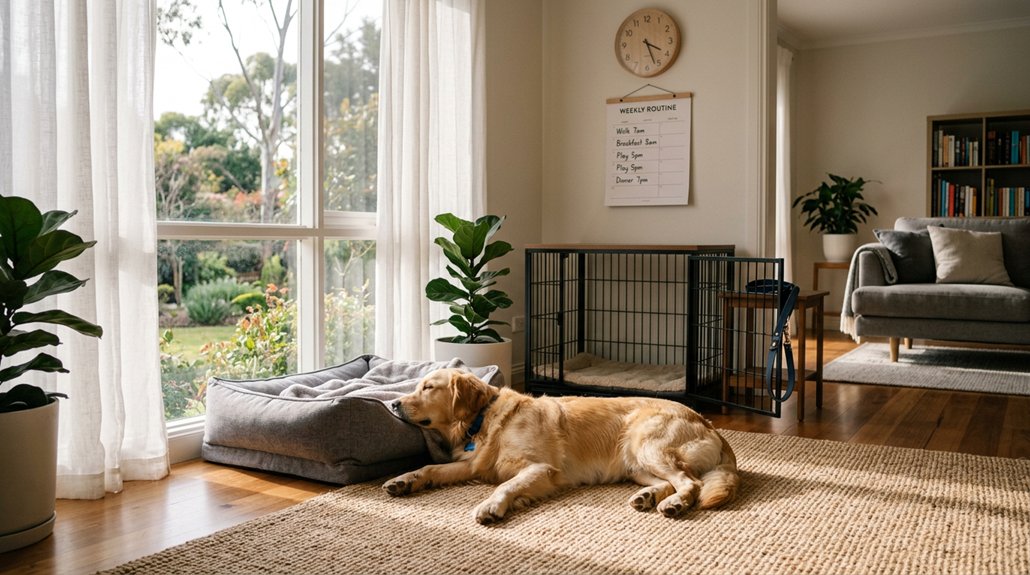
To effectively minimize separation anxiety in your dog, start by gradually increasing the time they’re left alone, which can build their confidence and reduce stress. You can also enrich their environment by offering mentally stimulating activities, like puzzle toys and interactive games, that keep them engaged and happy. By balancing these strategies, you’ll help foster a sense of security for your furry friend, ensuring they’re calm and comfortable even when you’re not home.
Gradual Acclimation Techniques
As you begin the journey of helping your dog adjust to being alone, it’s essential to start with gradual acclimation techniques to ease their separation anxiety. Alone training involves initially leaving them for short durations and progressively extending this time. Establishing a predictable routine can help your dog feel more secure, keeping them within their comfort zone.
- Routine Consistency: Maintain regular schedules for feeding, walking, and play to minimize the unpredictability that might trigger anxiety.
- Safe Space Creation: Provide a comfortable resting area with engaging toys to guarantee they feel secure and entertained when left alone.
- Positive Reinforcement: Use treats and praise to reward calm behavior, reinforcing the idea that being alone is a normal and safe part of their day.
Incorporating these strategies will help your dog adjust smoothly.
Enrichment Activities Suggestions
Boosting your dog’s mental and physical engagement can greatly reduce separation anxiety when you’re at work. Start by offering puzzle toys that provide mental stimulation and encourage your dog’s independent play. These toys often include interactive elements like treat dispensing, fostering problem-solving and keeping your pup occupied. Engage in daily interactive play sessions at home, coupled with “sniffari” walks that cater to their exploration instincts, promoting relaxation and easing stress. Establishing a consistent routine with regular feeding and playtime further nurtures their sense of security, soothing worries about your absence. Consider utilizing pet cameras to monitor behavior, helping pinpoint anxiety triggers and tailor enrichment strategies. With the right activities, you can help your furry friend thrive even when you’re apart.
In-Home Activities for Busy Dog Owners
Balancing the demands of full-time work with the responsibilities of a dog owner can be challenging, but creating enriching in-home activities for your furry friend can ease the load. Keeping your dog mentally stimulated and emotionally secure guarantees they’re happier even when you’re busy. Puzzle toys are fantastic tools for engaging your pet, offering brain challenges that deter boredom. Consider investing in interactive cameras so you can watch and interact with your dog remotely. These cameras can ease your worries by showing you that your canine companion is content and safe.
- Provide puzzle toys to engage your dog’s mind and mitigate alone-time stress.
- Use interactive cameras to monitor and communicate with your pup when you’re away.
- Create a comfortable environment with designated spaces and snug resting areas.
Choosing the Best Doggie Daycare and Pet Sitting Options

When you’re working full-time, choosing the right doggie daycare or pet sitter is essential for your peace of mind and your dog’s well-being. Start by carefully evaluating costs against the value of services provided, making sure they’re transparent and reasonable. Then, focus on finding qualified caregivers and evaluating facility safety to guarantee your dog’s environment is nurturing and secure every day.
Assessing Pet Care Costs
Evaluating pet care costs can feel overwhelming, but it’s essential for guaranteeing both your dog’s happiness and your peace of mind while you’re at work. Start by researching the expenses of local dog daycare options, which usually range from $15 to $50 daily. Compare their services based on location and what they offer. A well-chosen facility can add comfort, while pet insurance may help cover unexpected medical bills.
Consider these factors to make an informed choice:
- Experience: Ask about handling different dog temperaments and sizes.
- Reviews: Check online to understand other pet owners’ experiences.
- Packages: Look for part-time or full-time care options aligning with your schedule and budget.
These steps guarantee a joyful environment for your pet.
Finding Qualified Caregivers
While searching for the right care option for your dog, it’s vital to guarantee they’re in the hands of competent professionals who understand canine behavior. Start by conducting dog caregiver interviews to gauge their experience with a range of breeds and temperaments. This is significant to make sure they can meet your pup’s unique needs. Visit doggie daycare facilities to observe how the staff interacts with the dogs. Positive, attentive interactions signal a nurturing environment. Check reviews and engage in trial periods to see firsthand how well your dog adjusts. Don’t forget to discuss the caregivers’ flexibility in accommodating your work schedule. It’s important that your chosen caregiver provides both physical exercise and emotional support while you’re away.
Evaluating Facility Safety
Guaranteeing your dog’s safety when choosing a daycare or pet sitting service is paramount. Start by seeking out facilities with glowing reviews from fellow dog owners. This gives insight into the environment’s safety. Facility inspections and safety certifications are essential for peace of mind. Detailed evaluation will help, so consider:
- Experience Handling: Inquire about caregiver experience with various dog temperaments and sizes.
- Safety Measures: Examine secure fencing, ventilation, cleanliness, and areas designated for different dog sizes or energy levels.
- Emergency Protocols: Confirm robust plans are in place for injuries or sudden health issues.
A trial period can further assess if the facility aligns with your dog’s temperament. Your due diligence ensures your pet’s well-being while you’re at work.
Balancing Full-Time Work and Dog Responsibilities
Balancing full-time work and dog responsibilities might seem challenging, but with careful planning, it’s entirely achievable. Start by establishing a consistent feeding schedule and guaranteeing your dog has regular bathroom breaks. Many adult dogs can handle being alone for about 4-6 hours, especially when they’re comfortable with their routine. Prioritize dog walking in the morning and evening to provide necessary exercise and strengthen your bond. If your job demands more time away, consider hiring a dog walker or enrolling your pet in dog daycare. This guarantees they receive both physical and mental stimulation. At home, create a safe environment filled with toys and enrichment activities to keep your dog engaged and minimize any anxiety or destructive behaviors.
Frequently Asked Questions
Is It Okay to Have a Dog if I Work Full-Time?
Yes, it’s okay. With effective time management and proper dog care routines, you’ll guarantee your dog thrives even when you work full-time. Consider using dog daycare or a walker to enhance their social and physical needs.
What Is the 3-3-3 Rule for Dogs?
The 3-3-3 rule explains a dog’s adjustment period: first three days of stress, withdrawing; next three weeks of settling; following three months, full acclimation. It’s essential for stress reduction, helping your dog feel safe and secure.
What Is the 7 7 7 Rule for Dogs?
Imagine a dance where your steps are dog ownership tips and their wagging tail is a response. The 7-7-7 rule is a pet care strategy ensuring balance—7 minutes of play per hour alone. Stay empathetic, stay connected.
Can You Work Full-Time and Still Have a Dog?
Yes, you can have a dog while working full-time. Focus on effective dog care strategies, maintain work-life balance, guarantee pet socialization, and carefully consider adoption factors to meet your furry friend’s emotional and physical needs.
Conclusion
While working full-time and owning a dog can pose particular problems, it’s perfectly possible with planning and passion. Prioritize playtime and practice patience to prevent pooches from feeling lonely. You’ll find that doggie daycare or pet sitting can provide peace of mind. At home, create cozy corners for cuddling and consider calm, engaging activities. By balancing your busy work schedule with your dog’s needs, you’ll foster a fulfilling friendship. Remember, with commitment, companionship thrives.