As your cat ages into its senior years, expect shifts in dietary needs, behavior, and health. Cats over 11 years require lower phosphorus and easily digestible proteins to support kidney health. Arthritis and cognitive decline are common, impacting mobility and causing confusion. Note changes like vocalization or appetite as they may signal illness. Regular vet visits every six months are essential for monitoring health. Engage with your senior cat through play to maintain their mental and physical wellness. Discover how to guarantee their golden years are comfortable and fulfilling.
Key Takeaways
- Senior cats often require dietary adjustments, such as low phosphorus and high digestible proteins, to support aging organs.
- Regular veterinary exams, including blood work and urinalysis, help detect and manage common geriatric conditions.
- Age-related ailments like arthritis and cognitive dysfunction may cause behavioral changes and require careful monitoring.
- Hydration through canned food and moisture-rich diets supports kidney health in senior cats.
- Frequent play and mental stimulation foster emotional health and strengthen bonds between senior cats and their owners.
Is Your Cat Entering Its Senior Years?
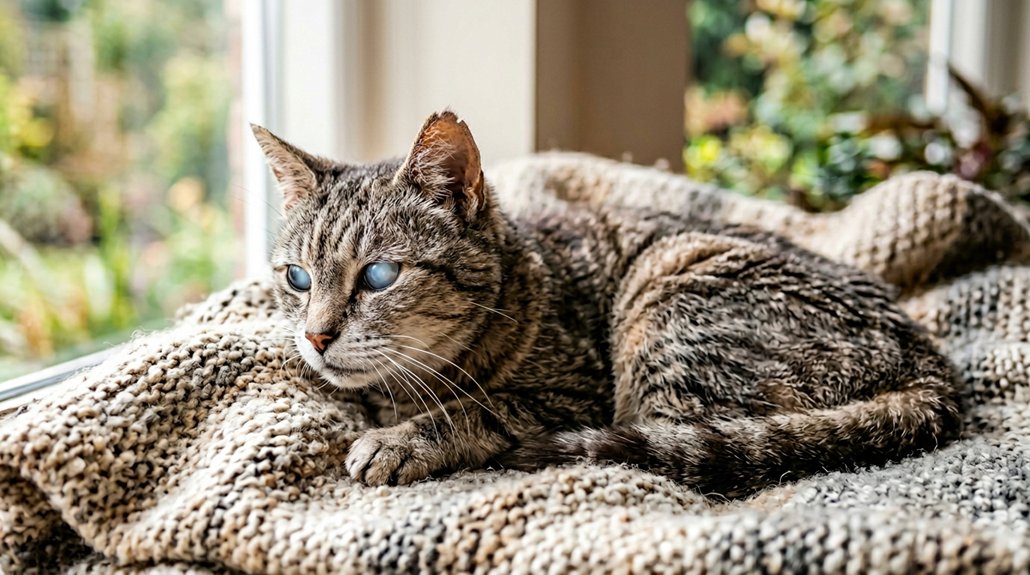
Is your feline companion showing signs of entering their senior years? Once cats reach around 11 years old, equivalent to 60-72 human years, their nutritional requirements and living conditions may need adjustments for ideal health. Senior cat nutrition becomes essential as aging can lead to weight fluctuations and increased risks of kidney disease. A diet rich in essential nutrients and formulated specifically for seniors can greatly benefit their health. In addition, adapting their environment to accommodate reduced mobility is paramount. Consider creating an adaptive environment by providing multiple food and water stations, along with low-entry litter boxes for ease of access. Regular veterinary exams every six months are recommended to closely monitor any subtle health changes, ensuring your senior cat receives the care they need.
Identifying Arthritis, Cognitive Decline, and Other Senior Cat Ailments
As your beloved feline progresses into their senior years, it becomes important to recognize signs of common age-related ailments such as arthritis and cognitive decline. Arthritis affects 40-92% of cats over 10 years, resulting in pain, stiffness, and mobility issues. Effective pain management strategies, such as medications and environmental modifications, can enhance quality of life. Cognitive decline, known as Cognitive Dysfunction Syndrome, impacts up to 80% of cats aged 15 and older. Symptoms include disorientation and altered social behavior. Cognitive assessments by a veterinarian can help evaluate the extent of decline. Monitoring for weight changes and behavioral shifts is vital, as these could indicate other health issues. Regular veterinary check-ups every six months are essential for early diagnosis and intervention.
Spotting Early Signs of Illness
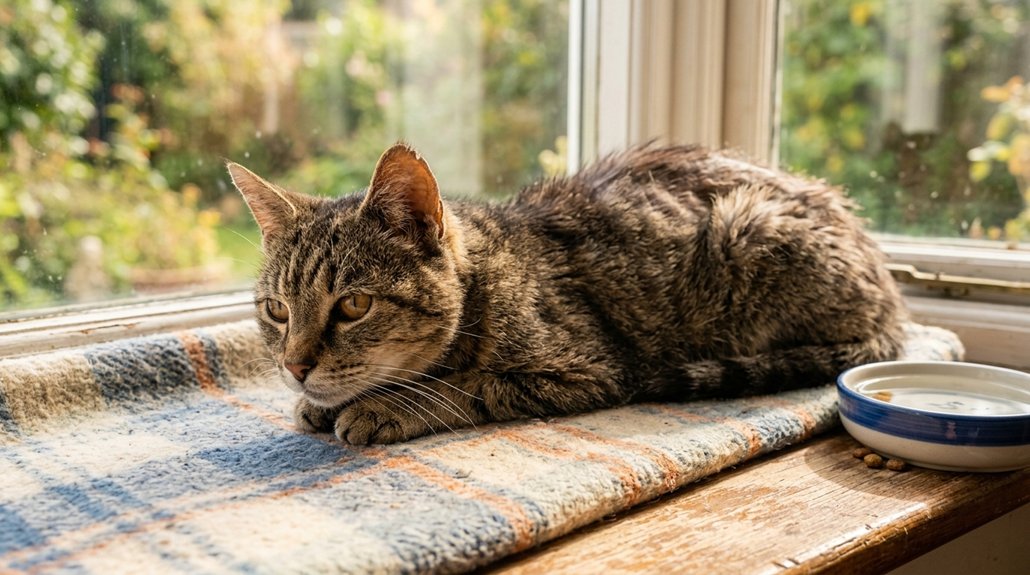
As a caregiver for a senior cat, you should consistently monitor for changes in behavior, weight, and activity levels to effectively identify early signs of illness. Behavioral changes such as increased vocalization or disorientation may suggest cognitive dysfunction syndrome, while fluctuations in weight and alterations in appetite could indicate underlying health issues. Additionally, observing any reduction in mobility, such as difficulty jumping, might signal osteoarthritis, which is prevalent in aging cats.
Behavioral Changes Observation
While cats are known for their mysterious and independent nature, senior cats often mask their health issues, necessitating diligent observation by owners. Pay close attention to vocalization changes—has your cat become excessively vocal or unusually quiet? Such alterations may indicate pain or cognitive decline. Noticeable shifts in social interactions, like withdrawing from family members or other pets, can suggest underlying conditions. Additionally, monitor for disorientation or increased irritability, both potential signs of cognitive decline. Reduced interest in play or reluctance to jump may indicate arthritis or discomfort. Finally, altered sleep patterns, including increased daytime sleeping, should be evaluated. Early detection of these behavioral changes allows for timely medical intervention, potentially improving your cat’s quality of life.
Weight and Appetite Monitoring
- Track daily food and water intake: Increased thirst may warn of kidney issues.
- Regularly assess weight: Sudden changes can alert you to illness.
- Monitor eating habits: Persistent refusal to eat needs immediate consultation.
- Observe for gastrointestinal issues: Vomiting or diarrhea warrant professional advice.
Mobility and Activity Levels
When evaluating your senior cat’s health, it’s important to pay attention to their mobility and activity levels, as these can reveal early signs of illness. Approximately 90% of cats over 10 years old experience reduced mobility, often due to osteoarthritis, leading to pain and exercise limitations. Conducting a gait analysis can help identify subtle changes in movement. Early indicators include difficulty jumping onto furniture and slower house movements. Notice any alterations in litter box habits, such as difficulty entering or exiting, as they might signify mobility constraints. Additionally, monitor weight fluctuations—loss or gain can correlate with underlying health conditions impacting energy levels. Regular biannual veterinary check-ups for cats over 7 years are vital for timely detection of mobility-related issues.
Adjusting Diet for Senior Cat Vitality
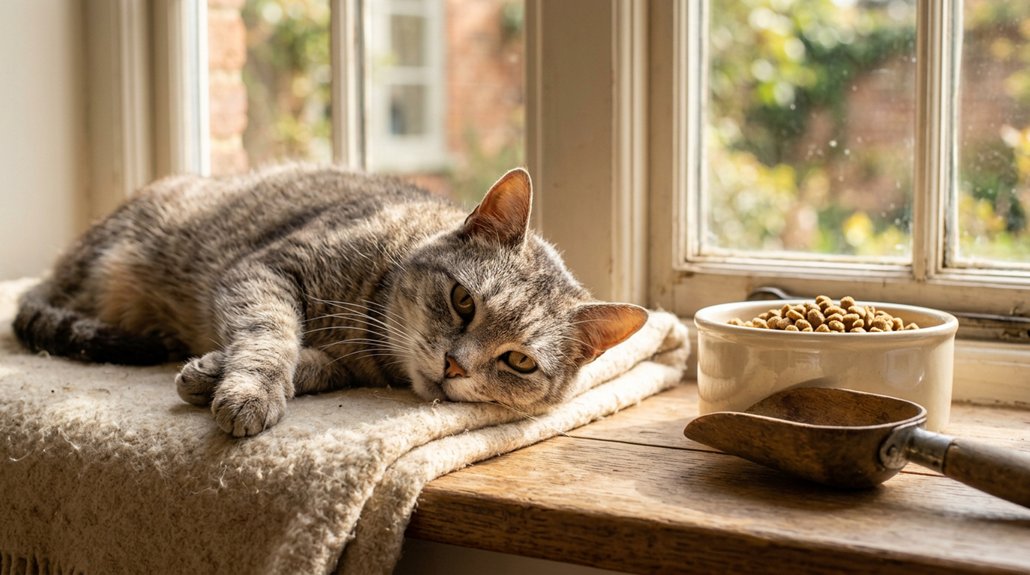
As cats age, they often need dietary adjustments to guarantee their continued vigor, chiefly focusing on modifications suitable for their aging bodies. Senior cats benefit from diets low in phosphorus yet rich in easily digestible proteins, aiding kidney function and muscle maintenance. Here are vital considerations:
- Nutritional supplements: These may be necessary to address deficiencies and support organ health for aging cats.
- Hydration strategies: Incorporating canned food elevates moisture intake, essential in staving off dehydration and safeguarding renal health.
- Regular veterinary assessments: Annual check-ups, including blood work, help tailor dietary changes, ensuring specific health requirements are met.
- Consistent feeding routines: Maintain stability and well-being through regular meal schedules and ensuring access to both food and fresh water.
Tips for a Comfortable Home for Senior Cats
Creating a cozy and secure environment for senior cats is paramount to promoting their well-being and health as they age. Confirm they have warm resting areas, free from drafts, to help regulate their body temperature. Aging cats often struggle with mobility; therefore, providing easy access to essential resources is critical. Install multiple low-sided litter boxes on various floors, making them easily accessible without the need to navigate stairs. Incorporate ramps or pet stairs to facilitate safe access to elevated spots like windowsills, minimizing injury risks from jumps. Additional food and water stations throughout your home encourage adequate nutrition and hydration. Regular maintenance of their living spaces reduces stress, empowering older cats to thrive in organized environments, fostering security.
Why Frequent Vet Visits Matter for Senior Cats
Frequent veterinary visits for senior cats are essential, as they enable early disease detection and allow for tailored health recommendations. Regular exams, including blood work and urinalysis, help identify conditions like kidney disease or diabetes before they progress. By closely monitoring your cat’s health and adjusting care plans as needed, you can guarantee a higher quality of life for your aging feline.
Early Disease Detection
Because senior cats often experience gradual health changes, regular veterinary check-ups become essential for early disease detection. Spotting early symptoms guarantees proactive care. Here’s why biannual vet visits are vital:
- Detection of Subtle Illnesses: Every six months, exams like blood work and urinalysis help reveal age-related conditions such as kidney disease or hyperthyroidism early.
- Timely Intervention: Health issues like arthritis and diabetes can progress quickly. Regular visits guarantee prompt management, preventing deterioration.
- Behavioral Observations: Frequent appointments allow vets to notice changes in your cat’s habits, aiding in early diagnosis of cognitive dysfunction or behavioral issues.
- Enhanced Quality of Life: By addressing health concerns before they escalate, prompt veterinary care greatly improves life quality for senior cats.
Tailored Health Recommendations
Recognizing and addressing the unique needs of senior cats can dramatically enhance their longevity and quality of life. Biannual veterinary visits are essential for a thorough health assessment, targeting common geriatric conditions like arthritis, kidney disease, and hyperthyroidism. Regular blood work and urinalysis assess organ function and guide adjustments in senior nutrition. Paying attention to even subtle behavioral changes may reveal underlying issues.
| Age Group | Check-up Frequency | Key Tests |
|---|---|---|
| 7-10 years | Every 6 months | Blood work, urinalysis |
| 10+ years | Every 6 months | Blood pressure measurement, organ function |
| Nutritional | Assessment | Tailored diet based on test results |
Monitoring these parameters guarantees proactive management, improving the well-being of aging felines. Your vigilance in adhering to these recommendations can make a considerable difference.
Adapting to Behavioral Shifts
As your cat enters its senior years, it’s not uncommon to observe notable shifts in behavior that are indicative of underlying cognitive dysfunction syndrome. Recognizing these changes is key to helping your feline navigate this life stage. Here’s how you can adapt:
As cats age, behavioral shifts often signal cognitive issues; recognizing them aids in smooth transitions.
- Monitor Social Interaction: Keep an eye on your cat’s engagement levels. A decline may suggest discomfort or cognitive issues.
- Enhance Comfort Zones: Create quiet, familiar spaces where your cat feels safe and reduce potential stressors.
- Maintain Routine: Consistency in feeding and playtime can alleviate anxiety and provide emotional stability.
- Observe Subtle Signs: Changes in vocalization, restlessness, or grooming habits warrant attention, as they might signal pain or health concerns.
Stimulating Play for Senior Cat Health
Introducing play into the daily routine of senior cats can greatly enhance their health and well-being. Engaging in gentle exercises with interactive toys, like feather wands or laser pointers, stimulates hunting instincts while protecting joints. These activities promote physical health and mitigate obesity risks prevalent in aging felines. Incorporating regular playtime routines of short 5–10 minute sessions prevents fatigue and allows important recovery time. Puzzle challenges filled with treats provide vital mental stimulation, promoting cognitive function and alleviating boredom. Beyond physical benefits, these interactions enhance emotional health. Bonding activities between you and your senior cat strengthen your relationship, offering comfort and reducing anxiety. These evidence-based approaches guarantee your aging feline companion stays both mentally sharp and physically robust.
Frequently Asked Questions
What Is the 3-3-3 Rule for Cats?
The 3-3-3 rule outlines a shift period where a cat adjusts: three days acclimating, three weeks exploring, three months settling. Support their senior nutrition during this phase to facilitate comfort and ease integration into new surroundings.
What Age Is Considered Very Old for a Cat?
Just like a fine wine, cats age gracefully. At 15 years, they’re considered very old. Prioritize senior nutrition and dental care; these elements are essential to support their health and longevity during their twilight years.
What Are the Symptoms of Decline in Elderly Cats?
You’ll notice symptoms like behavioral changes, such as disorientation or irritability, and mobility issues like difficulty jumping due to osteoarthritis. Look for altered appetite, increased drinking, and larger urine clumps, potentially signaling serious underlying conditions.
At What Age Do Cats Deteriorate?
Cats generally begin to show deterioration signs around age 11. The aging process varies, but health monitoring is essential as they become prone to conditions like osteoarthritis, cognitive dysfunction, and require consistent veterinary assessments to guarantee ideal health.
Conclusion
As your cat gracefully navigates its senior years, think of its health as a delicate dance, requiring a watchful eye and timely adjustments to the rhythm. Prioritizing regular veterinary care, nutritious diet changes, and adapting their environment can transform this stage into a golden era. By recognizing subtle signs of aging or illness early, you’ll guarantee your furry companion continues to lead a fulfilling life. Embrace this chapter with the compassion and attentiveness they deserve.