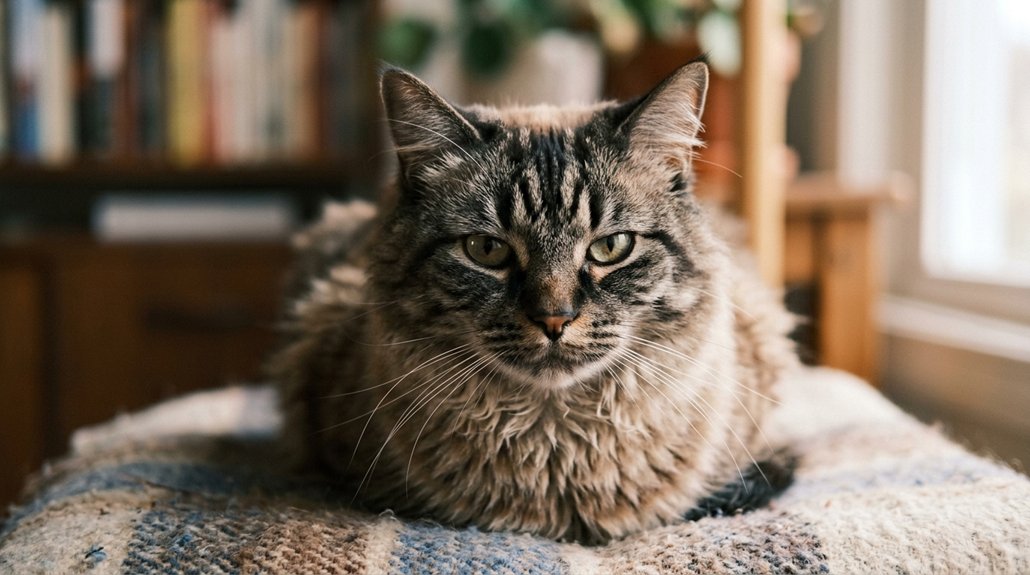
Many popular cat breeds can be deceptively challenging. Persian cats, with their luxurious coats, require daily grooming and frequent vet care due to respiratory issues. Bengal cats are striking but demand constant activity and engagement. Scottish Folds face ethical concerns due to genetic mutations affecting cartilage. Sphynx cats, despite lacking fur, need regular skincare routines. Maine Coons impress with size but require ample space and specialized grooming. Discover more about balancing their allure with their demands.
Key Takeaways
- Persian cats’ high grooming needs and health issues make them demanding beyond their popular appeal.
- Sphynx cats require frequent baths and skincare, often underestimated despite their unique appearance.
- Bengal cats’ need for constant activity and stimulation can overwhelm unprepared owners.
- Ragdolls, often seen as low-maintenance, require significant attention to avoid loneliness-induced behavioral issues.
- Scottish Folds’ health concerns from genetic mutations often overshadow their cute aesthetic appeal.
Are These Cat Breeds Overrated?
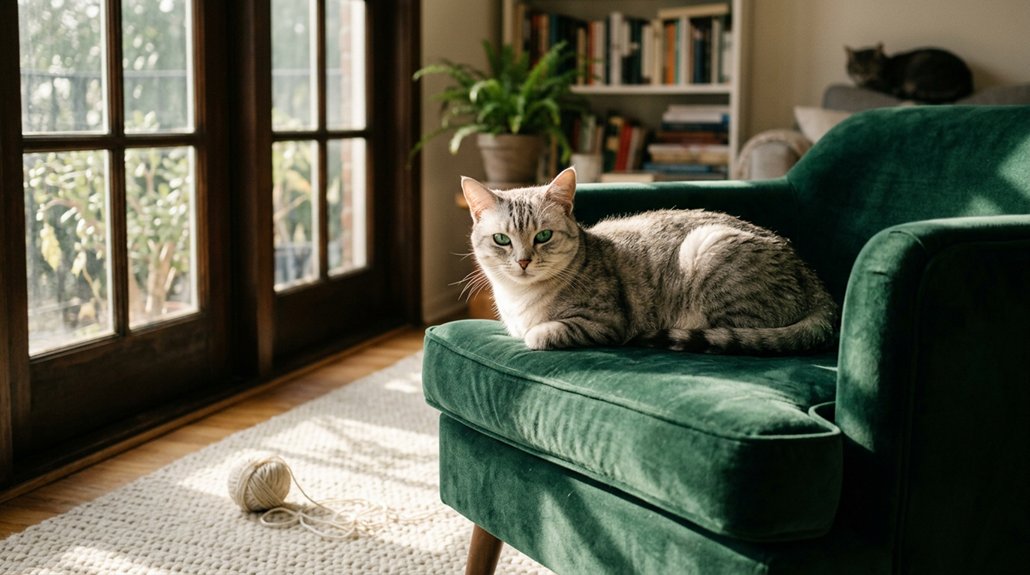
How might one determine if a cat breed is overrated? By examining the alignment between cat behavior and owner expectations. For instance, Bengal cats are celebrated for their striking appearances but require substantial stimulation and interaction. This high energy level can clash with the expectations of owners seeking low-maintenance pets, potentially leading to behavioral challenges. Similarly, Scottish Folds, with their endearing folded ears, face ethical concerns due to breeding practices that might cause joint issues as they age. These health considerations can overshadow their appeal for some owners. Additionally, Ragdolls are known for their docile nature; however, they need significant attention and exercise, which can exceed what prospective owners anticipate. Understanding these dynamics offers insight into whether a breed may be deemed overrated.
Persian Cats: Luxurious Coats, High Maintenance
When considering Persian cats, you should be aware that their luxurious coats require intensive grooming—daily brushing and frequent face cleaning—to prevent health issues like eye staining. Additionally, their brachycephalic facial structure can lead to respiratory challenges, a fact often overlooked due to their popularity. Potential owners must accurately assess the time and resources needed for their care, as misconceptions about their manageability can lead to misguided expectations.
Grooming and Health Challenges
Although Persian cats are often admired for their luxurious coats, these same attributes come with considerable grooming and health challenges. To maintain a Persian cat, you’ll need a dedicated grooming routine and heightened health awareness. Consider these maintenance necessities:
- Daily Brushing: Essential to prevent matting and manage excessive shedding.
- Face Cleaning: Regular maintenance to combat eye staining, critical for their brachycephalic facial structure.
- Health Monitoring: Due to inherited conditions and dental issues, frequent veterinary check-ups are essential.
- Respiratory Care: Their distinctive facial structure can lead to breathing difficulties, complicating overall care.
Persian cats’ grooming and health demands can overwhelm novice owners. Proper understanding of these needs is important in preventing neglect and ensuring the well-being of this high-maintenance breed.
Popularity Misleading for Owners
Despite their luxurious appearance, the popularity of Persian cats can often mislead prospective owners about the demands associated with keeping this breed. Misleading perceptions may cause you to underestimate the extensive grooming and health care required. Persian cats feature long, opulent coats that demand daily brushing to manage shedding. Regular face cleaning is essential to prevent eye staining, something many new owners aren’t prepared for. Owner expectations can also be confounded by the breed’s brachycephalic structure, which predisposes them to respiratory issues. These health complications can escalate into significant time and financial investments. Although their charm entices many, you might find the ongoing demands more overwhelming than anticipated. It’s vital for adopters to be aware of the substantial commitment involved.
Bengal Cats: Striking Looks, High-Energy Demands
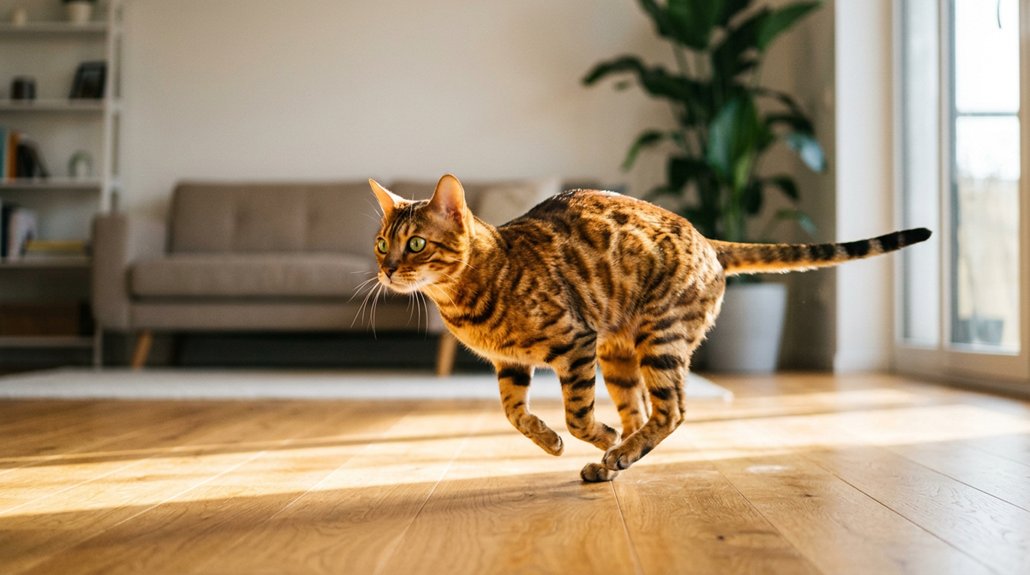
With their enchanting leopard-like appearance, Bengal cats frequently attract prospective pet owners searching for an exotic companion. However, this breed’s allure can overshadow the Bengal temperament, which demands rigorous attention. Understanding their needs is essential:
- Energy Levels: Bengals possess exceptionally high energy and require constant activity.
- Playtime Needs: Their playtime needs necessitate significant daily interaction, challenging those with less active lifestyles.
- Behavioral Risks: Without adequate stimulation, they may develop undesirable behaviors, such as aggression or destructiveness.
- Environmental Needs: Ideal environments include enriching toys and space for exploration to mimic their natural instincts.
If you’re unprepared for these demands, disappointment may follow. Ensuring you meet these aspects will lead to a rewarding relationship with your Bengal.
Scottish Folds: The Ethical Adoption Dilemma
While the allure of Scottish Folds often lies in their distinctive folded ears, it is vital to understand the broader implications of their genetics. These cats suffer from a mutation affecting cartilage health, leading to serious joint issues and chronic pain. Ethical breeding practices are important, as prioritizing aesthetics over well-being can exacerbate health implications.
Consider the following:
| Factor | Outcome |
|---|---|
| Genetic Mutation | Unique ears |
| Health Implications | Painful arthritis |
| Veterinary Needs | Constant monitoring needed |
| Ethical Breeding | Often neglected for aesthetics |
| Adopting Decision | Requires careful consideration |
As a potential adopter, you’re responsible for recognizing these risks, as keeping a Scottish Fold might entail significant veterinary engagement and ethical ramifications, confronting the dilemma of choosing beauty over health.
Sphynx Cats: Fur-Free Doesn’t Mean Carefree
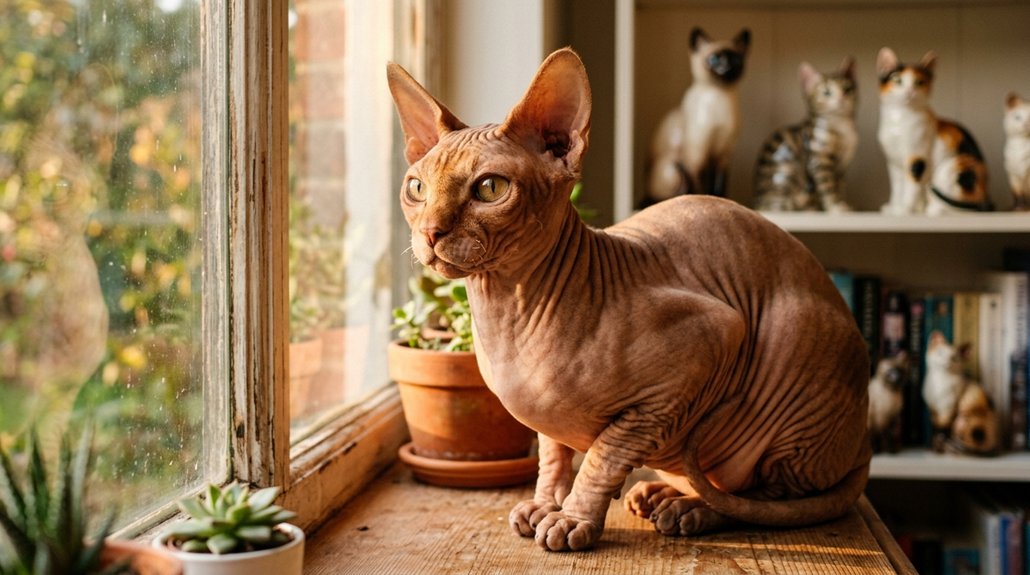
While the Sphynx cat’s lack of fur might suggest an easy-care companion, you’ll find they require substantial maintenance that goes beyond their appearance. Regular baths are essential to control the oily residue on their skin, which can lead to dermatological issues if neglected. Additionally, without a protective fur layer, they need specialized skincare and temperature monitoring to guarantee their well-being.
Maintenance Beyond Appearance
Despite their hairless allure, Sphynx cats aren’t the low-maintenance companions they might seem. The common maintenance misconceptions surrounding their grooming needs are misleading. In-depth Sphynx care involves regular routines that go beyond appearance. Here’s what it entails:
- Bathing Needs: Frequent baths are essential to manage excess skin oils and dirt buildup, a task often underestimated.
- Skin Protection: Their lack of fur increases susceptibility to skin problems, requiring careful protection against environmental factors like sunburn or cold.
- Whisker Care: Uniquely, short or absent whiskers can hinder their tactile navigation, placing importance on whisker health.
- Financial and Time Investment: Contrary to belief, the grooming demands result in significant time and financial commitments for potential owners.
Understanding these needs is vital for ideal Sphynx care.
Skincare Demands Explained
Sphynx cats, often perceived as effortlessly low-maintenance due to their hairless appearance, actually present complex skincare demands. Due to their skin sensitivity, these cats require regular bathing—typically once a week—to clear the accumulation of oils and dirt not absorbed by a protective fur coat. This frequency helps prevent potential skin irritation or infections.
Moreover, the absence of fur leaves their skin exposed to environmental stressors, making them susceptible to sunburn and temperature extremes. Regular skincare routines should include moisturizing to mitigate dryness and irritation. Owners must recognize that Sphynx cats demand as much, if not more, grooming time as their furry counterparts. Misunderstandings about their care requirements frequently lead to underestimating the substantial time and effort involved.
Maine Coon Cats: Big Cats, Bigger Responsibilities
Considering the size and demeanor of Maine Coon cats, they are not just ordinary pets but companions that demand a remarkable level of commitment. Maine Coon characteristics include their impressive size, often surpassing 18 pounds, demanding significant space and food resources. To keep them happy, Maine Coon exercise is vital; without it, their boredom can manifest as behavioral issues. Here’s what you should consider:
- Space and Food: Their size requires large living areas and substantial dietary provisions.
- Grooming: Regular grooming is essential to manage their lengthy fur and prevent mats.
- Exercise: They need consistent stimulation to address their active, playful personality.
- Medical Care: Maine Coons are susceptible to hypertrophic cardiomyopathy, necessitating frequent vet visits and financial readiness.
Their care demands are often underestimated, contributing to their overrated status.
Frequently Asked Questions
What Cat Breeds Should I Avoid?
You should avoid cat breeds with popular misconceptions, like Sphynx and Persian cats, demanding high maintenance. They require a commitment to grooming and skincare. Ethical considerations with Scottish Folds’ health issues are also a factor worth acknowledging.
What Is the Least Desirable Cat?
The least desirable cat, reflecting Pandora’s box of lesser traits, often showcases high maintenance needs, health issues, or independent temperament. Yet, don’t overlook underrated breeds which offer loyalty, intelligence, and adaptability without compromising companionship or simplicity.
Do Cats Forgive You for Yelling at Them?
Cats don’t exactly “forgive” yelling but prioritize safety and comfort. Their emotional responses depend on individual feline behavior and past experiences. Yelling may induce stress as they interpret emotions through your tone and body language, not verbal confrontations.
What Is the Most Unpopular Cat Breed?
The Sokoke Cat, with its wild appearance and uncommon characteristics, is likely the most unpopular breed. Yet, it’s a hidden gem. Its scarcity and low recognition make it a rare find for those seeking a unique feline companion.
Conclusion
In the domain of feline companionship, choosing a breed is akin to maneuvering through a labyrinth—where needs and expectations often collide. Despite their allure, these breeds pose unique challenges: Persian cats demand meticulous grooming; Bengal cats require boundless play; Scottish Folds raise ethical concerns; Sphynx cats aren’t truly low-maintenance; and Maine Coons bring hefty responsibilities. Like Pandora’s box, owning these cats can be unexpectedly complex. Opt for breeds that match your lifestyle, ensuring a harmonious coexistence.