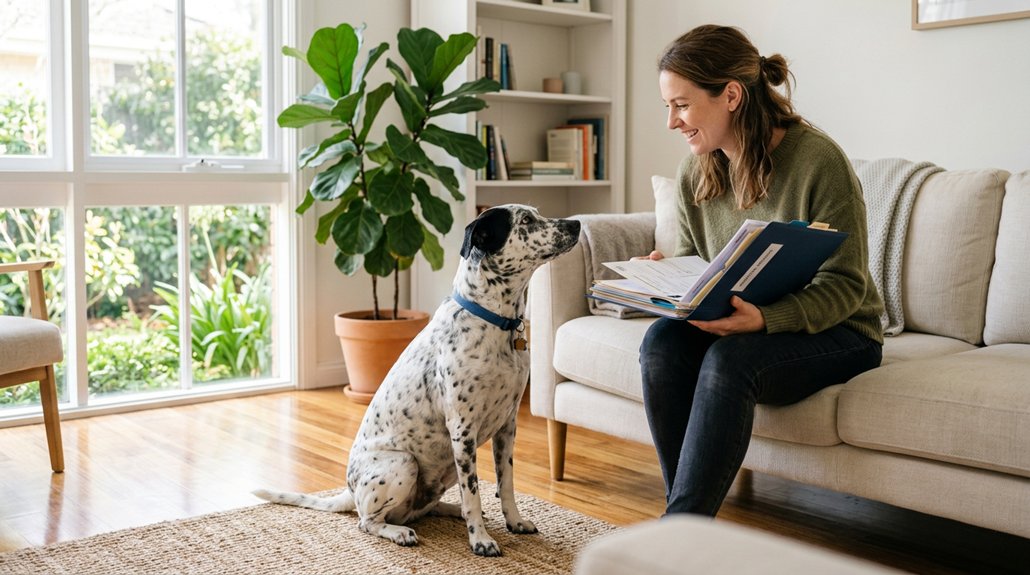
Guarantee a smooth dog adoption process by meticulously preparing your home environment, removing hazards, and acquiring necessary supplies. Research local requirements, understanding fees and regulations, and gather documentation like ID and residence proof to expedite. Flexible scheduling and compatibility assessments will help identify the best fit for your family. Communicate consistently with shelters to stay updated. These steps facilitate a seamless shift, enabling effective decisions for ideal pet wellness and happiness. Discover further strategies to enhance this experience.
Key Takeaways
- Gather all necessary documentation, including ID and proof of residence, ahead of starting the adoption process.
- Regularly check in with adoption agencies to receive timely updates on dog availability and application status.
- Be prepared for home evaluations and reference checks required by local shelters to ensure quick processing.
- Research and understand local breed restrictions and licensing requirements to avoid potential hurdles.
- Maintain flexibility in breed and age preferences to increase chances of a quicker match.
Prepare Your Home for Dog’s Arrival
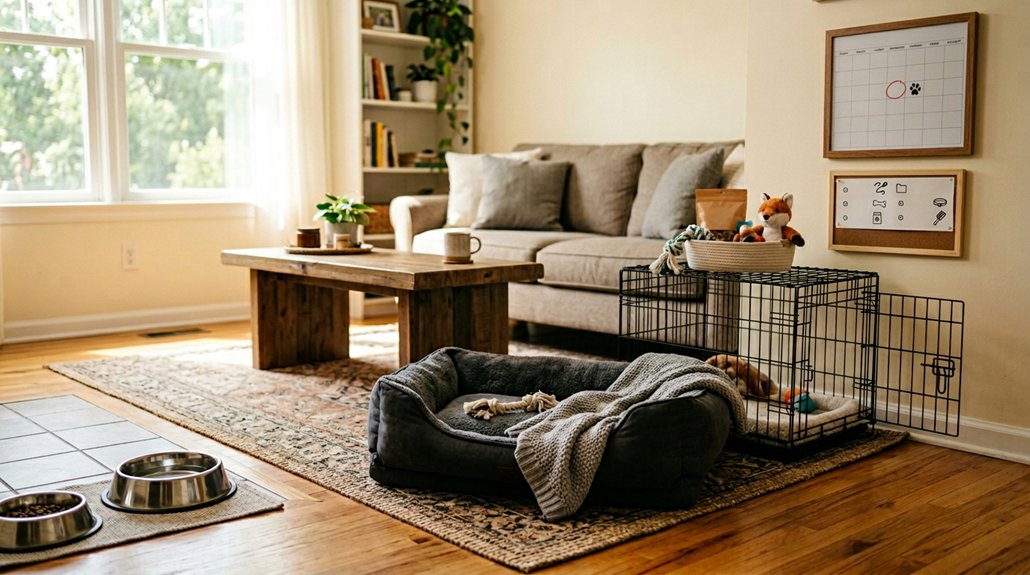
To guarantee a seamless change and promote emotional stability for your new canine companion, it’s essential to meticulously prepare your home before their arrival. Establish a cozy environment by arranging a comfort zone with a bed, blankets, and toys. These elements serve as therapeutic adjuncts, providing a safe space that mitigates transitional stress. Remove environmental hazards like electrical cords and toxic plants to maintain a secure milieu. Position the dog’s crate in a tranquil area, away from high-traffic zones, facilitating psychophysiological relaxation. Compile essential supplies—nutrition-specific food, a secure leash, identification collar, and grooming implements—to address fundamental healthcare needs. Organize a consistent regimen for feeding, exercise, and playtime. This structured routine minimizes anxiety, supporting behavioral acclimatization and enhancing psychological resilience.
Research Local Dog Adoption Requirements
When commencing the journey of dog adoption, meticulously researching local shelter requirements can greatly streamline the process. Begin your quest by compiling an adoption checklist that includes specific requirements from each local shelter or rescue organization. These stipulations may include application completion, home evaluations, and obtaining references, guaranteeing a conducive environment for the canine’s adjustment. Adhering to a clinical framework guarantees the fulfillment of obligatory regulations, such as potential adoption fees ranging from $50 to $300 based on breed and age. Regulatory adherence is paramount; states may require background checks or identification validation, enhancing your preparedness. It’s vital to understand local statutes on breed restrictions and licensing mandates, optimizing health-oriented adoption outcomes and minimizing procedural delays. This methodical approach facilitates an efficient acquisition of your prospective companion.
Gather Necessary Documentation for Adoption

Initiating the dog adoption process necessitates precise documentation assembly, pivotal for ensuring an expeditious change. Identification verification remains a fundamental component; a driver’s license or official ID substantiates your identity. Similarly, present proof of residence, such as a utility bill or rental contract, to affirm domicile conditions conducive to animal companionship. For existing pet owners, vaccination records are critical, while a landlord or homeowners association’s confirmation may avert housing conflicts regarding a new canine presence.
Completing pre-emptive research on the specific adoption applications can enhance procedural efficiency. This encompasses articulating prior pet ownership and your residential environment’s compatibility with pet care. Effectively detailing your household’s routine further illustrates thorough preparedness during the evaluative adoption interview, facilitating a smoother acquisition process.
Schedule and Assess Compatibility During Visits
Although adopting a dog is a joyful endeavor, optimizing your approach is essential for guaranteeing compatibility and minimizing delays. Schedule multiple visits to the shelter, employing strategic interaction strategies to observe the dog in diverse environments. This helps you assess critical behavioral observations, such as energy levels and temperament, which are integral to determining compatibility with your household dynamics. Engage in detailed discussions with shelter staff about the dog’s specific needs or quirks, as this knowledge facilitates an informed adoption process, circumventing potential adoption delays.
During these visits, closely monitor the dog’s reactions to various family members and any resident pets to ensure a harmonious integration. Prepare thorough questions regarding the dog’s history and behavior, enriching your understanding and further expediting the adoption process.
Stay Flexible to Speed Up the Adoption Process
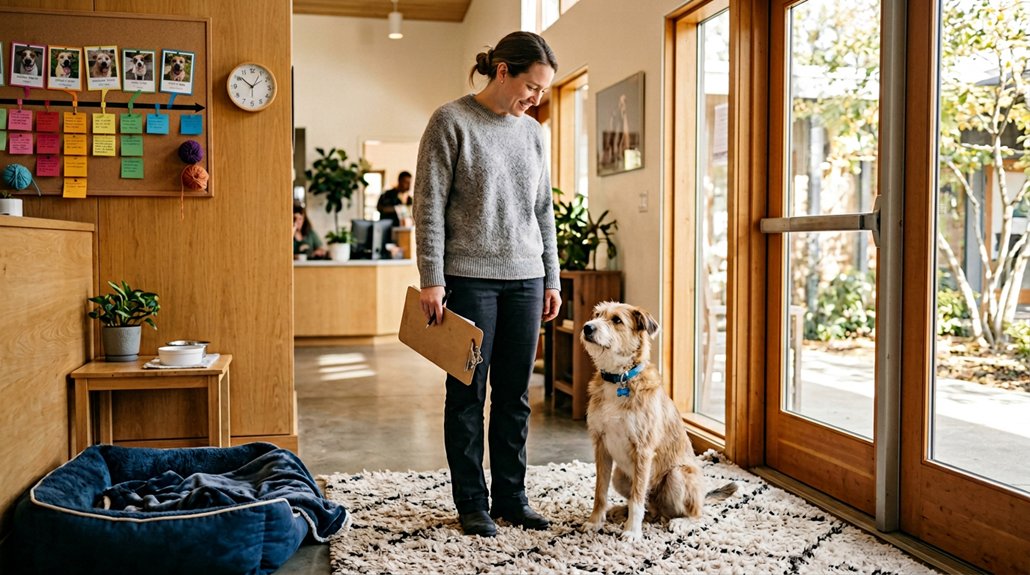
Engaging in pre-adoption visits is a valuable step toward finding a compatible pet, but flexibility in your approach can considerably expedite the adoption process. Cultivate adaptive tactics by accommodating unexpected delays—maintain readiness with documentation like identification and pet ownership records. Enhancing meet and greet tips by actively aligning schedules can hasten successful interactions with potential companions. Likewise, adopting from local shelters or rescue organizations may facilitate streamlined processes, reducing latency typically experienced with larger entities.
Stay receptive to various breed considerations and age ranges to augment available choices and accelerate pet matching. Regular communication with adoption agencies aids in timely updates on canine availability and procedural policy shifts, promoting swift engagements.
| Flexibility Strategy | Impact |
|---|---|
| Schedule Accommodation | Facilitates quicker meet-and-greets |
| Document Preparedness | Reduces administrative delays |
| Breed Consideration | Expands potential matches |
| Regular Agency Check-ins | Guarantees timely adoption process |
Frequently Asked Questions
What Is the 3-3-3 Rule for Adopting Dogs?
The 3-3-3 rule for adopting dogs helps understand dog behavior through adaptation phases: three days, weeks, and months. These rescue tips emphasize gradual acclimation, promoting better behavioral health as each stage reflects growing comfort and trust.
What Is the 7 7 7 Rule for Dogs?
In the 7-7-7 rule for dog adoption, you’ll see a 70% decrease in stress symptoms amid proper acclimation. Utilize behavioral assessment, fostering strategies, and training techniques, along with shelter resources for ideal socialization and health-focused integration.
What’s the 90/10 Rule for Dogs?
The 90/10 rule dictates that 90% of interactions should harness positive reinforcement strategies to enhance dog behavior, such as offering rewards, thereby fostering trust and decreasing anxiety, whereas only 10% involves necessary corrective measures.
What Is the 150 Rule for Dogs?
The 150 Rule suggests spending 150 minutes daily on dog behavior care, including training, exercise, and companionship. This consistent routine improves canine psychological health and adaptability, promoting bonding, reducing behavioral issues, and enhancing overall well-being.
Conclusion
Imagine an Odyssey to your new four-legged friend; it starts with preparing your home as a safe haven, much like Penelope’s patience. Research the local requirements as you would Hippocrates’ medical texts to guarantee a seamless adoption. Compile necessary documents akin to assembling a medical history. Assess compatibility as you would a clinical trial, with flexibility akin to adapting a treatment plan. This journey, though it may seem Herculean, leads to a healthy bond that nourishes both body and soul.