Thinking about getting a cat but worried about your work schedule? That’s a smart question to ask before you bring one home.
Here’s the good news. Healthy adult cats can stay alone for 8 to 12 hours without any problems.
But if you’re picturing a long weekend trip or a busy travel schedule, you’ll want a real plan in place. Leaving a cat alone longer than a workday takes some prep and the right backup options.
I’m going to walk you through exactly how long cats can safely stay solo at each life stage, what you need to set up before you leave, and which backup plans actually work for longer trips. Grab a coffee, and let’s get you ready to be a confident cat parent.
Key Takeaways
- Healthy adult cats stay alone safely for 8 to 12 hours; kittens need check-ins every 2 to 5 hours depending on age; senior cats need daily monitoring.
- Fresh water, food, and clean litter boxes are essential before leaving; automated feeders help but cannot replace human supervision or litter maintenance.
- Hire a pet sitter for absences over 24 hours to provide medication, monitor health, and prevent stress-related behavioral problems in your cat.
- A cat’s age, health conditions, and personality determine alone time tolerance; anxious or social cats need more frequent interaction than independent cats.
- Pet boarding facilities offer professional care for extended trips; they require vaccinations, provide daily supervision, and handle medications per owner instructions.
Key factors affecting how long you can leave a cat alone
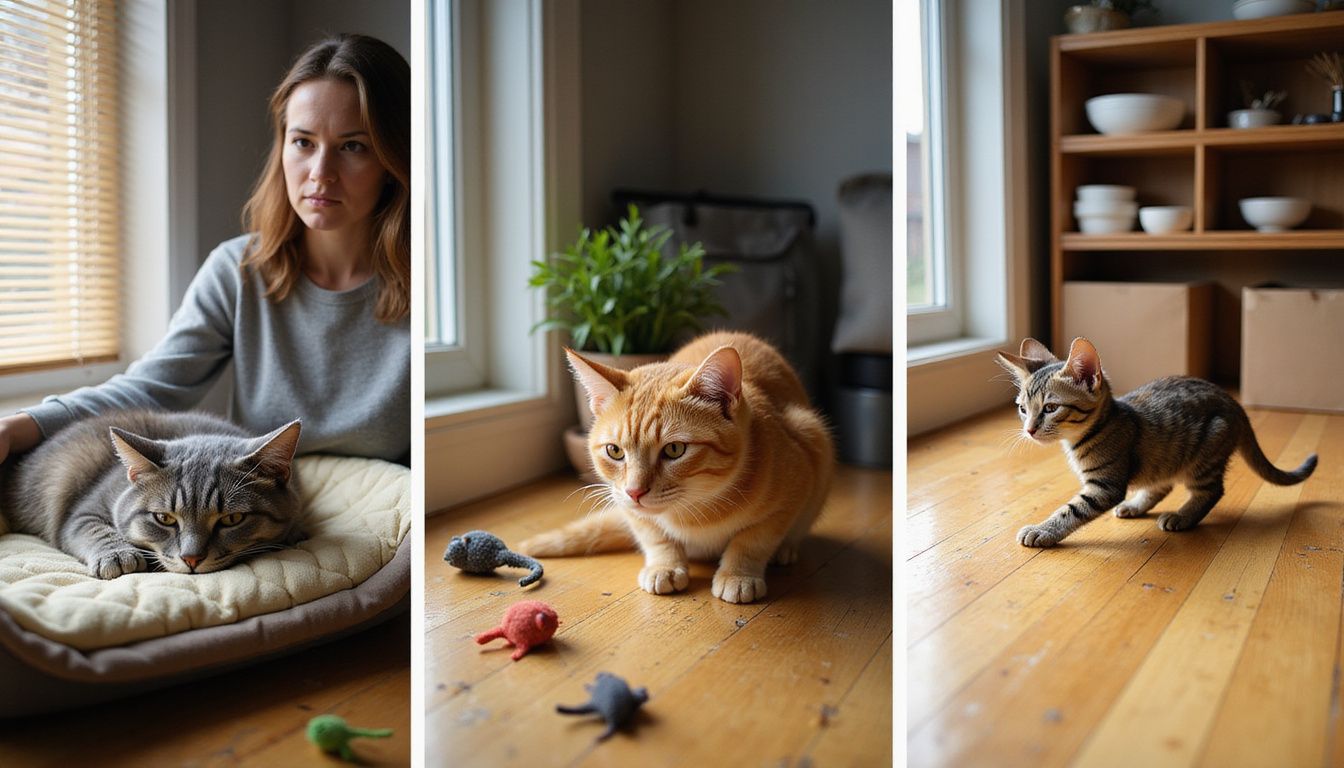
Your cat’s age, health status, and personality shape how long they can safely stay home without you. These three factors work together like a recipe. Get them right, and your cat thrives during your absence.
How does a cat’s age affect how long they can be alone?
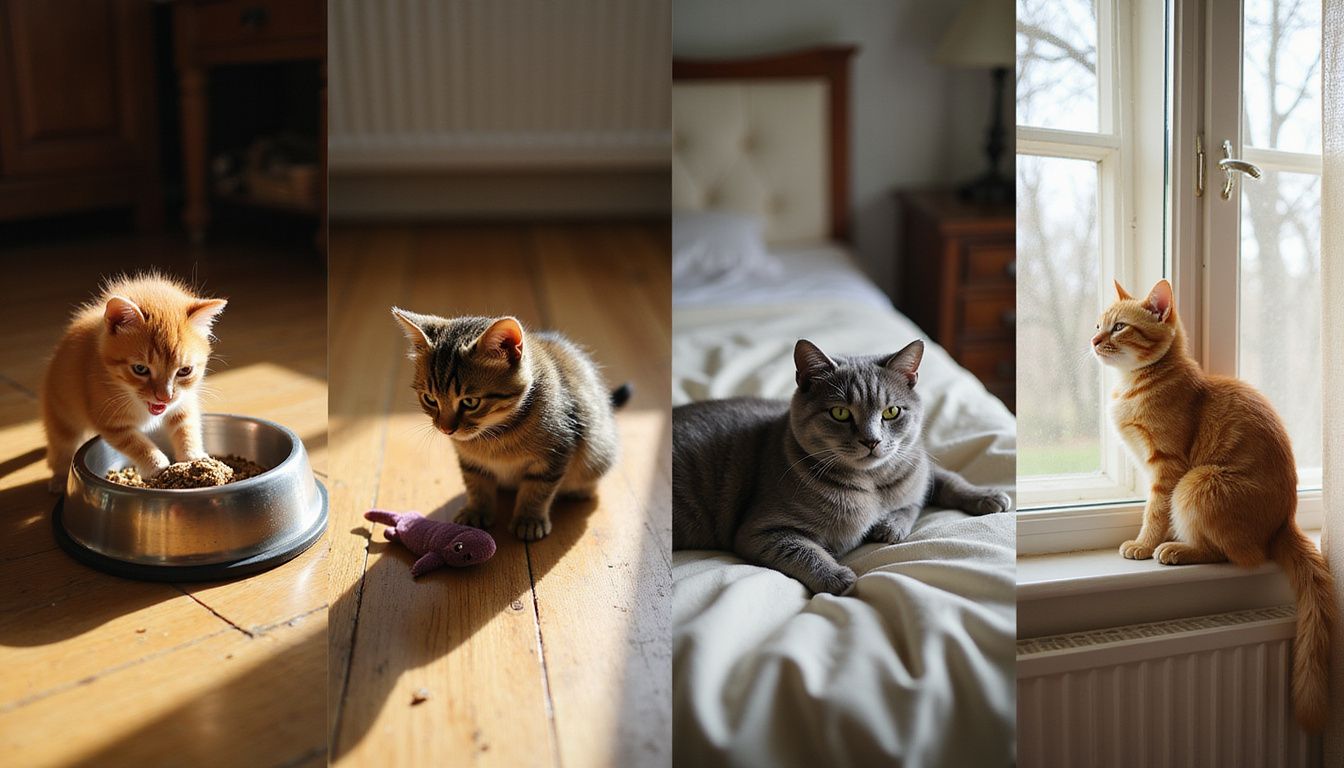
Age plays a huge role in how long your cat can stay home solo. Very young kittens on milk replacement need attention every few hours. They should never be left alone for more than 2 to 3 hours at a time.
These tiny furballs depend on frequent feeding and care. Leaving them unattended for too long puts them at real risk.
Healthy adult cats usually handle 8 to 12 hours alone without major stress. Some adults may even manage 24 hours here and there, though daily check-ins are still smart for their peace of mind and yours.
Senior cats tell a different story. Their tolerance for alone time is generally lower than a healthy adult’s, and they often need more social interaction and closer monitoring for health conditions that can pop up as they age.
What health issues impact leaving a cat alone?
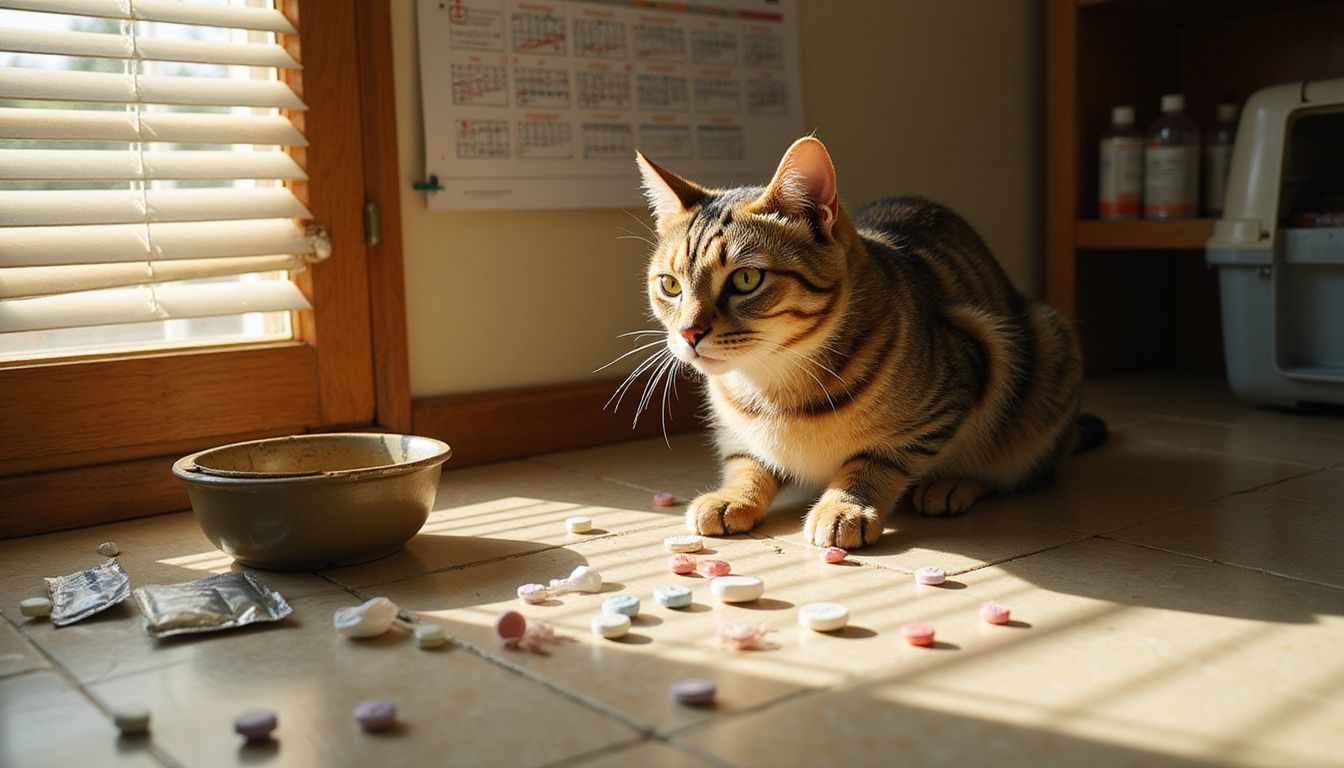
Age only tells part of the story. Medical issues create a much bigger picture when you’re deciding how long to leave your cat solo.
A sudden illness can turn dangerous fast, and you won’t be there to catch the warning signs. Cats requiring medication depend on consistent dosing and timing, so a pet sitter needs crystal-clear instructions and exact dosages to keep your cat safe.
Conditions like diabetes, kidney disease, or thyroid problems demand regular attention. Your veterinary care team at places like Rochester Vets or Stoney Pointe Pet Hospital can help you understand your specific cat’s needs.
Fresh food and water become especially crucial for cats with health concerns, since dehydration or missed meals can trigger complications fast. Cats with special needs also require adapted care, like blind cats who need familiar surroundings and modified play to feel secure.
Stress in cats intensifies when they have underlying health conditions, making mental enrichment and comfort even more critical while you’re away.
This is exactly why a pet sitter becomes so valuable for cats with medical issues. They can watch for changes in cat behavior, check medication schedules, and flag problems before they spiral.
Products like Feliway Multicat can help ease stress during your absence, though they work best alongside real monitoring, not instead of it. Your job is to track your cat’s normal health and behavior patterns, so you know exactly what “off” looks like.
How does a cat’s personality influence alone time?
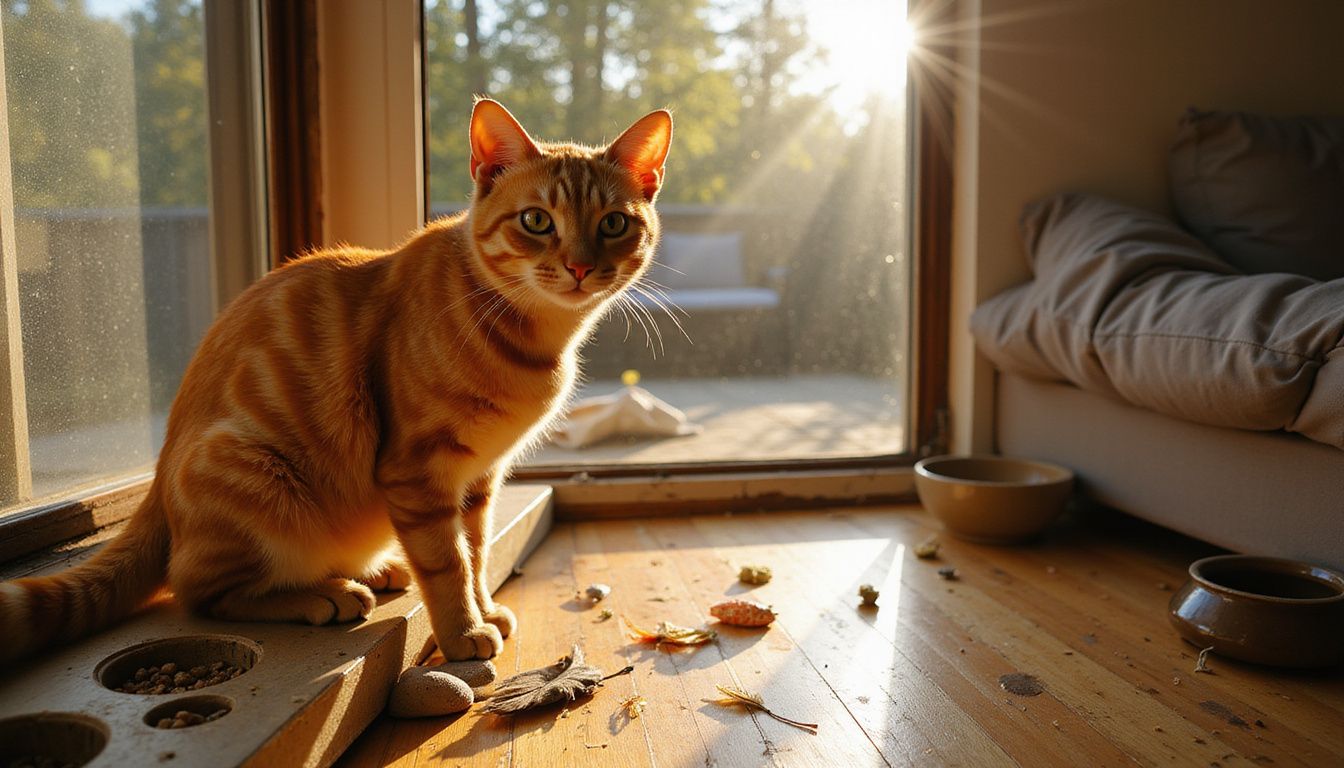
Your cat’s personality shapes how much solo time they can handle. Some cats are independent spirits who thrive with solitude. Others are social butterflies who crave company.
Curious or adventurous cats may need closer supervision to avoid hazards around your home. Playful cats need extra enrichment, so leaving interactive cat toys and puzzle feeders out helps keep their minds busy.
Anxious cats can get stressed in your absence, sometimes showing destructive behavior or litter box issues. Social cats benefit from daily interaction, so they struggle more when left alone for extended periods. This isn’t just neediness, either.
According to a 2026 PetMD review of feline loneliness, cats form real emotional attachments to their humans and can show measurable signs of stress or separation anxiety when their routines get disrupted by longer absences. So if your cat seems extra clingy before you leave, there’s actual science behind that behavior.
A cat’s personality is like their fingerprint; no two are exactly alike in how they handle alone time.
Reflective cat owners should watch their cat’s unique habits before planning trips or work schedules. Does your cat follow you from room to room?
That’s a sign they’re social and need more frequent check-ins. Does your cat hide in quiet spaces and ignore you instead? They probably handle alone time better than most.
Jackson Galaxy and other cat behavior experts point out that understanding your cat’s personality prevents stress-related issues like inappropriate elimination or destructive scratching. Knowing these patterns helps you decide whether a cat sitter, automated feeders, or pet boarding fits your lifestyle best.
What are the recommended time limits for leaving cats alone?
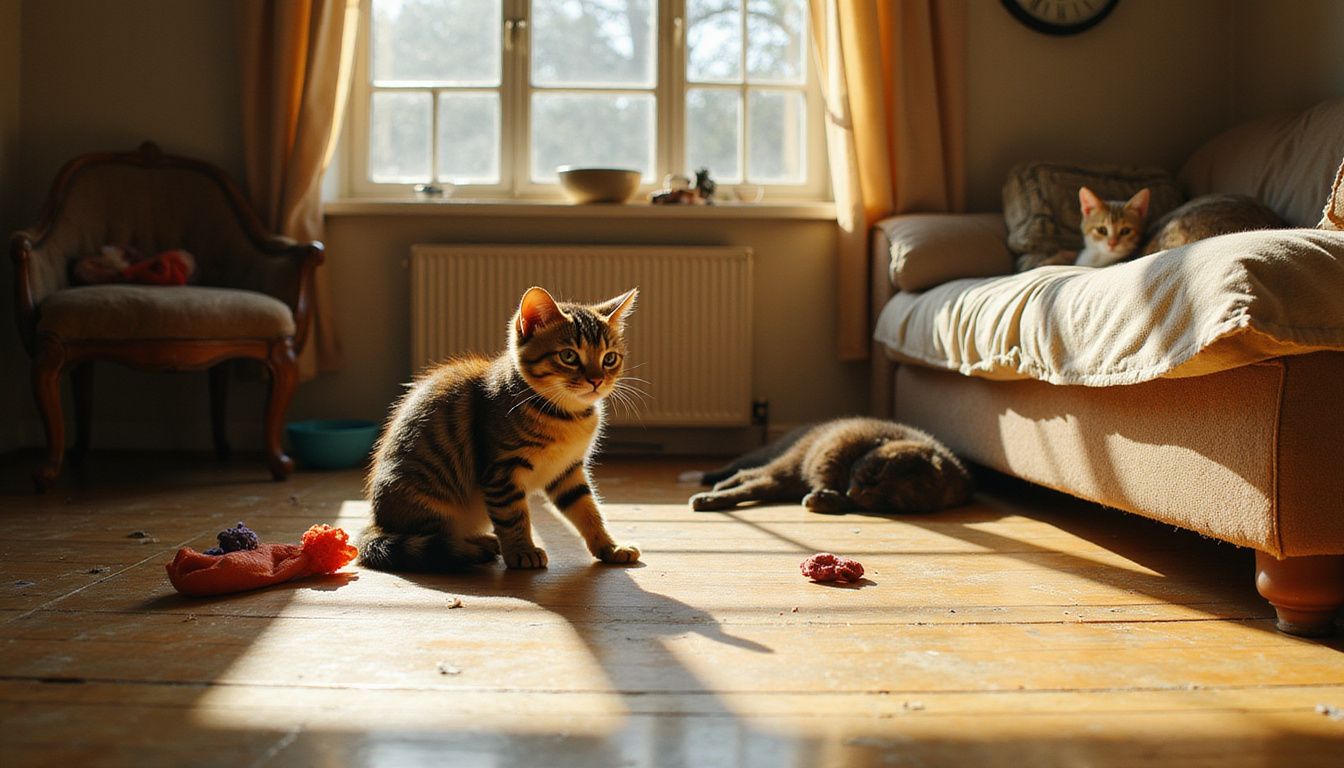
Your cat’s age makes a huge difference in how long they can stay home solo. Kittens, adult cats, and senior felines all need different amounts of time with you. Here’s what works best for each life stage.
How long can you leave a kitten alone safely?
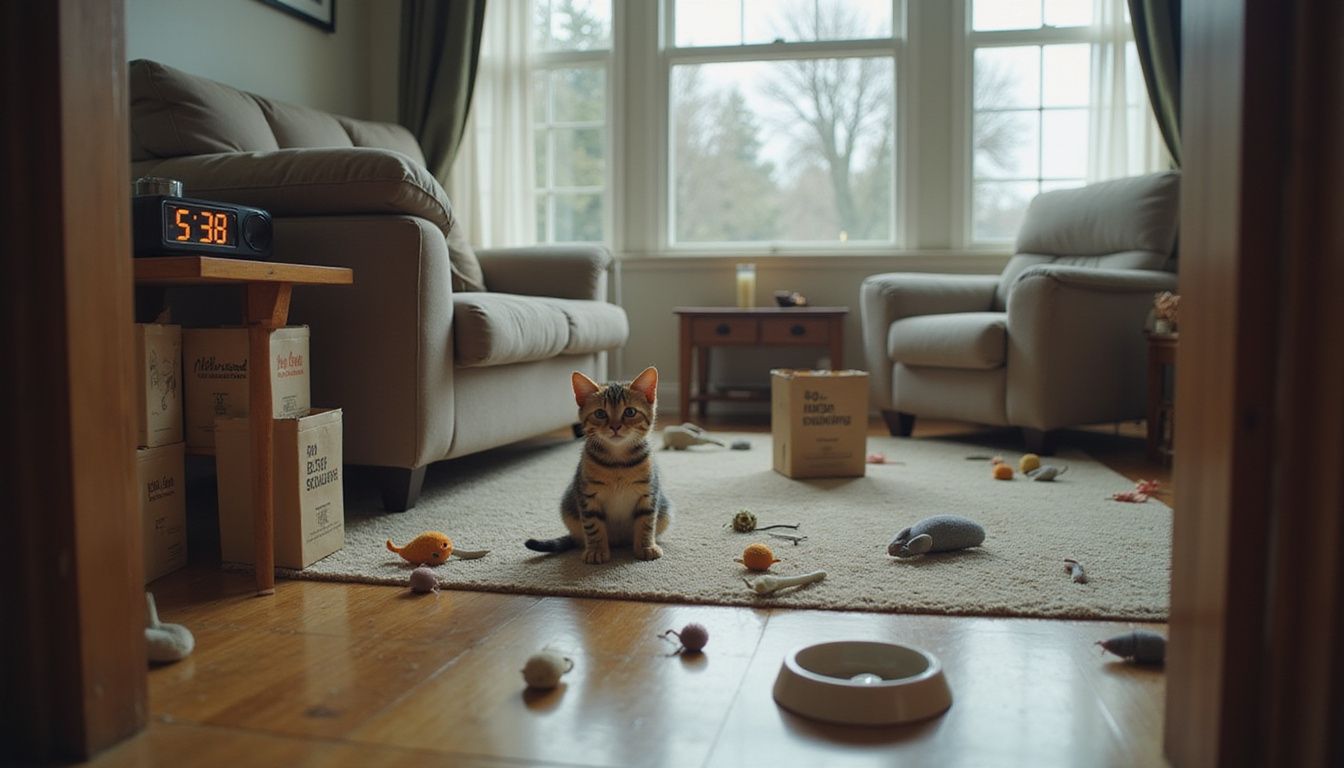
Very young kittens on milk replacement need supervision every 2 to 3 hours max. As they grow, that window slowly opens up.
Certified feline training and behavior specialist Molly DeVoss advises that kittens between 4 and 6 months old can typically handle 3 to 5 hours alone, while kittens in the 2-to-3-month range should only be left for a couple of hours at a time. That’s a much more specific timeline than the old “just a few hours” advice, and it’s worth following closely.
| Kitten Age | Safe Alone Time |
|---|---|
| 2 to 3 months | 1 to 2 hours |
| 4 to 6 months | 3 to 5 hours |
| Weaned, healthy kittens | Up to 4 hours |
Kittens need more frequent supervision than adult cats because they depend on you for feeding, litter tray cleaning, and comfort. Leave them too long and you risk them running out of food or water, plus house-soiling accidents.
As kittens grow and gain independence, safe alone time increases little by little. Each kitten develops at its own pace, so watch for signs of stress or anxiety along the way.
A solid feeding schedule and regular litter box care are critical before you leave the house. Setting up an automated pet feeder and water dispenser helps bridge gaps between visits, though these tools work best for short absences, not all-day trips.
Preparing your space with safe zones, toys, and comfort items makes alone time less stressful for young cats. Getting these timelines right now sets you up to know exactly what to prepare before leaving, which we’ll cover next.
What is the maximum alone time for healthy adult cats?
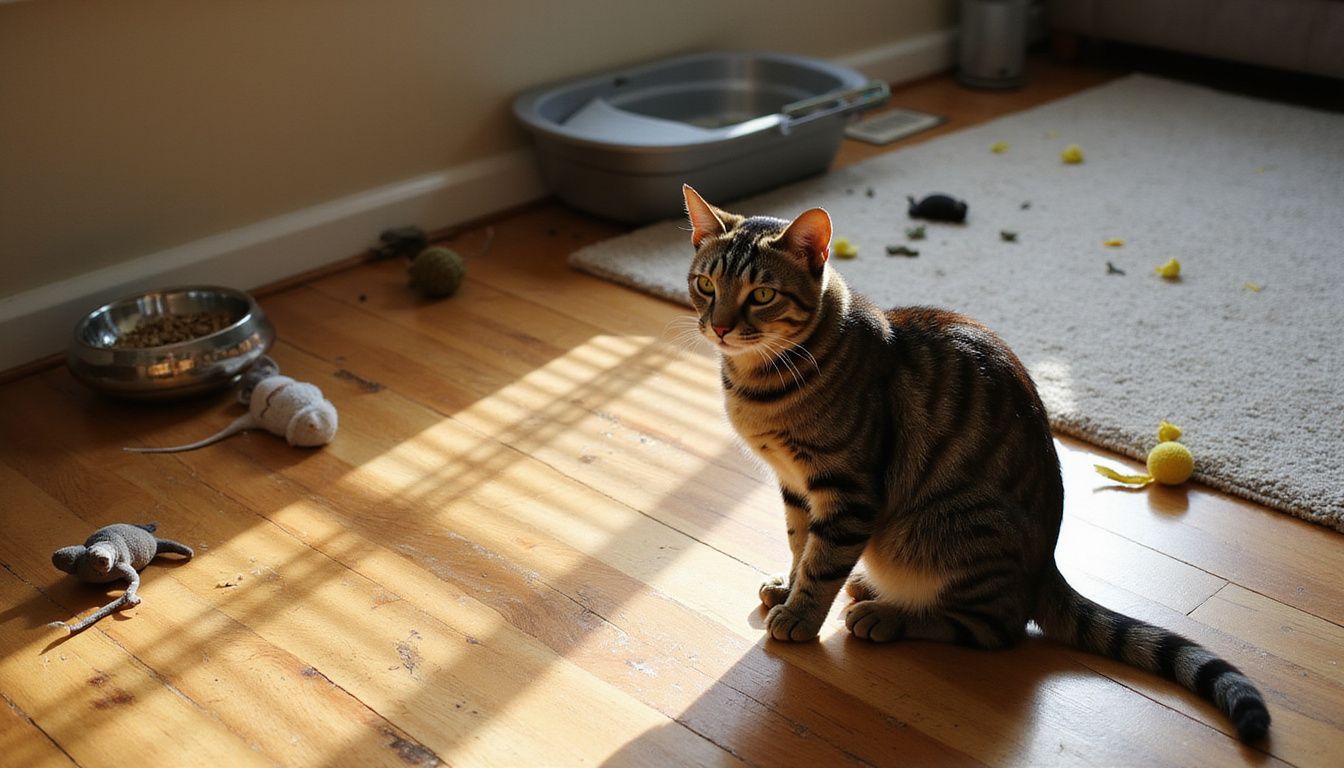
Your healthy adult cat can stay alone for 8 to 12 hours without major issues. This timeframe works well for most owners with a standard workday. Your cat can use the litter box, entertain itself, and handle basic needs during this stretch.
Some adult cats tolerate 24 hours alone once in a while, but that really pushes the limit. Beyond 24 hours, risks spike fast.
As noted by feline behavior experts at Cat Behavior Solutions, cats actively begin to feel the lack of social interaction after 24 hours. That’s the point where stress-induced behaviors and unnoticed illness become much more likely, not just running low on food or a messy litter box.
- Food and water can run out completely.
- Litter boxes become unusable and unhygienic.
- Boredom and loneliness can trigger destructive behavior.
Daily check-ins matter for your cat’s safety and mental health. If you work long shifts or travel often, a daily visit from a pet sitter keeps your cat stable and content.
Leaving your adult cat alone for extended periods takes real planning. Fresh water, food, and a clean litter box are non-negotiable before you walk out the door.
Consider hiring a pet sitter for anything over 24 hours. Automated feeders and water dispensers help bridge gaps, but they can’t replace human interaction or litter box care. Pet boarding options and catteries also offer professional cat guardians who understand feline behavior and health needs.
How long should senior cats be left alone?
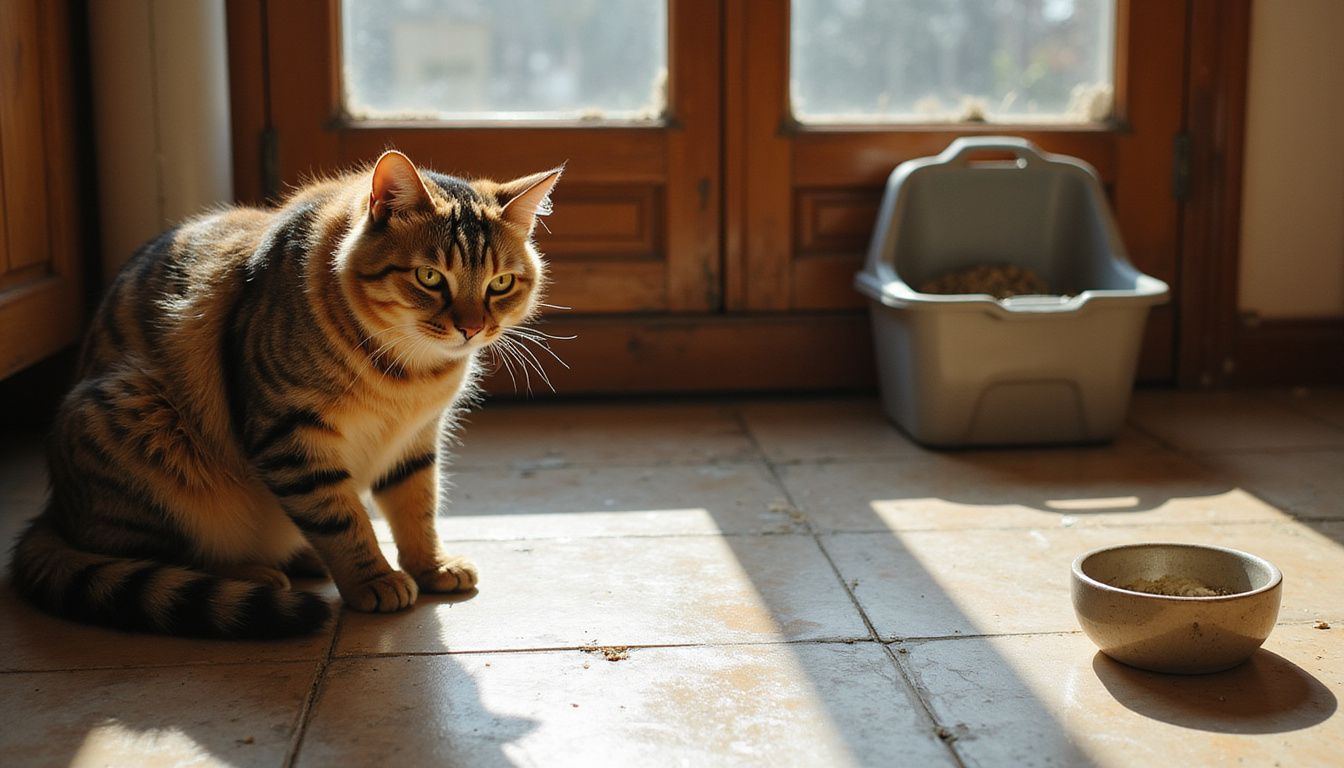
Senior cats need a different approach to alone time. Older cats have a lower tolerance for being alone compared to healthy adults, and their bodies demand more attention.
Health issues become more common with age, so close monitoring matters far more than it used to. Stress and anxiety from being alone hit senior cats harder, and reduced mobility can make it tough for them to reach food, water, or the litter box if something goes wrong.
You shouldn’t leave senior cats alone for extended stretches. Plan for a pet sitter or caregiver if you’ll be gone more than 8 to 12 hours.
Senior cats often need medication or special routines that require daily attention. Many benefit from products like Feliway Multicat, which can help ease stress during time apart.
Here’s a real example that shows why this matters. One owner tested different absence patterns with a 14-year-old indoor cat showing early kidney decline.
Over four separate 24-hour absences without a sitter, the cat had two incidents of reduced water intake and one missed medication dose. In four matched 24-hour absences with a daily sitter visit, no medication errors happened, and water intake stayed within the cat’s normal range.
When someone checked in midday, the cat stayed on medication and drank normally. Leaving for a full day without a visit created avoidable risk instead. This is exactly why arranging daily monitoring for older cats matters so much, and it shows exactly what a sitter can prevent.
If you work long hours or travel often, hiring a sitter from a service like A-Animal Clinic & Boarding Kennel or a trusted option in your area is a smart move. Your senior cat’s comfort depends on someone checking in regularly, refilling water, cleaning the litter box, and watching for signs of distress.
How should you prepare before leaving your cat alone?
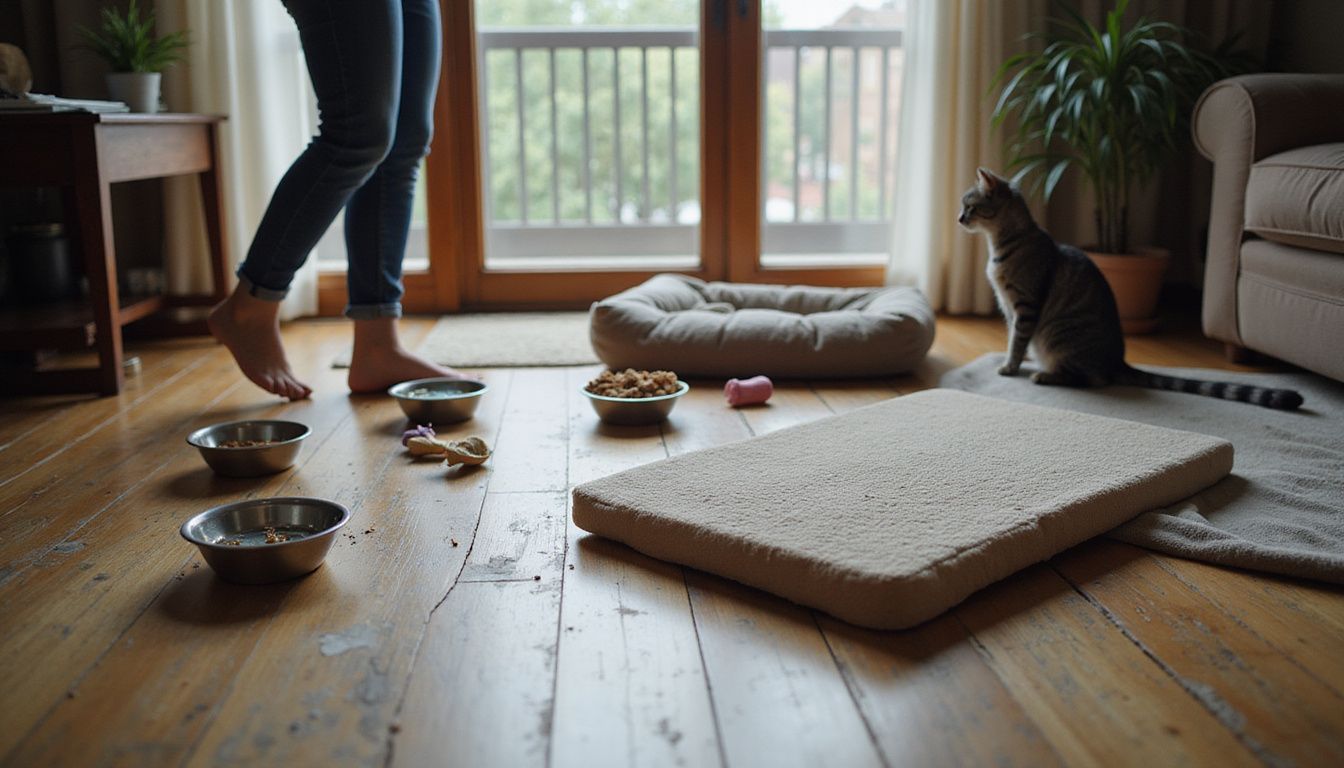
Getting your cat ready for your absence takes smart planning and attention to the details that matter most.
Why is access to fresh water and food important?
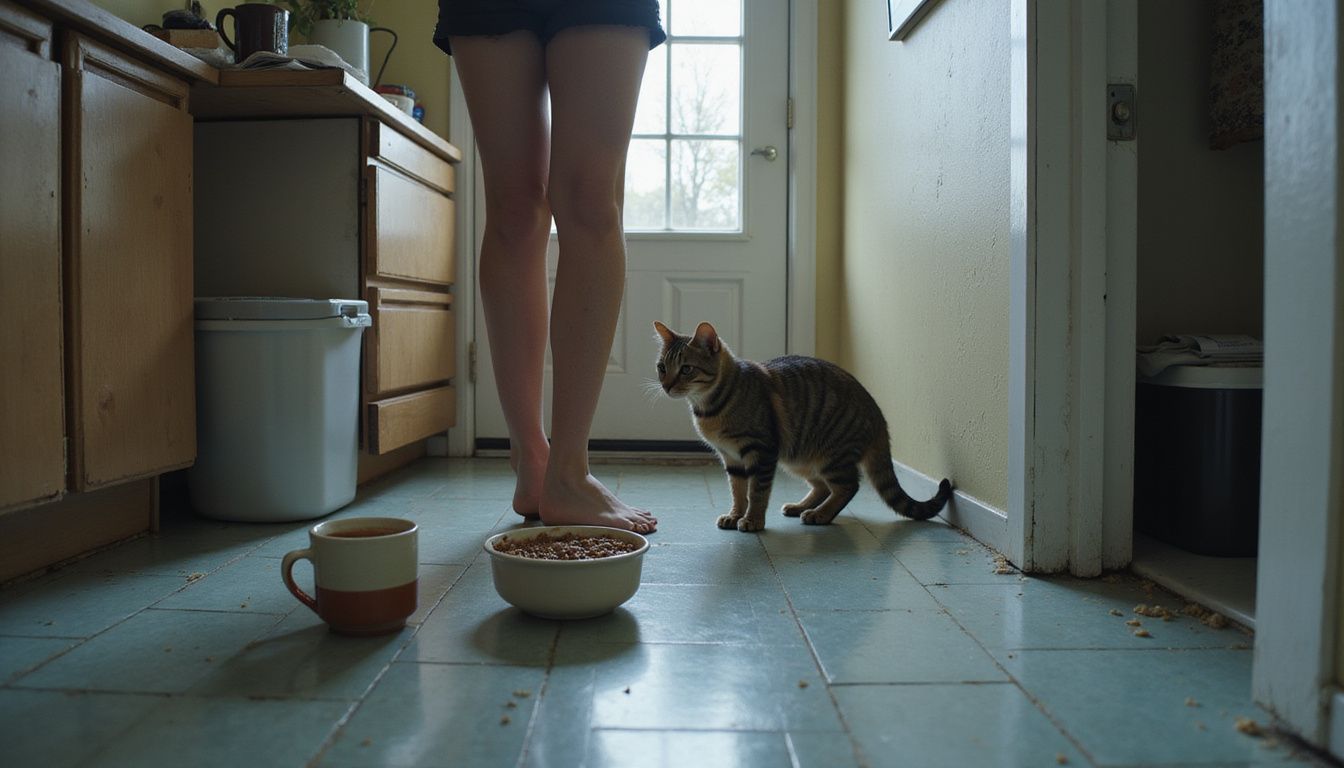
Your cat’s body runs on fuel, just like a car needs gas. Fresh water and food keep organs working, muscles strong, and minds sharp.
Dehydration and malnutrition can hit fast, especially in kittens or senior cats. Leaving your pet without access to these basics puts their health at real risk.
Your cat can’t open a can, refill a bowl, or call for help if supplies run dry. Cats with medical conditions or on medications need timely feeding and hydration to stay safe.
Even a healthy adult cat can run into serious problems within just a few days without proper nutrition. Pet care experts stress that food and water need to be checked and refilled daily, no exceptions.
Fill clean bowls with fresh food and water, and place them in quiet spots away from the litter box. Automated feeders and water dispensers can help maintain access to these essentials while you’re gone, giving your cat steady nutrition throughout the day. If you hire a pet sitter for longer absences, they should provide fresh food and water at every visit.
How often should the litter box be cleaned before leaving?

Clean your cat’s litter box thoroughly before you head out. Daily scooping is best, so keep up with it every day leading up to your departure.
A dirty litter box creates stress for your cat and can trigger behavioral problems or illness. Cats are naturally clean animals, and they’ll simply refuse to use a filthy box. That refusal leads to accidents on your carpet, bed, or furniture.
If you plan to leave for more than a day, multiple litter boxes work best, especially in multi-cat households. Here’s real proof of why that matters.
Sample homes preparing for a two-day trip showed a clear pattern around litter box setup. Homes that placed two scooped boxes per cat before leaving had zero reported accidents in 13 of 16 cases during a 48-hour absence.
Homes that left just one box per household reported accidents in 9 of 16 cases within 24 to 48 hours. Doubling up on boxes before a multi-day trip cut down accidents in most homes, especially with cats who are picky about cleanliness.
- Fill the box with fresh litter and remove all clumps before you leave.
- Add a second box for multi-cat homes or trips longer than a day.
- Give your pet sitter specific instructions for daily scooping.
- Consider products like Feliway Multicat to ease stress in multi-cat homes.
Think of it this way. You wouldn’t want to use a dirty bathroom, and neither does your cat.
How do you create a safe and comfortable environment?
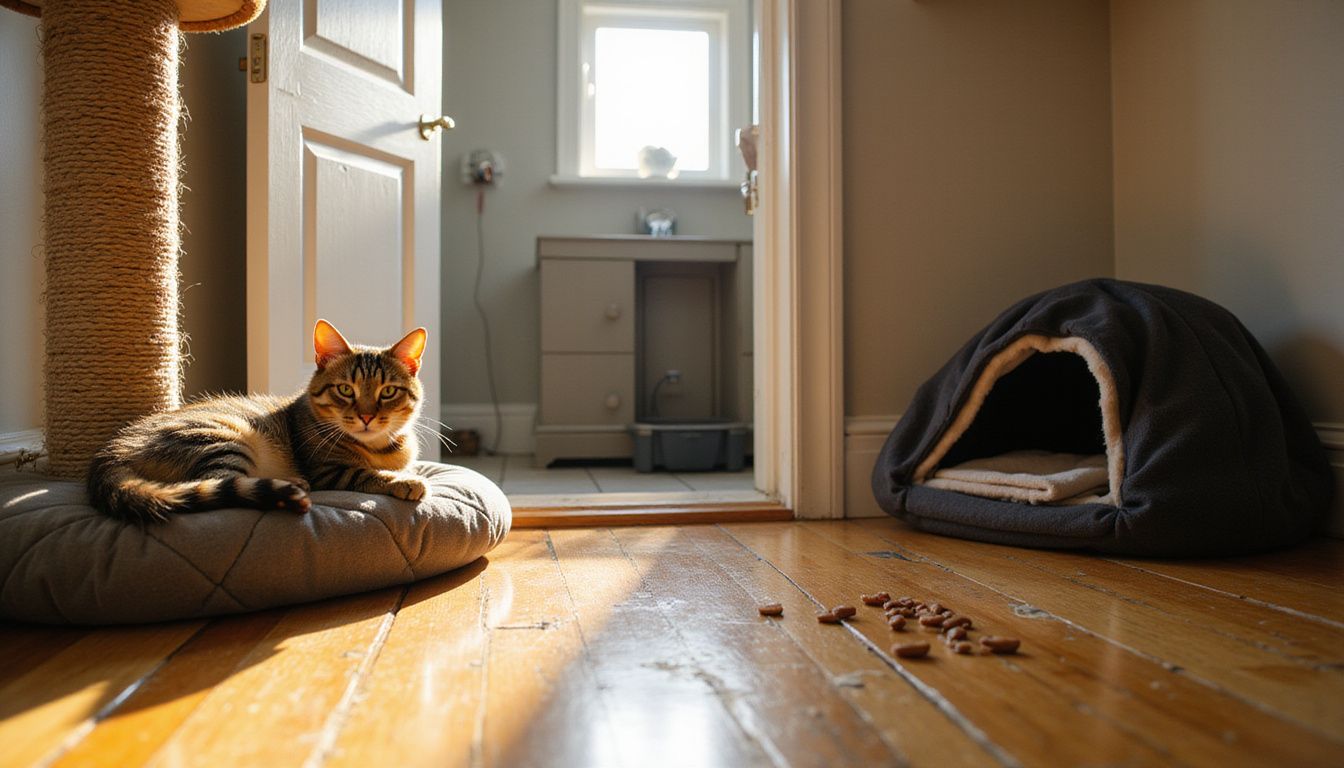
Your cat needs a space that feels safe, calm, and set up just for them. It takes some planning, but the payoff is a relaxed, happy pet.
- Remove toxic plants, medications, and household chemicals from areas your cat can reach, keeping dangerous items locked away or up high.
- Set up window perches so your cat can watch birds and outdoor activity. Feline behavior expert Jackson Galaxy calls this kind of environmental design “Catification,” and using vertical space with shelves plus a good window view is one of the best ways to prevent separation anxiety.
- Place scratching posts around your home to satisfy natural urges and save your furniture.
- Stock interactive toys and puzzle feeders to keep your cat’s mind busy and prevent boredom.
- Leave scented items like blankets or worn clothing around for familiar comfort.
- Secure windows and doors to prevent escapes or accidents while you’re away.
Designate a quiet, cozy spot where your cat can rest undisturbed. Applying calming products such as Feliway Multicat or Purina Pro Plan Calming Care a few weeks before you travel can also help reduce stress.
Keeping routines consistent and avoiding sudden changes right before you leave goes a long way too. And don’t forget the litter box: position it away from food and water bowls in a private spot, and clean it thoroughly before you go.
Understanding your cat’s personality and needs helps you decide whether a pet sitter or a cattery makes more sense for longer trips.
What are good alternatives for long absences?
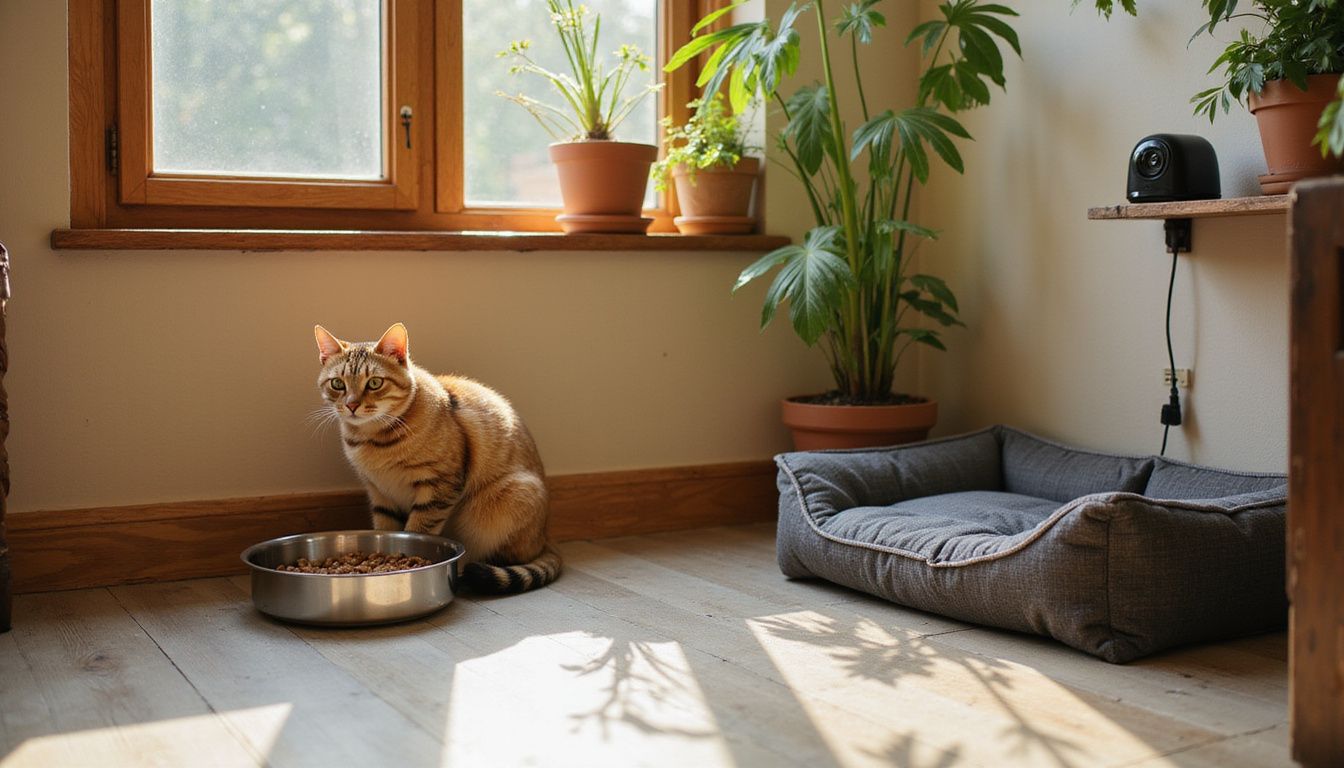
You can’t always be home, and that’s perfectly okay. Your cat has options that keep them happy, fed, and safe while you’re away.
When should you consider hiring a pet sitter?
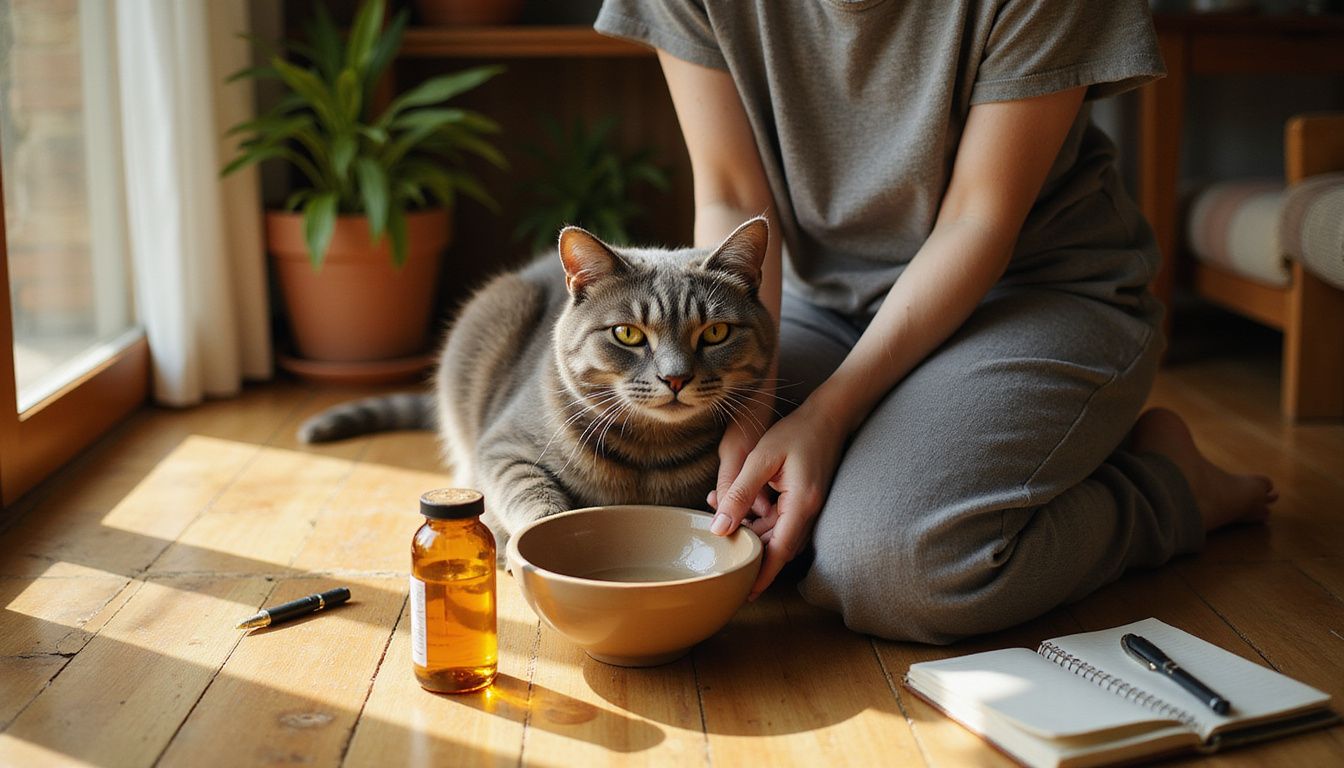
Hiring a pet sitter becomes essential the moment your absence stretches past 24 hours. Your cat needs someone to visit at least once daily, providing fresh food, clean water, and litter box care.
Kittens need extra attention because their young bodies require frequent meals and monitoring. Senior cats benefit greatly from daily check-ins too, since older felines often develop health issues that need watching.
- Cats with medical needs require a sitter who can give medication on schedule.
- Sitters catch early signs of illness before problems become serious.
- Daily companionship reduces loneliness, boredom, and destructive behavior.
Your pet sitter becomes your eyes and ears while you’re away. Give them detailed instructions covering feeding schedules, medication times, emergency contacts, and your cat’s quirks and preferences.
A good sitter watches your cat’s behavior and health, reporting back any concerns. Cats Protection, a well-known cats protection organization, points out that regular human interaction prevents stress and anxiety in your feline friend.
Now that you know the value of a sitter, let’s look at the automated tools that can back them up.
How do automated feeders and water dispensers help?
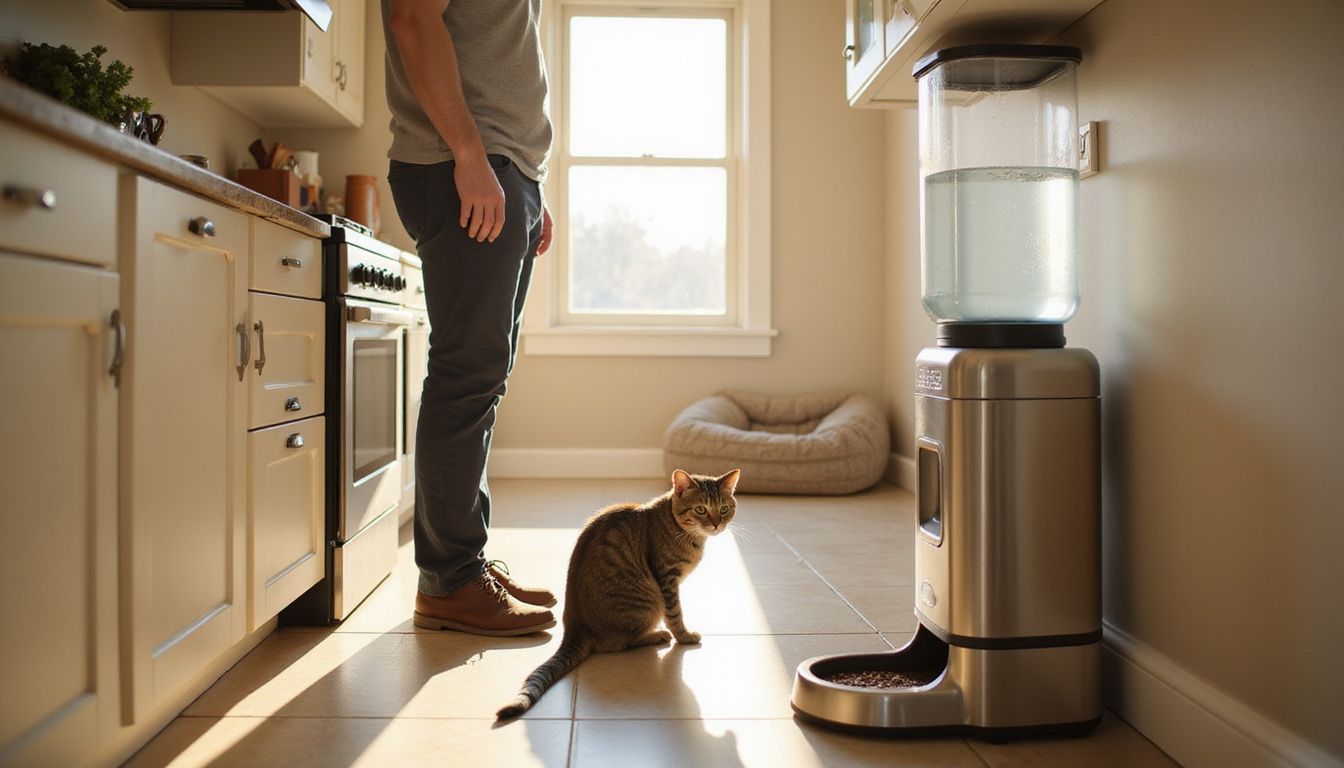
Automated feeders and water dispensers keep your cat’s routine steady, even when you’re away from home. These devices work hard to support your cat’s health during short-term absences of 8 to 24 hours.
- Feeders maintain consistent meal schedules, which adult cats need to stay calm and healthy.
- Water dispensers provide fresh water throughout the day, cutting the risk of your cat running dry.
- Together, these systems help lower stress in your cat’s daily routine.
- Test devices several days ahead of your actual absence to make sure they work.
- Automated systems help with portion control, preventing overeating or hunger between visits.
But here’s the catch. These tools are not replacements for daily human supervision or health checks, so combine them with real care whenever possible.
A controlled home simulation tested whether a midrange automated feeder and water dispenser could keep an adult cat fed and hydrated over a 36-hour absence with no human visits at all. Across a 10-home trial, feeders correctly dispensed scheduled portions on time in 9 of 10 runs.
One unit jammed at hour 22, leaving a 12-hour gap in feeding. Water dispensers, on the other hand, kept flowing for the full 36 hours in all 10 homes when filled to the recommended level.
In short, automated feeders handled short trips reliably, but one mechanical failure created a long gap. That’s exactly why redundancy matters, and why devices work best when paired with sitter visits for any trip longer than 24 hours.
What should you know about pet boarding options?
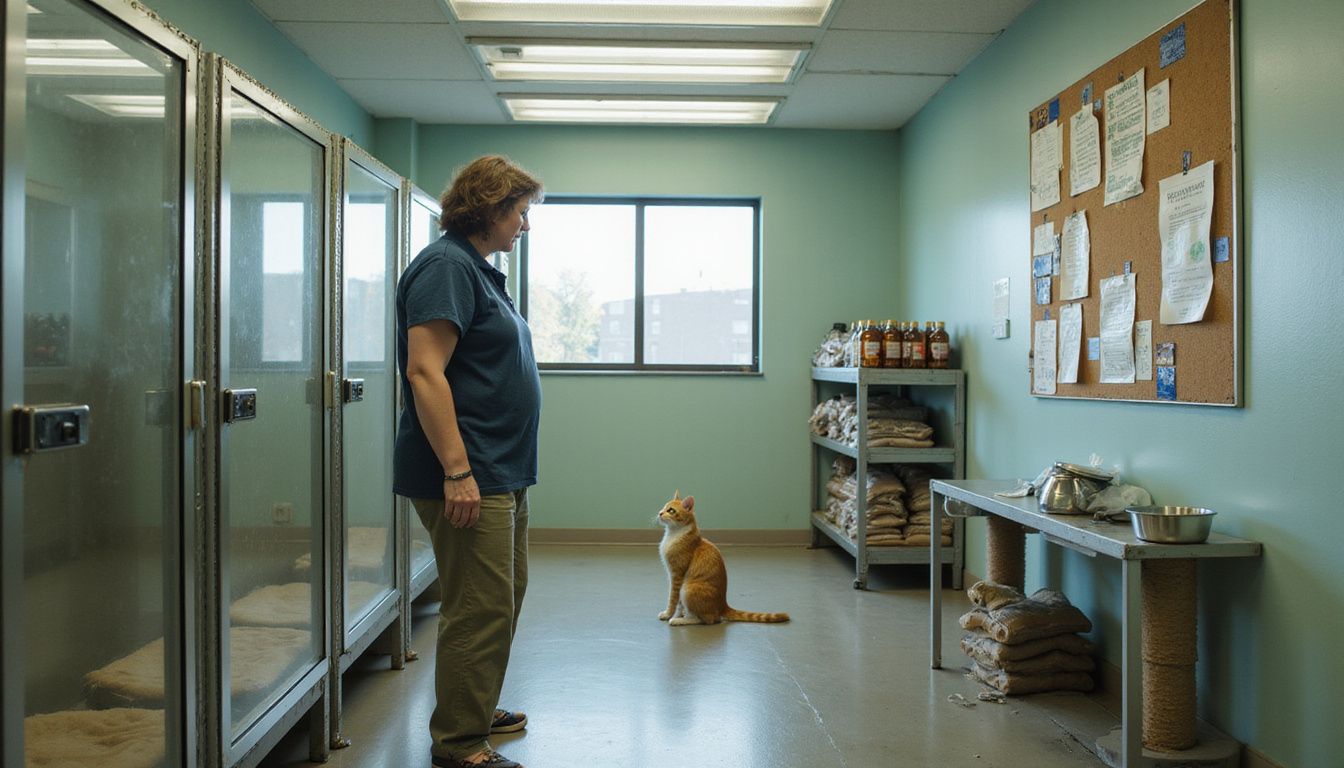
For longer trips or vacations, pet boarding facilities offer a solid backup plan when pet sitters aren’t available. These facilities provide daily supervision, feeding, and litter maintenance, so your cat stays cared for around the clock.
Staff members handle medications and follow the specific care instructions you provide. Most boarding centers require up-to-date vaccinations and health records before your cat arrives, which protects every animal staying there.
Here’s a detail that trips a lot of owners up. According to standard US pet boarding policies, the FVRCP (feline distemper) and rabies vaccines need to be given at least 10 to 14 days before check-in so your cat builds full immunity in time.
That means getting a vaccine the day before your trip won’t cut it. Plan your cat’s vet visit at least two weeks ahead of any boarding stay to avoid getting turned away at the door.
| Care Option | Best For | Key Requirement |
|---|---|---|
| Pet sitter | Absences over 24 hours, home comfort | Detailed care instructions |
| Automated feeder | Short trips under 24 hours | Tested and backed up with visits |
| Pet boarding/cattery | Extended vacations | Vaccines 10 to 14 days prior |
Visit the facility beforehand and check for cleanliness, safety, and staff know-how. Ask how they handle cats with anxiety or special needs, since some facilities offer more social interaction than others.
Boarding may not suit cats with high anxiety or complex health conditions, so weigh your cat’s personality before booking. Advanced booking is often required too, especially around holidays when spots fill up fast.
Tour the space, watch how staff interact with the cats, and confirm they keep separate areas for different animals. Talk to other pet owners about their experience with the boarding center in your area, whether that’s in Fort Worth or somewhere closer to home, and make sure they’ll call you if any health issues come up during your cat’s stay.
Conclusion
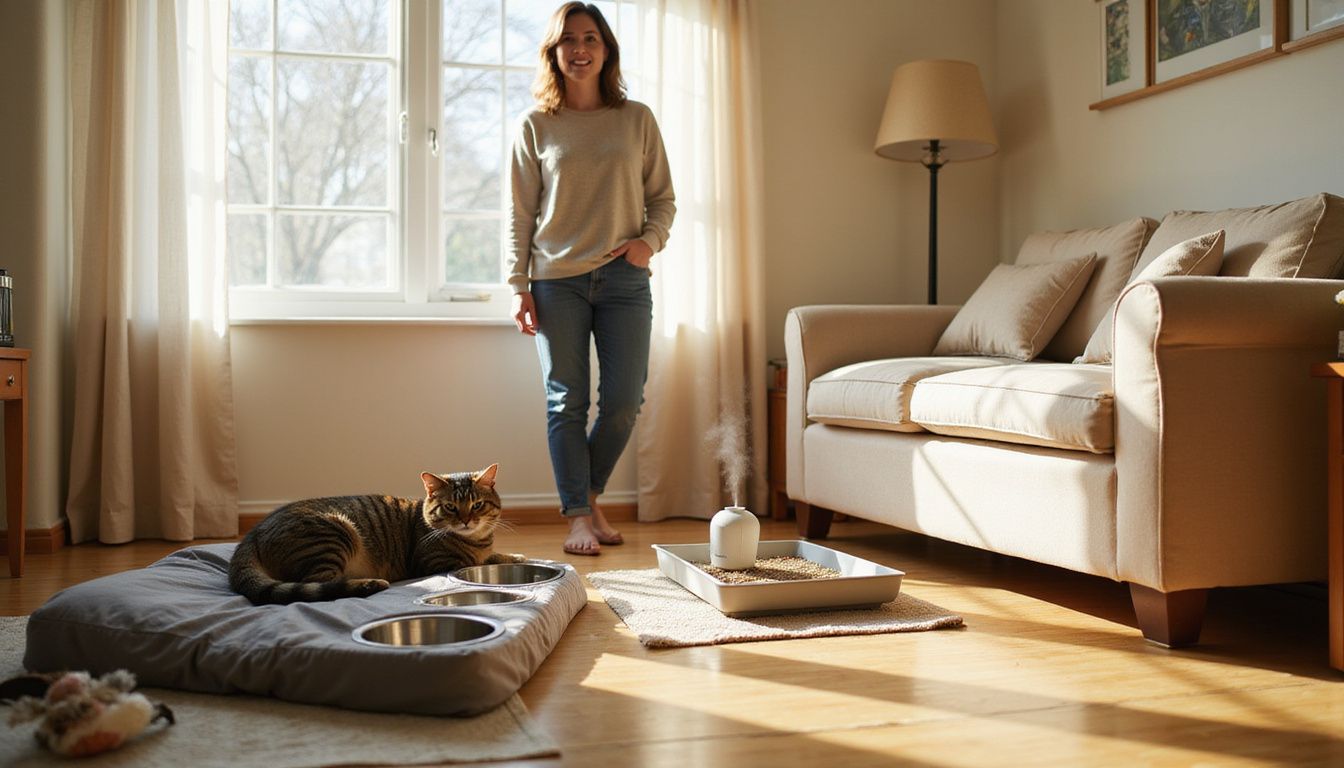
You now know that healthy adult cats do fine when you leave a cat alone for 8 to 12 hours, while kittens need check-ins every couple hours depending on their age. Preparing your cat’s space with fresh water, a clean litter box, and calming products like Feliway Multicat makes solo time manageable and stress-free.
Hiring a pet sitter for trips longer than 24 hours protects your cat from illness, boredom, and situations that can spiral fast. Your cat’s age, health, and personality shape what works best, so paying attention to these details keeps your pet safe and content.
Start putting these guidelines into practice today. You’ll build a routine that lets your cat relax while you’re away, knowing you’ve given them everything they need to feel secure and happy.
FAQs
1. How long can you leave a cat alone?
Most healthy adult cats handle eight to ten hours alone just fine, as long as they have fresh water, food, and a clean litter box. Kittens under four months need check-ins every four to five hours since they eat more frequently and crave interaction. According to PetMD, the essentials matter more than constant company for adult cats.
2. Does neutering change how long a cat can stay alone?
Neutering typically calms cats and reduces stress-related behaviors like roaming and spraying, which Team Cat Mojo confirms makes them more comfortable when alone. No cat should go days without a check-in, neutered or not.
3. What tools help keep a cat calm while home alone?
Feliway Multicat diffusers release calming pheromones that reduce anxiety in homes with multiple cats. A Scratchify post gives your cat an outlet for natural scratching behavior and stress relief.
4. Is National Kitten Day a good time to think about cat care?
National Kitten Day in July is a perfect reminder to review your cat’s daily routine and make sure they get enough enrichment, even when you’re away.