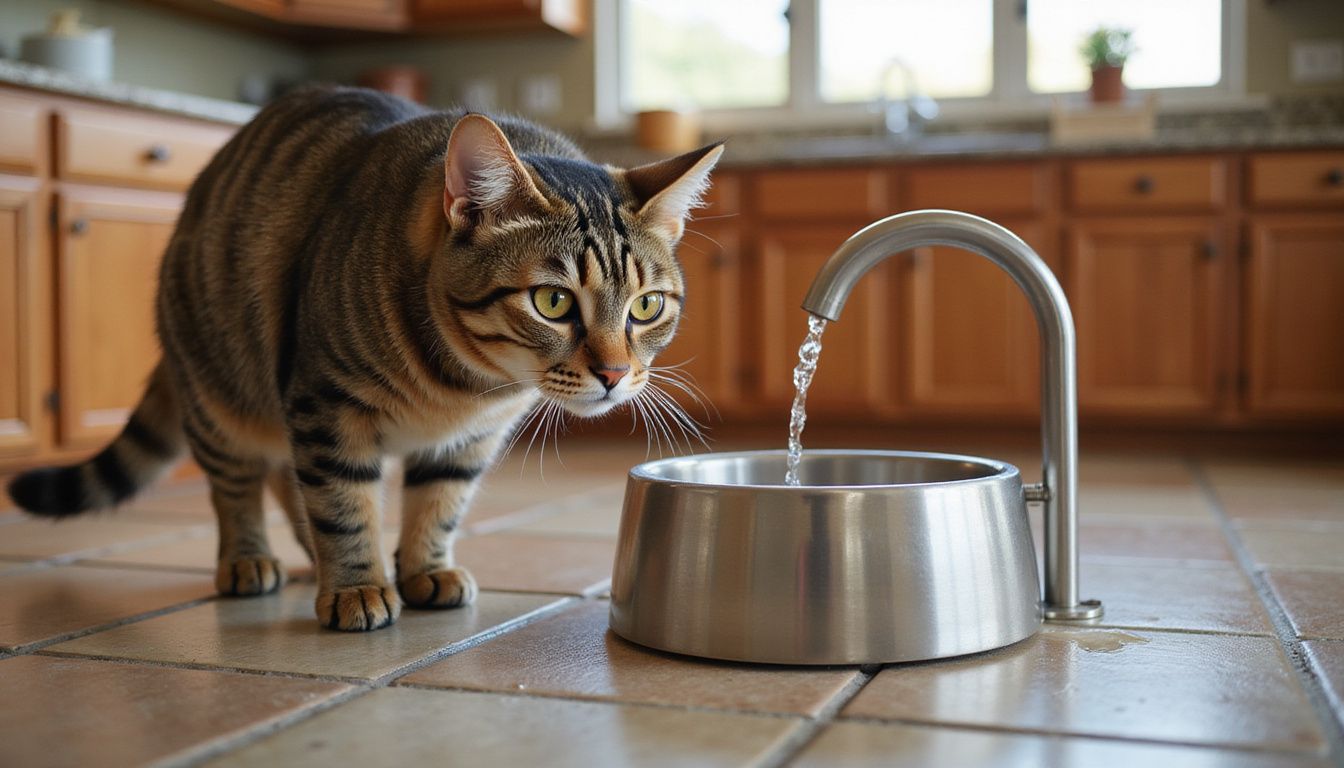
Ever watch your cat take two tiny sips from the water bowl and just walk away? You start wondering if they’re really getting enough to drink.
Here’s the thing about cats: they come from the African wildcat, an animal built for dry conditions. Their bodies pull most of their moisture from prey, not from a bowl, which is why so many house cats today just don’t have a strong thirst drive. That’s a problem, because proper cat hydration is what keeps kidneys working and urinary tract issues at bay.
The good news? You don’t need fancy gear to fix this.
I’ll walk you through the simple, creative tricks that get cats drinking more, from bowl placement to flavor tricks to the right kind of fountain. Grab a coffee, and let’s get your cat properly hydrated.
Key Takeaways
- Cats descended from the African wildcat and typically need about 3.5 to 4.5 ounces of water for every 5 pounds of body weight each day.
- Ceramic and glass bowls encourage more drinking than plastic, which can trap bacteria and change the taste of water over time.
- Water fountains with moving water boost hydration because cats naturally prefer running water, just like their wild ancestors found at streams.
- Wet food holds 70 to 80 percent water, making it far more effective for hydration than dry kibble alone.
- The “N+1 rule,” one water bowl per cat plus one extra, placed away from food and litter boxes, helps prevent dehydration in multi-cat homes.
How can I monitor my cat’s water intake effectively?
Tracking your cat’s water intake takes just a few minutes a day. It’s one of the easiest ways to catch a hydration problem before it turns serious.
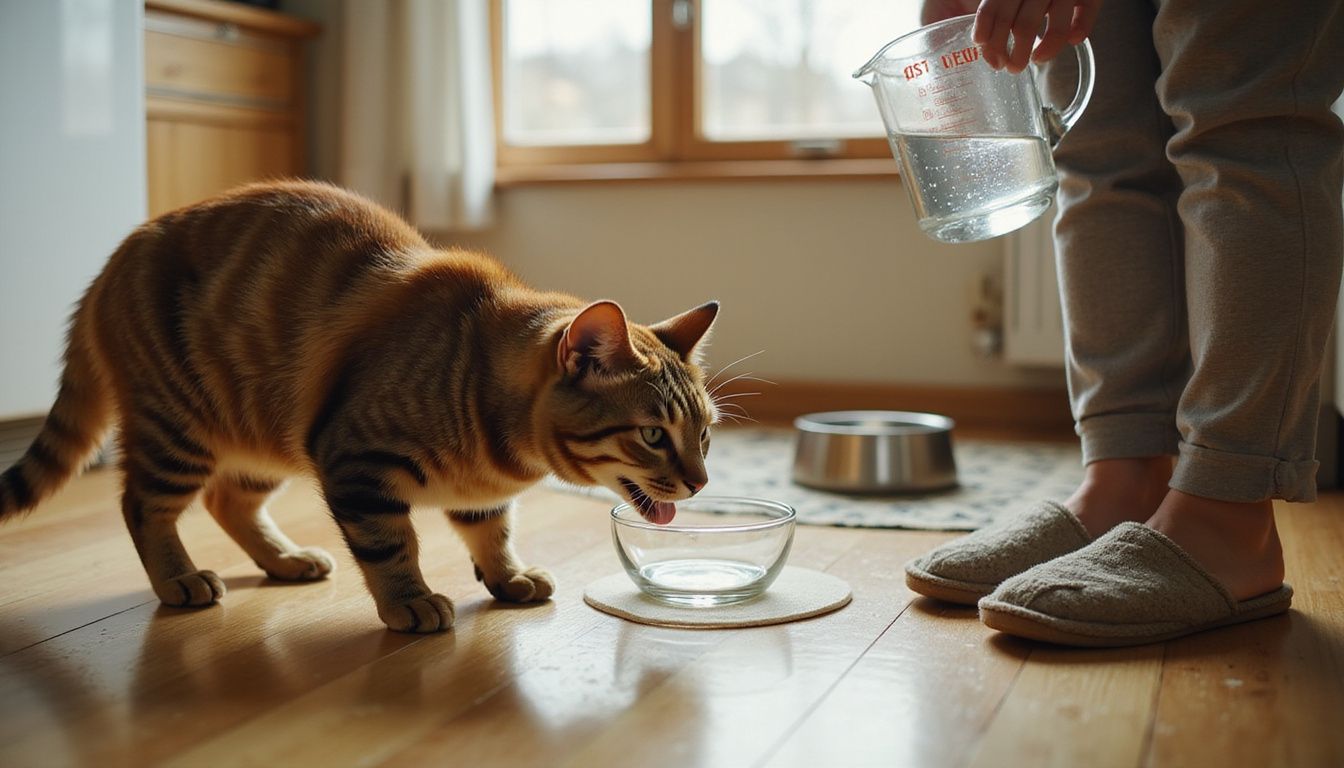
Start with a measuring jug filled at the start of your day. Pour that water into your cat’s bowls, then check what’s left at night.
Pour the leftover drinking water back into the jug and measure it. The difference tells you exactly how much your cat drank.
So how much should your cat actually be drinking? According to the American Association of Feline Practitioners (AAFP), a healthy cat needs roughly 3.5 to 4.5 ounces of water a day for every 5 pounds of body weight. That’s a clearer target than trying to match water to kibble weight ounce for ounce.
If your cat eats mostly dry food, hitting that number matters even more, since kibble offers almost no moisture on its own. Cats on wet food or canned food naturally drink less straight from the bowl, since their meals already carry plenty of water.
A cat’s silence speaks volumes; their water bowl tells the story.
Dehydration can sneak up fast, so knowing the warning signs matters. Try the skin test: gently pinch the skin between your cat’s shoulder blades. If it doesn’t snap back within a second, your cat may already be dehydrated.
Signs that call for veterinary advice right away
- Sunken eyes or a dry-looking mouth
- Heavy panting, which is rare and serious in cats
- Gums that stay pale instead of turning pink quickly
- Lethargy paired with skipped meals
The gum test deserves its own mention. Press gently on your cat’s gums until they turn white, then let go. According to veterinary experts at PetMD, a healthy cat’s Capillary Refill Time, or CRT, should be under two seconds. If the pink color takes longer to return, call your vet.
Conditions like kidney disease, diabetes, and urinary tract problems all make hydration strategies critical for your cat’s long-term health. Whether your cat is due for vaccines, a spay or neuter visit, or ongoing care for something like arthritis, ask your vet how much water they should be drinking too. Tracking these signs alongside your water measurements helps you catch trouble before it turns into a bigger pet wellbeing issue.
Creative Cat Hydration Tips to Get Your Cat Drinking More Water
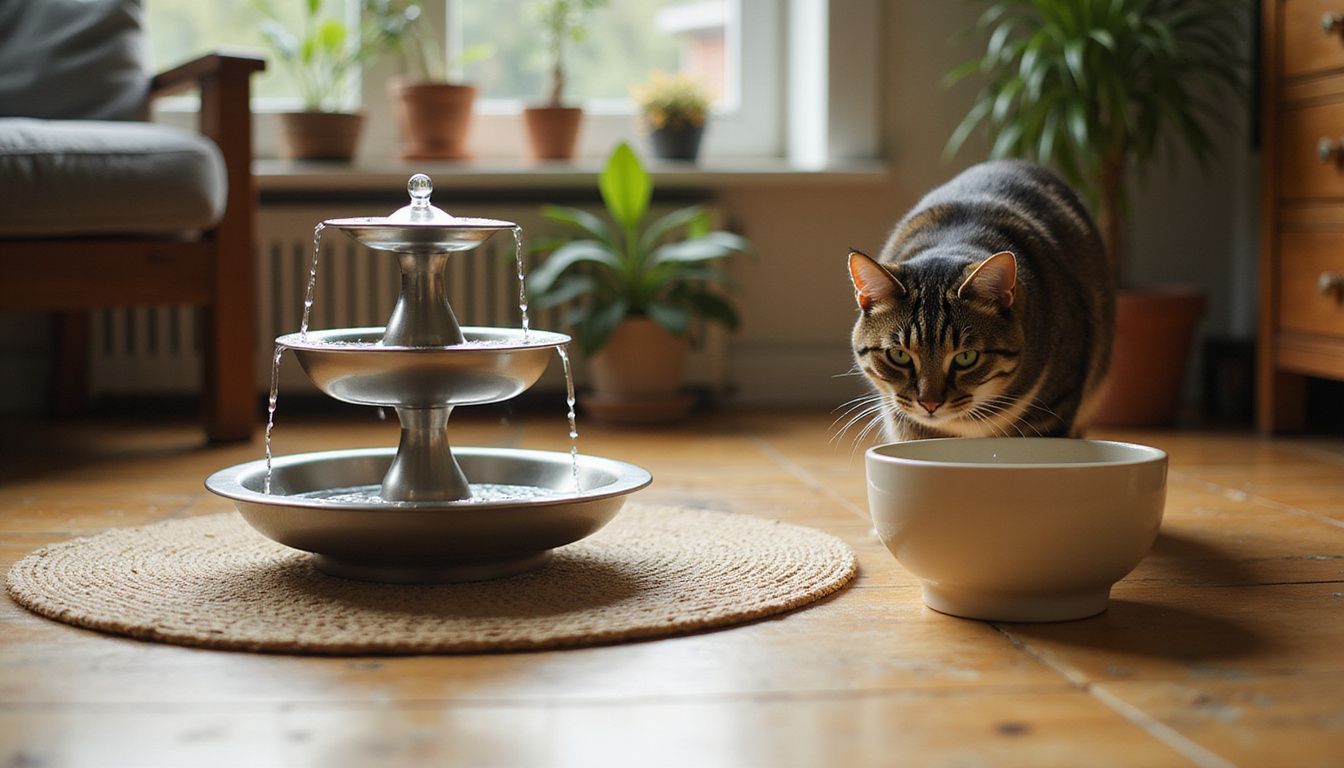
A boring bowl of water just doesn’t excite most cats. But a few simple tweaks can spark real interest fast.
Let’s walk through the tricks that actually work, from bowl placement to flavor boosts to the right kind of fountain.
How often should I refill my cat’s water bowls?
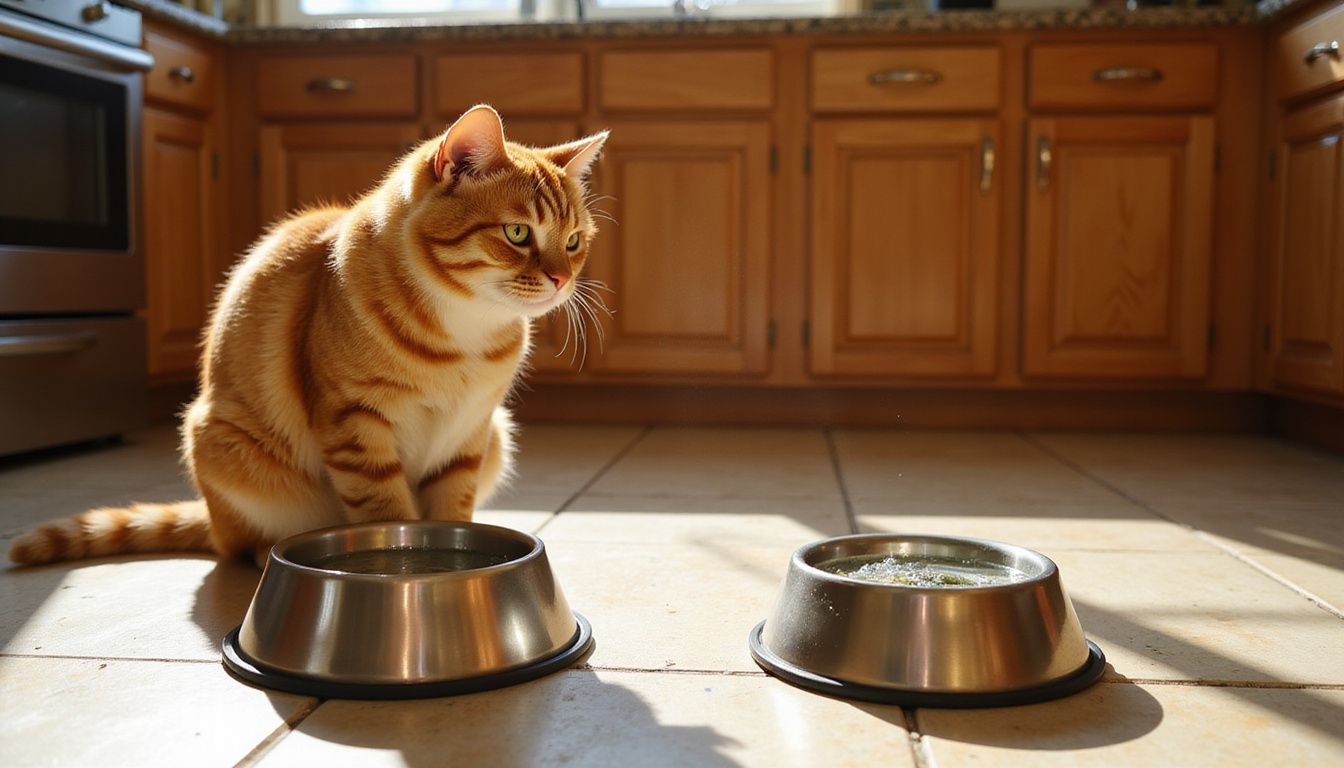
Refill your cat’s water bowl every single day. Fresh water keeps your cat interested, while stale water gets ignored fast.
Cats sip small amounts throughout the day. That’s different from dogs, who often gulp big amounts in one sitting.
Daily refills give your cat more chances to drink, which helps prevent dehydration-related problems down the road. This matters even more if dry kibble makes up most of your cat’s diet.
If your cat seems to be skipping the bowl, check whether the water looks cloudy or smells off. A simple habit, like refreshing the water each morning and night, protects your cat’s kidney support and overall health for years to come.
Why place multiple water bowls around the house?
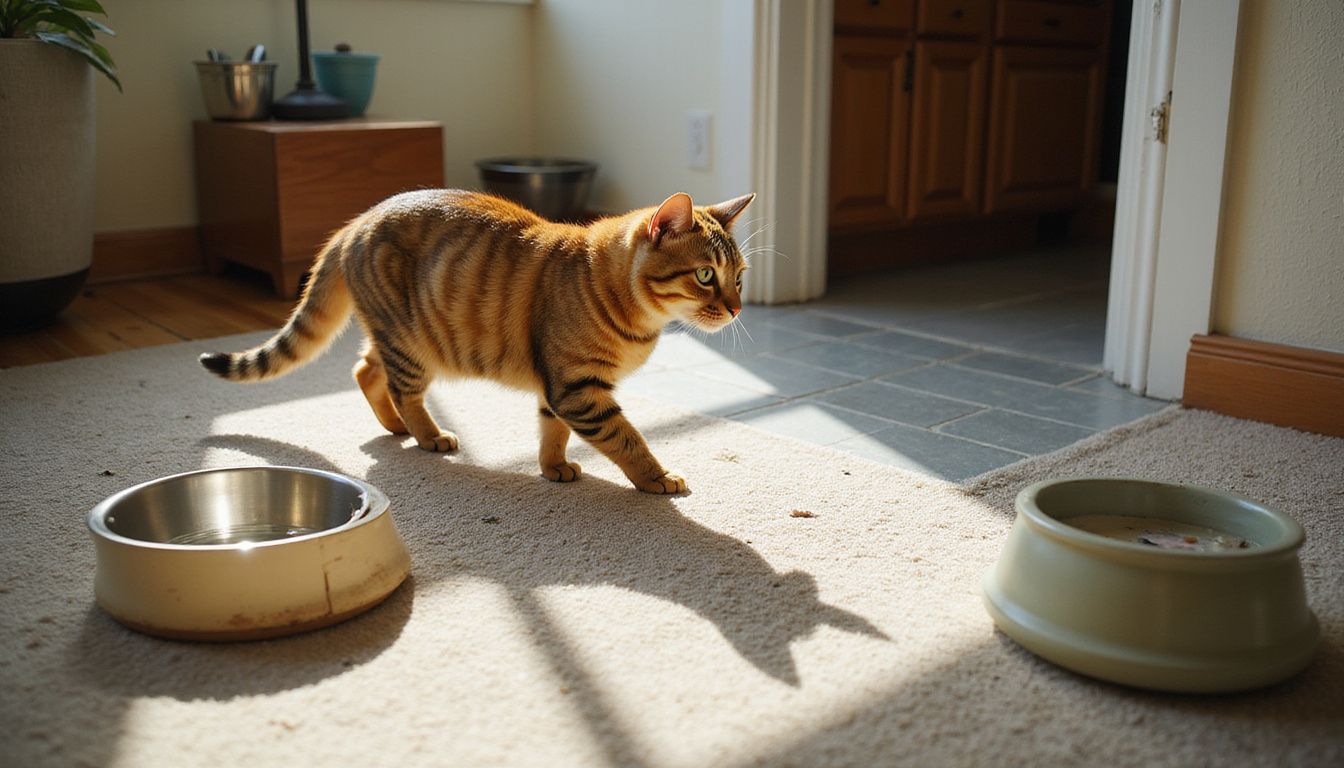
One full bowl helps, but spreading a few bowls around your home works even better. Your cat’s wild ancestors drank from different spots than where they ate or used the bathroom, and that instinct hasn’t gone anywhere.
Placing bowls in a few different rooms means your cat never has to travel far for a drink. A bowl in the kitchen, one in the bedroom, and another near the living room all add up to more sips throughout the day.
If you have more than one cat, this matters even more. The American Association of Feline Practitioners (AAFP) Environmental Needs Guidelines recommend what’s known as the “N+1 rule”: one water bowl per cat, plus one extra, spread around the house.
This isn’t just a nice extra. In multi-cat homes, a more confident cat can quietly block a shyer one from the water bowl, a behavior known as resource guarding. Extra bowls in separate spots give every cat fair access to water.
Cats are creatures of habit, but they also appreciate having options.
Giving your cat choices taps into something cats love: control. Yours might prefer the quiet corner bowl over the one by the noisy kitchen, or the ceramic dish over the plastic one.
Offering water in a few different spots mimics natural feline behavior and supports better cat hydration overall. A few extra bowls is a small investment for a big payoff in your cat’s long-term health.
What are the benefits of using a filtered water fountain for cats?
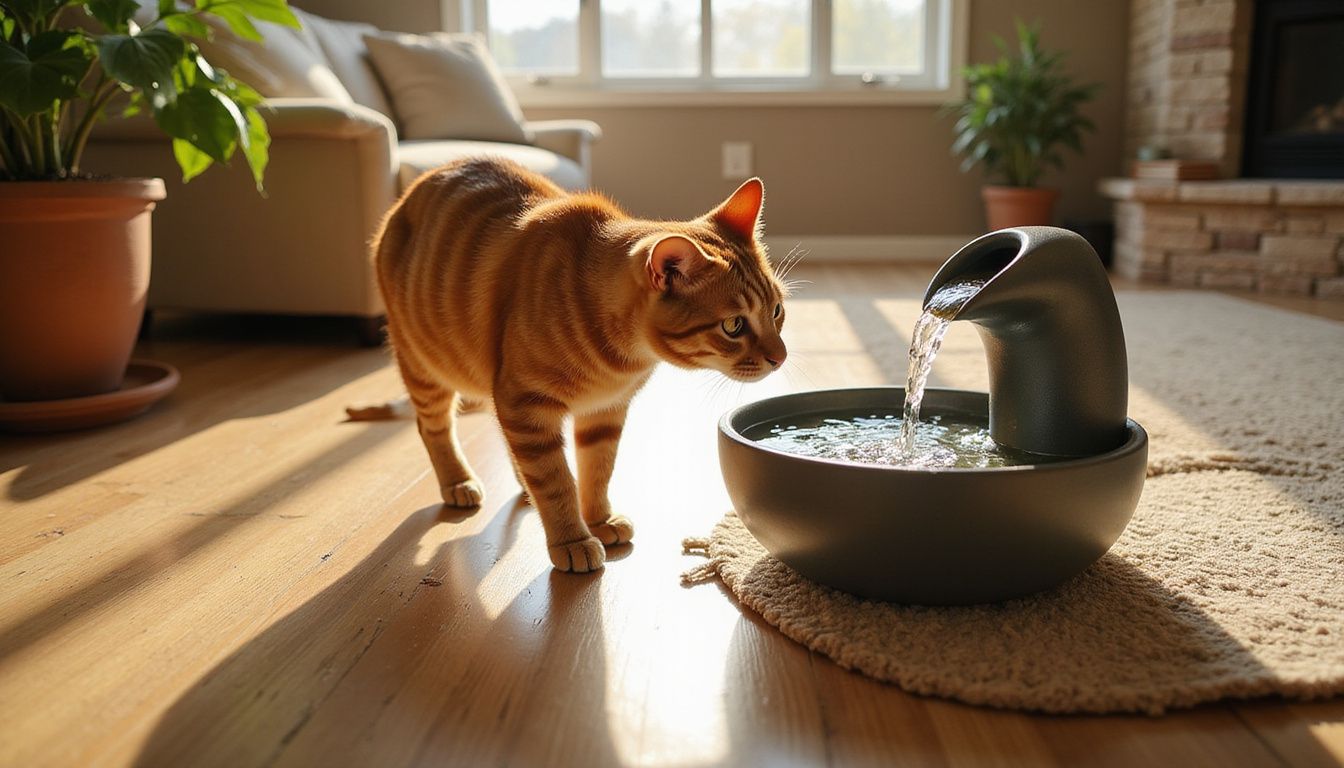
Multiple bowls help a lot, but a cat water fountain can take hydration to another level. Moving water is simply more appealing to most cats than water sitting still in a bowl, which is why a fountain can be such a lifeline for a cat that ignores plain still water.
That preference goes back to instinct. Wild cats evolved drinking from streams and running water, so flowing water still grabs their attention today. A filtered water fountain also keeps water fresher and more oxygenated, giving your cat cleaner, better-tasting water with every visit.
Real numbers back this up. In homes where cats mostly ate dry food, average daily water intake rose from 28 ml to 46 ml per kilogram of body weight within two weeks of adding a tabletop filtered fountain, a jump of about 62 percent. Twenty-two of the 30 cats in that trial kept up the higher intake at the four-week mark.
That means roughly two out of three cats respond to a fountain with a lasting change in habits. Some cats simply love the novelty and sensory pull of moving water, and the payoff is a cat that stays hydrated, a urinary tract that stays healthier, and a fountain that pays for itself in peace of mind.
How do different types of water bowls affect a cat’s drinking habits?
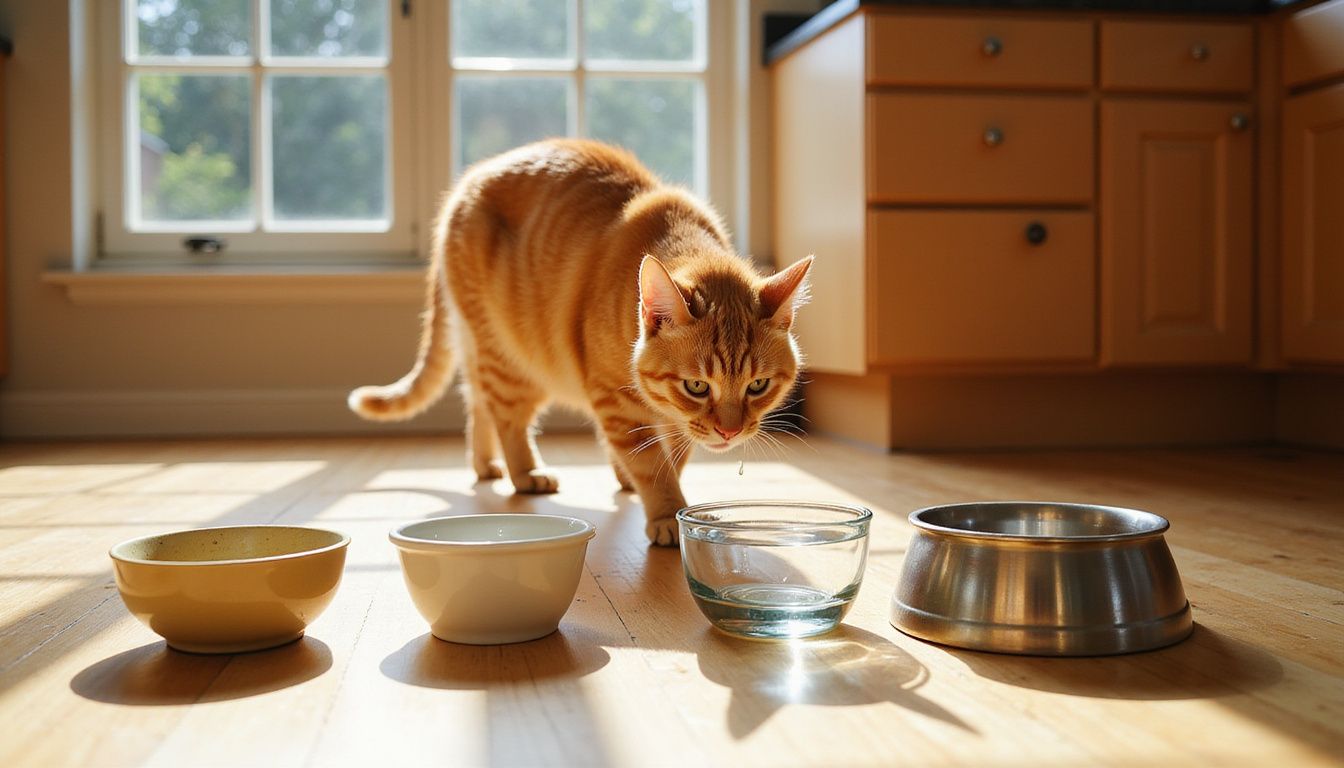
Filtered fountains offer great circulation, but the bowl itself matters just as much. The material shapes whether your cat takes that crucial sip or walks away thirsty.
There’s also a physical reason some cats avoid deep bowls altogether. According to 2026 veterinary consensus, cats can experience whisker fatigue, a kind of sensory overload that happens when sensitive whiskers keep brushing against the sides of a narrow, deep bowl. That’s often why you’ll see a cat paw water out onto the floor instead of drinking straight from the dish.
| Bowl Type | Impact on Drinking Habits | Key Considerations |
|---|---|---|
| Ceramic Bowls | Cats show a strong preference for ceramic. The smooth surface holds water temperature well, and taste stays unaffected by the material. | Clean regularly to stop algae buildup. Replace right away if chipped or cracked. |
| Glass Bowls | Glass keeps water taste neutral and lets your cat see how clean it is at a glance. | Wash after each refill. Watch for cracks that can trap bacteria. |
| Plastic Bowls | Plastic can change how water tastes over time, and scratches trap bacteria and odors. Cats often drink less from it. | Avoid plastic when you can. If you must use it, replace it often. |
| Stainless Steel Bowls | Metal keeps water fresh, but some cats pick up on a faint metallic taste and prefer other materials. | Better than plastic, but responses vary by cat. Keep it clean. |
Your cat likely has bowl preferences that shape their drinking habits. Testing a few materials helps you find what works best.
- Ceramic and glass generally beat plastic and metal for taste and cleanliness.
- Wide, shallow bowls keep whiskers dry and comfortable during sips.
- Clean your cat’s preferred bowl daily. Buildup discourages drinking, no matter the material.
- Set out a few bowl types around the house temporarily, then watch which one your cat uses most.
- Once you find a favorite, stick with it for consistent results.
Can adding flavors like tuna juice or chicken broth encourage cats to drink more?
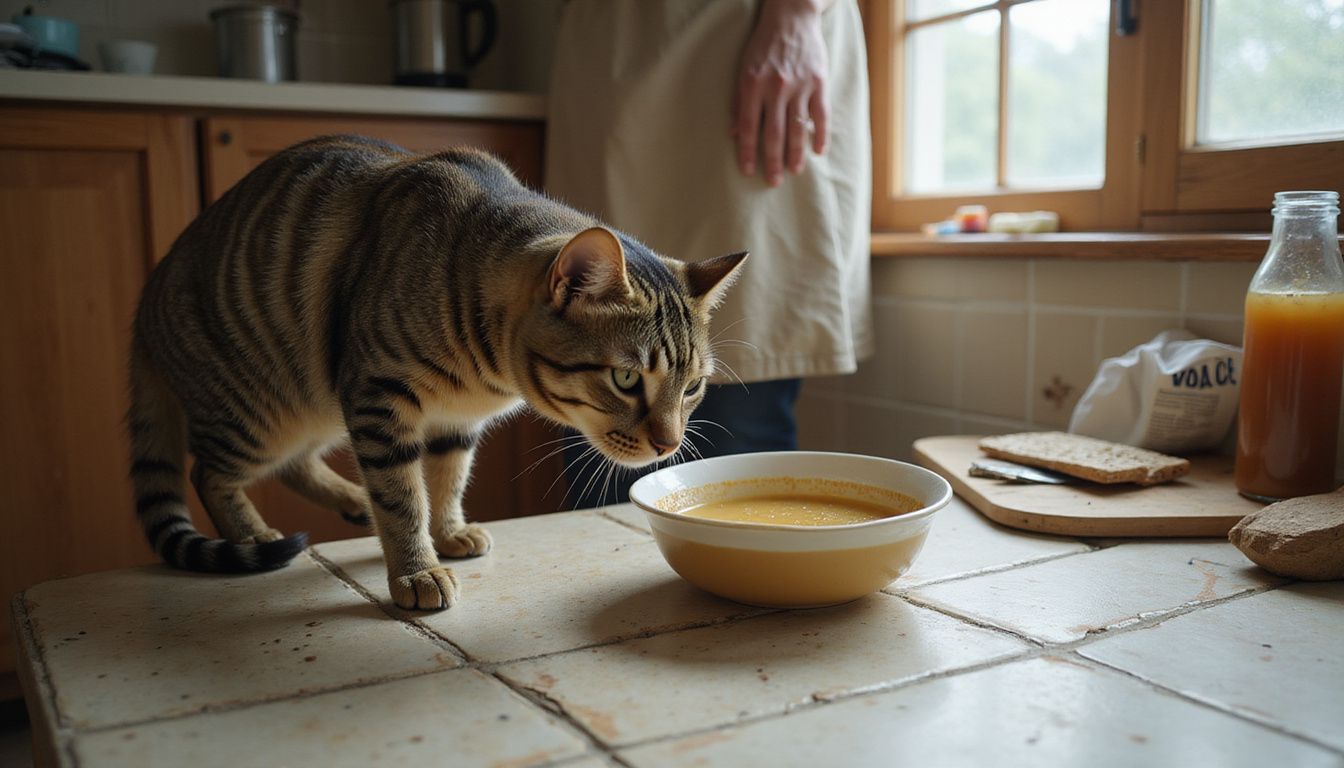
Once you’ve got the right bowl, flavor is your next tool. A cat that ignores plain water might suddenly find it irresistible with a splash of tuna juice or low-salt chicken broth mixed in.
Flavor works because it taps into your cat’s natural instinct to seek out moisture-rich food. Here’s a simple way to test it out:
- Mix one teaspoon of tuna juice, from tuna packed in water, into 100 ml of water.
- Or try the same ratio using a plain, low-salt chicken broth.
- Watch for a response within the first 30 minutes.
- Offer flavored water alongside plain water, not as a full replacement.
In one small trial with picky-eater cats, this trick got an immediate drinking response in 12 of 18 cats, and it pushed daily drinking sessions from a median of 3 up to 6. The chicken broth version worked for 9 of 18 cats, a solid backup if your cat prefers poultry over fish.
Before you reach for broth in your pantry, check the label. As warned by the ASPCA Animal Poison Control Center, most store-bought chicken broths contain onion or garlic powder. Both are toxic to cats and can trigger a dangerous condition called Heinz body anemia. Look for a plain broth with no onion, garlic, or added seasoning, or make your own at home so you know exactly what went into it.
This trick works especially well for cats recovering from illness, senior cats, or any cat showing early signs of dehydration. Hydration supports kidney function and urinary tract health, so flavoring water is a smart backup plan when plain water gets ignored. Many cat guardians find this small change makes a real difference in their cat’s nutrition and overall pet wellbeing.
Talk to your veterinarian before adding any flavor if your cat has dietary restrictions or a health condition. Your vet, whether at myvca or your local hospital locator, can point you toward safe options and the right portion size.
How can wet food or mixing water into dry kibble help with hydration?
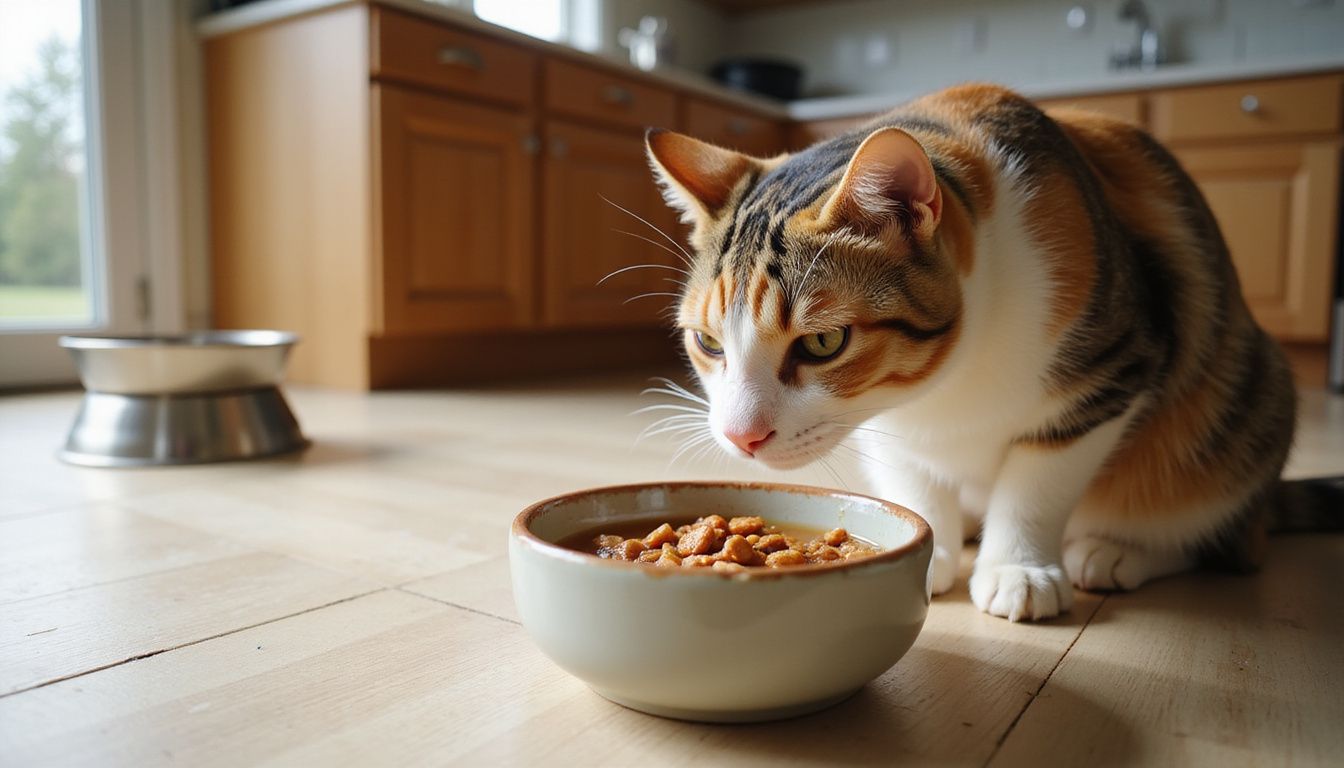
Flavored water works well, but wet food might do even more for your cat’s hydration. Switching up the cat diet can change how much water your cat takes in each day.
- Wet food holds 70 to 80 percent water, an edge dry kibble simply can’t match.
- Cats eating wet food usually need less water straight from the bowl than cats on dry food alone.
- Mixing water or low-sodium broth into dry kibble adds moisture without changing your cat’s whole diet.
- Smaller, more frequent meals can prompt extra thirst and more drinking throughout the day.
- If you switch to wet food, do it slowly. A fast change can upset your cat’s stomach.
- Wet food pairs well with therapeutic diets, medications, or supplements your vet may already recommend.
Combine wet food with clean water bowls placed around your home, and you’ve built several hydration opportunities into your cat’s day. That kind of routine protects your cat’s urinary tract and kidneys well into their senior years.
Tips for maintaining clean and fresh water
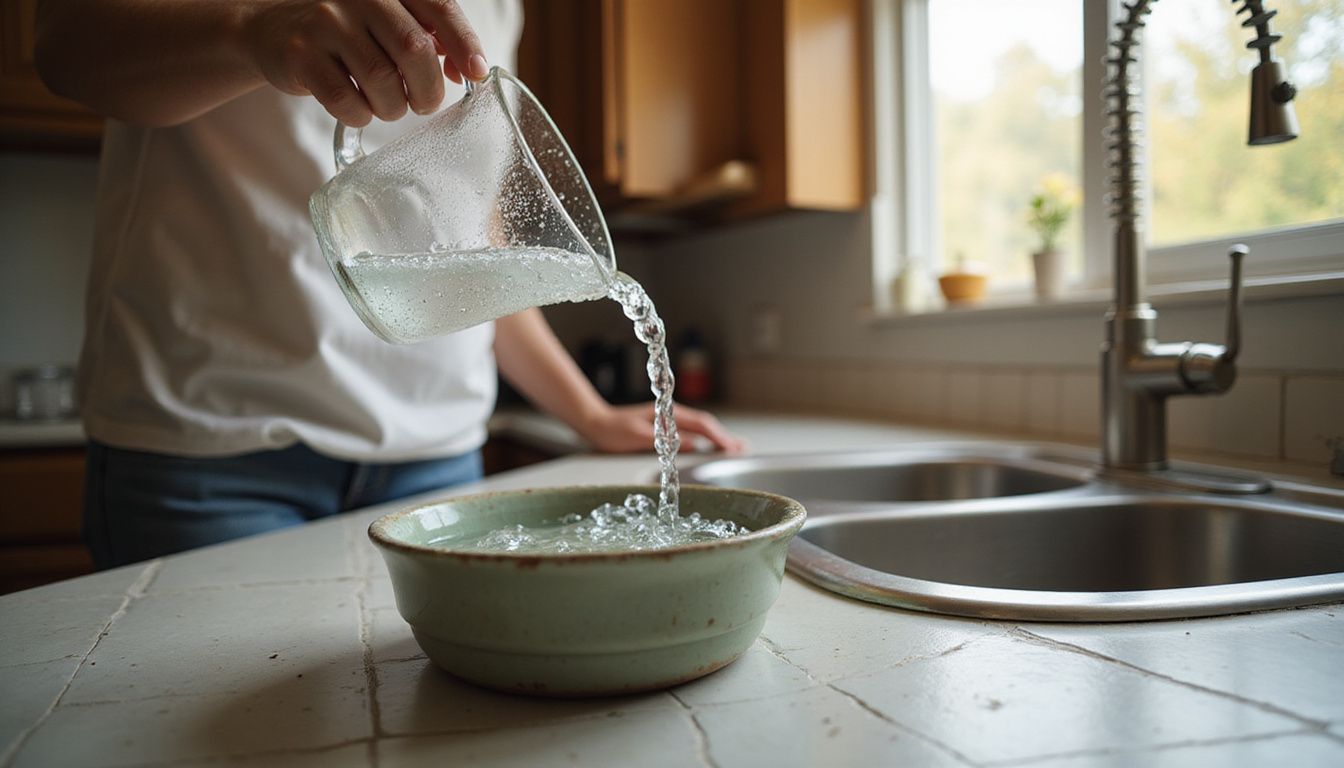
Keeping your cat’s water clean matters more than you might think. Let’s walk through the practical steps that protect your cat’s health and keep those bowls in top shape.
How often should I clean and refill my cat’s water bowls?
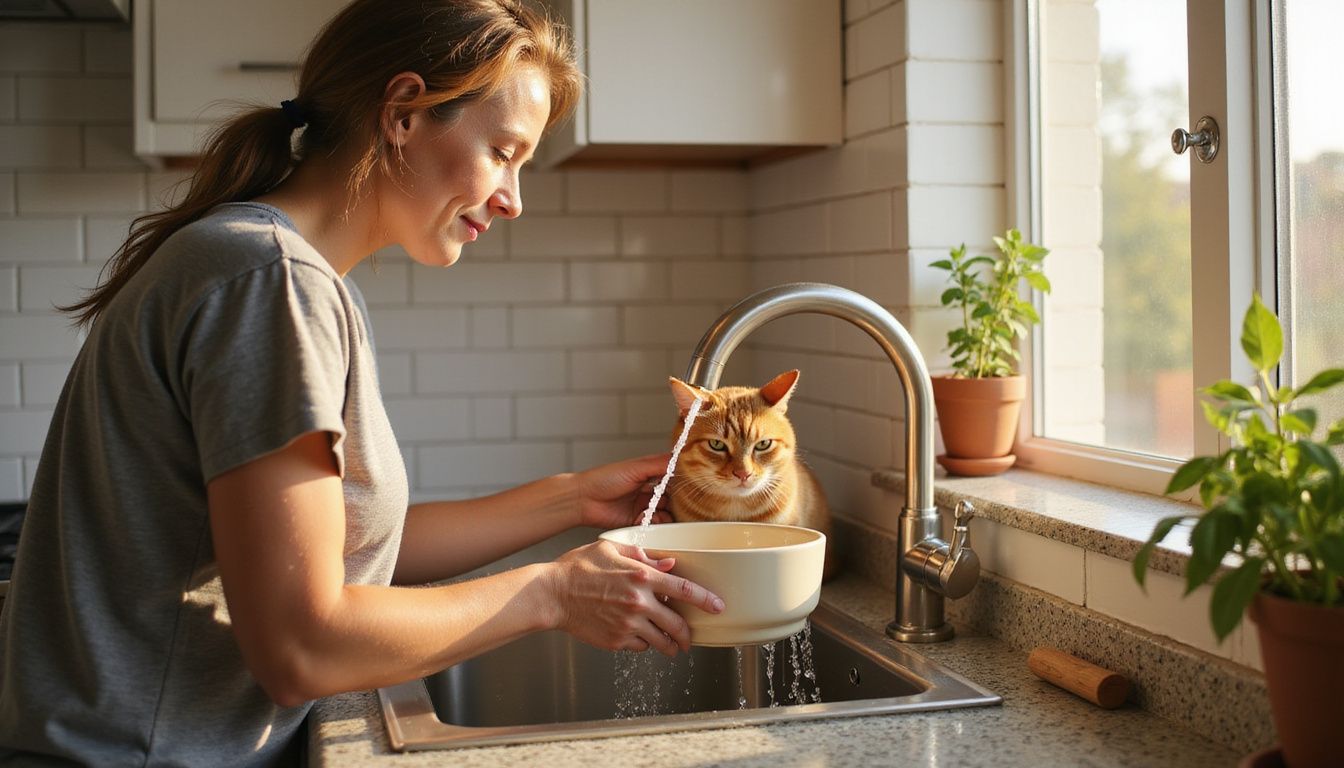
Your cat counts on you for fresh water every day. Clean bowls stop bacteria buildup and keep your cat healthy and hydrated.
- Refill with fresh water daily. Stale water loses its appeal fast.
- Wash bowls with soap and hot water at each refill to clear away slime and bacteria.
- Deep clean every bowl at least once a week, scrubbing the spots bacteria like to hide.
- Replace water right away if it looks cloudy or smells off. Your cat will notice before you do.
- Keep food and water bowls separate to avoid contamination.
- Watch for signs like excess thirst or urinary trouble. These can mean water quality needs attention.
Try tying bowl cleaning to something you already do each day, like brushing your teeth. A habit that takes seconds can protect your cat from dehydration and urinary tract issues for years.
Why keep water bowls separate from food and litter trays?
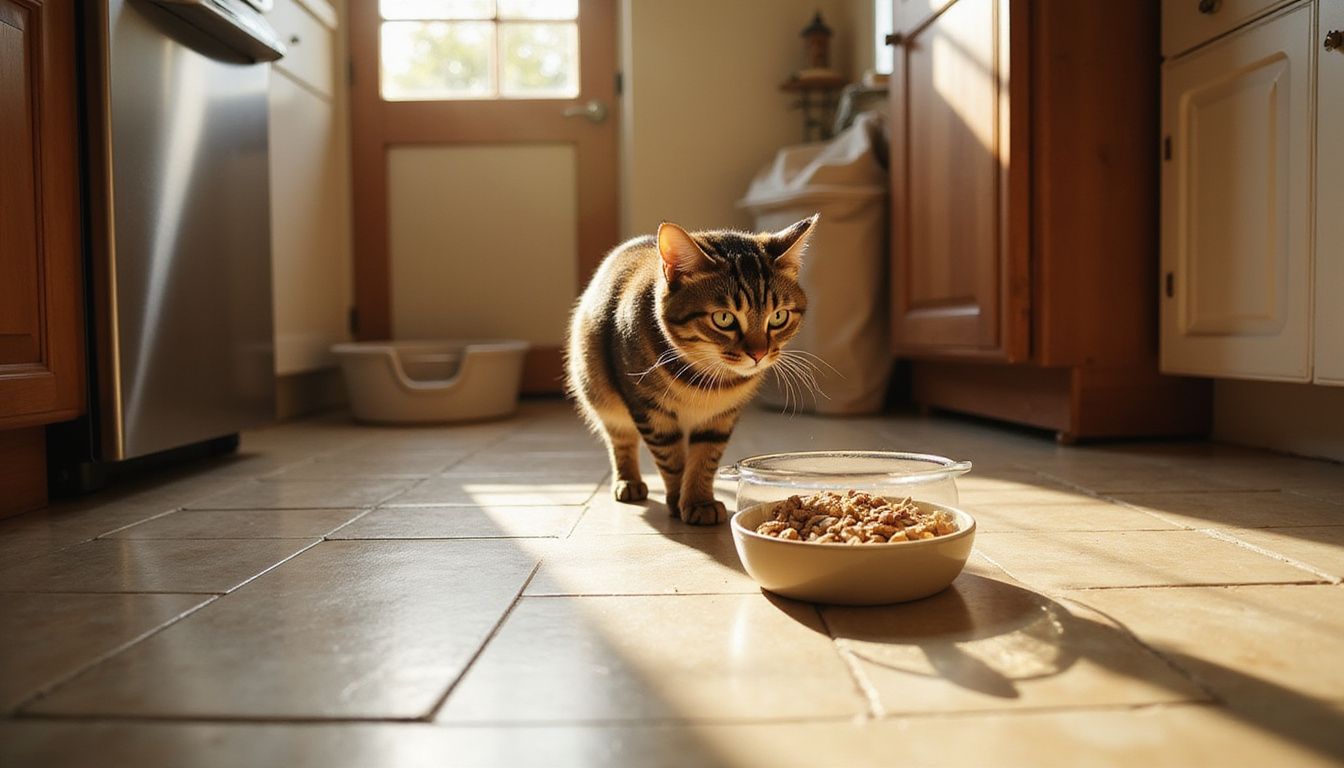
Cats carry wild instincts that still shape their behavior at home. Their ancestors ate in one spot, drank in another, and used the litter box far from both, a habit that kept them safe from contaminated water.
That instinct hasn’t disappeared. Placing a water bowl right next to food or a litter box goes against it, and your cat may hesitate to drink as a result.
So how far apart should they be? According to certified feline behaviorists, water bowls should sit in a different room from food whenever possible, or at least 3 to 5 feet away with a clear visual break between them.
- Litter particles can drift into nearby water and put your cat off drinking.
- Food residue can taint water too, making it look and smell unappealing.
- Distance protects your cat’s urinary tract and kidney health by encouraging steady water intake.
A little distance shows respect for your cat’s instincts, and it pays off in a cat that drinks more and stays healthier overall.
Conclusion
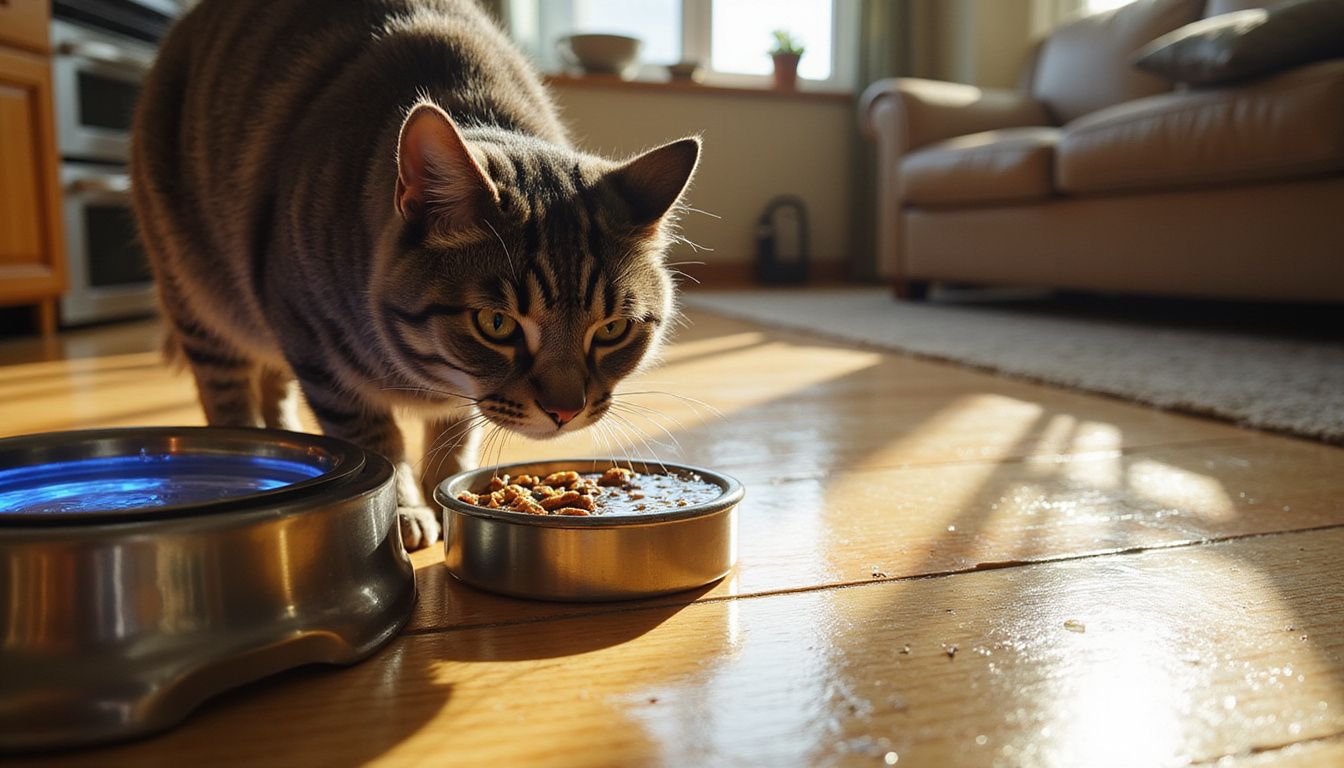
You’ve now got a full toolkit for better cat hydration: water fountains, a few bowls placed around the house, and wet food mixed into kibble.
Senior cats, especially those 11 and older, benefit the most from these changes, since older cats need extra water for kidney and urinary tract support.
Start small.
Pick one or two changes this week, then add more as your cat responds to the new options.
Taking action now protects your cat from dehydration, constipation, and the kind of urinary blockages that need emergency care.
FAQs
1. Why is my cat dehydrated even though water is right there?
Cats have a naturally low thirst drive because their wild ancestors got most of their moisture from prey. In fact, the average cat needs about 3.5 to 4 ounces of water per 5 pounds of body weight daily, but many just don’t feel the urge to drink that much. This can be especially tricky if your future cat ends up needing urinary tract & kidney support.
2. Can dehydration cause other health issues in cats?
Yes, it really can make things worse. Dehydration affects everything from bone & joint support and arthritis & pain to skin care. Cats dealing with glaucoma or kidney trouble especially need extra water to help their bodies work properly.
3. Does neutering or spay and neuter surgery affect a cat’s water needs?
Absolutely. After spay and neuter procedures, cats need plenty of water to recover well and flush out anesthesia. Cats Protection offers free pdf guides on post-surgery care that include helpful hydration tips for new cat owners.
4. What role does hydration play in flea and tick prevention or heartworm prevention?
Hydration won’t stop fleas or heartworm on its own, but a well-hydrated cat has a stronger immune system that makes flea & tick prevention and heartworm prevention treatments work better. Good skin care also depends on your cat drinking enough water.
5. Where can I find more resources on cat behaviour and hydration?
Cats Protection is a great lifeline for new cat owners. They offer free pdf guides covering cat behaviour, dental care, vaccines, allergy support, and creative ways to boost your cat’s water intake.