
Do you love cats, but your eyes water and your nose runs the second one curls up beside you?
You’re in good company.
More than 46 million U.S. homes already have a cat, and plenty of those owners still deal with sneezing, itching, and watery eyes every day.
Here’s the good news I want to share with you. Certain hypoallergenic cat breeds naturally produce less of the protein behind your symptoms, and a few smart habits at home can cut your reactions even further.
I’ll walk you through the breeds that tend to work best for allergy sufferers, plus the grooming and cleaning steps that make cat ownership realistic. Stick with me, and I’ll show you exactly what to look for.
Key Takeaways
- No cat breed is completely hypoallergenic, since all cats produce the Fel d 1 protein through fur, saliva, skin, and urine.
- Siberian, Bengal, Devon Rex, Cornish Rex, and Balinese cats make lower amounts of this allergen, so they tend to work better for allergy sufferers.
- Regular grooming, HEPA vacuuming, air purifiers, and frequent bedding washing reduce allergens and make cat ownership more manageable.
- Over 46 million American homes have a cat, yet many owners still struggle with sneezing and itching from allergic reactions.
- Spend time with a specific breed before adopting, and ask an allergy specialist about medications like antihistamines to manage symptoms.
What Does Hypoallergenic Mean for Cats?
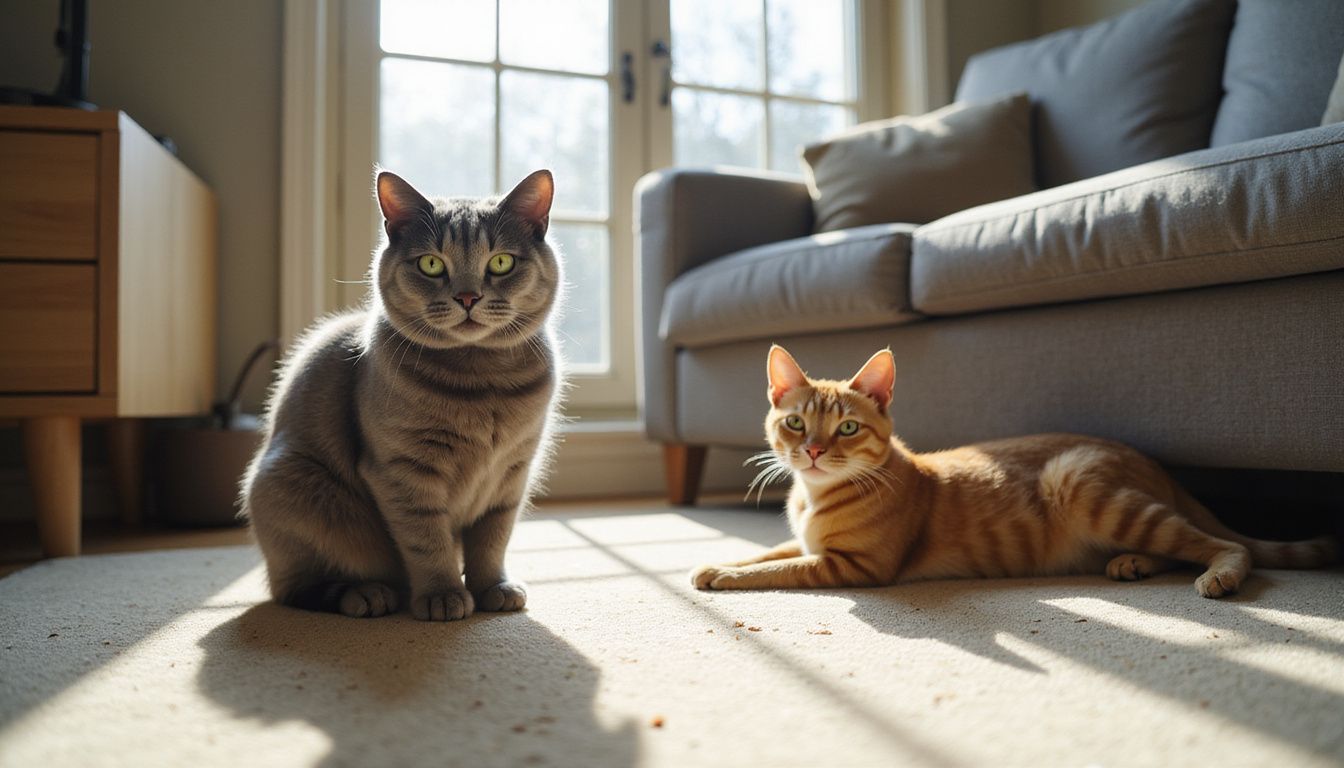
The term “hypoallergenic cat” sounds like a promise. It’s really more of a half truth.
No cat breed is completely allergen free. Every cat produces allergens in its fur, saliva, skin, and urine.
The real culprit behind most cat allergies is a protein called Fel d 1. Cats release it through their skin cells, spit, and waste. Even hairless breeds like the Sphynx still make this protein, so you can’t dodge it by picking a cat with no fur.
So what does “hypoallergenic” actually mean? It means certain breeds make less of this allergen or shed less fur, which can ease your symptoms. A hypoallergenic cat isn’t allergy free. It just might be gentler on your nose and eyes than other breeds.
Your body reacts differently than your neighbor’s does. According to the Asthma and Allergy Foundation of America (AAFA), up to 30 percent of Americans with allergies react to cats or dogs, and cat allergies show up roughly twice as often as dog allergies. That’s a huge number of people searching for the same answer you are.
Where Does Fel d 1 Actually Come From?
- Saliva, released every time your cat grooms itself
- Skin and dander, shed constantly even on short-haired cats
- Urine, which carries trace amounts of the protein
- Sebaceous glands, where the protein is produced at the source
Some allergy sufferers find real relief with low-shedding cat breeds like the Russian Blue, Bengal, and Devon Rex, all of which produce lower levels of Fel d 1. Others need to pair cat ownership with a full allergy management plan.
Still, spend time with a specific breed before you adopt so you can see how your body actually reacts.
Talking with an allergy specialist or your veterinarian helps you make the right call for your health before you bring a cat home.
Key Traits of Cats That Cause Fewer Allergies
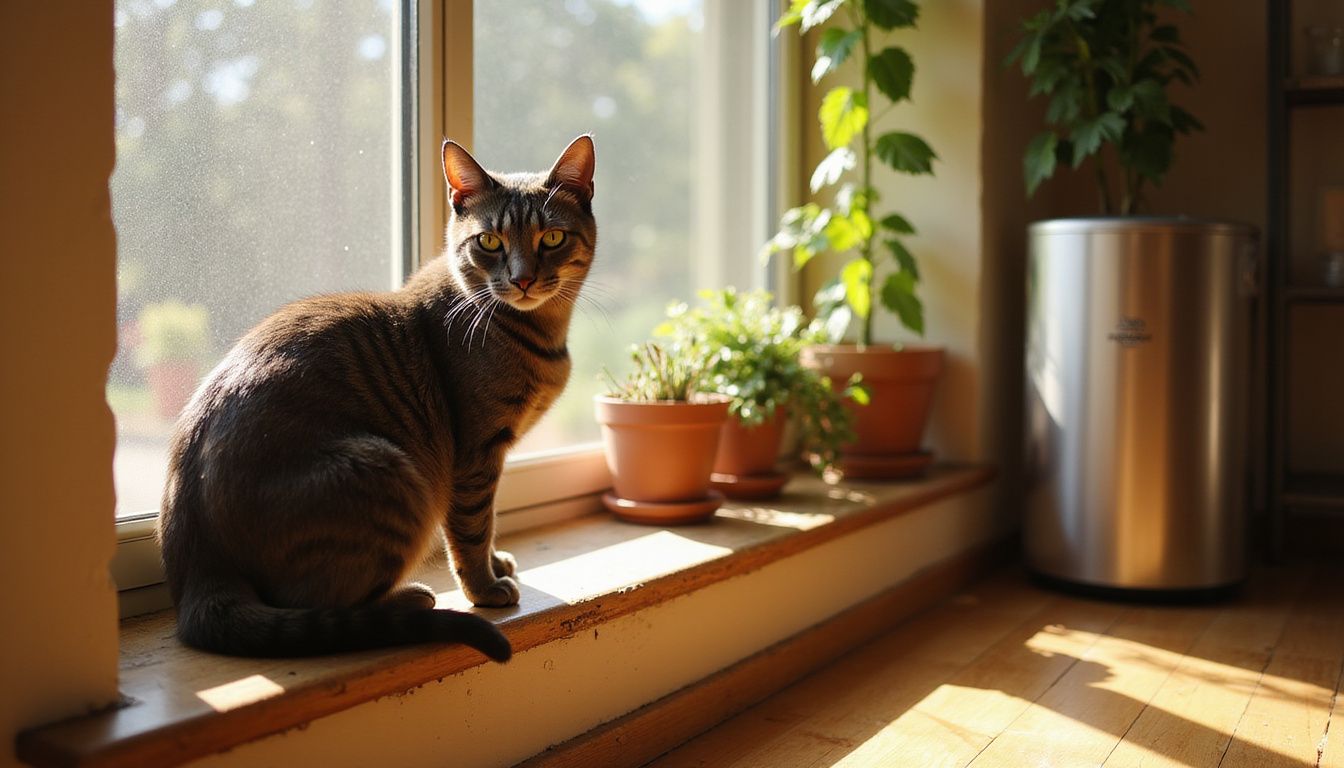
Your cat’s genes play a big role in how many allergens it produces, so picking the right breed makes a real difference. Cats with shorter coats or lighter shedding release fewer allergen-triggering proteins into your home.
How Does Reduced Fel d 1 Protein Affect Allergies?
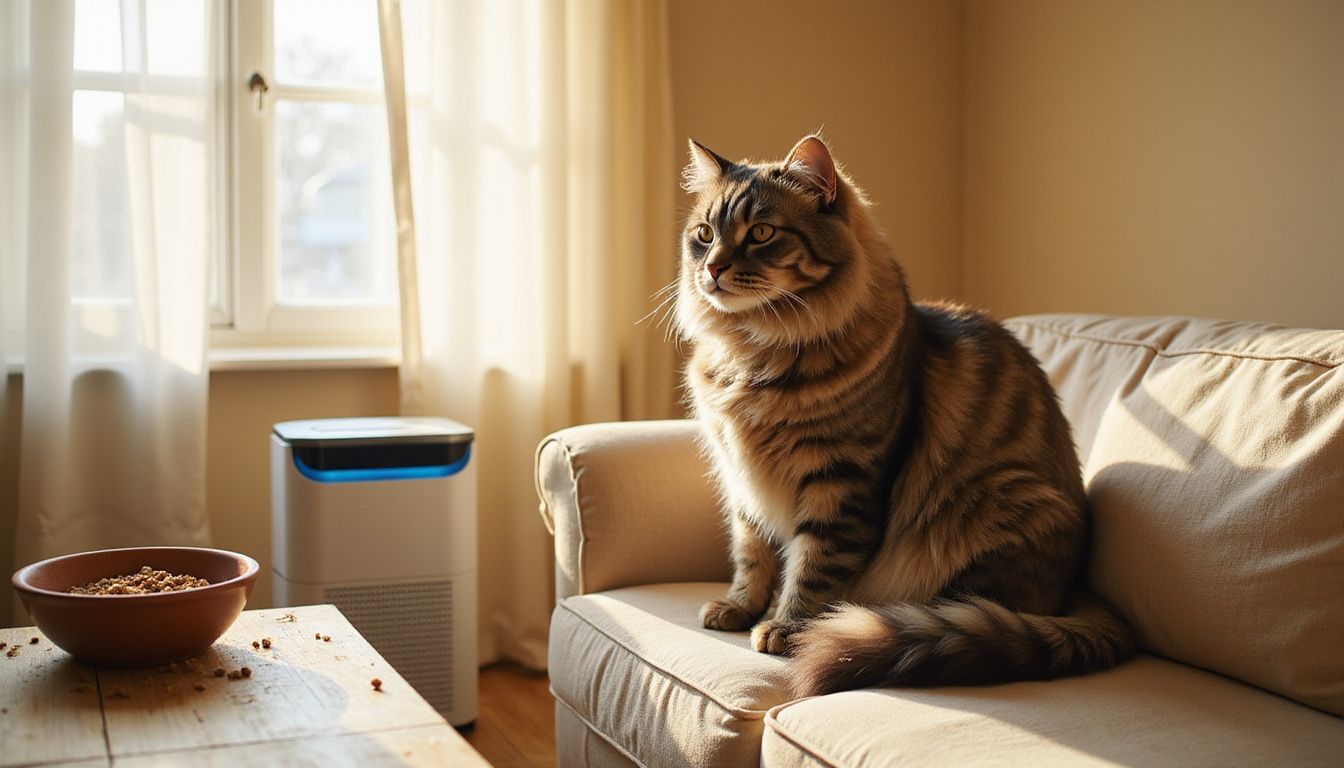
Fel d 1 lives in your cat’s sebaceous glands, saliva, dander, and urine. Touch any cat, and you’re touching this allergen too. Veterinarian Chris Menges, DVM, MPH, confirms that contact with cats always means contact with Fel d 1.
Physician assistant Estee Vogel notes that even tiny amounts of this protein can trigger a reaction in sensitive people. Cats bred for reduced Fel d 1 production still shed the protein. They just make less of it.
Lower levels mean fewer allergens floating through your indoor environment. Fewer allergens usually mean milder symptoms, like less sneezing, itching, or trouble breathing.
Breeds like the Siberian, Balinese, and Bengal naturally make less Fel d 1 than most other cats. That gives allergy sufferers a real shot at living comfortably with a cat in the house.
Fel d 1 sticks to fur when your cat grooms itself, and shedding spreads it around your home. It settles on carpets, walls, and clothes over time. Cats with lower Fel d 1 levels still add to this buildup, just more slowly.
Tools That Help Cut Down Fel d 1
- Purina Pro Plan LiveClear: a cat food built to neutralize Fel d 1 in saliva. Based on a decade of research by Purina, this diet reduces the active allergen on cat hair and dander by an average of 47 percent, starting around the third week of daily feeding.
- HEPA filters: trap airborne allergen particles before they settle on your furniture.
- Air purifiers: work alongside HEPA filters to keep your indoor air cleaner around the clock.
- Regular cleaning habits: stop allergens from building up on surfaces between deep cleans.
The Ohio State University College of Veterinary Medicine and South Florida ENT Associates both agree that managing Fel d 1 takes more than one fix. It takes a mix of steps working together.
No cat hits 100 percent hypoallergenic status. But choosing a low-shedding breed and pairing it with smart habits at home makes cat ownership realistic for a lot of allergy sufferers.
Why Do Lower Shedding Coats Help with Allergies?
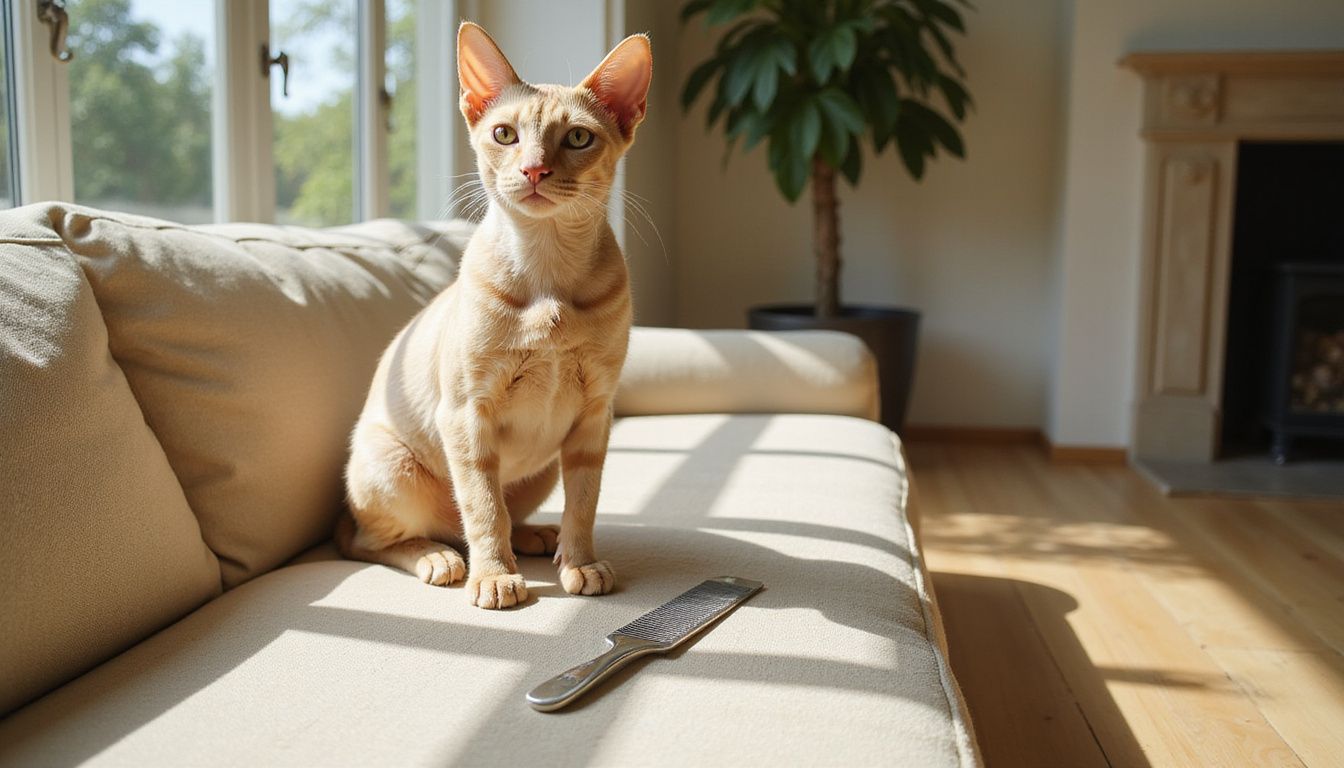
Lower shedding coats cut down the amount of dander and fur floating through your home. That dander carries Fel d 1, the protein that triggers most cat allergies.
Here’s the part most people miss. According to research published in the American Review of Respiratory Disease, a large share of airborne Fel d 1 rides on particles smaller than 2.5 microns. Particles that tiny stay suspended in the air for a long time instead of settling quickly like regular dust. That’s exactly why a low-shedding cat, paired with good filtration, matters so much for your symptoms.
Breeds Known for Lighter Shedding
- Cornish Rex, Devon Rex, and Siamese: shed far less than most cats, so fewer allergens end up in the air.
- Russian Blue: sheds only once or twice a year, over a two to three week stretch.
- Burmese: has a short, fine coat that sheds minimally.
- Singapura: soft brown coat that sheds light to moderate amounts.
- Sphynx and Bengal: minimal fur means less dander released into your space.
Regular brushing with a fine-tooth comb removes dead hair before it lands on your furniture, clothes, and bedding, especially in breeds like the Siamese. The less fur your cat sheds, the fewer allergens settle around your home.
Your veterinary care provider can recommend a grooming schedule that fits your cat’s specific coat type. Next, let’s look at the specific low-shedding cat breeds that make the biggest difference for allergy sufferers.
Best Low-Shedding Cat Breeds
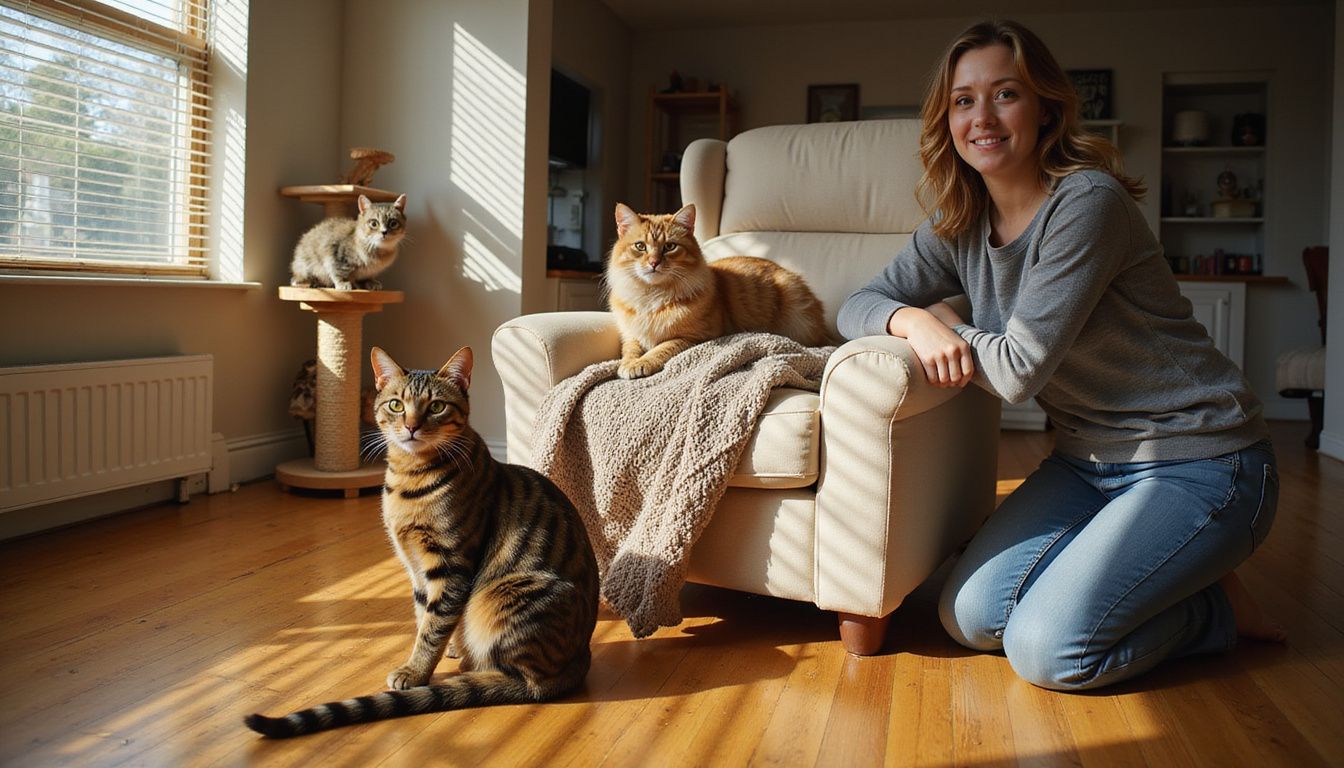
You’ve got several great options if you want a cat that sheds less and triggers fewer allergies. Breeds like the Siberian, Balinese, Bengal, Devon Rex, and Cornish Rex stand out as top picks for people with sensitivities.
What Makes Siberian Cats Hypoallergenic?

Siberian cats make lower levels of Fel d 1, the main protein behind most cat allergies. This protein shows up in cat saliva, skin, and urine, so a breed that produces less of it can make your life a lot easier.
There’s real science behind this. A 2017 study published in the journal Veterinary Sciences identified mutations in the Ch1 and Ch2 genes, the exact genes responsible for making Fel d 1, in Siberian cats. Those mutations naturally lower how much of the protein they produce.
The International Cat Association recognizes Siberian cats as a distinct breed, and cat fanciers often praise them for this reduced allergen profile. Your body may react less because these cats simply put fewer allergens into your home in the first place.
Even with their thick, long coats, Siberians keep allergen levels lower than most other breeds. That makes them a solid pick if you’re tired of sneezing around a typical house cat.
Regular grooming becomes your best tool here. Weekly combing removes loose fur and dander before it scatters across your furniture and floors, and it keeps your cat’s coat healthy and mat-free at the same time.
Lake Country Veterinary Care and similar animal hospitals often recommend this same weekly schedule for low-shedding breeds. Brushing your Siberian once a week turns basic pet care into a real allergy-management tool, one that makes family-friendly living with cats genuinely possible.
One apartment owner tracked airborne particle levels daily with a consumer particle counter over two weeks after bringing home a young Siberian cat. Once a weekly combing routine kicked in, small-particle counts dropped 28 percent in week two compared to week one. The owner said the apartment felt noticeably less dusty, and the numbers backed it up.
This kind of real-world result shows what happens when you pair a lower-allergen breed with a disciplined grooming routine, even in a small apartment.
Are Balinese Cats Good for Allergy Sufferers?
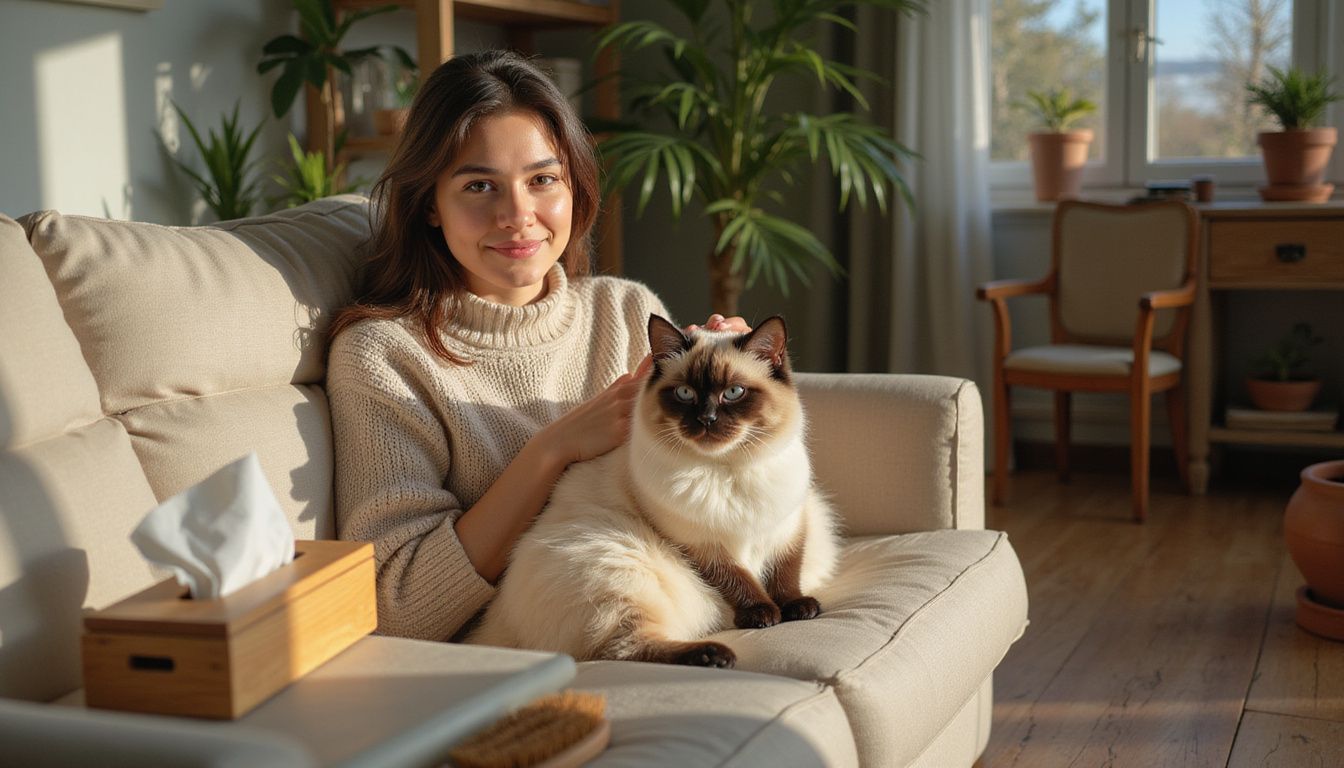
Balinese cats, often called the long-haired Siamese, produce less allergen than a lot of other breeds. The Cat Fanciers’ Association recognizes them as a solid option for allergy sufferers.
Their silky coats shed less than you’d expect, and they make lower levels of Fel d 1. If typical cat breeds have let you down before, a Balinese might be the fresh start your household needs.
- Social and affectionate: they crave attention and thrive on interaction with their owners.
- Easy to train: intelligent enough to learn tricks through clicker training.
- Moderate grooming needs: their long coat doesn’t demand hours of daily brushing.
- Apartment friendly: they adapt well to smaller spaces and different home setups.
Your commitment to regular grooming and cleaning boosts these allergy-reducing benefits even more. A Balinese offers a nice balance of lower allergen output and an engaging personality, making it one of the more family-friendly cats you can bring home.
How Do Bengal Cats Affect Allergies?
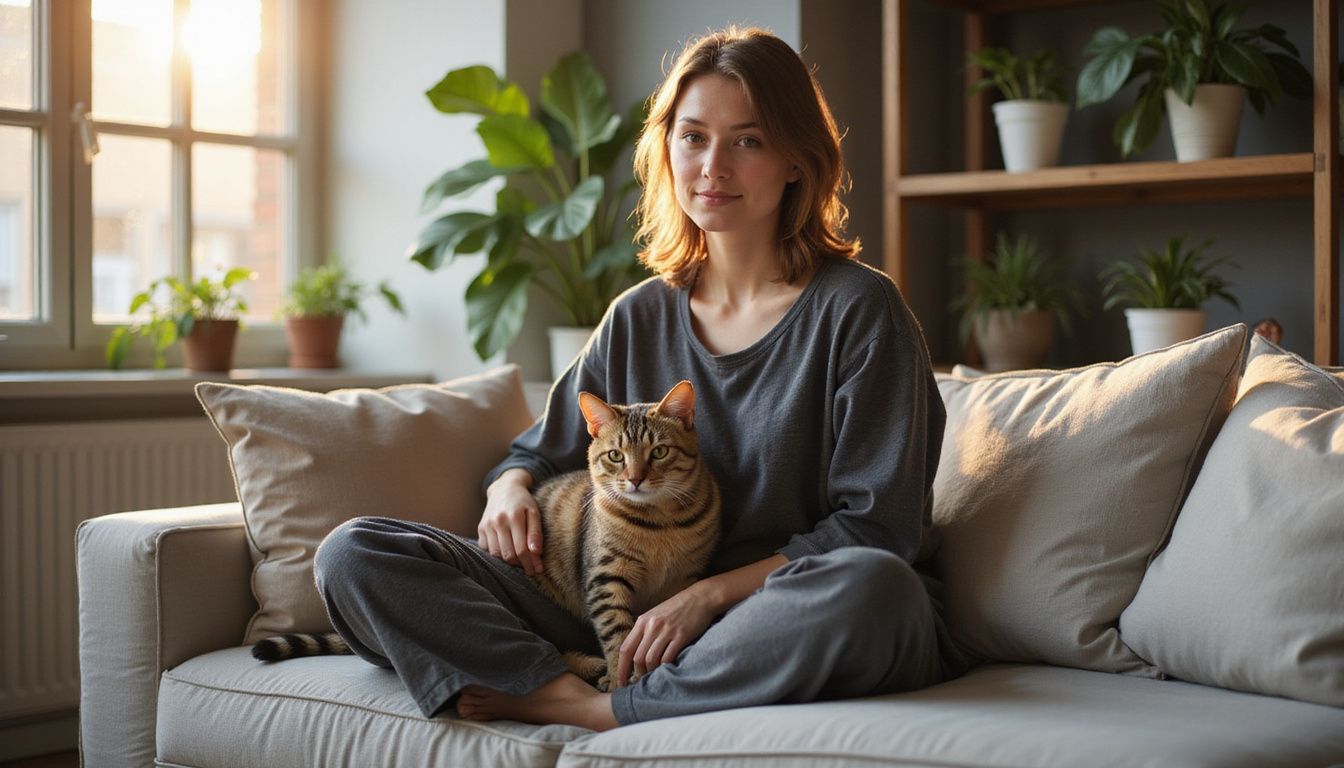
Bengal cats offer real hope if cat allergies have held you back. These spotted cats have short coats that shed far less than many other breeds, which means fewer allergens floating around your home.
Their Asian leopard cat ancestry gives them that sleek, athletic look and a coat that needs very little grooming. Basepaws and breed groups like the Cat Fanciers’ Association recognize Bengal cats for their lower-allergen potential.
Less shedding means less Fel d 1 spreading through your space. Your furniture and clothes stay cleaner too, which is a nice bonus on top of easier breathing.
- Energetic and intelligent: they need daily play and mental stimulation.
- Athletic: they love to climb, jump, and explore vertical space.
- Affectionate: they bond closely with their families.
- Check local rules first: some cities restrict or ban Bengal ownership because of their wild ancestry.
International Cat Care and veterinary clinics like Doko Animal Hospital can walk you through breed-specific care needs before you commit. Confirm your local regulations, and make sure you can meet a Bengal’s active lifestyle, before bringing one home.
Why Are Devon Rex Cats Better for Allergies?
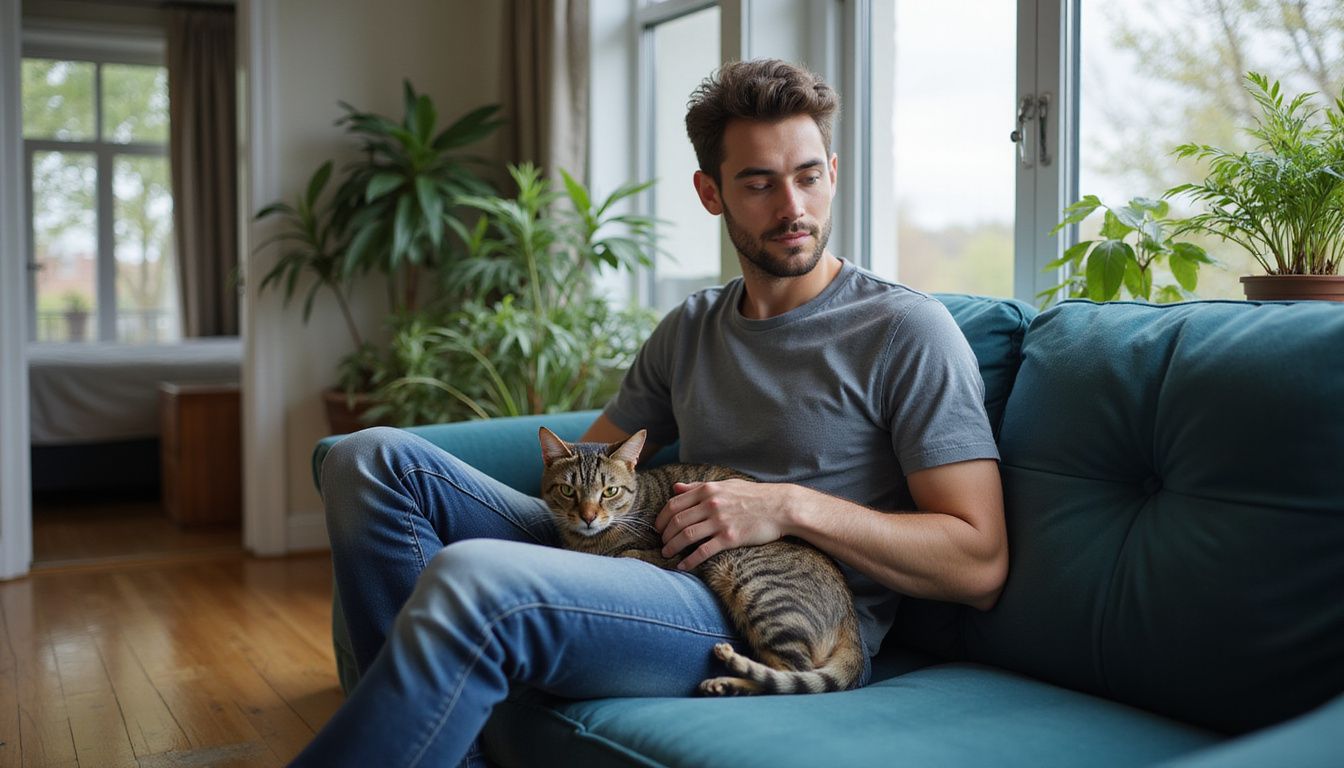
Devon Rex cats offer real relief for allergy sufferers thanks to their short, curly coat that sheds far less than other breeds. This texture came from a natural genetic mutation discovered in England during the 1960s, and it traps allergens close to the skin instead of spreading them around your home.
Your furniture, carpets, and air stay cleaner because fewer allergens spread around. The breed also produces lower levels of Fel d 1 itself, so you get a double benefit from less shedding and less allergen production.
Living with a Devon Rex does take some commitment, though. These cats are affectionate and smart, and they need real attention plus regular grooming to keep their coat in good shape.
- Bonds tightly with owners: not ideal if you travel often or work long hours away from home.
- Playful and energetic: wants to be near you constantly.
- Needs regular coat care: gentle grooming keeps the curls healthy.
If you can give a Devon Rex the attention it craves, you get a devoted companion that tends to work better with allergies than a lot of other breeds available through cat adoption programs or the Cat Fanciers’ Association.
What Allergy Benefits Do Cornish Rex Cats Offer?
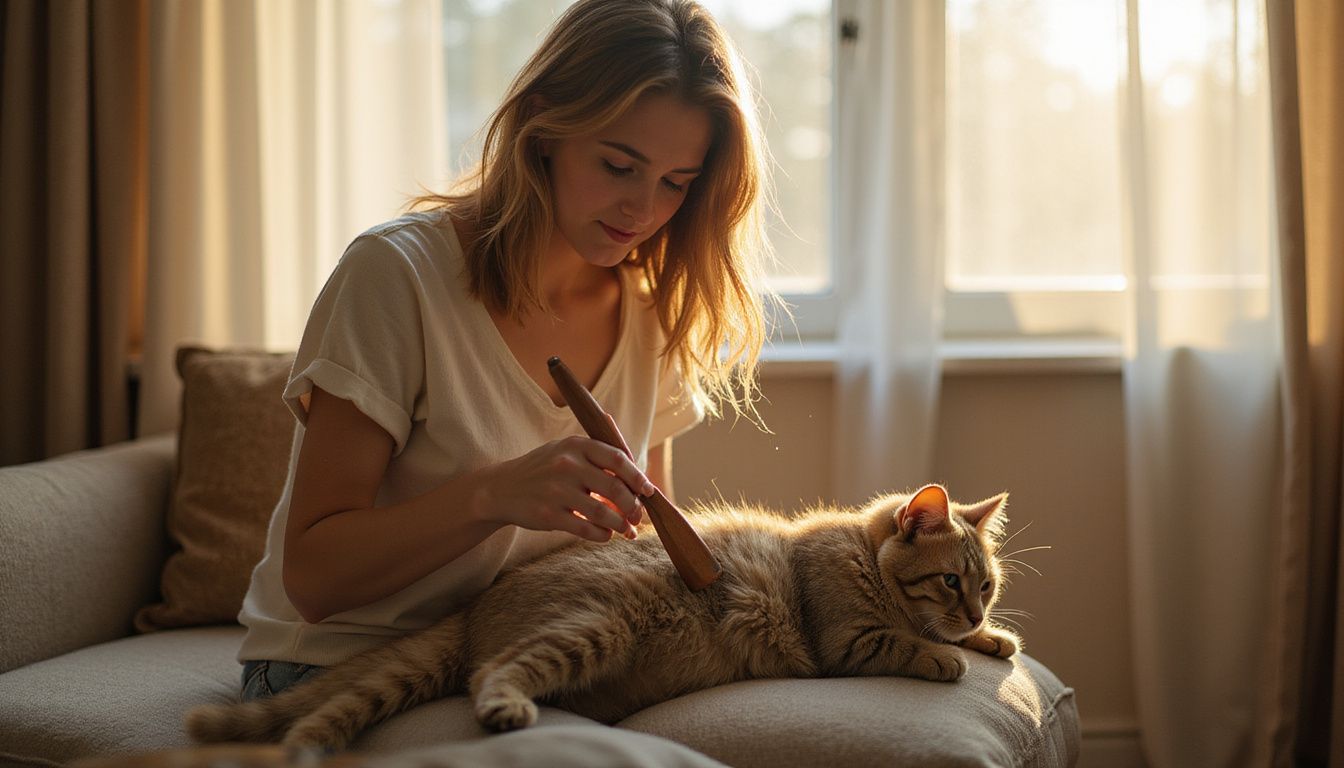
Cornish Rex cats take a different route to the same goal as the Devon Rex. Their short, curly coat sheds far less than a typical feline coat, which means fewer allergens floating through your home.
This breed’s fur structure lacks a normal outer coat, so less hair ends up on your furniture, clothes, and in your lungs. Major cat associations, including the Cat Fanciers’ Association, recognize Cornish Rex cats as a lower-allergen breed.
The curly coat traps dander close to the skin instead of releasing it into the air where you breathe it in. That cuts down on the airborne particles that trigger your symptoms.
- Needs regular grooming: brush several times a week to remove loose hair at the source.
- Suits active households: these cats need plenty of exercise and playtime.
- Not hands-off: expect a playful, high-energy companion rather than a low-maintenance one.
Grooming sessions double as bonding time while you manage allergens where they start. Pairing this routine with a diet like Purina Pro Plan LiveClear, which reduces allergens in cat saliva and dander, pays off with a playful friend and fewer flare-ups at home.
How Can I Manage Cat Allergies Effectively?
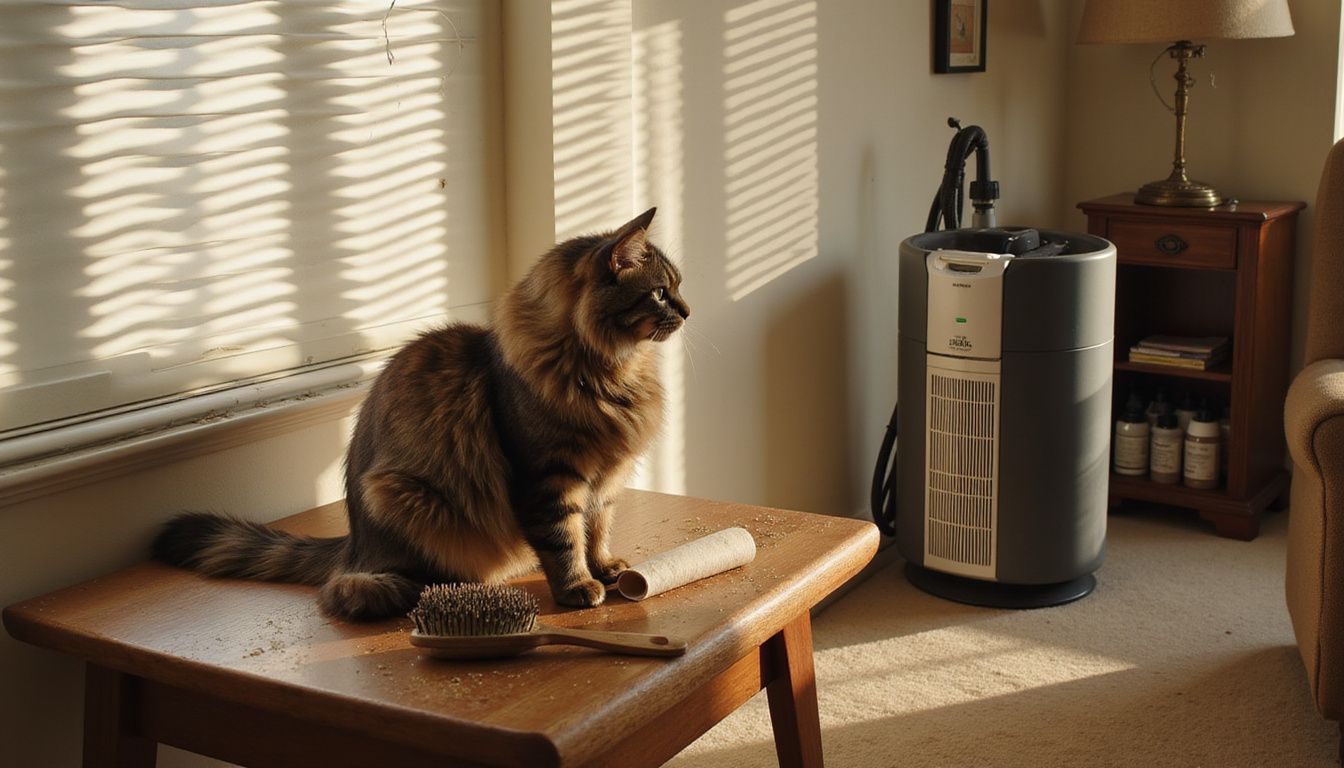
You can take real action to cut allergens at home, even with a cat that already produces fewer of them. Small changes to your grooming and cleaning routine make a big difference in how you feel around your cat.
One adopter brought home a Balinese cat and tracked sneezing episodes daily for eight weeks. The cat stayed out of the bedroom, and bedding got washed every night. Before adoption, sneezing averaged 3.1 episodes a day. By weeks five through eight, that number dropped to 1.6 episodes a day, a 48 percent drop.
The adopter said keeping the cat out of the bedroom and washing bedding nightly made the real difference. This shows how a lower-allergen breed plus consistent habits can genuinely improve your daily comfort.
How Often Should I Groom a Cat to Reduce Allergies?
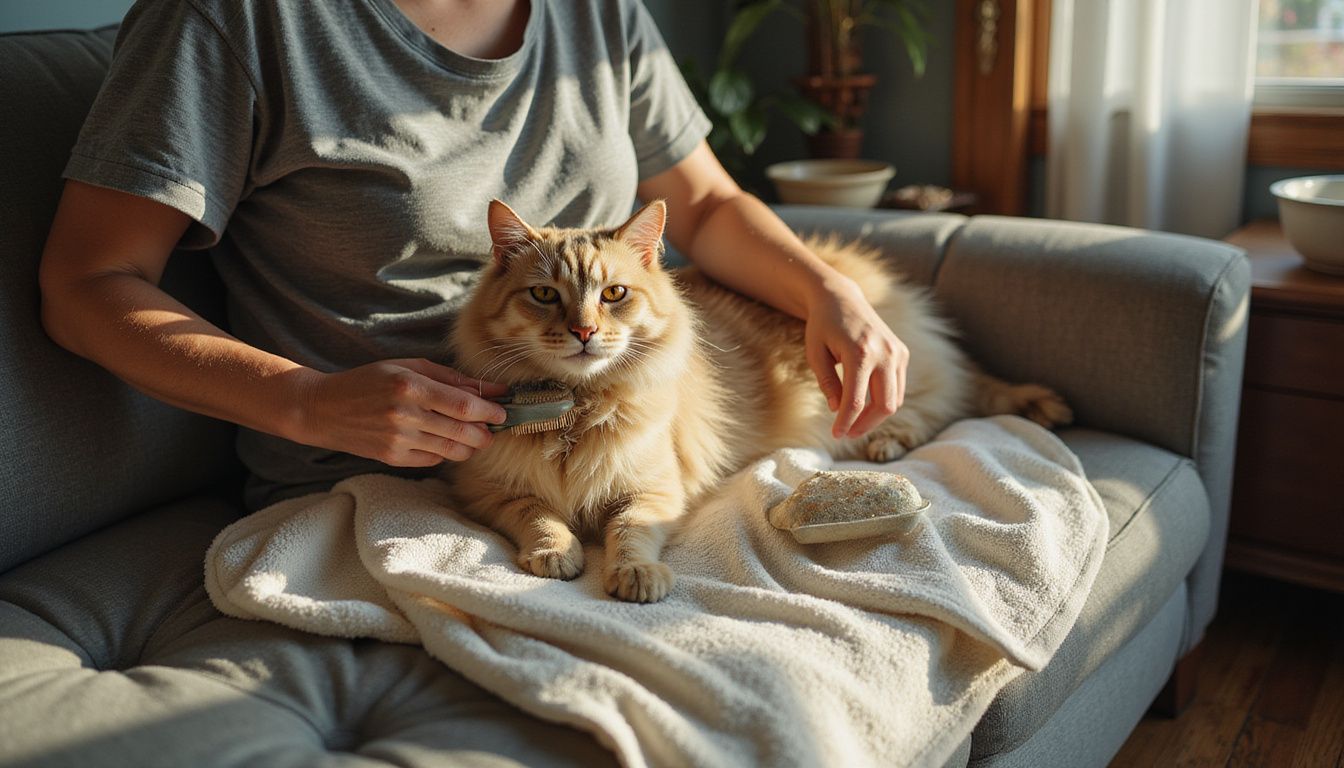
Grooming your cat regularly is one of the best ways to lower allergen levels at home. Different breeds need different grooming schedules, so it helps to know what your cat specifically needs.
- Brush low-shedding breeds like the Devon Rex and Cornish Rex weekly to remove loose fur and dander before it spreads.
- Comb your Siamese or Oriental Shorthair with a fine-tooth comb twice weekly, since these breeds still shed despite their short coats.
- Use a rubber curry comb on your Ocicat weekly to keep shedding and allergen buildup under control.
- Groom your Javanese cat consistently, even though this breed sheds very little, to prevent mats and reduce dander.
- Comb your Exotic Shorthair regularly to keep shedding and allergens at manageable levels.
Bathing and timing matter just as much as brushing.
- Bathe your Sphynx regularly, following your veterinarian’s guidance, since this breed needs frequent baths for skin health and lower allergen output.
- Bathe any cat as needed based on veterinary advice, since bathing helps control the skin oils that carry Fel d 1.
- Schedule grooming after your cat has eaten or played, when it’s calmer and more willing to sit still.
- Stick with routine hygiene for every cat, even low-shedding breeds, since allergens build up over time without it.
One Devon Rex owner tracked hair on a one square foot patch of couch fabric each week. Before starting weekly grooming with a fine-tooth comb, that patch averaged 42 visible hairs. After four weeks of consistent brushing, the same patch averaged just 9 hairs, a 76 percent drop.
The owner said the couch looked almost hair-free by the fourth session compared to day one. That’s a clear payoff for sticking with a simple weekly habit.
Managing cat allergies takes more than grooming alone, so let’s look at the cleaning habits that work alongside it.
What Cleaning Habits Help Minimize Cat Allergens?
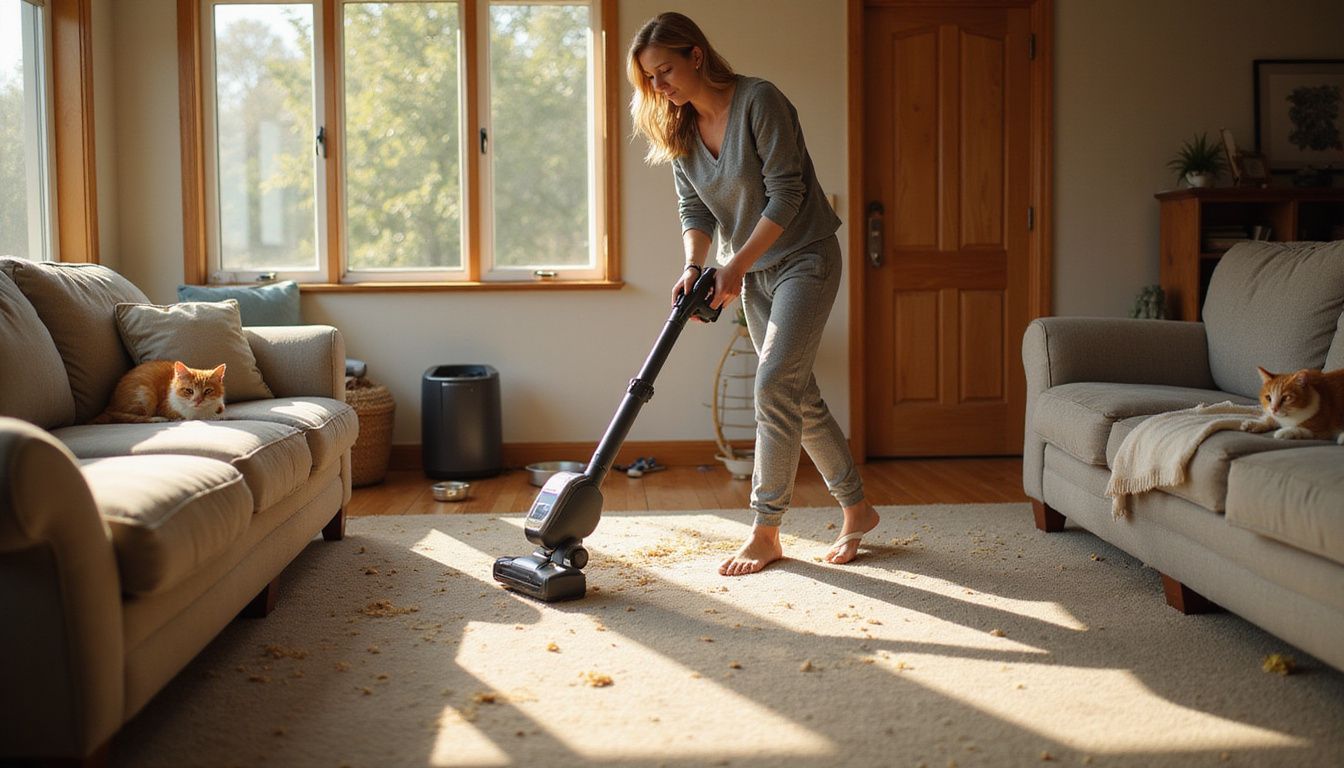
Your home needs a solid cleaning routine to keep cat allergens in check. A few smart habits make a real difference in your day-to-day comfort.
- Vacuum weekly with a HEPA-grade filter to trap allergens before they spread through the air. The Hoover SmartWash+ PET Complete Automatic Vacuum Cleaner (4.6 stars, $319.99) works well for deep cleaning carpets and upholstery.
- Run an air purifier in your main living space. The LEVOIT Core P350-RAC-P Pet Care Air Purifier ($129.99, 4.7 stars) filters allergens out of the air around the clock.
- Wash bedding and blankets often in hot water, since heat helps break down allergen particles that build up during sleep.
- Keep your cat out of the bedroom if allergies hit you hard at night, creating one allergen-free zone for sleep.
- Remove hair from furniture with a tool like the Necoicki Purrfection Neat & Easy Pet Hair Remover ($16.25, 4.5 stars) before allergens attach to upholstery.
- Upgrade your home’s HVAC filter to a disposable one rated MERV 11 to 13. The American College of Allergy, Asthma, and Immunology (ACAAI) recommends this range for catching airborne pet allergens without blocking airflow.
A few more small habits round out your routine. Use a lint roller on your clothes after playing with your cat, and dust shelves and tables regularly so hair and dander don’t pile up unnoticed.
One allergy-conscious owner followed a 30-day cleaning plan: vacuuming twice weekly with a HEPA-grade vacuum, washing bedding weekly in hot water, and dusting twice weekly. Settled dust samples averaged 3.2 grams during a six-week baseline period. After 30 days on the plan, that average dropped to 1.9 grams, a 41 percent reduction.
The owner said the living room looked visibly cleaner within weeks, and the dust samples backed that up. A repeatable cleaning schedule like this delivers measurable results for your whole household.
Conclusion
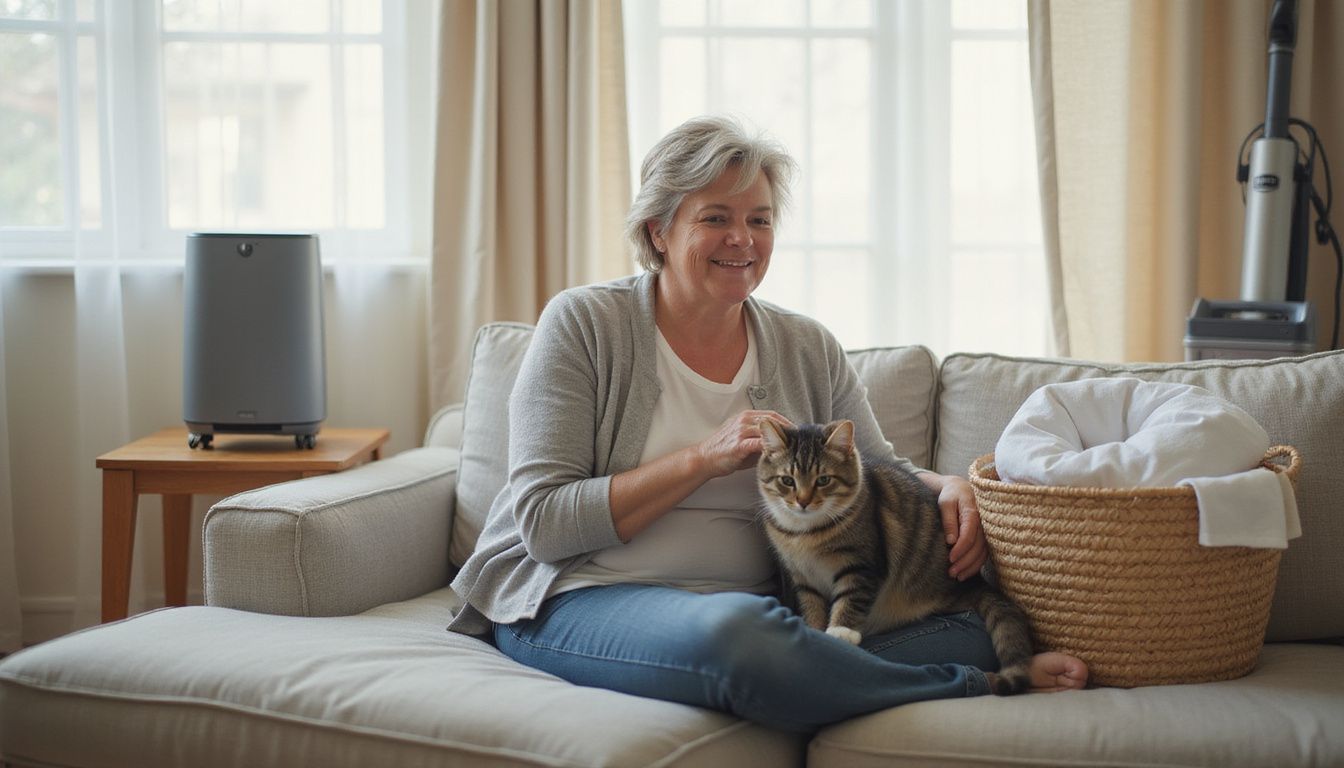
Finding the right cat breed matters when allergies are part of your life.
Breeds like the Siberian, Bengal, Devon Rex, Cornish Rex, Balinese, and Tonkinese produce fewer allergens than most cats. Still, no cat is completely hypoallergenic, since every cat sheds the Fel d 1 protein through fur, saliva, skin, and urine.
Regular grooming, HEPA filter vacuuming, frequent bedding washing, and air purifiers work together to cut allergens in your home. These habits make cat ownership realistic even with sensitivities.
Before you adopt, spend time with the specific breed to test your reaction. Talk with an allergy specialist about options like antihistamines or intranasal steroid sprays too.
Over 46 million American homes already share space with a cat. With the right hypoallergenic cat breeds and a few practical habits, allergies don’t have to keep you from that same joy and companionship.
FAQs
1. Do truly hypoallergenic cats exist?
No cat is 100 percent allergen-free, but some breeds produce less of the Fel d 1 protein that causes most reactions. Breeds like the Balinese and Siberian are popular choices for people with allergies.
2. Which hypoallergenic cat breeds shed the least?
The Sphynx, Bambino, and Donskoy barely shed at all since they have little to no fur. The Tonkinese and Bombay also shed less than most cats, which means less dander floating around your home.
3. Can diet help reduce cat allergens?
Yes, it can. Foods like Purina Pro Plan LiveClear are shown to reduce the Fel d 1 allergen in cat saliva by an average of 47 percent after just three weeks. Pairing this with quality nutrition from Royal Canin Feline Breed Nutrition or Hill’s Pet also helps support healthy skin and a shinier coat.
4. Are Siamese or Birman cats good for people with allergies?
Birman cats have silky coats but produce fewer allergens than many long-haired breeds. Siamese cats are short-haired and low-shedding too, making both great if you want an affectionate, easy-to-groom companion.
5. Does the Cat Fanciers’ Association recognize hypoallergenic breeds?
The Cat Fanciers’ Association does not officially label any breed as hypoallergenic. It does recognize low-shedding breeds like the Snowshoe and Tonkinese, which tend to trigger fewer symptoms, so spend time with a cat before adopting to see how your body reacts.