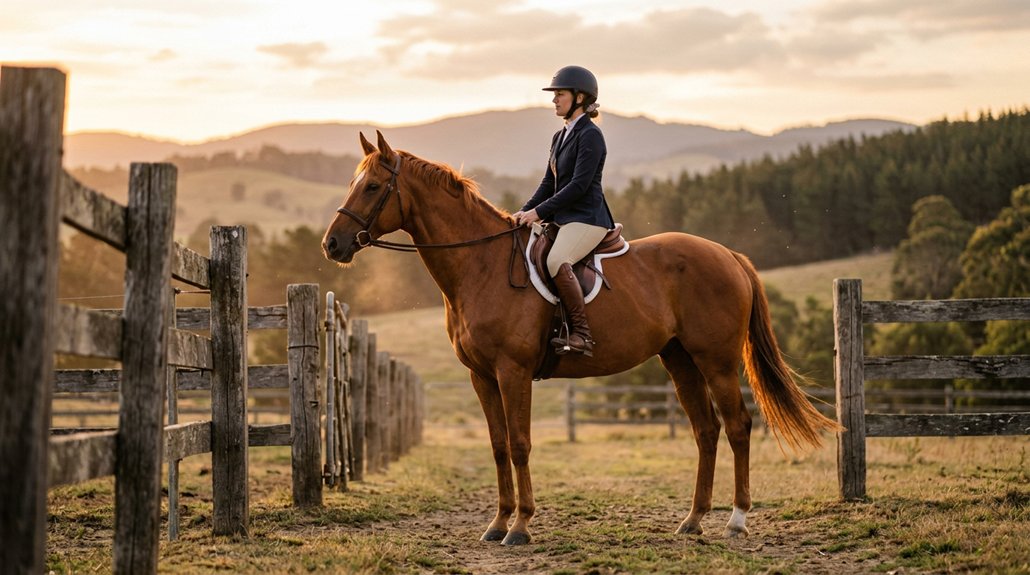
Considering horse ownership? First, assess if you can afford the initial purchase and ongoing costs. Explore leasing as an alternative. Make certain you have time for daily care and that you’ve planned suitable living arrangements. Be ready for an emotional investment similar to parenting. Evaluate your riding skills and how long-term ownership fits your lifestyle. It’s essential to balance these commitments and anticipate life changes. Let’s explore these key considerations to make sure you’re truly prepared.
Key Takeaways
- Can you afford the initial purchase and ongoing costs, including emergency expenses, without financial strain?
- Do you have the time to commit to daily care routines and long-term horse care responsibilities?
- Have you evaluated suitable living arrangements that ensure the horse’s comfort and safety?
- Are you emotionally prepared for the commitment similar to parenting, including handling potential health and behavioral issues?
- Does horse ownership align with your lifestyle and future life plans for the next 20 years or more?
Can You Afford a Horse?
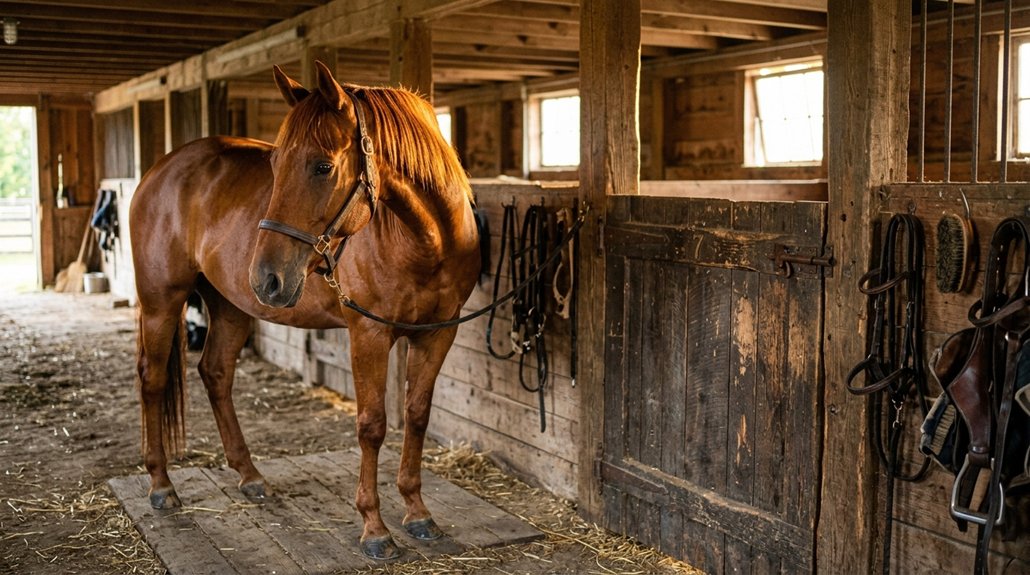
Before taking the plunge into horse ownership, it’s essential to evaluate whether you can truly afford the ongoing costs. Start by detailed budget planning that includes more than just the horse’s initial purchase price, which typically begins at around $5,000. Regular care alone often surpasses $1,800 annually, covering necessities like food, water, vet check-ups, and farrier services. However, you must also prepare for additional expenses such as barn boarding, training, and tack, which can quickly escalate overall costs. Unexpected expenses, like emergency veterinary care for unforeseen health issues or accidents, can disrupt your financial stability if not anticipated. Factor in hidden costs such as dental care and seasonal feed variations, and guarantee you have a financial safety net in place.
What Are Alternatives to Full Ownership?
Have you ever considered alternatives to full horse ownership that still immerse you in the equestrian world? Leasing options provide a flexible way to experience horse life, letting you assess your commitment with less long-term obligation. Part boarding arrangements offer a shared approach, allowing hands-on experience without the financial heft of total ownership. Engaging in riding lessons or local equestrian programs sharpens your horse care skills without the pressure of owning. Volunteer opportunities at animal rescues or equestrian centers afford valuable exposure to horse management while aiding welfare efforts. Finally, joining equestrian clubs or community groups can connect you with seasoned owners, offering care insights while fostering your community engagement in the equestrian world without rushing into ownership.
Do You Have Time for Daily Horse Care?
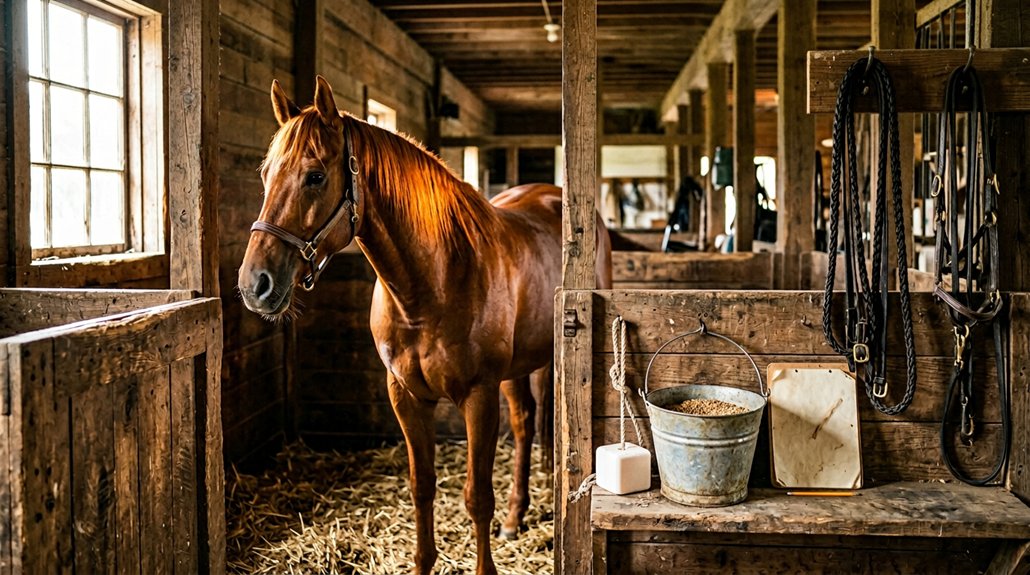
Caring for a horse demands a twice-daily routine of feeding, grooming, and exercise, requiring your consistent presence and attention. Evaluate whether your daily schedule can accommodate these tasks, along with the occasional veterinary and farrier appointments that might disrupt other obligations. With a horse’s lifespan often extending 20 to 30 years, consider if you can maintain this level of commitment over the long term, factoring in changing life circumstances.
Daily Schedule Consideration
Are you truly ready to weave the demands of horse care into your daily life? Time management is vital when contemplating this commitment. Horses require a well-structured daily routine, and integrating these tasks into your schedule is essential. Here’s what you need to reflect on:
- Daily Visits: You’ll need to allocate time, often twice a day, for feeding and grooming.
- Chore Demands: Routine chores like mucking out stalls and maintaining a clean environment shouldn’t be overlooked.
- Appointment Scheduling: Coordinating veterinary and farrier visits, sometimes during work hours, is part of responsible care.
- Long-Term Commitment: Reflect on your ability to manage these routines sustainably over the horse’s lifetime, potentially 20 years or more.
Success hinges on your ability to consistently execute these tasks.
Consistent Care Commitment
One key element in horse ownership is understanding that your commitment to consistent daily care is non-negotiable. Horses demand at least twice-daily visits, guaranteeing their daily routines, such as feeding, grooming, and exercise, are maintained. The care logistics involve mucking out stalls and checking water supplies, fundamental for their health and happiness. Planning around veterinary and farrier appointments within your schedule is vital. Considering that horses can live over 20 years, the long-term nature of this time commitment cannot be overstated. Balancing these responsibilities with personal and professional obligations is essential. Inadequate time can severely impact your horse’s well-being, so make sure you’re truly ready for this enduring commitment before deciding to become a horse owner.
Where Will Your Horse Live Comfortably?
To guarantee your horse’s comfort and health, you need to evaluate whether a boarding facility or home paddock best meets its needs. Boarding facilities should be conveniently located, offering consistent quality care, clean environments, and security. If keeping your horse at home, invest in proper fencing and a shelter that offers protection from the elements, with at least one acre of space per horse for adequate freedom and access to food and water.
Choosing the Right Facility
How can you guarantee your horse lives comfortably and securely? Selecting the right facility is essential. Consider key facility features and space requirements to make certain your horse thrives. Here are four critical aspects to evaluate:
- Space Requirements: Make sure the facility provides ample land, ideally at least one acre per horse, to prevent overcrowding and stress.
- Facility Features: Look for clean, weather-protected shelters with proper fencing to safeguard your horse.
- Daily Care and Management: A reputable facility should offer daily feeding, stall cleaning, and access to experienced staff for emergencies.
- Accessibility and Costs: Consider the location’s proximity to make certain consistent care, and evaluate the costs to determine feasibility.
Assessing these factors carefully guarantees a secure, content life for your horse.
Investing in Shelter Options
After selecting the perfect facility, the next consideration should be the specific shelter arrangements that guarantee your horse’s comfort and safety. Horses need clean, dry enclosures to shield them from harsh weather, like extreme temperatures and precipitation. Consider diverse shelter types, such as barns, stables, and run-in sheds, providing proper ventilation and drainage. If you choose home-stabling, make certain there’s ample acreage per horse for grazing and exercise. Proper fencing, with options like electric, offers economical and low-maintenance safety. Additionally, assess skilled boarding staff for nutrition and health monitoring. Remember, maintenance costs won’t just include utilities but also feed, upkeep, and necessary upgrades to achieve ideal living conditions. Careful planning ensures your horse thrives year-round.
Are You Prepared for the Emotional Investment of Horse Ownership?
Do you truly understand the deep emotional commitment required for horse ownership? It’s akin to raising a child, demanding long-term care and companionship. As a potential owner, you’ll face emotional challenges that require resilience. Consider these aspects:
- Health Issues: Horses may develop medical conditions needing attention, affecting your emotions and finances.
- Behavioral Problems: Managing unexpected behaviors demands patience and understanding.
- Training Success and Failures: Celebrate progress, but be prepared to cope with setbacks, which require enduring dedication.
- Family Communication: Honest discussions about time and financial impacts guarantee everyone’s support, vital for both owner and horse.
Ultimately, owning a horse means committing emotionally to its welfare for many years, influencing both your life and family dynamics.
Assess Your Riding Skills
Owning a horse doesn’t just demand emotional dedication; it also requires a thorough assessment of your riding skills. Your riding experience with different breeds and temperaments enhances your adaptive skills, vital for effective handling. Before jumping into ownership, consult a qualified trainer to evaluate your skills. They can offer insights into suitable breeds and sizes that match your capabilities. Regular training and exercise mean you must be comfortable and confident in maintaining routine riding. Understanding horse communication is pivotal; it lets you safely interpret equine signals, fostering a healthier relationship. Lack of time or skills for daily care might signal that horse ownership isn’t right for you just yet. Developing your riding skills is an essential step toward successful horse ownership.
How Will a Horse Fit Into Your Long-Term Lifestyle?
How exactly does horse ownership fit into your long-term lifestyle? A thorough lifestyle assessment is essential for seamless horse integration. Horses live over 20 years, needing consistent care. Consider these factors:
- Time Commitment: Balance work, family, and hobbies with daily horse care, including feeding, grooming, and exercise.
- Potential Life Changes: Plan for how relocation or career shifts might impact horse ownership or availability of stable arrangements.
- Scheduling Logistics: Guarantee your schedule accommodates regular feedings, veterinary appointments, and the unexpected.
- Trial Options: Explore leasing or part boarding to gauge how a horse fits into your life without committing fully.
Bear in mind, this investment goes beyond finances—it’s a long-term, immersive lifestyle change.
Frequently Asked Questions
What Are the Legal Responsibilities of Horse Ownership in Your Area?
Check local zoning regulations first; they dictate land use for horse ownership. You’ll also need liability insurance to cover potential accidents. Additionally, guarantee compliance with health regulations regarding horse care and waste management in your area.
How Do You Choose the Right Breed for Your Needs?
Choosing the right breed involves evaluating breed characteristics aligned with your preferred riding style. Consider the temperament, size, endurance, and specific traits of each breed to guarantee they match your riding goals and lifestyle.
What Are the Health Risks Associated With Horse Ownership?
Horse ownership involves understanding various health risks, like colic and lameness. You’ll need regular vet care and should explore insurance options to manage unexpected costs, ensuring your horse remains healthy and your finances are protected.
How Can You Ensure Proper Horse Training and Behavior Management?
Around 62% of accidents with horses stem from inadequate training. You’ve got to prioritize training techniques and regular behavior assessment. Partnering with an expert can greatly improve your horse’s safety, ensuring they’re well-mannered and responsive.
What Are the Environmental Impacts of Keeping a Horse?
When managing a horse’s environment, you’ll need effective pasture management to prevent overgrazing and soil erosion. Proper manure disposal systems are vital to avoid water contamination and guarantee environmental sustainability around your property.
Conclusion
Owning a horse isn’t just a commitment; it’s an overwhelming whirlwind of hay, emotions, and time that devours everything in its path. Are your pockets deep enough to fund this magnificent beast, or are there smarter alternatives awaiting discovery? Daily horse care demands hours you didn’t know you had, while the emotional bonds you form will tug at your heartstrings like a maestro. Guarantee your skills and life plans gallop harmoniously with this grand endeavor.