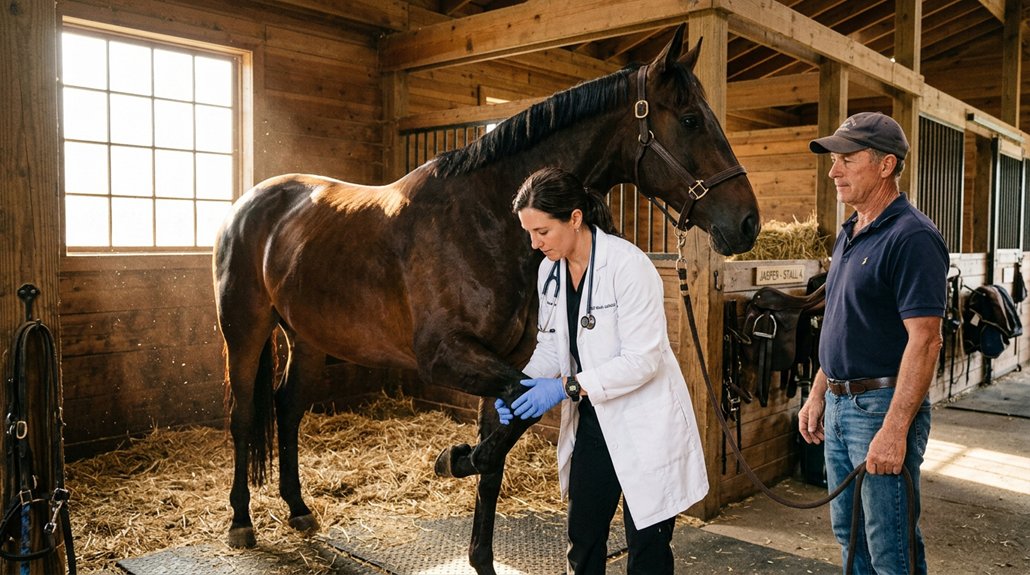
A horse’s age and health history dictate vet visit frequency. Foals require check-ups every 3-4 months, while young horses need semi-annual exams. Adults benefit from annual visits, and seniors should have biannual evaluations for age-related care. Routine check-ups help identify issues early, enhancing treatment. Thorough wellness exams cover key signs, dental checks, and necessary vaccinations. Addressing specific regional challenges, like Arizona’s dust allergies, is essential. Uncover further insights to guarantee your horse’s best care.
Key Takeaways
- Foals and yearlings require veterinary visits every 3-4 months for growth and dental care.
- Young horses aged 1-5 years should have semi-annual health exams to ensure proper development.
- Adult horses between 5-15 years need annual wellness exams to maintain overall health.
- Senior horses over 15 years benefit from biannual evaluations to address age-related changes.
- Individual health history and breed may adjust the frequency of veterinary visits.
How Often Should Horses of Different Ages See a Vet?
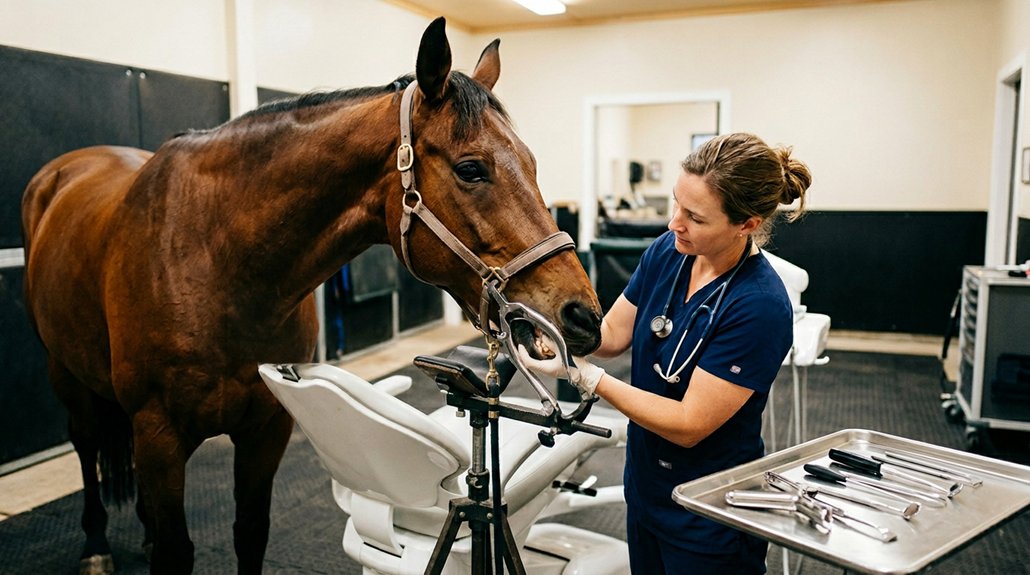
When determining the frequency of veterinary visits for horses of different ages, it’s important to assess their unique developmental and health requirements. Foals and yearlings require examinations every 3-4 months, as this stage demands close attention to growth metrics, behavioral assessments, and dental care development. For young horses aged 1-5 years, semi-annual exams are vital to guarantee proper growth trajectories and to identify emerging health issues. Adult horses usually need annual wellness exams, covering essential areas like dental care, to sustain overall health. Senior horses, on the other hand, benefit from biannual evaluations to monitor age-associated changes. Factors such as breed predispositions and individual health histories might necessitate modifying these schedules to tailor to specific needs effectively.
Understanding Why Routine Vet Care Matters
Regularly scheduled veterinary care isn’t just a matter of routine—it’s a crucial component in safeguarding your horse’s health and performance. Preventive care enables early detection of diseases, improving treatment outcomes and reducing severe health risks. Annual wellness exams are recommended for most adult horses, while those over 15 years should have biannual vet visits to manage age-related concerns effectively. During these check-ups, professionals evaluate essential signs, dental health, skin, and hoof conditions, ensuring equine wellness by identifying abnormalities early on. Important vaccinations protect against infectious diseases, particularly for performance horses. A proactive approach to twice-a-year appointments not only maintains overall health but also monitors weight, appetite, and necessary treatments, reinforcing preventive care for robust equine wellness.
Factors Impacting How Often Your Horse Needs Vet Visits
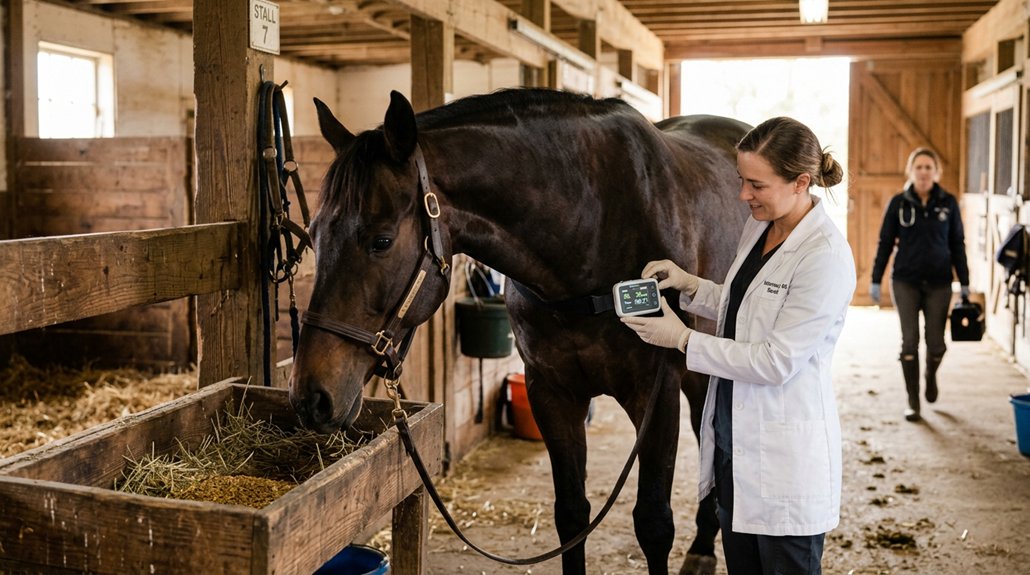
When determining how frequently your horse should see a vet, consider both its age and health status, as these factors considerably influence care requirements. Younger horses, foals in particular, and senior horses demand more regular visits due to developmental stages and age-related health concerns. Additionally, a horse’s activity level, such as those used in competition or frequently transported, necessitates increased veterinary attention to manage the risks associated with higher workloads and potential exposure to diseases.
Age and Health Considerations
Although age and overall health greatly influence how often your horse should see a veterinarian, keeping an eye on specific needs guarantees ideal care. During different growth stages, tailored health assessments are essential.
- Foals and Yearlings (up to 1 year): Schedule vet visits every 3-4 months. These appointments focus on important vaccinations and monitoring growth and development.
- Young Horses (1-5 years): Biannual exams are critical as training and competition begin and help guarantee they remain in prime condition.
- Mature Horses (5-15 years): Require annual wellness exams, though some with health issues may need more frequent evaluations.
Senior horses, over 15 years, benefit from check-ups every 6 months to address age-related health concerns. Customize schedules based on breed and individual health needs.
Activity and Lifestyle Factors
Age and health considerations certainly play a significant role in determining vet visit frequency, but a horse’s activity and lifestyle also substantially influence its veterinary needs. Horses under competition stress demand frequent wellness checks, possibly every six months, to monitor health, fitness, and address any performance nutrition requirements. For horses that travel often, increased disease exposure warrants regular vet visits to maintain ideal health. Environmental conditions, like climate and social exposures, necessitate vigilant checkups.
Here’s a quick overview:
| Lifestyle Factor | Veterinary Requirement |
|---|---|
| Competition Stress | Biannual health and fitness check |
| Frequent Travel | Regular disease exposure monitoring |
| Environmental Conditions | Tailored vet visits based on risk |
In essence, a horse’s activities dictate not just vet visit frequency but also the focus of those visits.
What Happens During Your Horse’s Wellness Exam?
During your horse’s wellness exam, the veterinarian conducts a thorough physical evaluation, monitoring essential signs like temperature, pulse, and respiration rate. They’ll examine your horse’s dental health, body condition, and check for abnormalities in the skin, ears, eyes, and limbs. Diagnostic tests such as blood work and fecal analysis are performed to detect any underlying health issues.
Comprehensive Health Evaluation
Understanding the intricacies of a thorough health evaluation for your horse can greatly enhance its wellbeing. This exam is a cornerstone of preventive care, incorporating wellness strategies essential for ongoing health management. Here’s what typically occurs:
- Physical Examination: Your vet checks skin, eyes, ears, mouth, limbs, and any lumps for abnormalities. They’ll look at coat condition, body weight, and hoof health to spot potential issues early.
- Diagnostics: Diagnostic tests, including blood work and fecal analysis, help detect underlying health concerns not visible during a physical inspection.
- Routine Components: Vaccinations and parasite control are integral to maintaining health. These preventive measures guarantee your horse stays protected against common diseases and parasites.
This thorough evaluation keeps your horse in peak condition.
Vital Signs Monitoring
Monitoring your horse’s essential signs is a critical component of a thorough wellness exam, offering a clear snapshot of its health status. Key sign assessment includes measuring temperature, pulse, and respiration rate. The normal resting temperature ranges between 99.0°F and 101.5°F, with a pulse rate of 28 to 44 beats per minute and respiration rate of 10 to 24 breaths per minute. Deviations from these norms can indicate potential health issues, necessitating further exploration or intervention. Additionally, your veterinarian will identify dehydration signs by examining capillary refill time and skin elasticity. These checks are crucial for early illness detection and improved health outcomes. Regularly monitoring these parameters keeps your horse’s health on track, enabling prompt action when needed.
Diagnostic Tests Conducted
While checking essential signs offers a quick glimpse into your horse’s immediate health, extensive diagnostic tests during a wellness exam provide a deeper analysis of potential health concerns. Key diagnostics include:
- Blood Work and Fecal Analysis: These tests evaluate overall health, screening for infections or metabolic issues. Fecal analysis helps detect parasites that affect your horse’s nutritional status.
- Imaging Scans: If there are concerns about injuries or conditions in legs or joints, X-rays or other imaging scans can assess these specific areas for potential problems.
- Dental Evaluation: Detailed examination of teeth and gums guarantees your horse’s ability to eat well, impacting nutrition and overall health.
Vital signs, coat condition, and behavioral changes complete the assessment, guaranteeing a thorough view of your horse’s wellness.
Coggins Test: A Vital Part of Routine Checkups
The Coggins test is an essential component of routine equine checkups, crucial for detecting equine infectious anemia (EIA), a severe viral disease that horses may carry without showing symptoms. A negative result underscores its significance in equine management, as it’s mandatory for travel, sales, and competition participation. Remember, the test results expire annually, so testing frequency should align with yearly wellness exams to uphold health standards and prevent disease spread. Different states have specific regulations; confirm you stay compliant for your horse’s movement and events.
| Key Element | Importance | Frequency |
|---|---|---|
| EIA Detection | Critical for health | Annually |
| Negative Result | Required for travel | Mandatory for events |
| State Regulations | Compliance needed | Check local laws |
This proactive approach keeps you informed and your horse safe.
Signs Your Horse Needs Immediate Vet Attention
Beyond annual wellness checks like the Coggins test, knowing when immediate veterinary intervention is necessary can be critical for your horse’s health. Acute conditions demand swift emergency responses. Be vigilant for these signs:
- Colic Symptoms: Look for rolling, pawing, or lack of manure, which can indicate serious digestive issues requiring urgent treatment.
- Respiratory Distress: Coughing, nasal discharge, or noisy breathing are red flags necessitating quick veterinary attention to prevent complications.
- Lameness: Sudden or worsening lameness signals potential musculoskeletal problems, demanding immediate evaluation to mitigate further damage.
Unexplained weight loss or abrupt behavioral changes, such as increased anxiety or aggression, can also point to underlying health issues. Promptly contacting your veterinarian guarantees timely intervention, protecting your horse from further discomfort or harm.
Health Challenges Horses Face in Arizona
Arizona’s unique climate poses specific health challenges for horses, demanding vigilant care from their owners. In this region, the threat of West Nile Virus is heightened due to the prevalence of mosquitoes, especially during summer. Implement effective mosquito control strategies and guarantee horses receive their annual vaccinations. The arid environment can lead to respiratory issues like dust allergies, so prioritize respiratory management by monitoring for symptoms such as coughing or nasal discharge. Equine infectious anemia (EIA) presents concerns, necessitating routine Coggins testing every 6 to 12 months for horses that travel. Varied geography increases parasite risks, requiring adaptive deworming protocols. Additionally, older horses are prone to age-related issues, so frequent veterinary consultations are essential to maintain their health.
Benefits of Mobile Horse Veterinary Services
In addressing the health challenges in Arizona’s unique climate, considering the advantages of mobile horse veterinary services can be invaluable. These services offer several mobile veterinary advantages, optimizing both time and care efficiency.
- Convenience: By bringing veterinary care directly to your horse’s location, you eliminate the stress and hassle of transportation, perfect for those in remote areas or with multiple horses.
- Comprehensive On-Site Care: Mobile units provide remote care solutions like wellness exams, vaccinations, and diagnostic tests, streamlining your horse’s health management needs.
- Emergency Response: Time-sensitive situations benefit from faster intervention, given that mobile services can reach you swiftly during emergencies.
Your horse will experience reduced anxiety in familiar surroundings, making routine checks and treatments more relaxed and effective.
Preparing for Your Horse’s Vet Visit: Tips and Advice
How can you guarantee your horse’s vet visit is both efficient and effective? Start with precise grooming tips. Ensuring your horse is clean and well-groomed allows the veterinarian unobstructed access for examination, streamlining the process. Next, organize all relevant medical records, including vaccination history and prior health concerns, for a thorough health overview. Meticulous appointment scheduling is vital; pick a time when your horse is generally calm to minimize stress. Take note of any behavioral or weight changes, or signs of discomfort, and discuss them with the vet. Last, prepare a safe, secure area with a strong halter and lead rope, maintaining control and ensuring safety. These steps create an ideal environment for an effective vet appointment.
Frequently Asked Questions
What Is the 1/2/3 Rule for Horses?
The 1/2/3 Rule recommends horses undergo regular physical examinations and maintain a vaccination schedule—once annually, twice for those over five, and thrice for foals and seniors, ensuring thorough preventive healthcare tailored to age-specific needs.
How Much Is a Normal Vet Visit for a Horse?
A normal horse vet visit costs $50 to $150, reflecting various cost factors. Did you know that preventative care can reduce emergency vet expenses by up to 60%? Regular check-ups guarantee your horse’s health and potentially lower costs long-term.
What Is “I Love You” in Horse Language?
In equine communication, “I love you” is shown through horse emotions like soft eyes, relaxed ears, gentle nuzzles, and playful nudges. You’ll also notice them standing close, following you, or expressing excitement through whinnying or nickering.
What Is the Number One Cause of Death in Horses?
Colic is the number one cause of death in horses. Prioritizing equine health through veterinary importance is vital. Regular check-ups help catch gastrointestinal issues early, greatly reducing risks and ensuring your horse trots through life healthier and longer.
Conclusion
Regular veterinary care is essential for your horse’s well-being. Did you know that horses over the age of 20 are three times more likely to develop chronic conditions? By scheduling consistent wellness exams, you can catch issues early before they escalate. Especially in Arizona, where unique health challenges arise, being proactive is key. Mobile veterinary services make it easier than ever to get timely care. Remember, your preparation guarantees a stress-free and effective vet visit for your horse.