
Prevent separation issues by understanding separation anxiety and its roots in past experiences. Establish reassuring routines with predictable farewell rituals and regular check-ins. Gradually increase time apart to build resilience while ensuring an open dialogue about feelings. Prioritize self-care with exercise, mindfulness, and consistent routines to enhance emotional stability. Create a reassurance plan with agreed communication methods and shared calendars for transparency. These steps promote emotional security and a sense of connection, uncovering more solutions for your challenges.
Key Takeaways
- Develop consistent farewell rituals to provide predictability and emotional security during separations.
- Gradually increase separation durations to build comfort and foster emotional resilience.
- Prioritize self-care practices such as regular exercise, sleep, and mindfulness to enhance emotional stability.
- Maintain regular communication through agreed methods and schedules to reassure and reduce anxiety.
- Engage in hobbies and structured activities to distract from separation worries and promote emotional focus.
Understand and Identify Separation Anxiety

Understanding separation anxiety is essential because it’s an issue that goes beyond just feeling uneasy when apart from loved ones. This anxiety can manifest in significant ways, interrupting daily life and relationships, often rooted in past experiences such as trauma or loss. As you explore the complexities of this condition, consider how attachment styles formed during childhood play a pivotal role. Insecure attachments can lead to challenges in emotional regulation, making separations distressing. Symptoms range from obsessive fears of losing loved ones to physical ailments like headaches. Recognizing these signs through the DSM-5-TR criteria helps in diagnosing the disorder. With early intervention, you can address these anxieties, ultimately fostering healthier emotional connections and preventing long-term relational difficulties.
Set Reassuring Routines
Establishing reassuring routines, although sometimes underestimated, can significantly mitigate separation anxiety. Consistent farewell rituals, like a special hug or a specific phrase, provide essential predictability and comfort, reducing anxiety associated with departures. By implementing these personal rituals, you’re offering emotional security, reinforcing your intention to return. Complement these with strategic communication strategies; regular phone calls or video chats are invaluable in maintaining an emotional connection and ensuring safety. Scheduling these communications not only alleviates anxiety but strengthens trust within the relationship. Additionally, involve loved ones by creating a visual countdown calendar to mark reunion days. This fosters anticipation and diminishes uncertainty, reinforcing your commitment and easing concerns of abandonment during separations, while ensuring proactive steps in nurturing the relationship.
Ease Into Time Apart Slowly

While it might seem challenging at first, gradually increasing the duration of separations is essential in building comfort and resilience for both partners. Start with brief periods apart, creating a foundation where relationship dynamics can adapt without overwhelming anxiety. Evidence suggests that planning specific activities during these times helps each partner focus on enjoyable tasks, fostering emotional resilience. Consider maintaining regular communication through scheduled check-ins; this reinforces feelings of security and connection despite the physical distance. Establish a routine for these separations; predictability can ease anxiety and reinforce stability in your partnership. Finally, acknowledge and validate feelings of anxiety to promote an open dialogue. This empathetic communication enhances understanding, underpinning a supportive framework for your evolving relationship dynamics.
Prioritize Self-Care and Mindfulness
Embracing self-care and mindfulness can greatly dismantle the anxiety linked to periods of separation. The self-care benefits are vast: regular exercise, adequate sleep, and balanced nutrition not only boost emotional well-being but also build resilience against separation-induced anxiety. Mindfulness practices, such as meditation and deep-breathing exercises, enhance present-moment awareness, effectively reducing anxiety about future separations. Additionally, engaging in hobbies offers fulfillment and shifts focus from separation-related worries. Establishing a consistent routine provides much-needed stability, helping to stay grounded when apart from loved ones. Journaling fosters self-reflection, aiding emotional regulation by processing complex feelings. Collectively, these strategies promote mental health, minimizing the toll of separations and fostering a sense of control and relaxation during these times.
Create and Communicate a Reassurance Plan
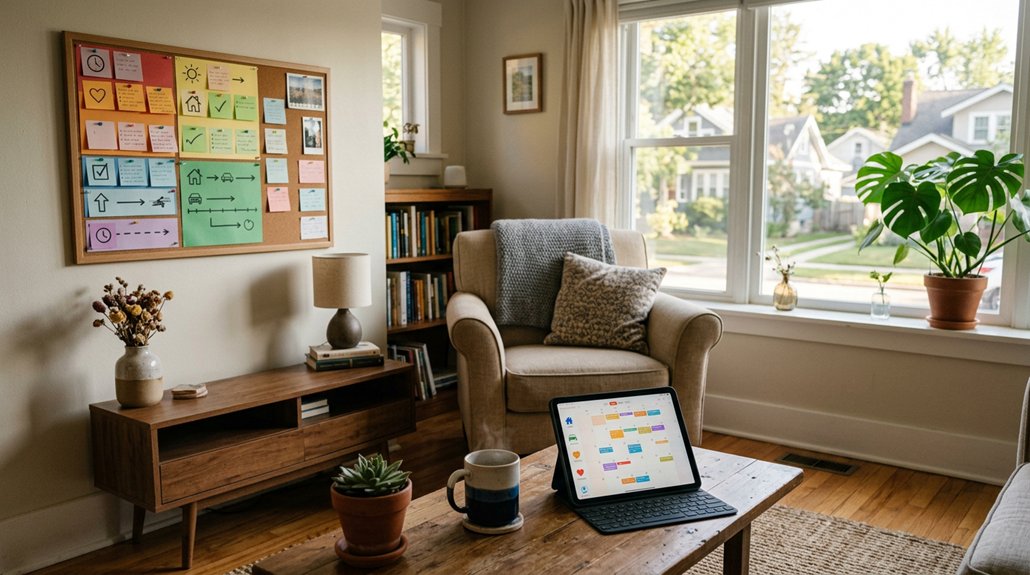
When traversing periods of separation, creating and communicating a reassurance plan is essential to maintaining connection and alleviating anxiety. Start by agreeing on specific times and communication methods, like check-in strategies that include calls or texts, to address both partners’ reassurance needs. Establishing a framework like a shared calendar can bolster transparency and reduce anticipatory anxiety by marking important dates and planned communications.
Encourage regular emotional check-ins to discuss feelings about the separation and affirm commitment. This approach enhances understanding and maintains security in the relationship. Incorporate reassuring phrases or affirmations during these check-ins, consistently reinforcing your support despite physical distance. By combining thoughtful communication methods and predictable check in strategies, you build a foundation that withstands the challenges of separation.
Frequently Asked Questions
How to Stop Separation Anxiety?
Start by developing coping strategies focused on emotional regulation. Practice mindfulness to manage anxiety, gradually increase exposure to short separations, and seek therapy for underlying issues. Open communication with your partner can improve trust and ease separation anxiety.
What Is the 70/30 Rule in a Relationship?
Imagine the 70/30 rule as a charm from the ’50s, focusing 70% on your relationship for balance and emotional connection, while dedicating 30% to personal interests. This fosters individuality, enhancing your bond and preventing codependency.
What Is the 3-3-3 Anxiety Rule?
The 3-3-3 anxiety rule is a grounding technique focusing on separation triggers. It engages your emotional strategies by noticing three things you can see, hear, and feel, helping manage anxiety by reconnecting with the present moment.
Why Do I Struggle When My Partner Is Away?
You struggle when your partner is away due to relationship dynamics influenced by anxious attachment, affecting emotional resilience. Understanding this pattern through an analytical lens can help develop coping strategies promoting independence while maintaining relationship stability and support.
Conclusion
Imagine you’re a gardener tending to a delicate plant. Each step you take—understanding its needs, establishing consistent watering, gradually introducing sunlight, and nurturing the environment—cultivates resilience. Separation anxiety is much like this plant; with patience and care, it thrives. By embracing these strategies, you foster a garden of trust and confidence. Remember, life’s storms are less intimidating when you’ve built strong roots. Prioritize your well-being, and reassure your loved ones—you’re both stronger together.