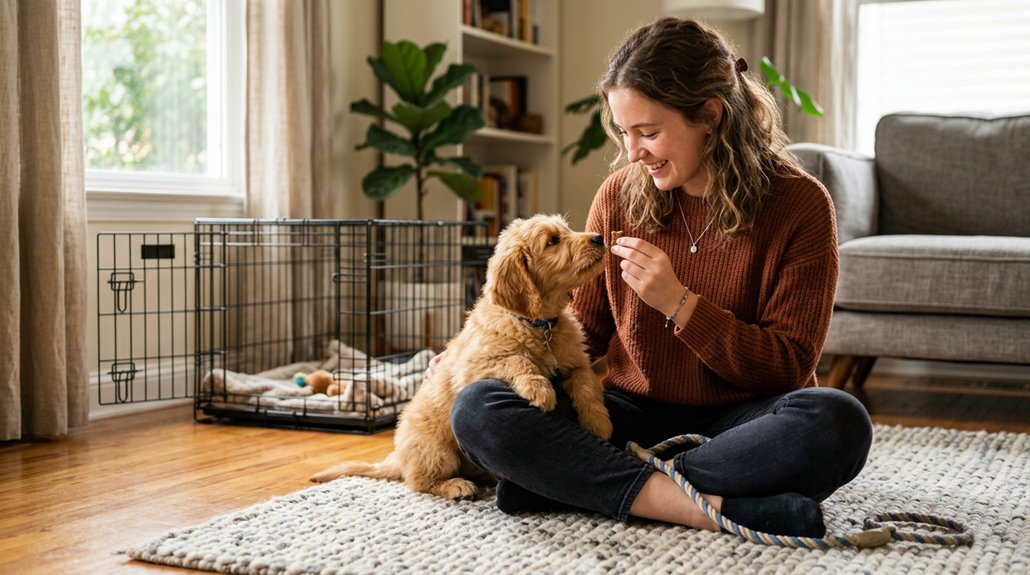
As a first-time dog owner, enhance your experience by selecting a breed that aligns with your lifestyle, factoring in space and energy needs. Prioritize understanding your dog’s unique traits and dietary needs for maximum health. Establish a safe home environment, integrating regular vet care and a structured routine. Implement consistent training and effective socialization early, using positive reinforcement techniques. Guarantee adequate exercise and mental stimulation to prevent boredom. For deeper insights, explore further for expert advice.
Key Takeaways
- Choose a dog breed that matches your lifestyle and living situation to ensure compatibility and happiness.
- Tailor your dog’s nutrition plan to its age, breed, and health needs to support overall well-being.
- Establish a safe environment by dog-proofing your home and scheduling routine health checkups.
- Provide proper exercise and mental stimulation suitable for your dog’s energy level to prevent boredom.
- Begin early training and socialization with positive reinforcement to foster good behavior and adaptability.
Choosing the Right Breed for Your Lifestyle
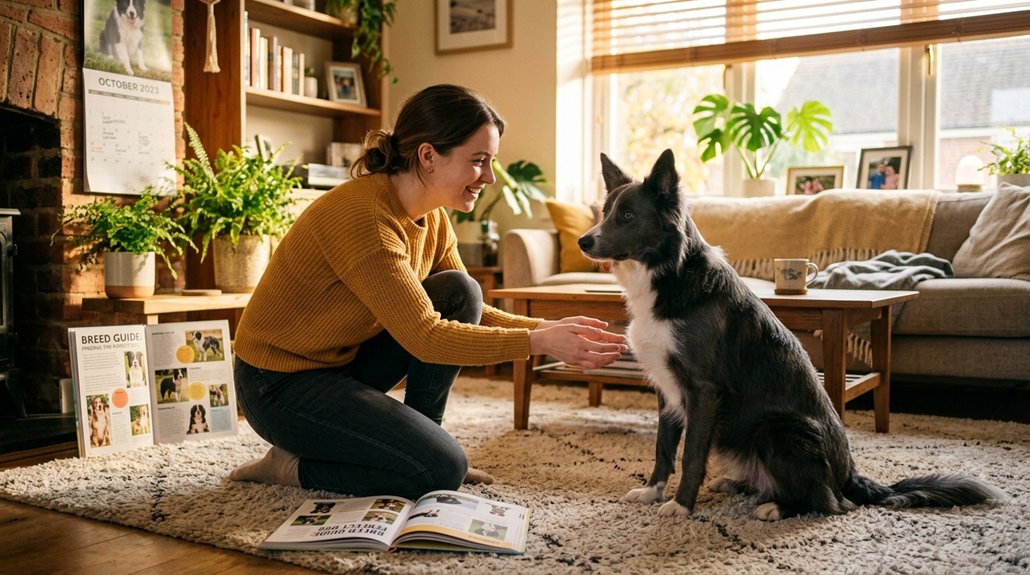
Selecting the right dog breed is essential for a harmonious integration into your lifestyle. Evaluating dog breed characteristics in relation to lifestyle compatibility guarantees that both you and your pet thrive. For example, if you live in an apartment, small breeds are preferable, while larger breeds need a home with a yard. Energy levels also vary; high-energy breeds, like Border Collies, align with active lifestyles, whereas Basset Hounds suit more relaxed environments. Consider family dynamics too—breeds like Golden Retrievers and Beagles are ideal for homes with children due to their gentle and sociable nature. Grooming requirements affect time and costs; Shih Tzus need more maintenance compared to Boxers. Thorough research is critical to aligning a breed’s needs with your daily life.
Identifying Your Dog’s Unique Requirements
As a first-time dog owner, it’s essential to comprehend your dog’s specific requirements by analyzing breed-specific traits, energy levels, and dietary needs. Breeds exhibit distinct behaviors and physical demands, so while a Border Collie needs vigorous daily activity and mental challenges, a Basset Hound requires more subdued exercise. Evaluating these factors allows you to tailor nutrition and care routines, ensuring your dog’s well-being and maximizing their quality of life.
Understanding Breed-Specific Traits
Understanding breed-specific traits is vital for first-time dog owners aiming to cater to their pet’s unique requirements effectively. Each breed has distinct breed characteristics influencing temperament differences, health considerations, and exercise requirements. For instance, energy levels vary vastly; Border Collies demand stimulation while Basset Hounds relish relaxed environments. Grooming needs should be carefully evaluated—Shih Tzus need frequent grooming compared to Boxers. In addition, size selection affects living arrangements; Chihuahuas suit apartments, whereas Labrador Retrievers thrive with ample space. Recognizing family compatibility is essential; Golden Retrievers are gentle with children. Be aware of breed-specific health concerns; larger breeds like Great Danes often encounter hip dysplasia.
| Breed | Grooming Needs | Health Considerations |
|---|---|---|
| Shih Tzu | High | Respiratory issues |
| Boxer | Low | Heart conditions |
| Labrador Retriever | Moderate | Hip dysplasia |
| Chihuahua | Low | Dental problems |
Managing Energy and Activity
Determining a dog’s energy and activity needs is essential for maintaining its health and happiness. Effective energy management involves recognizing your dog’s unique breed-related requirements. High-energy breeds, such as Border Collies, demand significant physical and mental activity engagement, while more relaxed breeds, like Basset Hounds, benefit from modest exercise. Establish a daily exercise routine tailored to your dog’s breed and age, ensuring at least one to two walks per day. Incorporate interactive toys and regular play sessions to prevent boredom and potential destructive behaviors, particularly in more energetic breeds. Monitor and adjust your dog’s activity levels based on observed behavior to promote a balanced routine. Adequate socialization with other dogs and people further supports their well-being and confidence.
Tailoring Nutrition and Care
When it comes to tailoring your dog’s nutrition and care, it’s important to assess their unique requirements based on age, size, breed, and activity level. Puppies need growth-formulated food, while adult dogs thrive on high-quality protein diets, consisting of 25-30% meat protein with fruits, grains, and vegetables as complements. Implement precise feeding techniques by adjusting your dog’s meal schedule—three daily feeds for puppies and two for adults. Consider dietary supplements if needed, but make sure treats contribute no more than 10% of daily caloric intake, opting for healthy choices like turkey or pumpkin. Regular veterinary consultations are vital to address unique health and nutritional concerns, allowing for personalized dietary adjustments and evaluations of dietary supplements to optimize your dog’s well-being.
Setting Up a Safe Home Environment for Your Dog
To create a safe home environment, start by dog-proofing essential areas, ensuring all choking hazards and toxic items are out of reach. Using barriers like baby gates or crates helps limit their access while they gradually explore their new home. In addition, establish a secure and comfortable sleeping area with fresh water, toys, and a cozy bed to provide your dog with a restful space.
Dog-Proofing Essentials
Ensuring a safe environment for your new dog involves several critical steps that protect against common household hazards. Begin by conducting thorough hazard identification; remove toxic plants, small objects, and secure electrical cords to eliminate choking and poisoning risks. Utilize baby gates or pet barriers to establish safe zones, restricting access to areas that may compromise your dog’s safety.
Regularly assess your home environment for potential hazards, adapting as seasons change and introducing new items like holiday decorations.
| Item to Secure | Reason for Securing |
|---|---|
| Toxic plants | Risk of poisoning |
| Electrical cords | Risk of electrocution/choking |
| Cleaning supplies | Risk of accidental ingestion |
Proper dog-proofing requires vigilance. Store cleaning supplies, medications, and any harmful substances securely to protect against accidental ingestion.
Safe Sleeping Area
A well-designed sleeping area is essential for your dog’s safety and comfort. Designate a quiet, low-traffic zone in your home to establish a secure and calming environment. Opt for a sturdy dog crate or bed, confirming it’s the right size for your dog’s breed and age. Correct sizing is critical to sleeping safety, providing the necessary comfort and security.
Equip the area with cozy bedding to enhance feelings of security and promote restful sleep. It’s important to eliminate any hazards nearby, such as small objects, toxic plants, or noisy distractions, which could disturb your dog. To further guarantee a calming environment, consider using calming aids like pheromone diffusers and soft toys. These measures collectively support your dog’s safe and restful sleep.
Creating a Stable Routine
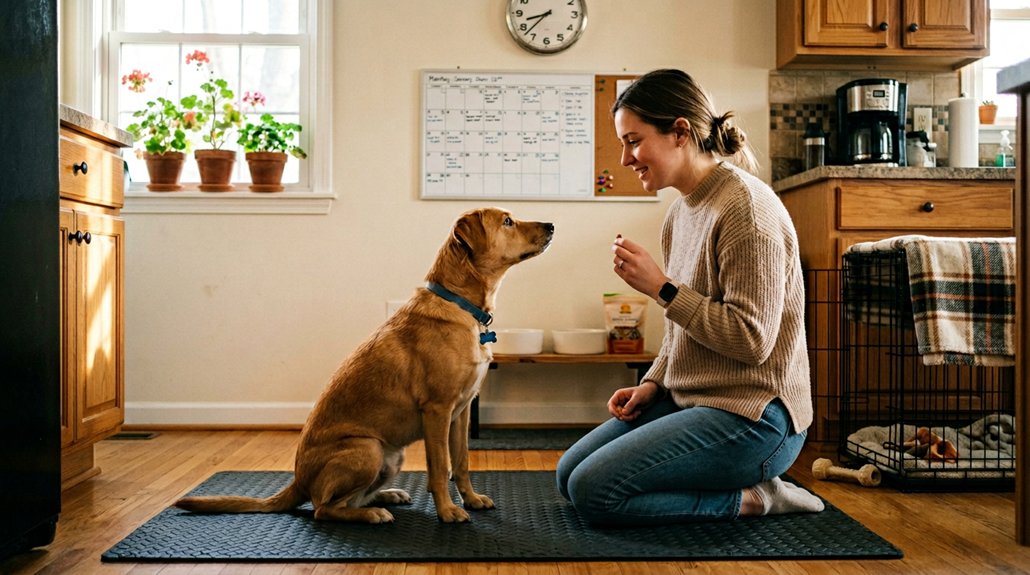
Establishing a stable routine is crucial for a first-time dog owner, as it provides the structure your pet needs to thrive. By incorporating daily consistency into your routine, you instill predictability, ensuring your dog feels secure. Structure specific times for feeding, walking, and play, and make routine adjustments gradually to accommodate your pet’s comfort and reduce anxiety. Use regular potty breaks to reinforce house training. Structured interaction, through play or training sessions, strengthens your bond. Implementing feeding schedules and exercise plans guarantees adequate nutrition and activity, essential for health.
| Activity | Recommended Time | Frequency |
|---|---|---|
| Feeding | Morning & Evening | Twice daily |
| Walking | Morning & Afternoon | Twice daily |
| Play/Training | Midday & Evening | Daily |
| Rest | Mid-afternoon & Night | Regular intervals |
Nutrition & Vet Care for New Dog Owners
As a first-time dog owner, it’s vital to prioritize a balanced diet specific to your dog’s age, size, and activity level to guarantee their peak health. Limit treats to under 10% of their daily intake to maintain nutritional balance and prevent obesity. Regular veterinary visits, including routine check-ups and vaccinations, are important to monitor their health and provide necessary preventative care.
Essential Dietary Elements
Understanding the essential dietary needs of your dog is fundamental to guaranteeing their well-being and longevity. Puppies require a growth-formulated diet with established meal schedules—three to four meals daily until six months. Adult dogs, contrastingly, thrive on two meals a day, comprising high-quality proteins, fats, vitamins, and minerals. Safe treats are integral for training and should not exceed 10% of the daily caloric intake. Opt for nutritious options like cooked turkey, pumpkin, or plain yogurt.
Maintaining this dietary discipline prevents obesity and supports overall health. Incorporating these elements into your dog’s nutrition plan guarantees they receive complete nourishment. Adjust as necessary and always opt for balanced, peer-reviewed formulations tailored to your pet’s specific life stage and health needs.
Routine Health Checkups
While owning a dog can be a joyful experience, it’s essential to prioritize routine health checkups to maintain your dog’s well-being. Regular veterinary visits should be scheduled according to your dog’s vaccination schedule and preventive measures plan. Puppies typically need checkups every few weeks until they’re about 16 weeks of age to guarantee timely vaccinations against common diseases such as rabies, parvovirus, and distemper.
Maintaining a balanced diet is equally important; consult your vet to tailor nutritional needs to age, breed, and lifestyle.
- Preventive Actions: Implement heartworm, flea, and tick prevention to avert severe health issues.
- Dental Care: Regular brushing and dental chews mitigate oral diseases influencing overall health.
- Veterinary Appointments: Foster continuous health monitoring, adjusting dietary and preventive strategies accordingly.
Implementing Training Techniques for Your Dog
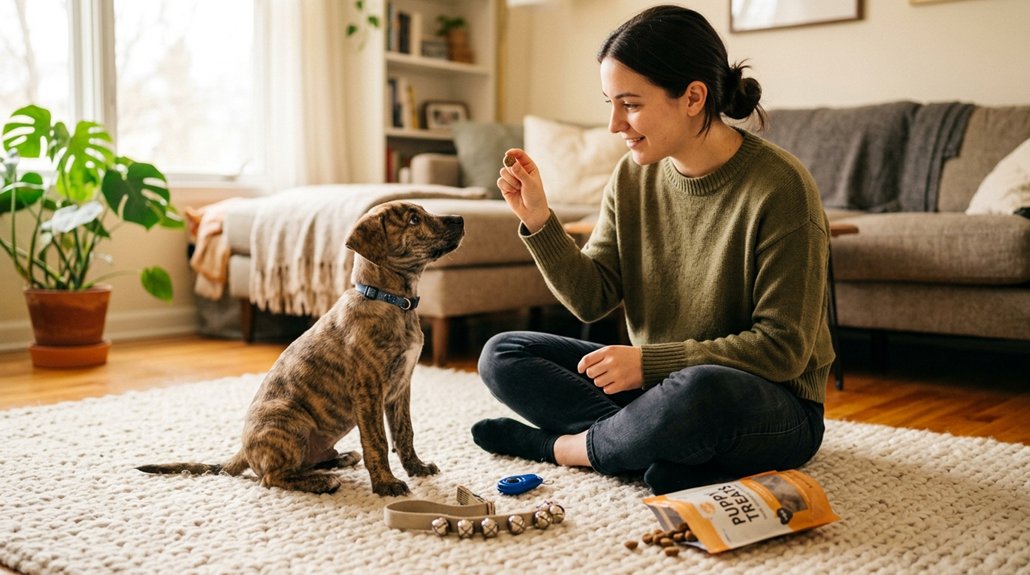
Initiating effective training for your new dog is essential. Start immediately by teaching commands like “sit,” “stay,” “come,” and “leave it” to foster communication and reinforce safety. Use training consistency with short, frequent sessions of 5-10 minutes, focusing on positive reinforcement. Utilize techniques like clicker training and precisely timed rewards to strengthen desired behaviors. Implement essential commands without distractions; keep the environment focused to optimize learning. Consider integrating training games to make sessions engaging, which aids in measuring progress and maintaining attention. Beware of reward timing, as it must immediately follow the correct action to be effective. Regularly evaluate progress to refine your methods, ensuring that undesired behaviors aren’t accidentally reinforced, preventing training setbacks.
How to Socialize Your Dog Effectively
Socialization is essential to developing a well-adjusted dog, starting ideally between 3 to 12 weeks of age. During this critical window, expose puppies to diverse environments, ensuring controlled experiences. Focus on interaction quality over quantity; positive reinforcement plays a pivotal role in mitigating fearful behaviors and boosting confidence. Gradual exposure allows your dog to adapt without anxiety. Explore puppy classes where trained professionals guide interactions, ensuring proper techniques and environments. Here’s how to provide effective socialization:
- Introduce sounds, sights, and different textures to improve adaptability.
- Use calming techniques in tranquil settings to resolve your dog’s anxious reactions.
- Monitor interactions closely to prevent over-stimulation.
Socialization tips are invaluable for laying the foundation of lifelong stability. Nurture your pet’s resilience, preparing them for varied situations.
Designing a Safe and Comfortable Space
After laying the groundwork for your dog’s social development, it’s important to focus on creating a nurturing environment. Start by designating a safe area equipped with a comfortable dog bed, ensuring it’s inviting with soft blankets. Position the feeding area away from high-traffic zones to minimize stress. Integrate comfort items like toys within a designated play zone, incorporating environmental enrichment. Implement safety measures such as securing electrical cords and removing toxic plants to prevent accidents. Using gates or ex-pens can initially limit home access, promoting smoother adjustment and reducing indoor mishaps. Establish an activity schedule that includes consistent feeding and relaxation techniques, providing your dog with stability. Consistency helps your dog adapt smoothly and secure a balanced routine.
Ways to Ensure Your Dog Gets Exercise
Engaging your dog in regular physical activity is crucial for their overall health and well-being. Most dogs benefit from structured dog walking, comprising 30-60 minute walks twice a day. This guarantees they get the physical and mental stimulation needed for peak development. Complement these walks with varied exercise routines and interactive play such as fetch games or frisbee, which help strengthen your bond.
- Puzzle toys: Employ puzzle feeders to provide both entertainment and mental stimulation indoors.
- Outdoor adventures: Visit dog parks, allowing your pet to roam off-leash and engage naturally with others.
- Playdates options: Schedule regular playdates for socialization, facilitating exercise while they learn social behavior.
Utilizing these strategies optimizes your dog’s physical health, mental acumen, and social growth.
When to Seek Expert Behavioral Advice
Understanding when to seek expert behavioral advice is critical for a harmonious relationship with your dog. Persistent problem behaviors like excessive barking, chewing, or aggression can escalate without professional intervention. Identifying these behavioral signs early on is key. If your dog exhibits signs of anxiety or fear, such as cowering, hiding, or whining excessively, expert guidance can offer strategic solutions. Training challenges are another indicator. If basic commands like “sit” or “stay” remain unmet despite consistent practice, a certified dog trainer can be essential. Additionally, dogs dealing with socialization issues or separation anxiety, marked by destructive behaviors or excessive vocalization, require tailored interventions. An early consultation can bridge the gap between training challenges and successful behavioral management.
Frequently Asked Questions
How Can I Help My Dog Cope With Separation Anxiety?
Use training techniques like gradual desensitization to ease your dog’s separation anxiety. Introduce calming products such as calming collars or diffusers. Consistent practice and patience will reinforce positive behavior, helping your dog adjust more comfortably over time.
What Are Some Fun Indoor Activities for My Dog?
Explore indoor training like agility courses and obstacle challenges. Use puzzle toys for mental stimulation; try hide treats or scent games. Interactive games and fetch alternatives offer exercise and fun, catering to your dog’s energy levels.
How Do I Introduce My Dog to New Pets or Children?
Start with controlled introductions, using leashes or barriers. Gradually increase interaction time. Incorporate introduction techniques like sniffing and calm praise. Maintain patience and consistency. Utilize socialization tips such as guided play to guarantee positive experiences with new pets or children.
What Should I Do if My Dog Is Afraid of Loud Noises?
Treat loud noises like turbulent seas; calm the waves with noise desensitization techniques. Create a safe space for your dog to anchor, easing their anxiety. Gradually introduce varied sounds, rewarding calm behavior to reinforce security.
How Can I Manage My Dog’s Excessive Barking?
Identify your dog’s barking triggers first, like strangers or other animals. Implement training techniques such as positive reinforcement, command training, and consistent routines. Avoid reinforcing barking inadvertently, and consider consulting a professional trainer for persistent issues.
Conclusion
As a first-time dog owner, remember: choosing the right breed aligns energy levels, creating a safe home fosters comfort, setting routines encourages stability, and proper nutrition fuels vigor. Your dog’s socialization builds confidence, while a designated space offers security. Consistent exercise enhances physical well-being, and knowing when to seek expert advice guarantees behavioral health. Through these elements in harmony, you craft a life that’s enriched for both you and your canine companion, fostering a lasting bond.