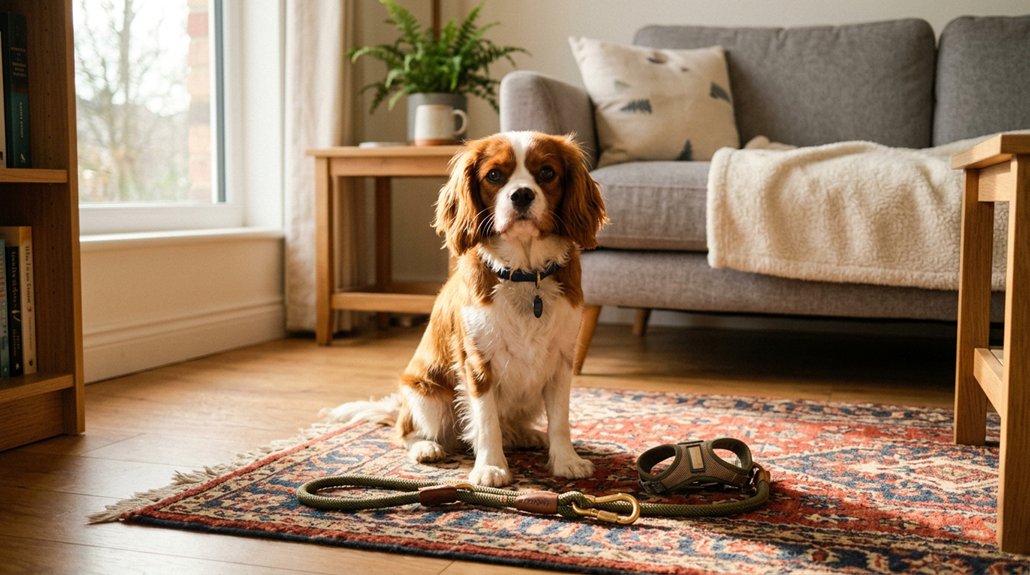
As a first-time dog owner, choosing the right breed is essential. Consider Golden Retrievers and Labradors for their friendly and adaptable nature. Cavalier King Charles Spaniels and Bichon Frises suit busy lifestyles with their moderate exercise needs and easygoing temperaments. Mixed breeds are often more adaptable and may face fewer health issues. When you choose wisely, your new pet can seamlessly blend into family life. Discover more to guarantee a smooth shift into pet ownership.
Key Takeaways
- Golden Retrievers are friendly, adaptable, and quick learners, making them ideal for first-time dog owners.
- Labrador Retrievers are affectionate and easy to train, perfect for new dog owners.
- Bichon Frises have low exercise needs and minimal grooming, suitable for busy first-time owners.
- Cavalier King Charles Spaniels are gentle with a family-friendly temperament, excellent for novice owners.
- Standard Poodles are intelligent and trainable, offering a good match for new dog owners.
Best Dog Breeds for New Owners
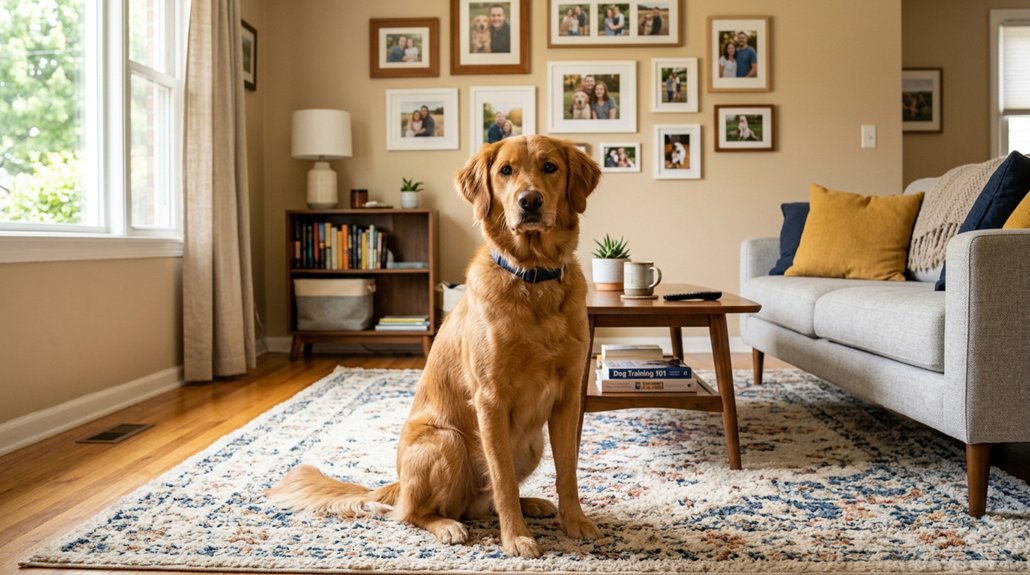
When initiating the journey of dog ownership for the first time, it’s vital to take into account breeds that are well-suited for beginners. Experts recommend Golden Retrievers, Labrador Retrievers, and Cavalier King Charles Spaniels due to their friendly temperaments and adaptability. These breeds are renowned for their ability to learn training techniques quickly, which is important for new owners. Additionally, the significance of socialization cannot be overstated; it helps these dogs become well-adjusted, confident companions in various environments. Small breeds like Bichon Frises and Papillons are ideal as they require minimal exercise and grooming, fitting effortlessly into busy lifestyles. When looking at medium or large breeds, consider the trainable Greyhound or the gentle Standard Poodle, both offering an amiable nature.
Comparing Purebred and Mixed Breeds for Beginners
Exploring your options between purebred and mixed-breed dogs can yield insights tailored to new dog owners. Purebred advantages include predictable traits, making it easier to match these dogs with your lifestyle. Knowing their grooming and exercise needs based on established breed standards helps in managing care expectations.
On the other hand, mixed breed benefits often encompass a robust genetic mix. This hybrid vigor can potentially lower the risk of inherited health issues, offering a healthier companion. Their adaptable temperaments, influenced by diverse genetic backgrounds, can make mixed breeds easier to integrate into your home. Additionally, adopting from shelters is usually more economical as costs often cover initial veterinary care, easing the financial burden for first-time owners.
Easygoing Breeds for Busy Lifestyles

For those with demanding schedules, opting for easygoing dog breeds can be a practical solution. Choosing a breed that adapts seamlessly to busy lifestyles guarantees both you and your dog thrive. Breeds like the Cavalier King Charles Spaniel and Bichon Frise, needing only about 20-30 minutes of daily exercise, are ideal. French Bulldogs are playful yet relaxed, requiring minimal exercise and low grooming, perfectly suiting hectic routines. Surprisingly low-energy Greyhounds enjoy lounging with short walks. Dachshunds fit into limited-time schedules with their need for just short exercise sessions. Similarly, the Shih Tzu is affectionate, adaptable, and thrives with moderate grooming. These easygoing breeds are well-suited for those balancing a busy life.
| Breed | Daily Exercise Needs | Grooming Needs |
|---|---|---|
| Cavalier King Charles | 20-30 minutes | Moderate |
| French Bulldog | Minimal | Low |
| Greyhound | Short walks | Low |
Family-Friendly Dogs for Households With Kids
When considering a dog for your family, focus on breeds with proven compatibility with children and an ability to integrate into active family life. Golden Retrievers and Labradors, for example, are renowned for their gentle temperament and intelligence, making them ideal companions that flourish with regular exercise. Similarly, Cavalier King Charles Spaniels and Bichon Frises provide affectionate companionship, though they require attention to grooming and activity levels to maintain their well-being.
Ideal Breeds for Families
Although selecting the right breed for your family can seem overwhelming, understanding the characteristics of each dog can guide you. Key breeds for families prioritize gentle natures and adaptability, making them well-suited to households with children. Here’s a clinically-informed, evidence-based breakdown:
- Golden Retrievers – Their patient nature and friendly temperament offer seamless integration into family life. Pair them with training resources and socialization strategies to enhance their natural disposition.
- Labradors – With boundless energy and affection, they fit active families. Consistent training and outdoor play guarantee they thrive.
- Cavalier King Charles Spaniels – Ideal for families with younger kids due to their affectionate and easygoing nature.
- Bichon Frises – Their adaptability and sociable demeanor, coupled with a compact size, make them excellent in varied living situations.
Child-Friendly Dog Traits
Selecting a dog for a family with children involves focusing on breeds that exhibit key child-friendly traits. Prioritize dogs with gentle temperaments and suitable energy levels, like the Golden Retriever or Labrador Retriever, renowned for their patience and compatibility with young ones. Cavalier King Charles Spaniels and Bichon Frises add affectionate playfulness, enhancing children’s emotional well-being. Opt for breeds that adapt well, such as Boxers and Beagles, ensuring they engage without tiring the kids. Also, consider the social adaptability of breeds like Poodles and Australian Shepherds, which promote active lifestyles.
| Breed | Child Temperament | Energy Levels |
|---|---|---|
| Golden Retriever | Gentle, tolerant | Moderate |
| Labrador Retriever | Patient, friendly | Moderate |
| Cavalier King Charles | Affectionate, patient | Moderate |
Breeds With Minimal Grooming Needs
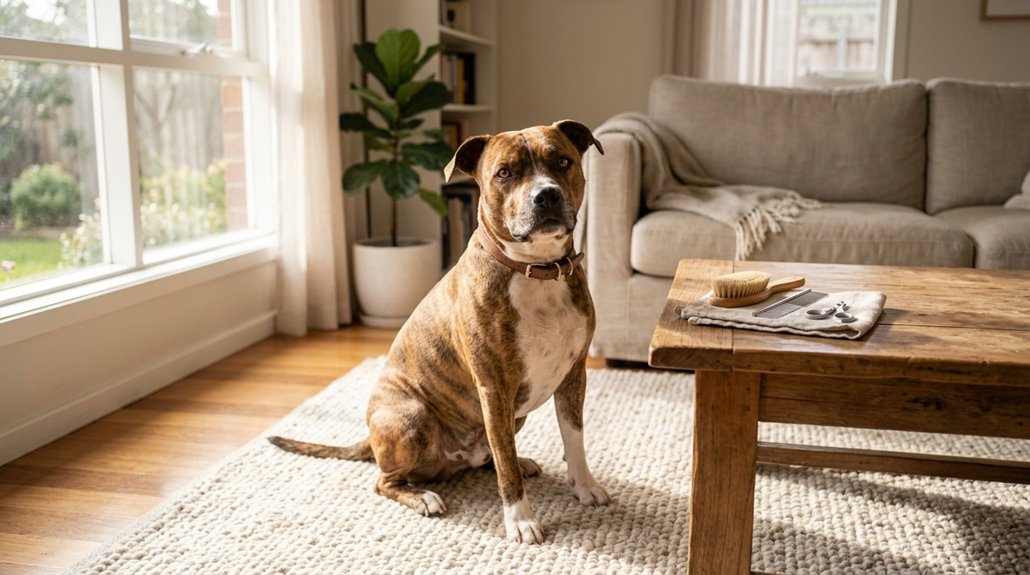
For first-time dog owners prioritizing ease of grooming, selecting the right breed is essential. A Boston Terrier’s grooming routine is straightforward, given their short, smooth coats needing only consistent brushing. Dachshund maintenance is equally manageable with their short hair, requiring just monthly grooming sessions. Despite its moderate care requirements, the Cavalier King Charles Spaniel demands regular brushing yet is easier to manage than breeds with longer coats. The Bichon Frise offers unique advantages; it requires regular trimming but has a low-shedding coat, simplifying grooming tasks. Finally, the Whippet’s upkeep is minimal, thanks to its short coat, making it an excellent choice for those seeking lower maintenance.
Consider these breeds for low-maintenance grooming:
- Boston Terrier
- Dachshund
- Cavalier King Charles Spaniel
- Whippet
Essential Preparation and Tips for First-Time Dog Owners
When choosing an easy-to-groom dog, honing in on preparations and tips for first-time dog ownership can guarantee a smooth experience. Start by evaluating your lifestyle, energy, and living arrangements, essential elements in matching you with a compatible breed. Dog ownership basics involve budgeting for initial and recurring expenses, covering adoption fees, vaccines, food, grooming, and veterinary care. Establishing a routine is key; consistent feeding, exercise, and training secure your dog’s well-being and strengthen your bond. Training essentials include reinforcing positive behavior consistently to cultivate a well-mannered pet. Research reputable breeders or rescue organizations to ensure a healthy dog and gain insight into their temperament and needs. Consider adopting an adult dog to simplify house-training and socialization needs.
Frequently Asked Questions
What Is the Best Dog for a First-Time Dog Owner?
You should consider friendly breeds like a Papillon or Labrador Retriever. Consult training tips from reliable sources to guarantee you’re equipped to provide a supportive environment. Evidence suggests these breeds are ideal for novices due to their temperament and adaptability.
What Is the 3-3-3 Rule With Dogs?
Ever heard of the 3-3-3 rule? It outlines a dog’s adjustment: the first three days are overwhelming, three weeks build comfort, and three months solidify bonds. Patience and socialization tips help navigate common challenges during this time.
How Do You Say “I Love You” in Dog Speak?
To say “I love you” in dog speak, nuzzle them gently, maintain soft eye contact, and mimic tail wagging by showing enthusiasm. Engaging playfully and speaking softly also translates your affection into a language your dog understands.
What Annoys Dogs the Most?
You’re likely to annoy dogs with loud noises and sudden changes in their routine. These dog stressors, along with common irritants like strong scents and lack of stimulation, can cause a plethora of stress-related behaviors.
Conclusion
Choosing your first dog is like finding the perfect little black dress—it should fit your lifestyle and needs. Opt for breeds known for their easygoing nature, especially if you’re time-strapped. Family-friendly breeds are ideal if you’ve got a house full of kids. Don’t overlook mixed breeds, often healthier than their purebred cousins. Minimal grooming breeds save time too. Remember, preparation is key—research thoroughly and consult experts to guarantee your new furry friend fits your life seamlessly.