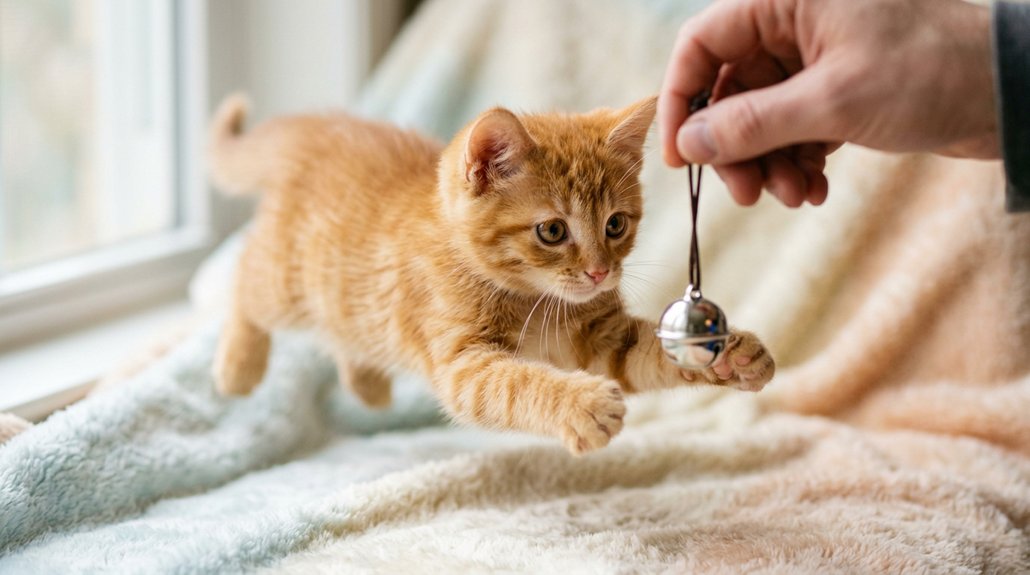
To use positive reinforcement with kittens, observe their motivations and tailor rewards like treats or play to reinforce desirable behaviors. Create a distraction-free training environment and schedule sessions…
Kittens
How to Teach a Kitten Good Behavior Early
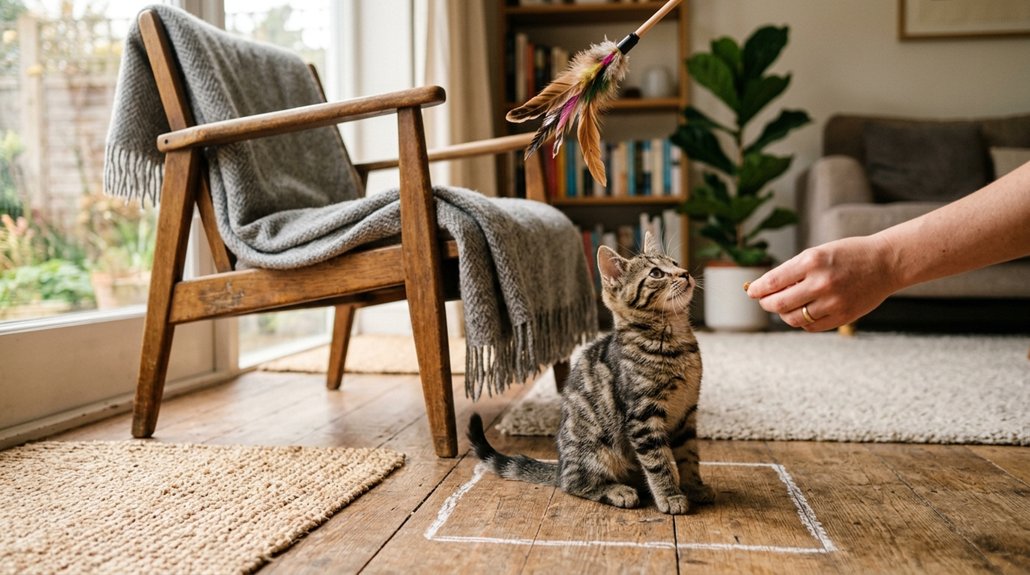
To teach a kitten good behavior early, focus on socialization from day one and use positive reinforcement. Create a safe environment with cozy spots and interactive toys to…
Kittens
Can You Train a Kitten Like a Dog?
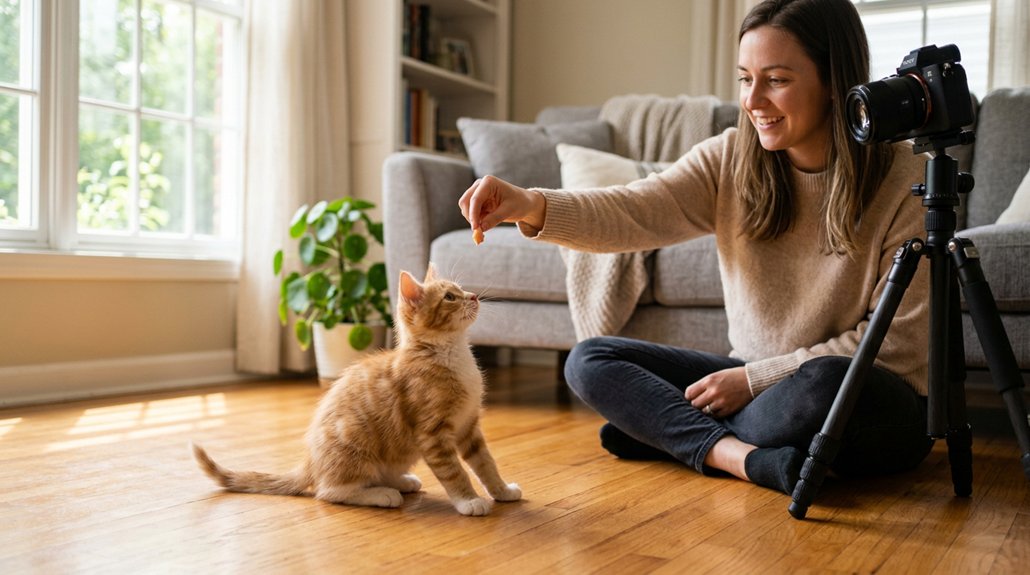
Training a kitten shares similarities with dog training, yet demands unique strategies that respect a kitten’s independent nature. You should focus on short, frequent sessions with high-value treats…
Kittens
How to Start Basic Training With a Kitten
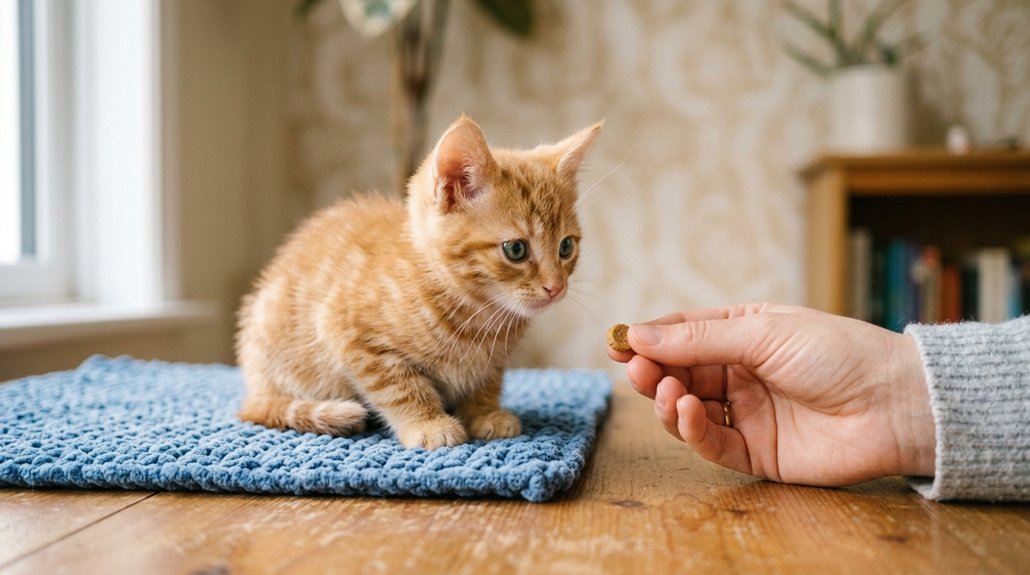
Start kitten training by creating a safe, distraction-free environment. Use positive reinforcement with treats and praise to encourage good habits. Introduce your kitten to a designated training area,…
Kittens
How to Keep a Kitten Entertained Indoors
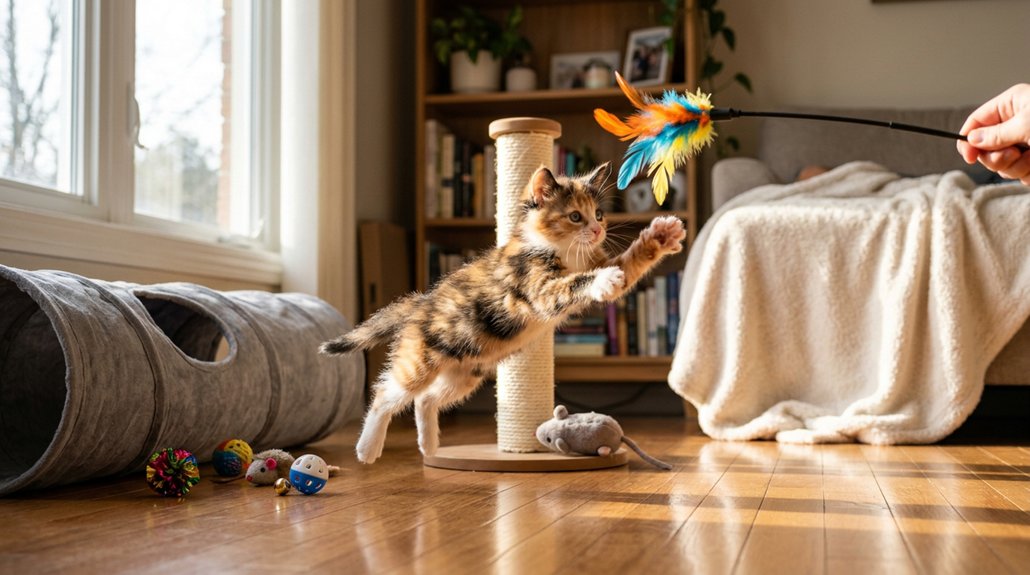
To keep your kitten entertained indoors, create an engaging play environment with interactive toys and puzzle feeders. Install vertical climbing structures like cat trees for adventure. Encourage healthy…

Kittens
How to Balance Work and Raising a Kitten
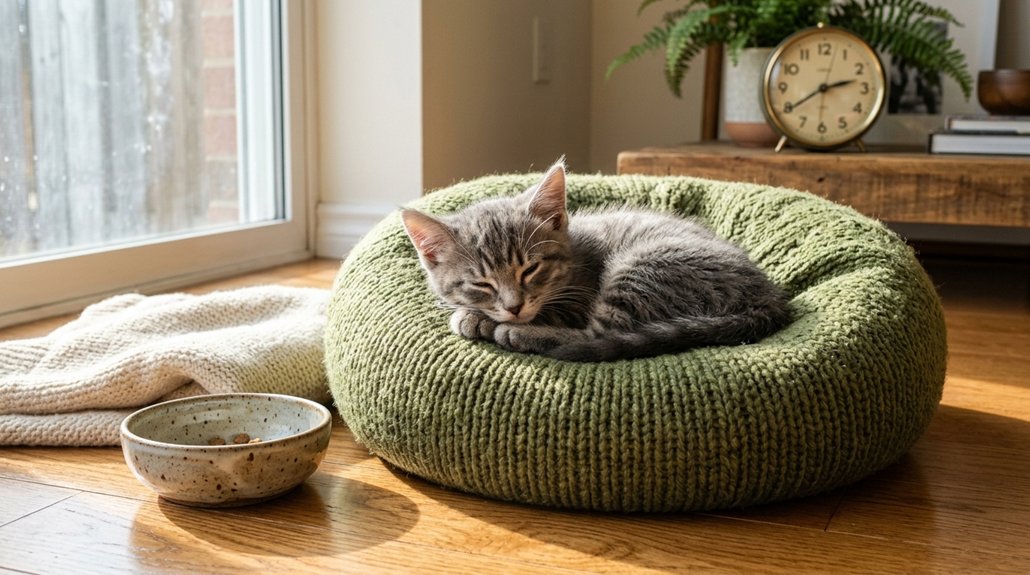
Balancing work and raising a kitten requires thoughtful planning and the right tools. Create a safe environment with designated areas for food, play, and rest. Involve family or…
Kittens
How Much Time a Kitten Needs Each Day
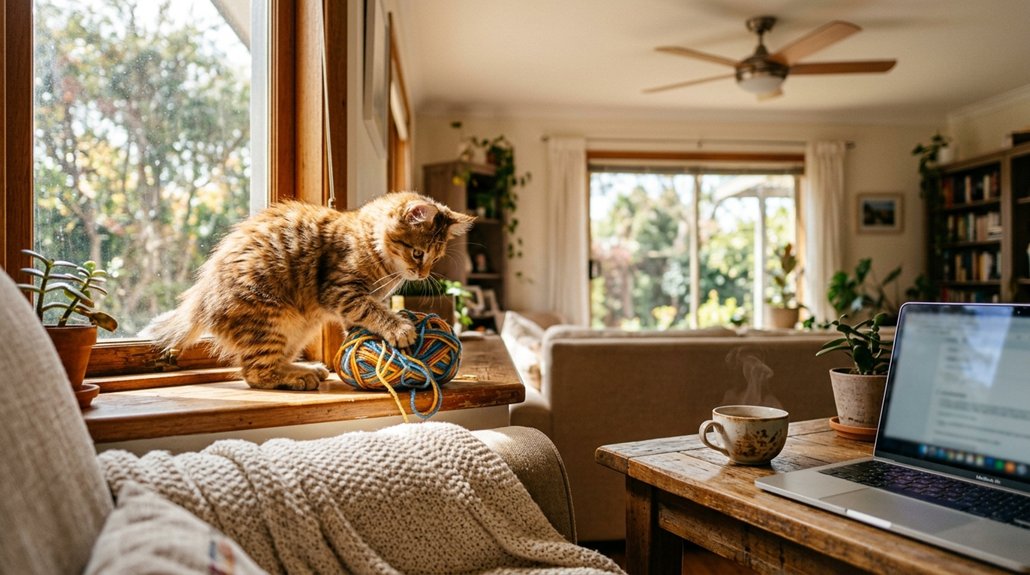
Caring for a kitten requires dedication of time and attention daily. You should focus on hygiene, feeding, and hydration, checking for hazards in their environment. Plan for 4-7…
Kittens
What a Typical Day With a Kitten Looks Like
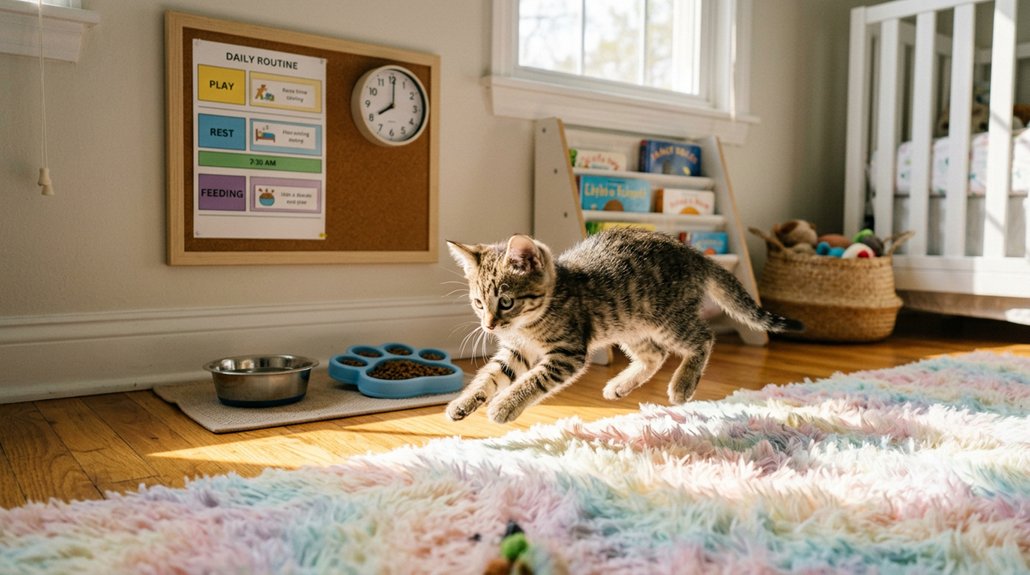
Your day with a kitten involves morning play sessions that boost social skills and agility. Grooming follows, essential for maintaining cleanliness and coat health. Sensory exploration sparks curiosity…
Kittens
How to Build a Daily Routine for a Kitten
To build a daily routine for your kitten, establish consistency with feeding, play, and nap schedules. Start mornings with high-quality food and engage in active play to tap…
Kittens
How to Create a Comfortable Sleeping Space for a Kitten
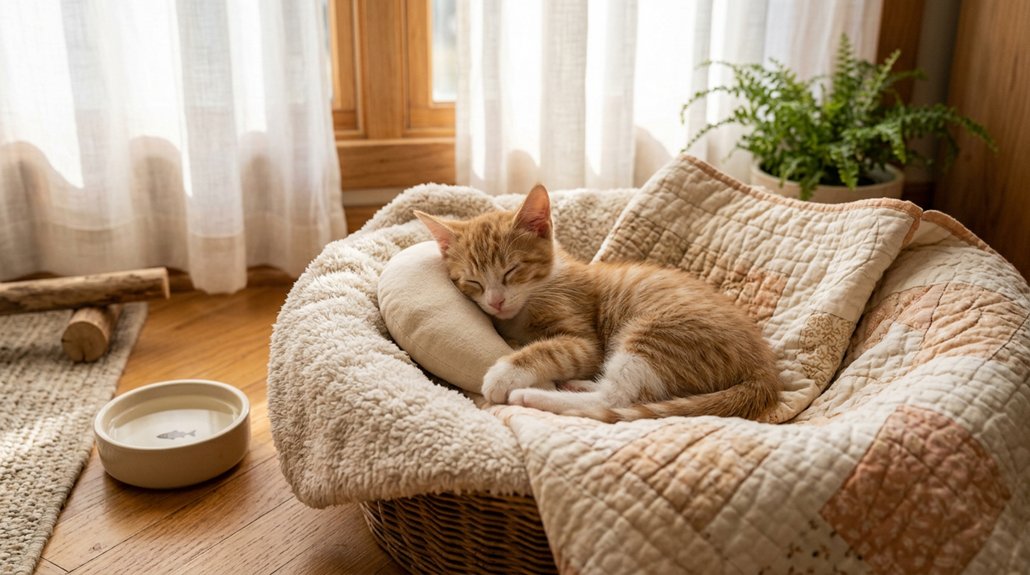
To create a comfortable sleeping space for your kitten, choose a draft-free, warm spot, ideally elevated and near essentials like food and water. Use soft, easy-to-clean materials such…
Kittens
Best Sleep Schedule for a New Kitten
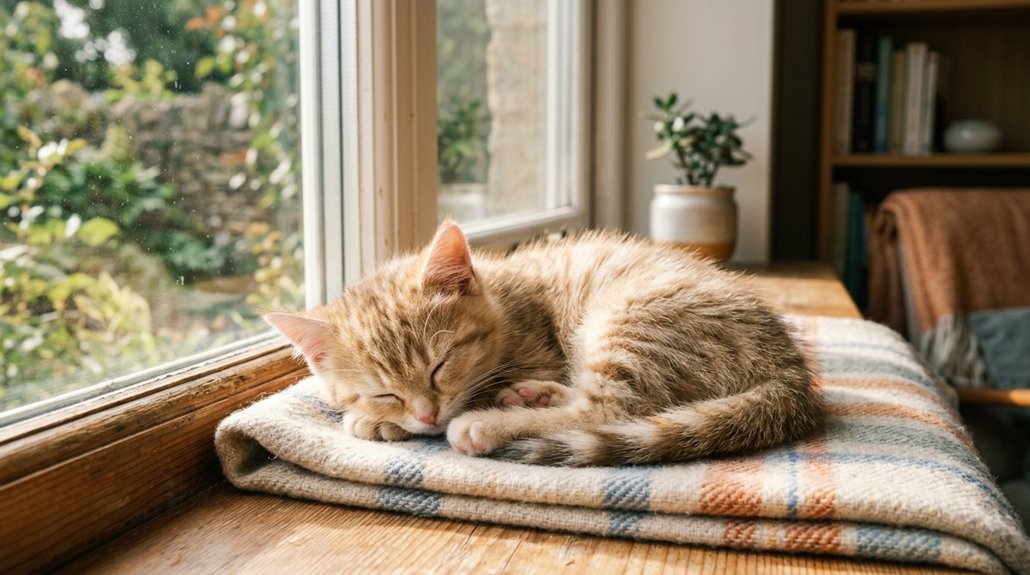
Ensuring your kitten’s ideal sleep schedule involves recognizing their need for 16-20 hours of sleep daily in 78-minute cycles. Set up a quiet, dimly lit, cozy sleeping environment…
Kittens
Why Your Kitten Cries at Night and What to Do
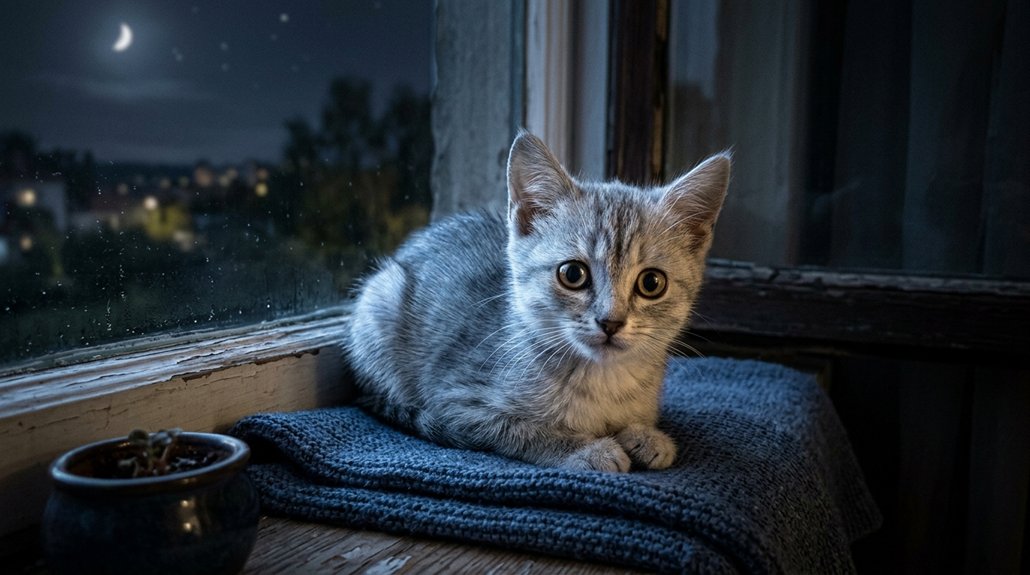
Your kitten cries at night mainly due to adjustment and social needs. Make certain of their comfort with a cozy bed, consistent feeding schedule, and a calm atmosphere.…
Kittens
How to Help a Kitten Sleep Through the Night
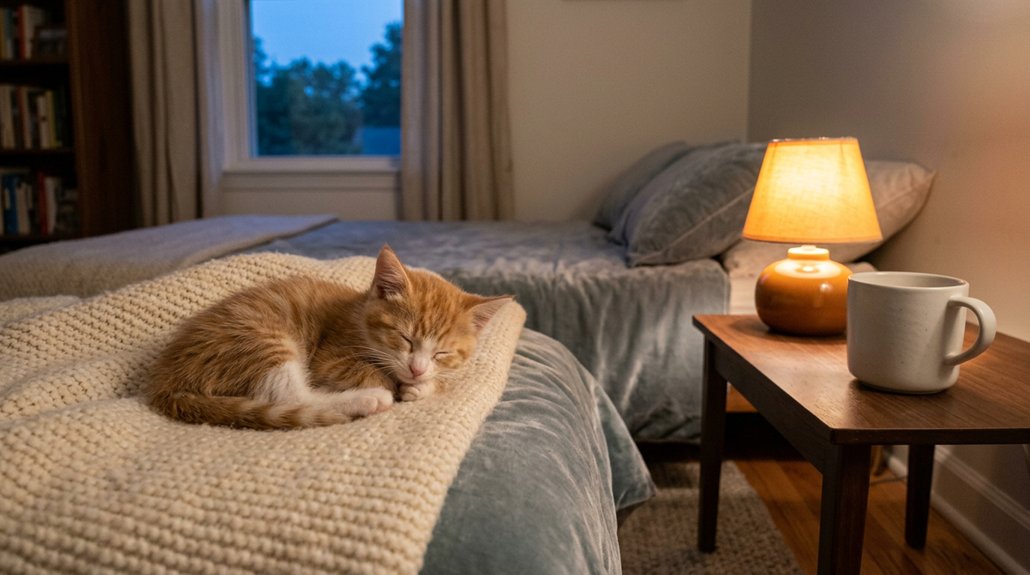
To help your kitten sleep through the night, align with their natural crepuscular sleep patterns by establishing a structured play and feeding schedule. Create a cozy bed space…
Kittens
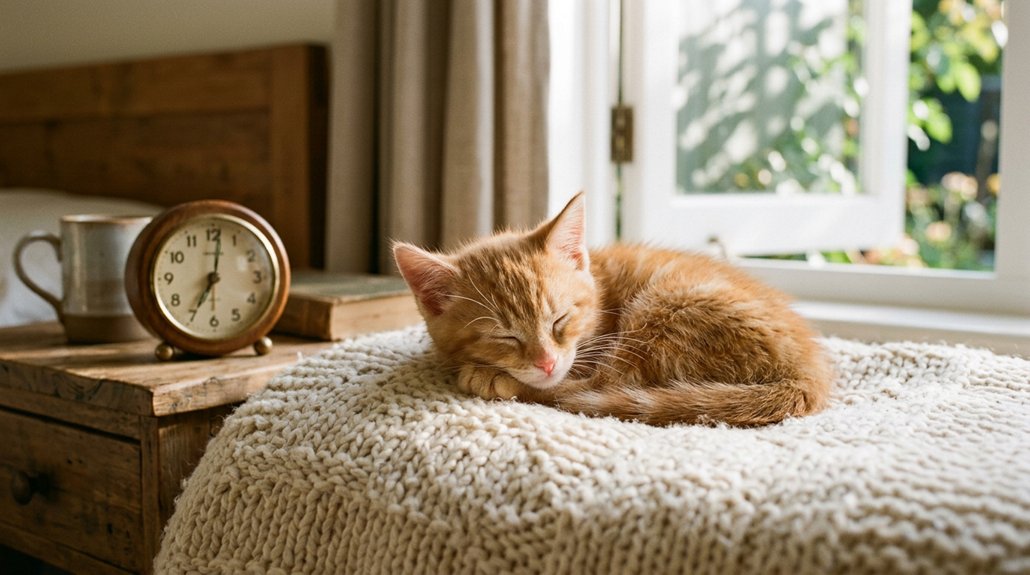
How Much Sleep Does a Kitten Need?
Kittens spend a lot of time sleeping—about 18 to 20 hours a day. Newborns might sleep up to 22 hours daily. Sleep is essential for their growth, aiding…
Kittens
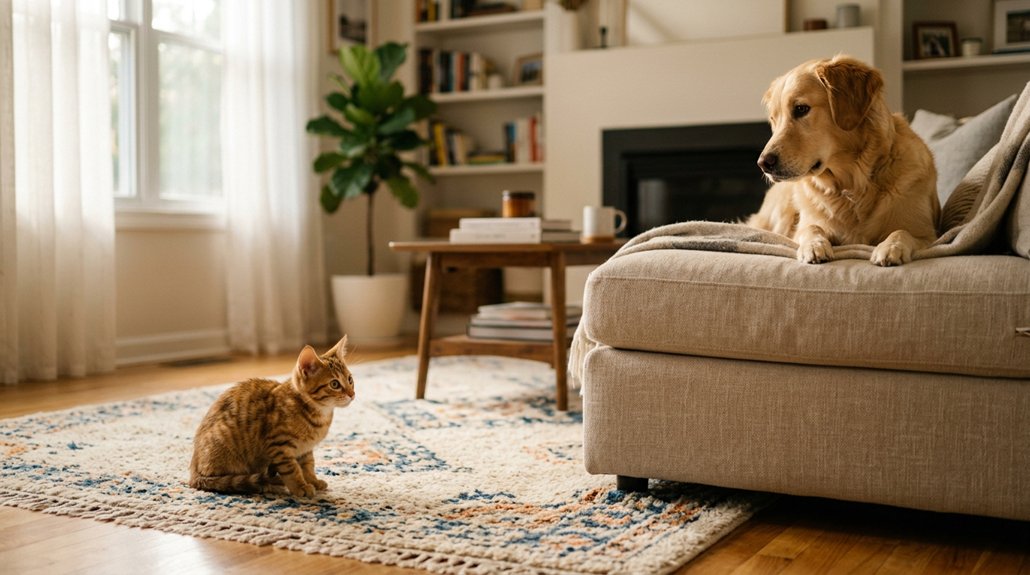
How to Introduce a Kitten to a Dog Safely
To safely introduce a kitten to a dog, start with several days of scent familiarization by swapping bedding or using grooming tools. Set up a quiet, dog-free sanctuary…