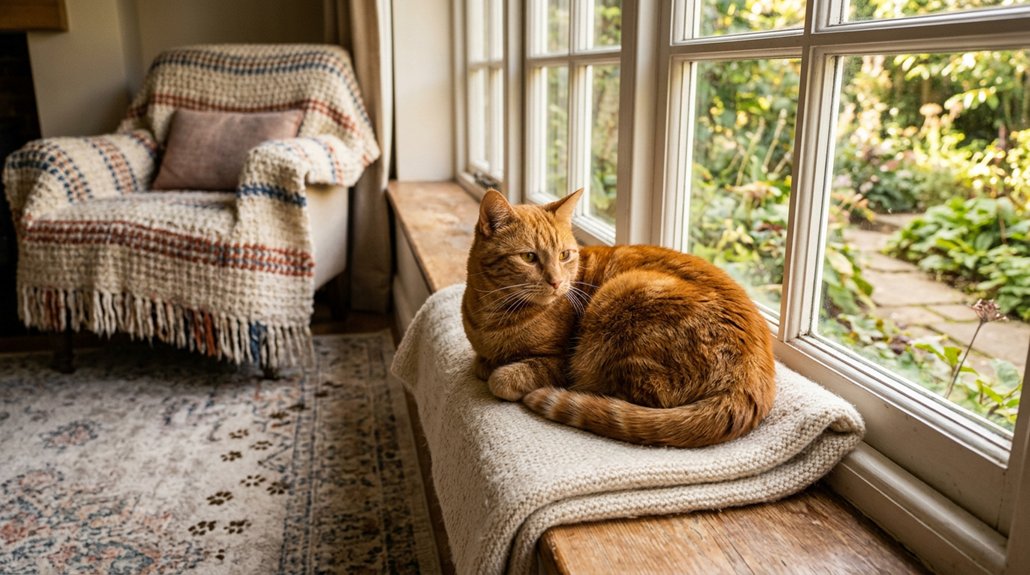
Adopting a cat is an invaluable choice that saves lives and enriches yours with emotional and practical benefits. You’ll find predictable companionship with adult cats, avoid high costs thanks to shelter services, and enjoy health perks that reduce stress and heart risks. Plus, cats enhance family life, fostering cooperation and shared joy. Opting for a shelter cat isn’t just financially wise; it’s an act of compassion that transforms homes. Discover how each adoption opens up new possibilities.
Key Takeaways
- Adopting a cat saves lives and reduces shelter overcrowding, fostering compassion and community awareness.
- Adult cats have stable personalities and behaviors, providing predictable companionship and safer interactions for families.
- Shelter cats are typically healthier, offering lower long-term vet bills and coming vaccinated and spayed/neutered.
- Cats enhance emotional and mental well-being by reducing stress and promoting happiness through interaction and purring.
- Adoption is cost-effective, with lower fees than breeders and potential savings on pet supplies and health services.
Why Adopting Cats Is a Lifesaving Act
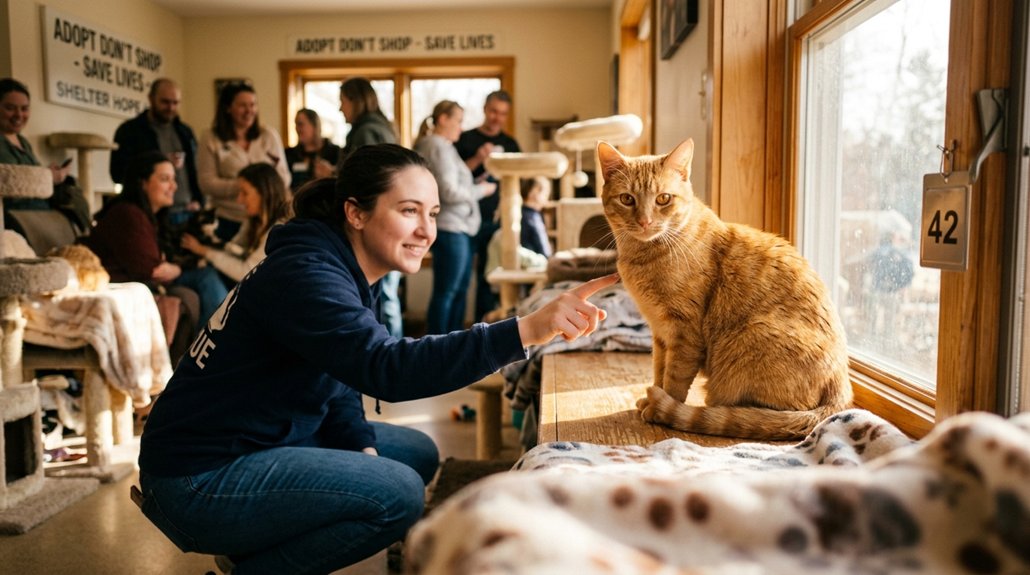
Although not everyone may realize it, adopting a cat from a shelter is an impactful, lifesaving decision. A staggering 3.2 million cats join shelters annually, contributing to a critical overcrowding issue that demands urgent rescue. By welcoming a cat into your home, you’re not just saving one life; you’re making space for another animal in need, amplifying your impact exponentially. With about 530,000 cats euthanized each year due to limited resources, every adoption directly counters this grim statistic. Additionally, your act of compassion boosts community awareness, inspiring others to engage in and support the mission of reducing homelessness among animals. Your choice raises both consciousness and hope, making cat adoption an act of profound significance and urgency.
Adult Cats Offer Predictable Personalities
Recognizing the lifesaving impact of adopting shelter cats leads us to the lesser-known benefits of choosing adult cats with predictable personalities. Through personality assessment, you can identify if a cat is cuddly or more independent, allowing for better compatibility in your home. Unlike kittens, whose personalities often evolve unpredictably, adult cats offer behavior predictability, ensuring a stable and harmonious household environment. Their established manners make them less likely to engage in destructive antics, meaning less training time for you. For families with young children, adult cats with their calmer demeanor provide a safer, more predictable interaction, lessening the risk of unwanted surprises. Despite misconceptions, adult cats are full of love and companionship, often surpassing the stereotypical allure of rambunctious kittens.
Shelter Cats: Healthier Than You Think
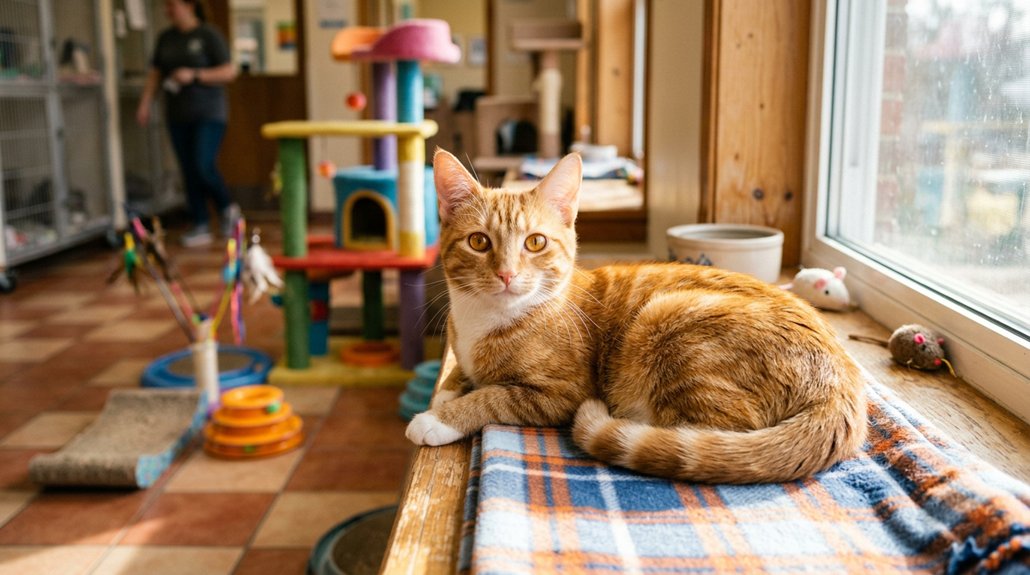
When considering a new feline companion, it might surprise you to learn that shelter cats often boast better health than their purebred counterparts. Mixed breed benefits play a significant role here, as genetic diversity among shelter cats usually results in fewer hereditary health issues, such as heart and kidney diseases seen in purebreds. Many of these cats come spayed or neutered, and have current vaccinations, ensuring immediate health care savings. Shelter insights are invaluable, as staff can offer expert observations on each cat’s health and temperament for informed adoption decisions. While no cat is immune to illness, the genetic variety in shelter cats often translates to fewer long-term health problems, providing more peace of mind and potentially lower vet bills.
Why Adopted Cats Won’t Break the Bank
Choosing a shelter cat isn’t just a compassionate decision—it’s a financially savvy one too. With low adoption fees, typically less than the costs from breeders, adopting can save you significant money. Shelter cats often come with spay or neuter surgeries, vaccinations, and microchipping already completed, eliminating the need for these initial expenses. Here’s why adopted cats offer affordable care:
- Budget-friendly supplies: Many shelters provide extras like pet food and toys, extending your savings.
- Initial cost savings: Adoption fees are a bargain compared to purchasing from breeders, who charge for everything à la carte.
- Long-term health benefits: Mixed-breed cats from shelters often exhibit fewer genetic diseases, further reducing future veterinary costs.
This guarantees adopted cats won’t break the bank.
Impact of Cats on Mental and Physical Health
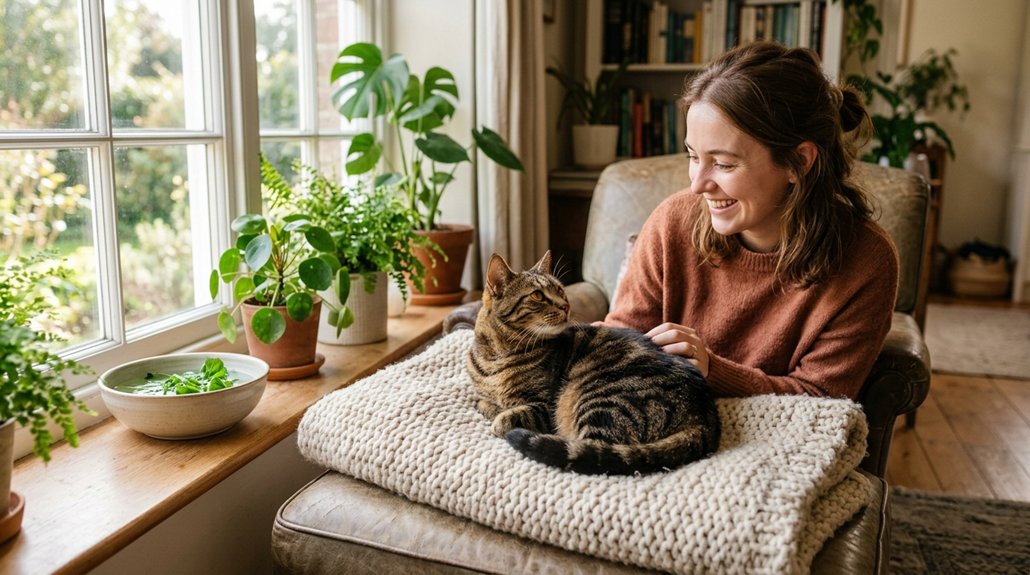
When you adopt a cat, you’re not just gaining a pet; you’re enhancing your mental and physical well-being. Research indicates that interacting with cats can lower stress, while also reducing blood pressure and the risk of heart disease. The presence of a cat boosts serotonin and dopamine, essential chemicals for emotional health, ensuring a happier and healthier you.
Reduced Stress Levels
Although it might seem surprising, interacting with cats can have profound benefits for both mental and physical health. Engaging in cat playtime elevates serotonin and dopamine, giving you a happiness boost. Purring therapy, a soothing sound made by cats, has been documented to enhance relaxation and alleviate anxiety. A few moments of petting a cat can markedly lower your cortisol levels, which are closely linked to stress.
If you’re a cat owner, the positive effects are clear:
- Mood Enhancement: Increased levels of serotonin and dopamine.
- Stress Reduction: Cortisol levels drop after as little as 10 minutes of feline interaction.
- Mental Health Improvement: Lower depression rates among cat owners.
It’s not just companionship; adopting a cat can genuinely transform your well-being.
Improved Heart Health
Cat ownership goes beyond companionship; it’s also a boon for heart health. Having a cat by your side provides significant heart benefits by lowering your susceptibility to heart issues and cardiovascular diseases. Scientifically, interactions with cats elevate serotonin and dopamine levels in your brain, key components aiding in cardiovascular protection. Even just ten minutes of petting a cat can reduce cortisol levels, a stress hormone linked to heart disease, promoting a calm that serves your heart well. Remarkably, children raised around cats tend to develop fewer allergies, enhancing long-term respiratory and cardiovascular health. These scientific insights not only highlight the immediate heart benefits of cat ownership but also suggest enduring cardiovascular protection for you and your family over the years.
Emotional Well-being Boost
As you consider adopting a cat, it’s crucial to understand the profound impact on both mental and physical health that such a decision entails. Cat companionship provides emotional support, offering considerably more than just cuddles. Here’s how:
- Mental Health Improvement: By alleviating anxiety and depression, cat companionship lowers depression rates. Studies reveal that pet owners enjoy elevated serotonin and dopamine levels, enhancing mood and well-being.
- Stress Management: Petting a cat for just 10 minutes can considerably reduce cortisol levels, invigorating emotional support to manage stress.
- Physical Health Enhancement: Owning a cat has been linked to lower triglyceride and cholesterol levels, bolstering heart health. A cat’s purr not only comforts but also promotes healing, improving joint mobility post-injury.
Embrace cat companionship for a balanced life.
The Joy of Enhancing Family Life With Cats
When you bring a cat into your home, you’re not just adding a pet—you’re enhancing your family’s overall dynamics. Cats can transform your household by promoting stronger bonds and harmonious relationships among both two-legged and four-legged members. Scientifically, the calming presence of a feline companion reduces stress, fostering an environment where cherished memories and valuable connections can flourish.
Building Stronger Family Bonds
While many might underestimate the profound impact a pet can have on family dynamics, adopting a cat proves to be a catalyst for strengthening family bonds. Embracing shared responsibilities and teamwork activities in cat care promotes collaboration and builds stronger relationships. Adopting a cat isn’t just about companionship; it’s about nurturing and growing together as a family unit.
Research shows that regular interaction with pets reduces stress and anxiety levels. The harmonious environment created by a cat in the home greatly improves overall well-being. Here’s how a cat can positively affect family life:
- Emotional Connections: Cats provide comfort and improve emotional health.
- Quality Time: Grooming and playtime foster meaningful family interactions.
- Longevity: With their lifespan, cats offer long-term companionship and memories.
Harmonious Multi-Pet Household
Introducing a cat into a multi-pet household can greatly enrich family life, making a home more vibrant and united. Adopting adult cats is especially effective in facilitating smoother pet introductions due to their often mellow temperaments that align well with older dogs and cats. These temperaments support a peaceful multi pet dynamic, fostering a harmonious environment. As cats integrate, they help strengthen inter-pet bonds, sharing space and experiences that amplify companionship. Additionally, cats can alleviate the loneliness of other pets, providing comfort and emotional well-being when humans are away. Having cats in a household promotes shared responsibilities and care, enhancing social dynamics and happiness among family members and pets. This symbiotic relationship ultimately enriches everyone’s lives.
Creating Cherished Memories
As your household embraces the newfound harmony with a multi-pet environment, incorporating a cat doesn’t just add to the tranquility—it lays the foundation for creating treasured family memories. Engaging in shared routines such as feeding, grooming, and playtime fosters cooperation and togetherness. You’ll find that these activities don’t just nurture your pet but also cultivate memorable moments and valuable life skills. Scientifically, interactions with cats can elevate serotonin and dopamine levels, enhancing family happiness and well-being.
Consider these benefits:
- Elevated Mood: Cats promote happiness through serotonin and dopamine enhancement.
- Emotional Support: Their presence alleviates anxiety, boosting mental health.
- Family Union: Shared routines teach responsibility and empathy, forging lasting memories.
Cats enhance the essence of family life while fitting seamlessly into various lifestyles.
Cost-saving Tips for Cat Care
Isn’t it rewarding to welcome a cat into your home without breaking the bank? By adopting from shelters, you benefit from low-cost vaccinations, spaying or neutering, and microchipping. These budget-friendly supplies and essential care services make adoption a savvy choice. For maximum savings, look for free pet adoption events—like those offered by Operation Kindness—which often include complimentary food and insurance. Mixed breed cats typically incur lower veterinary costs, as they face fewer genetic health issues. Employ cat care hacks such as DIY toys and a balanced, homemade diet to refine your pet’s wellbeing without added expense. With these scientifically-informed strategies, you can guarantee your furry friend remains healthy and happy, all while sticking to a smart, cost-effective budget.
Frequently Asked Questions
What Is the 3 3 3 Rule for Adopting a Cat?
The 3 3 3 rule outlines your cat’s adjusting period: three days to acclimate, three weeks to show behavioral signs of comfort, and three months to settle fully. Understanding this supports a smooth adjustment into your home.
What Are Good Reasons to Adopt a Cat?
Adopt a cat, and it’s like gaining a fluffy therapist who’s eternally grateful. You’ll discover endless benefits, including fostering options and simplified cat care. Plus, supporting shelters helps save more animals. Experts know: it’s a scientifically-supported win-win!
What Is “I Love You” in Cat Language?
To say “I love you” in cat language, look for purring communication, slow blinks, and a relaxed tail language. Cats express affection by purring, blinking slowly, and gently wagging their tails, showing their comfort and trust.
What Color Cat Is Least Desired?
Black cats often face lower adoption rates due to persistent myths surrounding shelter cat colors. Despite these misconceptions, they’re just as loving and deserve homes. Educating yourself on black cat myths can help change this stigma.
Conclusion
Adopting a cat isn’t just saving a life—it’s enriching yours in countless ways. Adult cats bring steadfast personalities, and shelter cats are often healthier than assumed. They won’t drain your wallet and can boost your mental and physical well-being. Remember, “A house isn’t a home without a cat.” By adopting, you’re weaving joy into your family life. With expert advice and cost-saving tips, the journey of cat care becomes rewarding and full of love.