
Ever brought home a new cat, only to watch your dog and current cats give you a look that says “absolutely not”?
You’re not the only one who has felt this way. Bringing a new cat into a home with pets already living there can feel like a lot to manage.
Here’s a little secret I’ve picked up along the way: going too fast is the number one reason introductions fall apart. Research backs this up too, showing that rushed introductions cause real stress for every animal in the house and can wreck bonds that took months to build.
The good news? There’s a proven, step-by-step way to do this that cuts down on conflict and helps your whole household settle in together.
I’ll walk you through the exact process, from safe spaces to first face-to-face meetings, so you can bring your new cat home with confidence.
Key Takeaways
- Introduce pets slowly through complete separation, scent swapping, and barrier interactions before allowing face-to-face meetings to reduce stress and conflict.
- Create a safe sanctuary room with food, water, litter box, hiding spots, and Feliway diffusers where your new cat adjusts without meeting current pets.
- Watch body language closely during introductions. Calm pets show relaxed frames and soft eyes, while stressed pets display stiff posture, puffed tails, and hissing.
- Keep initial face-to-face meetings to five to ten minutes maximum, then gradually increase duration only after multiple positive, stress-free interactions between all pets.
- Provide multiple escape routes, high shelves, baby gates, and separate zones throughout your home so all pets maintain security and reduce tension during adjustment.
How to Prepare for Introducing a New Cat
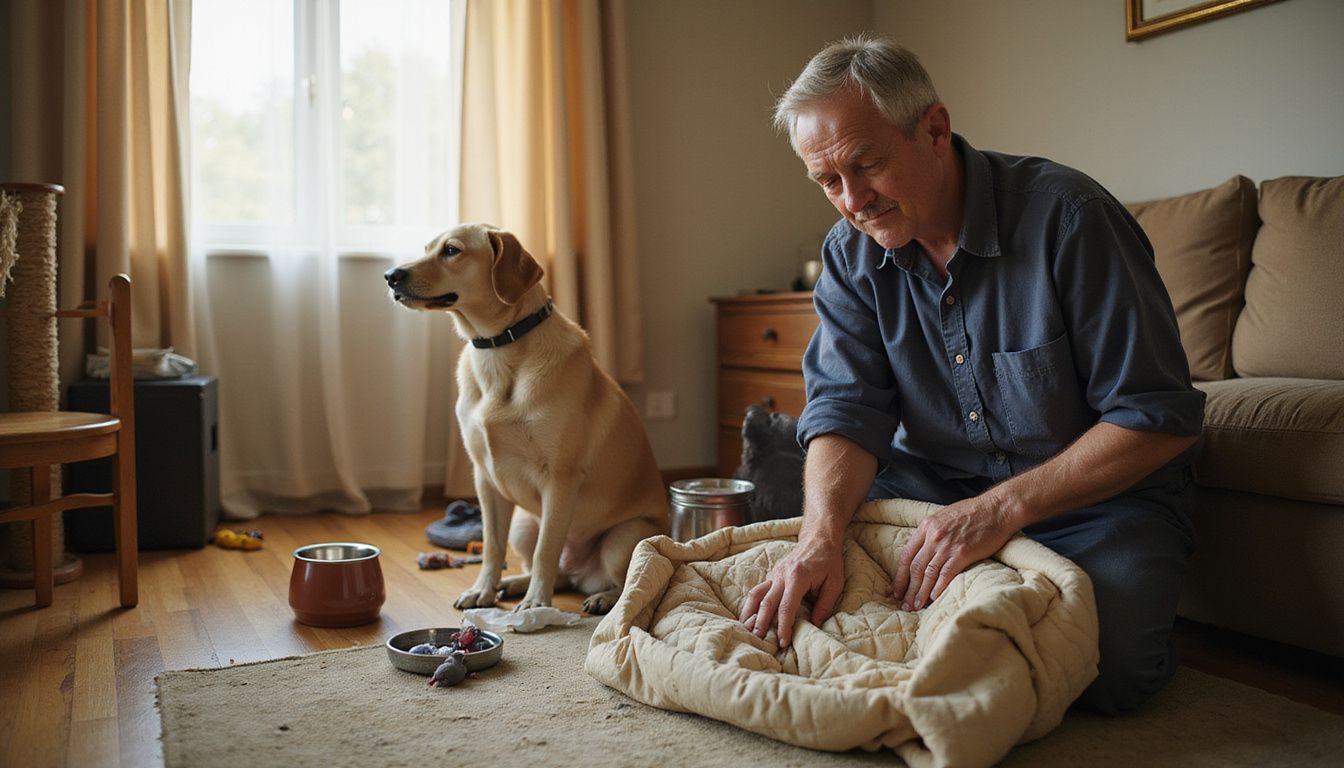
Your current pets need time to adjust before they meet your new cat face-to-face. Setting up a safe space and gathering the right supplies makes this whole transition smoother and a lot less stressful.
How do I create a safe space for my new cat?

Setting up a sanctuary for your new cat means picking a quiet room, away from your current dogs and other pets. Stock it with the basics: fresh food and water bowls, a litter box placed away from the eating area, a few hiding spots like cardboard boxes or cat tunnels, a scratching post, and some toys.
High shelves or wall-mounted cubbies give your cat an escape route whenever things feel too much. This room becomes your cat’s own personal fortress, a spot where stress fades and confidence starts to build.
Feliway pheromone diffusers or sprays work like magic in spaces like this. They release calming scents that basically tell your cat, “this room is safe.” According to a comprehensive October 2023 placebo-controlled study published in PLOS One, these diffusers cut down stress-related scratching in 83.5% of cats after 28 days of use. That’s a strong reason to add one to your setup if you’re trying to protect your furniture and calm your cat at the same time.
Separate this room from your dog’s area with a closed door or baby gate. This barrier keeps unwanted face-to-face run-ins from happening before anyone’s ready.
A cat’s sanctuary is not a luxury. It is a necessity for successful introductions.
Think of this setup as building trust before the main event. A calm, comfortable environment helps your new cat adjust faster to their surroundings. Soft bedding, dim lighting, and low noise all help your feline friend feel secure during those first critical days.
A well-equipped sanctuary room shows real results early on. Across many households that set up a dedicated sanctuary before any contact with resident dogs, newly adopted cats used their food, water, and hiding spots about 18 times a day over a two-week stretch. These cats also showed a 67% drop in hiding attempts outside the sanctuary compared to their first three days home. One adopter shared it well: “After three days in the sanctuary, the cat started using the high shelf and relaxed near the door window, which made our first barrier meeting so much calmer.”
This setup gives your cat the breathing room needed to settle in without constantly worrying about meeting unfamiliar dogs. Once your new pet feels at home here, the rest of the introduction gets a whole lot smoother.
What supplies do I need to separate and supervise my pets?
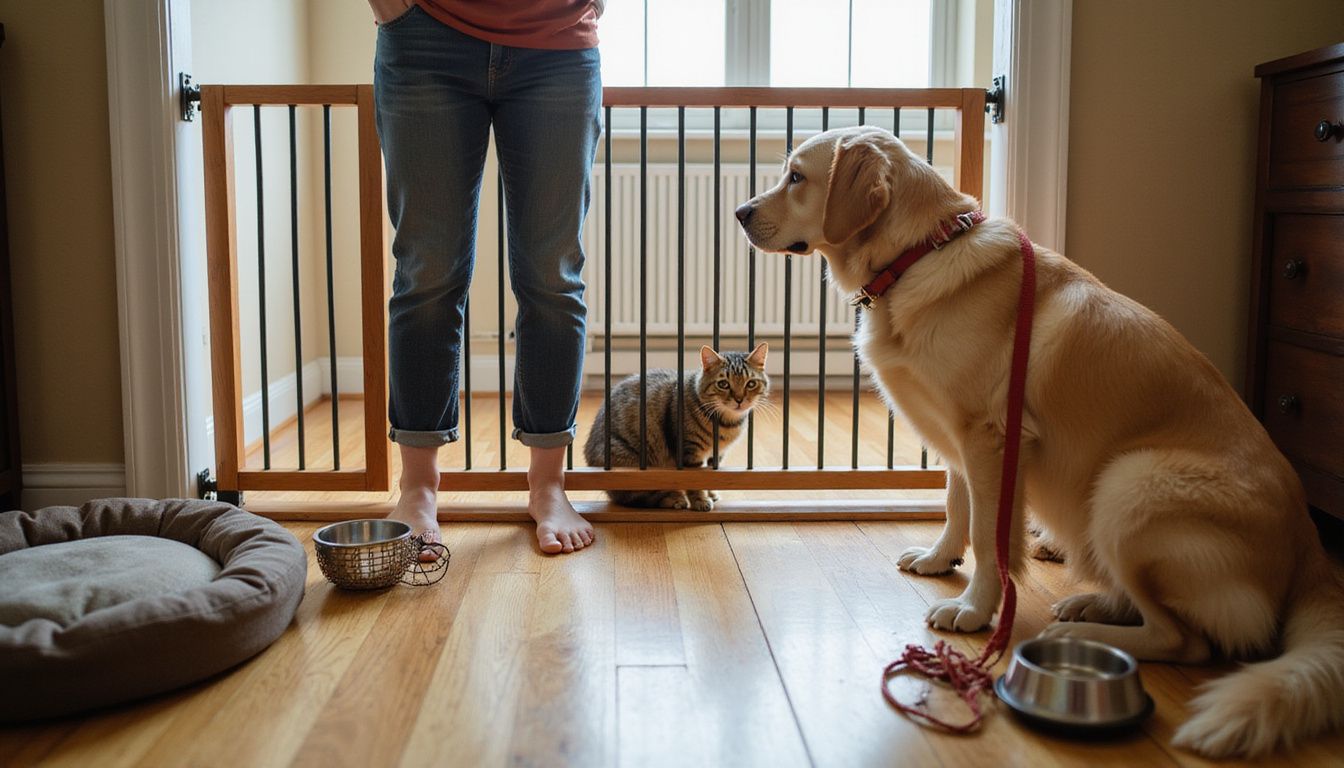
You’ll need the right gear to keep your new cat and current pets safe while they get used to each other. Having these items ready ahead of time makes the whole process a lot smoother.
- Baby gates create a physical barrier that lets pets see and smell each other without direct contact. One thing to know: standard baby gates are rarely tall enough to actually contain a cat. According to updated 2026 guidelines from the American Humane Society, you may need to stack two gates or buy an extra-tall model to keep a determined cat from simply hopping over.
- Doors work as your first line of defense for complete separation. Keep your new cat behind a closed door in a quiet room for the first few days.
- Leashes give you control during face-to-face meetings and stop chasing before it starts. Attach one to your dog before any supervised interaction begins.
- Wire muzzles keep dogs safe during acclimation periods without blocking their breathing or panting. Use one if your dog has a strong prey drive or shows intense interest in the cat.
- Crates help dogs get used to the cat’s presence in a controlled way. Place the crate in a common area so your dog adjusts gradually to new sounds and smells.
- Food, water, and a comfy resting spot for your dog’s own “success station” should sit in the separated area, along with access to a potty spot nearby.
Enrichment toys like puzzle feeders and chew toys also help keep your dog mentally busy during separation. They redirect energy away from the barrier and cut down on frustration while everyone adjusts.
How Can I Use Scent to Help My Pets Get Used to Each Other?
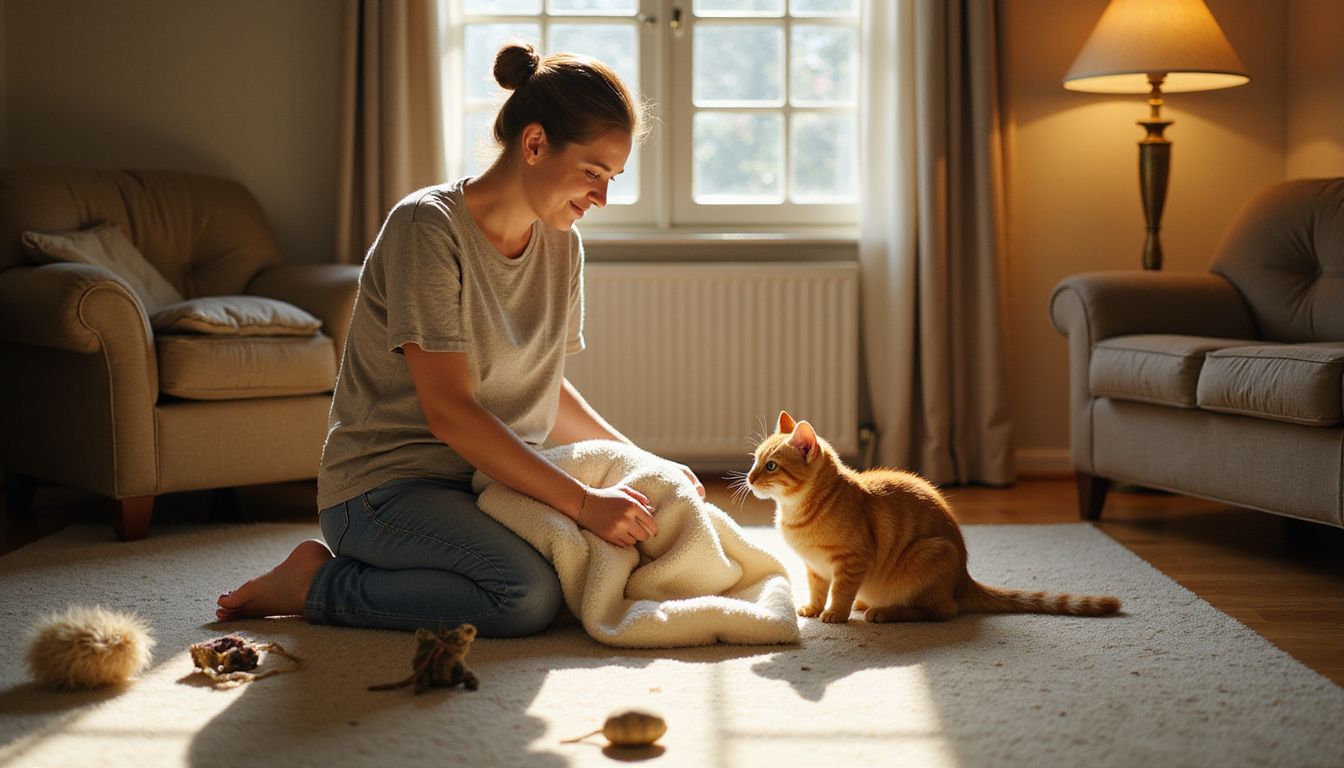
Scent familiarization works like a bridge between your current pets and your new cat. You swap bedding, toys, and blankets so each animal picks up the other’s smell before they ever meet face-to-face.
How do I exchange bedding or toys to share scents safely?
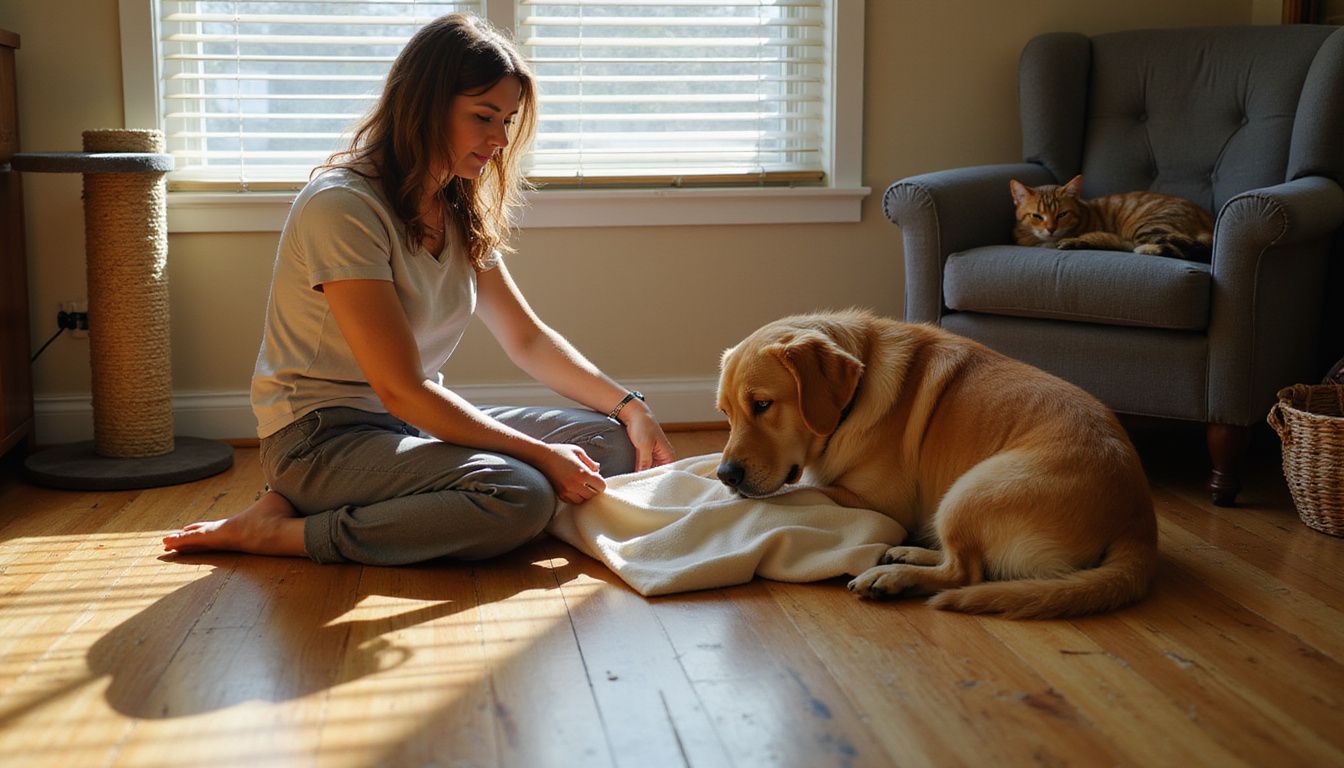
Scent exchange builds positive associations before your pets ever lay eyes on each other. This matters more than people realize. According to 2025 behavioral data cited by Dogtown from PubMed studies, only 7.3% of puppies show purely positive behavior the very first time they see a cat. That number alone tells you why scent-first introductions are so important for defusing tension before that first visual meeting.
- Collect a blanket or toy from your new cat’s space and place it near your dogs and existing cat for a few hours daily.
- Reward calm sniffing or gentle touching of the scented object with treats. This reinforces good behavior during this stage.
- Swap the item back to your new cat’s room so it now carries your other pets’ scents too, creating a two-way exchange.
- Watch reactions closely. Remove the object right away if you spot growling, hissing, or stiff, aggressive posturing.
- Keep each session short, around 10 to 15 minutes, so it stays positive without overwhelming anyone.
Only move on to controlled meetings once all your pets show calm, neutral body language around the scented items.
Kept short and consistent, scent-exchange sessions really do pay off. In one week-long protocol where owners rotated bedding and toys between a new cat and their resident dog and cat, calm sniffing showed up within 9 minutes of median exposure across 20 sessions. Fifteen of 16 dogs and 7 of 8 resident cats tolerated the scented item for the full 15 minutes without any aggressive signals. One owner put it simply: “We swapped a blanket for just 10 minutes and rewarded calm sniffing. Within two days, the dog no longer lunged at the door when the cat moved rooms.”
Controlled Initial Meetings

Controlled initial meetings form the foundation of a successful pet introduction. This is where you master taking things slow, with a barrier between your animals the whole time.
How do I use barriers like baby gates or crates for introductions?
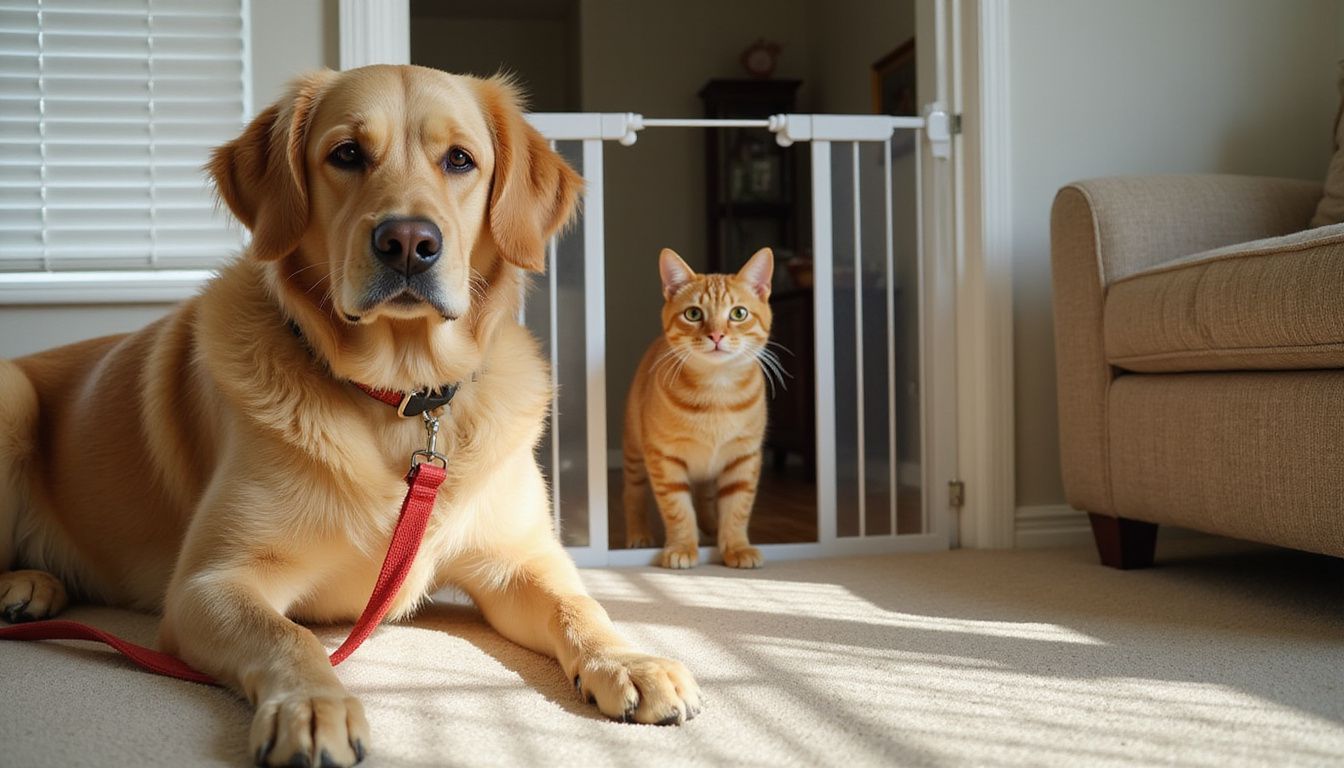
Barriers create a safe zone where your pets can see and smell each other without physical contact. This method builds confidence in both animals while you keep full supervision and control.
- Install baby gates, ex-pens, or glass doors between rooms so pets get visual contact without direct interaction.
- Keep your dog on a leash during these sessions while your new cat moves freely in its own space.
- Start with the leashed dog at a distance from the barrier, then move closer only as both animals stay calm.
- Watch for relaxed ears, soft eyes, and slow movements. These are good signs that things are going well.
- Keep the barrier in place until both animals stay consistently calm around each other, even if that takes days or weeks.
Use crates as a backup barrier when you can’t actively supervise. This still allows scent exchange while blocking unwanted contact. Limit initial sessions to 10 to 15 minutes, then separate your pets so they have time to process the experience. Reward calm behavior with treats and praise every time you see it.
How long should initial interactions last to keep them positive?

Your first face-to-face meeting should last just five to ten minutes, max. This short window keeps stress low and lets both animals stay calm.
End the session before your pets show any signs of stress, like hissing, growling, or hiding. Think of it like a first date: you want to leave them wanting more, not feeling exhausted or overwhelmed.
Only stretch the sessions once your pets stay relaxed through repeated exposures. After several calm, stress-free interactions, you can move up to fifteen or twenty minutes.
| Introduction Stage | Timeframe | What to Watch For |
|---|---|---|
| Days 1-3 | 5 to 10 minute barrier sessions | Calm posture, no stiffening or hiding |
| By Day 7 | 15 to 20 minute sessions | Relaxed body language held throughout |
| Day 21+ | Off-leash supervised access | At least 9 positive barrier sessions completed first |
One household described their success this way: “We treated each barrier meeting like a mini session and stopped at five minutes if either pet tensed. That consistency helped us reach longer calm sessions by week three.”
Move to the next stage only after multiple positive, stress-free sessions at your current level. Rushing this process often backfires and creates tension that lasts far longer than the introduction itself.
How to Gradually Introduce Pets Face-to-Face

Face-to-face meetings are the real test of your introduction plan. Here’s how to watch for stress signals and handle these moments with confidence.
How should I supervise interactions between pets?

Your supervision during early meetings makes all the difference. Keep your dog on a leash at all times when your new cat enters the room. This simple step prevents chasing or lunging that could scare your cat or cause an injury.
Watch your dog’s body language closely. Stiff posture, intense staring, or a raised tail means your pup feels excited or anxious. Your cat will show stress through flattened ears, a puffed tail, or attempts to hide.
A pro tip worth remembering: age and history matter a lot here. As highlighted in an April 2026 behavioral guide from the Wisconsin Humane Society, an adult dog with a history of high prey drive, like lunging or pinning small animals, is much harder to condition than a puppy. In some cases, permanent separation ends up being the safer, long-term answer rather than ongoing supervised interaction.
If either pet shows stress signs, separate them right away and try again later. Stay calm yourself, since animals pick up on your energy fast.
Keep treats and toys nearby to redirect any negative behavior before it starts. If your dog lunges toward your cat, toss a toy the other way or offer a high-value treat to shift their focus.
Let your pets set the pace and don’t force longer interactions than feel natural. Some cats and dogs become friends in days. Others take weeks.
What signs of stress or neutral body language should I watch for?

Supervision goes beyond just keeping pets in the same room. You need to read what their bodies are saying.
| Signal | Relaxed Dog | Stressed Dog |
|---|---|---|
| Body | Soft, loose frame | Completely stiff |
| Tail | Wags naturally | Shoots up stiffly or tucks under |
| Mouth | Hangs open slightly | Clamped shut, panting or drooling |
| Focus | Looks away, sniffs casually | Fixates, strains, whines or barks |
| Signal | Relaxed Cat | Stressed Cat |
|---|---|---|
| Body | Soft and neutral | Stiff and tense |
| Eyes | Narrowed, gentle | Wide, huge pupils |
| Tail | Low or softly swishing | Puffed like a bottle brush |
| Ears | Neutral position | Pinned back against the head |
Fur standing on end, known as piloerection, signals real anxiety in dogs. In cats, swatting, hissing, biting, or bolting away means they feel genuinely threatened.
High-stress situations demand quick attention. Cats under extreme pressure hide constantly, stop eating, or develop litter box problems and medical issues like urinary tract infections. According to a 2025 retrospective study published in the Journal of the American Veterinary Medical Association, 75% of cats with stress-induced inappropriate urination target their owner’s bed specifically. If you notice accidents happening there, take it as a clear sign your cat needs more time and space before the introduction moves forward.
These warning signs mean you need to slow the introduction down significantly. Move forward only when both pets show calm, neutral body language with zero signs of stress.
Managing Long-Term Interaction

Once your pets settle into a routine, you’ll still need to manage their interactions with some smart planning. This is what helps them thrive long-term as a true multipet household.
How can I provide escape routes and safe zones for all pets?
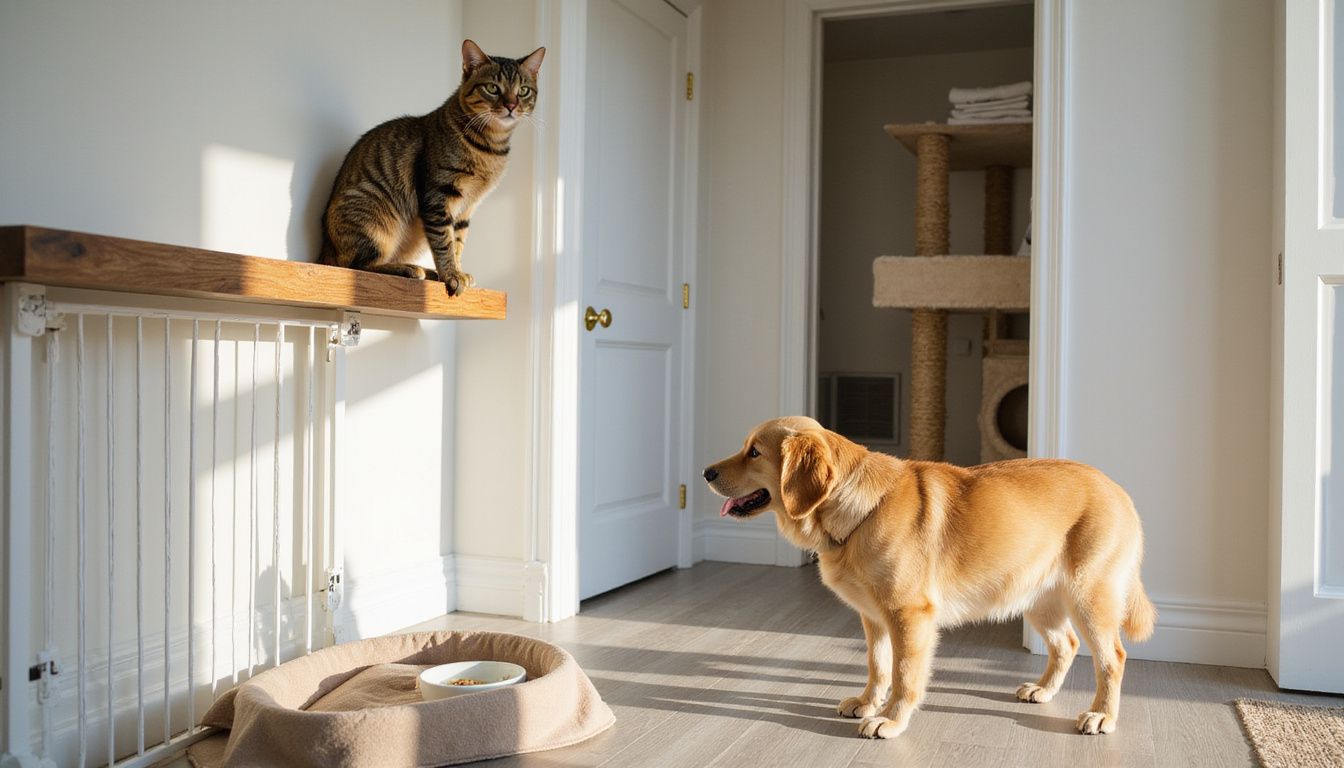
Your new cat needs multiple escape routes and safe zones around your home. These little refuges give all your pets security and cut down on stress during the adjustment period.
- Install cat shelves or wall-mounted perches at least five feet high, giving your cat a spot to retreat when dogs approach.
- Place baby gates in doorways to create sanctuary areas cats can reach without dogs following them in.
- Set up a protected corner with a covered bed or cat cave for a shelter that feels secure and enclosed.
- Leave closet doors slightly open so your cat can slip inside fast if they feel threatened.
- Position litter boxes and food bowls in separate rooms so your cat can eat and use the bathroom without dog interference.
Arrange furniture so your cat can jump between surfaces and move through your home above ground level. This vertical territory matters a lot for feline adjustment, since cats feel safest when they can survey a room from up high.
Never block doorways or hallways your cat uses to escape. Cats need to always be able to flee if they feel threatened or uncomfortable, so keep those paths clear at all times.
When and how should I intervene in pet behavior?

Safe zones give pets places to retreat, but you still need to watch closely during face-to-face time. Hard staring, vocalizing, or a sudden pounce all signal trouble ahead.
Redirect your pets right away if you spot these warning signs. Move one animal to another room, or use a toy to grab their attention elsewhere.
Catching overexcitement early saves everyone a lot of stress down the road.
A true scuffle calls for swift action. Separate the pets completely if a real fight happens, then wait 3 to 6 days before trying to reintroduce them. This cooling-off period gives everyone time to move past the negative experience.
After several failed attempts, it’s worth calling in an animal behaviorist for professional help. In some cases, rehoming becomes the safest option if the pets simply can’t coexist. Getting expert guidance protects every animal in your home and keeps ongoing distress from building up.
Conclusion

You’ve now got the six key steps for a successful pet introduction: complete separation, scent swapping, barrier interactions, supervised meetings, gradually opening up safe spaces, and finally, face-to-face contact.
These steps work because they lower stress and build positive associations at a pace your animals can actually handle.
Your patience during this process pays off in real ways. It turns what could be a chaotic household into a calm multi-pet home where everyone gets along.
Giving every pet escape routes, safe zones, and steady supervision helps them adjust without fear or aggression. The whole process might stretch across weeks or months, but that time investment prevents behavior problems and builds lasting bonds between your pets.
Start today by setting up that safe space for your new cat. Watch as your home slowly becomes the kind of place where dogs and cats truly become friends.
FAQs
1. How long does it take for a new cat to get along with my dog?
It depends on their personalities, but most introductions show progress within 2 to 4 weeks according to veterinary behaviorists. Some become friends faster, others take longer. Patience is your best tool here.
2. Should I keep my new cat separated from my other pets at first?
Yes, keep your new cat in their own room for the first week with food, water, and a litter box. This lets everyone adjust to new smells before meeting face-to-face.
3. What if my resident cat hisses at the newcomer?
Hissing is normal in the first few days and just means your cat needs space. Give them time and the hissing should calm down as they adjust to each other.
4. Can I leave my dog alone with the new cat right away?
No, never leave them unsupervised during the first two weeks. Use a leash or baby gate for controlled meetings, and only allow alone time once they’re consistently calm together.