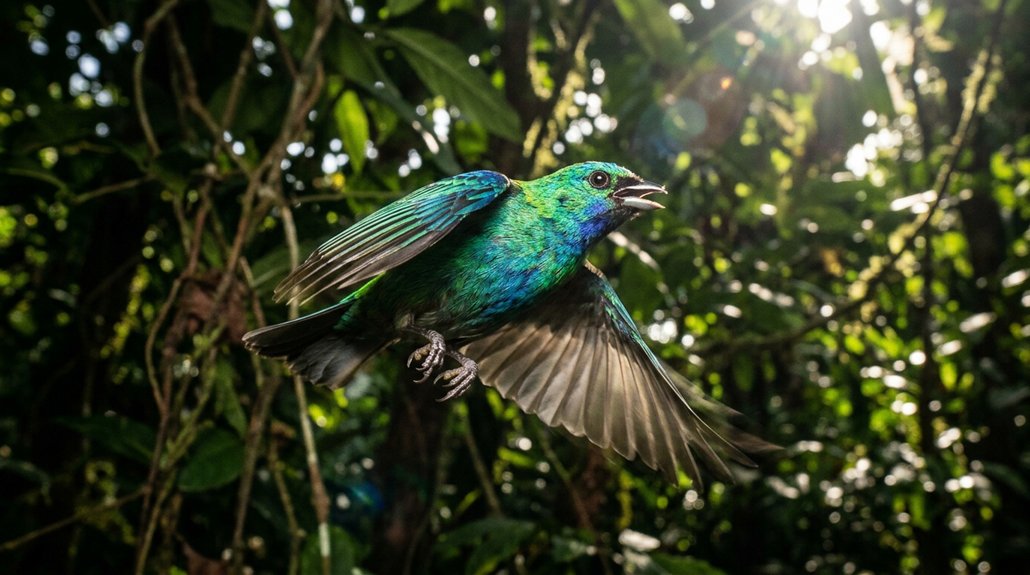
High-energy birds like African greys, conures, caiques, Quakers, and cockatiels need more attention because their fast metabolism, strong flight muscles, and sharp curiosity drive near-constant activity. You should expect daily out-of-cage supervision, regular training, and frequent toy rotation to prevent stress, screaming, feather plucking, and chewing. Most need multiple interaction blocks and 10–12 hours of quiet sleep. If you’re weighing one of these species, the details get even more important from here.
Key Takeaways
- Conures and caiques need long-term commitment, often 20–30 years, with daily interaction and safety-proofed environments.
- African greys usually require the most attention, often 3–6+ hours of social time each day.
- Cockatiels and Quakers need less, but still benefit from daily out-of-cage time and directed interaction.
- High-energy parrots need constant enrichment, including foraging toys, shredders, swings, and frequent rotation.
- Missed exercise or social time can cause screaming, plucking, chewing, and other stress behaviors quickly.
Why High-Energy Birds Need So Much Care
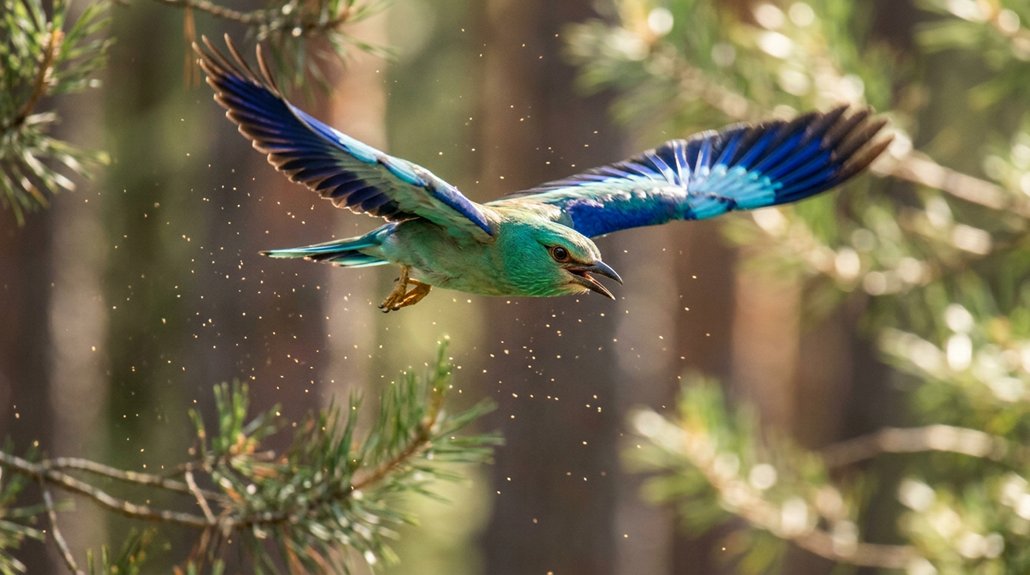
High-energy parrots such as conures and caiques often need several hours of daily out-of-cage interaction and mental stimulation because their high basal metabolic rates, strong flight muscles, and persistent curiosity drive near-constant activity. You’re managing a bird with high metabolism, so unmet activity needs can quickly appear as vocalization, feather plucking, or obsessive chewing. Their beaks wear through weak materials, so you’ll need durable cages and chewable objects to reduce escape risk and tissue damage. You also have to provide foraging tasks, varied foods, and UV exposure to support physiology and prevent deficiencies. Because these birds often live 20–30 years, care isn’t temporary; you’re maintaining social contact, training, and safety-proofing for the long term, or their cognitive and behavioral demands won’t be met.
How Much Daily Time Do These Birds Need?
Meeting those care needs means committing substantial time each day, because these birds don’t stay healthy on brief check-ins alone. You should plan daily minutes in the range of one to several hours, depending on species and housing. Cockatiels usually need at least 1 hour out of the cage plus additional play. Quaker parrots often do well with 1–2 hours of directed interaction. Conures and caiques commonly require 2–4 hours of supervised activity. African grey parrots need the most, often 3–6+ hours of social time, training, and foraging. For best results, divide care into interaction blocks across the day instead of one session. This pattern better matches their activity rhythms, supports monitoring, and helps you meet their behavioral and physiological demands consistently.
Why High-Energy Birds Get Bored So Easily

Because these parrots are built for constant movement, they get bored fast when their environment doesn’t give them enough to do. You’re dealing with birds that have high basal metabolism, strong flight muscles, and a biological drive to stay active. If you don’t provide frequent stimulation, they redirect energy into screaming, feather-plucking, chewing, or pacing. Their short attentionspan isn’t a flaw; it reflects an adaptive need for change, social contact, and problem-solving. Because many species show rapid learning, they quickly notice patterns and then outgrow repetitive routines. In captivity, inconsistent interaction or limited space can trigger stress within weeks. You may also see fixation on one person, object, or routine, followed by frustration when access changes. They need continuous novelty to remain behaviorally stable, alert, and engaged.
Best Toys and Enrichment for Busy Parrots
To keep a busy parrot mentally and physically engaged, you’ll need to build in constant turnover of chewable, movable, and food-linked enrichment.
Use durable shredders made of hardwood, untreated wicker, and braided paper; rotate 3–5 weekly. Add foraging complexity with puzzle toys hiding pellets or nuts, targeting 20–30% of intake. Provide playstation variety via rope ladders, swings, and mixed perch diameters.
| Item | Function | Rotation |
|---|---|---|
| Hardwood blocks | Destruction | Weekly |
| Wicker loops | Chewing | Weekly |
| Puzzle dispensers | Foraging | Daily |
| Rope ladders | Climbing | Ongoing |
| Frozen treats | Novelty | Every 3–5 days |
Supervised out-of-cage play should last 2–4 hours daily. Short training sessions, 5–15 minutes, 2–3 times daily, add cognitive load and can reduce vocalization and feather damage.
Feeding High-Energy Birds for Steady Energy
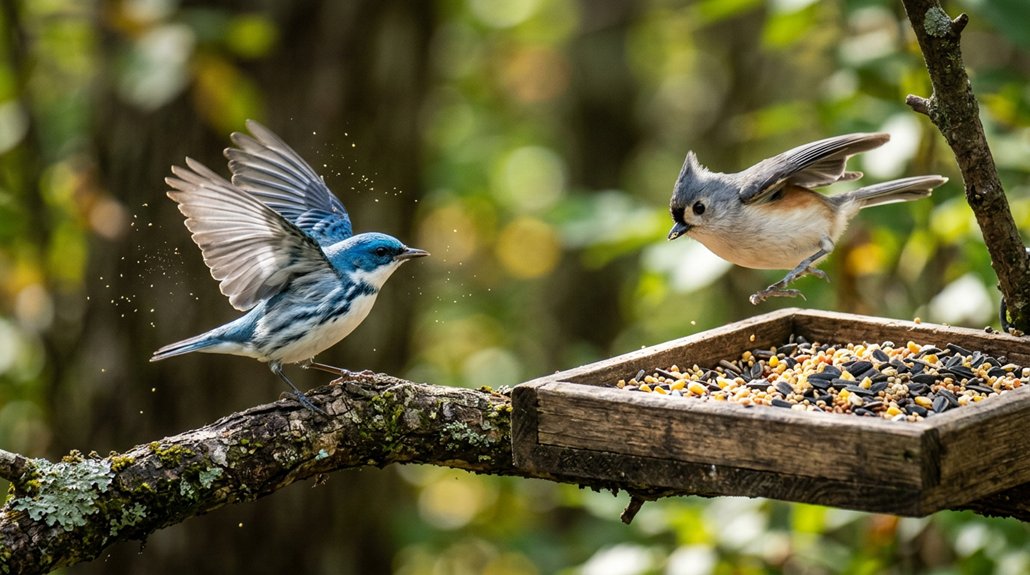
You should provide high-energy birds with a calorically dense diet, using a quality pelleted base and small amounts of protein-rich seed mix or unsalted nuts to support elevated metabolic demand. You can improve energy stability by offering frequent small meals or free-choice pellets, which helps maintain more consistent blood glucose than a single large feeding. This pattern is especially useful for conures, caiques, and many parrots, whose fast metabolism can lead to rapid energy depletion between meals.
Protein-Rich Seed Mixes
A protein-rich seed mix can better match the demands of high-energy birds such as conures, caiques, and many parrots, especially when it provides about 15–25% crude protein to support elevated metabolic rates and sustained activity. You’ll get better results with hemp inclusion and legume balance, using hemp, safflower, sunflower hearts, shelled pistachios, split peas, and lentils to improve amino acid density.
- Use foraging-style presentation to slow intake.
- Blend seeds with pellets to diversify nutrients.
- Add 10–20% cooked lean protein or high-protein toppers when molt, breeding, or heavy activity raises demand.
Monitor body condition weekly; active birds often need 10–20% more calories, but you should reduce plain sunflower if weight gain appears.
Frequent Small Meal Times
Frequent small meals help high-energy birds maintain stable blood glucose and consistent activity because species like conures, caiques, cockatiels, budgies, finches, and canaries deplete energy quickly between feedings. You should use micro feeding schedules to distribute food across the day, rather than relying on one large offering. For small parrots and budgies, 3–5 feedings, or continuous pellet access with measured fruit and vegetable portions, can reduce begging and aggression. Flighted finches and canaries often do best with multiple stations and twice-daily replenishment. During breeding, molting, or cold weather, you can add soaked seeds, egg food, or mash 2–3 times daily. Track body condition and behavior; hyperactivity, hunger calls, or weight loss mean you need tighter portion control techniques.
How to Set Up a Low-Stress Bird Routine
Consistent daily structure reduces stress in high-energy birds by making feeding, light exposure, activity, and rest predictable. You should keep consistent sleep with a quiet 10–12 hour night period, then add morning light or a UV lamp and fixed meal times with pellets and fresh produce. Mid-day, schedule supervised out-of-cage exercise and foraging; small active parrots need at least 1–2 hours, while African greys often need several hours.
- Rotate chewable, foraging, and puzzle toys every 3–7 days.
- Provide species-sized cages with multiple perches and foraging stations.
- Track body condition, droppings, and behavior weekly.
Seasonal adjustments may be needed for light cycles. Annual vet exams help detect stress or illness early, and sudden appetite, vocal, or plumage changes warrant prompt review.
Are High-Energy Birds Right for Your Lifestyle?
High-energy birds are a strong fit only if your daily schedule can support several hours of interaction, because species like conures and caiques typically need 2–4+ hours of out-of-cage time, plus training, foraging, and supervised play to stay behaviorally balanced. You’ll also need adequate space needs: a large, sturdy cage, multiple perches, and chewable toys for constant beak use. Their noise tolerance matters, since frequent vocalizations are normal, not occasional. If you can’t provide daily enrichment, these birds may develop feather-plucking, destructive chewing, repetitive movements, or obesity. Because they often live 20–30 years, you’re committing to long-term costs for durable supplies and veterinary care. Choose one only if your schedule, budget, and mental bandwidth reliably support intensive social and behavioral care.
Frequently Asked Questions
What Bird Needs the Most Attention?
You’ll usually find high-energy macaws need the most attention, with attention demanding cockatoos close behind; both need hours of daily interaction, enrichment, and supervision to prevent boredom, stress, and destructive behaviors.
What Is the 3 3 3 Rule for Birds?
You’re looking at a 3-stage adjustment timeline: 3 days to decompress, 3 weeks to settle into routines, and 3 months to stabilize behavior. Isn’t that useful? Use behavioral enrichment and noise mitigation throughout.
Which Bird Is the Most Clingy?
African grey parrots are often the clingiest, because you’ll see intense pair-bonding, constant attention-seeking, and strong parrot companionship needs. Compared with cockatoo bonding, their dependence can look more selective, persistent, and behaviorally demanding.
What Animal Requires a Lot of Attention?
You’d likely find a parrot, especially an African grey or conure, requires substantial attention: they need daily vocal enrichment, flight stimulation, social contact, and structured training, or you’ll observe boredom, stress, and destructive behavior.
Conclusion
If you choose a high-energy bird, you need to plan for sustained daily interaction, not occasional attention. One useful statistic is that many active parrots require 3–5 hours of out-of-cage time each day to maintain healthy behavior and reduced stress. That level of engagement helps prevent boredom, feather damage, and vocal frustration. If you can meet those needs consistently, you’re more likely to support stable behavior and long-term welfare.