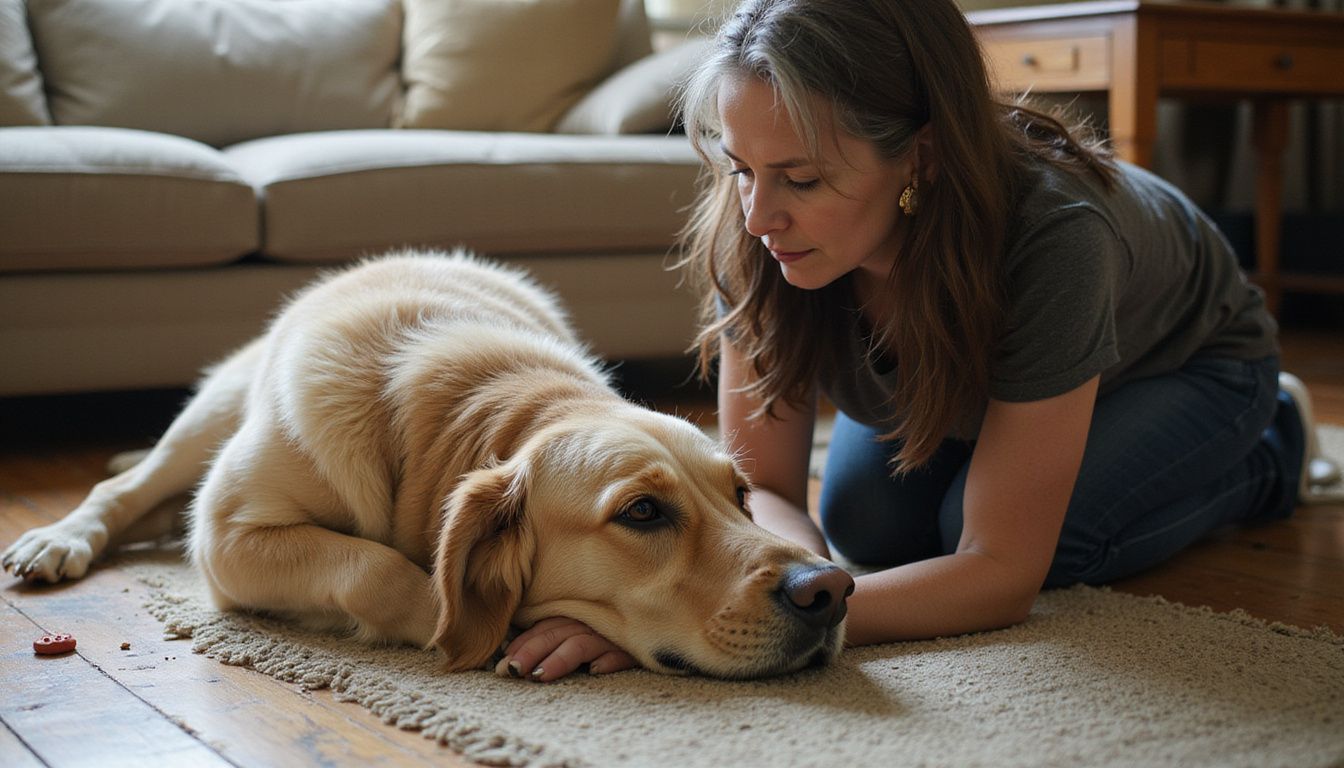
Has your dog seemed a little off lately?
Maybe your pup skipped breakfast, sleeps more than usual, or acts grumpy for no reason at all.
Dogs are experts at hiding pain. That makes it tough to catch the signs of illness before they turn into something bigger.
This guide walks you through the common warning signs, what they usually mean, and exactly when to call your veterinary team. And if you’re also weighing whether to bring a rabbit home down the road, a lot of these same lessons in reading a pet’s body language will come in handy too.
Grab a cup of coffee. Let’s go through it together, one symptom at a time.
Key Takeaways
- Watch for appetite loss, lethargy, vomiting, diarrhea, breathing trouble, and behavior changes. These are the biggest signs of illness in dogs.
- Call your vet right away if symptoms last more than 24 hours, or if you see severe signs like bleeding, seizures, or pale gums.
- Track your dog’s eating, drinking, and bathroom habits every day. This helps you catch health problems early, before they turn into emergencies.
- Book routine check-ups once or twice a year. Early detection means treatment works better and costs less than an emergency visit.
- Check your dog’s skin, coat, eyes, ears, and nose often for discharge, redness, lumps, or other changes that point to illness.
Common Signs of Illness in Dogs
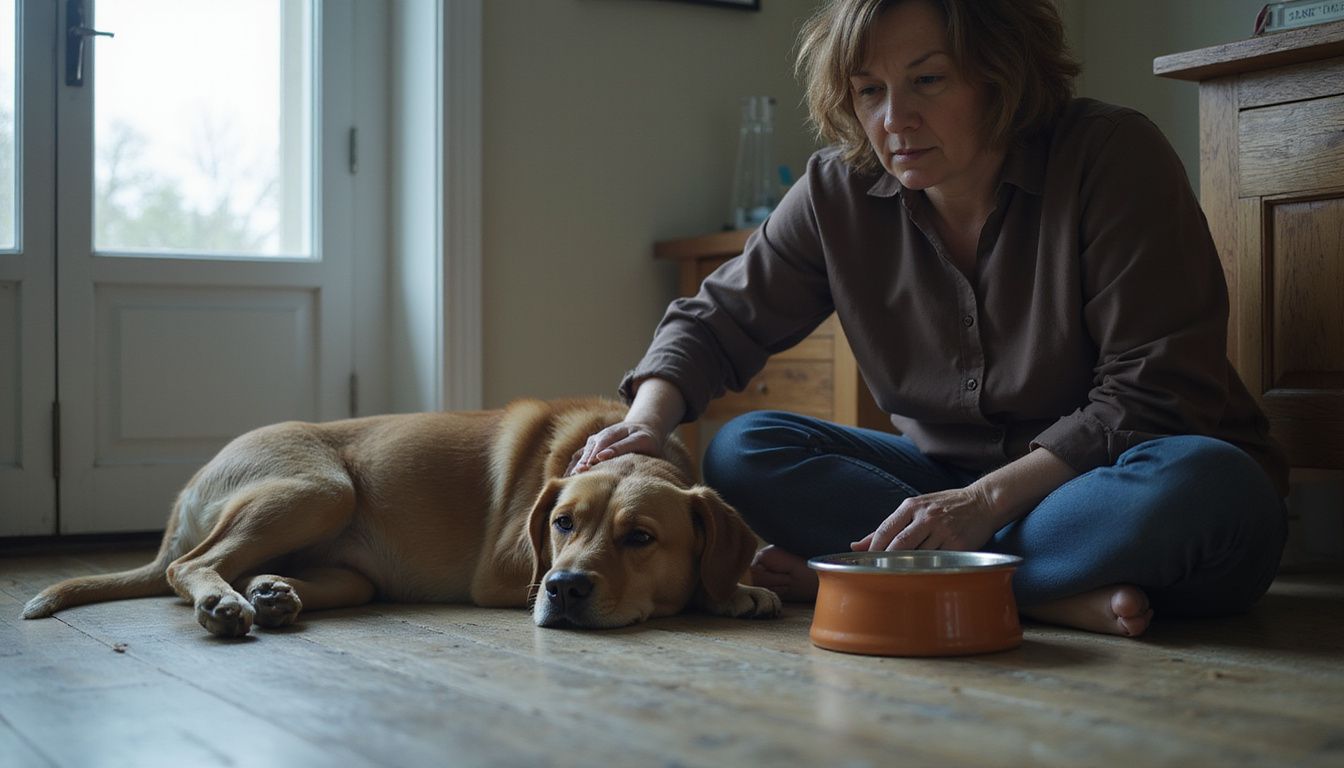
Your dog talks to you every day, through body language, appetite, and energy levels.
Learning to read these signals helps you catch health issues before they turn serious.
Why is my dog not eating or losing weight?
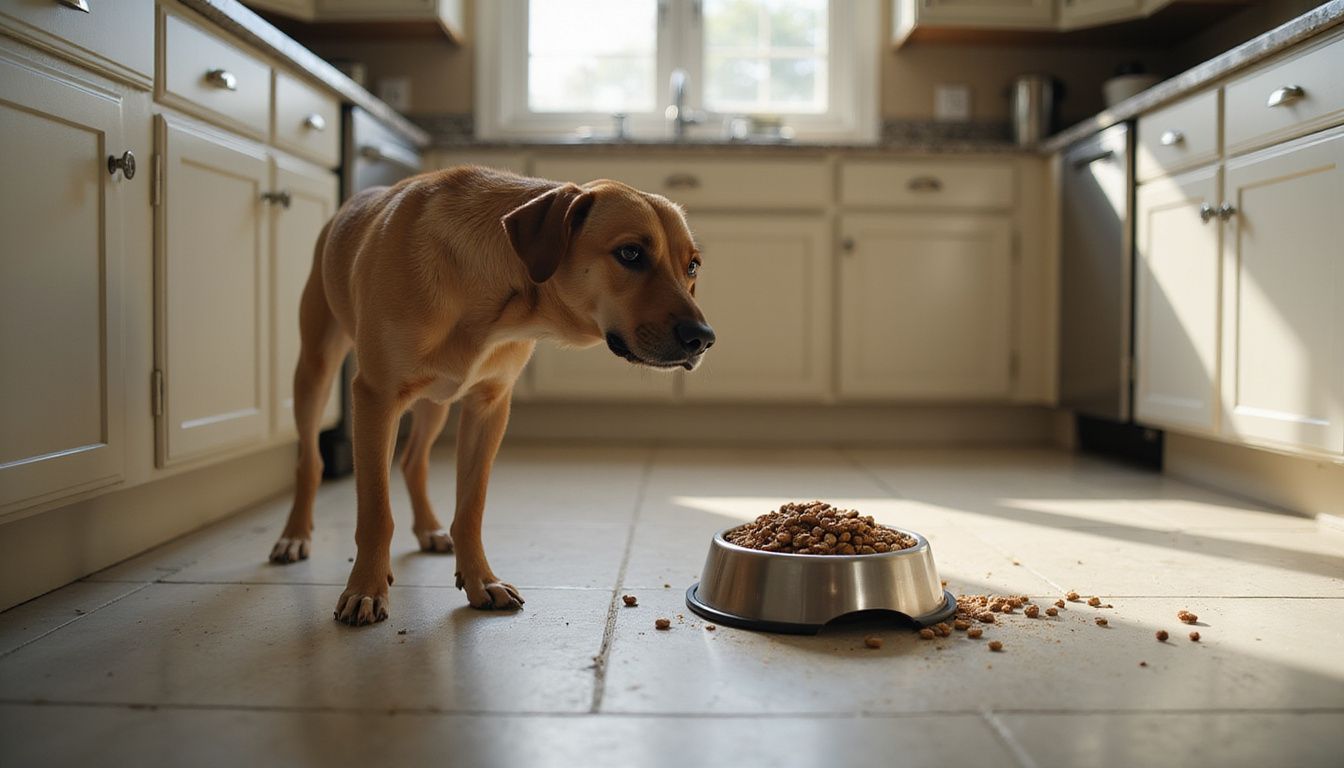
A sudden drop in appetite or unexplained weight loss means something needs your attention. Dental problems, stomach issues, or bigger diseases often trigger these changes.
Loss of appetite lasting more than one day is a red flag. It may point to dental pain, nausea, infection, or serious illness. According to the American Veterinary Medical Association, 80% of dogs develop dental disease by age three, so a sore mouth is often the hidden reason behind a skipped meal, even in a dog that seems young and healthy otherwise.
Here’s the tricky part: your pup might still gobble up treats while refusing regular meals. That mixed behavior is an early warning sign, even if your dog seems fine in every other way.
- Track how long the appetite loss lasts
- Watch for other symptoms like vomiting, drooling, or lethargy
- Call a veterinarian if these signs stick around more than two days
Weight changes that show up with no obvious cause can point to metabolic issues or chronic health problems hiding under the surface. Unexplained weight gain or loss often means your dog’s body is struggling internally.
Monitoring your dog’s eating, drinking, and bathroom habits gives you a clear sense of what’s normal. Check your pup’s body regularly too, since lumps, bumps, or injuries sometimes show up alongside appetite loss and weight changes.
Early detection through routine check-ups at places like Harrisonburg Animal Hospital or Maplewood Veterinary Center helps catch problems before they spiral. Preventive care and wellness exams catch illness early, when treatment works best.
A dog’s appetite is like a window into their health. When it closes, it’s time to look inside.
What does lethargy or low energy in dogs indicate?

Your dog’s sudden tiredness often signals trouble brewing under the surface. If your pup refuses to play, sleeps far more than usual, or hesitates to go outside, an illness might be at work.
Infections, anemia, heart problems, and metabolic disease frequently cause this kind of unexplained weakness. A normally active dog losing interest in favorite activities is a red flag worth checking out.
- Sleeping much more than normal
- Trouble standing or general sluggishness
- Losing interest in walks, toys, or play
- Breathing changes alongside the tiredness
None of this happens by accident. Your dog’s body talks to you through lethargy, so pay attention when the pattern shifts.
One owner of a senior mixed-breed dog noticed increased sleep and decided to track activity for five days. Baseline active periods had averaged 4.5 hours a day. During the observation window, that number dropped to just 1.2 hours daily, with reduced interest in walks and toys for four days straight. Timing the change showed the drop was far more serious than a simple lazy week, which led to a vet visit and a diagnosis that needed treatment.
A tired dog isn’t always a lazy dog. Sometimes it’s a body working hard to fight something you can’t see.
Fatigue that goes beyond normal post-exercise tiredness is worth a call to your veterinary care provider. A veterinary diagnostics specialist can run tests to find infections, parasites, or other issues behind the slowdown.
Some situations make lethargy more urgent than others:
- Your dog is a senior pet, who faces higher health risks overall
- The tiredness comes with loss of appetite, vomiting, or diarrhea
- The change happened suddenly, with no clear cause like exercise or heat
If your companion seems off, tired for no reason, or struggles to breathe, contact a veterinary urgent care center right away. Early detection through pet wellness monitoring stops minor issues from becoming major emergencies.
What should I do if my dog is vomiting or has diarrhea?
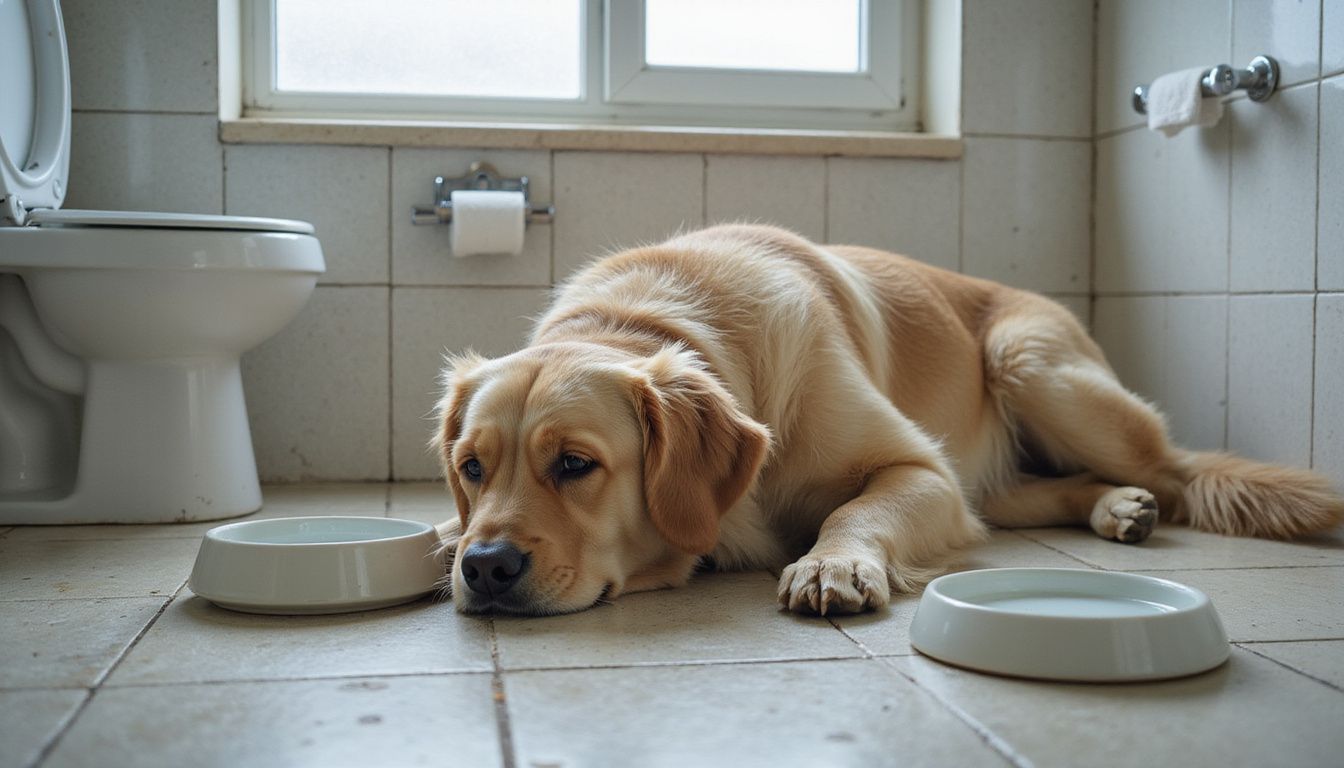
Occasional vomiting or diarrhea happens to plenty of dogs, and one episode doesn’t always spell trouble. If it happens just once, hold off on food for a few hours, then offer small sips of water to keep your pup hydrated.
Most dogs bounce back quickly from these minor stomach upsets. But vomiting or diarrhea lasting more than 24 hours is a real problem that needs veterinary care.
Profuse or bloody vomiting, especially paired with lethargy or loss of appetite, needs immediate attention from urgent veterinary care professionals. These symptoms can point to infections, pancreatitis, parasites, swallowed objects, or accidental poisoning.
Poisoning happens more often than you’d think. According to a 2026 report from the ASPCA Animal Poison Control Center detailing their 2025 data, the center handled over 334,000 cases of pets exposed to toxic substances that year alone. So don’t assume sudden stomach trouble is just a bug. It could be something your dog got into.
Dehydration becomes a major concern with persistent episodes, so don’t wait to contact your veterinarian. Call an animal hospital right away if you notice:
- Blood in the vomit
- Weakness alongside vomiting or diarrhea
- Diarrhea that continues beyond the first day
- Red or orange urine
- Very dark stool or visible blood in waste
Parasite prevention and current vaccinations help protect against many illnesses that cause these digestive issues. Your vet can run tests, prescribe antibiotics if needed, and guide you on oral health and pet illness prevention.
Tracking your dog’s eating, drinking, and bathroom habits gives your veterinarian useful information. That data helps them diagnose problems faster and get your furry friend feeling better soon.
How can I tell if my dog is having trouble breathing?
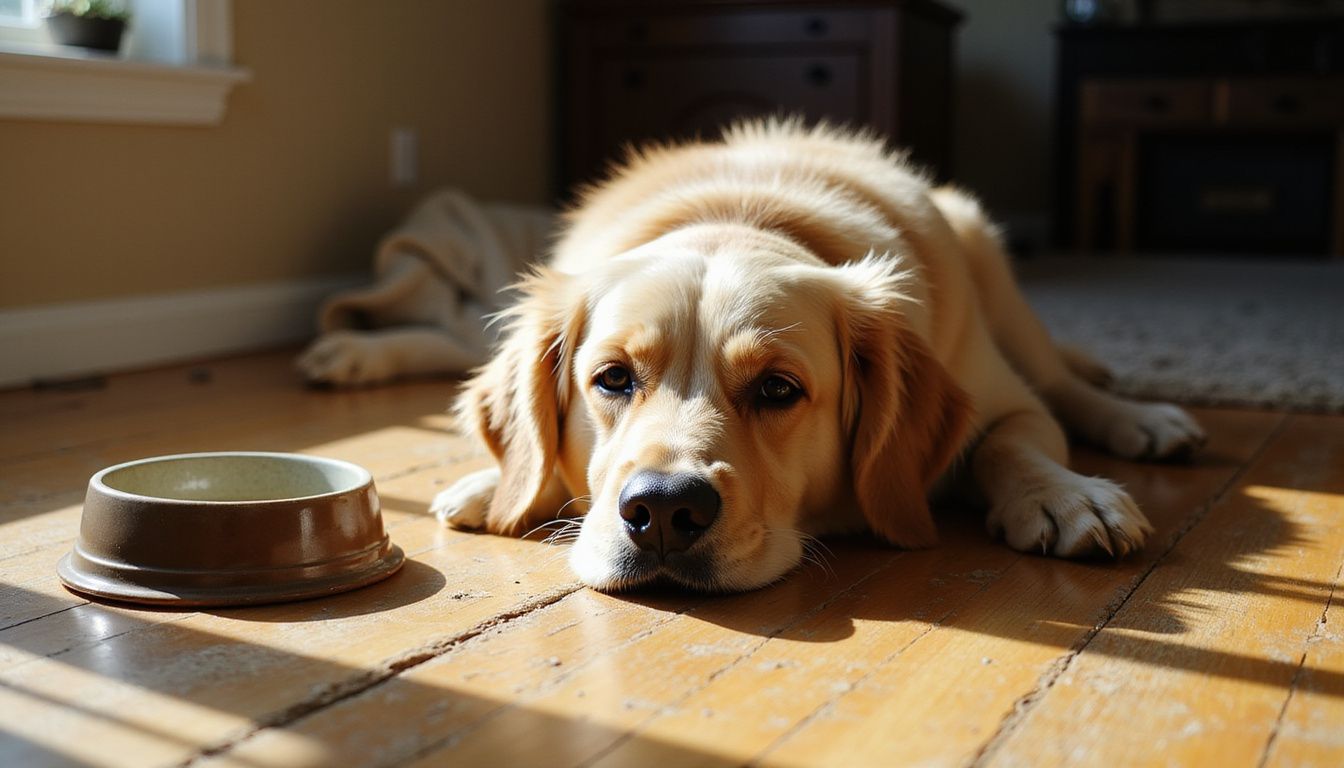
Your dog’s breathing tells you a lot about their health. Coughing, wheezing, rapid breathing, or labored inhaling might point to respiratory infections, heart disease, or allergies, and any respiratory changes deserve a closer look.
- Heavy panting with visible effort to inhale or exhale
- Rapid breathing that doesn’t match activity level
- Blue or pale gums, a sign of low oxygen
- Panting heavily even when your dog isn’t hot or excited
Blue or pale gums are urgent. They signal an oxygen problem and call for immediate veterinary consultation, no waiting around.
Excessive panting or labored breathing can be an early sign of illness, so don’t brush off these red flags. Track your dog’s breathing patterns daily so you catch trouble before it turns serious.
Difficulty breathing, collapse, and pale gums all call for immediate veterinary consultation from professionals like those at Summit Veterinary Urgent Care or St. Charles Veterinary Hospital.
Some dogs breathe faster than normal, struggle to catch their breath, or make strange sounds while inhaling. If your pet shows any of these respiratory distress symptoms, contact a veterinarian right away rather than waiting to see if it passes.
A dog’s breathing is like a window into their health. Learn to read it, and you’ll catch illness before it takes hold.
What behavioral changes in my dog might signal illness?

Beyond physical symptoms like trouble breathing, your dog’s behavior often tells the real story. Shifts in how your dog acts can show up before any other sign, making them your first clue that something is wrong.
Your dog might become unusually quiet or restless, pulling away from family and hiding in corners. Increased irritability, excessive barking, or constant whining can mean your dog is in pain or discomfort.
- Refusing to go outside or stand up without help
- Excessive scratching or licking at one body part
- Losing interest in play, exercise, or favorite activities
- Pulling away from normal routines and family time
- Agitation, restlessness, or unusual quietness
These behavior changes happen because illness affects your dog’s mood and energy in big ways. None of it is random, even when it looks that way at first.
If your dog acts withdrawn or seems unwilling to move around like usual, contact a veterinarian right away. Behavioral changes matter just as much as physical symptoms, so trust what you see in your dog’s daily actions and mood.
For pet health concerns in areas like Decatur, Alabama or Bettendorf, facilities such as Hope Crossing Animal Hospital offer expert guidance on catching these warning signs early.
How do skin, coat, or fur changes show my dog is sick?

Your dog’s behavior tells one story, but the coat tells another. Physical changes in your dog’s skin and fur often mean something is wrong inside. Catching these signs early protects your pet’s health, so pay close attention to what you see.
A healthy coat shines and feels smooth. Sudden hair loss, excessive scratching, redness, or flaky skin may signal allergies, parasites, or infections that need treatment. According to a 2026 Nationwide pet insurance claims analysis, skin allergies have ranked as the number one reason US dogs visit the vet, for 15 years running. So if your dog can’t stop scratching, you’re dealing with one of the most common health issues out there, not just a minor annoyance.
- Dull, matted fur that’s lost its normal shine
- Patches of missing hair or raw, irritated skin
- Flaking, crusting, or unusual odors on the skin
- Color changes in the fur, which can point to internal problems
- New lumps or bumps that need a vet’s attention
Changes in fur texture or color can point to nutritional gaps or internal disease. Excessive licking, scratching, or grooming often means your dog can’t shake some skin discomfort or allergy on their own.
Regular grooming helps you spot lumps, skin issues, or dental problems before they get worse. Bad breath, drooling, trouble chewing, or visible tartar can point to dental disease, which connects to how your dog feels day to day.
Your dog can’t tell you what hurts, so you have to play detective. Groom your dog often to catch these changes early, especially if you’re also thinking about bringing home a rabbit and want to build good grooming habits for a different kind of pet. The American Animal Hospital Association recommends checking your dog’s skin and coat at every grooming session.
Catching skin problems early keeps your dog comfortable and stops small issues from spreading.
What eye, ear, or nose problems should I watch for in my dog?
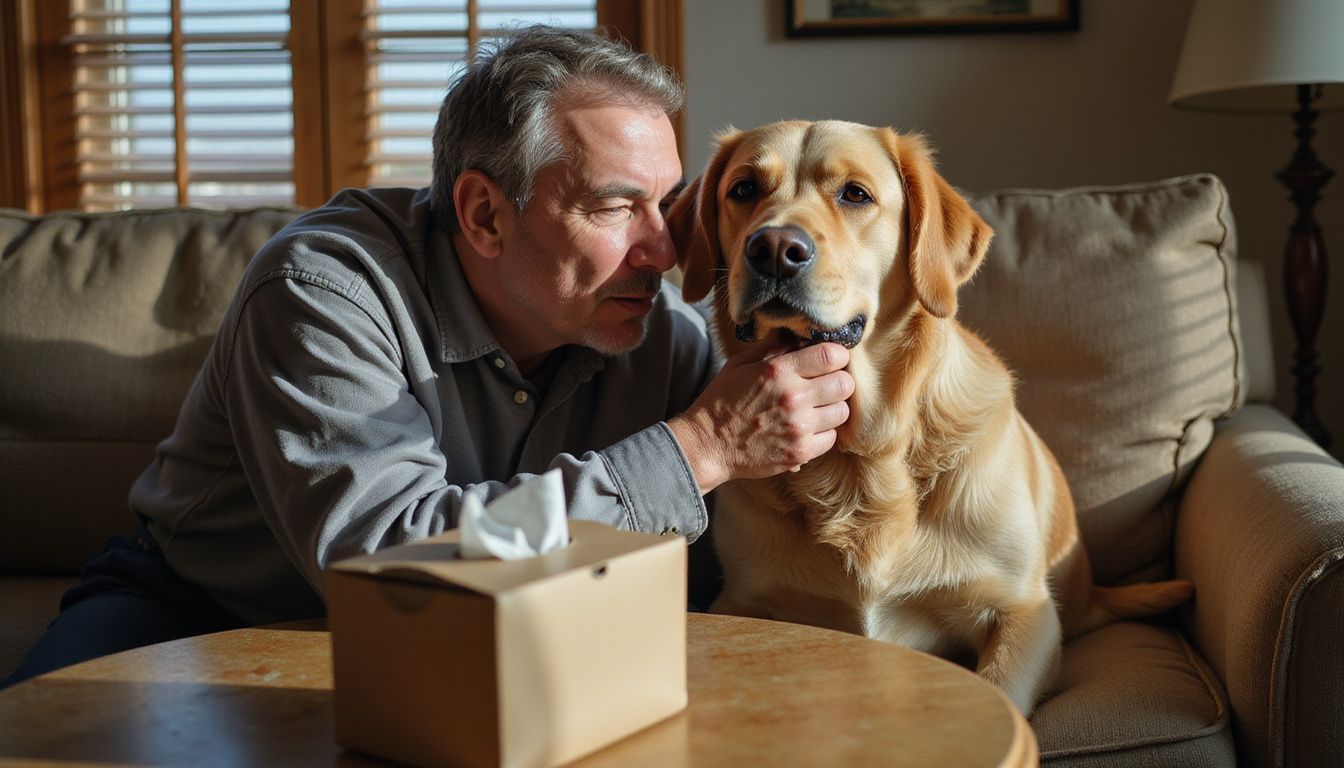
Beyond coat and skin issues, your dog’s face tells another story. Discharge, redness, cloudiness, or swelling in the eyes, ears, or nose can signal infections, allergies, or a bigger illness.
These signs show up fast, and catching them early makes a real difference.
- Watery, crusty, or thick yellow discharge from the eyes
- Foul odor, dark waxy buildup, or head shaking, often signs of ear infections
- Thick or discolored nasal discharge
- Swelling around the eyes or nose, or constant squinting
- Redness in the whites of the eyes or new cloudiness
Prompt attention keeps these problems from getting worse, so don’t brush off these warning signs. A professional check matters the moment you spot any of these issues.
Maplewood Veterinary Center in Bettendorf offers wellness check-ups and diagnostic services for pets of all ages, helping you catch issues before they spiral.
Ear infections in particular can spread fast and cause real pain if left untreated. If your dog paws at their face repeatedly or seems bothered around their eyes or ears, trust your gut and call your vet.
Your dog can’t tell you what’s wrong. These physical clues are your best tool for keeping them healthy and comfortable.
When to Contact a Veterinarian
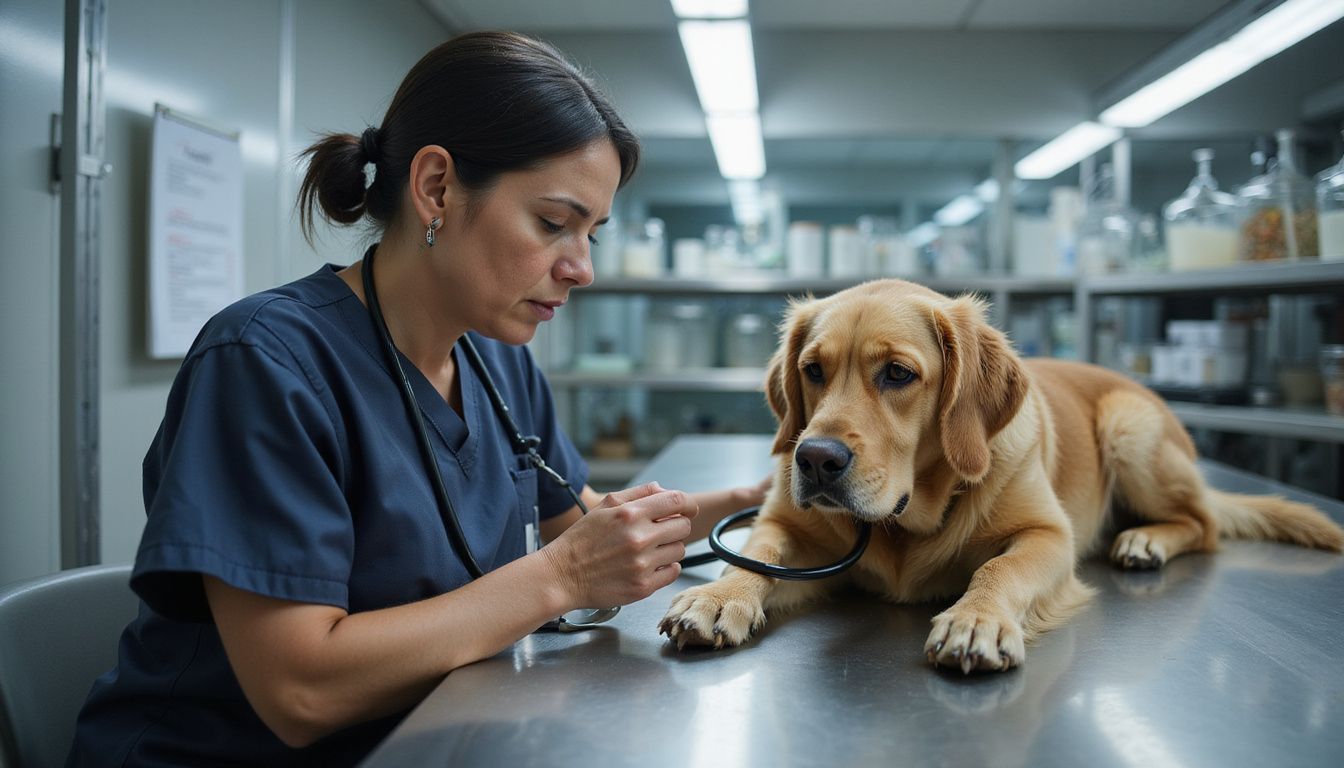
Knowing when to call your vet separates dogs that bounce back quickly from those that end up in real trouble. Here’s a quick look at how severity should guide your next move.
| Symptom Severity | What You Might See | What To Do |
|---|---|---|
| Mild, short-term | One-time vomiting, a skipped meal, or mild tiredness | Watch closely for 24 hours |
| Ongoing, moderate | Vomiting, diarrhea, or appetite loss lasting more than a day | Call your vet within 24 to 48 hours |
| Severe, emergency | Pale gums, seizures, bleeding, or collapse | Get to an emergency vet right away |
Read on for exactly which symptoms fall into each category.
When should I worry about symptoms lasting more than 24 hours?
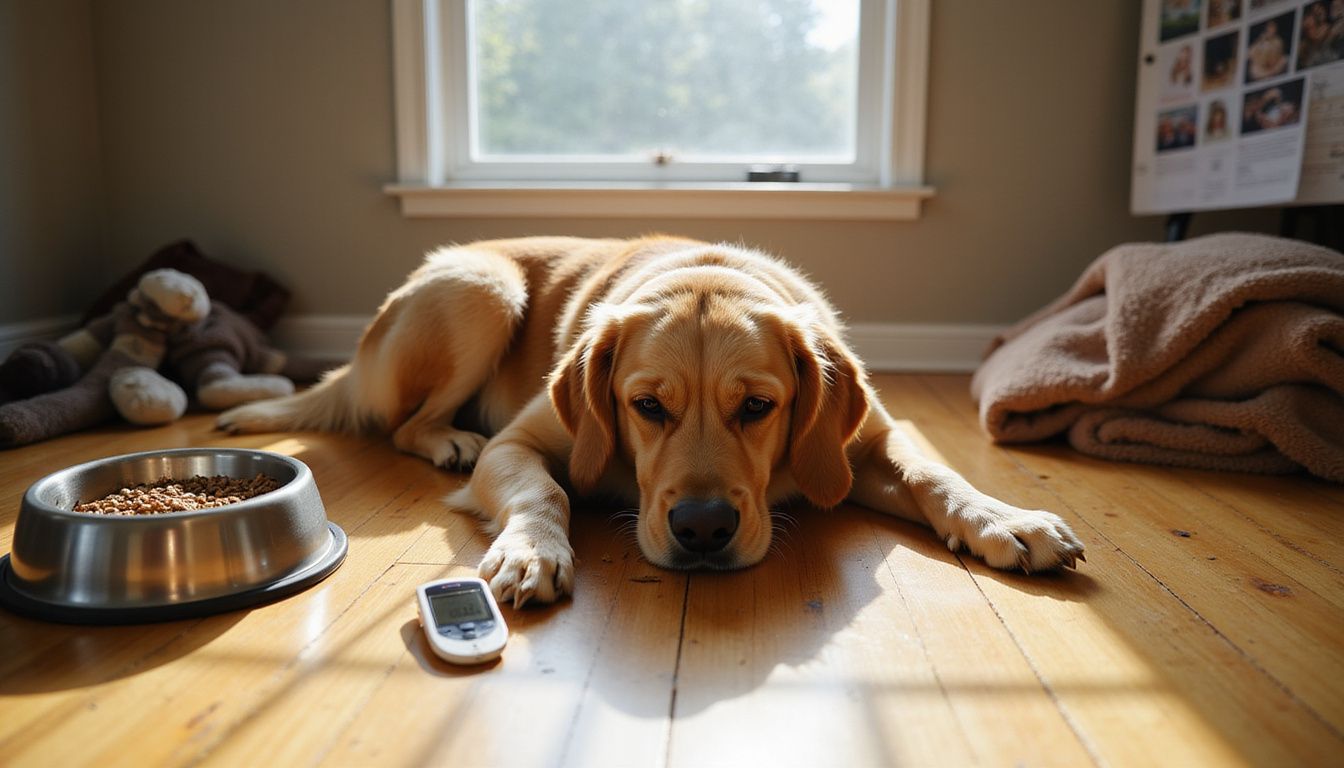
Your dog’s body sends signals when something’s wrong. Vomiting or diarrhea that continues past 24 hours means it’s time to call your veterinarian. Loss of appetite lasting more than a day also needs attention, since it can point to dental pain, nausea, infection, or a bigger illness.
These symptoms might seem minor at first, but they often point to bigger problems hiding underneath. Mild issues sometimes resolve on their own, but checking with a veterinarian rules out anything serious.
One multi-pet household waited 36 hours before bringing their dog in for vomiting. The dog had intermittent vomiting with a declining appetite the whole time. When the veterinary team finally started diagnostics and supportive care, the dog needed a 48-hour outpatient treatment plan. Hydration and appetite stabilized within 48 hours of starting treatment, but the delay turned what could have been a minor upset into a two-day ordeal. Calling earlier would likely have shortened treatment and cut down on the dog’s discomfort.
- Vomiting or diarrhea past 24 hours: call your vet
- Appetite loss past 1 day: call your vet
- Any symptom past 48 hours total: don’t wait any longer
Don’t wait and hope things get better on their own, especially if you’re also weighing whether to bring home a rabbit or other pet down the road and want a good vet relationship already in place.
Daily observation is your best tool for catching trouble before it spirals. Track your dog’s eating, drinking, and bathroom habits so you notice changes fast.
Veterinarians in areas like Harrisonburg, Virginia and Davenport can examine your dog and run tests to figure out what’s happening. Early detection through routine vet visits catches illness when treatment works best, and protects your dog’s wellbeing before minor issues become major emergencies.
What sudden or severe symptoms require immediate vet care?
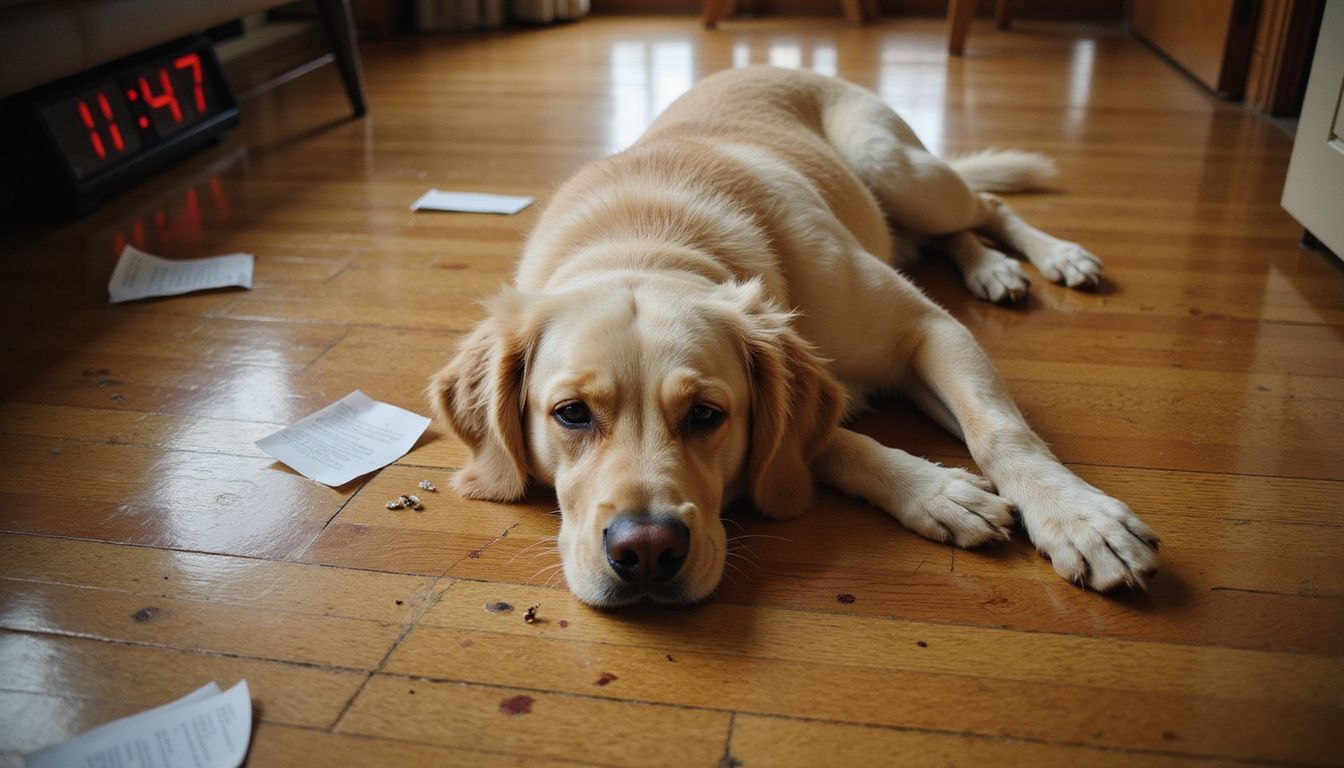
Your dog needs emergency care right now if certain red flags show up. Knowing these warning signs helps you act fast and protect your pet’s life.
Some symptoms mean life or death, right now:
- Loss of consciousness: your dog has collapsed or stopped responding to you
- Difficulty breathing or gasping for air: a serious problem in the lungs or airways
- Bleeding from the mouth, nose, or anywhere else: don’t wait to see if it stops
- Seizures: your dog shakes uncontrollably or loses awareness
- Pale gums: a sign of shock or severe illness
Other symptoms are just as urgent, even if they seem less dramatic at first:
- Profuse or bloody vomiting, which drains fluids and nutrients fast
- Inability to urinate or defecate, which can signal a blockage
- Vomiting that lasts more than 12 hours
- Red or orange urine, a sign of a urinary or kidney problem
- Very dark stool or visible blood in feces, which can mean internal bleeding
If you see any of these signs, don’t wait for a callback. Facilities like Summit Veterinary Urgent Care offer walk-in and after-hours services, so you can get treatment without an appointment when your dog needs help most.
How can I recognize unexplained pain or discomfort in my dog?

Dogs mask pain like skilled actors, thanks to instincts passed down from their wild ancestors. Restlessness, excessive panting, or a change in posture can signal discomfort hiding under the surface.
- Avoiding movement or whimpering during normal activities
- Shifting weight off one leg repeatedly
- Reluctance to climb stairs, jump on furniture, or play fetch
- Whining or growling when touched in a certain spot
- Hunching the back, tucking the tail, or sleeping in odd positions
Behavioral shifts matter just as much as physical signs when you’re watching your pet’s health. Withdrawal from family activities, losing interest in toys, or spending hours alone in a quiet corner all suggest something is bothering your companion.
Tracking these changes gives you the power to act fast and call a veterinarian before minor issues become major problems. Catching these signals early means your dog gets relief and gets back to tail-wagging happiness sooner.
Tips for Monitoring Your Dog’s Health
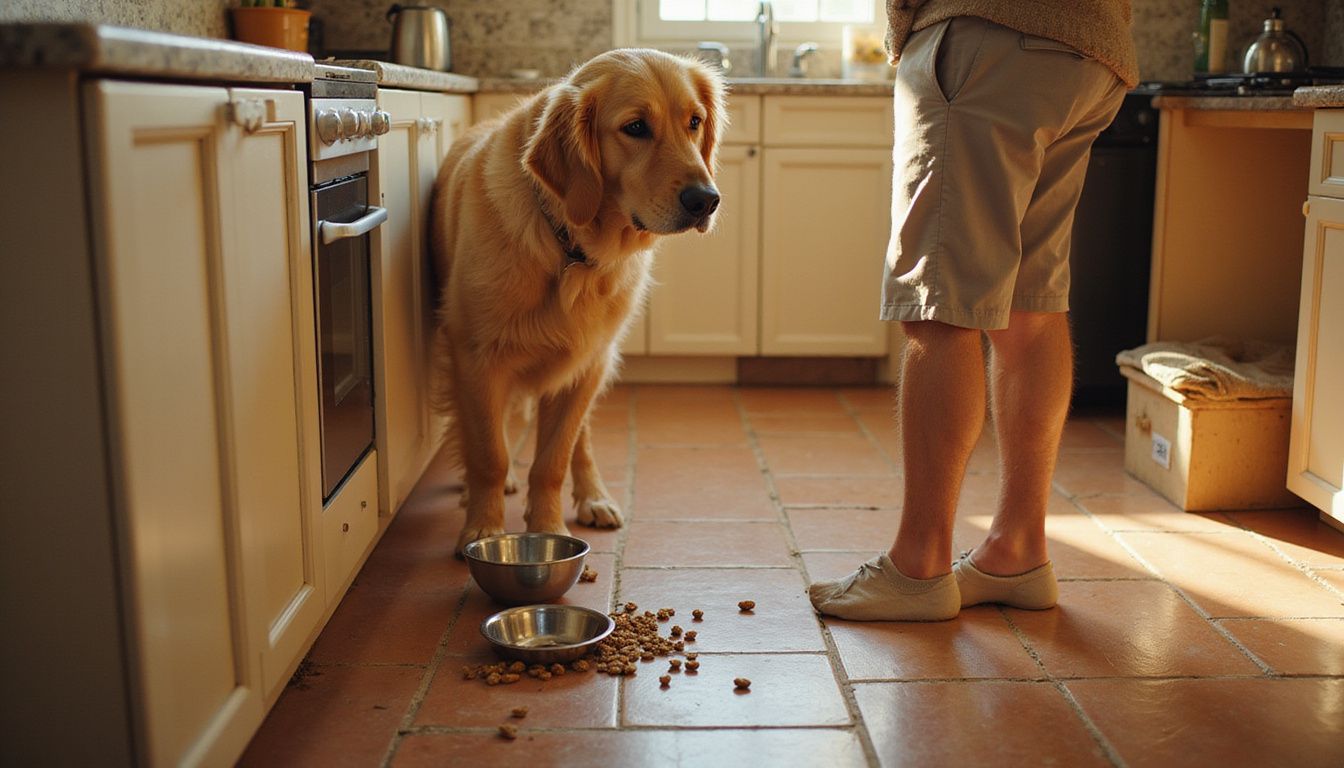
Watching your dog’s daily habits gives you real power to catch problems early, before they turn into big issues.
You become your dog’s best health detective when you pay attention to what’s normal, and what’s different.
How can I track my dog’s eating, drinking, and bathroom habits?

Tracking your dog’s health patterns gives you a powerful tool for catching problems early. Start a simple health journal today and jot down what happens each day.
- Log meals: what your dog eats, how much, and any treats given
- Track water intake: roughly how much and how often your dog drinks
- Note urination: frequency, color, and any straining
- Record bowel movements: consistency, color, and any blood
- Flag accidents in the house, which can point to urinary tract infections, kidney issues, diabetes, or digestive problems
Use whatever tool works for you, a notebook, phone app, or wall calendar. The important part is consistency, so compare patterns week to week and catch small changes before they become big problems.
Bring your health journal to vet appointments so your veterinarian can review real data instead of relying on memory alone. Small shifts in appetite, activity, or bathroom habits often point to problems that need professional attention.
A group of 30 households kept simple daily health journals for their adult dogs over a two-week period, tracking meals, water intake, and bathroom events. Sixty percent of participants flagged at least one entry that matched loss of appetite or a change in stool. Veterinarians who reviewed those flagged journals recommended follow-up visits in 39 percent of those cases. A one-line daily log made small changes obvious and helped owners decide when to call the vet, turning simple observations into real, useful health information.
What should I look for when checking for lumps, bumps, or injuries?

The same hands-on habit that helps with your dog also matters if you’re considering adding a rabbit to the family. Once you’re tracking eating and bathroom patterns, shift your focus to physical checks that catch problems early. Your hands become your best tool for spotting hidden health issues before they turn serious.
- Run your fingers over your rabbit’s whole body during grooming, feeling for new lumps or bumps under the fur
- Check the face, legs, and belly for swelling, common spots for infection or injury
- Look closely at the skin for cuts, scrapes, or bald patches that could mean wounds or parasites
- Check the eyes, ears, and nose for discharge or crusty buildup, a sign of infection
- Press gently on anything unusual. If your rabbit pulls away or reacts, that spot needs a vet’s attention
Feel along the legs and joints for heat, swelling, or sensitivity, since these can point to injury or inflammation affecting movement. Groom your rabbit often too, since it helps you spot lumps, skin issues, or dental problems before they get worse.
Schedule routine check-ups annually or semi-annually. Your veterinarian can spot problems your hands might miss during home checks, and catching lumps or bumps early gives treatment a much better chance of working.
One pet owner who adopted a rabbit while also caring for a small dog built an eight-step home exam routine to follow during grooming. The steps included calming the room, using gloves, doing a visual scan, checking the body by hand, gently flexing the limbs, looking at the mouth if the rabbit allowed it, noting and photographing any mass, and timestamping each journal entry. The whole routine took six to ten minutes per pet. That short, consistent habit helped the owner catch a small lump early and get vet advice before it changed in size or shape.
Why are routine vet visits important for early illness detection?
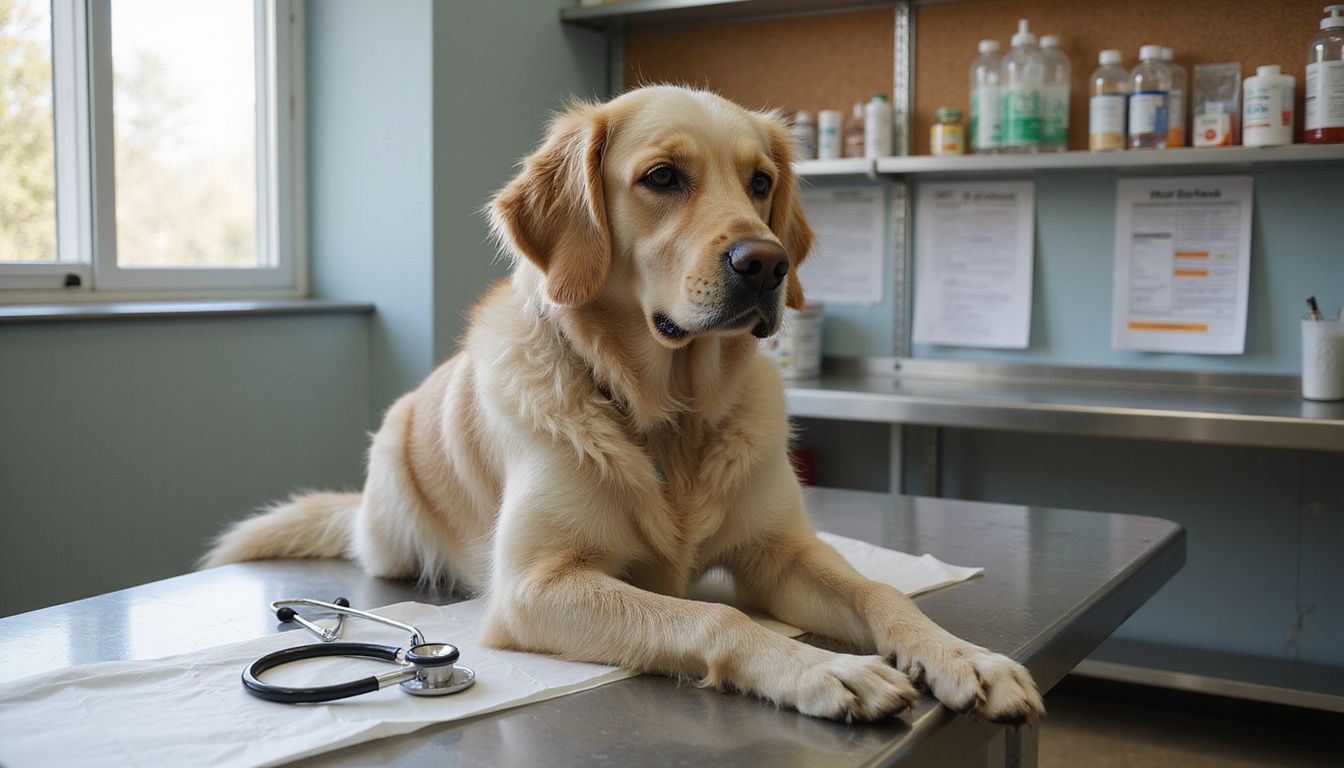
Routine vet visits catch problems before they turn into big ones. Your veterinarian spots early signs of illness during physical exams that you might miss at home. Maplewood Veterinary Center in Bettendorf offers wellness check-ups and diagnostic services for pets of all ages, helping catch issues when they’re easiest to treat.
These visits usually cover a few key things:
- Vaccinations to prevent common illnesses
- Dental care and oral health checks
- Nutrition guidance suited to your pet’s age and breed
- A full physical exam to catch hidden problems early
You build a health history with your vet over time, which helps them notice changes in your pet’s wellness. Senior pets face higher risks for chronic conditions, which makes regular monitoring even more important for their quality of life.
Proactive veterinary care beats waiting for symptoms to worsen, every single time. Schedule routine check-ups annually or semi-annually to catch issues early and avoid costly emergencies down the road. According to a June 2026 survey of US pet owners reported by Forbes, the average emergency vet visit costs $1,035, and 80% of owners say they aren’t financially ready to cover a bill like that. Routine care costs a fraction of that, and it protects your wallet along with your pet’s health. Your vet can also recommend treatments like acupuncture if your pet develops pain or mobility issues down the line.
Think of routine visits as your pet’s insurance policy against serious illness. Staying on top of preventive care gives your rabbit, or any pet you bring home, the best shot at a long, happy life.
Conclusion

You now know what sick dogs show through their actions, behaviors, and physical changes.
Watching your dog’s eating habits, energy levels, and bathroom routines gives you real power to catch the signs of illness early.
Your vet becomes your partner in keeping your pet’s health strong, so schedule those check-ups and call when something feels off. Small changes today prevent big medical bills and real suffering tomorrow.
Take action now. Trust your instincts when something seems wrong, whether you’re caring for a dog today or getting ready to welcome a rabbit home, because your attentiveness could save a life.
FAQs
1. What are the first signs my dog might be sick?
Watch for changes in eating, drinking, or energy – these are your first clues. A dog’s normal temperature is 101 to 102.5°F, so anything outside that range plus other symptoms means it’s time to call your vet.
2. How do I know if it’s an emergency or just a minor issue?
If your dog can’t stand, is bleeding heavily, has trouble breathing, or seems to be in serious pain, get to a vet right away. The American Animal Hospital Association recommends emergency care for sudden, severe symptoms. Milder things like a little sneeze or one skipped meal can usually wait 12 to 24 hours to see if they clear up.
3. Can stress or anxiety make my dog seem sick?
Yes, it definitely can. About 70% of dogs show physical symptoms like tummy trouble or loss of appetite during stressful situations like moving or adding a new pet.
4. Should I ever compare my dog’s symptoms to wildlife rehabilitation cases?
Your dog needs a vet who specializes in companion animals, since their health issues are completely different from wildlife cases.