
Watch for signs your puppy might be sick by noting changes in appetite, energy, and bathroom habits. A refusal to eat, increased irritability, or sudden lethargy may signal serious health concerns. Persistent vomiting or diarrhea, along with alterations in urination frequency, require immediate attention. Skin and coat changes, excessive scratching, or bad breath can indicate underlying issues like allergies or dental problems. Observing these symptoms can lead to timely interventions, ensuring your puppy’s health and well-being.
Key Takeaways
- Sudden refusal to eat for over 24 hours may indicate a serious underlying condition in your puppy.
- Persistent lethargy or excessive sleeping can signal infections, pain, or illness.
- Vomiting or diarrhea lasting more than 24 hours requires immediate veterinary attention.
- Increased urination can signify urinary infections, kidney issues, or diabetes.
- Notable changes in bathroom habits might indicate pain or discomfort, needing prompt vet evaluation.
How Appetite Changes Signal Puppy Health Issues

A puppy’s appetite is often a key indicator of their overall health, and understanding changes in their eating habits is vital. Appetite fluctuations can signal various health issues needing attention. If your puppy suddenly refuses to eat for more than 24 hours, it might indicate a serious underlying condition requiring a vet’s assessment. On the other hand, an unexpected increase in your puppy’s hunger could be a red flag for conditions like diabetes or thyroid imbalances. Additionally, altered feeding behaviors such as newfound fussiness or rejection of favorite foods might hint at gastrointestinal discomfort. It’s important to monitor your puppy’s eating patterns closely, as this assists in early detection of potential health problems and guarantees prompt veterinary consultations.
Why Your Lethargic Puppy Needs Immediate Attention
While monitoring your puppy’s appetite provides insights into their health, paying attention to their energy levels is just as important. Puppies naturally possess abundant energy and curiosity, so sudden lethargy should raise concerns. A significant drop in energy can signal infections, pain, or chronic conditions. It’s essential to observe any refusal to play or excessive sleeping, as these may be early indicators of serious health issues. Unlike adults, puppies can deteriorate quickly, making early intervention crucial for effective recovery. If you notice lethargy alongside other symptoms like changes in appetite or behavior, don’t delay a vet consultation. A prompt veterinary evaluation can provide an accurate diagnosis, helping to prevent the condition from worsening and ensuring your puppy receives the proper care.
When Vomiting or Diarrhea Means a Vet Trip
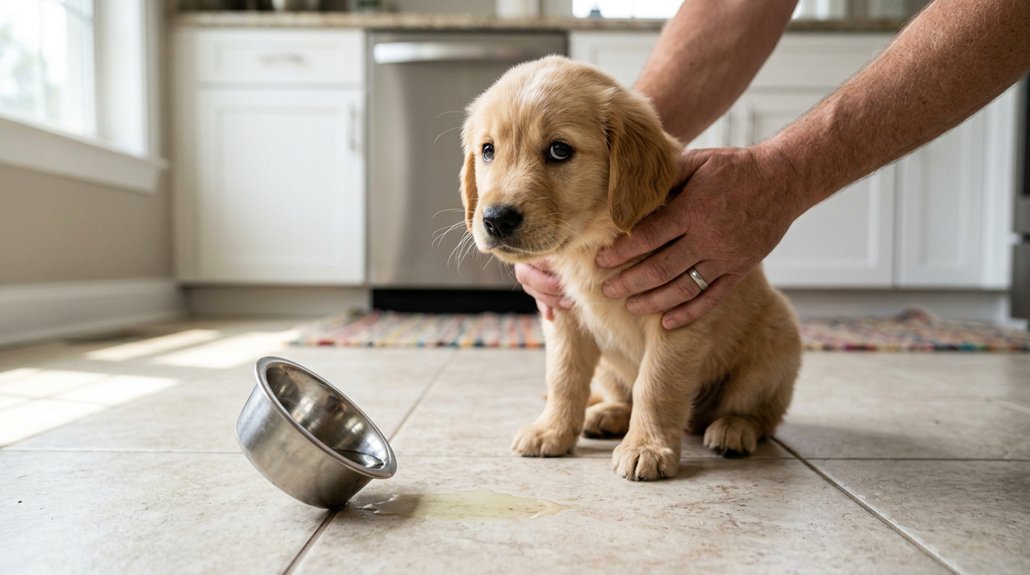
When your puppy starts showing signs of vomiting or diarrhea, it’s crucial to act swiftly. Persistent symptoms, paired with lethargy or a lack of interest in food, can quickly lead to dehydration and other complications. Vomiting causes can range from dietary indiscretion to more severe infections. Meanwhile, diarrhea types may vary from watery to containing mucus or blood, each indicating different potential issues.
If vomiting occurs multiple times or diarrhea lasts over 24 hours, contact your vet immediately. Look for signs of dehydration, such as dry gums and reduced skin elasticity, as these require urgent attention. The presence of blood in vomit or stool is a critical warning of infections or gastrointestinal disturbances, demanding prompt veterinary intervention, given puppies’ delicate immune systems.
Behavioral Changes to Watch
Even if your puppy seems generally healthy, subtle behavioral changes can be indicative of underlying health issues. Engage in regular behavioral observation to spot any increased irritability or sudden aggression, as these may suggest pain or illness and warrant a veterinary evaluation. Pay close attention to their social interaction; a withdrawal from family members or a loss of interest in play can signal sickness, deviating from their usual affectionate demeanor. Be vigilant of excessive vocalization or restlessness, which can denote discomfort. Similarly, unexplained lethargy or a sharp decline in energy can point to infections or more serious conditions that demand urgent care. Remember, subtle changes in your puppy’s routine or responses might indicate distress they’re unable to communicate.
Spotting Respiratory Issues Early

Recognizing respiratory issues in puppies early can be essential for ensuring their well-being and preventing complications. Start by observing your puppy’s breathing patterns—rapid or labored breathing might signal distress, warranting immediate veterinary evaluation. Early symptoms, like coughing or wheezing, could indicate serious issues requiring prompt attention. Look for increased nasal discharge or sneezing, which may point to infections or allergies needing early intervention. Monitor your puppy’s energy levels; persistent lethargy alongside respiratory symptoms may indicate severe health conditions. Changes in appetite and reluctance to play are signs worth noting for possible respiratory problems.
Here’s an emotional guide to observing respiratory issues:
| Symptom | Possible Consequence | Action Required |
|---|---|---|
| Coughing/Wheezing | Serious respiratory issues | Prompt attention needed |
| Rapid Breathing | Potential respiratory distress | Veterinary evaluation |
| Nasal Discharge | Infections/Allergies | Early intervention |
Skin and Coat Concerns: What to Look For
Have you noticed any differences in your puppy’s skin or fur? Changes in skin texture or coat shine might indicate health issues like nutritional deficiencies or skin infections. If your puppy exhibits excessive scratching behavior, this could point to allergy symptoms, flea bites, or other skin infections, requiring swift examination. Sudden hair loss, also referred to as alopecia, may signal underlying problems such as hormonal imbalances or autoimmune diseases. Redness irritation, including inflamed red spots or rashes, may reveal dermatitis or allergic reactions demanding immediate attention. Regular health evaluations and careful inspection of your puppy’s skin and coat shine are essential. Early detection guarantees any skin concerns, ranging from scratching behavior to hair loss, are addressed promptly, maintaining your puppy’s overall well-being.
Spotting Dental Problems Early
When it comes to your puppy’s health, dental care is often overlooked, yet it plays an essential role in their overall well-being. Bad breath can be an early sign of dental disease, like periodontal disease or tooth decay, necessitating immediate veterinary attention. Keep an eye out for visible tartar buildup, as it suggests neglect and the urgent need for improved oral hygiene to prevent severe issues. Difficulty chewing and excessive drooling might indicate oral pain, urging a dental check-up. Swollen or bleeding gums could mean gingivitis, a condition that can lead to tooth loss if untreated. Regular vet check-ups are vital for spotting these dental problems early, ensuring your puppy’s teeth stay healthy and preventing serious health complications.
Why Your Pup’s Bathroom Habits Matter
Keeping a close eye on your puppy’s bathroom habits is essential for their health, as changes in stool consistency or urination frequency can reveal underlying issues like gastrointestinal problems or urinary tract infections. You should also pay attention to any signs of pain during these activities, as straining or discomfort might point to serious conditions requiring veterinary care. By being proactive and noting these changes, you’re better positioned to seek timely medical advice and guarantee your puppy’s well-being.
Changes in Stool Consistency
Though it might seem like an unimportant chore, monitoring your puppy’s stool consistency is actually an essential aspect of their health care. Changes in stool color and frequency can be warning signs of health issues like infections or dietary sensitivities. Healthy stool is firm and well-formed; loose or watery stool risks dehydration and needs prompt attention. If you notice frequent diarrhea, it might indicate severe conditions such as gastrointestinal infections or ingestion of foreign objects. Blood or mucus in the stool are alarming signs that require immediate veterinary consultation. Keeping a detailed record of these changes and discussing them with your vet aids in accurate diagnosis and effective treatment. This proactive approach guarantees your puppy’s overall well-being and prevents complications.
Urination Frequency Concerns
Given the complexity of a puppy’s health, monitoring bathroom habits, particularly urination frequency, is essential for early detection of potential health issues. Changes in urination patterns can have significant health implications. An increase in frequency might suggest conditions like urinary tract infections, kidney issues, or diabetes, making a veterinary evaluation important. Conversely, a decrease in urination, especially if your pup strains or you notice blood, could indicate more severe problems needing immediate attention. Maintaining a log of your puppy’s urination habits provides valuable insights for your vet to diagnose any underlying issues accurately. Additionally, confirm your puppy always has access to clean, fresh water, as it’s fundamental for good hydration and supporting normal urinary function, especially when illness is present.
Recognizing Pain Signals
When observing your puppy, even seemingly small changes in its bathroom habits can serve as telltale signs of pain or discomfort. Increased or decreased urination, difficulty passing urine, or blood presence might indicate serious health issues like urinary tract infections. Watch for other pain indicators, such as straining during defecation or noticeable distress, suggesting conditions like constipation or ailments needing veterinary attention. Vocalizations signals, like whimpering during toileting, are essential signs your pup could be in pain. Sudden accidents indoors from a previously house-trained puppy can reveal stress-related disorders or urinary issues. Consistently logging these habits helps identify trends, allowing timely consultation with a vet for proper diagnosis and treatment, ensuring your puppy’s health and comfort.
Frequently Asked Questions
What Is the 7 7 7 Rule for Puppies?
The 7 7 7 rule for puppies involves monitoring puppy health by checking if they go seven hours without eating/drinking, exhibit lethargy for seven days, or show behavioral changes for a week, identifying early symptoms needing veterinary attention.
What Is the Silent Killer in Dogs?
Parvovirus is the silent killer in dogs, with a 90% survival rate when treated promptly. Focusing on dog health and illness prevention can save your puppy. Vaccinations are essential, and early detection with immediate care is imperative.
What Are the First Signs of Parvo in a Puppy?
You’ll likely first notice severe puppy diarrhea or canine lethargy if your pup has parvo. They may also vomit, show decreased appetite, or appear dehydrated. Visit the vet promptly for diagnosis and essential supportive care.
What Will Help a Sick Puppy?
To help a sick puppy, guarantee consistent hydration with fresh water and create a calm environment, minimizing stress. Offer nourishing, easily digestible food. Monitor their behavior and document changes for your vet to optimize their care.
Conclusion
In caring for your puppy, remember that “an ounce of prevention is worth a pound of cure.” Pay attention to shifts in appetite, behavior, and energy. Lethargy, vomiting, or diarrhea warrant a vet visit, as do respiratory or dental issues. A watchful eye on their skin, coat, and bathroom habits can spot early signs of trouble. By staying vigilant, you guarantee your puppy’s health and happiness. Don’t hesitate to consult a veterinarian if you’re concerned.