
You just brought your new dog home. Now you’re staring at a stack of paperwork about vaccines, flea treatments, and heartworm prevention.
Your head might be spinning already. What shots does your puppy actually need? How often do you give preventative meds? Will your dog get sick without them?
Here’s the good news: protecting your dog from serious diseases and parasites doesn’t have to feel overwhelming.
Core dog vaccines like distemper-parvovirus and rabies guard against contagious illnesses that can turn deadly fast. Your veterinarian builds a vaccination schedule around your dog’s age, lifestyle, and where you live.
Beyond the shots, your puppy also needs microchipping and monthly or year-round parasite prevention that stops fleas, ticks, and heartworm before they start.
I’ll walk you through exactly what your dog needs, when to get it, and why each step matters. Grab a coffee, and let’s get your pup covered from nose to tail.
Key Takeaways
- Core vaccines like rabies, DHPP, and their booster shots protect dogs from deadly diseases and are legally required in most states.
- Oral treatments like Simparica Trio and Heartgard Plus offer convenient monthly protection against fleas, ticks, and heartworms at the same time.
- Annual heartworm testing before starting preventatives catches existing infections, since these medications only work against baby worms, not adults.
- Flea and tick collars can provide up to eight months of continuous protection, but not every collar on the shelf is safe or equal.
- Non-core vaccines like Bordetella and leptospirosis protect dogs based on lifestyle, location, and exposure to other animals or wildlife.
Core Dog Vaccines Every Puppy Needs

Your dog needs core vaccines to stay healthy and strong. These shots guard against serious diseases like rabies, distemper, and parvovirus, the kind of illnesses that can make your pup very sick or worse.
Think of these as the non-negotiable dog vaccines every pup should have, no matter their breed or lifestyle.
What vaccines protect my dog from rabies?
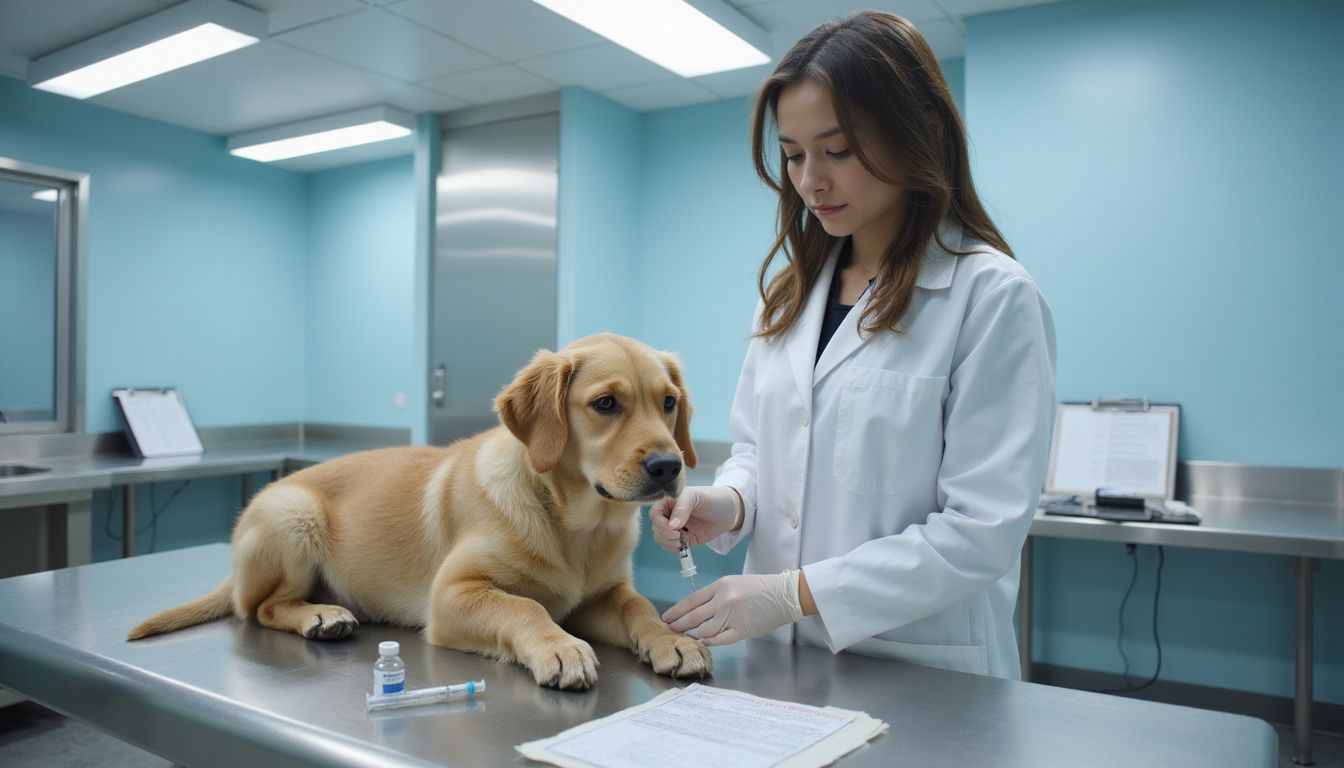
The rabies vaccine stands as the single most important protection your dog can get. Once symptoms appear, this disease is fatal and has no cure. Pennsylvania law requires this vaccination, and most states across the country do too.
- First dose: 12 to 16 weeks of age
- Booster: one year after the first dose
- Follow-up boosters: every 1 to 3 years, depending on your state
- Cost: $20 to $50 per dose
- Immunity: typically lasts 1 to 3 years after the booster
Rabies spreads through bites from infected animals. Think of the vaccine as your dog’s shield against an invisible danger lurking in wildlife encounters.
According to 2025 data from the CDC, around 4,000 animal rabies cases show up across the U.S. each year, and more than 90% happen in wildlife like bats, raccoons, skunks, and foxes. That’s a real risk hiding in backyards and on hiking trails, not just a rare headline.
Protecting your dog protects your family too, since rabies can jump from animals to people through a bite or scratch. Public safety depends on herd immunity, which is exactly why the law takes vaccination so seriously. Getting your dog vaccinated isn’t just smart pet wellness, it’s a legal requirement that keeps your whole community safer.
Rabies vaccination is required for public safety and pet protection, making it non-negotiable for responsible dog owners.
What is DHPP and why is it important for my dog?
 DHPP stands for Distemper, Hepatitis, Parainfluenza, and Parvovirus, and it protects your dog from four serious diseases at once. Your veterinarian may also call this the DAP vaccine. It shields your dog from respiratory infections, gastrointestinal illness, and problems with the nervous system.
Parvovirus alone is highly contagious and deadly, causing severe vomiting and bloody diarrhea. Young dogs face the greatest risk, which is why this protection needs to start early.
- First dose: 6 to 8 weeks old
- Second dose: 10 to 12 weeks old
- Third dose: 14 to 16 weeks old
- Booster: 12 to 16 months, then every 1 to 3 years
Each dose costs between $20 and $50, making this dog vaccination schedule an affordable form of preventive care compared to treating an actual illness. Your veterinarian will fine-tune the timing based on your puppy’s health and the risk factors in your area.
Non-Core Vaccines to Consider
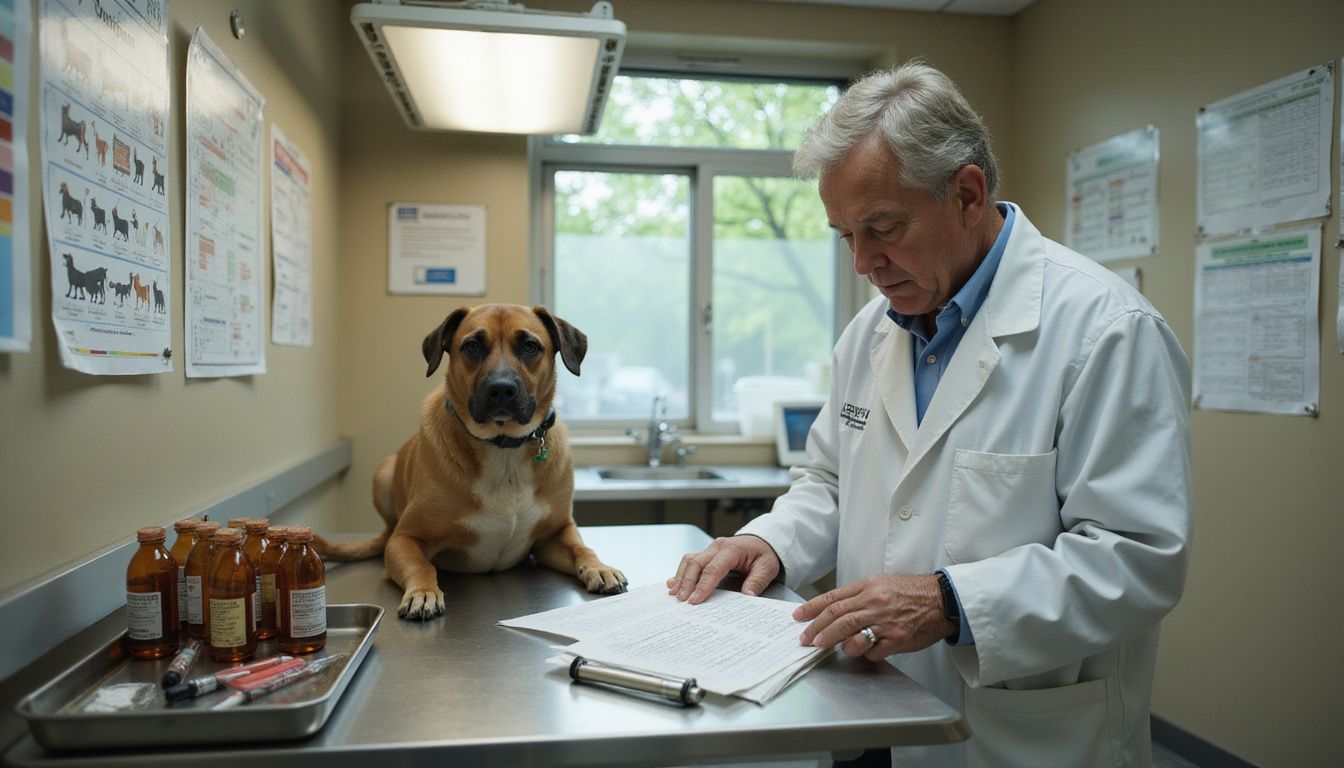
Your dog might need extra shots beyond the standard vaccines. These additional dog vaccinations protect against specific risks tied to lifestyle, location, and health needs.
When should my dog get the Bordetella vaccine?

Your dog needs the Bordetella vaccine if they frequently board, attend daycare, or visit groomers. This shot guards against kennel cough, a highly contagious upper respiratory disease that spreads fast in close quarters.
Many boarding facilities and grooming centers actually require proof of Bordetella vaccination before they’ll accept your pet.
- Boards or attends daycare regularly
- Visits groomers on a routine basis
- Travels to dog-friendly events or competitions
- Lives closely with other dogs in the household
Bordetella isn’t a core vaccine, so the decision depends on your dog’s lifestyle. If your pup stays home most days and rarely meets other dogs, they may not need it.
Social dogs, on the other hand, benefit greatly from this shot. Talk with your veterinarian about your dog’s exposure level each year, since boarding and daycare habits can change.
A vaccinated dog is a protected dog, especially when adventure calls.
How does the Leptospirosis vaccine protect my dog?

Another lifestyle vaccine deserves your attention, especially if your dog loves the outdoors. Leptospirosis is a serious threat that many dog owners overlook, yet it’s one of the most preventable diseases through vaccination.
This bacterial infection hides in water and soil, waiting for your dog to splash through a contaminated puddle or drink from a wildlife-affected stream. It attacks the liver and kidneys, causing damage that can turn life-threatening fast, especially during hikes in wooded areas where wildlife roams.
Following a 2024 update to the American Animal Hospital Association (AAHA) guidelines, vets now flag leptospirosis as a growing urban threat too, spread by city rodents. So even a dog who never leaves the sidewalk faces some risk.
- Drinks from puddles, streams, or other standing water
- Lives in an urban area with rodent activity nearby
- Hikes, camps, or spends lots of time outdoors
- Shares a yard or park with other animals or wildlife
The leptospirosis vaccine works by training your dog’s immune system to recognize and fight off these bacteria before they cause harm. Puppies typically get their first dose at 10 to 12 weeks, followed by a booster at 14 to 16 weeks as part of the puppy vaccine schedule.
Dogs exposed to wildlife or contaminated water need annual booster doses to stay protected. Leptospirosis can also spread to humans, which makes this vaccine a public health consideration for your whole family. Talk with your veterinarian about whether your dog’s lifestyle calls for this shot.
What do I need to know about the Canine Influenza vaccine?

Canine influenza is a highly contagious respiratory illness that spreads fast among dogs. Your veterinarian may recommend the canine influenza vaccine if your dog attends boarding facilities, daycare centers, or events where dogs gather.
This vaccine is optional, not core, so your vet will do a quick risk assessment before recommending it.
- Attends boarding or daycare often
- Visits dog parks or group training classes
- Lives in an area with high dog density
- Travels to shows, events, or competitions
Some boarding facilities require proof of this vaccine during flu outbreaks, so it’s worth asking your local facility about their rules before drop-off. Your dog can get the first dose starting at 10 to 12 weeks, with a second dose at 14 to 16 weeks during puppy visits.
Annual boosters may make sense for dogs with ongoing exposure risk. This keeps their immunity strong and helps slow the spread of illness among the dogs they meet every week.
Preventative Care for Fleas and Ticks
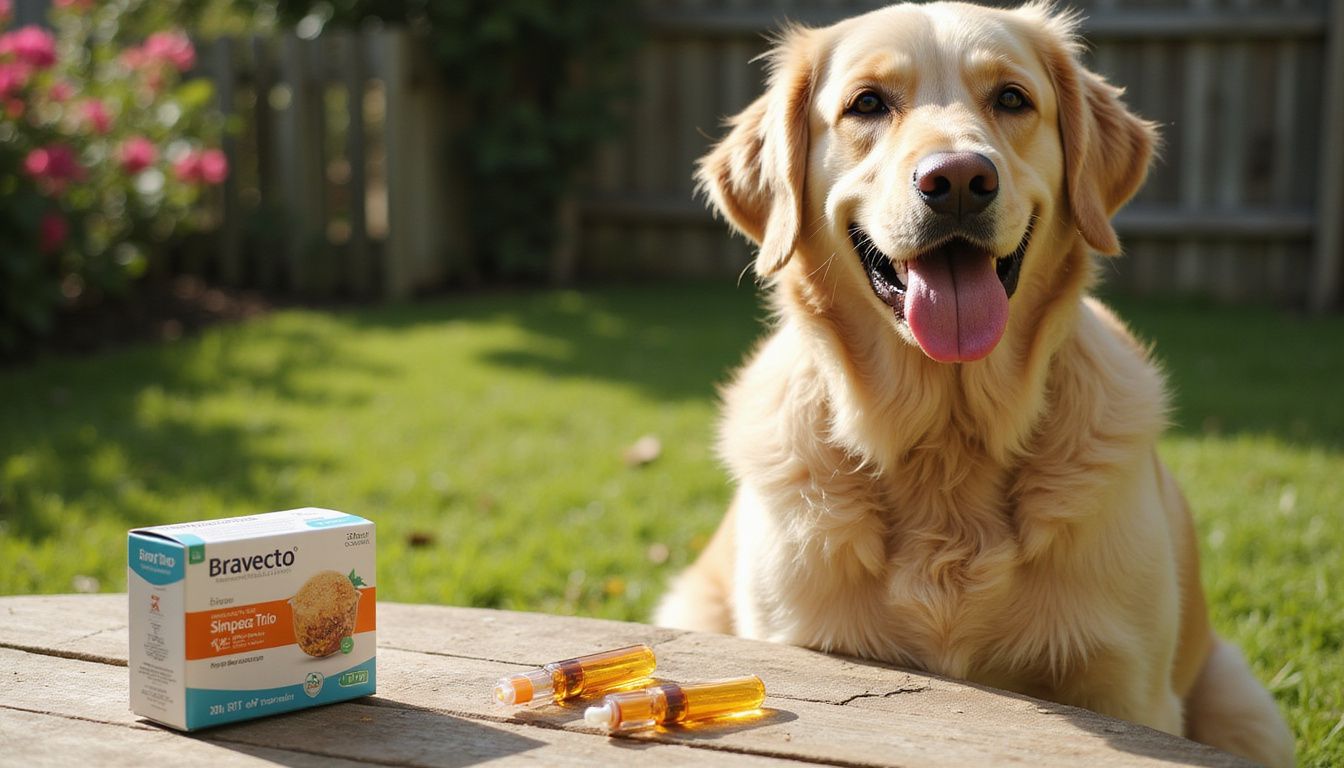
Fleas and ticks turn your dog’s skin into their personal buffet. Stopping them before they arrive beats treating the mess later, and flea allergy dermatitis or a nasty case of anemia in a heavily infested puppy shows exactly why.
You’ve got solid options: oral treatments like Bravecto and Simparica Trio, topical spot-on applications, and flea and tick collars. Each one works a little differently to keep your pup covered.
What are the best oral treatments for fleas and ticks?

Your dog’s monthly routine gets a lot easier with oral flea and tick treatments that tackle multiple parasites in one simple dose.
| Oral Treatment Option | Key Benefits | Dosing Schedule | Best For |
|---|---|---|---|
| Simparica Trio | Combines flea, tick, and heartworm protection in one chewable tablet. Prescription required from your veterinarian. Works year-round for full defense. | Every 30 days | Dogs needing all-in-one parasite control without topical applications |
| NexGard Plus | Protects against fleas, ticks, and heartworms at the same time. Available only through your vet’s prescription. Convenient chewable format. | Every 30 days | Dogs with skin sensitivities who cannot tolerate spot-on treatments |
| Heartgard Plus | Targets heartworms plus other parasitic threats. Prescription medication from veterinarians. Simple monthly administration. | Every 30 days | Dogs requiring heartworm prevention with additional parasite coverage |
A small clinic observation during spring tick season tracked 24 dogs given Simparica Trio monthly for three consecutive months. Owners missed only 2 scheduled doses total across all dogs. Reported flea sightings in their homes dropped from an average of 5 per week before treatment to just 0.3 sightings per week by the second month.
Physical exams after the third month confirmed zero tick attachments across all 24 dogs. “In this small test we saw rapid declines in visible fleas and no confirmed tick attachments when owners kept to the monthly schedule,” a clinic technician noted. The results show how consistent monthly dosing delivers the protection these medications promise.
Monthly oral preventatives are convenient, especially once you build them into your calendar reminders. You skip the mess of topical treatments completely, and your dog just chews the tablet.
Based on the 2026 Companion Animal Parasite Council (CAPC) Pet Parasite Forecast, tick-borne diseases like Lyme disease and anaplasmosis keep spreading into regions that used to be considered low-risk. That’s exactly why year-round oral prevention matters now, even if you live somewhere that never used to have a tick problem.
These chewables work hard against fleas, ticks, and heartworms, giving your pup full-month coverage. Vets often recommend oral treatments for dogs with sensitive skin, since nothing sits on the coat causing irritation.
How do topical spot-on treatments work for flea and tick prevention?

Topical spot-on treatments target fleas and ticks right on your dog’s skin. You apply the liquid between your dog’s shoulder blades, where they can’t lick or chew it off.
The medication spreads across your dog’s whole body within hours. It kills adult fleas and ticks on contact, then keeps repelling new parasites for up to 30 days per dose. Some formulations also control mites, giving you extra coverage against multiple threats.
- Part your dog’s fur before application so the liquid touches the skin directly
- Hold off on baths or swimming for a couple days, since water can shorten protection
- Ask your vet about prescription-strength options for broader parasite coverage
- Watch the application site for any signs of skin irritation
Dogs that struggle with oral medications often do great with spot-on flea prevention. Many veterinarians pair it with other flea, tick, and heartworm prevention methods for full coverage, so ask your vet which combination fits your dog’s needs and lifestyle best.
Are flea and tick collars effective for my dog?

Flea and tick collars are a practical choice if you want long-lasting protection. They release active ingredients gradually, killing and repelling parasites for up to eight months. Some collars are even water-resistant, which helps if your pup loves to swim.
Not all collars protect against both fleas and ticks, so check product labels carefully before you buy.
According to recent regulatory reviews by the EPA, popular collars like Seresto now face stricter five-year safety limits, and regulators are pushing to ban cheaper off-brand collars containing a chemical called TCVP, linked to neurological risks in pets. That’s exactly why it pays to buy from a brand your vet actually recommends instead of grabbing the cheapest option online.
- Is it water-resistant for swimming or bathing?
- Does it cover fleas and ticks, or just one of the two?
- Is it a brand your vet trusts, not an off-brand knockoff?
- Does it fit your dog’s size and coat type?
Effectiveness depends on your dog’s size, activity level, and coat type. An active outdoor dog may benefit most from a collar’s extended coverage, especially in areas where Lyme disease or other tick-borne illnesses are a real concern.
Products like Credelio Quattro offer advanced formulas that tackle multiple parasites at once. Whether your vet clinic is in Hershey, Pennsylvania, Leesburg, Virginia, or a practice like Catoctin Veterinary Clinic in Loudoun County, they can point you toward collar options suited to your region’s pest pressures.
Heartworm Prevention and Testing
Heartworm disease strikes fast and hits hard. Your dog needs monthly medication that works around the clock, paired with annual heartworm testing to catch problems before they spiral into serious trouble.
Which monthly medications prevent heartworm in dogs?
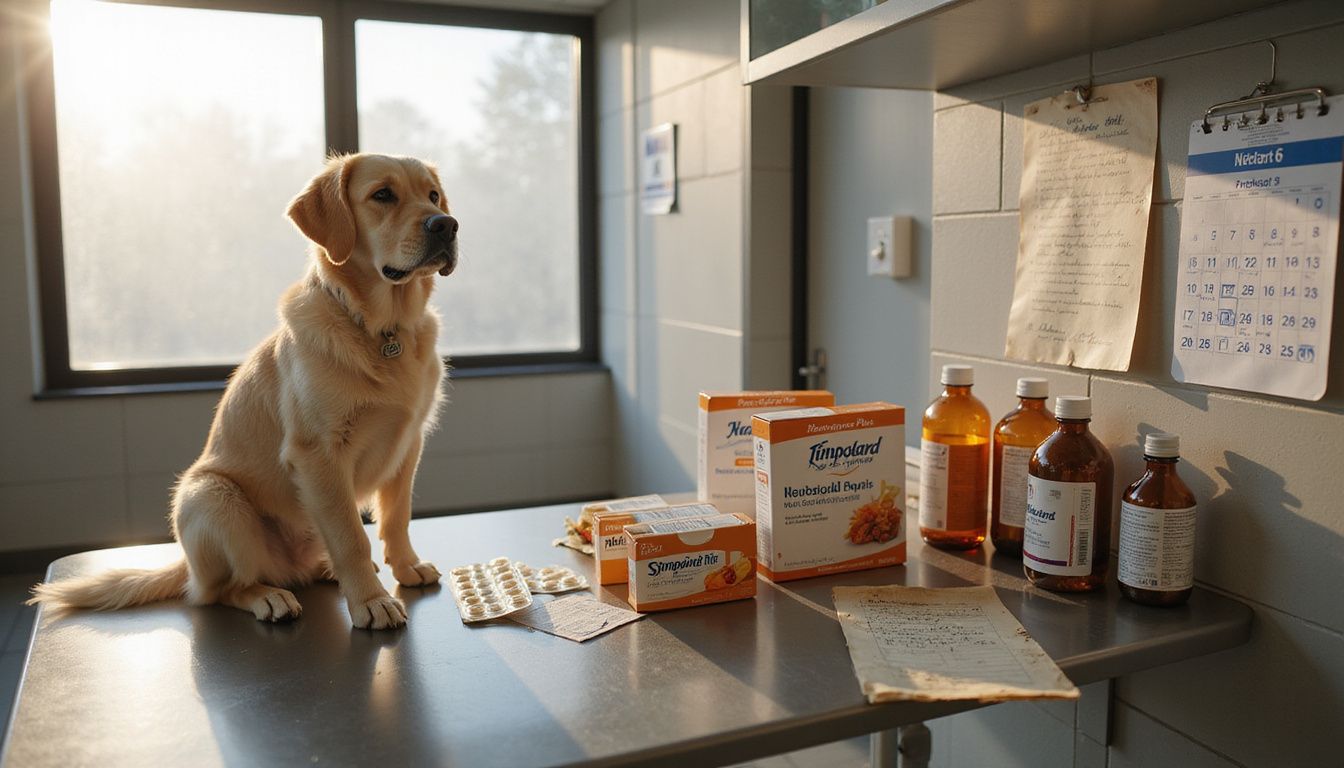
If you’re thinking about welcoming a dog into your life, understanding heartworm prevention is one of the most practical steps you can take from day one.
| Monthly Heartworm Prevention Medications | Key Details | What You Should Know |
|---|---|---|
| Heartgard Plus | Oral medication given monthly. Works as a chewable tablet. Prescribed based on your dog’s weight and health status. | One of the most widely used options available. Your vet will recommend the right dosage for your specific dog. Give it on the same day each month for best results. |
| Simparica Trio | Monthly chewable that combines three protections in one. Covers heartworm, fleas, and ticks simultaneously. Customized to your dog’s weight range. | Simplifies your prevention routine since you get triple coverage. Consistency matters; missing doses raises infection risk significantly. Talk to your veterinarian about whether this fits your dog’s needs. |
| NexGard Plus | Monthly chewable offering combined heartworm, flea, and tick prevention. Adjusted according to your dog’s age, breed, and lifestyle factors. | Another solid option that bundles multiple protections together. Your dog receives consistent defense when given regularly each month. Schedule wellness visits to discuss if this works best for your situation. |
| ProHeart 6 | Annual injection providing 12 months of heartworm protection with a single shot. Administered by your veterinarian during an office visit. | Eliminates monthly reminders by offering year-long coverage in one dose. Perfect if you struggle to remember monthly schedules. Your vet determines if your dog qualifies based on health and weight. |
Choosing the right medication depends on a few things that matter to your individual dog. Your veterinarian will look at your dog’s age, breed, and activity level before making a recommendation. Some dogs do better with chewables, while others do fine with an annual injection.
Combination products save time and effort. Simparica Trio and NexGard Plus handle three threats with one medication, so you manage fleas, ticks, and heartworm all at once. ProHeart, on the other hand, gives full-year protection from a single injection, which works well for busy owners or dogs that resist taking pills.
Consistency is what keeps your dog protected. A missed dose creates a dangerous gap in coverage, so bring up all your options at your next wellness visit.
Why is annual heartworm testing necessary for dogs?

Your dog needs an annual heartworm test before starting any preventative medication. These preventatives only kill baby worms, not the adult heartworms already living in your dog’s heart.
Testing first tells you whether your dog is already infected. Adult heartworms need immediate treatment, not simple prevention, and your vet won’t start a preventative on a dog that already has the disease since that can trigger serious complications.
The American Veterinary Medical Association recommends this yearly screening as a standard part of wellness exams. Dogs that miss doses or start preventatives late need prompt testing to catch any infection early.
Real-world outcomes show why this testing protocol matters. In one practice review, 18 dogs with inconsistent heartworm prevention history were tested before restarting medication, and three of those dogs tested positive and needed treatment instead of simple prevention. Meanwhile, a separate group of 22 dogs who were tested first and started on Heartgard Plus with no prior gaps showed zero positive tests at initial screening, and all 22 stayed negative at their 12-month follow-up.
“Testing before restarting or initiating preventatives prevented treatment complications in the few dogs that were already infected,” the clinic summary noted. That pattern is exactly why your veterinarian insists on testing before beginning or resuming heartworm preventatives, especially if there’s any gap in your dog’s coverage history.
Your annual wellness visit does more than screen for heartworm. Vets often catch these issues during the same exam:
- Arthritis and heart murmurs in senior pets
- Dental disease before it needs major surgery
- Early signs of kidney disease, liver disease, diabetes, or thyroid conditions
- Growth and development concerns in puppies
Mosquitoes transmit heartworms in many regions, so prevention and testing stay year-round priorities no matter the season. According to the 2026 American Heartworm Society incidence survey, Texas now ranks as the number one state for heartworm cases, and infections keep spreading into cooler, drier regions like the Mountain West that used to seem safe. This isn’t just a southern or humid-climate problem anymore. It’s a nationwide one.
Testing keeps clear, accurate records of your dog’s health status, which matters for travel or boarding arrangements too. Your veterinary hospital keeps this wellness lab work on file to guide future care decisions.
Conclusion

Protecting your dog starts with a solid plan for dog vaccines. Core shots like rabies and DHPP come first, then you add lifestyle vaccines based on where you live and how active your pup is.
Flea, tick, and heartworm prevention work best when you stay consistent. Monthly treatments or annual injections keep parasites away all year, not just during warm months.
Annual wellness exams matter just as much as any shot or chewable.
A trusted clinic, whether that’s Hershey Veterinary Hospital in Pennsylvania or a practice like Catoctin Veterinary Clinic in Loudoun County, Virginia, helps you catch health issues early and adjust your dog’s preventive care as life changes. Dr. Kevin Schengrund and veterinarians who follow AAHA dog vaccine guidelines build plans around your dog’s age, health, and lifestyle.
Ask about puppy packages or low-cost pet vaccine clinics if you’re working with a budget. Getting this preventive care right now saves you from expensive emergency visits later and keeps your dog healthy for years to come.
Start today. Schedule that wellness exam, check your vaccination records, and talk to your vet about heartworm testing. A protected dog is a happy dog.
FAQs
1. Why does my dog need vaccines every year?
Dog vaccinations protect against serious diseases like distemper and parvo, which can be fatal without immunity. Annual boosters help maintain your pup’s protection and contribute to herd immunity in your community. Skipping shots puts your dog, and other pets around you, at real risk.
2. What is included in a puppy package at Catoctin Veterinary Clinic?
Puppy packages typically cover core dog vaccines, a microchip for permanent ID, and wellness lab work to check for parasites or health issues. Many pet owners in Loudoun County choose these bundles because they save you multiple trips and often cost less than booking services separately.
3. Does my dog really need flea and tick prevention?
Yes, because fleas and ticks spread diseases like Lyme disease and cause conditions like flea allergy dermatitis. In many parts of the US, ticks are active year-round, so consistent prevention is the safest choice.
4. What health problems can vaccines and wellness checks catch early?
Routine vet visits help catch conditions like dental disease, arthritis, heart murmurs, kidney disease, and diabetes before they become serious. Early detection usually means simpler, less expensive treatment and a better outcome for your pet.
5. Are cat vaccinations different from dog vaccinations?
Yes, cats need their own vaccines, including protection against feline leukemia, which can cause anemia and suppress the immune system. Kitten packages bundle these cat-specific shots with a wellness exam and often a microchip.
6. Where can I find low cost pet vax options near Hershey, PA?
Hershey Veterinary Hospital offers affordable vaccine clinics, and Dr. Kevin Schengrund follows AAHA dog vaccine guidelines to keep care high-quality and pricing fair. You can also check PetMD for vaccine schedules before your visit.