Thinking about bringing a dog into your family, but worried about how a new pup will handle life with your kids?
You picture sticky fingers, sudden noises, and a dog that either can’t keep up or gets spooked by all the chaos.
Here’s something worth knowing: no single trait guarantees a dog is family-safe. The American Kennel Club and veterinary behaviorists agree that picking the right family-friendly dog breed takes real thought, not just a quick look at a breed chart.
This article walks you through the traits that make dogs great with families, introduces you to popular breeds that tend to shine in homes with kids, and helps you figure out which dog actually fits your household.
Grab a coffee, and let’s find your perfect match.
Key Takeaways
- Stable temperament, sociability, trainability, and stress-handling ability form the foundation of family-friendly dogs.
- Labrador Retrievers, Golden Retrievers, Beagles, Bulldogs, and Poodles rank highly as top family dog breeds.
- Match your dog’s activity level, size needs, and grooming requirements to your family’s lifestyle and living space.
- Early socialization between three to fourteen weeks old shapes how dogs handle stressful situations later.
- Individual personality matters more than breed reputation when determining whether a dog truly fits your family.
Key Traits of a Family-Friendly Dog
A family-friendly dog breed has a calm personality that stays steady even when the house gets chaotic. Your dog should love people, adapt quickly to new places, and respond well to positive reinforcement training methods.
What is a stable temperament in dogs?
A stable temperament is the foundation of a peaceful home. It means your pup stays calm when the doorbell rings, the vacuum roars, or the kids sprint through the living room.
A dog with a solid temperament doesn’t spiral into fear or aggression. Instead, it bounces back fast from a startle and moves on like nothing happened.
Here’s what to look for when you’re checking a dog’s temperament:
- Stays unbothered by vacuum cleaners, doorbells, or sudden noise
- Recovers quickly from surprises without fear or snapping
- Shows a low predatory drive around smaller pets and kids
- Tolerates rough handling from younger children without growling
- Adapts easily to new people, places, and routines
Two dogs from the same breed can act completely differently under stress, since temperament varies a lot even within a litter. That’s why it helps to meet the actual dog, not just read about the breed.
Positive reinforcement during training strengthens these calm responses and builds your dog’s confidence over time. Regular veterinary care, including wellness checks, also helps rule out pain or illness that might be causing sudden behavior changes.
A calm dog reflects a calm home.
That stable foundation is what makes dog sports, backyard play, and daily walks fun instead of stressful for everyone involved.
How sociable and friendly are family dogs?
A stable temperament gives your dog a solid base, and sociability builds right on top of it. Outgoing dogs that love people, including strangers and guests, tend to make the best family companions.
These pups want to be in the middle of the action, not hiding in a corner. Your Labrador Retriever or Golden Retriever will greet visitors with a wagging tail instead of suspicion.
A few breeds stand out for their natural friendliness:
- Cavalier King Charles Spaniels adapt easily to whoever walks through the door
- Irish Setters and Boxers bring playful, infectious energy to family time
- Beagles connect well with the family despite their stubborn streak
- Mixed breeds often show even temperaments and are great with kids
Social flexibility matters just as much as friendliness. A dog that rolls with schedule changes or new faces at the door fits into busy family life much easier.
Your vet team, whether that’s Tranquility Veterinary Clinic or your own local clinic, can help you figure out which breeds match your family’s social needs during puppy and kitten care visits. A gentle temperament matters here too, since it means your dog won’t snap if a toddler steps on its tail by accident.
Dogs with strong social skills become the glue that holds family moments together, turning ordinary days into good memories.
Why is trainability and intelligence important for family dogs?

A smart dog learns the house rules faster than a stubborn one, and that matters big time for your family’s peace of mind. Trainability and intelligence work together, helping your dog understand commands, respect boundaries, and behave well around kids and guests.
Dogs with strong learning ability pick up on what you teach, whether that’s sitting politely at dinner or staying calm at the vet. Eagerness to please speeds up learning good manners, which keeps everyone safe and happy.
Your family benefits because a dog that understands your expectations causes fewer accidents, fewer conflicts, and fewer headaches down the road.
That’s not just a nice idea. According to 2026 data from the Insurance Information Institute and State Farm, U.S. insurers paid out $1.86 billion in dog-related injury claims in 2025, with the average claim topping $65,000. An untrained dog isn’t just a hassle. It’s a real financial risk for your family.
Positive reinforcement training pays off in several ways:
- Fewer accidents and conflicts around the house
- Calmer vet visits and grooming sessions
- Stronger trust between your dog and your kids
- Lower risk of costly injury claims down the road
Consistent training methods work best, and positive reinforcement wins out over punishment every time. Punishment-based methods tend to build anxiety instead of good behavior.
Training the whole family on how to interact with your dog matters just as much as training the dog itself. Poodles are highly trainable and great with kids, and they come in Standard, Miniature, and Toy sizes to fit different living situations. Labrador Retrievers and Golden Retrievers also rank high for trainability, so they’re solid picks if you want a dog that listens and learns quickly.
How do family-friendly dogs handle stress?

Your ideal family dog stays calm when chaos erupts around the house. Dogs with stable temperaments tolerate noise, sudden movements, and handling from children without falling apart.
These patient dogs don’t panic when your kids run through the living room or the doorbell rings out of nowhere. Labradors and Golden Retrievers shine here because they carry patience under pressure into every part of daily life.
Early socialization shapes how your future dog handles stressful moments. The critical window runs from three to fourteen weeks old, and missing it creates real problems later. During this time, controlled exposure to noise, handling, and new situations teaches your dog that chaos is normal and manageable.
Recent observations of shelter puppies show just how powerful this window really is:
| Socialization Level | Recovery Time After a Startle | Behavior Signs |
|---|---|---|
| Properly socialized (3 to 14 weeks) | About 30 seconds | Calm, quick recovery |
| Missed the socialization window | Over 3 minutes | Visible stress, hesitation |
That’s a dramatic difference, and it’s a big reason why early, consistent socialization matters so much for your future family companion. A certified professional trainer can guide you through this process and catch issues like resource guarding or anxiety around children before they turn into bigger problems.
Your dog learns that loud noises won’t hurt them, strangers are friendly, and kids’ unpredictable movements are just part of the fun. That foundation turns a potentially anxious pup into a rock-solid family member.
Popular Family-Friendly Dog Breeds
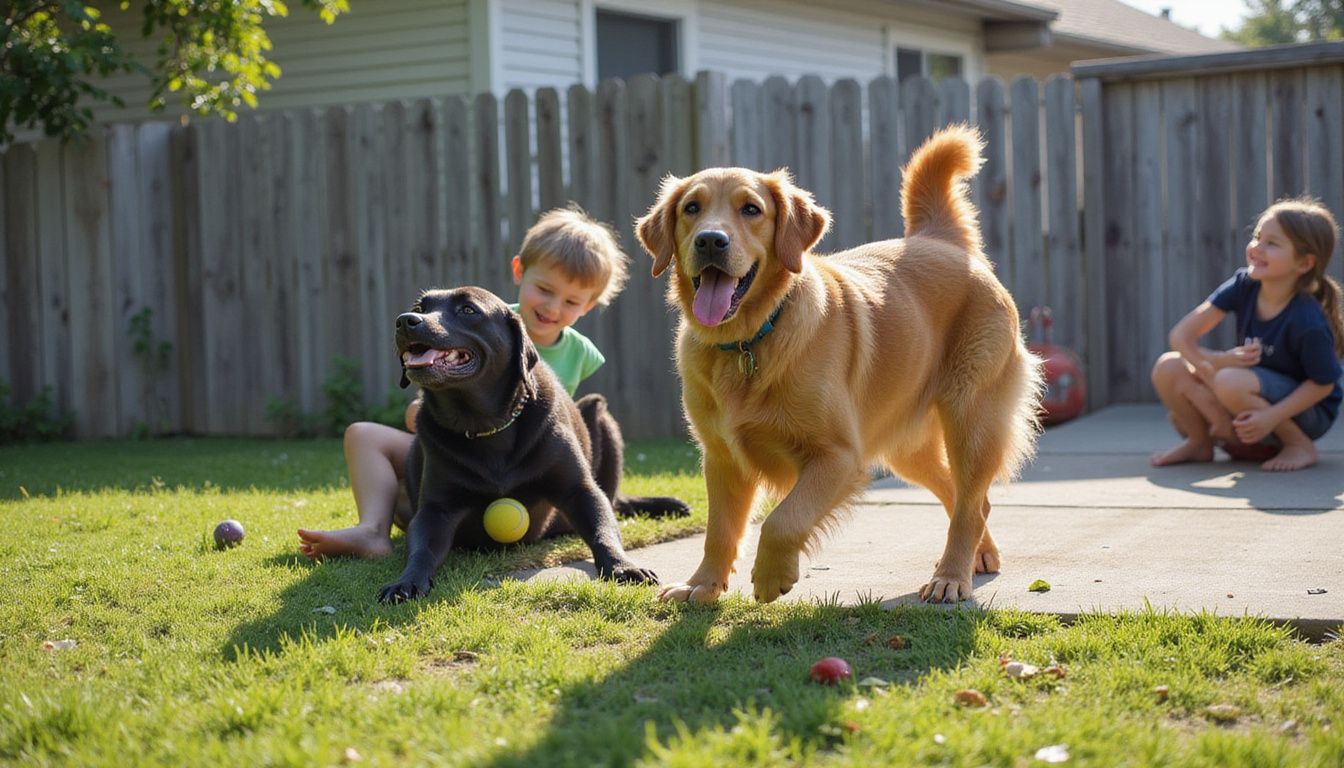
Some dog breeds stand out as top picks for families, and you’ll want to read on to see which ones might be right for your household.
What makes the Labrador Retriever a great family dog?
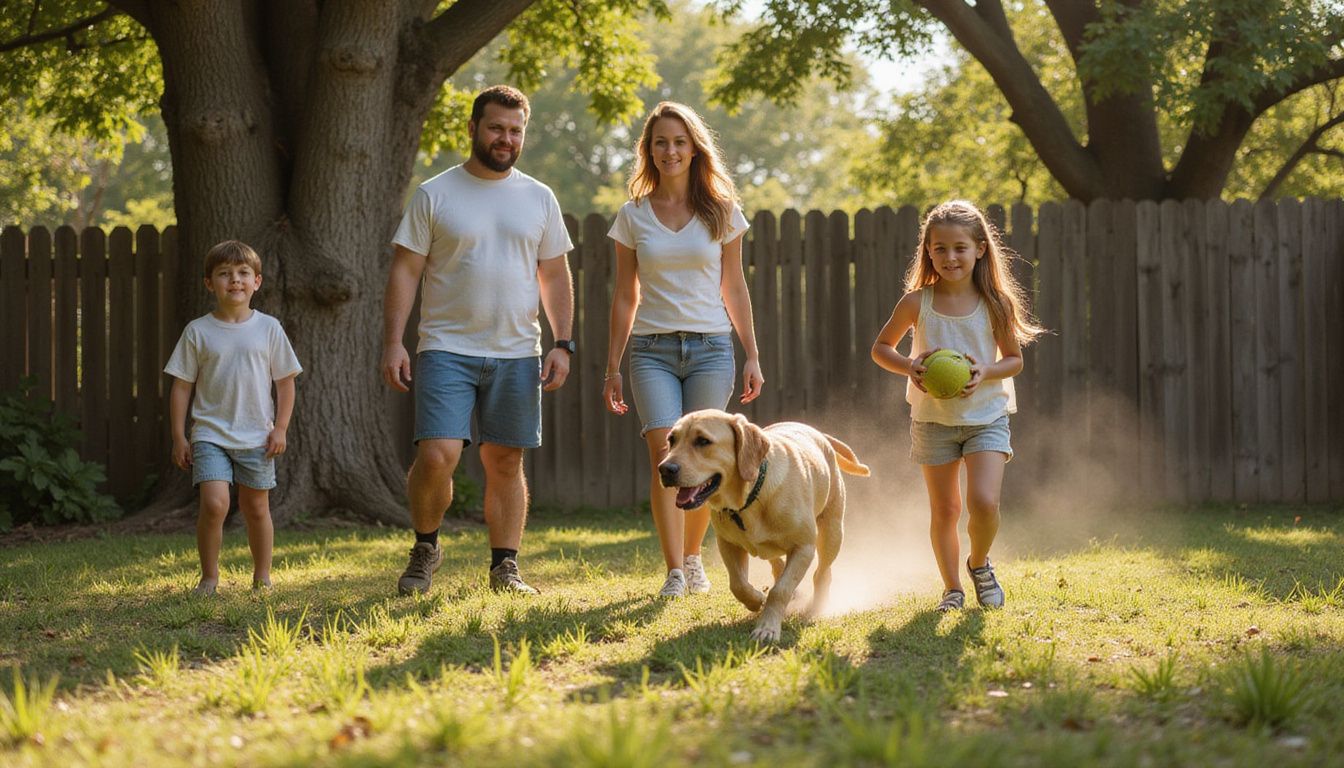
Labrador Retrievers are one of the most popular breeds in America, and it’s easy to see why. Their patient nature makes them excellent companions for kids of every age, from toddlers to teenagers.
Labs have a gentle temperament that handles rough play without turning defensive. Your kids can run, jump, and tumble around these sturdy dogs, and they’ll respond with affection instead of frustration.
Some old-timers even call the Lab a natural nanny dog, thanks to that steady, watchful patience around kids.
Their eagerness to please means reliable behavior around the family, even in unpredictable moments. Labs are highly trainable and intelligent, so you can teach household rules and safety commands without much fuss. The AKC Canine Good Citizen program recognizes plenty of Labs for their excellent manners and social skills.
The numbers back this up too. According to cumulative testing data from the American Temperament Test Society, Labrador Retrievers pass temperament evaluations at a rate of over 92%, well above the 83% average across all tested breeds. That’s real proof this breed’s calm, non-aggressive reputation holds up under scrutiny.
Here’s what to expect day to day with a Lab in the house:
- Loves fetch, swimming, and any game involving a ball
- Needs daily exercise, ideally an hour or more of active play
- Sheds year-round, with heavier shedding twice a year
- Grows into a solid, sometimes hefty dog, especially males
If your household can meet their exercise needs and provide comprehensive vet care through regular checkups, dental cleanings, and parasite prevention, a Labrador Retriever becomes more than a pet. It becomes a devoted family member who enriches daily life.
Why is the Golden Retriever popular with families?
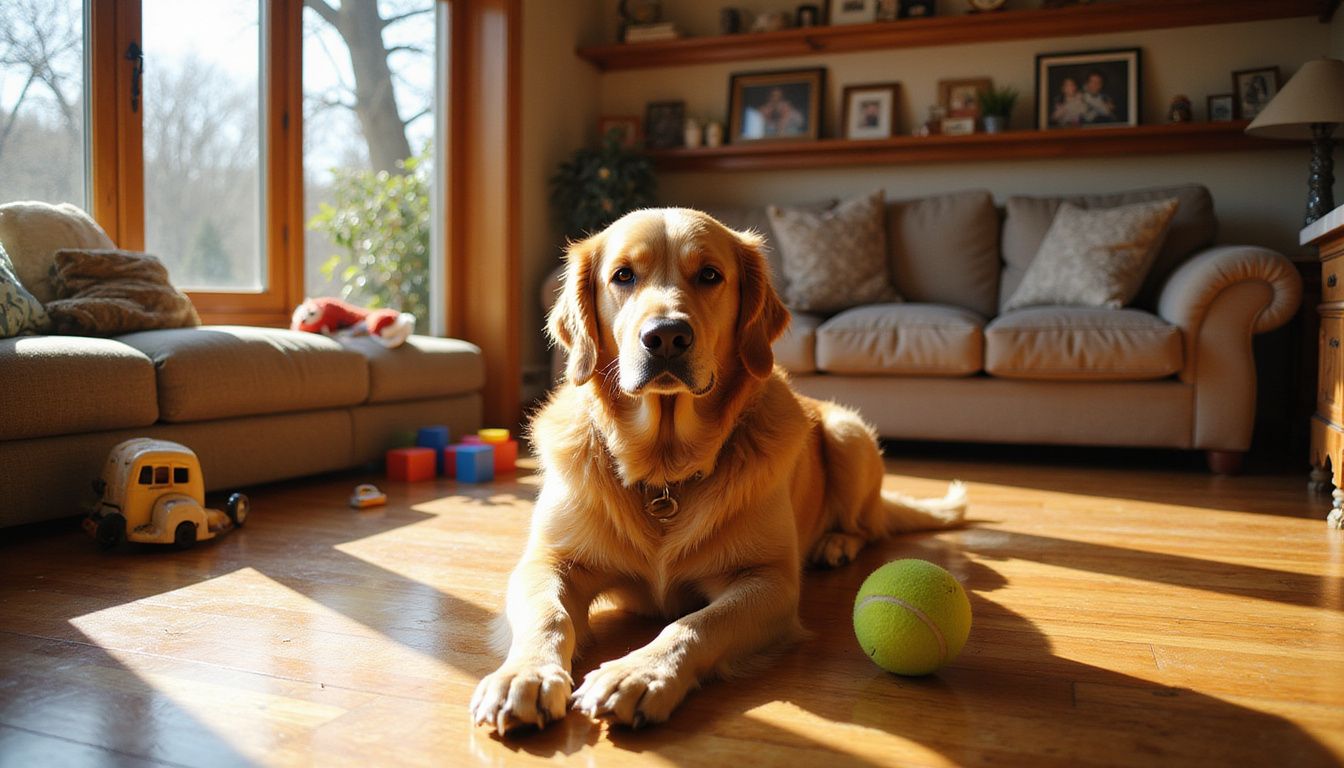
Golden Retrievers stand out as top choices for families because they combine patience with genuine gentleness. Their calm nature shows up in every interaction, making them reliable around kids of all ages and other pets in your home.
You’ll find that these dogs bring affection and loyalty to your daily life without demanding constant attention or showing unpredictable behavior. Their friendly temperament means they tolerate the chaos of family life, from loud voices to sudden movements.
Golden Retrievers thrive on being part of your household activities, whether that’s playtime in the backyard or quiet moments on the couch. Their ability to stay composed in busy environments sets them apart from more high-strung breeds.
Before you commit, here’s what a Golden Retriever really needs from your family:
- Plenty of space to run and play, so cramped apartments can feel tight
- Regular brushing to manage their thick, shedding coat
- Company and interaction, since they don’t do well left alone for long stretches
- A home base larger than a small apartment, given their size
Weighing these practical needs helps you decide if a Golden Retriever fits your family’s lifestyle, or if another breed might suit you better.
What are the family traits of a Beagle?

Beagles bring cheerful, curious personalities into your home, making them great companions for families who want playful energy and strong social bonds. These small to medium-sized dogs stay even-tempered and gentle, yet their curious nature keeps things entertaining for everyone.
Your Beagle will thrive with kids and other pets, thanks to a naturally playful side and a nose that turns everyday moments into adventures. Their active energy levels mean they need regular exercise to prevent boredom, so your family should prioritize daily playtime.
A few things to know before bringing one home:
- Can be cheeky and slow to housebreak, so patience matters
- Needs a secure garden, since digging is a favorite hobby
- Ear health needs regular attention to prevent infections
- Grooming stays simple otherwise, just regular brushing
Understanding these family traits helps you prepare for the rewarding experience of bringing a Beagle into your life.
How family-friendly is the Bulldog breed?

Bulldogs make great family companions, especially if your household values calm, relaxed living. These medium-sized dogs have a gentle nature and patient temperament that works well with kids.
Their wrinkled face and pushed-in nose give them a friendly look that kids find appealing. Bulldogs form strong family bonds quickly, showing loyalty to everyone in your home.
Their calm demeanor suits families that prefer a slower pace over constant activity. If you’re comparing dog breeds for your family, Bulldogs offer stability and warmth without excessive demands.
Before bringing one home, talk with veterinarians about health certificates and potential orthopedic concerns. There’s one big thing to plan for financially here. Based on 2026 U.S. veterinary cost analyses for brachycephalic breeds, an estimated 50% to 60% of Bulldogs will need Brachycephalic Obstructive Airway Syndrome surgery during their lifetime, a procedure that typically runs between $3,000 and $5,000. Because Bulldogs have flat faces and shortened airways, this surgery helps them breathe normally, and it’s a cost worth budgeting for before you commit to the breed.
Here’s what daily Bulldog care looks like:
- Short walks and light playtime, no marathon exercise sessions needed
- Minimal grooming, but regular cleaning of skin folds to prevent infection
- Great fit for apartment living or homes with limited outdoor space
- Microchipping and spaying or neutering help protect long-term health
Families in Toronto, Vancouver, or other urban areas often find Bulldogs fit right into apartment life, since they don’t demand the intense activity that Border Collies or Australian Shepherds need.
What should families know about Poodles?
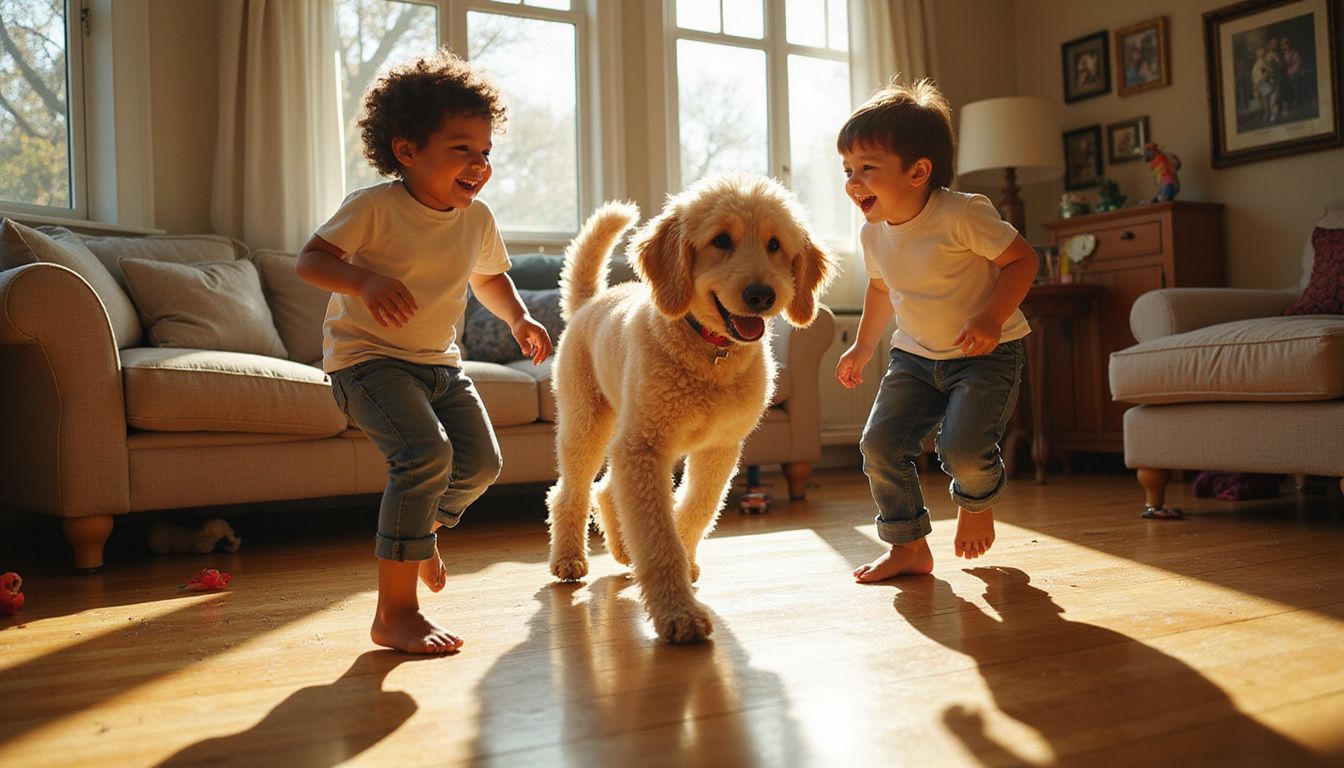
Poodles stand out as excellent companions for families who want intelligent, adaptable dogs. You’ll find them in three sizes, Standard, Miniature, and Toy, so your living space and preferences shape which one fits best.
Their hypoallergenic coat makes them ideal if allergies trouble your household, though this benefit comes with a trade-off. As noted by medical experts at the Mayo Clinic, there’s no such thing as a truly 100% hypoallergenic dog. The main allergy-triggering protein, called Can f 1, actually comes from a dog’s saliva and dander, not just the fur itself. So before you commit to a Poodle for allergy reasons, spend real time with the individual dog first, since reactions still vary from person to person.
Regular grooming prevents matting and keeps their coat healthy, and your grooming commitment directly impacts their comfort. Poodles thrive with consistent training because they’re highly intelligent and eager to please. Their sociable nature means they bond well with kids and other pets, creating a harmonious home.
A quick look at what Poodles need from your family:
- Daily walks and mental stimulation to prevent boredom
- Regular grooming appointments to manage that curly coat
- Flexible living options, from apartments to larger homes
- A size choice (Standard, Miniature, or Toy) that matches your space
If you’re weighing a breed comparison between Poodles and other family dogs, they often rank highly for families wanting a dog that fits multiple lifestyles. Consulting with veterinary professionals about puppy and kitten care, or visiting facilities offering orthopedic surgery and radiology and ultrasound services, helps you prepare for responsible ownership. The AKC DNA program also provides valuable pedigree information if you’re buying from a reputable breeder.
Factors to Consider When Choosing a Family Dog
Before you bring a dog home, you need to think hard about what fits your life, your space, and your family’s daily routine.
How does a dog’s activity level affect family life?
Your daily routine shifts dramatically when you bring home a high-energy dog. Irish Setters, for example, need about two hours of daily exercise, which means morning jogs, afternoon walks, and evening playtime. If your lifestyle leans toward quiet weekends at home, a dog with sky-high energy needs will turn your house upside down. According to 2026 pet ownership cost analyses by Forbes Advisor and Rover, the average lifetime cost of owning a dog in the U.S. has climbed to between $28,800 and $34,500, with annual care for a healthy adult dog running $1,500 to $3,500 before any emergencies. A busy schedule and a high-energy dog often means budgeting extra for walkers or daycare on top of that.
Here’s how a few well-known breeds compare on daily activity needs:
| Breed | Daily Exercise Needs | Best Fit For |
|---|---|---|
| Irish Setter | About 2 hours | Active families, hikers |
| Border Collie / Australian Shepherd | 1 to 2 hours plus mental work | Very active households |
| Bulldog | 20 to 30 minutes | Calm, low-key families |
| Cavalier King Charles Spaniel | 30 to 45 minutes | Apartments or smaller homes |
Herding breeds like Border Collies and Australian Shepherds may show instincts that get mistaken for aggression if they don’t burn off enough energy. Bored dogs develop destructive habits, chewing furniture, digging holes, and barking too much. Veterinary clinics, including those offering urgent care in Torrance, CA, can help you assess whether your chosen breed truly fits your household’s dog health needs and daily pace.
What size and space needs do family dogs have?
Your living space plays a huge role in picking the right dog. A Golden Retriever needs room to stretch and play, so apartments might feel cramped for this larger breed. Labradors are medium-sized, but males can get heavy and need enough space to move without knocking things over.
Smaller dogs like Cavalier King Charles Spaniels fit perfectly in compact living spaces, apartments, or homes with limited yards. Size considerations matter because a dog squeezed into too small a space gets frustrated and anxious.
A few questions worth asking about your home before you decide:
- Do you have a yard, or is your dog’s exercise limited to walks?
- Are your hallways and living room clear enough for a larger breed to move?
- Would apartment living work better with a smaller, calmer dog?
- Does your region, from Ottawa to any other Canadian city, offer easy access to dog-friendly outdoor space?
Larger dogs may struggle in cluttered spaces where they can’t roam or exercise properly, while smaller breeds adapt well to apartment life. Resources like Bixby Animal Specialty & Emergency or the AKC Marketplace can help you research specific breed requirements, and puppy and kitten care guides often include space recommendations to help you prepare your home the right way. Your veterinarian can also walk you through dog health factors related to exercise space during your next visit.
How do coat type and grooming needs impact families?

Coat type shapes your daily life with a dog more than you might think. Double-coated breeds like Newfoundlands handle cold weather beautifully, but they shed heavily in spring, which creates real challenges for families with allergies. Short-coated breeds need winter coats in cold climates, adding extra expenses and care steps. Hypoallergenic dogs such as Bichon Frises and Poodles shed minimally, making them smart choices if anyone in your household deals with allergies, since they produce less dander overall.
Grooming costs and time commitments deserve serious thought before you bring a dog home. Some breeds need professional grooming every 6 to 8 weeks without fail, meaning you’ll budget both money and time regularly.
| Coat Type | Typical Annual Grooming Cost |
|---|---|
| Poodle (professional grooming every 6 weeks, plus at-home care) | Around $650 per year |
| Short-coated dog (occasional professional baths, basic brushes) | Around $120 per year |
That $530 difference is a real ongoing expense families should factor into their budget when choosing between coat types. Poodles offer hypoallergenic benefits, but their coats demand consistent maintenance or they mat and tangle fast. Short-coated dogs need far less grooming attention, which frees up your schedule and your wallet.
Conclusion
Finding your perfect family-friendly dog breed comes down to matching temperament, energy, and care needs with your household.
Stable temperament, trainability, and social flexibility matter far more than breed reputation alone.
Labrador Retrievers, Golden Retrievers, Beagles, and Bulldogs consistently deliver on family promises, yet individual personality trumps breed labels every time.
Your veterinarian in Tranquility, NJ can guide you through bloodwork and radiology assessments to confirm a dog’s health before adoption, while puppy and kitten care resources help you prepare your home for success.
Taking action today, whether through adoption or careful breeder research, sets your family up for years of loyal companionship and everyday moments worth remembering.
FAQs
1. What does it mean to call a dog a nanny dog?
A nanny dog is a breed known for being naturally gentle and protective around children. Breeds like the Labrador Retriever earned this nickname because they instinctively watch over kids and have the patience to handle little hands and loud play.
2. Why does bloodwork matter for a family dog?
Bloodwork is your best tool for catching health issues before they become serious. According to the American Animal Hospital Association, routine blood tests can detect diseases like kidney problems or diabetes up to two years before your dog shows any symptoms. A healthy dog means fewer vet emergencies and more years of happy family memories.
3. Does puppy & kitten care matter if I only have a dog?
Yes, because those first few months shape your dog’s behavior and health for life. Vets in places like Tranquility, NJ, focus on early checkups and vaccines to prevent common issues like parvovirus, which is far easier to prevent than to treat.
4. When would a dog need radiology or ultrasound care?
Vets use these tools to see what’s going on inside when a regular exam is not enough, like checking for a swallowed toy or spotting a tumor early. Clinics like HUFT offer advanced imaging to diagnose problems quickly, so your dog gets the right treatment faster.