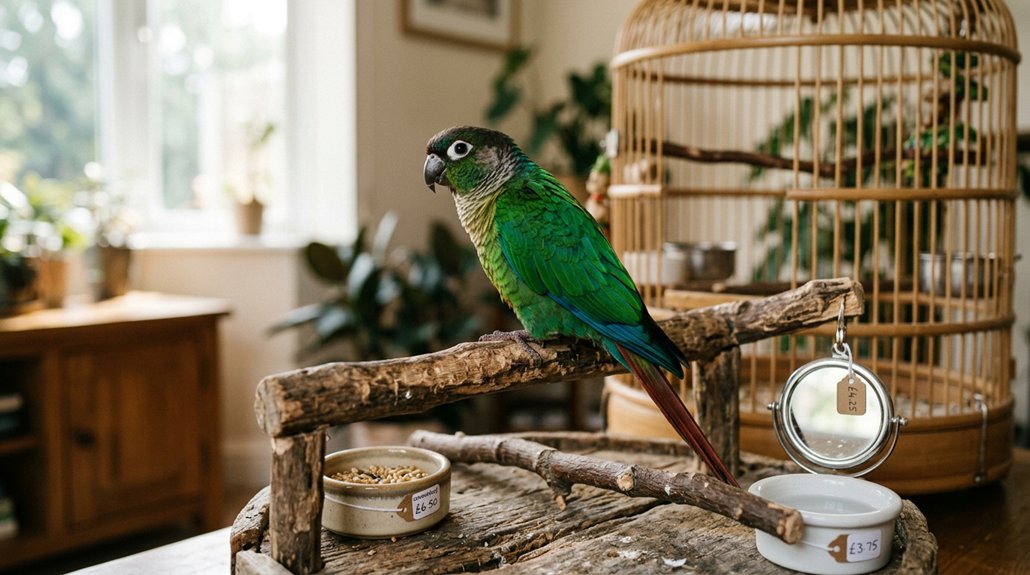
Owning a pet bird can cost from about $465 in the first year for a small bird to several thousand dollars for a large parrot. Purchase prices range from $15 to $5,000+, depending on species. You’ll also pay for cages, food, toys, cleaning supplies, and routine vet care. Monthly costs often run $50 to $150 or more, and emergencies can add hundreds to thousands. Different bird sizes bring very different long-term expenses.
Key Takeaways
- Bird purchase prices range from about $10 for finches to $5,000+ for macaws, cockatoos, and African greys.
- First-year costs can be much higher, with small birds averaging about $465 and large parrots often costing thousands more.
- Monthly ongoing expenses usually include food, produce, toys, and cleaning supplies, often totaling $100–$200 or more.
- Veterinary care adds cost, with annual wellness visits around $400 and emergencies ranging from $800 to $3,000+.
- Bigger or more social birds need larger cages, more enrichment, and more time, which increases lifetime ownership costs.
What Does a Pet Bird Cost?
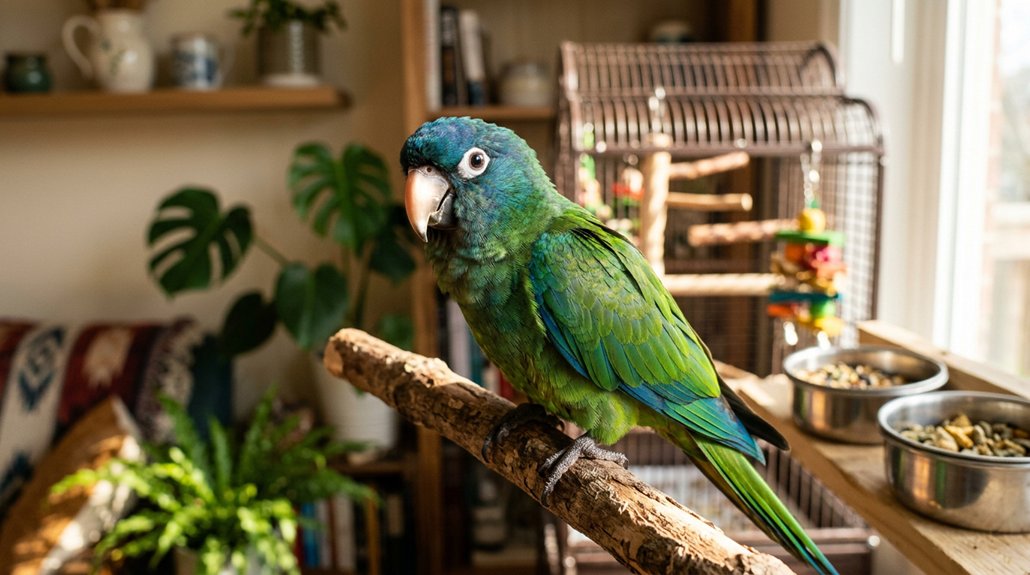
A pet bird’s cost can vary dramatically by species and by the level of care it needs. You may spend $10 to $100 for finches or budgies, while African greys often run $600 to $2,000 and macaws $900 to $5,000+. Your first year with a small parakeet can average about $465, including the bird, cage, and starter supplies. After that, you’ll usually budget about $250 yearly, plus vet bills. Routine expenses include about $35 for food, $50 for toys, and $25 to $150 for exams. You’ll also need a cage, carriers, and frequent toy replacement. Training enrichment and legal considerations can add costs too.
Bird Purchase Prices by Species
Your bird’s purchase price will vary widely by species, with small birds usually costing far less than larger parrots. Parakeets often cost $15–$40, canaries about $25–$150, finches about $10–$100, and cockatiels about $50–$150. Larger birds such as African greys, cockatoos, and macaws can range from roughly $600 to $5,000 or more.
Species Price Ranges
Bird prices vary widely by species, with smaller, common birds usually costing far less than larger parrots. You’ll see budgerigars at $15–$40, cockatiels at $50–$150, and conures at $150–$500, with breeder ethics affecting where within that range you pay. For finches and canaries, expect about $10–$150, influenced by color mutation and availability. Larger species cost more: African Greys often run $600–$2,000, and macaws can reach $900–$5,000+. Consider these points:
- Species rarity increases price.
- Breeder reputation can shift cost.
- Avian conservation concerns may limit supply.
You shouldn’t treat the lowest quoted price as the full measure of cost; purchase price is only one variable in overall ownership.
Small Bird Costs
Among small pet birds, purchase price is only a starting point. You’ll usually pay $15–$40 for a parakeet, $25–$150 for a canary, $10–$100 for a finch, and $100–$300 for a parrotlet. Your total outlay can rise quickly when you buy multiple finches or add a larger cage for canaries to support flight. Parakeets often cost about $465 in the first year, with annual expenses near $250 plus veterinary care. Parrotlets may seem affordable initially, but their 20-plus-year lifespan makes the commitment long term. You should also budget for balanced pellets and fresh produce, since seed-only diets aren’t adequate. Include behavioral enrichment and training techniques in your planning, because they affect ongoing care needs and overall ownership cost.
Large Bird Prices
Large birds come with much higher purchase prices than smaller species, and the initial cost often reflects their size, rarity, and care requirements. You’ll usually pay more for species like macaws, African Greys, and cockatoos. 1. Macaws: $900 to $5,000+, plus at least $300 for a large cage. 2. African Grey parrots: $600 to $2,000, with notable intelligence and emotional needs. 3. Cockatoos: $800 to $5,000+, with heavy enrichment demands. Prices can rise above these ranges based on breeder, location, and rarity. You should also budget for housing, toys, training techniques, veterinary insurance, and long-term care. For large birds, the purchase price isn’t the main expense; ongoing support is substantially higher than for small birds.
First-Year Bird Costs
Your first-year bird budget will usually be much higher than the purchase price alone. For a small budgie, you may spend about $465 total, including a $15–$40 bird, a roughly $50 cage, food, toys, and basic supplies. Larger parrots can cost far more: macaws and cockatoos may require $900–$5,000+ for purchase, plus cages that’re often $300 or more. You should also account for behavior training, adoption considerations, aging care, and legal regulations, since these can affect equipment and compliance costs. Initial veterinary expenses, including wellness exams, nail and beak trims, and baseline tests, can add several hundred dollars. Travel carriers, perches, play stands, bird-proofing supplies, and toy replacement also raise the first-year total.
Monthly Bird Care Costs
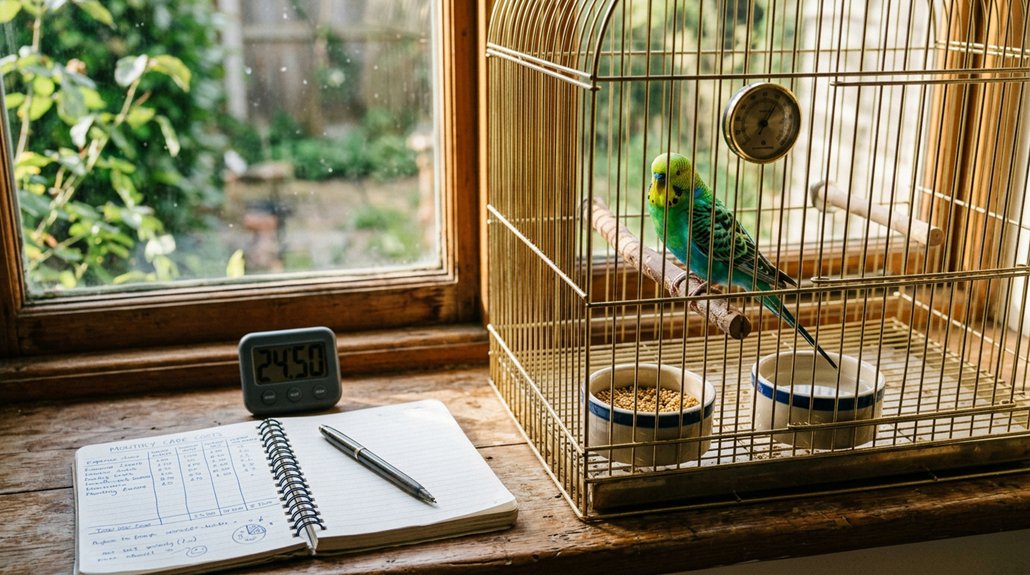
Monthly bird care costs can add up quickly, even for a small parakeet, with food and consumables typically running about $30–$60 per month, while larger parrots cost substantially more. You should also budget for routine upkeep.
- Toys, foraging items, and behavior enrichment: about $50 monthly, because shredding and rotation reduce boredom.
- Cleaning and maintenance: about $10–$15 monthly for vinegar, paper towels, and cage supplies.
- Preventive care and reserves: about $30–$35 monthly for annual wellness care, plus $25–$100+ for emergency savings.
Seasonal supplies, such as extra heating or cooling items, can raise your costs intermittently. Nail trims and minor vet visits may add periodic fees. If you plan carefully, you’ll track these recurring expenses more accurately and avoid surprise shortages.
How Bird Diet Costs Add Up
Diet costs are another recurring expense that can be easy to underestimate, especially once you move beyond basic seed mixes. You’ll usually budget for pellets, fresh fruits, and vegetables, not seed-only diets, which aren’t adequate and can drive future vet costs. For small birds, annual pellet or seed costs may be about $35, but generous fresh produce can add about $60 monthly.
| Item | Estimated cost |
|---|---|
| Pellets/seed | $35/year |
| Fresh produce | ~$720/year |
| Treats/specialty items | $80–$200/year |
| Lory nectar formulas | variable |
Treats such as nuts, Nutri-berries, sunflower seeds, and millet are often restocked quarterly. Larger parrots need more volume and variety, so costs rise sharply. Seasonal produce, feeding workshops, and formula brand all affect totals.
Bird Housing Costs by Size
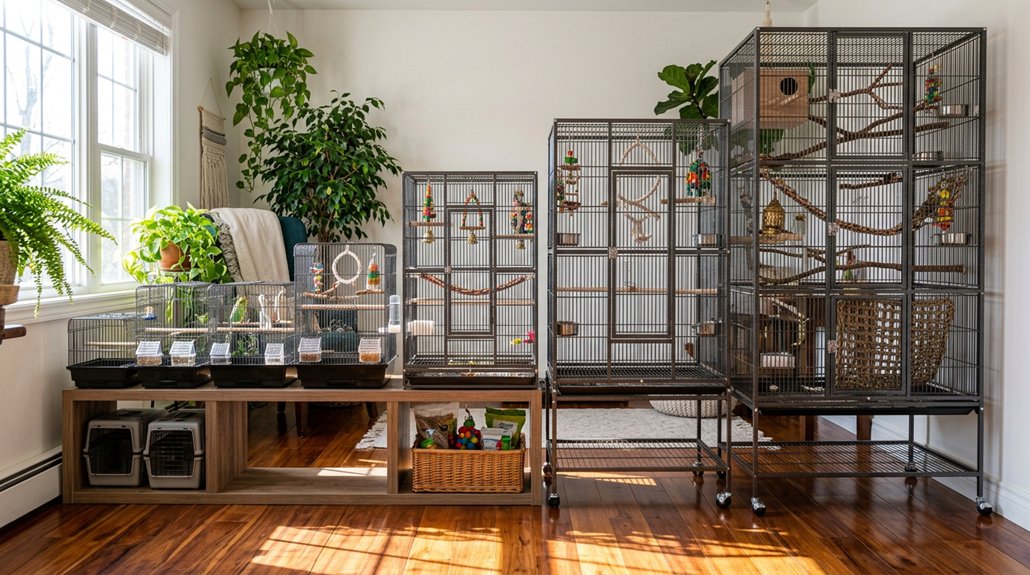
Housing costs rise quickly with bird size, and the cage is usually the biggest upfront expense. For a budgie, you’ll often pay about $50 for a good cage, plus a carrier and perches; first-year housing can help bring total ownership near $465. For cockatiels and conures, expect stronger cages, stands, and accessories, with bird purchase prices around $150–$500 and housing costs rising accordingly. Large parrots need heavy-duty enclosures and play areas; budgets often exceed $300, and quality setups can reach $6,000.
- Small birds: lowest cage cost, but still prioritize size.
- Medium birds: higher cage and stand costs.
- Large birds: highest enclosure and cage enrichment costs.
You’ll also replace toys, perches, and playgrounds regularly, and noise considerations may affect where you place the enclosure.
Vet Care Costs for Pet Birds
Vet care is a recurring cost of bird ownership, and even routine care can add up quickly. You should budget for an annual wellness exam of about $400, which often includes a physical exam, blood work, fecal testing, and beak or nail trims. Routine nail filing at a clinic is typically about $40 per visit, and you may need it every four months. If your bird becomes ill or injured, emergency visits can begin near $300, while diagnostics and treatment can total $800 to $3,000. Routine preventative care for small birds can be as low as $25 to $150 yearly, but larger or sick birds cost more. Because avian services are limited, avian insurance and behavioral training can help reduce preventable risks and expenses.
Small Bird Costs: Budgies, Canaries, and Finches
Budgies, canaries, and finches are among the least expensive birds to buy, but their total cost still depends on housing, diet, and flock size. You can expect a budgie to cost about $15–$40, with a first-year total near $465 and recurring annual costs around $250. Canaries often cost $25–$150, and finches run about $10–$100 each.
- Cage or habitat: budget more for flight space and enrichment.
- Diet: pellets plus fresh fruits and vegetables are better than seed alone.
- Care: include toys, routine vet visits, and unexpected bills.
For finches, you’ll usually need multiple birds, which increases both purchase and maintenance costs. Behavior enrichment and noise management also matter, because adequate space and stimulation help reduce stress-related issues.
Medium Bird Costs: Cockatiels, Conures, Doves, and Lories
Cockatiels typically cost $50–$150 and conures $150–$500, but your first-year setup will still include a cage, supplies, and several hundred dollars in initial expenses. Doves are usually cheaper to buy at $20–$100, while lories often cost $400–$900 and need nectar-based diets, fresh fruit, and flowers. You should also budget for routine veterinary care, monthly produce, toys, and species-specific care such as daily interaction for cockatiels and conures and out-of-cage flight time for doves.
Cockatiel And Conure Costs
Medium birds can be a moderate long-term expense, with cockatiels typically costing $50–$150 to buy and conures ranging from $150–$500, before housing, diet, and veterinary care are added. You should expect a first-year outlay of several hundred dollars, then recurring monthly costs for food, toys, and routine care.
- Cockatiels usually live 10–20 years and need daily social contact, balanced pellets, and fresh produce.
- Conures need pelleted diets plus nuts, seeds, fruits, and vegetables, along with strict hygiene to reduce parasite and disease risk.
- Budget for behavioral enrichment and noise management, because both species need playtime and out-of-cage exercise to prevent problems.
Your ongoing cost is often around $50/month for toys and enrichment, plus produce and vet visits.
Dove And Lory Care
Doves and lories fit into the same medium-bird budget range, but their care needs differ enough to affect long-term costs. You may pay $20–$100 for a dove, then budget for daily out-of-cage time in a bird-proofed room, balanced seed/pellet food, social contact, and basic flight training. Lories usually cost $400–$900 and need specialized nectar-based formulas, so nectar prep adds time and supply expenses. You’ll also provide fresh fruits, vegetables, or edible flowers, since a seed-only diet isn’t appropriate. For both birds, annual recurring costs often include food at $35–$60, toys near $50, and routine vet care from $25–$400, depending on services. First-year expenses are higher because you’ll need a cage, feeders, and other initial supplies.
Large Bird Costs: African Greys, Cockatoos, and Macaws
Large parrots are among the most expensive pet birds to own, with African Greys typically costing $600–$2,000, cockatoos $800–$5,000+, and macaws $900–$5,000+ depending on species, breeder, and availability. Your total cost doesn’t stop there; you’ll also face major setup, care, and enrichment expenses.
- Cage and equipment: $200–$6,000+
- Annual food, toys, and vet care: a few hundred to $1,000+
- Emergency avian care: $800–$3,000+
You’ll need to understand parrot behavior, since these birds require 3–4+ hours of daily out-of-cage time and consistent enrichment strategies. Training challenges are common, so breeder selection matters. Because they can live for decades, lifetime costs usually exceed the purchase price by a wide margin.
Frequently Asked Questions
How Expensive Is Owning a Bird?
Owning a bird can be moderately expensive: you’ll spend about $465 upfront for a budgie, then roughly $250 yearly, plus veterinary expenses and training supplies; larger parrots can cost thousands more.
What Is the 3 3 3 Rule for Birds?
The 3-3-3 rule means you’ll see 3 days of stress, 3 weeks of boundary-testing, and 3 months to settle. You’ll use behavior training, patience, and vet care to support adjustment.
How Much Is a Bird at Petco?
You’ll usually pay $15–$40 for small birds, while cockatiel cost is often $50–$150 and finch pricing varies by species. Conures may run $150–$500, and larger parrots can cost $600–$5,000+ depending on availability.
How Much Is a Bird at Petsmart?
At PetSmart, you’ll usually pay $15–$40 for budgies, $50–$150 for cockatiels, $150–$500 for conures, and more for larger parrots; finch care and parrot costs vary, plus cages and supplies add expense.
Conclusion
Owning a pet bird typically costs more than the purchase price alone. You should budget for the cage, food, toys, routine cleaning supplies, and regular veterinary care. For example, a budgie may cost little upfront, but annual care can still add up to several hundred dollars; a macaw can require thousands in first-year and lifetime expenses. If you plan ahead, you’re more likely to provide stable, healthy care and avoid unexpected financial stress.