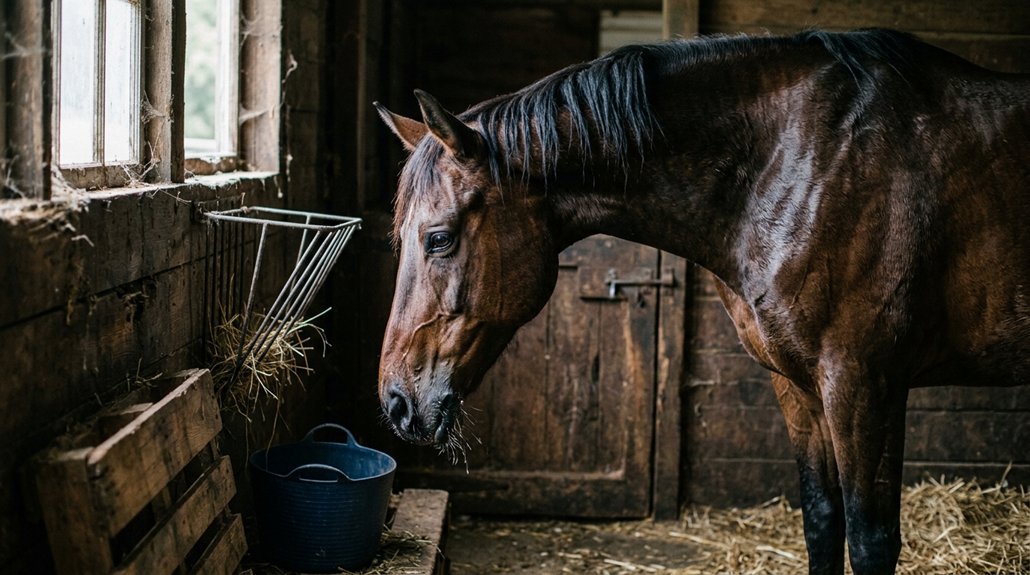
If your horse isn’t eating, it could signal potential health issues like dental problems, gastrointestinal disturbances, or inadequate water intake. Consider environmental stressors such as confinement or poor feed quality, which may deter consumption. Monitor for signs of discomfort, including behavioral changes or abnormal essential signs, and guarantee a supportive environment with consistent routines. Pay attention to the palatability and quality of feed to encourage appetite. Learn more to identify causes and solutions effectively.
Key Takeaways
- Sudden appetite loss indicates potential health issues like dental problems or gastrointestinal conditions such as impactions or ulcers.
- Environmental stressors, including stable conditions and herd dynamics, can deter eating due to heightened anxiety.
- Quality of feed impacts appetite; spoiled or moldy feed can lead to decreased consumption.
- Pain from dental issues, muscle soreness, or lameness may cause a horse to stop eating.
- Appetite loss lasting more than 24 hours requires urgent veterinary evaluation to prevent severe health complications.
Immediate Concerns: Identifying Health Threats Causing Appetite Loss
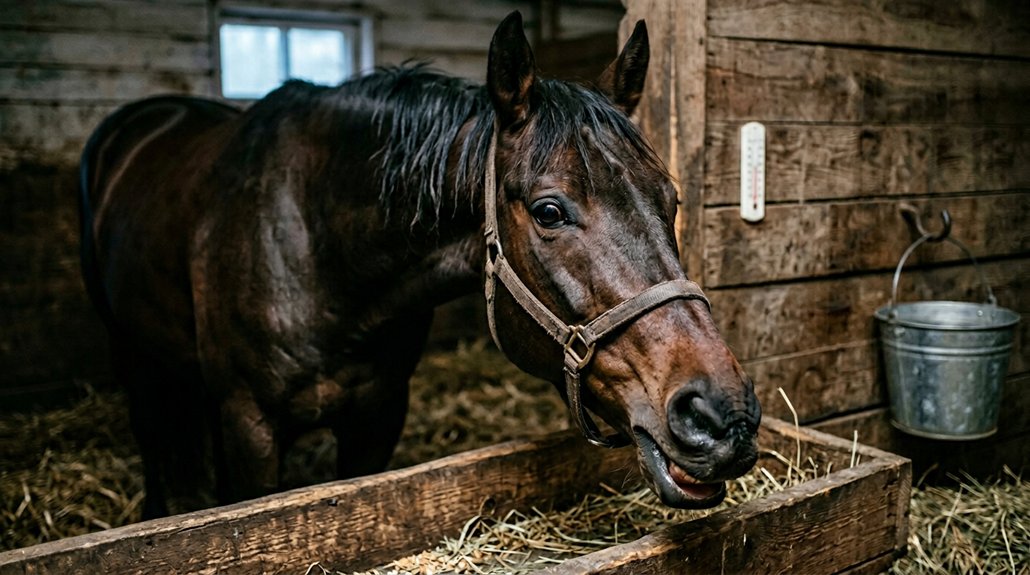
Why might your horse suddenly stop eating? Acute appetite loss in horses could indicate severe health issues. One significant concern is swallowing difficulties, which may arise from dental problems or insufficient water intake. Intestinal blockages, such as impactions, can also lead to a cessation of eating. Such blockages may occur when undigested feed obstructs the digestive tract, preventing normal bowel movements and causing abdominal pain.
Additionally, monitoring your horse’s important signs is essential. Elevated heart and respiratory rates, alongside a high temperature, could signify distress related to these conditions. Prompt veterinary evaluation is necessary to address potential causes and prevent further complications. Maintaining awareness of these immediate concerns helps promote your horse’s well-being and prevent life-threatening scenarios.
Recognizing Symptoms of Underlying Health Conditions
When your horse exhibits a sudden lack of appetite, it can often be an ominous sign of underlying health conditions requiring immediate attention. Dental health issues, such as overgrown teeth or sharp edges, can cause discomfort, leading to feed refusal. Ulcer diagnosis is essential, as gastric ulcers frequently cause pain and can deter eating. Elevated critical signs—specifically, heart rates above 52 beats per minute or temperatures exceeding 101.5°F—alongside behavioral changes like aggression or withdrawal, should signal physiological distress and illness. Pay particular attention to symptoms of colic, including rolling, restlessness, and biting at the sides. These indicators necessitate instant veterinary evaluation. A dull coat, significant weight loss, and altered manure output are also important signs of potential health problems demanding swift intervention.
Impact of Environmental Stressors on Appetite
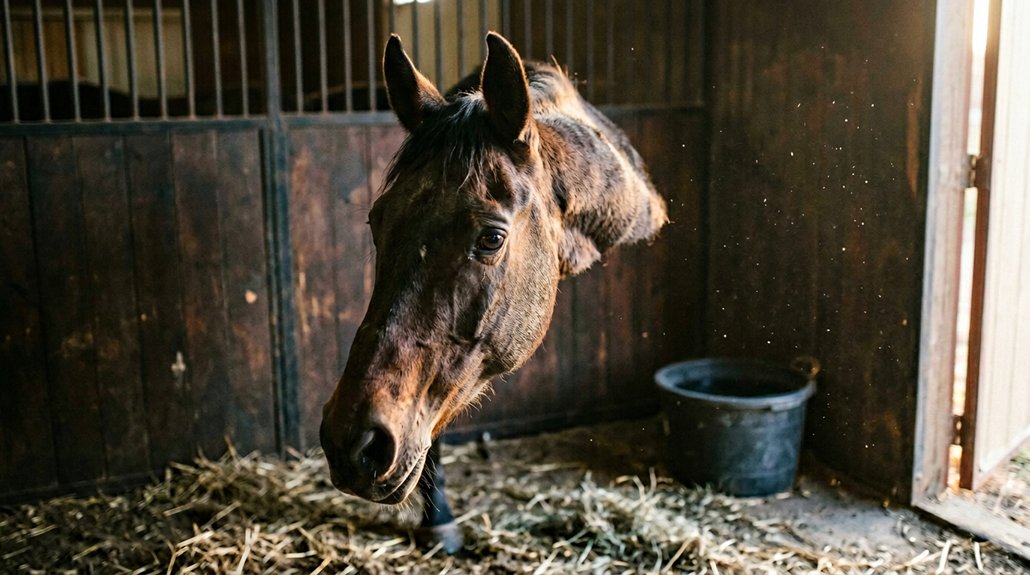
Even though horses are resilient animals, environmental stressors can considerably impact their appetite and overall well-being. Environmental factors such as confined, dimly lit stables may induce horse discomfort, ultimately decreasing their appetite. Inadequate housing underscores the necessity of providing proper conditions. Additionally, herd dynamics, particularly bullying, contribute to significant anxiety, potentially causing a temporary reduction in feeding. Pay close attention to any changes in routine like relocation or travel; these scenarios can elicit stress-induced dietary issues, markedly affecting consumption. Furthermore, hot and humid conditions compel the horse’s body to focus on hydration and temperature regulation, reducing food intake. To mitigate stressors, guarantee your horse has access to airy, well-lit areas that promote social interaction and alleviate anxiety.
How Feed Quality Impacts Your Horse’s Eating Habits
You should be aware that feed quality directly influences your horse’s appetite, as spoiled or mold-contaminated feeds pose significant health risks and deter consumption. It’s essential to identify mold contamination and guarantee freshness to prevent conditions such as colic, which causes horses to refuse food. Additionally, maintaining high-quality feed will help avoid disruptions in your horse’s natural eating habits and promote peak health.
Influence of Spoiled Feed
As feed quality directly impacts a horse’s eating habits, it’s essential to understand the ramifications of spoiled feed on their health and appetite. Spoiled feed, including moldy or rancid hay and grains, contains spoilage indicators like unusual odors or discoloration, which trigger a horse’s sensitive taste and smell, causing feed refusal. This not only affects nutritional intake but can precipitate severe health issues, such as colic, necessitating prompt veterinary intervention. Implementing safe storage practices is fundamental to prevent spoilage; storage should protect feed from moisture and contamination, preserving freshness and quality. Additionally, regularly inspect feed for signs of degradation to avert appetite suppression and guarantee continued dietary safety, promoting consistent and healthy eating habits in your horse.
Identifying Mold Contamination Risks
Understanding the detrimental effects of spoiled feed leads naturally to evaluating mold contamination risks, which are a crucial factor in deteriorating feed quality. Moldy hay or grain can produce mycotoxins, deterring your horse from eating and causing severe health issues like colic and toxicity. It’s vital to recognize contamination signs such as a musty odor, visible growths, or discolored particles. Mold prevention involves storing feed in dry, well-ventilated areas, greatly reducing mold risk. Regularly inspect hay and grain for spoilage, as contaminated feed may result in appetite loss and digestive complications. Horses’ refusals to eat often trace back to mold contamination, emphasizing the critical need to eliminate contaminants to restore normal eating habits and promote equine health.
Importance of Feed Freshness
Although often overlooked, the freshness of feed is essential to maintaining your horse’s appetite and health. Feed quality diminishes over time, reducing its nutritional benefits. Horses are particularly sensitive to feed quality; moldy or stale feed can deter their appetite and present health risks such as colic. Proper feed storage is important—store horse feed in a cool, dry place using airtight containers to prevent spoilage. It guarantees that grains and hays remain palatable and safe. Fresh forage retains its crucial vitamins and minerals, essential for your horse’s health and well-being. Regular inspection and rotation of feed supplies are important practices. By doing so, you confirm that your horse consistently receives fresh, high-quality feed that sustains their appetite and digestive health.
Understanding Pain and Discomfort Affecting Eating
When a horse isn’t eating, it’s essential to contemplate pain and discomfort as potential culprits. Pain, whether from dental health issues or gastric ulcers, can deeply impact feeding behavior. Regular dental examinations are important for identifying problems early. Lameness effects and muscle soreness also deter feeding by associating discomfort signals with meal times.
Pain and discomfort can significantly alter a horse’s feeding behavior, making early identification crucial.
- Dental health: Conduct regular dental examinations to identify feeding issues.
- Ulcer management: Address through dietary adjustments and veterinary care.
- Pain recognition: Observe sudden appetite changes as indicators of pain.
- Lameness effects: Acknowledge how lameness can disrupt feeding behavior.
- Ulcer prevention: Implement strategies like controlled diets to minimize risk.
Identifying and addressing these issues will aid in maintaining a healthy appetite in your horse.
Reducing Stress to Boost Appetite
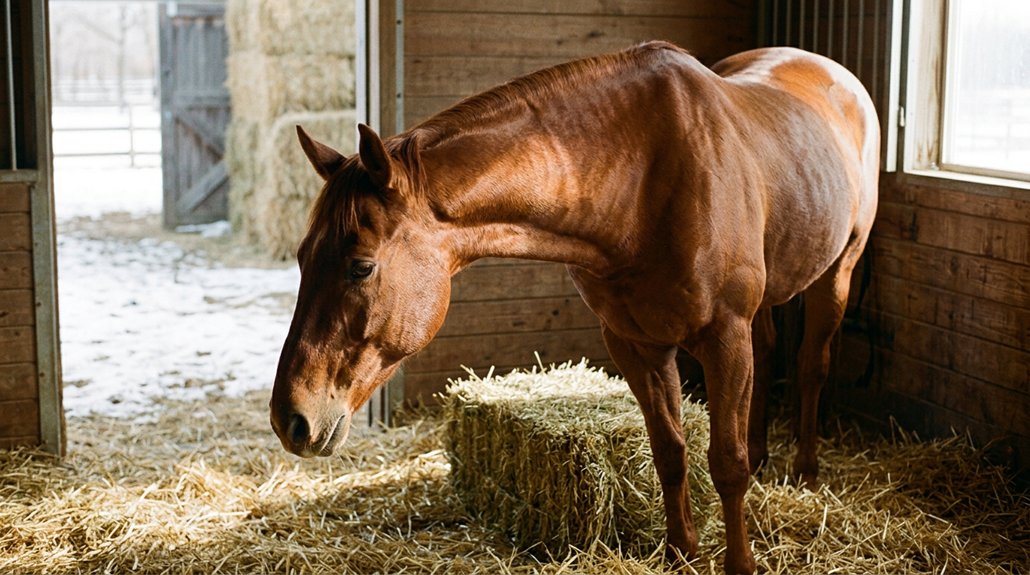
Addressing pain and discomfort is essential, but it’s equally important to contemplate the role of stress in a horse’s appetite. Horses thrive on social interactions; bullying or isolation in a herd induces stress-related anxiety, diminishing appetite. Likewise, inadequate environmental conditions—such as small or dimly lit stables—exacerbate stress, necessitating environmental enrichment. A well-ventilated, bright space combined with consistent routines fosters ideal feeding behaviors. Changes in routine or feeding locations may prompt anxiety, impairing consumption. Ensuring stability in these factors is critical.
| Stress Factor | Management Strategy |
|---|---|
| Social interactions | Monitor herd dynamics |
| Stable environment | Improve ventilation/light |
| Routine stability | Maintain consistent schedule |
| Feeding location | Offer feed in familiar spot |
| Travel and competitions | Minimize disruptions |
Encourage a controlled, comforting atmosphere to alleviate stress and enhance appetite.
How to Make Your Horse’s Feed More Appealing
Enhancing the palatability of your horse’s feed is essential for encouraging ideal intake, especially in horses exhibiting reduced appetite. By strategically incorporating flavor enhancements and texture variety, you can motivate your horse to consume its meals more enthusiastically. Consider the following evidence-based strategies:
- Introduce tasty additions: Incorporate bran, honey, or molasses to markedly improve feed palatability.
- Use appealing fruits and vegetables: Add applesauce, grated carrots, or diced apples to enhance taste.
- Incorporate brewers yeast: It can elevate flavor, rendering the feed more attractive.
- Utilize lucerne chaff: Known for its high palatability, it serves as an enticing option.
- Experiment with flavors and textures: Identify ideal combinations to stimulate your horse’s appetite.
Implementing these methods assists in addressing reduced feed intake effectively.
Fine-Tuning Your Horse’s Diet Plan
While crafting an appropriate diet plan, careful consideration of your horse’s nutritional needs and feeding habits is imperative. Dietary adjustments should be executed gradually; introducing new feed ingredients slowly helps prevent disruption in eating patterns and feed refusal. High-quality forage must be provided consistently, as unlimited access to hay or pasture can enhance appetite and digestive health. Monitoring feed preferences assists in formulating an appealing diet. Incorporate small, frequent meals, reflecting natural grazing behaviors and optimizing digestibility to reduce the risk of digestive issues like colic. Employ heat-processed grains cautiously to maintain a balanced diet and avoid abrupt increases in grain quantities. Regular dental assessments guarantee oral health, mitigating discomfort from long teeth or sores, and thereby supporting efficient food intake.
When to Call a Vet for a Horse Not Eating?
Crafting a well-balanced diet is essential for maintaining your horse’s health, yet when appetite diminishes, careful observation is key to determining the underlying cause. A sudden lack of appetite can signal severe health issues beyond nutritional deficiencies, warranting immediate veterinary intervention. Recognizing when to call a vet involves monitoring specific horse behavior and crucial signs. Here’s when you should act:
Monitor your horse’s appetite closely; sudden changes might require urgent veterinary care.
- Persistent refusal to eat for more than 24 hours.
- Behavioral changes, such as disinterest in social interaction.
- Signs of colic, including rolling or restlessness.
- Abnormal crucial signs, like increased heart rate or temperature.
- Presence of additional symptoms like fever or abnormal manure.
These indicators necessitate expert evaluation to address potentially critical underlying conditions effectively.
Frequently Asked Questions
Why Is My Horse Suddenly Not Eating?
Your horse’s sudden appetite loss could stem from stress factors, such as changes in routine or environment, or potential health issues. Assess for signs of discomfort, monitor essential signs, and check feed quality to determine the cause.
Can Horses Get Rheumatoid Arthritis?
Horses rarely get rheumatoid arthritis, affecting less than 1% of equines globally. They’re more prone to problems like equine inflammation and compromised joint health due to osteoarthritis. Proper management focuses on anti-inflammatories and joint health supplements.
What to Give a Horse That Won’t Eat?
Start by using appetite stimulants like honey or molasses in the feed, enhancing palatability. Adjust feeding habits with grated carrots or applesauce. Persistent refusal necessitates consulting a veterinarian to exclude underlying health issues affecting intake.
What Are the First Signs of Kidney Failure in Horses?
You’ll notice first signs of kidney failure in horses, such as increased thirst, urination, and decreased appetite. Monitor for kidney symptoms like lethargy, foul breath, and abnormal feces. These equine health issues demand immediate veterinary attention.
Conclusion
If your horse isn’t eating, it’s vital to act swiftly, as 60% of horses with anorexia exhibit underlying conditions that can rapidly escalate into severe health risks. By understanding the environmental stressors, feed quality, and potential pain factors affecting your horse’s appetite, you can implement effective dietary interventions and stress-reduction strategies. Always guarantee your feed is palatable and finely tuned to your horse’s needs. Don’t hesitate to consult a veterinarian if appetite issues persist.